-2.8 C
New York
Home Blog Page 273

Stolt Tankers receives ammonia-compliant vessel

0

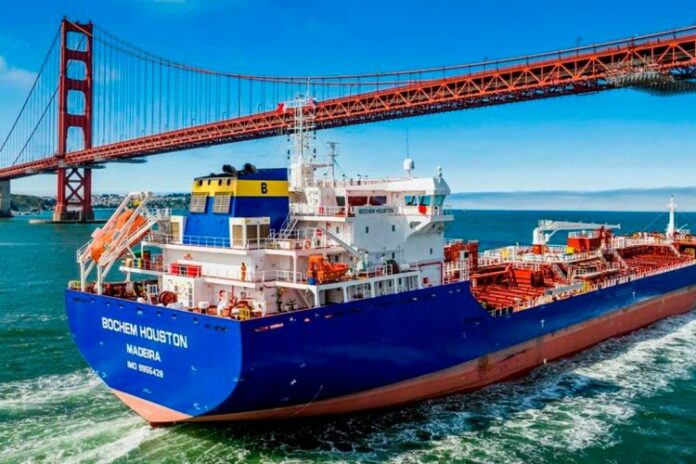
The Bochem Houston is one of six newbuildings ordered from the CMJL shipyard in China by Belgian shipowner Compagnie Maritime Belge (CMB).

Stolt Tankers reached an agreement with CMB’s chemical tanker division Bochem in June this year for the long-term time charter and pooling of the six 26,000 deadweight chemical tankers. The remaining five ships are expected to enter service in 2023 and 2024.

Lucas Vos, President, Stolt Tankers said:

“This agreement is an excellent opportunity to further solidify our relationship with CMB and Bochem. As well as securing attractively priced tonnage in a firm chemical tanker market, these modern, fuel-efficient ships will help to lower the age profile and carbon intensity of our fleet while offering customers more flexibility as they can trade in any of our deep-sea routes. 

“With the option for these ships to be retrofitted for ammonia propulsion, the agreement also supports Stolt Tankers’ commitment to reducing its emissions by 50% by 2030 (compared to 2008 levels). At the end of the day it’s our customers who truly benefit, as we expect this deal to drive further improvements in our best-in-class customer service and reliability as we modernise our fleet.”

Further details of the transaction were not disclosed.

First merchant ship successfully crosses Ukrainian sea corridor, sidestepping Russia

0

As of 11:28 local time, on 17 August 2023, the container ship Joseph Schulte entered the territorial sea of Bulgaria after passing the territorial sea of Romania and the sea corridor in the territorial sea of Ukraine.

The sea corridor almost fully goes through Ukrainian territorial waters, where Russian warships don’t operate due to the risk of being hit by anti-ship missiles and sea drones. Then, the sea corridor goes through the 12-mile zone of Romania and Bulgaria, which is protected by state sovereignty. Russian ships can’t attack any ship there since it would be a direct attack on NATO territory.

“Ukraine has just made an important step toward restoring the freedom of navigation in the Black Sea,” — Ukraine’s President Volodymyr Zelenskyy said in the evening of 16 August, when the ship passed the Ukrainian part of the corridor.

The Hong Kong-flagged container ship Joseph Schulte had been trapped in the Ukrainian port of Odesa since the beginning of the full-scale invasion due to Russian threats. Currently, the ship carries more than 30,000 tons of cargo (2 114 containers), including agricultural products.

Earlier, Ukraine had officially notified the International Maritime Organization of the corridor’s operation. The International Maritime Organization reaffirmed Ukraine’s right to ensure freedom of navigation and urged Russia to cease threats and uphold international conventions. 

Source

HII’s Ingalls Shipbuilding launches guided missile destroyer Ted Stevens

0

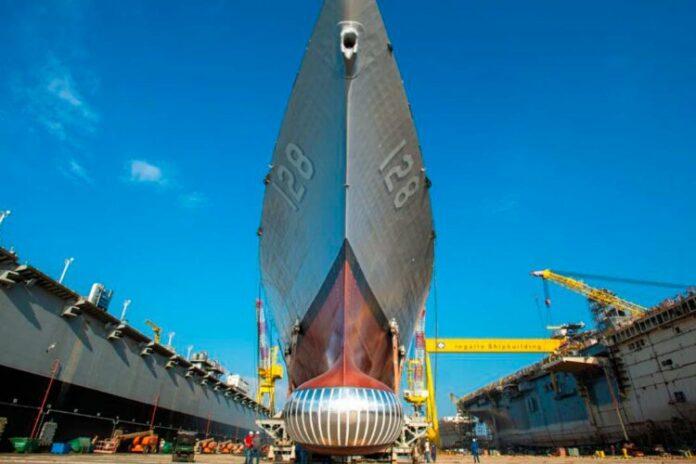
HII’s Ingalls Shipbuilding division announced the successful launch of the Navy’s third Flight III Arleigh Burke-class guided missile destroyer Ted Stevens (DDG 128).

“The translation and launch are always important milestones for our shipbuilders and the life of a ship,” Ingalls Shipbuilding DDG Program Manager Ben Barnett said. “Our team has put in a tremendous amount of work leading up to the launch, and I am proud to see them bring DDG 128 one step closer to completion.”

Prior to launch, DDG 128 was translated from land to the dry dock using translation railcars to support the ship. Once in the dry dock, the ship is prepared to launch.

Ted Stevens is the 76th Arleigh Burke-class ship, and its name honors former U.S. Sen. Ted Stevens, who served as a pilot in World War II and later as a U.S. senator representing Alaska. At the time he left office in 2009, he was the longest serving Republican U.S. senator in history.

Ingalls has delivered 35 Arleigh Burke-class destroyers to the U.S. Navy including the first Flight III, Jack H. Lucas (DDG 125), in June of this year. In addition, Ingalls Shipbuilding has four Flight IIIs currently under construction and was awarded an additional six destroyers earlier this month. Ted Stevens will be christened Saturday, Aug. 19, while Jeremiah Denton (DDG 129), George M. Neal (DDG 131) and Sam Nunn (DDG 133) are also under construction at Ingalls.

Flight III Arleigh Burke-class destroyers built for the U.S. Navy incorporate a number of design modifications that collectively provide significantly enhanced capability. DDG 125 includes the AN/SPY-6(V)1 Air and Missile Defense Radar (AMDR) and the Aegis Baseline 10 Combat System that is required to keep pace with the threats well into the 21st century. Arleigh Burke-class destroyers are highly capable, multi-mission ships and can conduct a variety of operations, from peacetime presence and crisis management to sea control and power projection. Guided missile destroyers are the backbone of the U.S. surface fleet and are capable of fighting multiple air, surface and subsurface threats simultaneously.

RightShip, NYK, Solverminds work on new data platform

0

RightShip, NYK, and Solverminds announce their collaboration on a product that links NiBiKi, the NYK Group’s common platform for ship-management operations, with RightShip’s data platform, to transform the workloads of ship owners and managers.  

This new technology,  Port State Control (PSC) Submission API, initially launched on RightShip’s e-commerce platform RightSTORE, is designed to share data across both RightShip’s and NYK’s platforms.

The product integrates a ship manager’s ERP system directly into the RightShip platform using an API data flow. This can save hundreds of man hours and significantly improve efficiency across ship management groups of all sizes. Annually, RightShip closes out around 39,000 PSC deficiencies in the platform.

The PSC Submission API enables users to instantly submit and receive PSC inspection and deficiency data without the need to switch between separate platforms.

Flexible and adaptable to the individual needs of each business, the API allows users to focus less on manual data entry and more on what matters: their operations.

The PSC Submission API also enhances transparency within a ship manager’s workflow by giving users full visibility over their pending PSC deficiencies. This enables them to make quick, informed decisions.

Christopher Saunders, Chief Product Officer at RightShip, said:

“The PSC Submissions API is a simple but important innovation, designed to address a significant issue for ship managers: the inefficient system that requires them to manually pass data through separate systems. Our API can drastically improve workflow for ship owners and managers – allowing them to make quicker and better decisions during their pursuit of zero harm operations.”

Hiroshi Kawaguchi, General Manager, Dry Bulk Marine Quality Control Group, NYK Line, said:

“At NYK, our basic philosophy of “Bring Value to Life” is based on the pursuit of safe operation and safe cargo handling. In PSC inspections, building a system that enables more proactive reporting by shipowners and managers will play an important role as part of the above innovation efforts. We expect that the response time of ship owners and managers can be greatly reduced.” 

Ritesh Sood from Solverminds said:

“Solverminds is laser-focused on developing solutions for the ocean supply chain – making it more efficient, more effective, and more sustainable. The PSC Submissions API is a major development as part of the digital ship management ERP and can make a big difference in the exchange of information contributing towards safe operations.”

Svitzer designing world’s first methanol hybrid fuel cell tug

0

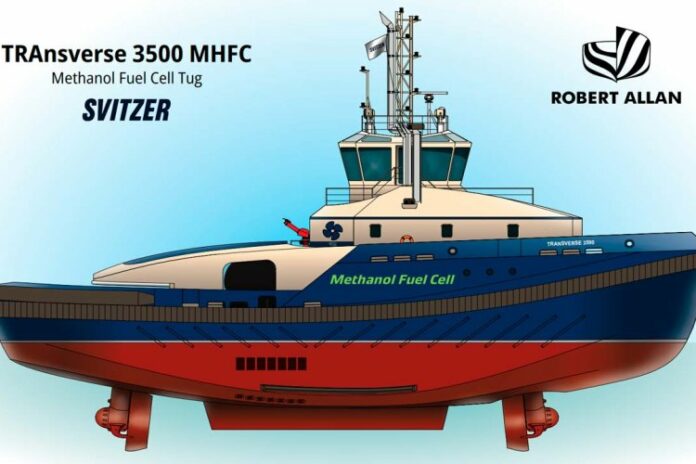
Svitzer is launching the second phase of its project to design the world’s first methanol hybrid fuel cell (MHFC) tug. 

Svitzer has conducted technical studies to establish the feasibility of this type of vessel accommodating the real-world operational requirements of a tug. Work will now begin between Svitzer and  Robert Allan Ltd. to design the world’s first MHFC tug. The next phase will include work to complete the vessel design, scope considerations for vessel construction, and onboard equipment selection necessary to build the vessel. 

The MHFC tug will use an electrical propulsion system with methanol fuel cells and batteries, delivering a self-sustained tug with longer endurance and fewer operational constraints than a purely battery-powered vessel. Secondary methanol fuelled generators will provide backup power if required without the need for a secondary fuel. Calculations indicate that the MHFC tug running on green methanol would prevent approximately 1,300 tonnes of CO2 annually from being emitted into the atmosphere, compared to fossil-fuel-based vessels of the same dimensions within Svitzer’s global fleet. 

The design of the MHFC tug will be a joint project between Svitzer and Robert Allan Ltd. using Svitzer’s TRAnsverse tug design as the basis for the project. Svitzer will look to forge partnerships with other companies to finalise the selection of onboard equipment, such as the batteries and fuel cell system, and to support construction once the design phase is complete.

Gareth Prowse, Head of Decarbonisation at Svitzer, said: 

“The combination of fuel cell technology and green methanol will result in improved operational efficiencies, resulting in less fuel consumption and lower emissions. We’re delighted to be collaborating with Robert Allan Ltd. to design the MHFC tug and look forward to bringing on new partners to construct the vessel which will operate at the Port of Gothenburg in Sweden.” 

The MHFC is expected to enter operations in the second half of 2025 at the Port of Gothenburg in Sweden, where methanol is the low-carbon alternative fuel of choice.

Göran Eriksson, Port of Gothenburg CEO, said:

“The Port of Gothenburg has set ambitious targets to reduce shipping emissions within the port area by 70% by 2030. To deliver on that ambition, the transition of shipping lines from fossil fuels to more sustainable fuels such as green methanol is critically important. Svitzer’s decision to design and construct the world’s first methanol hybrid fuel cell tug is a major milestone which sets the example for the long-term decarbonisation of global towage services. We’re excited to welcome this pioneering new vessel to the Port of Gothenburg when it enters into operation in 2025.”

Peel Ports Group welcomes eco-friendly dredging vessel

0

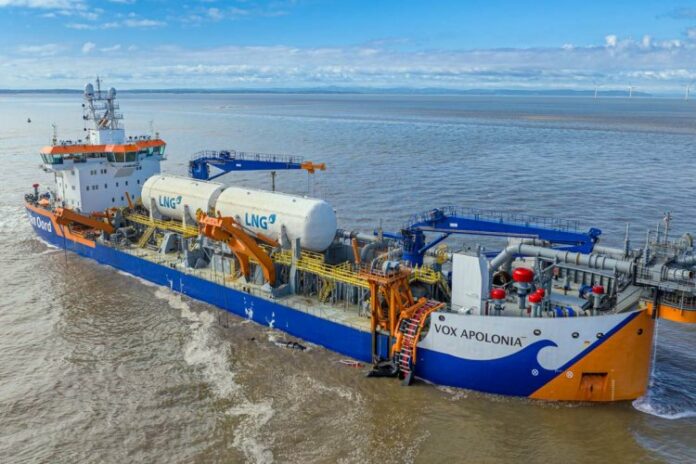
The UK’s port operator used Dutch marine contractor Van Oord’s groundbreaking Vox Apolonia for maintenance dredging of the Port of Liverpool and King George V Dock in Glasgow.

The Vox Apolonia uses liquefied natural gas (LNG) and has a significantly lower carbon footprint than conventional trailing suction hopper dredgers. The use of LNG reduces nitrous oxide emissions by 90 per cent, as well as totally eliminating sulphur emissions.

Peel Ports Group – which is committed to being a net zero port operator by 2040 – first welcomed the vessel to the Port of Liverpool this month, before it carried out work in Glasgow, and returned for further work at its site in Liverpool.

At the same time, Van Oord also provided its new hybrid water-injection dredger Maas to the port, bunkered for the first time with a biofuel blend. The company estimates she currently emits 40 per cent less CO2e than her predecessor whilst dredging for the port group in Liverpool.

It comes as the firm supplied four separate vessels to carry out important dredging of the Liverpool channel and docks at the same time.

Garry Doyle, Group Harbour Master at Peel Ports Group, said;

“We are always looking for ways to reduce our impact on the environment across our port estate. We are striving to become net zero across the group by 2040, and the Vox Apolonia is a step ahead in terms of its sustainability credentials.

“Maintenance dredging is vital to both support the functioning of our ports, and to provide a safe navigation for vessels passing through our waters.

“It’s important to us that we use methods that are as energy efficient as possible to do this work, and that’s why we chose the Vox Apolonia for this important project.”

Marine Bourgeois, Project Manager at Van Oord, said:

“We’re constantly researching and investing to bring our fleet to the next level in terms of sustainability. We have our own commitment to achieve net-zero emissions by 2050 and the Vox Apolonia is the next step towards that goal.”

“It’s been great to work with Peel Ports on this project. They are always open to collaborate in our initiatives to provide greener and more efficient dredging solutions. We are proud to bring our marine ingenuity in support of their goal to be net zero by 2040.”

NORDEN and Teck announce emission reduction freight contract

0

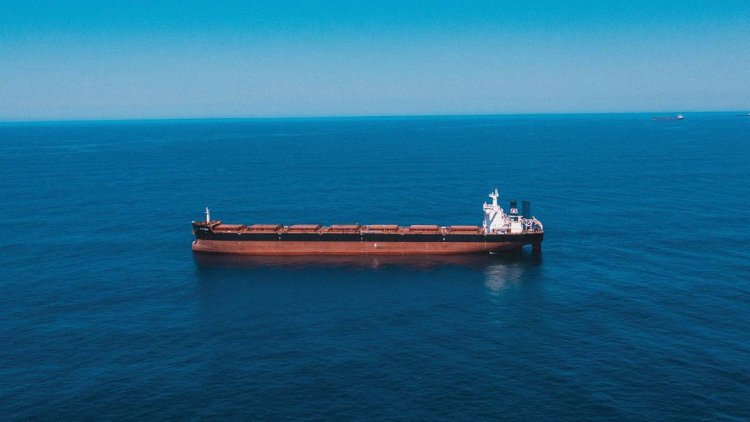
NORDEN and Teck Resources Limited, today announced an agreement to reduce CO² emissions in Teck’s steelmaking coal supply chain. 

The agreement is expected to reduce annual emissions from Teck shipments handled by NORDEN by 25%, or up to 6,700 tonnes of CO², equivalent to removing over 1,400 passenger vehicles from the road. 

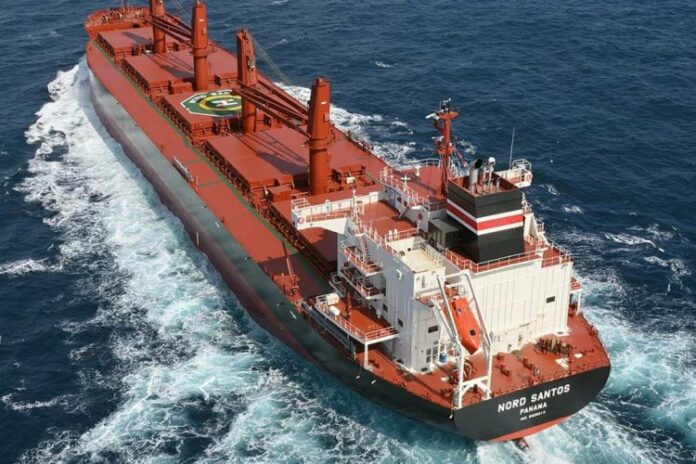
NORDEN will achieve emission reductions by utilising a range of solutions, including the use of fuel-efficient ships and alternative fuels such as biofuel in combination with an intelligent use of advanced data analytics to optimise vessel speed and routing.

“This innovative partnership with NORDEN is expected to reduce Scope 3 emissions associated with transportation of Teck’s steelmaking coal, reducing our carbon footprint and advancing progress developing green transportation corridors,” said Jonathan Price, CEO, Teck. “Working with transportation providers like NORDEN to reduce emissions downstream of our business furthers our progress towards achieving our net zero by 2050 goal.” 

“With this initiative, we are now able to design customer-tailored freight emission contracts where we leverage our combined expertise to develop unique solutions that support our customers’ ambitions to lower their supply chain emissions,” said NORDEN CEO Jan Rindbo. “NORDEN’s strategy of helping our customers decarbonise their supply chains means that we in addition to committing to carbon neutrality in 2050, have short to medium-term commitments, where our goal is to make carbon emission reductions towards 2030.” 

NKT to support construction of Polish offshore wind farm Baltic Power

0

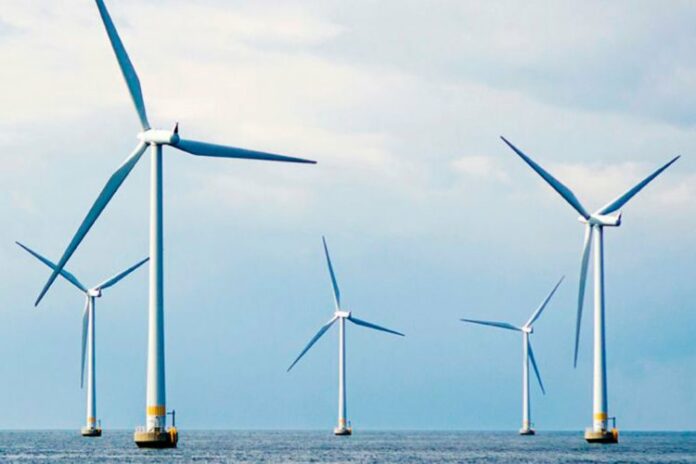
Now, NKT has signed the order for offshore export power cables for the Baltic Power Offshore Wind Park which will be the first offshore wind farm in Poland located 23 km off the coast.

With 76 wind turbines, it provides a capacity of up to 1.2 GW and will thereby be an important contributor to the Polish ambitions to install up to 11 GW of offshore wind in the Baltic Sea by 2040.

“We are proud to support the development of offshore wind in the Baltic Sea with the order for Baltic Power. The project is an important step in the Polish transition to renewable energy, and we are pleased to leverage our experience to support the development of the offshore wind sector in Poland”, says Lukas Sidler, Executive Vice President and Head of HV Solutions in Cologne, where NKT will manufacture the offshore power cables.

NKT will execute the power cable project for Baltic Power in a consortium with two partners.

The order award does not change the 2023 financial outlook for NKT.

Facts:

  • Contract value: More than EUR 120m ( more than EUR 110m in std. metal prices)
  • Customer: Baltic Power Sp. z.o.o., a joint venture between PKN ORLEN (Poland) and Northland Power (Canada)
  • NKT scope: Design and production of offshore export power cables including accessories
  • Cable specifications: 230 kV high-voltage AC XLPE power cable system in four circuits of approx. 32 km comprising a total length of approx. 130 km.
  • Schedule: Commissioning of the full project is expected by 2026

EPS partners with GCMD and GoodFuels for biofuel trial project

0

The Global Centre for Maritime Decarbonisation (GCMD) successfully bunkered the third supply chain of a biofuel blend as part of its pilot to develop a quality, quantity and GHG abatement assurance framework for drop-in green fuels on 24 July.

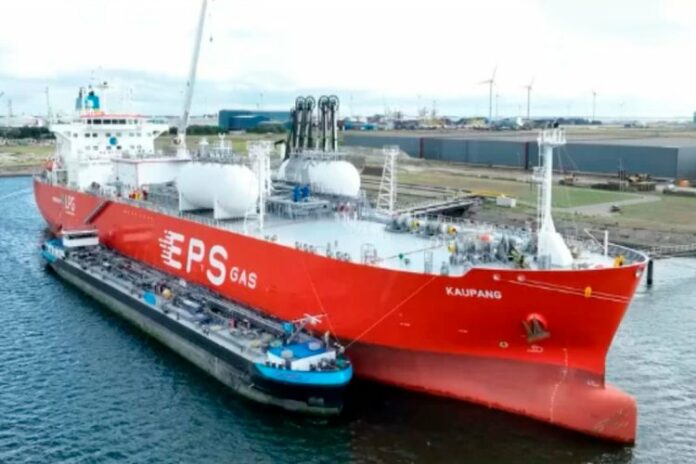
Partnering with tonnage provider Eastern Pacific Shipping (EPS), this GCMD-led trial involved the Kaupang, a mid-sized gas carrier equipped with an LPG dual-fuel engine. As opposed to sailing on conventional fuel oil, LPG propulsion can reduce emissions. Using LPG requires a pilot fuel; replacing the pilot fuel with a biofuel blend can further reduce emissions.

In this trial, approximately 200 MT of a B30 biofuel blend of hydrotreated vegetable oil (HVO) and marine gas oil (MGO) provided by GoodFuels was bunkered in the Port of Vlissingen (Flushing) as the pilot fuel for LPG propulsion.

Prior to this trial, GCMD had successfully traced two supply chains of FAME-based biofuels blends with synthetic DNA from production to consumption through Singapore. In this most recent trial, GCMD collaborated with GoodFuels, Control Union and IDS to deploy an element-based tracer in HVO to assure its origination and quantity in the biofuel blend.

Unique to this trial, the tracer was dosed in-line with HVO and blended with MGO onboard the bunker vessel. Carbon dating was conducted in accordance with Standard EN 16640 to independently determine the biogenic carbon content given the chemical similarities between HVO and some of the components in MGO.

VPS witnessed the trial at all stages from biofuel transfer and onboard blending to bunkering aboard the Kaupang. VPS also conducted extensive laboratory tests on aliquots of the biofuel and biofuel blend collected at numerous pre-determined points along the supply chain to assess quality per Standards EN 15940 and ISO 8217.

The data collected from this trial augments those collected from the prior two supply chain trials for GCMD to further develop its assurance framework for drop-in green fuels. In the context of the recently updated guidelines, this framework should impart greater confidence in fuel purchasers meeting or exceeding IMO regulatory requirements.

On the completion of bunkering of this drop-in biofuel supply chain trial, Dr Sanjay Kuttan, Chief Technology Officer of GCMD, said:

“The experiences from this trial will strengthen the development of our framework to provide emissions abatement assurance when it comes to paying a premium for green fuels over fossil fuels. Through this pilot, we demonstrated that different tracing techniques can help ensure authenticity and quantity of sustainable biofuels in the supply chain. And using a biofuel blend with LPG can be a feasible pathway for ships to meet the recently revised IMO indicative decarbonisation checkpoint for 2030.”

The remaining two supply chains of the GCMD-led biofuels assurance framework pilot will be trialled in the upcoming months. Learnings from these trials and details of the assurance framework will be shared broadly through a public report in early 2024.

Telemar secures smart maintenance and service contract from NSB GROUP

0

Under the two-year contract, Telemar’s co-ordination team and technicians will provide shore-based maintenance including remote service co-ordination for troubleshooting and diagnostics. 

The contract covers specific equipment including annual radio survey, bi-annual magnetic compass calibration, annual VDR (Voyage Data Recorder) performance test and the certificate of compliance, single gyro compass overhaul, annual radar inspection, radar magnetron replacement and maintenance of SART/EPIRB, GMDSS, handheld radio and VDR beacon.

Telemar will provide a coordinated global service to NSB GROUP by providing Telemar World Service 4.0 (TWS), a web-based tool for managing service due dates across the NSB fleet, increasing visibility on service intervals and optimising vessel availability. Using a planned maintenance strategy will give NSB Group the ability to create better predictability in its vessel operations. The equipment included in the contract supports both navigational safety and efficient shipping and higher uptime means performance data can be shared on a close to real-time basis if required.

NSB GROUP currently has about 50 vessels under management, with 1,700 people at sea. NSB has a Maritime Training Center with a state-of-the-art shiphandling simulator. More than 160 vessels were built under NSB’s newbuilding supervision. The company currently supervises eleven newbuilding projects in China.

Selvam Panneer, Chief Operating Officer of NSB GROUP, said:

“The goal of NSB GROUP is to ensure the best ship management experience for our customers at a worldwide scale, constantly improving our services to the evolving needs of our clients. Maintaining our required level of vessel availability means knowing that our assets are in optimum condition and in full compliance, thanks to comprehensive cover from Telemar.”