-8.4 C
New York
Home Blog Page 271

Production start for Statfjord Øst project

0

The project is completed with sound safety results and is expected to deliver within estimated cost, despite the inflation and weakened Norwegian krone. Production starts six months ahead of schedule.

“This proves the importance of extending the life of mature fields and maximizing value creation from existing infrastructure on the Norwegian continental shelf (NCS). The project contributes to extending the life of Statfjord C to 2040. The profitability is high, and the value of increased production equals around NOK 20 billion at the current oil price. This is good use of resources which provide ripple effects for Norwegian suppliers,” says Camilla Salthe, Equinor’s senior vice president for Field Life eXtension (FLX).

Two new wells have been drilled from existing subsea templates, and three additional wells are to be drilled. Statfjord Øst is tied to the Statfjord C platform, and the project includes a modification on Statfjord C and laying of a new pipeline for gas lift to the subsea wells.

“This is a good example of how we work with mature fields. Equinor aims to be a leading operator of late-life fields on the NCS. That means that we need to find new ways of working to reduce costs. Together with our partners we have developed simpler and faster solutions while maintaining high quality,” says Ketil Rongved, Equinor’s vice president for FLX projects.

The oil recovery rate from the field is expected to rise from 58 to 63 percent as a result from this project. Statfjord Øst startet producing in 1994. The field is located five kilometres from Statfjord C.

The project was decided by the partnership in 2020 and approved by the Ministry of Petroleum and Energy in 2021.

HPA and Marine Thinking to test new capabilities in a live marine environment

0

On Friday, August 25, 2023, the Halifax Port Authority (HPA) will partner with Marine Thinking, a member company at The PIER, to test new technology at the Port of Halifax. 

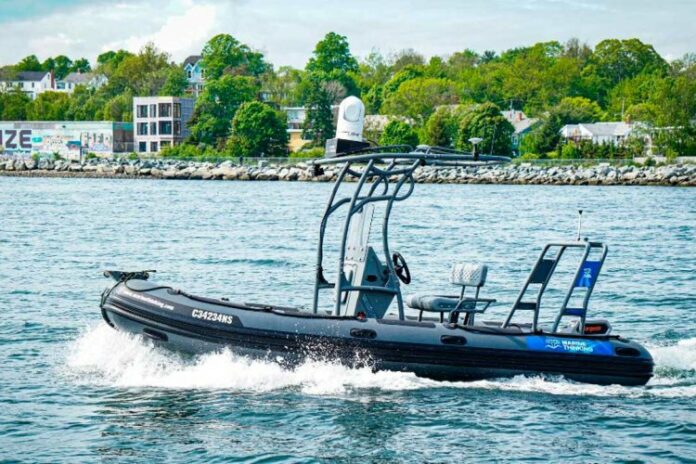
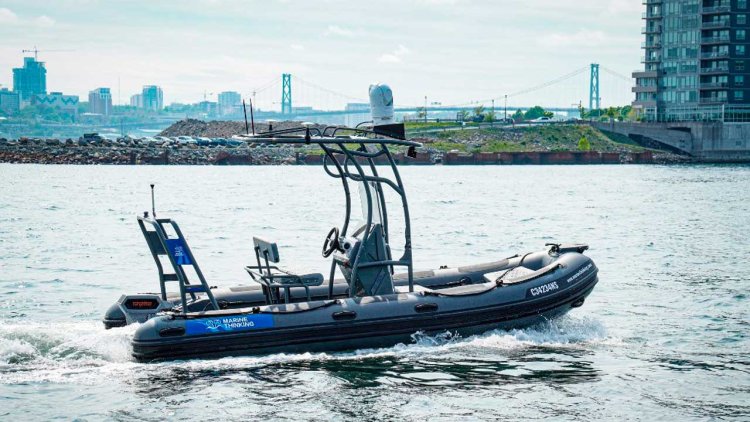
Marine Thinking will undertake an autonomous sonar survey of Piers 20, 21 and 22 using their electric Unmanned Surface Vessel (USV), Acadia. The scans will collect data on the current condition of seawall infrastructure and seabed elevation to support planning for future maintenance and projects. 

The vessel – a RIB (rigid inflatable boat) is fully electric, reducing both noise and air emissions at the source. Responsible and pro-active management of HPA’s infrastructure in an environmentally sustainable manner allows HPA  to meet infrastructure requirements while continuing to move toward Net-Zero operations.  

“This trial will improve the understanding of emerging USV capabilities and will prepare HPA for the application and future use of autonomous vessels in the Halifax Harbour,” said Govinda Jagdeo, Project Manager, Marine Thinking. “Our autonomous technology solutions are helping the industry advance further and faster while ensuring a safer and more sustainable future.” 

“The PIER is where HPA and its members come to co-create, test and demonstrate emerging technologies,” said David Thomas, Executive Director, The PIER. “This is a great example of how we can leverage what PIER members are doing and test it in a real environment. Adopting solutions for infrastructure surveying could bring down deployment time and enable HPA to perform more surveys, including after major weather events.” 

Deutsche Bahn secures green electricity from EnBW’s North Sea wind farm

0

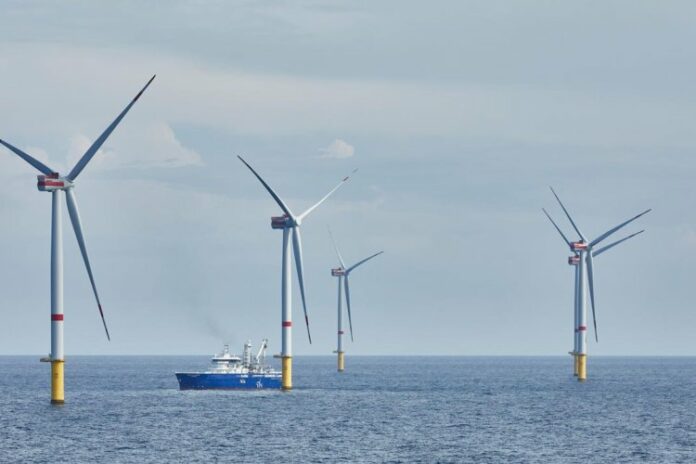
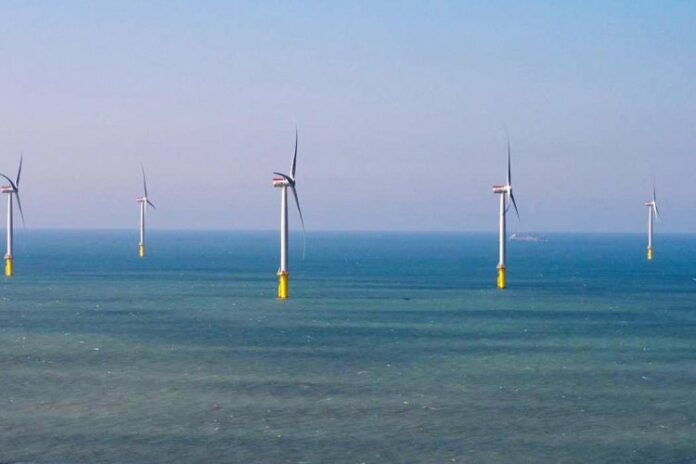
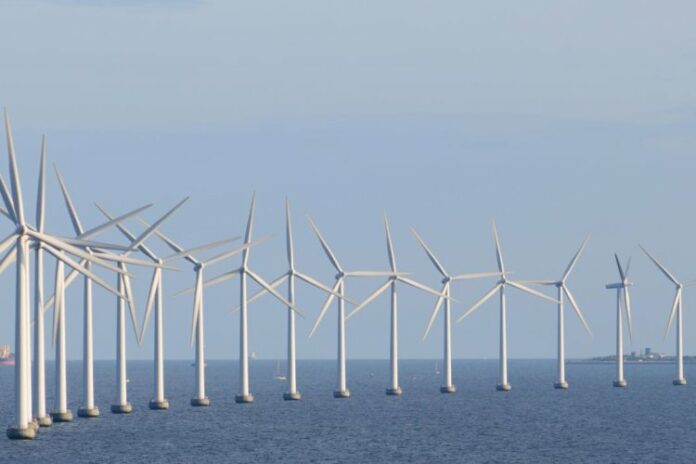
For 15 years, the EnBW offshore wind farm “He Dreiht” will supply green electricity to Deutsche Bahn from around 20 megawatts (MW) of installed capacity.

With the amount of electricity provided from this, the entire German traction power network can be supplied for three days. To this end, DB Group subsidiary DB Energie and the Karlsruhe-based energy company EnBW Energie Baden-Württemberg AG have signed a power purchase agreement (PPA). By procuring power from the “He Dreiht” wind farm, Deutsche Bahn will be reducing its annual carbon emissions by up to 60,000 metric tons in the future.

Torsten Schein, CEO of DB Energie GmbH:

“Deutsche Bahn will be climate-neutral by 2040. In order to get there, we will be switching to entirely renewable energy sources for the traction power by 2038. DB is already Germany’s biggest user of green electricity. With the clean power procured from the “He Dreiht” wind farm, we are now taking another important step toward restructuring our energy portfolio and getting ever closer to achieving our goal.”

Dr. Georg Stamatelopoulos, Board Member for Sustainable Generation Infrastructure at EnBW:

“The parallels between EnBW and Deutsche Bahn are remarkable: As operators of central infrastructures, we share a common responsibility for society and are pursuing the same goal of achieving a carbon-free energy future. Promoting a sustainable energy supply and mobility concept is an essential part of our agenda. We are delighted to be able to use our ‘He Dreiht’ offshore wind farm to drive this agenda with a partner like Deutsche Bahn.”

Power purchase agreements (PPAs) are central to securing and financing non-state-funded renewable energy projects on the market. These long-term industrial partnerships thus play a key role in the rapid expansion of renewable energy capacity.

Work will begin in 2024 on building EnBW’s “He Dreiht” wind farm about 90 kilometers northwest of Borkum and around 110 kilometers west of Helgoland and it will enter operation at the end of 2025.

EnBW secured the contract in the first offshore tendering process in Germany with a zero-cent bid in 2017 and is now investing around 2.4 billion euros in the offshore wind farm.

The plan is to install 64 latest-generation Vestas turbines. With a rated output of 15 MW, the turbines are among the most powerful currently available on the market. Equipped with these, the wind farm will have a total installed generation capacity of 960 MW, making it one of the largest energy transition projects in Europe. Upon completion, EnBW will take on the technical and commercial management of the wind farm and perform all maintenance and servicing tasks.

DB already covers more than 65 percent of its traction power needs with renewables – way above the figure for the public green electricity mix in Germany, which currently lies below 50 percent. All DB traction power will be 100 percent green by 2038. To achieve this aim, the group subsidiary DB Energie is fundamentally restructuring its portfolio of contract power plants and supply contracts. Renewables are gradually and systematically replacing fossil fuels. To this end, DB Energie is building up a so-called mixed portfolio for its traction power needs: The contract terms, energy sources, feed-in regions, contractual partners and pricing are mixed in order to guarantee continuous security of supply within the traction power network.

Corvus awarded battery supply for the world`s largest battery electric ship

0

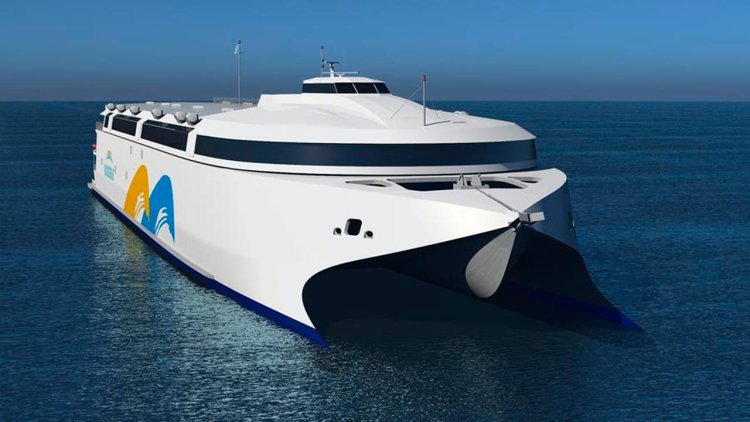
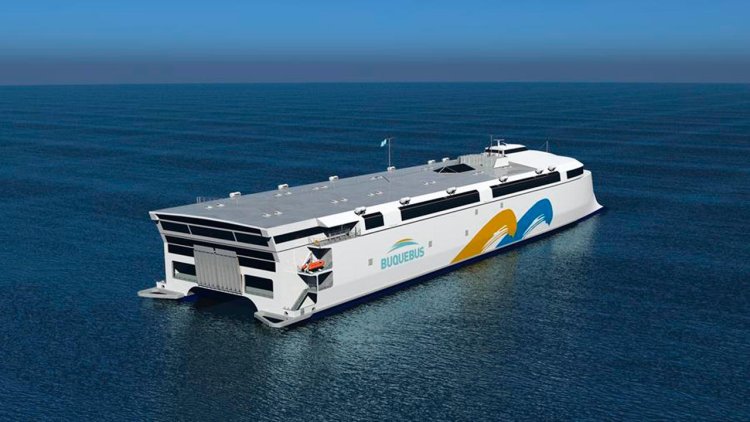
Corvus Energy has been selected by technology group Wärtsilä to supply the battery systems for the world`s largest 100% electric lightweight Ro-Pax ferry. 

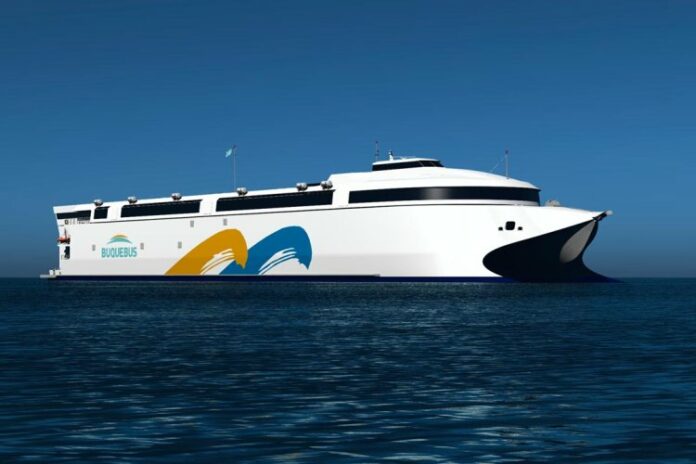
With more than 40 MWh of energy storage, it will be the largest battery system installed onboard a ship – four times as big as the current largest installation. 

Incat shipyard in Tasmania will build the aluminum-constructed vessel on behalf of its South American customer, Buquebus. The large ferry, 130m in overall length, will have the capacity for 2100 passengers and crew, 225 cars, and a 2000 square meter Duty-Free Shop, all housed on one level.

“This groundbreaking project marks a turning point in the maritime industry’s effort to transition towards greener means of transportation. Combining cutting-edge technology, environmental consciousness, and innovative design, it redefines the future of ferry operations worldwide and paves the way for other large, zero-emission vessels,” says Halvard Hauso Commercial Director Europe, Corvus Energy. “We are very grateful that Wärtsilä once again chose Corvus Energy as their partner for such an important and advanced project.”

This vessel will be the largest of its type with the highest ESS capacity. It will also have the longest zero-emission journey, at the highest speed, and it will be charged with the world’s highest capacity chargers.

“The overall high-efficiency of this next-generation ferry represents a game-changing advance in catamaran design. We are proud to have contributed our strong know-how in integrating our ship electrification solutions and propulsion equipment. The battery power pack that we are supplying will be the largest ever supplied with a unique eight waterjet propulsor configuration. The eight e-motor waterjet propulsion configuration is the most efficient available on today’s market for this speed range and type application while boasting all the benefits from Wärtsilä’s axial flow waterjet technology – low weight, shallow draft, superb manoeuvrability, and low maintenance,” commented Roger Holm, President of Wärtsilä’s Marine Power business.

The full Wärtsilä scope of supply includes Wärtsilä’s own energy management system, the power conversion system, DC shore charging system, the 40 MWh battery modules, the DC hub, the eight electric motors, eight Wärtsilä axial flow WXJ1100 waterjets, and the ProTouch propulsion control system. Delivery of the Wärtsilä equipment is scheduled for the latter part of 2024, and the vessel will be delivered in 2025.

The vessel will operate between Argentina and Uruguay. It will carry 2,100 passengers and 225 vehicles.

The US approves Revolution Wind, its fourth major offshore wind farm

0

Revolution Wind has announced receipt of its Record of Decision (ROD) from the U.S. Department of the Interior’s Bureau of Ocean Energy Management (BOEM), successfully reaching a major milestone in the federal environmental review process for the offshore wind project serving Rhode Island and Connecticut.

With this milestone, Revolution Wind remains on track to begin onshore construction activities in the coming weeks, with offshore construction ramping up in 2024. The project is expected to be operational in 2025.  

Revolution Wind – Rhode Island and Connecticut’s first utility-scale offshore wind farm – will create thousands of direct, indirect, and induced jobs, as well as permanent operations and maintenance jobs across both states. Once complete, the 704-megawatt Revolution Wind will deliver 400 megawatts of clean, affordable offshore wind power to Rhode Island and 304 megawatts of the same to Connecticut, powering more than 350,000 homes across the two states and helping the states reach their ambitious climate goals.

Rhode Island Governor Dan McKee said:

“This significant federal decision reflects a thorough review and assessment of the project’s impacts by BOEM. Now, we may proceed with the project’s construction, heading into 2024 with the goal of being commercially operational in 2025.”

Connecticut Governor Ned Lamont said:

“The extreme weather we’ve experienced this summer underscores the growing dangers and devastating effects of global warming as well as the need for bold solutions to address the climate crisis. This decision from the Bureau of Ocean Energy Management, which paves the way for Connecticut’s first offshore wind farm, is welcome news for the state’s clean energy goals, and will help improve our environmental health and drive economic growth, particularly in towns along the shoreline where staging and assembly work is occurring.”

David Hardy, Group EVP and CEO Americas at Ørsted, said:

“Revolution Wind will be key to Rhode Island and Connecticut’s clean energy future, and we’re grateful for the leadership from the Biden Administration, as well as our state partners and federal delegations, to grow the region’s offshore wind sector. With the federal Record of Decision, we now advance Revolution Wind to the construction phase, bringing good-paying jobs to hundreds of local union construction workers, keeping local ports busy with assembly and marshaling activities and further growing the local supply chain. We’re excited to get to work building this important project.”  

Joe Nolan Chairman, President, and Chief Executive Officer of Eversource Energy, said:

“Having reached this important milestone, in the coming weeks we will begin onshore construction on this critical clean energy project, which will produce enough renewable energy to power more than 350,000 homes in Rhode Island and for our customers in Connecticut. We are thrilled to be getting the next phase of this project started, as we continue to deliver on our promise of investing in local communities and creating jobs for workers in the industries of tomorrow, today.”  

Wärtsilä propulsion solutions selected for Brazilian Navy’s Polar Vessel

0

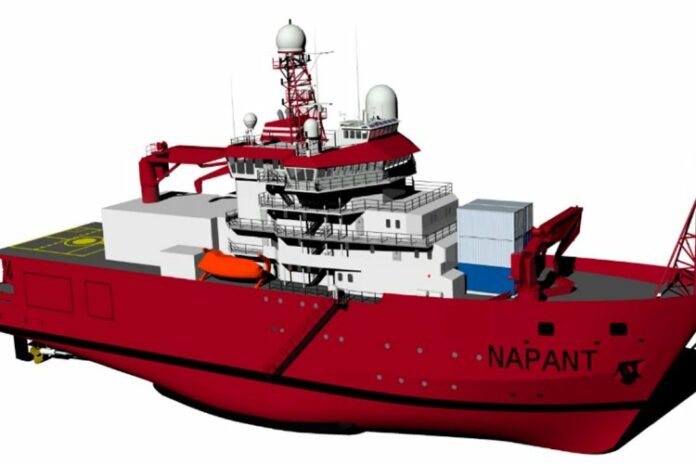
The new Polar Vessel – Navio Polar Almirante Saldanha (NPo) – will be operated by the Brazilian Navy and is of strategic importance for maintaining the Brazilian presence in the Antarctic continent and ensuring the continuity of the scientific research that has been carried out at the Comandante Ferraz Antarctic Station.

The order has been placed by Brazil’s Estaleiro Jurong Aracruz shipyard and will be booked with Wärtsilä in Q3 2023.

The full Wärtsilä scope for the vessel includes three Wärtsilä 32 diesel generating sets, a diesel-electric power conversion system and two bow thruster drive systems, as well as the Power Management System. Wärtsilä’s low emission energy efficient solution ensures optimum performance, combined with high redundancy and availability, thanks to long times between overhauls and low fuel consumption. thanks to long times between overhauls and low fuel consumption.

“With the company’s long-standing and extensive experience in marine technology, we trust Wärtsilä to deliver high quality and reliability in all their products and systems. These specialised vessels require superior performance, and we are confident that the Wärtsilä solutions selected will meet this requirement,” says Maicon Batista Pinto – Project Manager –Navio Polar, NPo.

“We are very proud that Jurong has put their trust in Wärtsilä to be the supplier of this extensive solution for the Antarctic Support Vessel. Thanks to Wärtsilä’s advanced technologies, the overall Wärtsilä solution has been optimised to provide the best possible efficiency for the Brazilian Navy’s operations. This efficiency will also minimise emissions, which is in line with our core strategy of enhancing sustainability wherever possible,” says Simon Riddle General Manager Naval Sales, Wärtsilä.

The Wärtsilä equipment is scheduled for delivery to the yard commencing in 2024 and the vessel is expected to be commissioned in 2025.

Titan and 123Carbon partner on carbon insetting to progress clean fuel transition

0

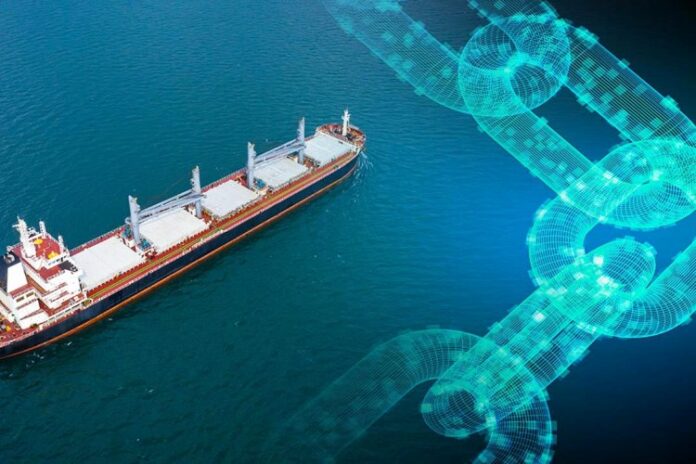
Carbon insetting enables fuel suppliers and vessel operators to transfer the environmental benefits of clean, lower carbon intensity fuels throughout the maritime value chain to freight forwarders and shippers. 

Carbon insetting allows carriers to share the carbon reductions of their low carbon activities with freight forwarders and shippers across the global value chain, enabling decarbonisation within their own supply chains. There are, however, strict requirements on the generation and allocation of these insets. These requirements have been defined on a global level by the Smart Freight Centre (SFC), a Netherlands based NGO, which was also involved in the development of the ISO14083-norm for transport carbon accounting earlier this year. Last June, the SFC published their multi-modal Book & Claim methodology, which deals with topics like calculation rules, additionality, allocation and reporting of insetting. 

Based on this global methodology, 123Carbon will issue insets to Titan on its registry, providing the company with immutable and transferable tokens, which Titan can manage using a blockchain wallet and transfer to its customers. Every token issued on the 123Carbon platform contains all information on the emissions reduction project, including the emissions factors used, risk mitigation actions and external assurance – providing a unique level of transparency to the market. 123Carbon also partners with AllChiefs and Verifavia and will provide Titan with a robust, standardised implementation process and assurance protocol. 

Titan, 123Carbon and AllChiefs have collaborated to develop a bespoke approach for (bio-)LNG ship operators and ensure that transparency and inset integrity are guaranteed throughout the entire value chain. One of the results of this approach is that the generated LNG-insets are considered fully additional – one of the most important elements that defines the integrity of an inset. This means that these specific insets were not derived by making use of local incentive schemes such as the Dutch HBE-system, they can be purchased by any party, without any concern of double counting or claiming such reductions. 

Titan was the first marine company to hold a wallet on the 123Carbon insetting platform and, as a result of this partnership has now issued its first tokens for ship operators bunkering lower emission or net zero fuels like LNG or LBM (liquified biomethane/bio-LNG), in line with FuelEU Maritime standards. Titan is actively engaging carriers with an LNG-fleet to tokenise their activities and scale this solution across the market. It is also in active discussions with shippers that are seeking high quality and affordable insets that provide transparency and integrity. 

Caspar Gooren, Director Zero-Carbon at Titan, commented:

“Insetting can be an effective means of expediting the energy transition in shipping, which is currently blocked by price levels; fossil fuels remain cheaper than renewable fuels. The insetting system helps to finance this price gap. It forms a new carbon economy: a new system that can incentivise the use of cleaner fuel alternatives.”

“Through the leading 123Carbon platform, all partners within its ecosystem can have a significantly positive influence on the decarbonisation of marine supply chains. Titan wants to support and embrace initiatives that improve transparency and allow it to put a better price on carbon reductions as this will trigger vessel owners to further invest in more eco-friendly ships; the upcoming regulations from Europe will further stimulate this as well.”

Jeroen van Heiningen, Co-Founder and Managing Director of 123Carbon added:

“The need for carbon insetting is clear. We now need the right tools to generate and transfer these insets safely and transparently. Our platform provides just that.”

Nicolas Duchêne, President of Verifavia, said:

“Transparency stands as a cornerstone advantage of insetting, ensuring financial resources remain within the sector to drive enhancements. Crucially, the accountability and validation of insetting tokens and their value are prioritised, underscoring the need for precise calculations. It remains imperative that the purchase of a token signifies a legitimate reduction of carbon emissions within the sector, aligning fully with greenhouse gas protocols.”

Damen completes new Shoalbuster 3209 for SAFEEN Group

0

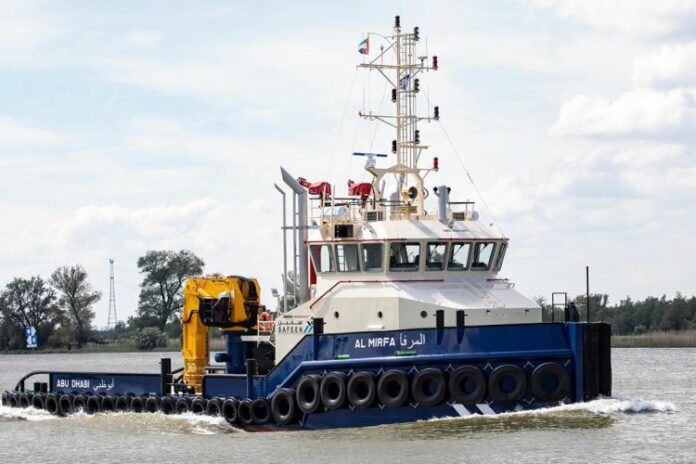
Damen Shipyards Group has delivered a new Shoalbuster 3209 to SAFEEN Group, a subsidiary of AD Ports Group. The vessel was named Al Mirfa, after a coastal community located in the Al Dhafra region of Abu Dhabi, in a ceremony that took place at Damen Shipyards Gorinchem in the Netherlands.

The primary purpose of the Al Mirfa will be buoy maintenance, a role for which the Shoalbuster 3209 is ideally suited given its standard specification. This includes its shallow draught, extensive unobstructed deck, a heavy-duty deck crane, waterfall winch and towing pins, stern roller and a FiFi1 fire-fighting system. Additional buoy clamps and chain stoppers have been added. The vessel will also be utilised for towing activities, with a bollard pull of over 45 tonnes, as well as other support activities both in the ports and offshore.

SAFEEN Group already operates a Damen Shoalbuster 2609 model that was delivered in 2016, and in 2019 the group took delivery of two Damen ASD Tugs 2411. 

Damen Shipyards Group CEO Arnout Damen welcomed the SAFEEN Group delegation to Damen Shipyards Gorinchem for the ceremony and the vessel will shortly be on its way to the Arabian Gulf to start operations in early July. Damen’s service hub at Albwardy Damen in the UAE will provide SAFEEN with aftersales support. 

Captain Ammar Al Shaiba, Acting CEO – Maritime Cluster, commented:

“We are pleased to continue SAFEEN Group’s marine service fleet expansion with this new acquisition. Expanding on our buoy maintenance and towing capabilities, further enhances our ability to meet increased operational demands.”

Pascal Slingerland, Regional Sales Director Middle East for Damen Shipyards, said: 

“Over the past years the Shoalbuster series has been proven a well proven, multipurpose “workhorse” in the SAFEEN fleet. We are delighted to be supplying a second Shoalbuster to SAFEEN Group and are confident that it will give them many years of reliable service/”

NYK gains ISO certification for crew transfer vessel SMS

0

On August 17, NYK received ISO9001:2015 certification, the international standard for quality management systems from Nippon Kaiji Kyokai (ClassNK) for NYK’s activities to promote the safe operation of its crew transfer vessel, or CTV for use in the offshore wind industry.

In addition to the safety management system set up by the ship-management company, NYK will implement NAV90004 activities that promote safe navigation based on NYK’s own safety standard, NAV9000, which has been certified by the International Organization for Standardization (ISO), to achieve an even higher level of quality control and safer navigation.

NYK regularly conducts NAV9000 activities on NYK Group–operated vessels (including chartered vessels) and their ship-management companies to confirm that high quality is maintained and appropriate operational management is in place. The NAV9000 activities had already obtained the same certification in 2006, but an application for additional certification was submitted to include domestic vessels, including the CTV, in the scope of the application.

Prysmian selected as preferred bidder for large transmission projects in Germany

0

Prysmian Group has been selected by the TSO Amprion as preferred bidder for the two Offshore Grid Connection Systems BalWin1 and BalWin2 and the underground cable project DC34.

The preferred bidder agreement provides an obligation on the parties to negotiate in good faith the outstanding items of the projects with a target to execute the final contracts by 15 January 2024. Prysmian is committed to reserve the required production and installation capacity until the aforementioned date. The contracts are valued in aggregate at around 4.5 billion Euros.

The three projects are part of the Germany’s overall plan to install 70 GW of offshore wind energy by 2045 and will support the transmission of the energy generated in the North Sea to consumers in the Western and Southern regions of the country.

“This agreement is a huge step towards realizing these three important projects in time. Thus, the major components for our offshore projects are secured until 2030”, commented Hendrik Neumann, CTO of Amprion.

“Prysmian is highly committed to the development of greener and smarter power grids, supporting Amprion as one of our key customers in it’s important energy transition targets” commented Hakan Ozmen, EVP Projects BU, Prysmian Group.

BalWin1 and BalWin2 will transmit each up to 2 GW of energy from the future offshore wind farms to be located in the German North Sea BalWin Cluster to the grid connection points in Wehrendorf (Lower Saxony) and Westerkappeln (North Rhine-Westphalia) and thus supporting the energy transition in the industrial heart of Germany. Each cable system will consist of two single-core ±525 kV HVDC copper cables with XLPE insulation for the submarine sections and P-Laser insulation for the land underground sections, plus a dedicated metallic return cable and a fibre optic cable. BalWin1 will utilize approx. 1,070 km of cables along a 358 km route, whereas BalWin2 will use approx. 1,100 km of cables over a route of 376 km.