-6.8 C
New York
Home Blog Page 265

First RTG in the Americas powered by fuel cell and battery

0

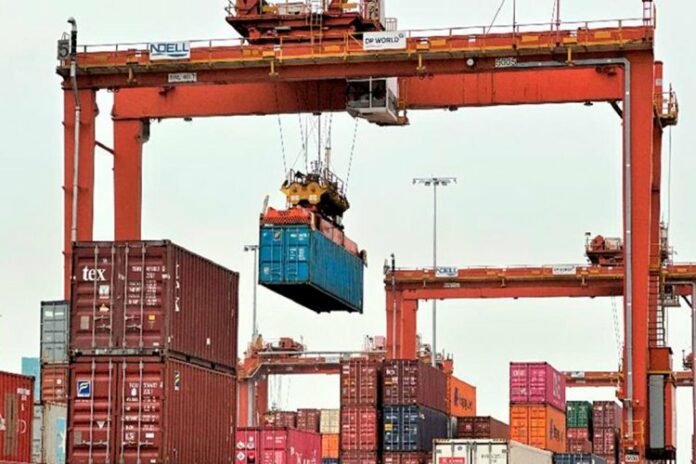
Corvus Energy has been selected by TYCROP and their hydrogen technologies partner H2 Portable to supply the battery energy storage system component of a hydrogen fuel cell RTG crane scheduled for retrofit in 2024. 

A groundbreaking project, this will be the first RTG crane powered by both a fuel cell and a battery energy storage system in the Americas.

Development of the hybrid-powered crane is part of the Low-Emission Technology Initiative, a collaboration between the Vancouver Fraser Port Authority and the Province of British Columbia where each organization invested CA$1.5 million ($1.1 million USD) to support the port community’s transition to low-emission energy. 

Designed to reduce port emissions, fuel costs and operating noise, the crane will use a dual hydrogen fuel cell system, developed by TYCROP and H2 Portable in close collaboration with Loop Energy, together with the Corvus battery energy storage system (ESS). The ESS improves energy efficiency by channeling regenerative energy back to the battery for reuse during crane lowering operations.

The crane will use a 124 kWh Corvus Orca ESS, our market-leading battery energy storage system. Orca dominates maritime ESS with an unparalleled operational record, backed by millions of hours of data. This exemplifies our commitment to innovation, setting the industry standard for reliability, efficiency, and sustainability.

Corvus Energy systems already power over 186 hybrid RTG cranes worldwide. The majority are hybrid diesel/electric cranes. Corvus is pleased to have been selected to support DP World for this innovative project.  

According to Maryam Ebrahimian, Corvus Energy Sales Manager for Canada, “being a part of the pioneering team, the first to successfully introduce an RTG crane that incorporates both battery and fuel cell technologies in the Americas, has been nothing short of inspiring. This accomplishment represents a significant contribution towards more sustainable port and maritime operations and exemplifies the commitment of the Vancouver Fraser Port Authority, DP World, and the project partners to push technological boundaries and embrace sustainable solutions for a brighter future.”
Ukraine regains control of drilling rigs in Black Sea

0

Since the start of the full-scale invasion of Ukraine, Russian forces turned the platforms into a military site, adding equipment like radar and helipads, according to Ukraine’s Military Intelligence (HUR).

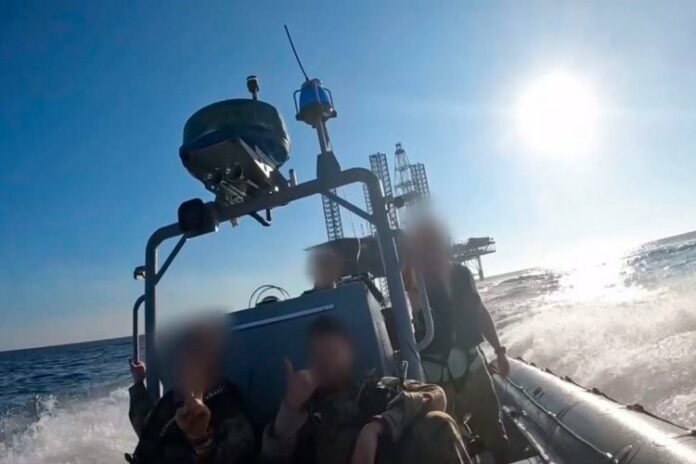
The multi-phase operation involved a battle between Ukrainian special forces on boats and a Russian SU-30 fighter jet, shown in a 13-minute video HUR released about the operation.

The SU-30 jet was damaged and forced to retreat, HUR said, adding that Ukraine took helicopter ammunition and a Neva radar system from the site.

As a result of the operation, Ukraine regained control of the “Petro Hodovalets” and “Ukraine” drilling platforms, informally known to Ukrainians as the “Boyko Towers,” as well as the “Tavryda” and “Syvash” mobile rigs, HUR said.

Source: Kyiv Independent

BAE Systems announces a collaboration with Cellula Robotics

0

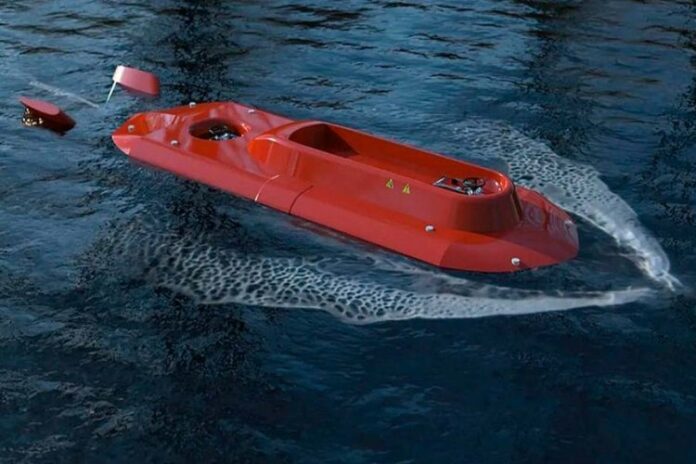
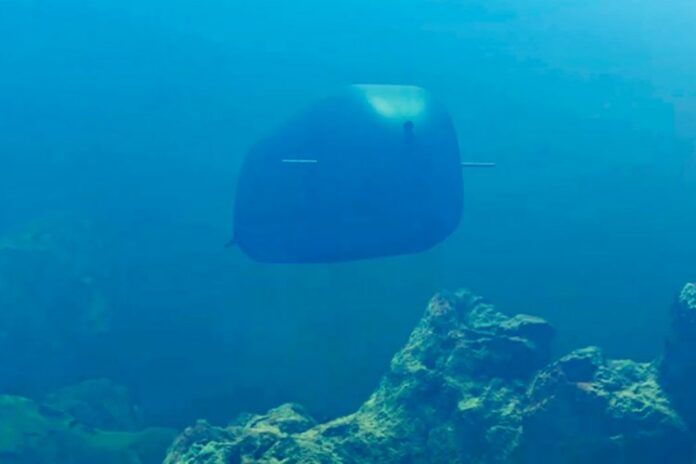
BAE Systems has announced a collaboration with Cellula Robotics to showcase the capabilities of its new Extra Large Autonomous Underwater Vehicle (XLAUV), known as Herne, on a technology demonstrator in the water in the second half of 2024.

Recent acts of sub-sea aggression highlight the strategic importance of the underwater domain, the need to protect the critical national infrastructure within it and the inherent challenges. Autonomous platforms, like Herne, could have a role in helping militaries overcome the challenge that the vast expanses of the underwater battlespace present, enabling them to monitor much larger areas without the limitations of a human crew and in a far more cost-effective way.

Herne will provide a capability built on BAE Systems’ deep understanding of its military customers to deliver the persistence and flexibility needed for the future. Its adaptable design will allow the platform to be configured to conduct operations including: anti-submarine warfare; intelligence, surveillance and reconnaissance; and electronic warfare.

The demonstrator project, will test the ‘brains’ of the BAE Systems military XLAUV on one of Cellula Robotics’ underwater vehicles in trials set to take place next year at a facility on the south coast of England.

Scott Jamieson, Managing Director of Maritime Services at BAE Systems, said:

“This will be the first time any UK company will have tested its advanced autonomous capabilities in this area and I am excited to be working with Cellula Robotics. My aim is to create a capability that is faster, more capable, more flexible, cheaper for customers to buy and provides navies with a way to protect critical national infrastructure.”

Eric Jackson, President at Cellula Robotics Ltd, said:

“As we embark on this ground-breaking partnership with BAE Systems, we recognize the critical role autonomous platforms play in addressing the evolving challenges of the underwater domain. Recent sub-sea aggression incidents underscore the importance of safeguarding our underwater critical infrastructure. We are thrilled to collaborate with BAE Systems and look forward to the demonstration, setting the course for a future of enhanced underwater security and intelligence.”

Concordia Damen contracted to deliver River Pusher to Paraguayan shipowner

0

The family-owned company is one of the most traditional waterway transport companies in Paraguay, serving many customers along the 2695 km Paraguay River.  

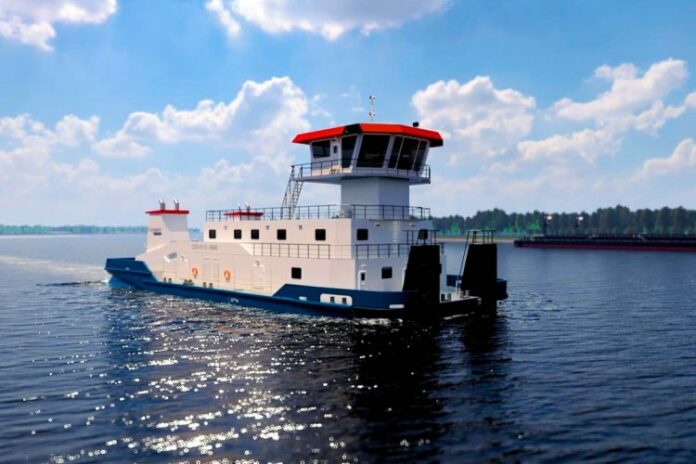
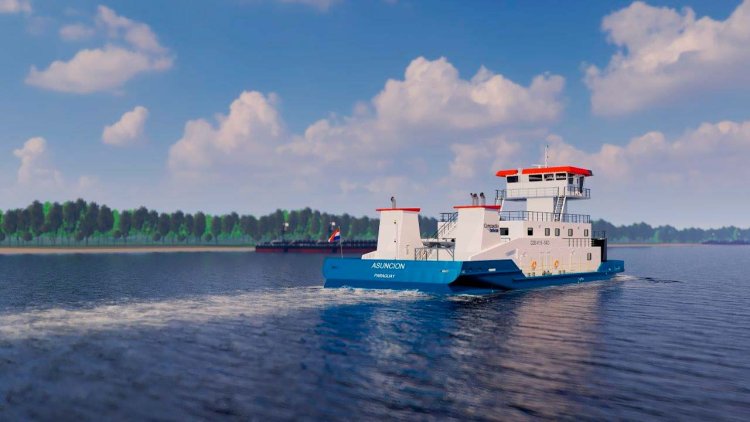
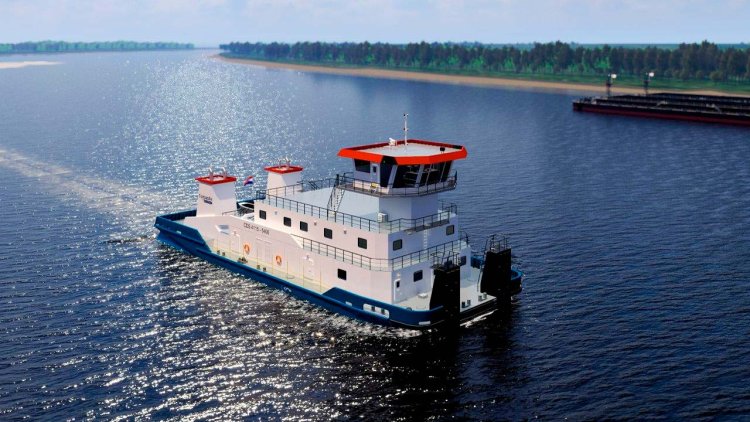
Concordia Damen has thoroughly researched the Paraguay River characteristics in relation to the desired operational profile of the vessel. Based on this its engineers designed the most efficient pusher considering local conditions. This resulted in a proven low draft push boat design, several of which have already been built for and delivered to Paraguayan clients in the past. The 5.400 HP river pusher is a further development of these earlier pushers. 

The CDS4115 type measures 41 x 15.5m. In a push-barge configuration with 12-barges, the combination will measure 281m long  x 48m wide. The three Yanmar 6EY22AW engines generate a power of 1330 kW each. 

Rio Sur will use the combinations mostly for transporting dry bulk cargo on the Paraguay – Parana Rivers. The rivers are known for  low draft conditions during several months each year during dry season. Thanks to this low draft design of the CDS4115 Shallow Draft, they will be able to continue operating year round, even with a draft as low as 6.5 feet, which gives a huge advantage compared to many other push boats on the river.

Bert Duijzer, Technical Manager at Concordia Damen is proud of this contract:

“We are very pleased with the trust that Girona – Rio Sur and the Dos Santos family have given us. Our technology, technological reliability, short delivery times and service-oriented mentality were key in obtaining this contract.” 

After outfitting the vessel at the yard in Werkendam, Girona´s superintendents will come to the Netherlands for the Sea Acceptance Trials, and the hand-over.

Indonesian Government acquires new UK built Submarine Rescue System

0

The SRS will be hosted on a mothership designed by independent design and engineering consultancy Houlder and delivered by its Indonesian strategic partner, BTI Defence.

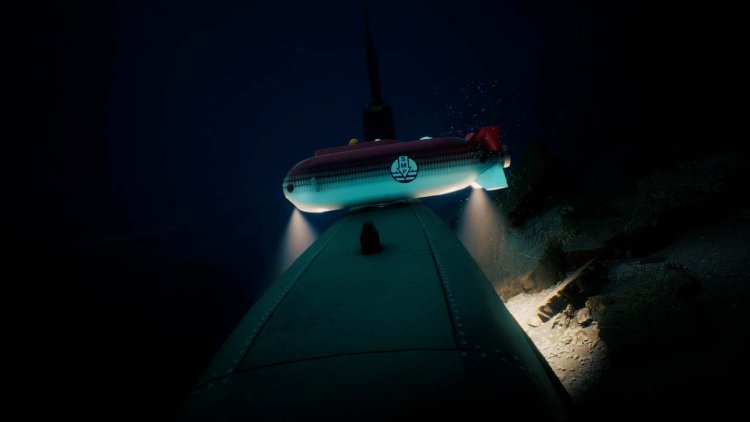
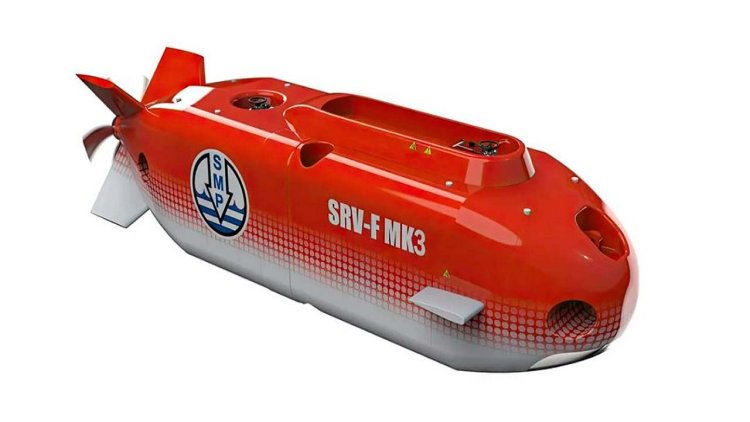
The three-year build contract will include the UK design and manufacture of the SRS, centred around SMP’s new market-leading SRV-F Mk3 rescue submersible. The custom build of the mothership will take place in region, along with the associated expert training for the Indonesian Navy who will operate the system when it is in service. 

The SMP SRV-F Mk3 has been developed by the new SMP management team, consisting of seven of the world’s foremost submarine rescue experts. As a hybrid system which is capable of deployment both by air and on its mothership, the SRV-F Mk3 can react to a wide range of emergency scenarios, covering larger operating areas and minimising Time To First Rescue (TTFR).

When deployed by air, the rescue submersible can be towed to and from the distressed submarine’s location without needing to be recovered to deck. This key attribute reduces the time, risk and complexity of a rescue mobilisation and also greatly increases the likelihood of a suitable support ship being available on location. This hybrid approach saves critical time for stranded crews facing diminishing life support supplies, and avoids the integration challenges and dependencies associated with flyaway-only or mothership-only rescue systems.

The SRV-F Mk3 can dive to depths of 500m and is unparalleled in its ability to carry up to 50 rescuees at a time. The adoption of a “One Out, All Out” philosophy facilitates the rapid rescue of an entire crew from a conventional submarine in a single mission, in contrast with other rescue systems which require repeated trips to the distressed submarine.

In addition to the SRV-F Mk3, the new mothership is fitted with a suite of support equipment, including a handling system, an advanced Transfer Under Pressure (TUP) system and a dedicated Decompression Chamber, enabling the immediate medical attention and treatment of rescued personnel.

New R&D centre for wind technology launched

0

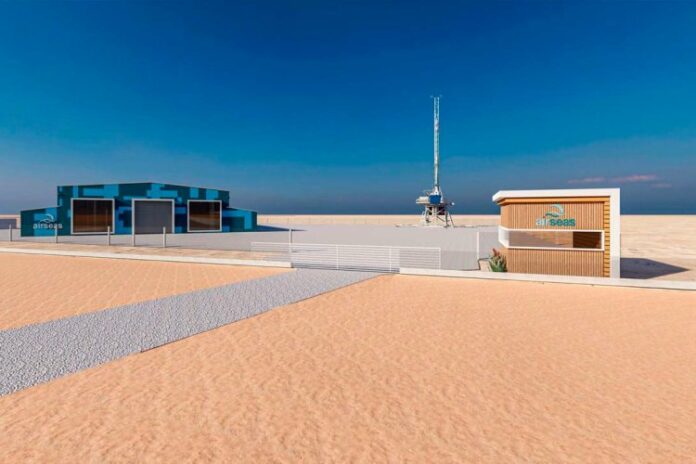
Airseas has announced a major investment in a new research and development (R&D) centre to accelerate the development of its Seawing kite system towards large-scale production and rollout.

Located in Dakhla (Morocco), the installation will comprise a 2,400m2 hangar and an advanced test bench, offering the opportunity to test the Seawing and its individual components systematically, in a variety of configurations. Dakhla, a world-famous location for nautical sports and kitesurfing, was selected because it offers continuous and stable winds, allowing the Airseas team to perform a range of trials on a daily basis.

This new R&D centre will enable Airseas to accelerate its testing programme of the Seawing, a parafoil that flies 300 meters above the sea level to reduce the main engine load for oceangoing vessels, thereby slashing fuel consumption and greenhouse gas emissions. This facility will enable Airseas to conduct tests more frequently to validate the final phases of the system’s development, including fine-tuning the flight dynamics. This land-based testing complements the ongoing sea trials programme for the Seawing, with new trials scheduled to take place on a vessel owned by K Line in the coming months.  

Vincent Bernatets, CEO of Airseas, said:

“We are excited to enter this new stage of the Seawing development programme, with testing taking place simultaneously on land and at sea to accelerate technological advancement and ultimately make a key decarbonisation solution available to a wider number of shipowners. Today’s investment in a state-of-the-art testing centre demonstrates Airseas’ long-term commitment to research and development and to continuously improving our wind propulsion solutions for the maritime sector.

“This comes at a pivotal time, as shipping is under growing pressure from regulators, investors, and its customers’ customers to reduce its environmental impact, starting this decade. We are convinced that wind propulsion will play a central role in this transition, now and in the longer term. Given the urgency of the climate crisis, there is no time to wait, and this is why we are working tirelessly to progress our Seawing system through the final testing stages and towards larger-scale industrialisation.”

Van Oord celebrates christening of cable-laying vessel Calypso

0

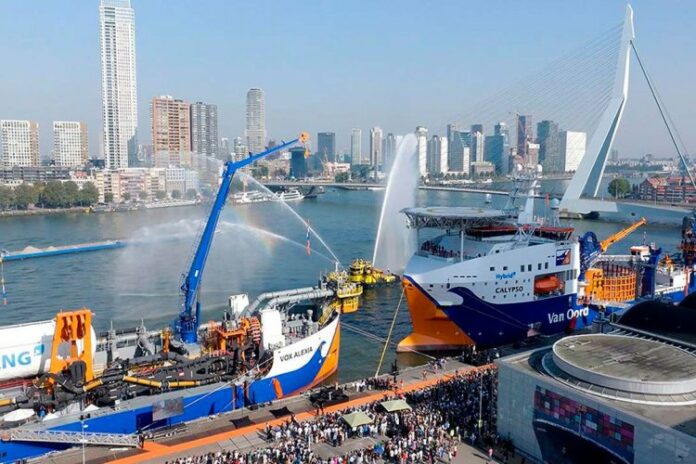
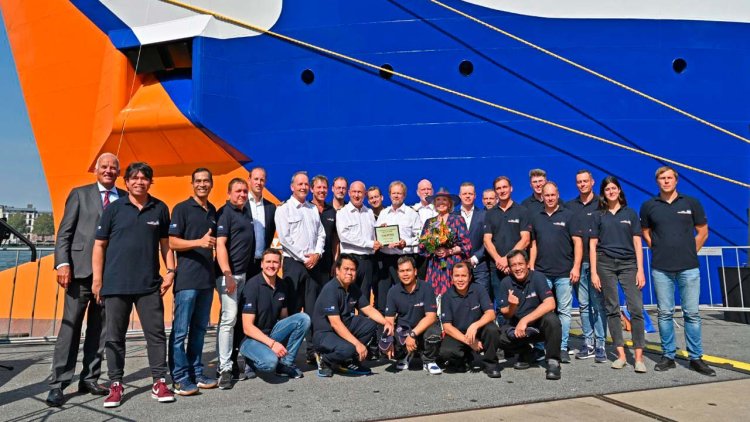
This afternoon, Van Oord’s brand-new cable laying vessel Calypso was christened in Rotterdam during a festive ceremony. 

The Calypso is equipped with the latest sustainable technologies and will be a key strategic addition to Van Oord’s offshore wind fleet. 

The vessel was christened by Ms. Inca Cerutti. She is the wife of Niek Hoek, chairman of the Supervisory Board. After the ceremony, the christening lady and employees and guests had the opportunity to board the vessel for a guided tour.

The Calypso is Van Oord’s second cable-laying vessel. It will mainly be used for installing inter-array grid and export cables for offshore wind projects worldwide. It is equipped with two cable carousels, making the vessel suitable for laying two cables simultaneously.

To reduce its carbon footprint, the Calypso has been designed with the latest sustainable technologies. Apart from the ability to run on biofuel, this hybrid vessel has future-ready engines with built-in flexibility to anticipate e-fuels. It has a large battery pack, a shore supply connection, and a state-of-the-art energy management system. This sustainable set-up will result in a more energy-efficient vessel, with significantly reduced CO2, NOx and SOx (carbon, nitrogen and sulphur oxides) emissions. Offshore wind is a key contributor to achieving climate change targets around the world. By investing in state-of-the-art sustainable technology, Van Oord contributes to the energy transition, making offshore wind more competitive.

On this festive day, not only just one but two new Van Oord vessels were christened. This morning, Van Oord’s new hopper dredger Vox Alexia was christened by Her Royal Highness Princess Alexia of the Netherlands. 

MOL invests in a floating wind technology start-up, TouchWind

0

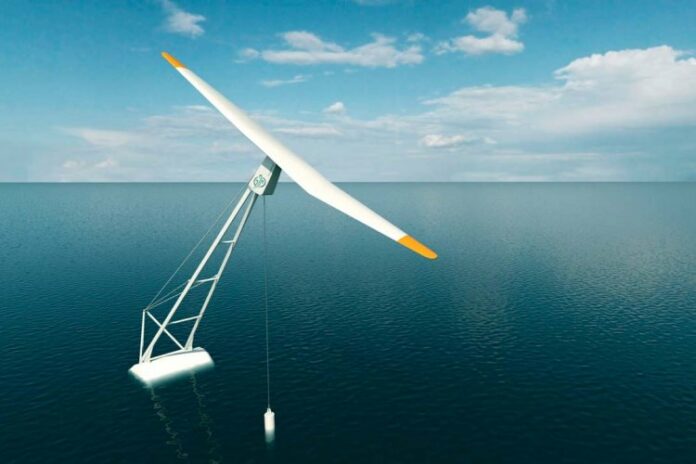
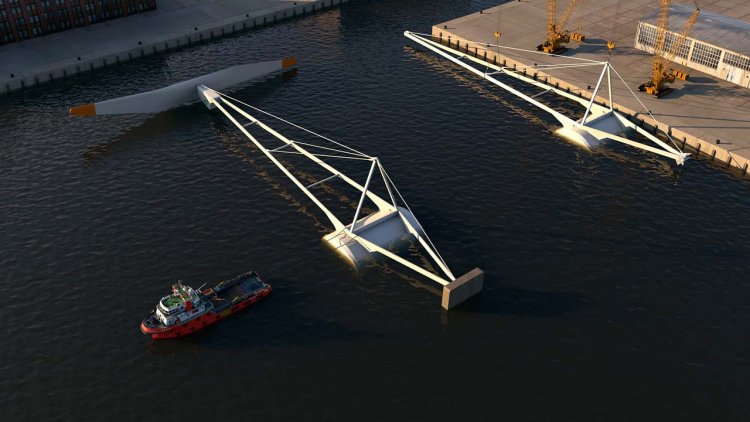
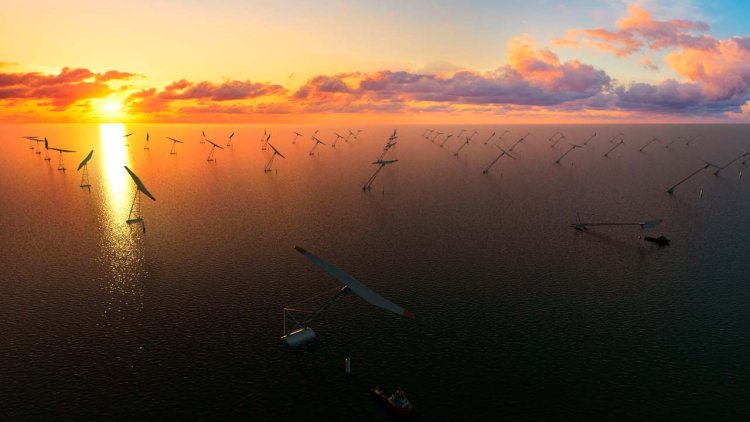
The tilting angled one-piece rotor wind turbine which is being developed by TouchWind is expected to reduce wind interference between wind turbines that tends to occur in large wind farms and improve overall wind farm power generation efficiency. In addition, its unique design enables the wind turbines to operate in strong winds, reduces the weight of the wind turbine and floating parts, and is expected to improve the utilization rate and the economics of the wind turbine equipment through their lifecycle.

Since 2019, TouchWind has been conducting tests to demonstrate the principle of its wind turbine technology with the help of grants from the Government of the Netherlands and supporting companies. In July 2023, TouchWind received a grant from the Netherlands Enterprise Agency, Government of the Netherlands, to manufacture up to 10 wind turbines with a rotor diameter of 6 m (output 12 kW). From 2024 to 2025, TouchWind plans to conduct tests to verify the effect of reducing wind interference between wind turbines on land and in the sea in the Netherlands.

Ryota Hayashi, General Manager responsible for Wind Power Projects Unit in MOL states:

‘We are pleased that we can continue the journey with TouchWind and have become a shareholder of the company as we see exciting potential in their technology.’

Founder and CEO of TouchWind, Rikus van de Klippe welcomes MOL as a shareholder of TouchWind states: ‘we have been working together for over a year now on the further development of our tilting angled one-piece rotor floating wind turbine. Field testing with a 6m diameter rotor is in full preparation at the Oostvoorne lake in the Netherlands. With MOL as a shareholder and their investments, we can speed up our testing program to prove our technology.’

With the participation of investment in TouchWind, MOL will advance technology development for the practical application of its wind turbines and aim to acquire business opportunities within the supply chain of next-generation floating offshore wind turbines in Europe, Japan and other Asian regions in the future. In accordance with the “MOL Group Environmental Vision 2.2, ” we set a goal of achieving net zero emissions by 2050. In order to create a sustainable world, we will contribute to the reduction of GHG emissions not only from our own company but also from society through the promotion of renewable energy businesses.

TouchWind was founded in Amsterdam, the Netherlands in 2018 and is now based in Eindhoven. With the help of Dutch government grants and supporting companies, the company has demonstrated the principles of the technology. It has constructed a wind turbine with a 6m diameter rotor and started demonstration testing at a lake facility in the Netherlands.

Equinor to supply green methanol for Maersk’s first methanol-powered containership

0

A.P. Moller – Maersk (Maersk) and Equinor have signed an agreement securing supply of green methanol for Maersk’s landmark, new methanol-enabled feeder vessel during its initial months of operation from September 2023 and into the first half of 2024.

The agreement ensures green methanol supply for the ship from its entry into operation on a loop from Northern Europe into the Baltic Sea after the name giving ceremony later this month in Copenhagen. The green methanol will be bunkered in Rotterdam.

Alex Grant, Senior Vice President for the liquid commodity segment at Equinor, said:

“Equinor is pleased to be partnering up with Maersk in delivering greener fuels to the marine industry. Equinor is an established player in the European methanol market through its production plant at Tjeldbergodden and we have ambitions to be a key provider of green methanol in the marine fuel segment.”

The biomethanol is produced from biogas from manure. The biogas is upgraded to biomethane and injected into the existing gas grid and the methanol is produced from the biomethane in the grid on a mass-balance basis. The existing European biogas certificate system is used to trace the attributes of the biomethane to the biomethanol and safeguard against double-claims. This way, green methanol can be produced in existing facilities using existing infrastructure and plants enabling a quick route to market. The method can contribute to a greener gas grid while capturing harmful methane emissions that would arise from the manure feedstock if left untouched. The biomethanol is ISCC EU certified in accordance with the EU Renewable Energy Directive.

Rabab Boulos, Chief Infrastructure Officer at A.P. Moller – Maersk, said:

“We are very pleased to partner with Equinor, as it’s entering this business area. It is critical to get energy majors to the table and start supplying future fuels at scale. This is the form of engagement we need to continue accelerating the pioneering journey towards a green fuel economy for global shipping. With more than 100 methanol enabled vessels on order across the industry, the demand for green fuel production is rising and will continue to do so in the years to come.”

Maersk defines ’green fuels’ as fuels with low to very low GHG emissions over their life cycle compared to fossil fuels. Different green fuels achieve different life cycle reductions depending on their production pathway. By ‘low’ we refer to fuels with 65-80% life cycle GHG reductions compared to fossil fuels. ‘Very low’ refers to fuels with 80-95% life cycle GHG reductions compared to fossil fuels.

Long term, the feeder vessel will be fueled by e-methanol from a plant in Southern Denmark, operated by European Energy, which is expected to come on-stream in the first half of 2024.

Maersk has an ambitious 2040 target of net zero greenhouse gas emissions and aims to transport a minimum of 25% of Ocean cargo using green fuels by 2030. The 2,100 TEU (twenty-foot-equivalent) feeder vessel is an important step toward the long-term objective of gradually renewing the entire Maersk fleet to operate solely on green fuels. Maersk has 24 additional methanol vessels on order for delivery between 2024 and 2027 and has a policy to only order new, owned vessels that comes with a green fuel option.

Silverstream and COSCO sign agreement to propel air lubrication uptake

0

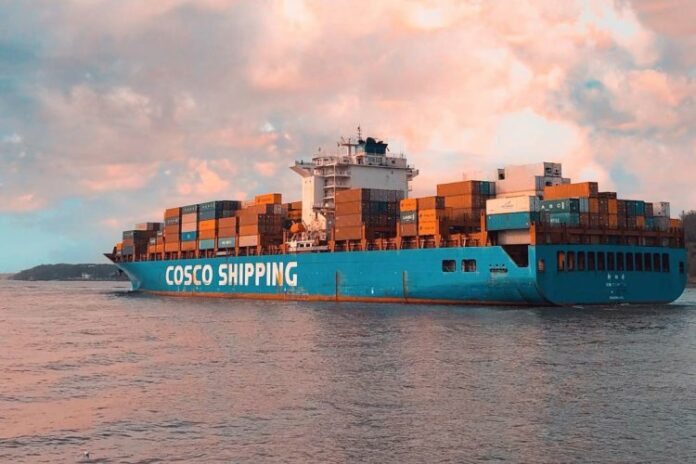
Maritime clean technology company Silverstream Technologies and Chinese shipyard group COSCO Shipping Heavy Industry Co. Ltd (CHI) have signed a high-level memorandum of understanding (MOU) which will explore opportunities to install the Silverstream® System in CHI shipyards.

The MOU will foster a deeper level of collaboration between the two organisations and will enable Silverstream to assess how its technology could be licensed to fit within CHI’s technology portfolio. The agreement will also enable Silverstream to investigate additional options for the fabrication and supply of components of the Silverstream® System in China and the Asia-Pacific region, and it directly supports the company’s strategy of direct engagement with Chinese shipyards.

Noah Silberschmidt, Founder & CEO, Silverstream Technologies, commented:

“We are delighted to sign this MOU with CHI, which will enable us to work with the yard to find opportunities to install the Silverstream® System on ships built and repaired across its portfolio. Our established technology is fast becoming a standard selection on newbuild vessels and a leading retrofit option to improve vessel efficiency. In CHI, we have found another strong partner to help us continue to work towards this target. We look forward to a long-lasting and mutually beneficial relationship.”

Xiao Zijian, Commercial Director of CHQ, COSCO Shipping Heavy Industry, commented:

“We are in a new era of transformation and development of the shipping industry. In order to meet shipowners’ needs to upgrade the efficiency of their fleets, we pay close attention to the world’s leading energy-saving clean technologies and marine products. We are therefore very pleased to establish the MOU with Silverstream Technologies, the leading supplier of hull air lubrication systems. Through the localisation of the supply chain and further installations of Silverstream’s technology, carried out in Chinese yards, we can play a complementary role in each other’s businesses and jointly provide high-quality and cost-effective vessel efficiency solutions to shipowners worldwide.”

In 2023, ship operators have submitted baseline performance statistics for the International Maritime Organization’s Carbon Intensity Indicator (IMO CII) regulations. Ships will receive the first vessel efficiency ratings within the CII ranking framework in 2024. Additionally, CO2 emissions from ships above 5,000 GT and transporting cargo or passengers for commercial purposes will be included in the European Union Emissions Trading System (EU ETS) for the first time from 1 January 2024. With these new regulatory drivers becoming more impactful on vessel operations, the need for improved vessel efficiency, and therefore the need for adopting energy efficiency technologies, is only set to increase.