-6.8 C
New York
Home Blog Page 264

Equinor submits development plan for Eirin

0

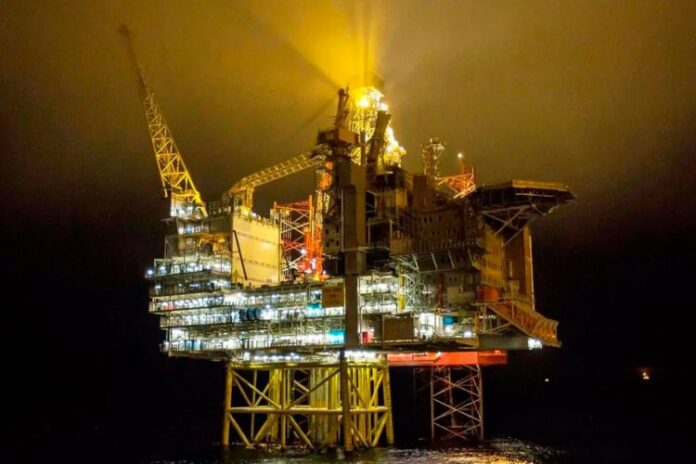
On behalf of the partnership, Equinor has submitted a plan for development and operation (PDO) of the Eirin gas field to the Ministry of Petroleum and Energy.

The Eirin field, which was discovered in 1978, will be developed as a subsea facility tied to the Gina Krog platform in the North Sea. Total investments are estimated at just over NOK 4 billion (2023 NOK).

“Utilising Gina Krog’s infrastructure will enable Eirin to bring new gas to Europe fast, with good profitability and low CO2 emissions from production. The development will extend Gina Krog’s productive life from 2029 to 2036, and will be vital for the Sleipner area,” says Camilla Salthe, Equinor’s senior vice president for field life extension (FLX).

When the energy crisis struck in 2021, there was close cooperation with Norwegian authorities to deliver as much gas as possible to Europe.

Increased gas export from Gina Krog, by exporting gas that was previously injected to improve oil recovery, was an important contribution. At the same time, this brought the need to accelerate projects to extend the field life.

Eirin is a central part of this work, and the project has been matured in record time. Production start-up is expected as early as 2025.

“Extending Gina Krog’s productive life also gives us the opportunity to mature additional new reserves in the area. We’re still seeing possibilities for new discoveries, which is why Eirin’s new subsea facility will enable tie-in of new fields,” says Ketil Rongved, Equinor’s vice president for FLX Projects.

With electrification of Gina Krog and partial electrification of Sleipner, production from Eirin will have low emissions, just three kilo of CO2 per barrel of oil equivalents.
Pakistan Navy Offshore Patrol Vessel launched at Damen Shipyards Galati

0

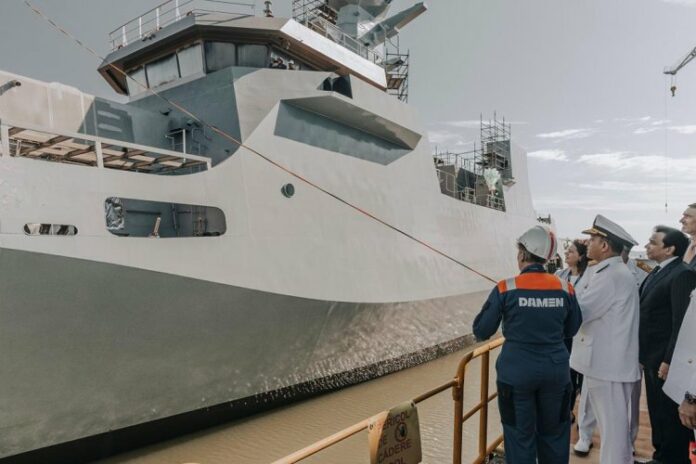
On 12 September 2023, Damen Shipyards Galati in Romania held a launching ceremony for the PNS Hunain, one of a series of Offshore Patrol Vessels (OPV) 2600 that Damen is constructing for the Pakistan Navy.

Attending the event as Chief Guest was Chief of the Naval Staff of the Pakistan Navy, Admiral Muhammad Amjad Khan Niazi NI (M) S BT. Also in attendance were other representatives of the Pakistan Navy, as well as representatives of the Romanian Government and Navy, members of the Pakistan community in Romania, and Damen. 

During a speech to mark the event, the Chief Guest acknowledged Damen’s achievement in constructing the vessel in such a short space of time; a result of the company’s practice of building vessels according to proven designs. He highlighted the important role the vessel will undertake in securing maritime trade in the Indian Ocean region, and providing regional stability.

Damen’s Chief Operations Officer, Marc van Heyningen, also delivered a speech at the ceremony, during which he thanked the Admiral for his attendance and highlighted the long-standing relationship between Damen and the Pakistan Navy. 

Damen Regional Sales Director Stephan Stout, speaking after the launch, said, “It’s a proud moment for everyone involved in the project to see the vessel in the water for the first time. On behalf of Damen, I would like to thank the Pakistan Navy for continuing to place its trust in our company. I look forward to the commissioning phase of PNS Hunain and preparing the vessel for successful delivery and having her ready for the important work it will undertake in securing the seas of the Indian Ocean region.”

EU Commission President names landmark methanol vessel Laura Mærsk

0

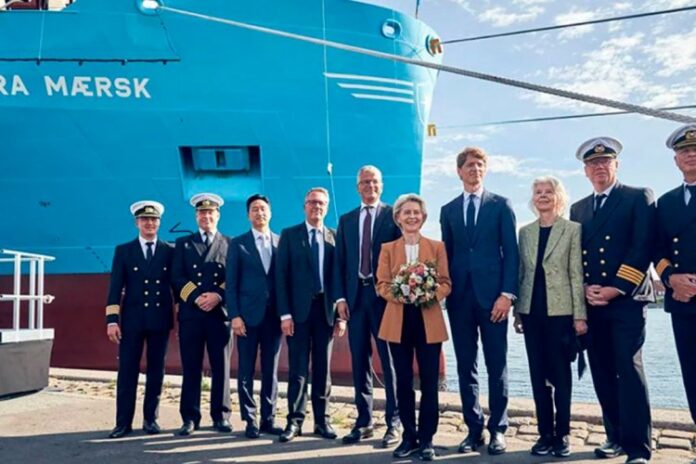
The name was revealed in the Port of Copenhagen on Thursday during a ceremony, when the ship’s godmother, President von der Leyen, christened the vessel by breaking a champagne bottle over the bow. Besides the godmother, Maersk Chair Robert Uggla and Maersk Chief Executive Officer Vincent Clerc also spoke at the ceremony.

Vincent Clerc, CEO of Maersk, said:

“Laura Maersk is a historic milestone for shipping across the globe. It shows the entrepreneurial spirit that has characterized Maersk since the founding of the company. However, more importantly this vessel is a very realproof point that when we as an industry unite through determined efforts and partnerships, a tangible and optimistic path toward a sustainable future emerges. This new green vessel is the breakthrough we needed, but we still have a long way to go before we make it all the way to zero.”

“Laura” is a proud Maersk name deeply rooted in some of the company’s very early innovative landmarks. When Captain Peter Maersk Moller bought his first steamship in 1886, he named her “Laura”. With its steam engine, “Laura” was a product of the second industrial revolution, making its impact on the shipping industry significant.

Furthermore, “Laura” was the first vessel to wear the white seven-pointed star on a light blue background. This symbol later would become the logo of A.P. Moller – Maersk.

TECO 2030 and PGS sign agreement to realize ammonia powered deep-sea shipping

0

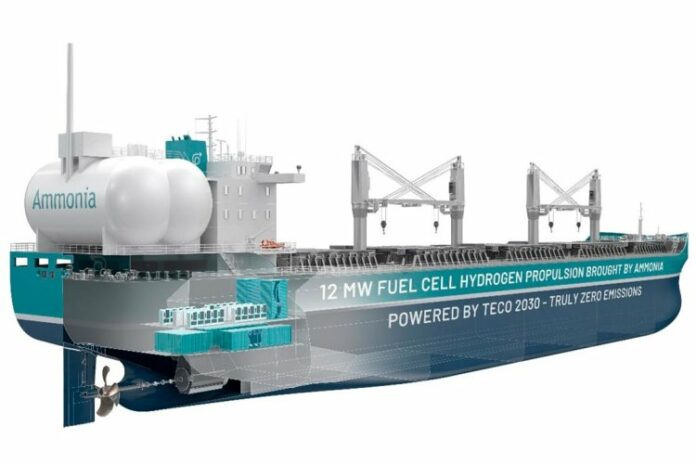
TECO 2030 and Pherousa Green Shipping AS (PGS) sign green package supply agreement for up to six modern, zero-emission Ultramax dry bulk carriers of about 63.000 deadweight tons each. Each vessel will be equipped with 12 megawatts (MW) of TECO 2030 fuel cells for main propulsion onboard.

The TECO 2030 delivery scope is a green package approx. worth EUR 23 million per vessel. The delivery for TECO 2030 includes a complete system of fuel cells installed on a skid solution as well as power and automation equipment and is estimated to start shipment to shipyard by early-2026, with delivery in mid-2026. The fuel cell system will go into production at our Innovation Center in Narvik, Norway at the end of 2024.

A 12 MW fuel cell system will be utilized for full propulsion onboard each of the six vessels, enabling 100% emission-free operations. Each vessel will be about 63,000-deadweight tons and the first vessel is targeted for delivery Q1 2027.

The TECO 2030 fuel cell system will be installed in combination with a Pherousa Green Technologies AS’ (PGT) ammonia to hydrogen cracker. Bunkering ammonia and cracking to hydrogen on board the vessel will solve the present storage and infrastructure challenges of hydrogen as a marine fuel and thus paving the way for zero emission deep-sea shipping.

Opting for hydrogen fuel cells in combination with an ammonia cracker allows shipowners to commence with ammonia and transition to hydrogen whenever desired, minimizing the investment risks. This approach does not only position ammonia as a viable hydrogen carrier but also enables its economic trade as a preferred fuel in shipping and complementing its traditional role in the chemical and fertilizer sector.

The total supply agreement is subject to financing of PGS’ newbuild vessels and reaching a final contract of supply including closing price negotiations according to industry standards.

“We are excited to team up with TECO 2030 and incorporate their Fuel Cell solution together with our own Cracking technology, permitting the Pherousa newbuildings to be the first ever fully electric deep-sea vessels on water” said Hans Bredrup, Chairman of the Pherousa group. He further commented: “The technology combination between TECO 2030 and Pherousa doesn’t only reduce the ammonia consumption versus the ammonia fueled Internal Combustion Engines currently being developed, it also avoids burning Ammonia together with Carbon based pilot fuels” and adds: “Truly Zero Emission by Choice”.

“We are proud to sign a firm supply agreement for six vessels with Pherousa Green Shipping, they are a young forward-thinking shipowner who wants to realize zero emissions deep-sea shipping. Pherousa is an exciting company, with a clear vision of proving that hydrogen and ammonia can be utilized to fuel tomorrow’s deep-sea vessels,” said an enthusiastic Tore Enger, Group CEO TECO 2030.

Nauticus Robotics announces offshore service agreement with Shell

0

Nauticus Robotics has announced its entry into a service contract with Shell. 

The initial scope of work includes inspection services on a Shell subsea field development in the Gulf of Mexico, and the contract contemplates visible future inspection service projects. The contract follows Nauticus’ successful qualification phase for autonomous methods of subsea operations for inspection services. The new contract acknowledges Nauticus’ successful transition to a fully operational offshore services provider.

Aquanaut, Nauticus’ flagship autonomous subsea robot, will serve as the project’s work horse and perform noncontact and contact inspections across an extensive subsea complex. The project features Nauticus’ first-to-market method of autonomous subsea manipulation on live subsea assets in water depths exceeding 1000m. A remote pilot will collaborate with Aquanaut during the operation through Nauticus’ acoustic communications link to ensure safe operations. The project also features what Shell has termed “a force multiplier” solution with multiple scopes of work to be executed simultaneously from a smaller class of service vessel that would not normally engage in IMR services. Nauticus not needing an umbilical to control Aquanaut is the key enabler of business case. In delivering this project Nauticus and Shell will take a major step in maturing a novel approach, jointly developed by the two companies, to underwater operations that could lead to a step change in technology and service delivery for the offshore sector.

“I am incredibly pleased with the progress the team has made in our collaboration with Shell and to embark on this new project with one of the world’s leading energy companies,” said Nicolaus Radford, CEO of Nauticus. “Nauticus now has visibility long term IMR services work for Shell and the opportunity to become the preferred supplier for this advanced work. We recognize the significance of this opportunity with Shell and look forward to the execution of this project work.”

Preparations to execute this project required Nauticus to mature its offshore Health, Safety, and Environment (HSE) solutions and operational expertise. The offshore operational design of the project also involved a collaborative effort with Shell’s marine assurance staff and robotics innovation programme.

Maersk launches new weekly ocean-rail offering to better connect Central Asian markets

0

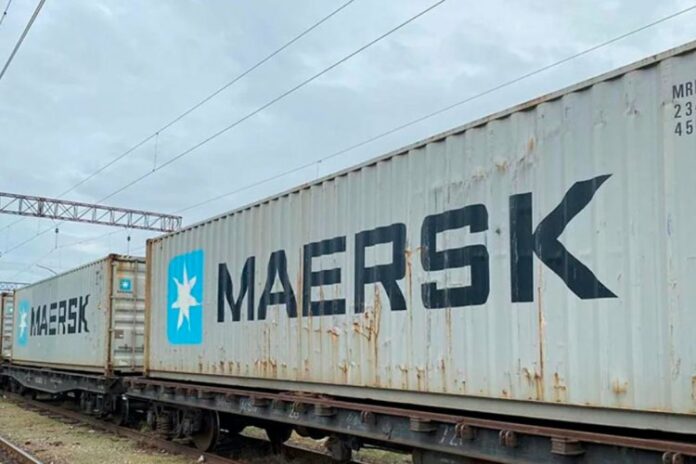
The company’s new product, an end-to-end intermodal ship and rail transport solution, aims to enhance the efficiency of cargo transportation particularly for consumer, lifestyle, and tech products to the growing consumer markets in Central Asia. While this new tailor-made solution particularly focuses on Kazakhstan and Uzbekistan, it will be the basis for further logistics offerings in the neighboring countries such as Turkmenistan, Tajikistan, and Kyrgyzstan.

Sedef Ayhan, Managing Director East Mediterranean Area of Maersk, said:

“Besides our existing rail connection through China, there has been a rising demand among our customers in the Western hemisphere for a logistics solution in this corridor which is seamlessly connected to a global network at the European end. We are happy to serve this demand with our new dedicated offering now and help our customers to reliably import and export their products to and from the Central Asian markets.”

The Georgian port Poti is the main connecting gateway to Maersk’s global ocean network. From this port, cargo is seamlessly transported via rail to Baku in Azerbaijan. Subsequently, the journey continues from Baku across the Caspian Sea to Aktau. Finally, the cargo is delivered from there to its ultimate destinations in Central Asia such as Almaty, Astana, Tashkent via an efficient train network.

To ensure seamless and reliable logistics, Maersk has established last mile connections in Georgia, Azerbaijan, Uzbekistan, and Kazakhstan through a dedicated trucking pool. This strategic approach enables efficient and secure delivery to the final destination, minimizing delays and enhancing customer satisfaction.

The transport solution is further bolstered by a dedicated control tower team, responsible for overseeing and managing the entire operations process. This team ensures a streamlined and coordinated approach to handling cargo, providing real-time updates, and addressing any potential issues that may arise along the journey.

From South-Eastern and Eastern Asian countries Maersk offers already a comprehensive rail and ocean-rail network to connect these markets to the Central Asian countries through China.

ABS, ECOLOG, Hanwha Ocean and Babcock sign pioneering LCO2 carrier study

0

ABS joined a pioneering joint industry project (JIP) to collaborate on the development of a detailed design of a 40K cbm liquefied carbon dioxide (LCO2) carrier that meets class and statutory requirements with Ecolog Services Ltd. (ECOLOG), Hanwha Ocean Co., Ltd. and Babcock International Liquid Gas Equipment (LGE).

The ultimate design will maximize energy integration and minimize greenhouse gas (GHG) emissions while being cargo versatile and capable of offshore offloading, as in the direct injection of liquid CO2.

“Transporting liquified CO2 is a critical part of the carbon value chain. This requires a new type of vessel, and ABS is proud to use our deep industry insight to support this group of leading players in developing such an important new asset for ECOLOG,” said Panos Koutsourakis, ABS Vice President, Global Sustainability.

“ECOLOG is a mid-stream CCUS service provider, building, owning and operating ships and terminals used to connect emitters safely and cost effectively to permanent storage and or re-use it sites. This joint industry project between Hanwha, American Bureau of Shipping, Babcock and ECOLOG brings together experts in their respective fields who aspire to provide in depth knowledge to the transportation of CO2 and support the CCUS market with design and operational standards. This is a first of its kind scientific work focusing on large scale CO2 ship transport which is much needed for the delivery of the Paris Agreement. At ECOLOG we are thrilled to be part of this joint endeavor, and we expect that this will encourage similar winning synergies in future,” said Dr. Panos Deligiannis, ECOLOG Head of Shipping.

“Hanwha Ocean is expecting to develop the optimum ship design of large LCO2 carriers through this JIP and to be one step ahead of our competitors in terms of shipbuilding technology. Hanwha Ocean will maintain its unique competitiveness for the technology and quality in the field of liquefied gas carriers such as LNG and LPG carriers,” said Sang-Don Kang, Hanwha Ocean Head of Basic Design Department.

Luxury ship charging $33,000 a person awaits rescue in Greenland’s Arctic

0

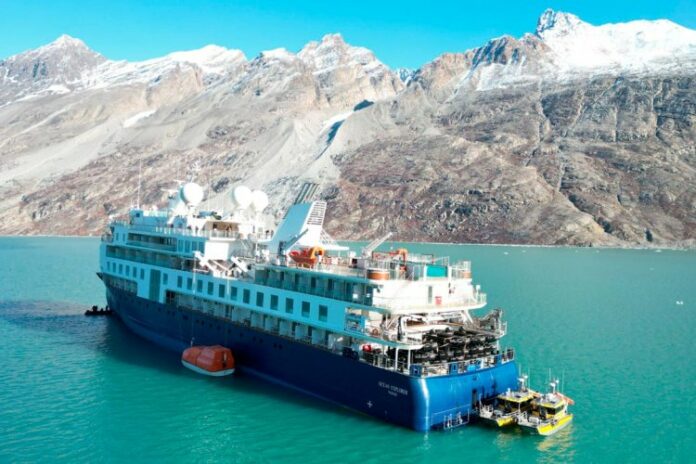
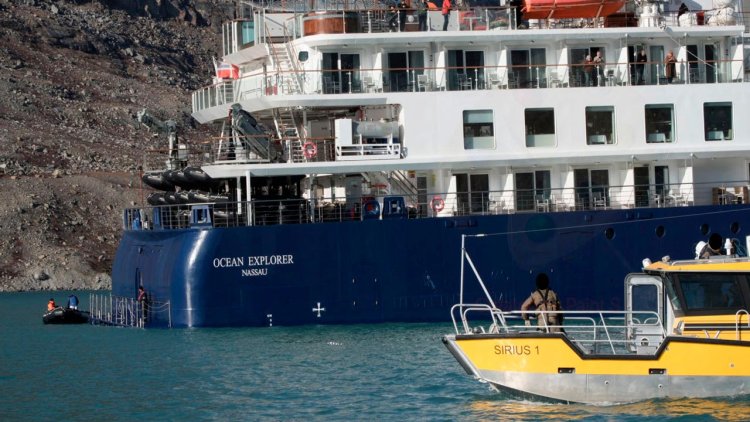
The Ocean Explorer became stuck at about noon on Monday in the Alpefjord, roughly 870 miles (1,400 kilometers) northeast of Greenland’s capital, Nuuk. The closest vessel available to help with rescue efforts is only expected to reach the scene on Friday.

Troops from Denmark’s Arctic Special Forces elite unit Sirius, which patrols the vast area by dog sled, have now visited the ship and confirmed that all passengers are safe, Denmark’s military’s Joint Arctic Command said on Wednesday. In neighboring Iceland, the coast guard is on standby with a vessel if needed, local authorities said.

A couple of people on board the ship have tested positive for Covid-19 and have isolated, the Sydney Morning Herald reported, citing passengers at the ship. No one is in a serious condition, the people told the newspaper. The Joint Arctic Command didn’t comment on the report.

The ship has at least twice tried to use high tide to float clear, but the mud — a mix of sediment, sand and silt left by a nearby glacier — is creating a strong suction that’s holding it in place. A nearby fishing ship may attempt to help the cruise ship at the next tide, the Associated Press reported on Wednesday.

The Joint Arctic Command has also told another cruise ship in the vicinity of the Ocean Explorer to stay in the area in case the situation escalates. A Danish naval ship already at sea off the coast of southwest Greenland has been diverted and should reach the area by Friday morning.

The stuck Ocean Explorer cruise ship in Greenland on Sept. 13.Source: Joint Arctic Command

“The crew and passengers are in a difficult situation, but given the circumstances, the atmosphere on the ship is good and everyone on board is doing well,” the Joint Arctic Command said in its statement, citing reports from the Sirius troops. The patrol will stay on land in the area so they can reach the ship within 90 minutes.

The passengers and crew on board number 206, according to the command, and local media in Greenland have reported that about 170 are paying passengers, with rest making up the crew.

The ship is stuck offshore Greenland’s national park, the world’s largest, covering 972,000 square kilometers (375,000 square miles). It’s a protected area with animals including polar bears, musk oxen and walrus. There are no human inhabitants except for workers at weather stations and the small unit of Denmark’s Arctic Special Forces.

Greenland has extensive home rule but is part of the Kingdom of Denmark.

“All passengers, the expedition team and crew onboard are safe and well,” Aurora Expeditions, the ship’s Sydney-based operator, said in a statement. “Importantly, there is no immediate danger to themselves, the vessel, or the surrounding environment.”

Aurora Expeditions specializes in polar trips, including a 30-day cruise costing more than $33,000 (A$51,000) per person for viewing wildlife, including polar bears, beluga whales and walruses, according to the its website.

Greenland, like many Arctic countries, is becoming increasingly concerned about the logistics of mounting expensive rescue operations in remote areas.

The number of cruise ships around the world’s largest island has jumped 50% in the past year to 600, Brian Jensen of the Joint Arctic Command said by phone. Last year, the Joint Arctic Command did one medical evacuation and so far this year it has done five, he said.

Source: Bloomberg

Russian navy shipyard targeted by missile strikes in Sevastopol

0

Ukraine used British cruise missiles in a significant attack against the headquarters of Russia’s Black Sea Fleet in occupied Crimea, Sky News understands.

A Ukrainian and a Western source said that British Storm Shadow cruise missiles were deployed.

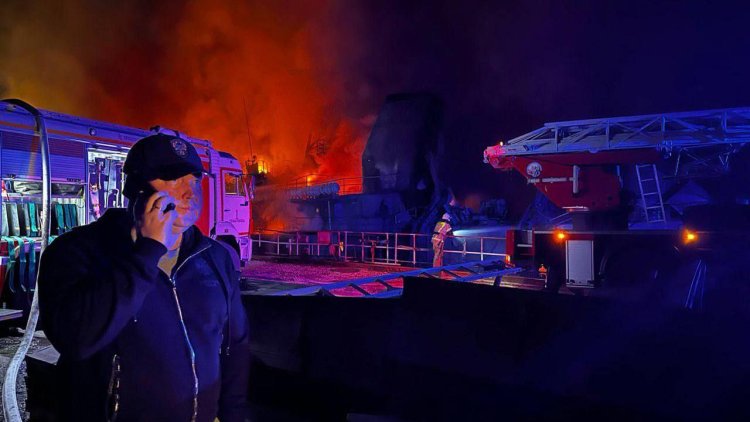
Images on social media captured explosions and flames ripping through the shipyard against a night sky in the very early hours of Wednesday morning.

Russia said 10 cruise missiles were fired against the facility, with seven being shot down by air defences. It said an attack by three unmanned boats was also thwarted.

Ukraine confirmed it struck Russian naval targets and port infrastructure in the city of Sevastopol, which was annexed by Russia in 2014, but has not officially said how.

However, Lieutenant General Mykola Oleschuk, the head of the Ukrainian Air Force, posted an image on his Telegram channel of the burning shipyard, with the caption: “And while the occupiers are ‘storming’ and they are still recovering from the night cotton [Ukrainian slang for explosions] in Sevastopol, thank you to the pilots of the Air Force of the Armed Forces of Ukraine for their excellent combat work!”

The UK gave Storm Shadow missiles to Ukraine’s armed forces earlier in the year. They are able to be fired by Ukrainian aircraft, with a range of more than 150 miles.

France has also supplied the Ukrainian military with cruise missiles.

“It was Storm Shadow,” one of the sources said.

Britain’s Ministry of Defence has not yet made a comment.

Admiral Sir Ben Key, the head of the Royal Navy, was asked about the Sevastopol attack during a speech at an arms fair in London.

He did not talk about any specifics and was not asked about the potential involvement of missiles given by the UK, but he said: “[The Ukrainians] are demonstrating what can be done through innovative thought processes and a willingness to take risk.

“As we have seen in a number of various areas, some really significant adaptations of tactics, techniques and capabilities in order to try and generate a capability advantage over the Russians and I really applaud that.”

This is the first known successful attack against a Russian submarine of the war.

Mikhail Razvozhayev, the Moscow-installed governor of Sevastopol, the largest city in Crimea and a major Black Sea port, said on Telegram that at least 24 people were injured.

“All emergency services are working on the site, there is no danger to civilian objects in the city,” Mr Razvozhayev wrote.

The strategic shipyard on the peninsula, which Russia annexed from Ukraine in 2014, builds and repairs ships and submarines of the Russian Black Sea Fleet.

The fleet has launched numerous drone and missile attacks on Ukraine.

Mr Razvozhayev posted a night-time photo of flames engulfing what seemed to be port infrastructure. Russian Telegram channels posted videos and more photos of massive flames at a facility alongside the water.

Rob Lee, a military analyst, posted a series of videos and images on social media purporting to show the strike.

He cited another social media channel as identifying the submarine that had allegedly been at the dry dock as being the Black Sea Fleet’s Rostov-on-don Project 636.3 diesel submarine.

The landing ship was identified as the Russian Baltic Fleet’s Minsk Project 775 Ropucha-class large landing ship.

Source: Sky News

Wärtsilä solutions chosen for world’s first methanol fuelled hybrid RoRo vessels

0

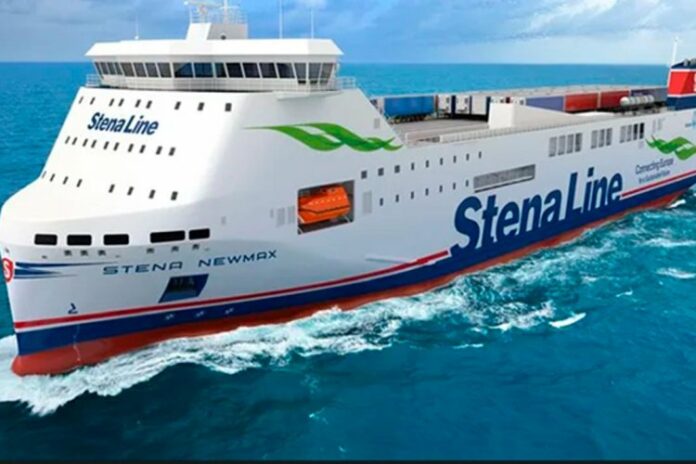
Technology group Wärtsilä will supply an integrated hybrid propulsion system for two new hybrid RoRo vessels. The ships are being built at the China Merchants Jinling shipyard (Weihai) Co., Ltd for the Swedish shipping company Stena RoRo. 

The combination of new sustainable fuels and electrification is in line with the company’s sustainable operations target. Part of the order was booked by Wärtsilä in Q2 2023, while the remaining order was booked in Q3 2023.

Each vessel will be equipped with two Wärtsilä 32M multi-fuel engines capable now of operating on methanol fuel and with ammonia ready notation. Wärtsilä will also supply the MethanolPac fuel storage, supply and control system, the gearboxes, two controllable pitch propellers (CPP), three bow thrusters, the NACOS navigation system, three Wärtsilä 20 auxiliary engines, and the hybrid electric system consisting of shore power, batteries, shaft generators, converters, transformers as well as the Energy Management System making it all work together.

Each vessel will also benefit from the Wärtsilä Hybrid Solution, optimising the fuel consumption today and allowing for future full green operation. The vessels will also be equipped with Wärtsilä shore power solution enabling carbon-free operations when the vessels are in port.

“These vessels are a further development of our previous cargo ship concepts where the focus on sustainability and future-proofing with multi-fuel combustion engines are prioritised,” says Per Westling, Managing Director of Stena RoRo. “With the help of Wärtsilä’s advanced technology, we intend to have the greenest Ro-Ro vessels on the market.”

“We are proud to be supporting these innovative hybrid vessels with our methanol fuelled engines and electrification systems. Both Stena RoRo and Wärtsilä share the same commitment to decarbonising shipping operations, and these vessels represent a further step in this direction by being the first methanol hybrid ships in their class. Not only will the emissions be minimised, but they will also have the most efficient energy utilisation during operations,” commented Roger Holm, President of Wärtsilä’s Marine Power business.

The 147 metre long ships will have 2,800 lane metre capacity and will be able to accommodate a total of 37 passengers and crew. They are scheduled for delivery in June and November 2025. The Wärtsilä equipment will be delivered to the yard in 2024.