3.9 C
New York
Home Blog Page 25

Ukraine wants to buy an oil tanker for Danube ports: international tender announced

0

The Ukrainian Sea Ports Authority has announced an international tender for the purchase of a multifunctional oil collection vessel that will “significantly enhance the environmental safety and technical readiness of Ukrainian ports on the Danube”. About this said press service of the Institute of Danube Studies.

The vessel will be designed to collect oil products and debris from the water surface, act as a tugboat and will also participate in localizing fires on ships and port facilities.

It is scheduled to be delivered by the end of 2026. The tender documents state that the vessel can be built at Ukrainian enterprises.

The procurement is part of the international project RELINC (Restoration of Key Logistics Infrastructure and Network Connectivity) with the financial support of the International Bank for Reconstruction and Development (IBRD).

The oil collection vessel will operate in Ukrainian ports on the Danube – Izmail, Reni and Ust-Dunaisk – which are currently key logistics hubs.

“This step demonstrates a systematic approach to strengthening environmental and infrastructural resilience across the Danube macro-region,” the statement said.

Source: liga.net

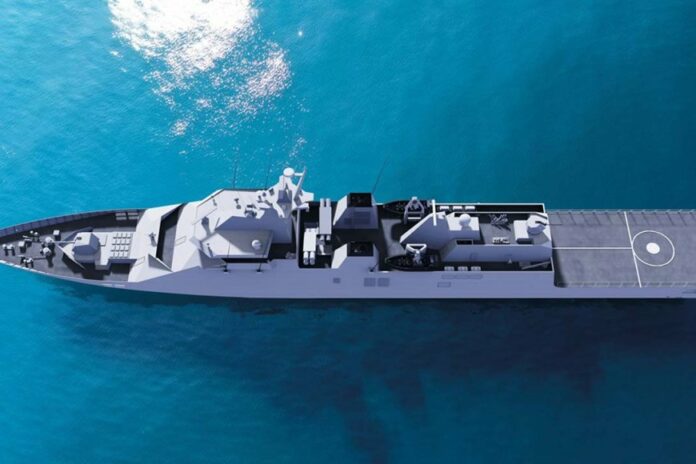
Damen signs contract with Terma A/S for Decoy Launching System on Colombian PES Frigate

0

Damen Naval has signed a contract with Danish defence technology company Terma A/S for the supply of the C-Guard Decoy Launching System, to be installed on the PES frigate currently under construction for the Colombian Navy. The frigate is based on Damen Naval’s SIGMA 10514 design and will be the first of its kind built in Colombia, in close cooperation with COTECMAR.

The agreement includes the delivery of Terma’s C-Guard system, which significantly enhances the frigate’s survivability. The system features advanced Anti-Aircraft Warfare (AAW) and Anti-Submarine Warfare (ASW) modules, designed to protect the ship against a wide range of incoming threats.

This contract reflects a strong alliance between Northern European defence partners. The cooperation between Terma and Damen Naval brings together decades of expertise and proven technology to support the PES frigate programme. It also strengthens their position as trusted partners for Colombia and the broader Latin American region.

“We are pleased to integrate Terma’s advanced C-Guard system into the PES frigate,” said Jasper Oreel, Project Director at Damen Naval. “Its proven performance and modular configuration are a strong match for the mission versatility of the SIGMA 10514 platform. We look forward to successful project execution and continued cooperation with Terma.”

“We are proud of the relationship and trust received by Damen Naval and we welcome the opportunity to work even closer, not only with Damen Naval but also the Colombian Navy,” said Martin T Jentsch, Sales Director, Naval Sales at Terma. “With the selection of Terma’s C-Guard decoy system, this platform has opted for a future proof round agnostics and automatic countermeasure system, with more than 150 systems in operation.”

The PES frigate is scheduled for delivery to the Colombian Navy in 2030.

Bureau Veritas certifies groundbreaking floating offshore wind project

0

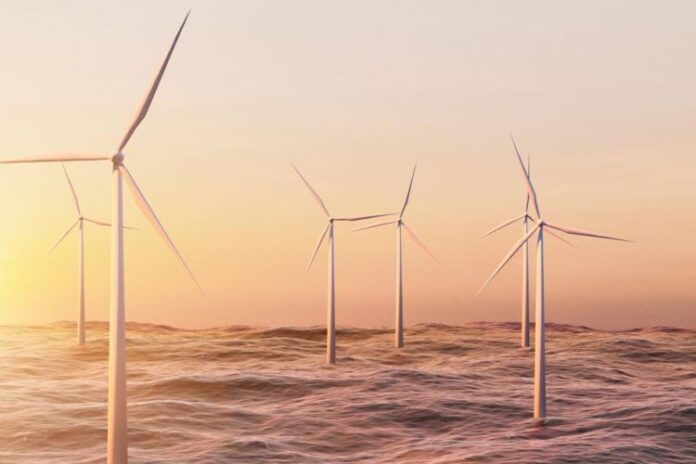
Bureau Veritas Marine & Offshore (BV) announces the successful certification of the Provence Grand Large (PGL) floating offshore wind project.

Situated off the coast of Fos-sur-Mer, Provence Grand Large demonstrates the potential of floating wind technology. 

This project brings together a consortium of industry leaders. EDF power solutions acted as the primary developer, leveraging its extensive expertise in renewable energy. Siemens Gamesa provided the wind turbines and towers, while SBM Offshore and IFPEN collaborated on the innovative floating foundation design. Eiffage Métal managed the complex fabrication process, and Prysmian supplied the projects’ dynamic cables.

BV has been an integral part of the PGL project’s journey since 2017, applying rigorous international certification methodologies. The certification process began with a thorough design documentation review, aiming to verify that technical specifications comply with applicable industry standards.

The certification journey continued through manufacturing oversight. BV experts monitored the production of critical components across multiple continents, performing quality control throughout the process. The final assembly at Eiffage Métal’s Fos-sur-Mer facility received particular attention, with BV experts conducting detailed inspections and assessments.

Transportation and installation phases equally demanded careful scrutiny. The BV project team worked closely with the marine warranty surveyor to ensure safe and precise deployment of this complex offshore infrastructure. The final commissioning tests, witnessed by BV experts, confirmed the project’s operational readiness.

Since its commissioning, the Provence Grand Large project has operated safely and efficiently while meeting the performance parameters established during the design phase. This achievement represents more than just a technical success, it signifies a crucial step towards the commercialization of floating offshore wind technology in France.

Matthieu de Tugny, Executive Vice President, Industrials and Commodities at Bureau Veritas, said: “Congratulations to the Provence Grand Large team for this achievement in renewable energy innovation. We are delighted to have supported EDF power solutions, Enbridge and CPP Investments in bringing this project to fruition. Provence Grand Large demonstrates the immense potential of floating offshore wind technology and France’s commitment to sustainable energy solutions.”

Trelleborg completes delivery of SafePilot Systems for Mexico’s nationwide port upgrade

0

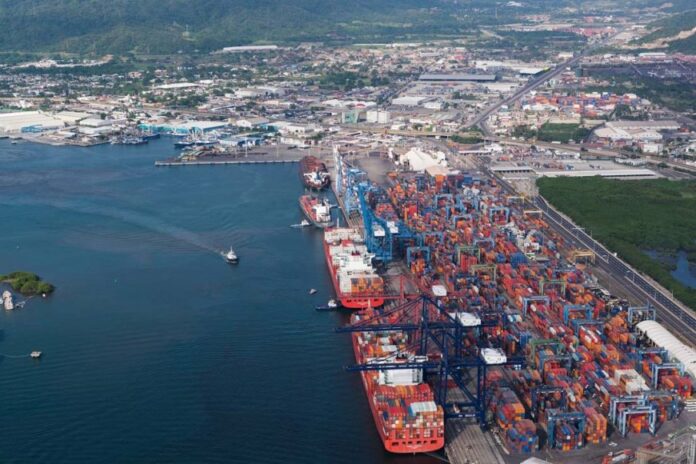
Trelleborg Marine and Infrastructure is approaching the final phase of a navigation modernization project, with completion of its SafePilot Portable Pilot Unit (PPU) and navigation software delivery that will be installed across 25 major Mexican ports.

The comprehensive implementation of these units following delivery will represent one of the largest standardized maritime navigation projects currently underway, positioning Mexico’s port infrastructure at the forefront of global maritime technology. The standardization effort will also address critical operational consistency needs across Mexico’s diverse port network.
 
“This project goes beyond just upgrading equipment, it’s about setting a new standard for pilotage throughout Mexico,” said Tommy Mikkelsen, Managing Director for Navigation and Piloting division at Trelleborg Marine and Infrastructure. “It will standardize navigation technology across all 25 ports, creating a cohesive ecosystem that enhances safety, consistency and operational efficiency on a national scale.”

Trelleborg’s SafePilot PPU hardware includes independent heading capabilities and flexible dual-unit configuration enabling quick equipment swaps for uninterrupted operations. The project also includes comprehensive training programs that will be delivered by Trelleborg experts leveraging 25-plus years of global pilotage experience.

Upon final installation of the solutions, the standardized approach will deliver immediate and long-term advantages across multiple operational areas. Enhanced safety protocols will allow pilots to perform more accurate navigation with improved decision-making support while operational consistency through uniform systems across all ports will ensure standardized procedures and simplified training protocols. Increased reliability through dual-unit setup with swap capabilities will help minimize operational downtime, while at the same time reduce maintenance complexity and training requirements.

Through this initiative, Mexico will establish a model for how port authorities can enhance both safety and operational efficiency through strategic standardization, addressing a critical industry challenge where pilots must adapt to different navigation systems when working across multiple ports.

Captain Mario Alejandro Camacho secretary general of the Mexican Sindicato Nacional de Pilotos de Puerto emphasized, “The standardization of this advanced equipment by the Union’s harbor pilots will significantly enhance pilotage safety in Mexican ports, aligning with international best practices. This initiative will empower members to address challenges posed by the increasing size of vessels, ensuring safe pilotage services within permitted navigation channels and maneuvering basins. This uniformity will be particularly critical as we accommodate larger vessels and increasing cargo volumes.”

ABB’s automation technology to support floating green ammonia production vessel

0

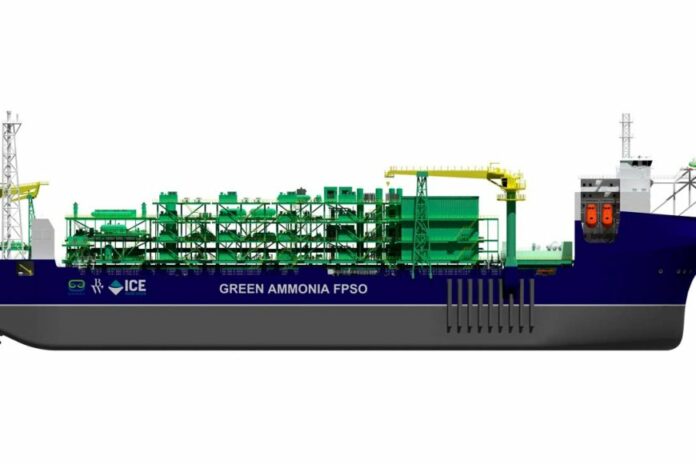
ABB has signed a term sheet agreement with SwitcH2 to engineer and supply automation and electrification solutions for SwitcH2’s floating production, storage and offloading (FPSO) unit dedicated to producing green ammonia from green hydrogen, to support future demand for low-carbon marine fuels.

The FPSO facility will be stationed off the coast of Portugal and powered by certified renewable electricity from the national grid under a Power Purchase Agreements. It will feature a 300 MW electrolyzer with the potential to produce up to 243,000 tonnes of green ammonia annually. 

As part of the term sheet agreement, ABB intends to deliver a prefabricated eHouse, electrical distribution systems and ABB Ability™ System 800xA® Integrated Control and Safety System (ICSS) with full cyber security integration. These modular, ready-to-deploy systems will help ensure safe, efficient and reliable operations offshore. ABB’s solutions will fully integrate with third-party equipment, including electrolyzers and ammonia synthesis units.

“This collaboration represents a key step in advancing offshore production capabilities for next-generation marine fuels,” said Saskia Kunst, CEO of SwitcH2. “By integrating ABB’s advanced electrification and automation systems, we are demonstrating how technology-driven partnerships can accelerate innovation, shaping the future of energy at sea.”

The FPSO will utilize treated seawater and use electrolysis to produce green hydrogen. This hydrogen will be combined with nitrogen extracted from the air to create green ammonia. Once synthesized, the ammonia will be condensed and stored onboard. It will then be transferred to carrier ships via a floating hose system for transport to ports where it can be used as a marine fuel or cracked back to hydrogen for industrial use. 

Green ammonia is emerging as a scalable solution for decarbonizing hard-to-abate sectors such as shipping, which contributes approximately two percent of global greenhouse gas emissions1.
 
“As with other hard-to-abate industries, we are committed to helping the marine sector operate leaner and cleaner. Our leading technologies in automation and electrification will enable this project to run with greater efficiently,” said Per Erik Holsten, President of ABB’s Energy Industries division. “Green ammonia offers a technically viable method for decarbonizing marine transport, and this FPSO concept showcases how renewable energy can be leveraged to unlock low carbon energy value chains.” 

Front-end engineering and design (FEED) work is expected to run until summer 2026, with a Final Investment Decision (FID) due by the third quarter of 2026. Detailed engineering and construction will then follow in 2027. 

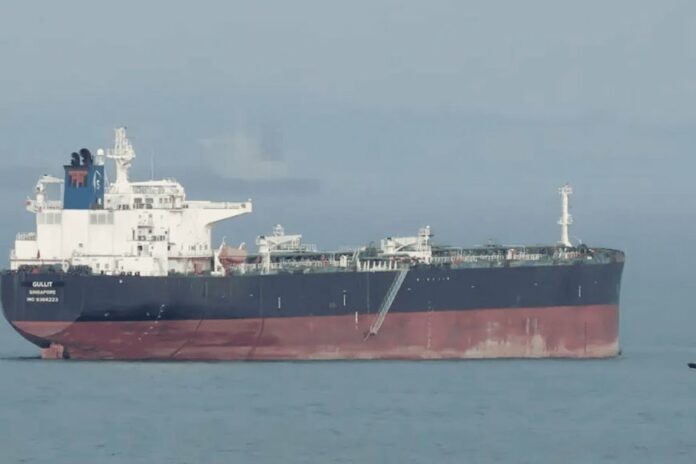
Zelenskyy: Russians using shadow fleet tankers for drone sabotage operations

0

Russia is using tankers not only to earn money for the war against Ukraine but also for intelligence and even sabotage activities, according to Ukrainian President Volodymyr Zelenskyy.

Zelenskyy listened to a report by the head of the Foreign Intelligence Service of Ukraine, Oleh Ivashchenko.

The President noted that Ukrainian intelligence is actively working with partners to prevent Russia from using so-called shadow fleet vessels for sabotage and other attempts to destabilize Europe.

“We provide all necessary information to our partners and expect that efforts to counter Russian interference will be significantly strengthened. Currently, the Russians are using tankers not only to generate revenue for the war, but also for intelligence gathering and even sabotage activities. This can absolutely be stopped,” he emphasized.

They also discussed specific measures regarding sanctions against Russia, including which schemes for evading sanctions need to be blocked first.

Seagems renews Wärtsilä Lifecycle Agreement to support the reliability of its fleet

0

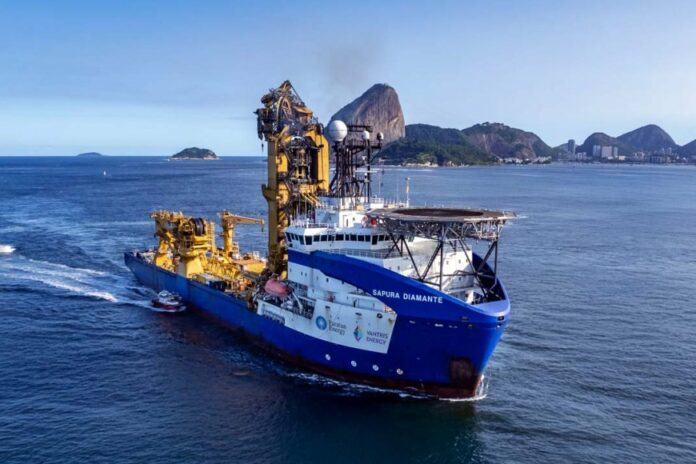
Technology group Wärtsilä and Seagems, a Brazil-based offshore operator formerly known as Sapura, has renewed and expanded its Lifecycle Agreement to cover its fleet of offshore support vessels. The renewed agreement expands the scope and elevates the strategic partnership and the importance of Wärtsilä’s services, aiming to enhance the reliability and reduce the carbon footprint of the vessels. The order with Wärtsilä was booked in Q3 2025. 

The new agreement reflects the maritime industry’s shift toward more collaborative, long-term partnerships and outcome-based service models, as well as a decarbonised future. It also exemplifies how operators are adapting to the latest ways of working: leveraging digital tools, predictive maintenance, and solidifying strategic service partnerships to optimise performance and reduce overall operational costs. 

“Over the years, Wärtsilä has delivered high quality, value-adding services to our offshore support vessels. The renewal and expansion of the existing agreement will support our long-term operational goals for these vessels, particularly in enhancing efficiency, reliability and sustainability,” says Ricardo Bicudo, COO – Seagems. 

By expanding the scope of the Lifecycle Agreement, Seagems gains direct access to enhanced reliability, operational cost savings, and greater peace of mind for its fleet. The inclusion of upgraded power and control management software, Wärtsilä’s Data Collection Unit with cloud-based services, and remote monitoring will deliver seamless visibility into vessel performance and enables proactive management of maintenance needs. 

With Expert Insight – a predictive maintenance solution harnessing real-time vessel data – potential issues can be identified before they impact operations, minimising downtime and unexpected repairs. Within the scope of this agreement, Seagems will also be able to benefit from tailored field services for engines and propulsion systems, ensuring their vessels run smoothly, safely, and sustainably throughout their lifecycle.  

“This renewed contract further strengthens our long-standing partnership with Seagems, reflecting confidence in our shared commitment to operational excellence and sustainable growth in the marine sector. Our goal is always to achieve greater operational efficiency, reduced downtime, and enhanced predictability, while also supporting our customers on their journey towards decarbonisation,” says Henrik Wilhelms, Director, Agreement Sales – Wärtsilä Marine. 

Seagems’ fleet are specialised for operations such as platform support, supply runs, and subsea services. The fleet is known for its robust design and advanced capabilities, enabling the ships to operate safely and efficiently in challenging offshore environments and are equipped with modern systems to enhance operational reliability and safety. 

Damen signs with Chomex Marino for two next-generation Offshore Support Tugs

0

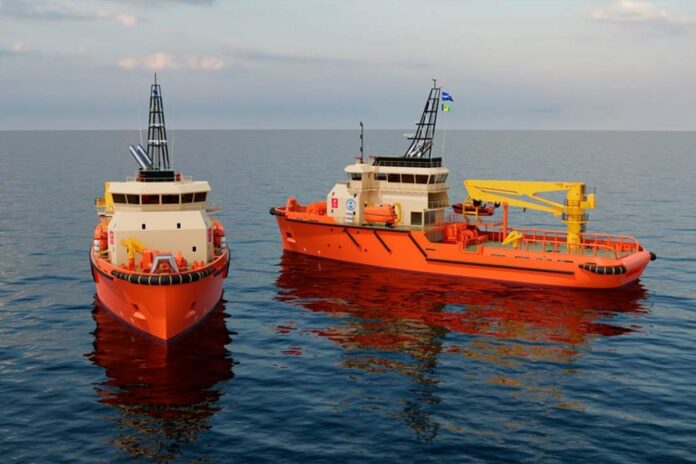
Damen Shipyards Group and Chomex Marino signed a contract for the construction of two Damen Offshore Support Tugs (OST) 120. Damen has developed the vessels in response to the operational requirements of end-user Woodside Energy. The new vessels will play a key role in unlocking the potential of deepwater operations in Mexico.

The project began when Woodside was seeking tenders for a 15-year time charter contract for multipurpose offshore support vessels in the Gulf of Mexico. Chomex Marino, a longstanding partner of Damen, submitted the Damen design, which went on to win the tender with Woodside. Damen will build the vessels at the Albwardy Damen shipyard in the United Arab Emirates, the yard meeting Woodside’s robust HSSEQ, project management and risk management standards.

The new vessels will be 67 metres in length, have a beam of 18 metres, a bollard pull of 120 tonnes ahead and astern and 250m² of free deck space. The Damen OST 120 has been developed from the keel up as a highly versatile vessel capable of a wide range of activities in the offshore energy sector. 

Designed for exceptional seakeeping and strong DP2-performance in severe offshore conditions, the vessel is capable of safely handling mooring lines and cargo hoses, hose maintenance, tanker assistance during tandem offloading operations, ROV deployment, standby services, oil spill response as well as a wide range of supply and replenishment missions such as crew and bulk cargo transfers. A special feature of the OST 120 is the ability to store and transfer chemicals in-field, allowing Woodside to run their operations with one less chemical supply vessel and, as a result, a lower emissions footprint.

“It has been a pleasure to work with Damen and we are grateful for a vessel design which satisfies the design requirements of both Woodside and Chomex Marino,” said Fausto Correa, General Manager of Chomex Marino. “With a 100% Mexican crew onboard these vessels, we look forward to seeing our new Damen OST 120 vessels in operation, making a positive impact to the Mexican maritime industry.”

Damen Shipyards’ Area Manager North America, Marnix Brouwer commented, “We are very excited to be working with our valued partners in what we anticipate will mark the introduction of a new class in offshore support, focused on versatility and operational efficiency. We foresee increasing demand for offshore tugs with a wider set of capabilities and are grateful to both Woodside and Chomex Marino for the opportunity to deliver a new solution to the industry.”

Molgas completes full acquisition of Titan Clean Fuels

0

Molgas Energy Group, backed by infrastructure investor InfraVia, has finalized the full acquisition of Titan Energy Holding, parent company of Titan Clean Fuels. 

The transaction, which follows Molgas’ initial 45% minority stake, marks a major step forward in the Group’s strategic growth in the clean marine fuels sector.

Titan is a leading independent supplier of liquefied biomethane (LBM/bio-LNG) and LNG, serving both maritime and industrial customers. Its fleet of small-scale bunkering vessels operates across key global markets, with a strong base in the Northwest European region. Titan’s LNG bunkering operations will merge with Molgas’ existing operations in Norway and all truck-to-ship supply across Norway and continental Europe will now be combined.

With the integration of Titan, the Molgas Energy Group now operates a fleet of seven LNG bunkering vessels and manages a proprietary network of over 70 road-fuelling stations, with more than 200 points of sale including associated partner stations. This expanded footprint positions Molgas as a pan-European leader in downstream LNG and bio-LNG solutions for industrial, road transport, and marine customers.

The acquisition comes at a time of accelerating momentum for clean fuels. LNG and bio-LNG are increasingly recognized as scalable, low-emission alternatives that can play a vital role in decarbonizing both shipping and heavy-duty road transport. With tightening regulations, like EU ETS and FuelEU Maritime, and therefore growing demand for sustainable energy, Molgas and Titan are well-positioned to lead the transition toward cleaner mobility and logistics.

Following the transaction, Niels den Nijs will lead Molgas’ Marine Business as Executive Vice President, Marine. He will oversee all marine activities, delivering integrated end-to-end ship-to-ship and truck-to-ship bunkering services across Europe.

Sofoklis Papanikolaou, CEO of Molgas, commented: “Niels and the Titan team started as true pioneers, showing remarkable innovation and have grown Titan into one of the sector’s most reliable LNG bunkering operators. The success of our initial collaboration laid the groundwork for this acquisition, which significantly extends our reach and capabilities. We are welcoming to the group a very experienced team, with leading specific expertise in marine fuels and decarbonisation. Together, we will build a robust platform to deliver LNG and bio-LNG solutions across Europe and beyond.”

Niels den Nijs, CEO of Titan, added: “From the start, our partnership with Molgas was a strong strategic fit and I’m very happy to join their board. By joining forces fully, we substantially strengthen our balance sheet and joint commercial reach. Together, we will scale our clean fuel solutions for the maritime sector at a time of accelerating demand and regulatory tail winds. This integration allows us to better serve our long-term customers with an unrelenting focus on our mission: to deliver economical fuel at scale to help decarbonize shipping.”

Athanasios Zoulovits, Partner at InfraVia Capital Partners, said: “As the maritime industry undergoes a major transformation, Titan’s expertise positions Molgas to lead in delivering scalable clean marine fuel solutions. We are proud to support Molgas in its mission to accelerate the energy transition across industrial, mobility, and maritime markets.”

Jogchum Brinksma, Chairman of the board, Titan concluded: “It has been a pleasure to oversee the steep growth of Titan as chairman of the board and I am extremely pleased with these partners for Titan. This move will help propel the company towards a globally important strategic position, rising to the scale needed to lead the alternative fuels transition.”

Scotland’s first floating solar array celebrates two year anniversary

0

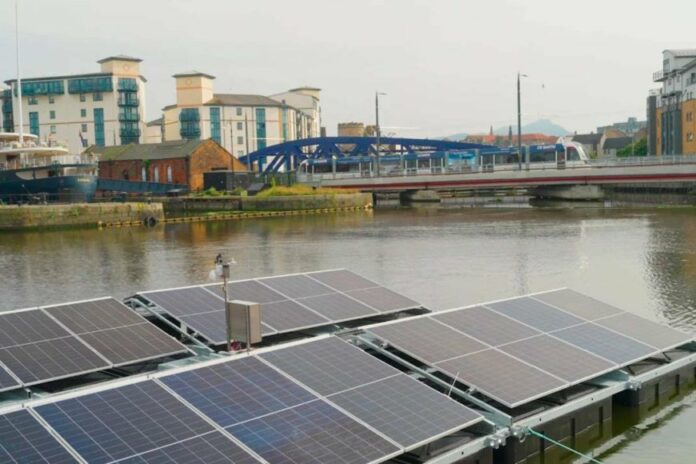
Since first producing power on the 2nd of October 2023, the array has delivered green energy every day, demonstrating the reliability and robustness of the technology.

During the past two years, the array has been put through its paces, weathering no less than 17 named storms, including Storm Éwoyn, the most powerful storm to hit the UK in the last 10 years – all while continuing to generate clean electricity. 

Simon Forrest, Chief Executive Officer, Nova Innovation, said:
“The robust and dependable reliability of the floating solar array is a testimony to the high quality of our product. The demonstrator, along with the formation of AquaGen365, has enabled us to build up a strong pipeline of projects across the UK.”

The array is powering Forth Ports headquarters with “sunshine on Leith”. The floating solar array reduces Forth Ports energy costs while progressing their ambition of being net zero by 2042.