-12.9 C
New York
Home Blog Page 244

10-year offshore service contract on Butendiek

0

Semco Maritime has been awarded a balance-of-plant service contract covering operations and maintenance on the offshore windfarm Butendiek located in the North Sea around 32 kilometres from the Island of Sylt near the German-Danish border.

The windfarm has been operational since 2015 and comprises 80 Siemens 3.6 MW wind turbines for a total capacity of 288 MW supplying around 370,000 households with renewable energy. Semco Maritime has entered the 10-year agreement from 1 January 2024 with Siemens Gamesa holding the contract and full turbine maintenance and offshore logistics responsibility towards OWP Butendiek GmbH & Co. KG.

Semco Maritime is responsible for balance-of-plant service workstreams, including scheduled and unscheduled maintenance and inspections above water on the offshore substation and its foundation as well as the 80 wind turbine generator foundations.

“We are excited to leverage our offshore experience and partner with Siemens Gamesa on our first 10-year service contract for offshore wind operations and maintenance at Butendiek. This is another important milestone in our efforts to boost Semco Maritime’s service business in the renewables space, and we are looking forward to cooperating closely with the client and all involved parties,” says Senior Vice President, Renewables, Semco Maritime, Jacob Øbo Sørensen.

Project operations will mainly take place from Havneby at the Danish Island Rømø.

NOAA unveils new tool for exploring coral reef data

0

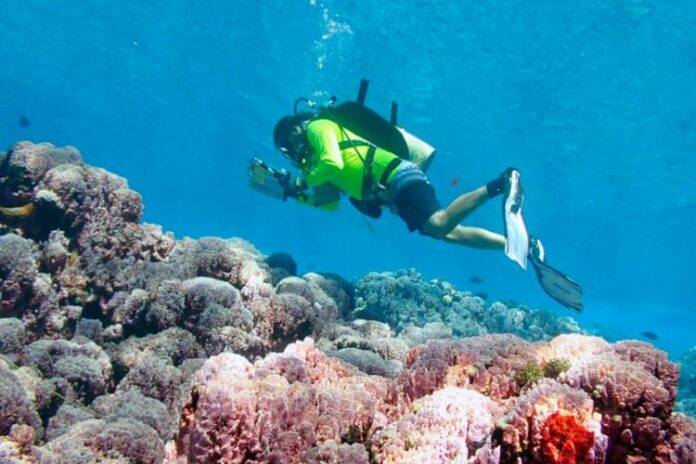
NOAA’s National Coral Reef Monitoring Program (NCRMP) launched a new data visualization tool today, which will provide free and easy-to-access information on the status of U.S. coral reefs. 

It is the first tool focusing on shallow tropical coral reef data to be hosted on the NOAA GeoPlatformoffsite link, which is NOAA’s central hub for geospatial data and tools. 

Now stakeholders, scientists, managers and students have a one-stop information hub to access and understand NOAA’s shallow tropical coral data that they can customize to focus on coral trends across specific timescales, locations, coral or fish species, climate data and socioeconomics.

“NOAA’s coral monitoring activities represent a truly comprehensive array of data and information — from biological and physical characteristics of reefs to insights into how surrounding communities perceive and protect their reef resources,” said Nicole LeBoeuf, assistant administrator, NOAA’s National Ocean Service. “This user-friendly tool represents a leap forward in making our extensive data accessible and analysis-ready.”

NCRMP is one of the few initiatives in the world to integrate a human dimensions component of research into a coral reef ecosystem monitoring program. This data visualization tool is the first NOAA coral product to feature social parameters as part of a comprehensive analysis of coral status. It can be used to see how residents interact with coral reefs and examine their perceptions of coral reef conditions over time, which are key data points for managers who develop locally-appropriate conservation and management strategies.

Accessing data is a key component of this new visualization tool. For the first time, users can download streamlined data summaries for each available year at different geographic scales. Users asked for and received ways to filter and download data in an easy-to-understand format, allowing researchers and decision-makers to develop custom datasets with actionable, situation-specific information.

“This tool is a game-changer,” said Jennifer Koss, director of NOAA’s Coral Reef Conservation Program. “To have this data available in an accessible, visual format will enable scientists and managers to make on-the-ground assessment and conservation decisions more easily. This is also a chance for researchers, students and engaged conservationists to gain an understanding of U.S. coral reef ecosystems and how people value them.”

The tool covers data collected since 2013 across four themes: benthic communities (corals, macroalgae and more); fish populations; climate and ocean chemistry; and socioeconomics. It encompasses the diverse range of coral reefs within the nation’s states and territories of Florida, the U.S. Virgin Islands, Puerto Rico, Hawaii, American Samoa, Guam and the Commonwealth of the Northern Mariana Islands. It also includes data from Flower Garden Banks, Florida Keys, and Hawaiian Islands Humpback Whale National Marine Sanctuaries, the National Marine Sanctuary of American Samoa, the Pacific Remote Islands and Papahānaumokuākea Marine National Monuments.

The NCRMP’s new data visualization tool is a portal into NOAA’s vast portfolio of information on coral reef status and trends, and a powerful tool for ongoing efforts to conserve these remarkable and fragile ecosystems. 

MOL to install AI systems in cargo holds of newbuilding LNG-fueled car carriers

0

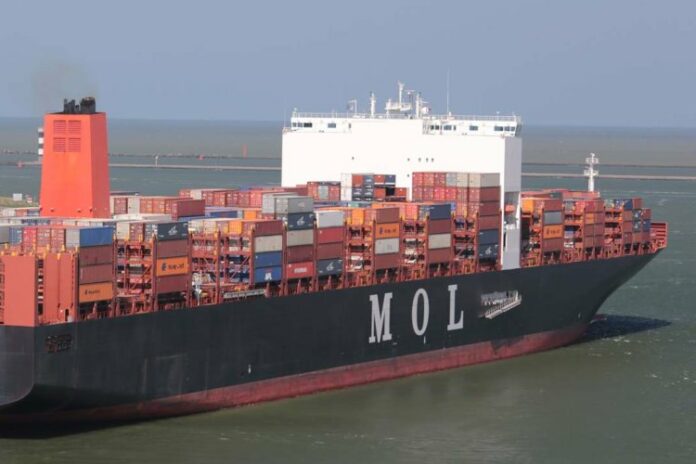
Mitsui O.S.K. Lines, Ltd. will install cameras and an AI system developed by Captain’s Eye in the cargo holds of most of its LNG-fueled car carriers to provide early fire detection capabilities.

The devices will be installed on 10 vessels currently on order and scheduled for delivery in 2024 or later, and the company will consider retrofitting current in-service vessels with the system.

The Captain’s Eye AI system sends an alert to crewmembers onboard the vessel and to the onshore ship management company when it detects abnormal images captured by the cameras. All MOL car carriers are currently equipped with fire alarms (smoke detectors), but the AI-based system will enable faster smoke detection. In addition, images of the cargo hold can be viewed from both the vessel and on land, leading to a faster response in case of fire.

Captain’s Eye AI systems are mainly used to detect abnormalities in the engine room and on deck and have been introduced on merchant ships and other vessels around the world. In collaboration with Captain’s Eye, MOL has conducted demonstration tests of the AI system’s smoke detection capabilities using cameras in cargo holds aboard the car carrier ONYX ACE. It has improved the system’s functionality through multiple tests, and has confirmed its effectiveness, including the successful detection of small amounts of smoke, and has decided to install the Captain’s Eye system on car carriers.

LDA and Flying Whales partner to develop the transport of exceptional loads by airship

0

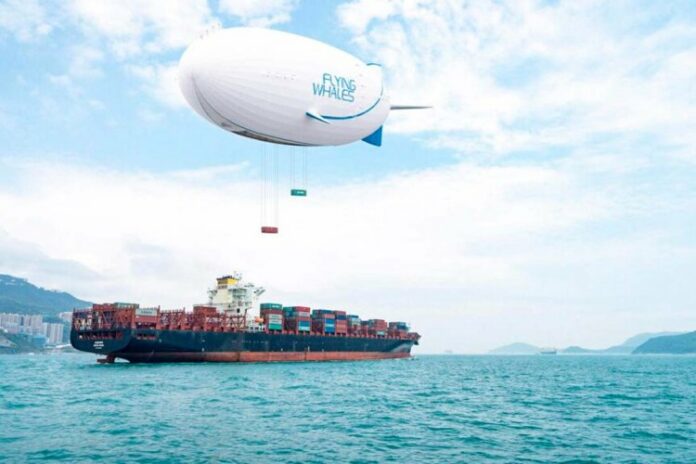
Louis Dreyfus Armateurs has concluded a partnership with FLYING WHALES to commercialize an air cargo transport solution. It is based on the use of the LCA60T airship – an innovative airship concept lifted by 180 000 m3 of helium with a payload of 60 tons.

The LCA60T is an innovative transport solution that can operate in remote areas where roads are not available, thanks to its hovering capabilities. It is also a very interesting solution for oversized cargoes, that are particularly difficult to transport via common roads or railways. With a length of 200 meters and a diameter of 50 meters, it has a substantial payload capacity thanks to a cargo bay of 96 meters in length, 8 meters in height, and 7 meters in width. If needed, it can even carry larger cargo by using the “under slings” mode.

As it uses helium to float, the LCA60T reduces its energy consumption and lowers CO2 emissions. FLYING WHALES, the company behind the LCA60T, is developing an all-electric propulsion system based on the use of green hydrogen (either fuel cells or helium injected into the turbines) to further reduce environmental impact. Another advantage of the LCA60T is that it doesn’t require heavy transport infrastructure on the ground during operations, which makes it an eco-friendly solution for transporting goods.

By calling on this innovative solution, Louis Dreyfus Armateurs can effectively address complex logistical solutions for its clients.

Edouard Louis-Dreyfus, President of Louis Dreyfus Armateurs, said:

«Choosing to partner with FLYING WHALES is totally in line with the LDA’s ambition to decarbonise transport and logistics. By combining our expertise, we want to offer an innovative solution capable of solving particular issues that oversize cargoes face on the first and lasts miles of their voyage. This will be a significant benefit for customers of our maritime logistics services».

Sébastien Bougon, President of FLYING WHALES, said:

«Partnering with LDA means working with one of the most reliable and efficient players in the world of logistics and transport. I’m delighted that our ambitions and know-how will combine to offer an unprecedented transport alternative.” 

Development activities progressing for green hydrogen supply chains in Europe

0

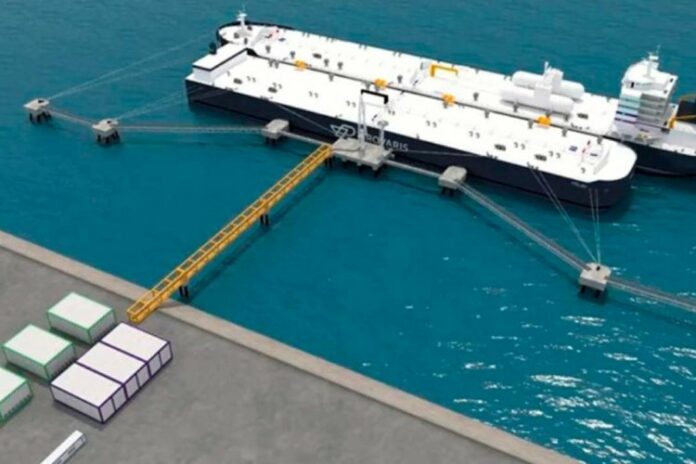
Provaris Energy has made further progress in the development of compressed green hydrogen supply chains in Europe using its proprietary storage and carrier solutions.

A key milestone has been achieved for the Prototype Tank program underway in Norway, with Prodtex completing the design for a multi-layered carbon-steel prototype tank to be constructed and tested in the first quarter of 2024. The successful completion of the testing program is the final requirement for Class Approval of the H2Neo carrier to be provided by the American Bureau of Shipping (ABS) and Det Norske Veritas (DNV), who will survey the construction and participate in the testing of the prototype tank. The prototype testing will be performed by SINTEF, a recognized research facility in Norway.

Upon successful completion of prototype testing, Provaris will achieve a Final Class Approval stage for the ship designs, which will be a significant milestone for the Company and completes a 4-year development program to have a construction ready hydrogen carrier for maritime transportation.

Planning for the prototype construction activity is now underway, including the digital twin and the ordering of carbon-steel and stainless steel materials for the tank. The construction and testing remain on schedule for the first quarter of 2024 at Prodtex’s production facility in Fiskå, Norway.

Provaris’ Managing Director and CEO, Martin Carolan, commented:

“Provaris’ focus on development and R&D activity out of Norway continues to advance across the full value chain for Europe. Our dialogue with stakeholders from the supply of hydrogen through to import continues to increase the awareness of compression. Techno-economic qualification of the benefits when it comes to flexibility and delivered cost for hydrogen import is now resulting in increasing focus on compression’s inclusion in a portfolio of import alternatives. German government policy continues to roll-out legislation, funding initiatives and infrastructure to meet an increasing reliance on hydrogen to cut emissions and achieve the latest target of 3-4 Mtpa required in 2030, of which 70% is stated to come from imports.”

Provaris’ CTO, Per Roed, added:

“Provaris’ R&D activity in Norway for the construction and testing of a prototype tank remains on schedule for our final Class Approval milestone. Our program has also developed a new and potentially significant opportunity to extend our unique containment tank design to meet a requirement for small scale storage tanks with capacity of 1 to 10 tonnes. Discussions with industry reinforce the demand for a low-capex alternative to high-pressure composite storage solutions which are suitable for onshore buffer storage and maritime applications. The proposal to manufacture these tanks in Norway also delivers a new industry that supports regional economic activity.” 
Provaris continues to advance meaningful discussions with major European port operators, energy utilities, and potential hydrogen end-buyers which have a growing interest in Provaris hydrogen delivery value chain; based on Provaris proprietary technology for the storage and marine transportation of hydrogen in compressed form.

To this end, Provaris this month signed a non-binding Memorandum of Understanding (MoU) with a major European energy utility to jointly evaluate Provaris’ full hydrogen delivery chain, including Provaris’ H2Leo for storage and H2Neo carriers, for delivery of gaseous hydrogen to regional Europe and potentially assist the utility’s planned hydrogen importation portfolio. The commercial terms of the MoU are non-binding, non-exclusive, and impose no obligation on either party to enter into any future transaction or agreement.

Dialogue with multiple stakeholders continues to achieve positive engagement and progress towards further cooperation on developing energy efficient hydrogen import supply chains, demonstrating the relevance of compression to a support Europe’s ambitious import targets of 10 Mtpa by 2030, and the requirement for this to be 42% from green hydrogen supply sources.

One of the goals of recent R&D activity related to the technical collaboration with Prodtex is to address a gap in the market for safe and affordable static storage solutions required for renewable hydrogen projects (for buffer storage) or industry applications that have a requirement for alternative long-duration storage solutions with a capacity greater than 1 tonne of hydrogen (volume).

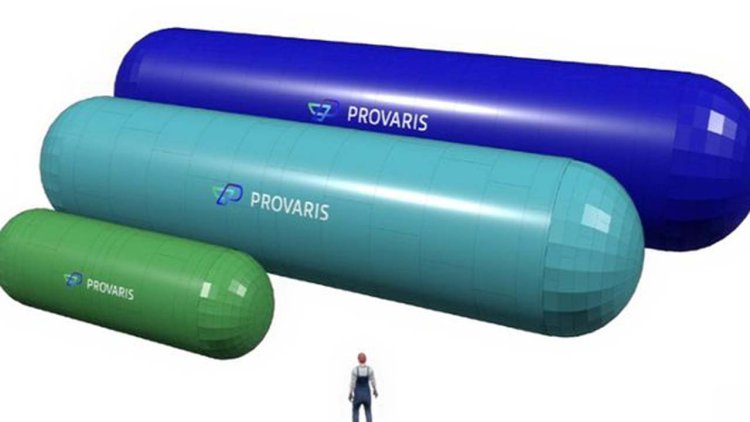
Through an extension of our prototype tank design, Provaris has developed initial concepts that will have relevance to a range of hydrogen applications. The tank structure will be based on the use of multi-layered carbon-steel which has a design pressure of 250 barg. The initial design concepts will have a capacity of 1, 5 and 10 tonnes of gaseous hydrogen. Being made of carbon-steel, the tanks will not target the mobility market for transport, however it can have applications in areas such as, but not limited to, maritime (hydrogen as fuel), mobility (storage at refuelling station), and as buffer storage at the battery limits of industry and power generation (to complement pipeline connections) as an alternative to containerized composite solutions available in the market today.

Port of Brunswick welcomes Gold Star service from Mexico

0

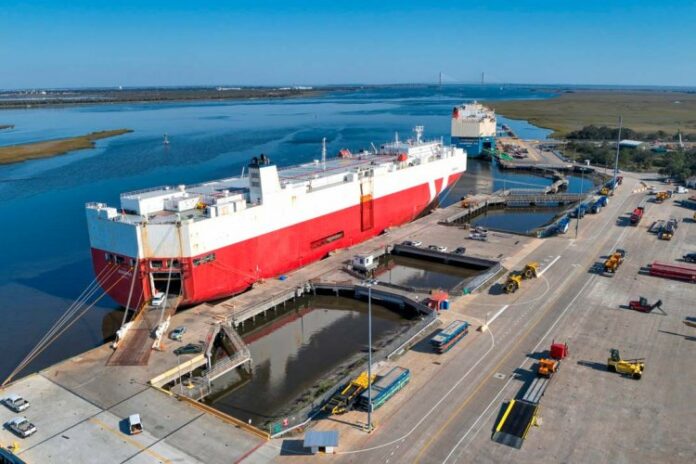
The Gold Star service offering from Zim delivers more timely, efficient, and secure delivery of Roll-on/Roll-off cargo compared to shipping overland, port officials said.

“We are proud to welcome this new service, a key option for automotive manufacturers looking for a fast, secure link when shipping into the U.S. via manufacturing sites in Mexico,” said Bruce Kuzma, VP of Trade Development, Ocean Carrier & Non-Container Sales at the Georgia Ports Authority.

The Gold Star Service’s maiden vessel, the Sebring, called on the Port of Brunswick during the first week of November, marking a new route for carmakers to ship vehicles into the national gateway for autos and machinery.

The Port of Brunswick is currently experiencing a major increase in cargo volumes, as the Georgia Ports expands infrastructure there to establish the gateway as the No. 1 Ro/Ro port in the nation.

In September alone, the Port of Brunswick’s Colonel’s Island Terminal saw a monthly volume increase of 61 percent, handling 70,645 units of Ro/Ro cargo compared to 43,900 units the same month last year.

The Port of Brunswick is currently undergoing more than $262 million in improvements, with upgrades including 640,000 square feet of auto and machinery processing space across five new buildings, including 350,000 square feet of near-dock warehousing; and an additional 122 acres of Roll-on/Roll-off cargo storage space.

“It’s an exciting time for Georgia Ports as we continue to invest in the Port of Brunswick to meet our customers’ evolving supply chain needs,” Kuzma added.

GPA is pursuing a two-pillar strategy to specialize and scale operations for customers, with the Port of Brunswick handling all Roll-on/Roll-off cargo and the Port of Savannah all container trade. 


Fugro supports Ignitis Renewables with seabed survey

0

This critical step in the project’s development aims to enhance the understanding of seabed conditions, which will inform the location, construction and design of future wind turbines at the Baltic Sea.

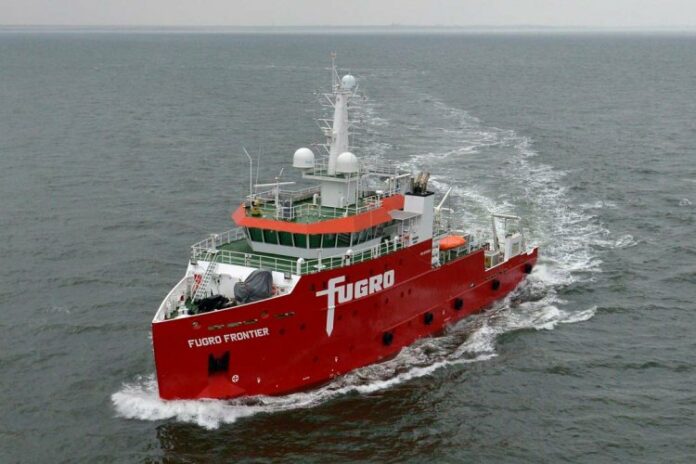
Fugro’s designated geophysical survey vessel, the Fugro Frontier, is currently on-site in the Baltic Sea surveying the 120 square-kilometre area, collecting 2D ultra-ultra-high-resolution (UUHR) sub-surface data, as well as bathymetry, sidescan sonar, and magnetometer data.

The 2,000 survey line kilometres of high-quality data collected will be crucial for characterising the site and identifying potential risks to an offshore wind farm development in this area. These insights will inform the selection of future geotechnical investigations and help create a detailed ground model that Ignitis Renewables will use to determine the optimal wind turbine foundation design and locations.

“We are pleased to partner with Fugro, one of the leading authorities in the field, as the information gathered from these surveys brings us another step closer to making the first offshore wind farm in Lithuania a reality. The geophysical data acquisition is a critical milestone in our preparatory phase, laying the groundwork necessary to initiate construction on schedule,” stated the Head of Offshore Development at Ignitis Renewables Vytautas Rimas.

“Our commitment to delivering comprehensive, reliable Geo-data, combined with our expertise in challenging geology and offshore conditions, will help derisk future phases of this development. We look forward to contributing to the success of Lithuania’s clean energy goals and to continue our tradition of providing valuable services to our clients,” said Alvydas Uždanavičius, Fugro’s Lithuania Country Manager.

Scheduled to begin operations by 2030, the 700 megawatt (MW) offshore wind farm will generate up to 3 terawatt-hours (TWh) of electricity annually, which would meet up to a quarter of Lithuania’s current electricity demand.

Peel Ports and Suardiaz launch UK-first Green Automotive manufacturing Hub

0

A UK-first Green Automotive manufacturing Hub, which will significantly reduce supply chain emissions in the North-West, has been launched in Merseyside by Peel Ports and Suardiaz.

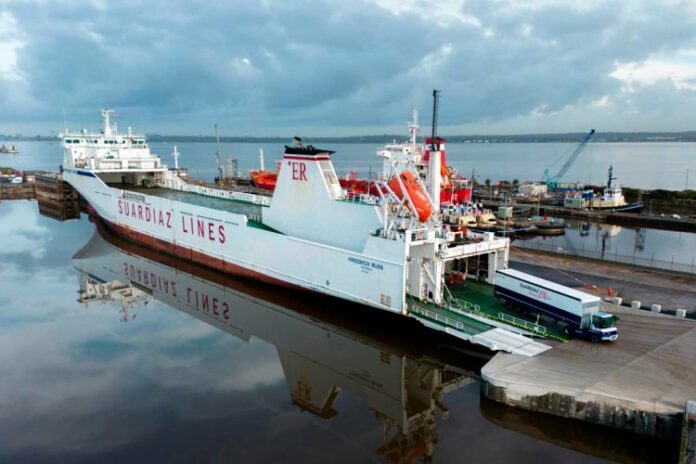
The £10 million facility – which is the first of its kind in the UK – was officially opened in a ribbon cutting ceremony yesterday (14 November) as it welcomed a Suardiaz vessel from Vigo Port in Spain, to which it will service a twice-weekly shipping route.

Located on a 9.5-acre site at Queen Elizabeth II Dock at Eastham, within Peel Ports’ Mersey cluster, the Hub will power sustainable vehicle manufacturing and facilitate a greener end-to-end maritime logistics service in the North West.

Developed in partnership with global logistics firm Suardiaz for leading automaker Stellantis, the service will supply parts for Ellesmere Port’s vehicle manufacturing site, which is now the first of its plants to produce solely battery-electric models for commercial and passenger vehicles. 

The maritime route servicing the plant is projected to reduce annual CO2 emissions by 30% and energy consumption by 37%, when compared to road travel. It is expected to take an estimated 14,700 lorry journeys off roads across the UK and continental Europe annually, saving approximately 17.5 million kilometres (c.11 million miles) in road trips.

Claudio Veritiero, CEO at Peel Ports said: “This new Green Automotive Hub is set to be a gamechanger in cutting supply chain emissions and road congestion in the UK.  It’s a great example of the forward thinking cooperation that is needed to reduce the impact of the maritime and logistics sectors on the environment. We have consistently said that reducing road miles will be central to combating climate change, but we know that can only be achieved by providing sustainable alternatives utilising ports in close proximity to final destinations.

“An essential element of our sustainability drive is close collaboration with like-minded businesses, and we are delighted to partner with Suardiaz and Stellantis on this pioneering project.”

Juan Riva, President and CEO of Suardiaz, said: “This new Suardiaz Terminal is the result of the excellent collaboration between Peel Ports and Suardiaz, as well as the trust vested by Stellantis in Suardiaz to establish and execute the supply chain for Ellesmere Port Plant.

The Intermodal solution we have implemented for the Ellesmere Port factory, which combines road and maritime transport, will significantly reduce CO2 emissions by eliminating over 14,000 trucks from European and British roads. Furthermore, we are actively engaged with Peel Ports, Freeports, and the Ellesmere Port Plant to facilitate the adoption of Cold Ironing and the electrification of the last mile by using electric trucks. The imminent introduction of biofuels to our ships will further strengthen our commitment to the decarbonisation and sustainability of our maritime-land corridors, in the same spirit under which Stellantis electric vehicles are manufactured.”

Diane Miller, Ellesmere Port Plant Director, Stellantis, said: “We’re thrilled to be marking the opening of the new Green Automotive Hub at Queen Elizabeth II Eastham dock. Following the start of electric vehicle production earlier this year, this is another important milestone for Ellesmere Port, enabling us to establish a sustainable supply chain through a new maritime shipping route with our sister plant in Vigo, Spain. I’d like to thank Peel Ports and Suardiaz for their collaboration on this groundbreaking project.”

Peel Ports and Suardíaz invested a combined £10 million in recommissioning an existing berth at the dock and installing the infrastructure needed to support the processing of the Roll-on Roll-off (RoRo) ships and their cargo to develop the Hub.

The launch of the Green Automotive Hub represents the latest move by Peel Ports to improve the sustainability of its operations. In 2021 the Group announced its commitment to becoming a net zero port operator by 2040, ten years ahead of the UK Government’s target.

Saipem: New milestone achieved for the execution of Payara Project in Guyana

0

Saipem has reached a new and important project milestone by contributing to the start of production of the Payara oil field, offshore Guyana, operated by the consortium comprising ExxonMobil, Hess and CNOOC.

Saipem contributed to the project development by providing engineering, procurement, construction and installation of the underwater facilities. Saipem installed over 130 km of thick rigid pipelines and risers in approximately 2,000 m water depth.

The contract was fully released in 2020 by ExxonMobil Guyana Limited. Saipem’s leading assets such as FDS2 and Saipem Constellation were deployed to carry out the project.

Furthermore, Saipem used its Fabrication Facility in Georgetown, Guyana for the fabrication of 48 rigid jumpers, ensuring important local activity and enhancing sustainable investment in the country.

Wärtsilä introduces first four-stroke ammonia-fuelled engine solution

0

The new solution enables a significant advance in sustainable shipping operations – during a time in which ship owners are seeking viable options among green fuels. The ammonia solution is now commercially available as part of the Wärtsilä 25 engine platform, which was launched in September 2022.

Viridis Bulk Carriers, the world’s first zero emission shipping company, is intended to be the first shipowner to benefit from the new ammonia solution. The company is a partnership between Amon Maritime, Mosvolds Rederi and Navigare Logistics. Earlier this month, Wärtsilä and Viridis Bulk Carriers signed a Letter of Intent for the Wärtsilä 25 ammonia engine solution, targeting to sign a commercial contract in early 2024. Viridis Bulk Carriers is bringing a ‘green game changer’ to the European short sea bulk market, planning a carbon free transportation service based on a series of ammonia-powered newbuild vessels.

“The maritime industry must significantly reduce its emissions if we are to succeed in reaching the goals set in the Paris agreement. The adoption of new technologies and ammonia as a carbon free fuel is central to this,” said André Risholm, Board member at Viridis Bulk Carriers. “We are delighted to partner with Wärtsilä on another important milestone for our ammonia-powered short sea bulk vessels.”

Håkan Agnevall, President and CEO of Wärtsilä said: “Wärtsilä is a leader in shaping the decarbonisation of marine and energy industries. This industry-leading solution is yet another flagship moment in Wärtsilä’s extensive programme to ensure future marine fuels are both viable and safe. Working in partnership with Viridis Bulk Carriers, we take the next step in our decarbonisation journey, enabling the transition to greener fuels and accelerating towards net-zero emissions shipping.”

In addition to the engine, the full solution includes an AmmoniaPac fuel gas supply system, the Wärtsilä Ammonia Release Mitigation System (WARMS), and the Wärtsilä NOx Reducer (NOR) for optimal exhaust after-treatment. Safety and efficiency are central to the solution design, maximised by a highly sophisticated automation system and maintenance agreement to ensure safe and efficient onboard operations. The safe and smooth adoption of ammonia as a new fuel for crew members is further supported by dedicated training and 24/7 global support.

“The ammonia solution is based on Wärtsilä’s well-proven LNG system, from which we have gained invaluable experience. The Wärtsilä 25 engine has been designed for easy adoption of sustainable fuels and, now, in addition to its previous capability of operating on diesel, LNG, or on gas or liquid carbon-neutral biofuels, we are proud to add ammonia to its specifications. This makes Wärtsilä 25 a thoroughly future-proof engine platform, that combines operational efficiency with environmental sustainability.” added Roger Holm, President of Wärtsilä’s Marine Power business.

Sustainable ammonia is one of the leading candidates in shipping’s search for alternative clean fuels. This new Wärtsilä 25 Ammonia solution can immediately reduce greenhouse gas emissions by more than 70 percent, compared to a similar sized diesel solution, meeting current EU targets until 2050 and even exceeding the IMO target for 2040.

“This is only the beginning,” continued Stefan Nysjö, Vice President of Power Supply, Wärtsilä Marine Power. “The Wärtsilä 25 is the first Wärtsilä engine to run on ammonia as a fuel, and this is an important milestone, but we do not stop here. While we are planning for additional ammonia engines in our portfolio over time, we are also committed to continue development and testing of technologies and solutions that can continue to support the industry with reducing greenhouse gas emissions even further in the future.”