-13 C
New York
Home Blog Page 242

Maersk and Goldwind sign green methanol offtake agreement

0

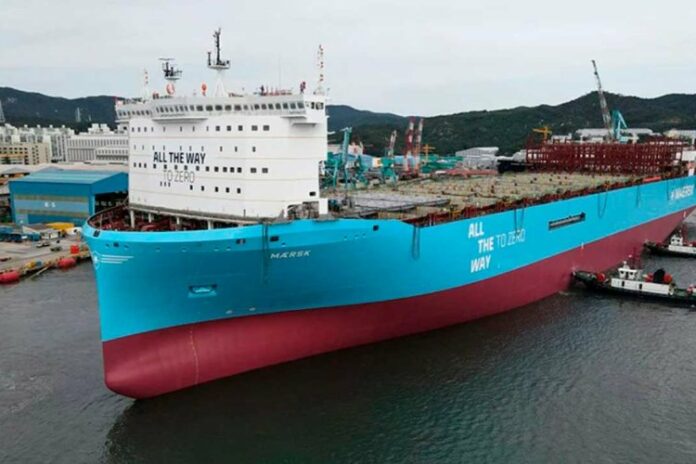
The offtake agreement between A.P. Moller – Maersk and Chinese developer Goldwind reaches into the next decade and marks the first large scale green methanol offtake agreement for the global shipping industry.

Rabab Raafat Boulos, Chief Infrastructure Officer at A.P. Moller – Maersk, said:

“This deal is a milestone for Maersk as it enables us to significantly reduce our emissions footprint in this decade and stay aligned with the 1.5-degree Celsius trajectory as set out in the Paris Agreement, ensuring continued supply of low carbon shipping services to our customers in the second half of this decade.”

A.P. Moller – Maersk aims to reach net-zero greenhouse gas emissions by 2040 across its business. The deal significantly de-risks the initial stages of Maersk’s net-zero journey and supports expectations for a competitive green methanol market towards 2030. The record-high volumes can annually propel more than half the methanol-enabled capacity Maersk currently has on order.

Wu Gang, Chairman, Goldwind, said:

“Goldwind respects Maersk as a pioneer in the field of maritime green fuel and we are excited to jointly promote the green transition with Maersk. With this project, Goldwind will continue to explore the innovative application of new technologies, pursue the organic combination of green electricity and green fuel production, and optimize the production process of green methanol. Goldwind is committed to collaborating with companies involved in the green methanol industry, with the aim to make green methanol one of the most important and economically feasible clean maritime fuels in the future.”

The volumes combine a mix of green bio-methanol and e-methanol, all produced utilising wind energy at a new production facility in Hinggan League, Northeast China, around 1000km northeast of Beijing. Production is expected to begin in 2026. Following this signed offtake agreement, Goldwind expects to confirm a final investment decision for the facility by the end of the year.

Rabab Raafat Boulos, Chief Infrastructure Officer at A.P. Moller – Maersk, said:

“We are encouraged by the agreement because its scale and price confirm our view that green methanol currently is the most viable low-emission solution for ocean shipping that can make a significant impact in this decade. The deal is a testament to the momentum and vast efforts we see among ambitious developers driving projects forward across geographies, however, we still have a long way to go in ensuring a global green fuels market that can enable the decarbonisation of global shipping.”

A.P. Moller – Maersk will take delivery of its first large ocean-going methanol-enabled vessel (16,000 TEU) in the first quarter of 2024 and is diligently working on sourcing solutions with a broad range of global partners for the entire vessel series being delivered in 2024-25. 
KPI OceanConnect supplies OOCL with biofuel blend

0

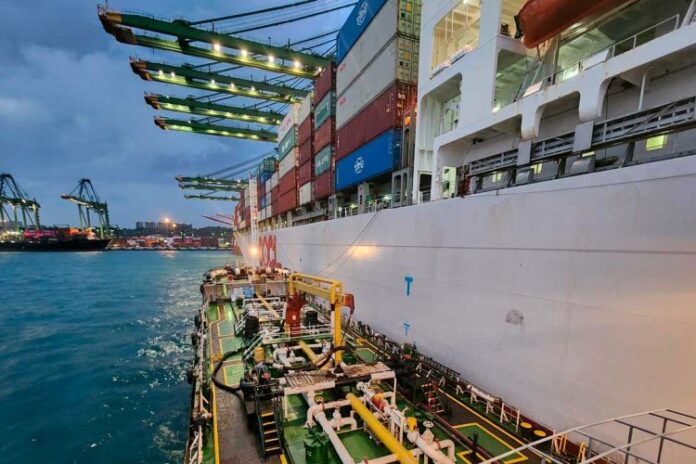
KPI OceanConnect has announced the successful sale and supply of a B24 biofuel blend to Orient Overseas Container Line (OOCL), one of the world’s leading container transport and logistics service providers. 

The fuel delivery, arranged by KPI OceanConnect’s team in Singapore and supplied by barge, was received by OOCL’s container vessel while at port in Singapore. Fuel delivered was a blend of Used Cooking Oil Methyl Ester (UCOME) and Very Low Sulphur Fuel Oil (VLSFO).

KPI OceanConnect’s local team worked closely with OOCL to identify a biofuel to meet their bespoke needs, and by connecting supply and demand of alternative fuels, support the continued development of biofuel supply in Singapore. The KPI OceanConnect team oversaw the blending process to ensure the fuel met precise specifications and was on hand for the delivery to confirm the specially blended product supplied was of a good quality. 

Jesper Sørensen, Global Head of New Fuels and Carbon Markets, KPI OceanConnect, commented on the project:

“We are proud to have worked so closely with members of the OOCL team to develop a tailor-made fuel strategy that met the company’s sustainability and regulatory goals.”

“We are encouraged by the progress we see in the maritime industry, as it shifts away from carbon-intensive practices, and look forward to continuing to share our knowledge – providing expert guidance to clients as the energy transition gains further momentum.”

Michael Xu, Director of Trades at OOCL, commented:

“We are pleased to announce that OOCL has been able to use green biofuel in our fleet. Using biofuel is one of our strategies to advance further with the transition towards decarbonization and to achieve the decarbonization targets of the company. We would like to thank our partner KPI OceanConnect, who has shown professionalism in meeting our requirements. OOCL will continue to work closely with our partners and all stakeholders to strive for further advancement in our sustainability roadmap.”

Jan De Nul and Egypt join hands to bring green energy to Europe

0

Last week, the Egyptian government, represented by the Egyptian Electricity Transmission Company (EETC), signed a milestone agreement with Jan De Nul Group to start the study for the construction of an undersea export cable between Egypt and Europe.

In late September, the Egyptian government reaffirmed its plans to build an undersea electricity cable connecting Egypt with Europe, so that electricity from Egyptian solar and wind installations can be delivered to the wider European energy market.

The interconnector will transport more than 2 gigawatts of solar and wind power from Egypt to Europe via an undersea power cable of about 1,000 km long. The current longest interconnector cable between Denmark and Britain measures 765km. To make it even more challenging, water depths along the cable track run up to 3,000m.

Jan De Nul Group will now carry out a financial and technical study with the ultimate intention of participating in the development of the export project. The study covers project financing, the production of green power, the installation and production of transmission systems such as cables, up to finding partners to connect to the existing grids in Europe.

Philippe Hutse, Director Jan De Nul Offshore Energy at Jan De Nul Group:

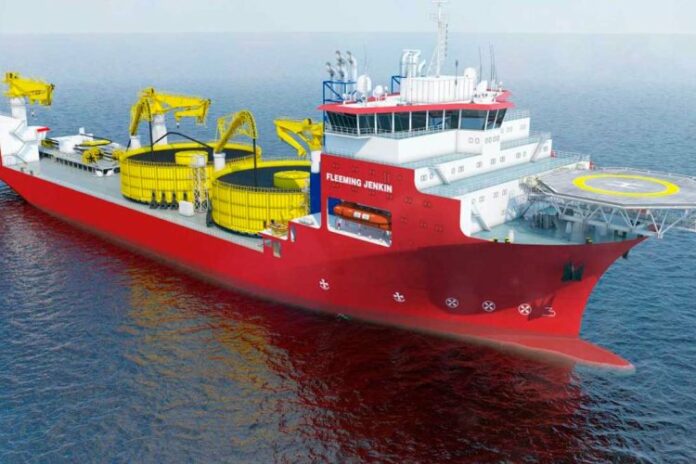
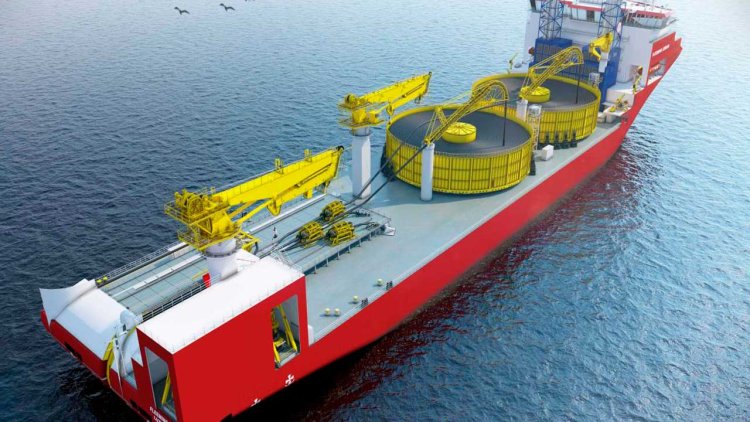
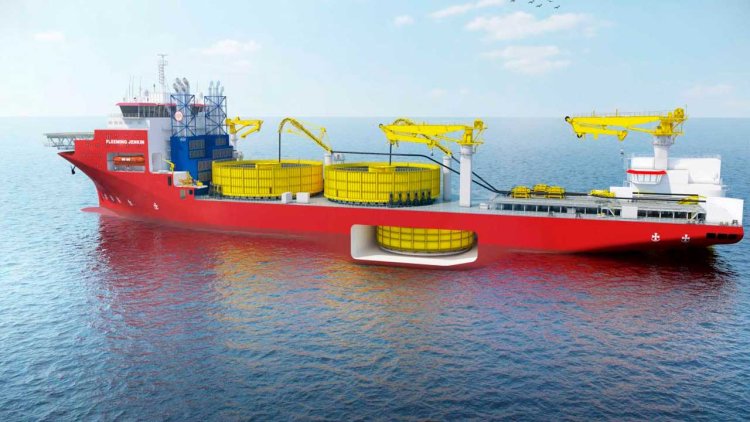
“We are extremely happy with the conclusion of this agreement. Egypt recognises our expertise to install ever longer export cables on and in the seabed. We recently ordered a new next-generation cable installation vessel, the Fleeming Jenkin, which is twice the size of any existing cable-laying vessel in the world. We are building this ship for exactly this type of project: long distances, great depths. Something in which we absolutely stand out within the cable installation market. Egypt is clearly a pioneer in energy transition for the African continent and we look forward to supporting it in this.”

The start of the actual project execution is scheduled for 2027.

On 2 October 2023, Jan De Nul Group ordered a new cable-laying vessel named Fleeming Jenkin. This vessel will have a cable transportation capacity of 28,000 tonnes, twice the capacity of any other cable-laying vessel currently available on the market. The vessel is especially designed to install longer and heavier cables in ultra-deep waters of up to 3,000 metres.

Stolt Tankers orders six tankers from Wuhu Shipyard

0

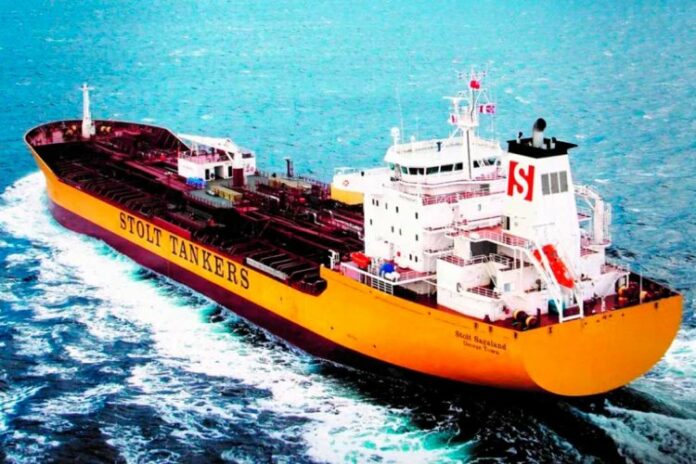
Stolt Tankers B.V. has reached an agreement with Wuhu Shipyard to build six 38,000 deadweight tonne stainless steel parcel tankers for delivery between 2026 and 2028, with additional options for a further six newbuildings.

The ships are designed to maximise fuel efficiency using modern engine design, hull form optimisation, a wide range of energy savings devices, and shore power connection, with the additional benefit that they can also be converted for future battery and methanol propulsion. The new ships will have 30 stainless steel cargo tank segregations offering a wide range of cargo flexibility and reflecting the evolving needs of our customers.

Udo Lange, Chief Executive Officer, Stolt-Nielsen Limited, said,

“Following our well-timed acquisitions of 10 secondhand ships since 2021, now is the right time to invest in newbuildings. This deal positions Stolt Tankers for the future by improving flexibility and maintaining our fleet size as we retire older ships from our network between 2026 and 2030.

“It also reflects our strategy to add modern, fuel-efficient ships to our fleet to support our customers by improving our service offering and making their supply chains simpler and more sustainable. Not only will these new ships help Stolt Tankers in its ambition to reduce its carbon intensity by 50% (relative to the 2008 baseline) by 2030, but they will also help reduce customers’ Scope 3 emissions. These newbuildings put our strong balance sheet and cash flow generation to work to deliver sustainable shareholder returns while maintaining our position as the world’s largest operator of chemical tankers.”

SDARI, BV and NAPA joint project validates benefits of 3D model-based classification approvals

0

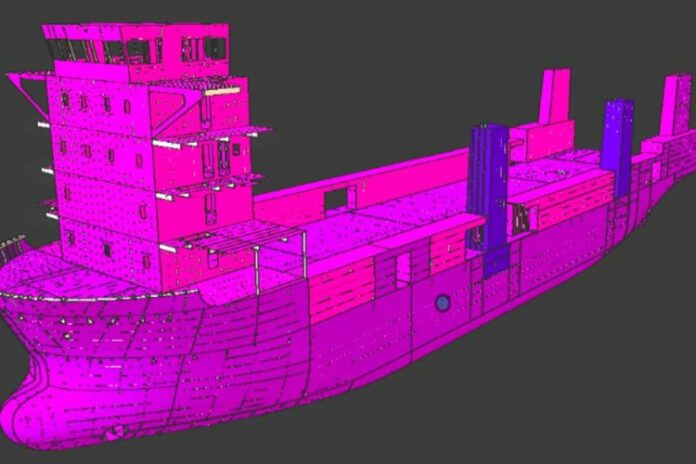
The project validated the feasibility of 3D model-based approvals (3D MBA), where classification reviews are directly based on the 3D model provided by the designer, rather than requiring multiple conversions to 2D drawings, which is the traditional process.

The objective is to boost efficiency in the design process, saving time and costs, while improving accuracy and communication between all parties involved in a design, including shipyards, naval architects and engineers, shipowners, and classification societies.

The JDP confirmed that the expected benefits of 3D MBA were achieved, with the project demonstrating an improvement of design review quality as well as enhanced collaboration between all parties. 

The first phase of the project tested the entire classification process to ensure that all steps were properly carried out and improve the various software as needed. A well-known ship designer under China State Shipbuilding Corporation (CSSC), SDARI adopted NAPA Steel software, while BV used NAPA Designer for the automatic generation of the calculation models to perform rule checks. Using an open file format (OCX) generated by NAPA Designer, BV could use the 3D model provided by SDARI to perform the design review using its in-house rule checking software: MARS and VeriSTAR Hull. BV’s structure assessment comments were then associated directly to the 3D model, which facilitated a better understanding and seamless communication between BV and SDARI.

This joint project demonstrates BV’s digital leadership and is supporting SDARI’s ambition to improve design processes through 3D technology.

Lu Li, Vice President at SDARI, said:

“We are proud to take the next step in our digital transformation, by developing 3D model-based approval procedures in collaboration with NAPA and BV. This will significantly streamline ship design processes, thereby boosting our capacity and competitiveness at a time when the decarbonization transition brings new challenges for ship designers and engineers. With this project, we found that using 3D models with BV for classification rule checks and approvals is a win-win situation.” 

Mikko Forss, Executive Vice President for Design Solutions at NAPA, said:

“This fruitful collaboration with BV and SDARI has proven that 3D model-based approval can make the design process more streamlined, efficient, and collaborative. As such, 3D MBA is an essential foundation for the fast-paced innovation that is needed to deliver the next generation of greener, energy efficient vessels that are demanded by the industry. Using a 3D model consistently as a “single source of truth” will help all parties work together efficiently to deliver the best possible designs, while also enhancing their own productivity to ensure strong, profitable businesses.”

Laurent Leblanc, Senior Vice-President, Technical & Operations at Bureau Veritas Marine & Offshore, said:

“This project has provided further evidence of the effectiveness and viability of 3D model-based approvals to enable more efficient communication between ship designers and classification societies, while ensuring that all safety and regulatory standards are met. This collaboration with SDARI and NAPA is a tangible demonstration of BV’s commitment to make 3D model-based approval a reality as a foundation for enhanced innovation and efficiency in ship design, ready to meet the safety and sustainability challenges ahead.”

36-metre passenger ferry miss outre-mer delivered to CTM Deher in Guadeloupe

0

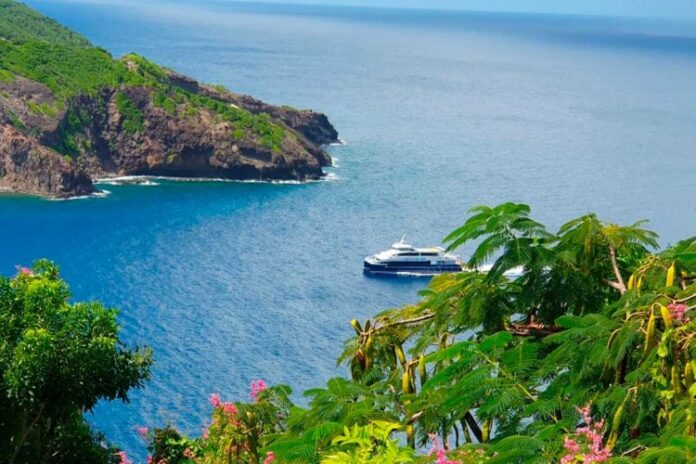
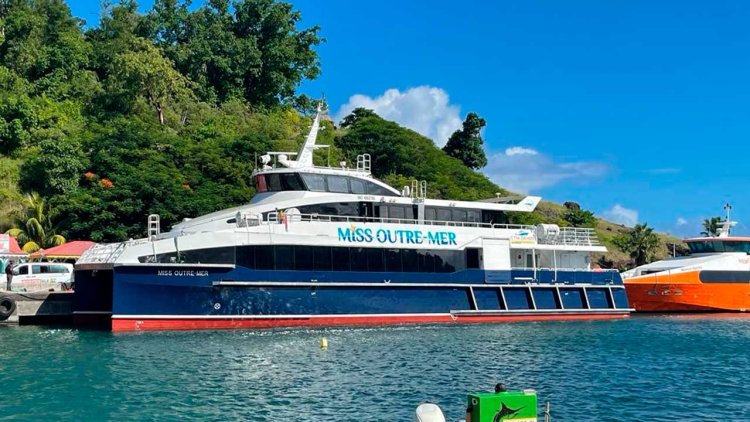
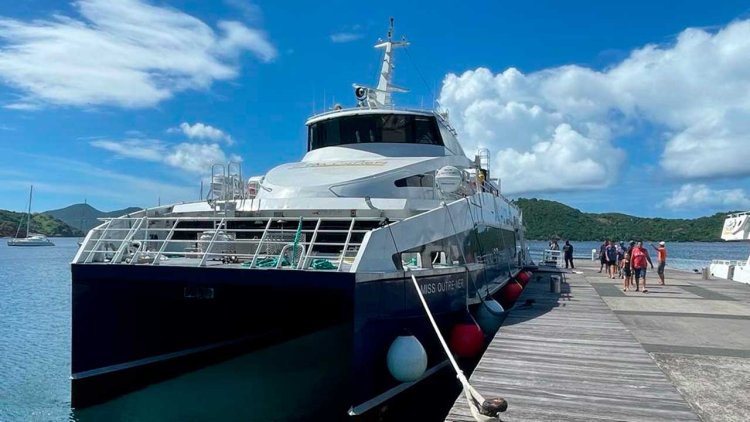
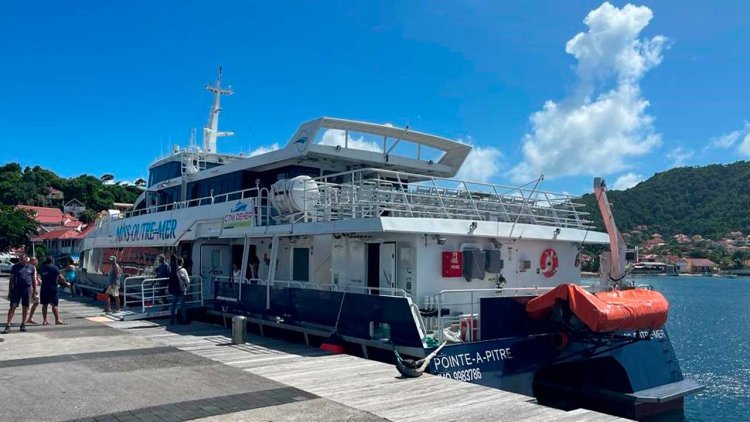
A new 36-metre custom built passenger ferry has been delivered to Guadeloupe-based operator CTM Deher by leading digital shipbuilder Incat Crowther. 

The digital shipbuilding process saw CTM Deher and Incat Crowther work closely together to deliver the complete digital ship design before physical construction began at PT Kim Seah Shipyard in Indonesia. In addition to the design aspects, Incat Crowther supported the operator with shipbuilder selection, commercial framework and due diligence, interior design and construction oversight of the project.

The new 316-seat passenger ferry has been designed to safely and efficiently service CTM Deher’s passenger and tourism routes in the French West Indies and is expected to begin operating in late 2023.

With a strong focus on elevating the customer experience, Miss Outre-Mer’s main and upper decks are connected by a large midship staircase. The main deck seats 221 passengers and provides space for four wheelchairs while featuring a kiosk, TV screens and Wi-Fi for entertainment, as well as six bathrooms. The upper deck can transport up to 143 passengers, including 48 people in exterior seats.

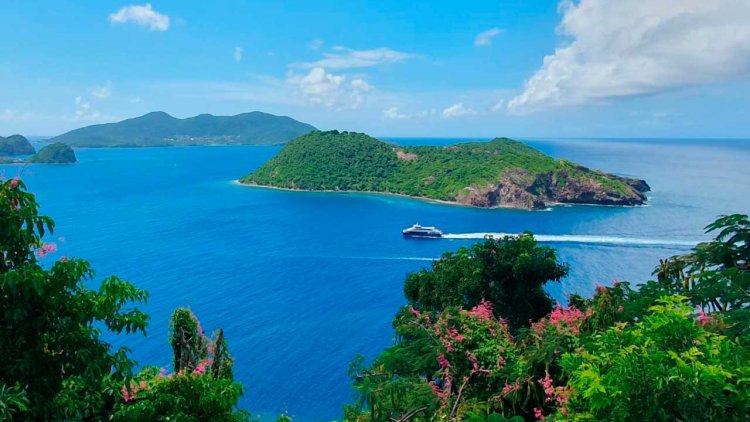
Designed to service the busy tourist route between Trois-Rivières and Les Saintes in Guadeloupe, the vessel has several large cargo and luggage racks. Overhead gantries have also been installed to assist with the movement of large, heavy luggage trolleys.

The elevated wheelhouse on the upper deck provides the vessel’s crew with good visibility in all conditions.

Capable of reaching speeds of up to 28 knots, Miss Outre-Mer is powered by twin MTU 12V4000 main engines and will have a service speed of 25 knots. Ever pushing to improve its service, CTM Deher has opted for Humphree HLS stabilisers to enhance comfort, which is of great importance to the customer experience on these routes.

Incat Crowther listened carefully to CTM Deher’s specific needs in terms of its operations, and was able to translate these into a design that met the expectations of the company’s customers. Antoine Deher from CTM Deher said Incat Crowther’s collaborative design process was an important aspect of the successful delivery of Miss Outre-Mer.

“The delivery of Miss Outre-Mer is an important milestone for our company and Incat Crowther’s digital shipbuilding process meant we were able to provide our input and work with Incat Crowther’s team of naval architects every step of the way,” said Mr Deher.

“Miss Outre-Mer will provide our guests with an unrivalled customer experience. The vessel has been tailored completely to our needs and high standards and will allow us to expand our service offering during the busy peak tourist season,” said Mr Deher.

Incat Crowther CEO Brett Crowther said: “Our digital shipbuilding solution brings the digital design, build and delivery stages of a ship build into one cohesive process from conception through to final delivery. In delivering Miss Outre-Mer, this included Incat Crowther providing an assigned representative on site at PT Kim Seah Shipyard in Indonesia to oversee the construction of this vessel.” 

Wärtsilä to supply its latest simulator technology to Finnish maritime training centre

0

The order has been placed by the South-Eastern Finland University of Applied Sciences (Xamk) and the Joint Authority of Education of Kotka-Hamina Region (Ekami). 

It was booked by Wärtsilä in November 2023.

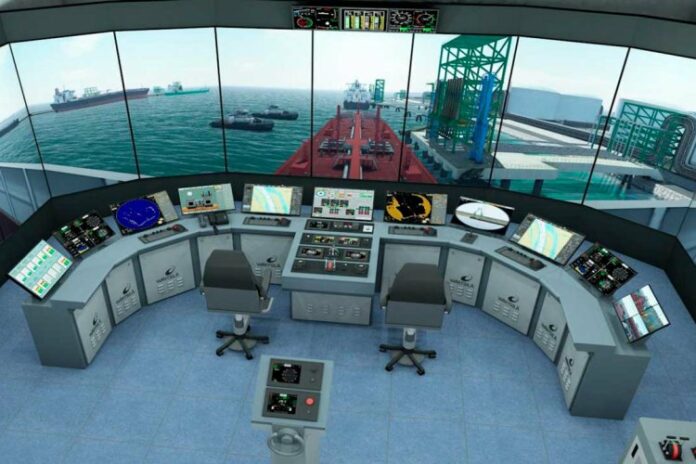
The simulator will feature the latest versions of Wärtsilä’s Navi-Trainer professional and Techsim simulation software, as well as the latest Navi Sailor and NACOS Platinum bridge systems. These include multi-pilot workstations for Electronic Chart Display and Information System (ECDIS), radar and conning applications.

The training centre will have two large and three medium sized full mission navigational bridges with 360-degree visualisation. They include digital chart tables as well as a separate bridge wing console operated in virtual reality. For technical training, the centre will have two engine room simulators implemented with two fully loaded control rooms. The simulators come with touchscreen technology, making it easy to swap between any of the engine room models.

“This new learning environment provides students with a unique opportunity to develop their practical skills and prepare for demanding maritime tasks. We are fortunate to have Wärtsilä’s highly advanced simulator technology as the basis for this training. Many critical operations cannot be safely practiced on an actual vessel, so in addition to acquiring technical skills, a versatile and realistically functioning simulation environment will significantly enhance the safety of vessels,” said Olli-Pekka Brunila, Director of Education, South-Eastern Finland University of Applied Sciences.

“The state-of-the-art Wärtsilä simulator system will be one of the largest and most advanced in Europe. It will enable students to obtain the most realistic level of operational experience possible in an educational environment. We are proud to be supporting Xamk and Ekami with their goal of preparing students for their future maritime careers,” commented Ola Lundqvist, Product Sales Manager, Voyage Services at Wärtsilä.

In addition to the various system features, there will be several instructor and debriefing rooms capable of working with any part of the simulator. There will also be a dedicated command centre for vessel traffic service, oil spill response, search and rescue, terminal cargo office, and more training applications.

Hannu Mäntymaa, Vice President for Voyage Services, Wärtsilä and Managing Director of Wärtsilä Finland added:

“With decarbonisation as a core focus for the industry, maritime organisations are looking for unique end-to-end solutions which enable them to optimise their vessel and port operations. This new maritime training centre from Xamk and Ekami will play an integral role in unlocking synergies here. After all, if organisations are going to benefit from future fuel engines, for example, crews must be highly competent, operate with the highest levels of safety and have access to continuous training programmes.”

The Wärtsilä equipment is scheduled for delivery in August 2024. Xamk is an existing customer to Wärtsilä, having had another one of Wärtsilä’s training simulator in use for more than 20 years.

WinGD to supply methanol-fuelled engines for six green container vessels

0

The 9,000 TEU vessels will each be powered by an X82DF-M engine built by HD Hyundai Heavy Industries’ Engine & Machinery Division (HHI-EMD), to be delivered in August 2025.

The new order, which includes options for further engines, expands WinGD’s methanol engine orders into the 82-bore size. As announced previously, early interest in the X92DF-M resulted in an order for four engines to power ultra-large container vessels being built for COSCO SHIPPING LINE.

Volkmar Galke, Director Sales, WinGD, said: “This order confirms that our X-DF-M engines will be in service long before green methanol is widely available and before regulatory requirements come into force, giving operators time to build experience with the new fuel and engines. We are delighted that one of the biggest and most influential container lines has also invested in our X-DF-M technology, sending a strong signal to all operators currently making their own alternative fuel decisions.”

As previously stated, both X-DF-M and ammonia-fuelled X-DF-A engines will be available for delivery from Q1 2025. The combustion principle and engine platform deployed for X-DF-M engines is based on the latest X-Engines from WinGD, supplemented by high-pressure methanol injection. X-Engines, including the highly efficient X92-B and X82-2.0 engine, already power many of the world’s biggest container ships.

Notable features of X-DF-M engines include comparable performance with X-Engines in both methanol and diesel modes, low pilot fuel requirements achieved through precisely controlled common rail injection, and NOx Tier III compliance in both modes with selective catalytic reduction. The new engine concept will be retrofittable to the X-Engine series as soon as X-DF-M engines are available in the relevant bore sizes.

Damen signs contract with TSSM to supply new Construction Service Operation Vessel

0

On the 21st of November, Damen Shipyards signed a contract with Ta San Shang Marine Co. Ltd. (TSSM), a joint venture between Mitsui O.S.K. Lines, Ltd. of Japan, and Ta Tong Marine Co., Ltd. of Taiwan, for the delivery of a Damen CSOV (Construction Service Operation Vessel) 9020. 

This will be TSSM’s second SOV in their fleet. The first, the TSS Pioneer, was delivered in 2022 and this new ship will be operational in late 2025. The build will take place in Vietnam, where Damen has a large presence and proven track record for building large and complex vessels including SOVs, which are already under construction. 

The new, 90-metre vessel will support offshore wind farms off the coast of Taiwan by providing high quality accommodation for up to 120 personnel and ample storage for supplies. These will be for the various contractors supporting the wind farms both when under construction and when operational. A motion compensated gangway ensures rapid and safe transfers to and from the turbines and substations, and the vessels are fitted with diesel-battery hybrid power generation systems and are also delivered fully prepared for future use of green methanol fuel. 

Masayuki Sugiyama, MOL Executive Officer responsible for the Wind Power Project Unit, said,

“The addition of this new SOV to the TSS Pioneer will consolidate TSSM’s position as a leading SOV player in Taiwan. We also intend to use this project as a steppingstone for MOL’s business development in the Asian region, including Japan.” 

TSSM Chairman Hrong Nain Lin added,

“With our experience in operating Asia’s first dedicated offshore wind SOV, we’re now prepared to offer more for the green energy industry. This new Damen SOV will be a valuable new force to support Taiwan offshore wind developments and other future projects in the Asia Pacific region. As always, we will continue to provide safe working environments and a comfortable home at sea for technicians and marine crew.”

Arnout Damen (Chief Executive Officer of Damen Shipyards) says:

“We are very honored to welcome TSSM into the Damen family. We are also very happy that after reviewing the options, TSSM has opted for the Damen CSOV 9020 design. We are confident that this new vessel will make a significant contribution to the development of the Taiwanese offshore wind sector and beyond. We look forward to a very fruitful and long relationship with TSSM.” 

NATO members seek to reach deal on Black Sea mine-sweeping force

0

NATO members Turkey, Romania and Bulgaria are nearing an agreement to create a joint force to clear mines drifting into their parts of the Black Sea as part of the fallout from Russia’s invasion of Ukraine.

Deputy defense ministers from the three nations are set to meet in Ankara on Wednesday to try to finalize the details of the unit to clear the sea mines, according to three people familiar with the matter, asking not to be identified because the information isn’t public. It’s unclear whether a final accord will also be signed after the two-day meeting, one of the people said.

Defense ministries from Turkey, Romania and Bulgaria had no immediate comment.

The meeting comes just days after Turkey’s Navy Chief Admiral Ercument Tatlioglu expressed opposition to the presence of naval assets in the Black Sea from other NATO allies, including the US, saying they could further fuel tensions in the region.

If agreed, the mine-sweeping force wouldn’t be considered a NATO operation but would be the first major combined action of Black Sea allies since President Vladimir Putin ordered the war on Ukraine in February 2022.

The coalition is intended to be entirely peaceful and tackle a threat to a major trade route, especially for grains, and to energy-exploration vessels in the area. While Tatlioglu said Turkey is able to provide security in the Black Sea, a senior US state department official reinforced the need for a “secure and interconnected Black Sea region.”

Source: Bloomberg