-12.2 C
New York
Home Blog Page 239

Bureau Veritas unveils Rules for hydrogen-fuelled ships

0

The rules outline technical requirements for the safe bunkering, storage, preparation, distribution, and use of hydrogen as fuel for power generation on board. 

Monitoring and control systems are also covered, addressing specific safety challenges relating to the transport and use of hydrogen on ships, such as high flammability, as well as the need to store the fuel in very high pressure or low temperature conditions.

BV’s Rules for hydrogen-fuelled ships aim to mitigate the risk of hydrogen leakage, fire or explosion, with detailed requirements for machinery and engine design, as well as the vessel’s configuration and the arrangement of fuel tanks and other systems on board. They also include prescriptions for the ventilation of hazardous areas, venting and pressure relief systems, and monitoring and safety systems including vapour and gas detection.

NR678 also covers “hydrogen-prepared” vessels, which are designed to be ready for the installation of a hydrogen fuel system at a later stage.

These classification Rules complement BV’s existing rule note (NR 547) on fuel cell power systems on board ships that was launched in 2022 in response to growing interest in the maritime industry for fuel cells, and cover all types of fuels including hydrogen. BV is currently working on around 10 projects involving hydrogen as a fuel, either as main propulsion source for smaller ships or as an auxiliary power for larger vessels.

These new rules have been informed by industry feedback and input from a wide range of stakeholders, combined with the land-based hydrogen experience of other divisions within the Bureau Veritas Group. NR678 reflects the latest state of industry knowledge on the use of hydrogen as ship’s fuel and will be periodically updated, in line with the evolution of the technology, as well as regulatory decisions from Flag States and at the International Maritime Organization (IMO).

Laurent Leblanc, Senior Vice President, Technical & Operations at Bureau Veritas Marine & Offshore, said:

“The objective of these new Rules is to bring the clarity needed to support industry pioneers as they harness the potential of hydrogen to deliver more sustainable shipping. We are at the start of an important technology turning point, with the introduction of hydrogen as a potential zero-carbon fuel on the road to decarbonisation. Hydrogen has great potential but its use as fuel by ships is still not common, so it is essential that all guidance is tailored to hydrogen’s specific properties, and this is reflected in these new Rules.”
Equinor sells Nigerian business to Chappal Energies

0

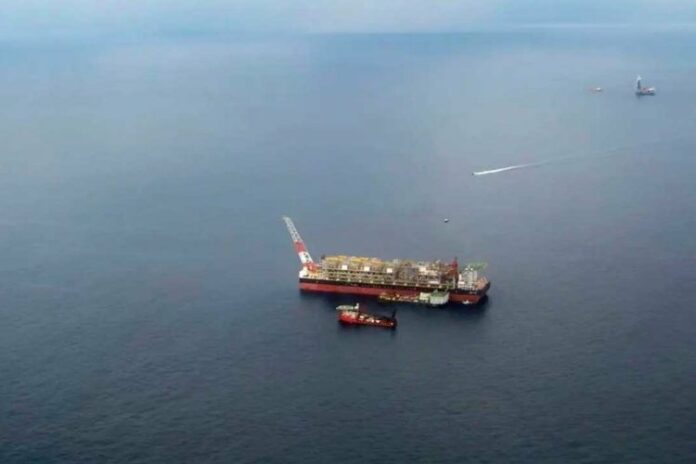
Equinor and Chappal Energies have entered into an agreement for the sale of Equinor Nigeria Energy Company (ENEC), which holds a 53.85% ownership in oil and gas lease OML 128, including the unitised 20.21% stake in the Agbami oil field, operated by Chevron.

Equinor has been present in Nigeria since 1992 and has played a significant role in developing Nigeria’s largest deep-water field, Agbami. Since production started in 2008, the Agbami field has produced more than 1 billion barrels of oil, creating value for the partners and the Nigerian society.

“Nigeria has been an important part of Equinor’s international portfolio over the past 30 years. This transaction realises value and is in line with Equinor’s strategy to optimize its international oil and gas portfolio and focus on core areas. Chappal Energies is a committed Nigerian-owned energy company with the ambition to develop the assets further, contributing to the Nigerian economy for years to come,” says Nina Koch, Equinor senior vice president for Africa Operations.

Ufoma Immanuel, Managing Director of Chappal Energies, comments:

‘We are excited to take over the baton from Equinor after three decades of enduring legacy. Value creation, environmental stewardship, and community engagement are at the heart of everything we do, and our social and development impact will be the most important measurement of our success. We are confident in our ability to make a lasting impact and are committed to fostering sustainable growth and contributing to Nigeria’s economic prosperity now and in the future.’

The closing of the transaction is subject to the satisfaction of certain conditions including all regulatory and contractual approvals.

Van Oord joint venture has been awarded dredging project at Port of Burgas

0

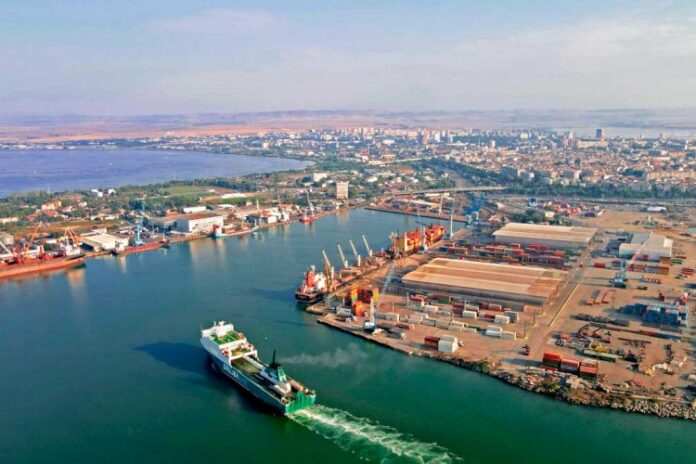
Cosmos Van Oord, a joint venture of Cosmos Shipping and Van Oord, has been awarded a dredging project at Port of Burgas, the biggest port in Bulgaria.

The Bulgarian Port Authorities have chosen the joint venture for the combination of local maritime know-how and the strength of a global marine contractor. By working on this project, Van Oord is contributing to the overall improvement of this pivotal marine infrastructure point in the Black Sea. 

The project is part of the construction of a new deep-water berth at terminal Burgas-West in the Port of Burgas. This will establish a dedicated port zone for container handling and storage, and introduce eco-friendly methods for efficiently transferring cargo between ships and railways in both directions.

Van Oord’s scope of work contains the dredging of the port area to the required depth of 15.5 metres. In total, approximately 1.5 million cubic metres of clay will be dredged with a backhoe dredger. The works are expected to be completed in 2024.

The new berth will be built to accommodate the latest generation of container vessels with a draft of up to 14.5 metres and internal volume of up to 80,000 gross registered tonnes. This will enable the port to expand its operations amidst a growing demand by the cargo shipping industry in Southeast Europe.

Vale performs first biofuel voyage for its iron ore shipping

0

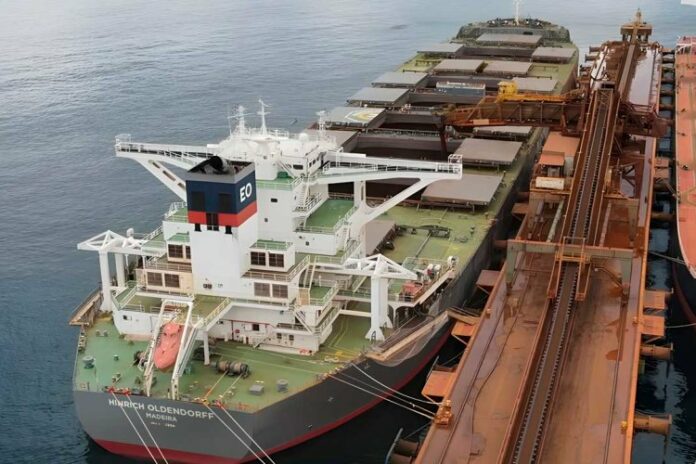
Vale, working in partnership with Oldendorff Carriers, have just commenced their first biofuel voyage on a bulk vessel. The trial is taking place on an Oldendorff vessel performing a laden Vale voyage from Brazil to Asia, carrying a full cargo of iron ore.

The Hinrich Oldendorff (209,113 deadweight built 2016) loaded the biofuel in Singapore on October 16th on the ballast voyage to Brazil. The vessel then loaded Vale’s iron ore this Tuesday November 28th at Guaiba Island Terminal and will consume the blended biofuel on the laden leg from Brazil to Asia.

The B24 biofuel on board is a blend of about 24% used cooking oil of vegetable origin (286 metric tonnes) and the balance is fuel oil. The product supplied is both European Union Renewable Energy Directive (EU RED) compliant and certified by International Sustainability & Carbon Certification (ISCC). The expected well-to-wake CO2 equivalent savings is around 18% or 784 metric tonnes of CO2 equivalent and will contribute to Vale’s Scope 3 emission reduction.

Using biofuel on the laden voyage is part of the Ecoshipping program, an R&D initiative developed by Vale shipping area to reduce the shipping greenhouse gas emissions in line with the ambitions set by the International Maritime Organization (IMO). The program is testing and developing solutions for the use of alternative fuels for shipping, in addition to piloting new energy efficiency technologies. 

“We are happy to have great shipping partners committed to support our initiatives and make it happen, genuine collaborations and partnerships will be the key of the success”, said Michelle Gonzalez, General Manager of Chartering, Long-Term Contracts and Operations at Vale.

Oldendorff Carriers has previously performed biofuel trials on smaller vessels and for shorter voyages, but this will be Oldendorff’s first full voyage consuming biofuel on a Newcastlemax. Patrick Hutchins, CEO of Oldendorff Carriers, commented:

“We are delighted that Vale has chosen Oldendorff Carriers for their first biofuel voyage. We look forward to investigating further opportunities together with Vale to advance the shipping and mining industries progress in achieving sustainability goals.”

Four new Purus gas carriers to operate with Wärtsilä cargo handling systems

0

The 45,000 m3 capacity ships are under construction at the Hyundai Mipo Dockyard (HMD) yard in Korea for UK and Singapore based Purus. 

The order was placed by HMD and booked by Wärtsilä in Q4 2023. HMD is a key customer of Wärtsilä in the region’s medium gas carrier market, and the two companies have cooperated on a number of newbuild projects.

“This order further strengthens our position in the medium gas carrier market in Korea. We are delighted to continue our close relationship with HMD for this class of ships, and we are pleased to add Purus to our impressive list of references,” commented Patrick Ha, Sales Manager, Cargo Handling Systems, Wärtsilä Gas Solutions.

The Wärtsilä equipment is scheduled for delivery to the yard in Q3 2024, and the first of the four ships is expected to commence commercial operations in the latter half of 2025.

Saipem awarded two offshore contracts worth approximately 1.9 billion USD

0

Saipem has been awarded two offshore contracts, one in Guyana and the other in Brazil, worth approximately 1.9 billion USD.

The first contract has been awarded by ExxonMobil’s subsidiary ExxonMobil Guyana Limited for the proposed Whiptail oilfield development located in the Stabroek block offshore Guyana, at a water depth of approximately 2,000 meters. Saipem’s scope of work includes the design, fabrication and installation of subsea structures, risers, flowlines, and umbilicals for a large subsea production facility.

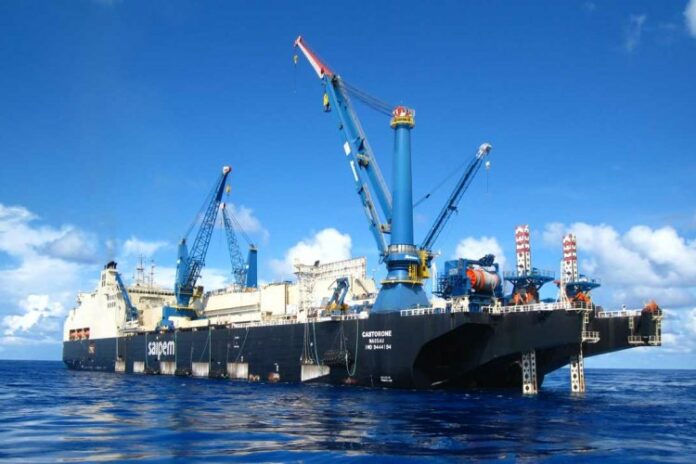
Saipem will perform operations using its state-of-the art vessels FDS2, Constellation, and Castorone, and will deploy as key fabrication site for its execution model Saipem’s Guyana Offshore Construction Facility located at the Port of Georgetown, enhancing a sustainable steady growth in the country. Subject to the necessary government approvals, the project sanction by ExxonMobil Guyana Limited and its Stabroek block coventurers and an authorization to proceed with the final phase, the award will allow Saipem to begin some limited activities, namely detailed engineering, and procurement.

The second contract has been awarded by Equinor for the Raia project, the development of a pre-salt gas and condensate field in the Campos Basin, located about 200 km offshore the state of Rio de Janeiro in Brazil.

Saipem’s scope of work encompasses the offshore transport and installation of a subsea gas export line and associated equipment in water depths of around 2,900 meters, as well as the horizontal drilling activities for the shore approach. Saipem will deploy its state-of-the-art pipelaying vessel Castorone for the installation works.

With this project, Saipem will contribute to the realization of one of the most important gas development projects in Brazil, which could represent 15% of the total domestic demand of the Country. The extracted gas will be transported through pipelines installed by Saipem for approximately 200 km from the field to a gas receiving facility to be built in Cabiúnas, in the city of Macaé in the State of Rio de Janeiro.

WinGD debuts Variable Compression Ratio technology on NYK Line newbuilds

0

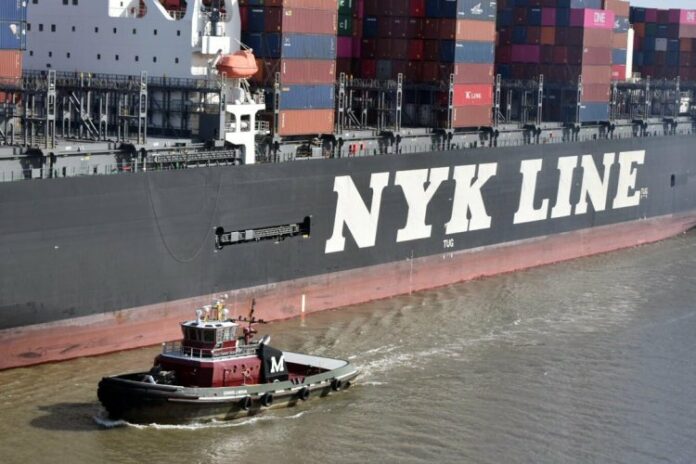
A 95,000 DWT bulk carrier being built at Oshima Shipbuilding Co.,Ltd. and a 7,000 CEU pure car and truck carrier (PCTC) being built at Shin Kurushima Dockyard Co.,Ltd will be the first two-stroke powered vessels that can dynamically optimise combustion depending on the fuel being used – delivering improved emissions, fuel economy and fuel flexibility.

VCR technology was introduced in June after more than a decade of co-development with Mitsui E&S DU (MESDU). The simple hydraulic solution mounted on the piston crosshead represents a breakthrough in two-stroke engine design as the first concept enabling compression ratio to be adjusted, delivering significant greenhouse gas emissions reductions in both diesel and gas modes (around 6% and 3% respectively). 

Running in diesel mode, this equates to a saving of around 1,555 tonnes of CO2e a year – the equivalent of taking 338 ‘typical passenger cars’ off the road for a year, according to US Environmental Protection Agency figures. 

WinGD General Manager Application & Technical Sales, Marcel Ott said:

“NYK Line has long been a valued development partner, entrusting WinGD with innovative, sustainability driven projects, including recently our first system integration project. Strong partnerships make sustainable ships, and it is fitting that this collaboration has now resulted in the first deployments of VCR, a technology that we believe can have a huge impact on performance of our X DF LNG-fuelled engines.”

The first reference, the Oshima-built bulk carrier, is expected to be delivered in 2025. It will be powered by a WinGD 6X62DF-2.1 engine. The PCTC is expected to be delivered in 2026, powered by a WinGD 7X62DF-S2.0 engine.

The PCTC vessel will mark the first deployment of WinGD’s new 62-bore short-stroke engine. It will also be among the first to feature on-engine iCER – a compact version of the X-DF2.0 technology that offers further reductions in fuel consumption and emissions while assuring Tier III NOx compliance in both gas and diesel modes.

Windcat expands its CSOV fleet to a total of five vessels from Damen Shipyards

0

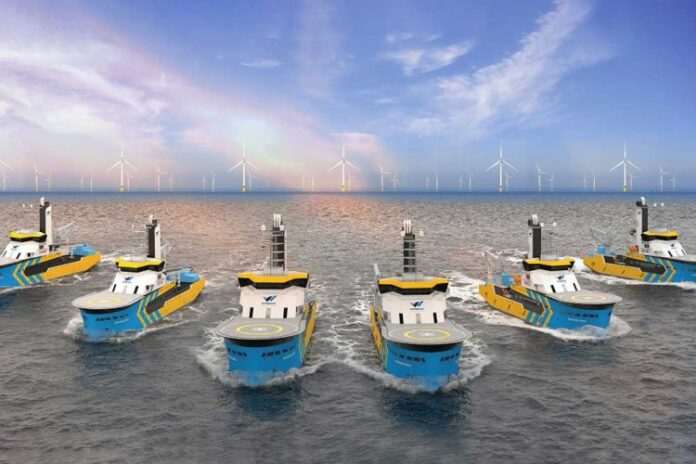
Windcat has placed an additional order of two Commissioning Service Operation Vessels (CSOVs) with Damen Shipyards. This development follows the initial announcement made in November 2022 regarding the construction of a series of hydrogen-powered CSOVs, the “Elevation Series”. 

The Elevation Series CSOVs, introduced in collaboration between Windcat and Damen Shipyards, features a pioneering design that significantly enhances capabilities and flexibility compared to traditional vessels. The CSOVs are 87 m long, 20 m wide and can accommodate up to 120 people on board. The vessels are equipped with a state-of-the-art gangway, crane, thrusters, hybrid battery technology and offshore charging capability.

CMB.TECH’s dual fuel hydrogen technology will be implemented aiming to minimise the CO₂ footprint of offshore energy production and vessel operations. 

The first three vessels are currently under construction in Vietnam and will be delivered in 2025. The delivery of the two additional CSOVs is expected in Q2 and Q3 of 2026, increasing Windcat’s capacity to deliver efficient and sustainable offshore services.

Managing Director, Willem van der Wel said “The decision to expand the CSOV fleet aligns with Windcat’s commitment to meeting the increasing demand for these vessels worldwide, and will give us further capacity and flexibility to support clients in the offshore industry.”

CMB and Damen, both family-oriented companies, share a common goal to foster relationships founded on open and collaborative practices. Both companies see there is a promising trajectory for the offshore wind industry and recognise the growing demand for vessels that align with clients’ needs for sustainable energy throughout the production and delivery processes.

Sales Manager, Joost van der Weiden said “One year ago we embarked on an exciting project to build a large series of CSOVs for Windcat. Now, one year later we are delighted to have five CSOVs under construction. This fact endorses the commitment and long-term focus from our client, but it also underlines the strong relation which we have and very much appreciate”.

Tankers International partners with Baltic Exchange to enhance its VLCC Fixture app

0

Paid app subscribers will benefit from access to Baltic Exchange benchmarks and forward curves in addition to the current data offering, which includes information on bunker prices, fixing rates, laycan, demurrage and commissions as well as a full breakdown of TCE calculations. Subscribers can also access cargo forecasts and receive real time fixture notifications via WhatsApp. There is also an option to receive fixture data via an API feed to integrate directly into own systems.

The data sharing agreement will provide even greater quality insight and real-time updates for app users and will continue to support market stakeholders in understanding the current developments of the global VLCC market. 

First launched in 2014, the Tankers International VLCC Fixture app is the only publicly available source of comprehensive fixture data for the global VLCC fleet and provides wider market access to data that was once only provided to a select few brokers. The app has continued to expand in popularity since it was re-launched in December 2021, as more data points and market insight have been made available to subscribers. 

Charlie Grey, Chief Executive Officer of Tankers International, said:

“The dynamic nature of our market today means that shipowners, charterers and brokers all need quality data faster to support their decision making. Our partnership with the Baltic Exchange will enable even greater collaboration on real-time information that’s used by both our pool partners and our wider app subscriber base. Our subscribers extend to multiple stakeholders across the supply chain, from media to analysts and market investors. We’re pleased to partner with such a renowned institution regarding trading data and look forward to providing even greater insight into our sector.”

 “We are pleased to welcome Tankers International as official members of the Baltic Exchange. We have been providing assessments for the tanker market for more than 25 years and continue to partner with like-minded and valued operators in the tanker sector to ensure our benchmarks remain at the heart of the global shipping industry. I look forward to many years of close dialogue with the team at Tankers International,” said Mark Jackson, CEO of Baltic Exchange.

McDermott lands second contract for Shell gas field project

0

McDermott has received a limited notice to proceed for an engineering, procurement, construction and installation (EPCI) contract from Shell Trinidad and Tobago Limited for the Manatee gas field development project, located off the east coast of Trinidad and Tobago.

Subject to Shell taking a final investment decision, the Manatee project scope is for the design, procurement, fabrication, transportation, installation, and commissioning of a wellhead platform, offshore and onshore gas pipelines.

“This award follows our successful delivery of the front-end engineering design for the Manatee gas field,” said Mahesh Swaminathan, McDermott’s Senior Vice President, Subsea and Floating Facilities. “It is testament to McDermott’s integrated EPCI capabilities built over the last 100 years around the world including many successful projects in Trinidad and Tobago. We will again deliver for Shell, building on a partnership marked by trust, collaboration, and shared success, to execute this important project.”

The Manatee field is a conventional gas development and once commissioned, gas will supply both domestic and export markets from Trinidad and Tobago.