-7.9 C
New York
Home Blog Page 235

The second hybrid Superstar freight-passenger vessel delivered to Finnlines

0

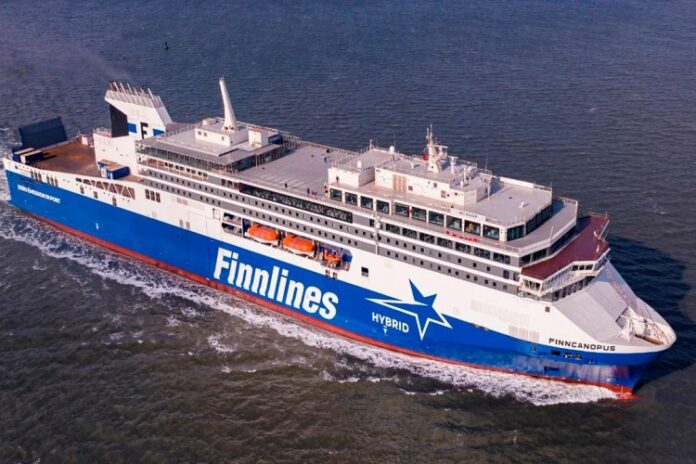
Finnlines has taken delivery of Finncanopus, which is the second of two Superstar-series  freight-passenger (ro-pax) vessels, at the China Merchants Jinling Shipyard in Weihai, China, on 12 December 2023.

To commemorate the delivery, a ceremony with representatives from Finnlines and the shipyard was held on site. The homeward voyage is expected to take 6–7 weeks as Finncanopus will be nearly fully loaded with freight and will call several ports before entering the Baltic Sea. Finncanopus is scheduled to begin service in February 2024.

The new ro-pax vessels are part of Finnlines EUR 500-million Green Newbuilding Programme, which has now been completed. The programme comprised two hybrid ro-pax and three hybrid ro-ro vessels, all equipped with state-of-the-art eco-friendly technology. The first Superstar ro-pax vessel, Finnsirius, was delivered to Finnlines in July and she entered the Naantali–Långnäs–Kapellskär route in September 2023. Finncanopus will join Finnsirius on the route, departing from Naantali in the evening and from Kapellskär in the morning. The three hybrid ro-ro vessels started operating in summer 2022.

“Finnlines has made substantial investments in sustainable and eco-friendly technologies, positioning itself competitively. Our investment programmes align with the Grimaldi Group’s strategy aimed at enhancing operational efficiency and to reduce CO2 emissions. The new vessels support customers in their transition towards sustainability and environmental responsibility. Therefore, Finnlines continues its green transition and thus makes its best efforts to serve its customers in the most sustainable way.  Finnlines’ EUR 500-million Green Newbuilding Investment Programme, which started in 2018, is now completed. This programme clearly demonstrates our unwavering commitment to the environment, to our customers, and to our other stakeholders.” said Tom Pippingsköld, President and CEO of Finnlines today at the delivery ceremony in Weihai Shipyard, in China.

The two sister vessels are the largest ro-pax vessels in the Finnlines fleet. Both have 5,200 lane metres for cargo and both have been certified to carry 1,100 passengers.

“Finnlines entered the hybrid era last year with the introduction of our new hybrid ro-ro vessels, and these Superstar class vessels are further advancing this transition. This strategic move enables us to deliver not only more efficient but also more sustainable sea transport services. Our substantial investment reinforces our position in providing top-tier services for our customers,” said Juha Ahia, who manages Finnlines’ Newbuilding team.
Australian crewing of Woodside LNG vessel

0

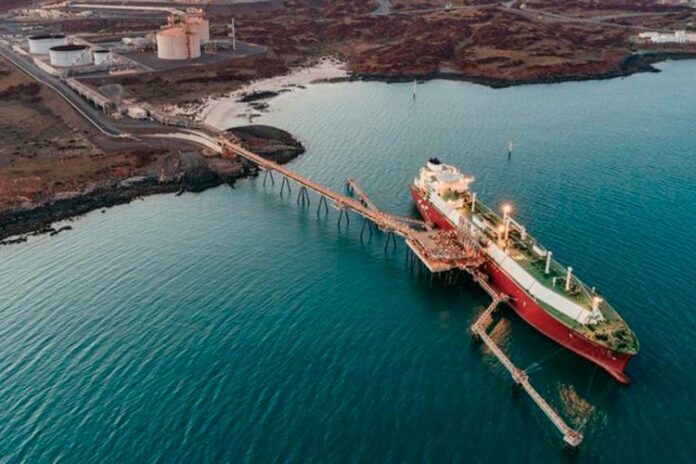
The agreement with the Construction, Forestry and Maritime Employees Union – Maritime Union of Australia Division; the Australian Institute of Marine and Power Engineers; and the Australian Maritime Officers Union preserves a role for Australian-resident seafarers in the maritime industry delivering LNG to customers across Asia.

Woodside CEO Meg O’Neill said the agreement would support the security of supply that underpins Woodside’s reputation globally as a reliable supplier of LNG, while also providing employment opportunities for Australian-based seafarers.

“This agreement reflects our shared interest with unions in ensuring continued opportunities for employment across all aspects of the LNG industry, including shipping, and recognises the Australian Government’s interest in strengthening maritime supply chains,” she said.

The National Secretary of the Maritime Union of Australia Paddy Crumlin said:

“LNG shipping has provided many Australian seafarers with rewarding and fulfilling employment, working in the national economic and strategic interest of all Australians, for many decades. The skills and employment base that the LNG trade provides our industry cannot be understated, and we look forward to building on this and offering more Australian workers the chance to pursue a life at sea.”

The Australian Institute of Marine and Power Engineers Federal President Martin Byrne welcomed the agreement and said the parties have also agreed to hold further discussions in good faith with an intent to explore expanding the agreement across future marine operations. 

“This is an agreement which lays the foundation for long-term future cooperation in the offshore maritime sector,” he said. 

The Australian Maritime Officers Union Executive Officer Mark Davis said:

“The continuity of employment for highly skilled and experienced LNG ships’ officers will benefit all parties to the new arrangement and the opportunity for new trainees to gain international gas ship experience will be invaluable.” 

The agreement will support employment of around 70 Australian-resident seafarers on an LNG carrier within Woodside’s chartered fleet. The crew will be employed by the vessel’s contracted Crew Manager, ASP Ship Management Pty Ltd, based in Melbourne.

Under the agreement, the maritime unions will cooperate fully with Woodside and its contractors in maintaining maritime operations at Woodside’s operated North West Shelf Project and Pluto LNG Project.

Equinor increasing its ownership in the Linnorm discovery

0

Under this agreement, Equinor will acquire a 30% interest in the PL 255 covering the Linnorm discovery, conditional upon taking over the operatorship from A/S Norske Shell. The deal is expected to close during the first quarter of 2024.

“Through this acquisition Equinor will deepen our position in the Halten area, in line with our strategy to optimise our portfolio on the NCS. We know this area well, where we already have producing hubs and still see attractive opportunities,” says Kjetil Hove, executive vice president for Exploration and production Norway in Equinor.

The Linnorm discovery in the Norwegian Sea was proven in 2005 and is the largest undeveloped gas discovery on the NCS. Linnorm is estimated to contain around 25-30 billion cubic meters (bcm)of recoverable gas resources. As a comparison, this is more gas than remaining reserves in each of the producing fields Aasta Hansteen, Martin Linge, and Gina Krog.

“A lot of good work has already been done to mature Linnorm. Together with our partners, we will build on this and develop the Linnorm gas resources for the European market,” Hove continues.

Equinor will continue to evaluate a tie-back for Linnorm to the Equinor- operated Kristin or Åsgard B installations.

“We are proud of our efforts to mature Linnorm and are pleased that we were able to find a solution which opens for it to be developed with an aligned partnership. This does not impact our ambition to maintain a material upstream position in Norway and contribute to the development and transition of the Norwegian Continental Shelf,” says Marianne Olsnes, managing director of Shell in Norway.

The deal is conditional on the approval of the Norwegian authorities.

The partners in PL 255 are: A/S Norske Shell 30% (operator until the transaction is completed), Petoro 30%, Equinor Energy 20 %, TotalEnergies EP Norge AS 20%.

Deep-ocean Argo floats expand climate impact monitoring in the NE Pacific

0

The introduction of these drifting autonomous “droids of the deep” brings a new dimension to ONC’s existing deep ocean observing system in the Pacific, NEPTUNE, (North East Pacific Time-series Undersea Networked Experiments), an 800-plus-kilometre cabled observatory located on the seafloor off the west coast of Canada.

Five floats have been deployed in the northeast Pacific this year, between latitudes of 49.57° and 53.18° N, during expeditions led by Fisheries and Oceans Canada. They are now successfully transmitting ocean data that are open and accessible, expanding Canadian contributions to the international Argo program.

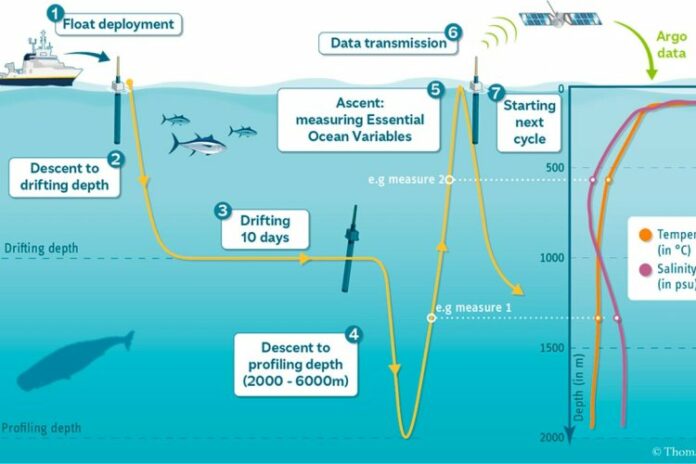
ONC’s new NKE Deep ARVORs floats have a vertical range of four kilometres—double the depth of most other operational floats. There are approximately 3,800 floats currently operational in the global ocean. ONC’s floats are the first to explore the northeast Pacific region below two-kilometre depths while equipped with a sensor that measures dissolved oxygen.

“The data from these floats will help researchers assess dynamics in the distribution of low oxygen waters in this region,” says ONC senior staff scientist Kohen Bauer. “The deep waters of the northeast Pacific have been losing oxygen due to climate change, which threatens ecosystem stability. The Deep Argo floats are providing measurements of dissolved oxygen more frequently and over a larger area than previously established, allowing us to better monitor critical changes in environmental conditions.”

Other metrics captured by the floats are temperature (heat storage), seawater salinity, pressure and the amount of oxygen gas in seawater, which most marine species rely on to survive.

ONC President and Chief Executive Officer Kate Moran says more than half of the ocean’s volume lies below 2,000 metres, so these deep floats will advance understanding of the changes occurring within the ocean interior, including impacts of climate warming.

“NEPTUNE observatory, for example, helped identify an extreme low oxygen (i.e. hypoxia) event in August 2021 along the southern British Columbia continental shelf. The addition of the deep floats will give us a wider geographic picture of these types of events,” she says. “With early detection, there is potential for protecting coastal aquaculture industry resources before low oxygen conditions emerge.”

The battery powered ARVORs travel up and down using a mechanism that controls their buoyancy–allowing them to ascend and descend through the water column. When the float breaches the surface, it connects via satellite to the global Argo data portal to transmit the collected data before beginning the cycle again.

The data from the ONC floats are contributing to Argo Canada and are accessible to all via the international Argo program, which is bringing more certainty to global heat storage estimates and therefore projections of sea level rise. Argos can also help identify ocean heat waves, and salinity data allows changes in global rainfall patterns and ocean circulation patterns to be studied. ONC is planning future deployments of more NKE Deep ARVORS.

Major upgrade for Van Oord’s heavy-lift installation vessel Svanen

0

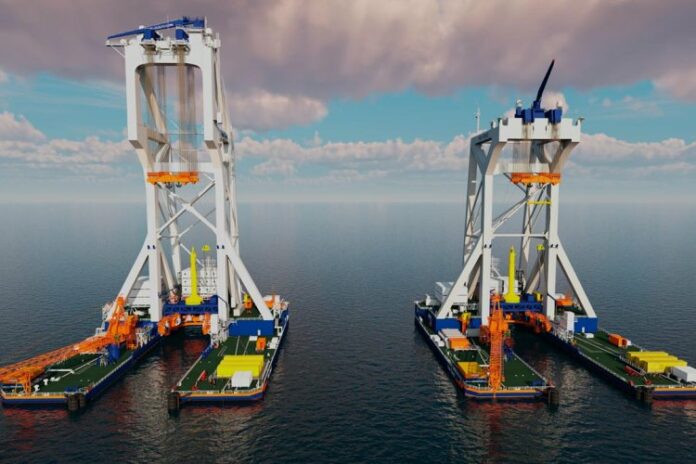
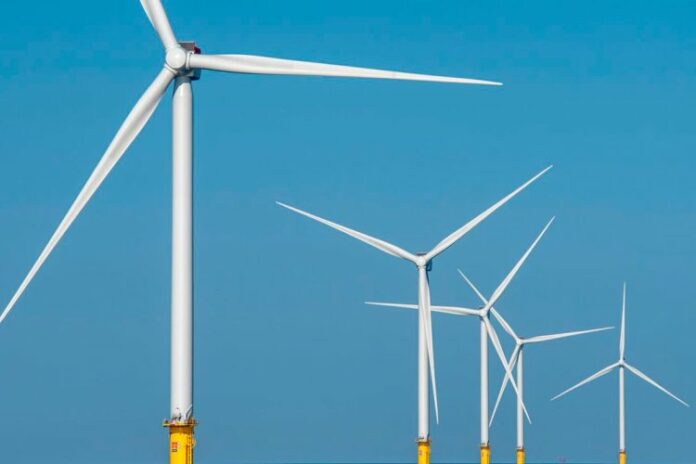
Van Oord’s heavy-lift installation vessel Svanen will get a major upgrade. 

The extension of the gantry crane, the most eye-catching upgrade, makes the Svanen one of the largest heavy-lift installation vessels worldwide. The extension, weighing 1200 tonnes, will be constructed by Holland Shipyards and installed using a 200 metres high Mammoet crane. Besides the gantry extension, the upgrade programme includes an upgrade of the lifting hooks which will increase the lifting capacity of the vessel from 3000 tonnes to 4500 tonnes, an upgrade of the gripper to handle increased loads and an upgrade of the structure of the vessel to accommodate the latest hammer size. The modifications will take place on several locations in the Netherlands, mainly in the Rotterdam area. The upgraded Svanen will be operational in the third quarter of 2024.

Arnoud Kuis, Managing Director Offshore Wind, said:

‘Because of the global need for renewable energy, wind farm technology is rapidly advancing and turbines are getting larger. The upgrade of the Svanen prepares us for this increase in scale and allows us to maintain our leadership position in the offshore wind industry.’

The first project the upgraded Svanen will be deployed on is the Baltic Power offshore wind farm in the Baltic Sea. This wind farm will feature the new generation of wind turbines, with a generating capacity of 15MW. Due to the upgrade, the Svanen will be able to install the foundations of these new generation wind turbines. Besides the high lifting height and the significant lifting capacity, the low draught makes the Svanen well suited for operations in the Baltic Sea. It has already played a leading role in several Baltic projects, such as Kriegers Flak, Baltic 2, Arkona and Baltic Eagle.

The Svanen has a rich history. Although the vessel has an extensive track record within the offshore wind industry, it was originally designed for the construction of bridges. In 2005, the energy transition kicked off the Dutch offshore wind market and the Svanen was modified for the installation of monopiles and transition pieces. Since then, the vessel has installed over 700 monopiles and 223 transition pieces with yearly increasing dimensions and weight. To prepare Van Oord for this increase in scale, the Svanen already got a major upgrade in 2017 and will now be upgraded again. By upgrading an existing vessel like the Svanen and by re-using a lot of its original construction and machinery, Van Oord reduces waste and emissions, in line with its sustainability programme.  

Keel laying in Monfalcone of Star Princess

0

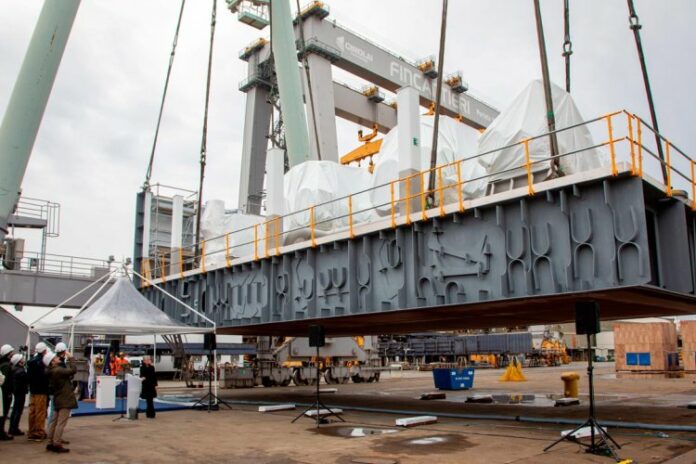
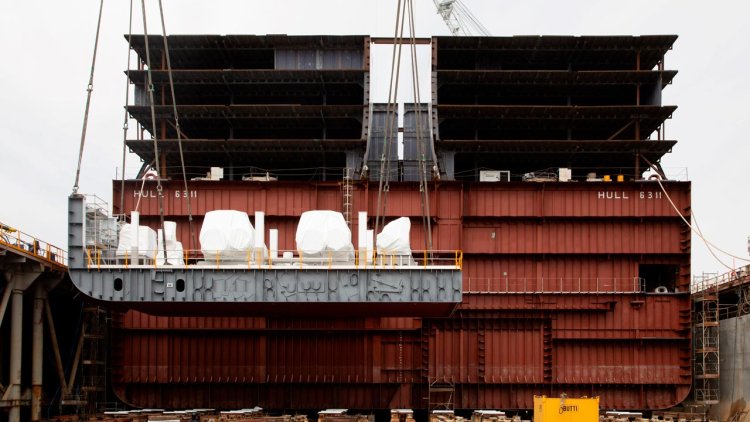
The keel laying of the Star Princess took place in Monfalcone today. She is the second Sphere Class vessel for Princess Cruises, a brand within Carnival Corporation; the first is Sun Princess.

Both cruise ships are dual-fuel, primarily powered by liquefied natural gas (LNG), the cleanest marine fuel currently available on a large scale on the market.

Star Princess will accommodate 4,300 guests and, like Sun Princess, is based on a next-generation platform design. Sun Princess will be delivered in 1Q 2024 while Star Princess in 2025.

French company to take over Correll Group

0

Correll Group, a major player in electrical engineering applied to the offshore wind energy sector, stands out for its expertise in the connection and testing of submarine high-voltage cables for the interconnection of wind farms. 

The company, founded in 2014 and headquartered in Skelton (United Kingdom), deploys its expertise in the offshore wind sector all over the world, and particularly in Europe (Atlantic, Baltic, and North Sea), the United States and Taiwan with its 109 high skilled employees and more than 500 expert contractors. Correll Group is expected to generate revenue of c.55 million euros in 2023 associated with a high level of margin, accretive for SPIE Oil & Gas Services. 

SPIE will acquire 85% of the share capital upon completion, while the remaining 15% will be retained by the management team (with reciprocal call and put options). This acquisition would create significant value thanks to the very high growth and high profitability perspectives. The acquisition will be financed with the existing financial resources of the Group.

For SPIE Oil & Gas Services, this acquisition represents a major step in its diversification strategy towards renewable energies implemented several years ago to support its customers in their energy transition. Since 2020, SPIE has won several significant contracts in the French offshore wind sector, including two related to the Fécamp and Courseulles-sur-Mer offshore wind farms. In the Middle East, SPIE Oil & Gas Services also provides maintenance services on photovoltaic installations to TotalEnergies Renewables Distributed Generation in Dubai.

Christophe Bernhart, Managing Director of SPIE Oil & Gas Services, said:

“The acquisition of Correll Group is a significant milestone for SPIE Oil & Gas Services and its diversification strategy towards renewable energies, in addition to the emblematic contracts previously signed by the Group in the offshore wind sector. Our new name, SPIE Global Services Energy, perfectly highlights this strategic focus and demonstrates the Group’s commitment and determination to take a leading role in the global transition towards low-carbon energy.”

Sam Dowey, Managing Director of Corell Group, said:

“The offshore wind sector is expected to grow substantially over the coming years and by joining SPIE we will be able to become a partner of choice for our customers.”

SPIE expects to complete the transaction in January 2024, subject to customary closing conditions.

Cadeler announces signing of EUR 550 million Green Loan and Guarantee Facilities

0

Cadeler has announced the signing of the previously-announced EUR 550m Senior Secured Green Loan Facilities (the “Facilities”) with a group of banks led by DNB and supported by Rabobank, Credit Agricole, Danske Bank, Oversea-Chinese Banking Corporation (OCBC), Standard Chartered Bank and Societe Generale. 

The Facilities are made up of two RCFs amounting to EUR 350m, a EUR 100m term loan guaranteed by The Danish Export and Investment Fund of Denmark (EIFO) and a EUR 100m uncommitted Guarantee facility. The green financing is supported by an updated Green Finance Framework and a Second Party Opinion issued by S&P Global re-confirming a Medium Green Rating. The Facilities comes in addition to the recently announced EUR 50m Green Loan facility with HSBC.

Mikkel Gleerup, CEO of Cadeler said:

“The strong support from Nordic and Global banks to successfully close this secured green loan facility underlines the trust in Cadeler’s vision and capability to facilitate the renewable transition. With Cadeler’s strategic position in the market, we are well placed to meet the increasing global demands and to execute the largest and most complex offshore wind installation projects.”

Jan Ole Huseby, Global Head of Ocean Industries at DNB said:

“The Facilities showcases DNB’s ability to arrange and underwrite tailored solutions for our clients. We are pleased to partner with Cadeler as Underwriter, Bookrunner, Co-ordinator, Facility Agent, Green Advisor and ECA Agent on this important financing supporting the energy transition.”

Coral reefs in peril from record-breaking ocean heat

0

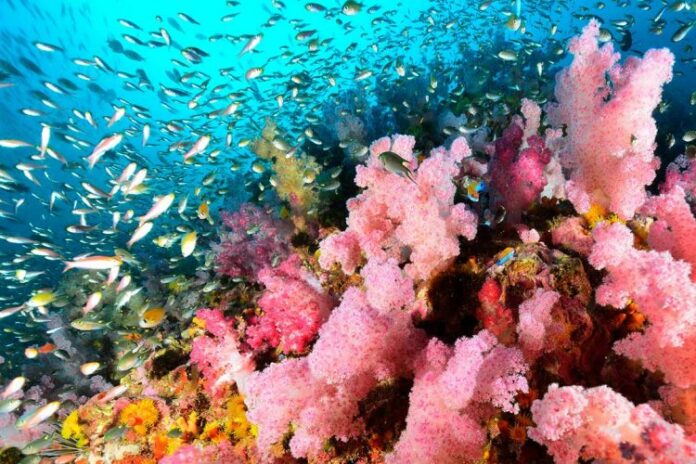
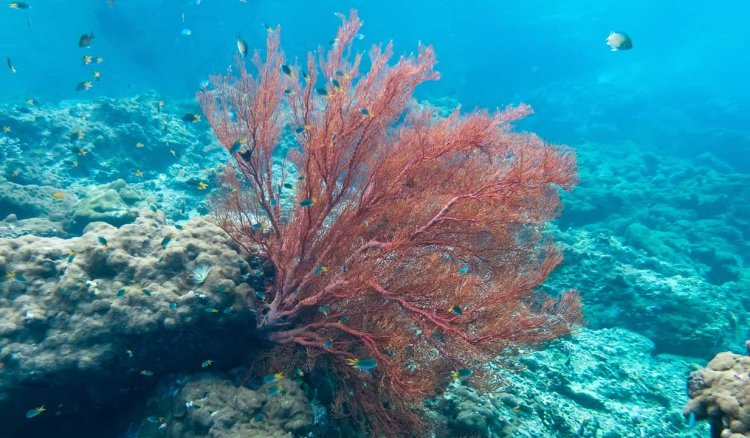
The alarming finding is the result of an international study led by UQ’s Professor Ove Hoegh-Guldberg of UQ’s School of the Environment, who is currently attending the COP28 climate change meetings in Dubai. This research is published in Science.

“We were shocked to find heat stress conditions started as much as 12 weeks ahead of previously recorded peaks and were sustained for much longer in the eastern tropical Pacific and wider Caribbean,” Professor Hoegh-Guldberg said.

“Historical data suggests the current marine heat waves will likely be the precursor to a global mass coral bleaching and mortality event over the next 12 to 24 months, as the El Niño phase of El Niño-Southern Oscillation or ENSO continues.

“Across July 2023, Earth experienced its warmest days on record since 1910, as well as the warmest month ever recorded for sea surface temperatures.

“This puts immense pressure on vital but fragile tropical ecosystems, such as coral reefs, mangrove forests, and seagrass meadows.

“For example, a coral reef in the Florida Keys called Newfound Harbor Key accumulated heat stress almost 3 times the previous record and it occurred 6 weeks ahead of previous peaks.”

Professor Hoegh-Guldberg said the findings come at a critical point in protecting global biodiversity, with commitment to climate change mitigation slipping in many nations.

“The latest environmental information indicates that we’re well off-track when it comes to keeping global surface temperatures from reaching a very dangerous condition by mid to late this century,” he said.

“Frankly, we’re hurtling in the opposite direction.

“Compounding this is the fact these devastating impacts appear to be rolling into a vast record-breaking global event.”

Professor Hoegh-Guldberg said that without serious and swift action, the persistence of coral reefs beyond the next few decades is in serious jeopardy.

“Our study shows that ENSO is a major determinant of the fate of the world’s coral reefs,” he said.

“Rising sea temperatures, coupled with other stressors such as ocean acidification and pollution, have severely weakened their resilience.

“This puts coral reefs and a quarter of the ocean’s biodiversity at serious risk of annihilation.”

Professor Hoegh-Guldberg said efforts to introduce of heat-tolerance genes into the natural coral population have shown promise, but the reality of scaling these efforts remains logistically challenging.

“Given the complex and interconnected nature of marine ecosystems such as coral reefs, a comprehensive approach is necessary for mitigating the impacts of changing oceanic conditions,” he said.

“The importance of reducing our emissions is underscored in our findings, where massive changes to oceanic warming are set to destroy coral reefs and many other ecosystems.

“With this in mind, there are extremely tough discussions underway at the COP28 climate meetings.”

Kansai joins floating offshore wind project in Norway

0

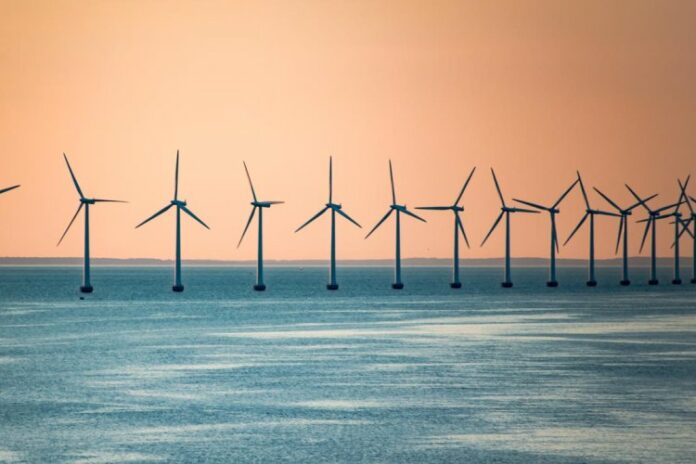
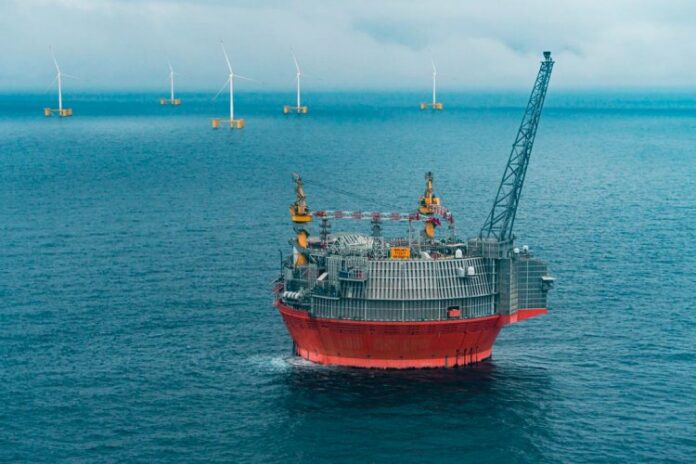
Source Galileo and Odfjell Oceanwind are collaborating with Vår Energi on a floating offshore wind project at the Goliat platform outside Hammerfest in Norway. The partnership has now been further strengthened with Japanese Utility, The Kansai Electric Power Company Inc. (“Kansai”), joining the team.

The offshore wind park will be connected to the Goliat platform, utilising the existing power cable to shore. The purpose of the project is to demonstrate floating offshore wind technology in Norway, as well as increased production of renewable energy in a region that has a large and growing need of electricity.

“Everything is in place for GoliatVIND, and the project does not require any new major interventions on land. Such electrification projects with offshore wind will accelerate the development of Norwegian supply chains and develop an export industry. It will make us ready for larger developments of floating offshore wind, such as Utsira Nord in 2030.”

“Having Kansai join the team is really great. Their operational expertise and financial strength will help us accelerate floating offshore wind in Norway”, says Gunnar Birkeland, CEO of Source Galileo Norge.

Kansai is now part of the existing GoliatVIND consortium, with Source Galileo and Odfjell Oceanwind. Kansai’s role is to contribute actively with their expertise and technical competence within interfaces and high-voltage systems, as well as their experience with procurement and financial planning. The company is already involved in the Utsira Nord application, together with Source Galileo, Odfjell Oceanwind and Ingka Investments – IKEA’s investment arm. Kansai dispatches three engineers and one commercial specialist from Osaka who will join Source Galileo Norway’s head office in Haugesund.

“This demonstration project is ideally placed to position Kansai to bring the technical knowledge and experience obtained back to the Japanese market. We are excited to further develop our collaboration with Source Galileo and Odfjell Oceanwind, and look forward to working together at GoliatVIND to make the project possible” says Seigo Yagi, General Manager of Kansai.

Odfjell Oceanwind has matured technology and solutions for floating offshore wind that are also qualified for the rough conditions in the Barents Sea. The solutions to be demonstrated at GoliatVIND are standardized and can be used in practically all places in the world that are suitable for floating offshore wind, not least in Japan.

“The reason why GoliatVIND is so important is the potential to export the technology internationally. Today, we are most familiar with bottom-fixed offshore wind from the UK and Germany in particular, but estimates show that only 20 percent of the world’s exploitable offshore wind resources are suitable for this technology. This means that 80 percent is at a depth that requires floating offshore wind. Here, Norway and Norwegian industry, with our long and windy coast and maritime expertise, are in an ideal position to become global technology leaders. This could form the basis for a large export industry”, explains Per Lund, CEO of Odfjell Oceanwind.

An important prerequisite for the project to be successful is good coexistence with the fishing interests in the region and that the connection to Goliat does not entail an operational risk for production on the installation. Therefore, there has been continuous dialogue with relevant fisheries organisations since the start of the project, and technical studies are being carried out on Goliat.

Goliatvind AS received a letter from the Ministry of Oil and Energy (OED) on 28 November asking for the submission of a plan for a project-specific assessment program. A notification including program for EIA has been sent to OED November 29th.

The impact assessment for GoliatVIND will be based on existing information about natural resources and environmental consequences, including the Norwegian Water Resources and Energy Directorate’s impact assessments for offshore wind. The impact assessment carried out for the Goliat platform in 2008, as well as the environmental follow-up in 2016, will have transfer value to the impact assessment for GoliatVIND.

“This area is already well mapped. It is an area with installations and an already existing infrastructure for both the network and cable to land. The impact assessment can be based on already existing data, but where we must also close knowledge gaps”, explains Gunnar Birkeland.