-11.1 C
New York
Home Blog Page 215

Music icon Gwen Stefani named as godmother of Carnival Jubilee

0

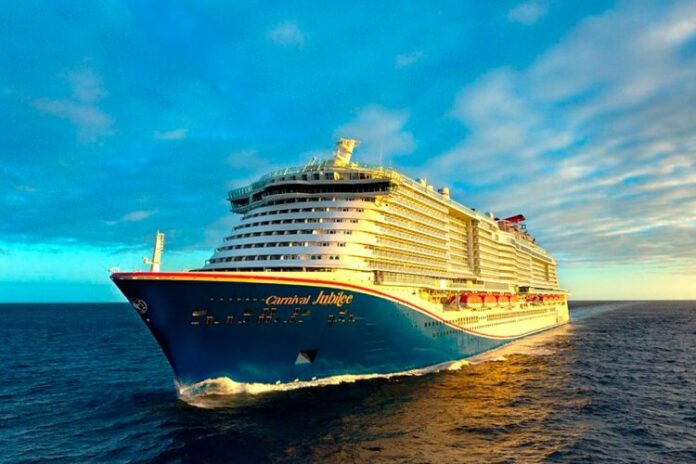
Carnival Cruise Line has announced that global music superstar Gwen Stefani will be honored as the godmother of Carnival’s new flagship, Carnival Jubilee, at a naming ceremony and celebration in Galveston, Texas on Saturday, Feb. 24.

A three-time GRAMMY® Award winner, Gwen Stefani has achieved global success as a songwriter, performer, charismatic frontwoman of No Doubt and as a multi-platinum solo artist. Throughout it all, Stefani has remained a trend-setting music and fashion icon with an impressive array of honors – four MTV Video Music Awards, two Billboard Awards, an American Music Award and a Brit Award. To date, she’s sold more than 60 million units worldwide. Stefani also returned for her seventh season as a coach on the Emmy®-winning NBC series The Voice this past fall.

Stefani is also recognized for her philanthropic work, including her support of children’s causes.

“We are absolutely thrilled to be welcoming Gwen Stefani onto Carnival Jubilee so we can honor her as the ship’s godmother,” said Christine Duffy, president of Carnival Cruise Line. “She has demonstrated her commitment to our Carnival values, including promoting diversity and inclusion, supporting charitable causes, being a leader in her field, and of course, having fun. We are going to show her an enthusiastic welcome in only the way Carnival can when she joins us on February 24.”

“I am honored to be the godmother of the new Carnival Jubilee,” said Stefani. “Carnival is taking it to the next level of fun while being committed to children’s causes and supporting our military families and veterans.”

Carnival Jubilee entered service on Dec. 23, 2023 and is homeported year-round from the Port of Galveston. The ship is the third of Carnival’s Excel class, is powered on a liquefied natural gas (LNG) technology platform and can hold 6500 guests and 1750 crew.

The naming ceremony is an invitation-only event that will be held on board the ship. A portion of the event will be broadcast live on Carnival’s Facebook page starting at 3:30 CST on Feb. 24.

Hafnia launches its AI-powered chatbot for operational excellence

0

Originally created to optimize and streamline daily tasks for all employees, Marvis AI transcends conventional boundaries, helping with tasks ranging from email management and brainstorming sessions to delivering comprehensive information and responding to queries. 

Marvis AI represents a paradigm shift, empowering various departments across Hafnia to operate with heightened efficiency through the judicious application of data-driven intelligence.

In 2023, Marvis AI underwent an extensive pilot program across various teams, with a specific focus on Hafnia’s Bunker Team as the designated use case. The purpose of this pilot program was to demonstrate the capabilities of Marvis AI. Although the Bunker Team understood how the tool could be used in their day-to-day activities, they have not actually implemented it yet. During the pilot program, Marvis AI proved to be an asset to the Bunker Team, enabling them to stay well-informed during negotiations by summarizing relevant news, facilitating discussions through the Marvis Chat feature, and providing machine learning predictions for optimal pricing. 

The AI Assistant also assists the team by generating communication, such as emails or WhatsApp messages, to continue negotiations or respond to offers, creating a comprehensive support system. Furthermore, Marvis AI offers the ability to compare suppliers in global ports, providing data-driven insights to guide negotiations. The AI Assistant even provides personalized recommendations based on supplier performance in each port, adding an extra layer of intelligence to the decision-making process.

Marvis AI boasts a user-friendly interface, ensuring accessibility for a diverse range of users, and prioritizes robust end-user data protection and privacy.

Jan Simon, Vice President, and Head of Digital & IT, expresses,

“The successful launch of the first version of Marvis AI is a testament to the agility and adaptability of Hafnia’s Data and Analytics team. Their ability to quickly embrace new technologies and deploy them across the company has resulted in tangible benefits for our business operations. Marvis AI has streamlined tasks, improved communication, and provided data-driven insights that have enhanced decision-making across various teams. We look forward to further integrating Marvis AI into our internal data functions in 2024, as we continue to elevate operational efficiency and drive innovation at Hafnia.”

BAR Tech sign European Supply Partnership with Nervion

0

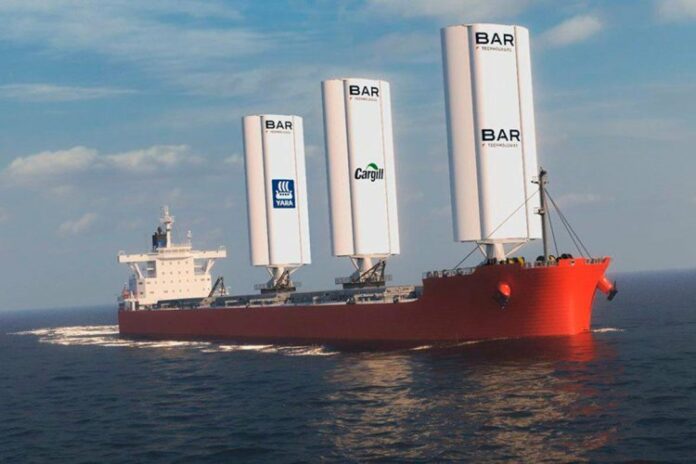
BAR Technologies (BAR) has entered into a partnership agreement with Nervion Naval Offshore (Nervion), a pioneer in floating offshore wind platforms, to wholly manage and oversee the production of BAR Technologies’ WindWings® in Europe.

The agreement with Nervion, a company owned by Amper Group and with factories in Ferrol and As Somozas (Galicia, Spain), is the first manufacturing partnership for BAR Technologies outside of China, and is one that provides European customers – and/or any customers who utilise drydocks in the region – with local WindWings® supply.

In light of the evolving EU emissions guidelines and the potential for cost-effective auxiliary wind propulsion, the creation of a European producer for BAR’s WindWings® is considered a crucial step toward achieving worldwide decarbonisation within the shipping industry.

Under the terms of the agreement, Nervion will manage the value chain of procurement and construction of WindWings®, and their installation throughout all the shipyards, in Europe. Additionally, Nervion will manage the servicing of WindWings® during their operational life cycle, alongside running training on the operation of the wing sails for vessel crews. BAR Technologies will retain the obligation to continue to innovate and establish additional WindWings® sizes and offerings.

Speaking on the signing of the agreement in Spain, John Cooper, Chief Executive Officer, BAR Technologies, commented:

“The establishment of a European supplier of WindWings® offers the opportunity to grow global sales of WindWings®, as vessel owners increasingly look to add wind propulsion to existing and new build vessels to comply with EU regulations. Partnering with Nervion enables us to work with an organisation with a legacy in wind energy manufacturing, to enhance the geographical availability of our WindWings® technology.”

Roberto Bouzas, General Manager, Nervion Naval Offshore, commented:

“With shipping undergoing transformational change, especially now that shipping is included with the EU Emissions Trading Scheme, we recognised the significance of the opportunity to work with BAR Technologies in bringing its pioneering WindWings® technology to the market here in Europe. Benefitting from our history in manufacturing for the wind energy industry, we look forward to supporting BAR Technologies with new WindWings® installations, and to continue the path towards the decarbonisation of global shipping.

BAR’s agreement with Nervion adds to its existing partnership with China Merchants (CMET), the latter offering sales and manufacture in Asia.

Three Welsh companies selected for the first Fit 4 Offshore Renewables programme

0

F4OR Wales will be delivered by the Offshore Renewable Energy (ORE) Catapult, in partnership with Floventis Energy, the developer of Llŷr 1 and 2 in the Celtic Sea and is specifically designed to support local companies bidding for work in the floating offshore wind industry.

Davood Sabaei, F4OR project manager at ORE Catapult, said:

“After a huge response to our call for Welsh companies, we are excited to announce the three excellent companies chosen for F4OR Wales that are leading the way in becoming part of a world-class supply chain. This is the first time that our F4OR programme has been tailored exclusively for the floating wind market, and F4OR Wales has been designed to give businesses the skills and expertise to deliver success in this rapidly growing sector.”

Cardiff-based CELSA is Europe’s leading producer of circular and low-emission steel, and it recycles ferrous scrap to produce steel in electric arc furnaces, using energy-efficient technology. F4OR will give CELSA the opportunity to develop expertise in the renewable energy sector and is now preparing to supply materials, fabrication, and installation services as part of the floating offshore wind supply chain.

Mainstay Marine Solutions is based in Pembroke Dock and has a long legacy of boat building, engineering, and marine services. Their facilities include workshops, new build halls, a wet basin, five slipways, and a 160t hoist, and their 65-strong team includes naval architects, engineers, welders, fabricators, fitters and painters.

Also based in Pembroke Dock, Ledwood Mechanical Engineering employs 250 and provides mechanical and fabrication services to the energy and petrochemical sectors. Having been granted Fit for Nuclear status by the Nuclear AMRC, Ledwood is currently working on the UK’s nuclear new build programme including equipment installation, delivery of stainless steelwork ducting and the erection of carbon steelwork.

Nick Revell, Managing Director of Ledwood Mechanical Engineering, said:

“We’ve seen first-hand the benefit that industry programmes can have, as Fit For Nuclear helped us prepare to bid for and win work in the nuclear supply chain; benchmarking our performance against the standards demanded by the nuclear industry’s top tiers and driving business improvements through a tailored action plan.”

Cian Conroy, Head of Project Development UK & Ireland for Floventis Energy, added:

“Test and demonstration projects like Llŷr 1 and 2 are what will build a floating offshore wind industry in Wales, so it is critical that we work with the supply chain to maximise the opportunity.

“We’re delighted that so many great companies took the time to apply for the programme and look forward to working with Ledwood, Celsa and Mainstay Marine on the F4OR programme over the coming months to prepare them for forthcoming opportunities in the Celtic Sea and beyond.”

Plans for future F4OR Wales cohorts are already in the pipeline and further details will be announced in the coming months.

F4OR is a 12-18 month programme, designed alongside industry experts, and it has experienced widespread success across the UK since it started in 2019. To date, five F4OR regional programmes have been delivered in the North East of Scotland, North East of England, East Anglia and Suffolk, alongside national programmes run across Scotland and UK-wide. Over 110 companies have been supported, with participants experiencing an average 28% increase in turnover and many securing a wide range of new contracts.

QatarEnergy selects Nakilat to own and operate up to 25 conventional LNG vessels

0

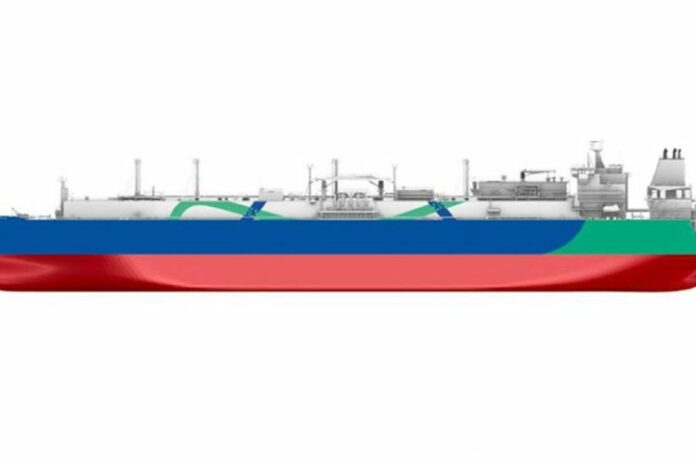
QatarEnergy announced that it has selected Qatar Gas Transport Company Limited (Nakilat) to be the owner and operator of up to 25 conventional-size LNG carriers pursuant to Time Charter Parties (TCP) to be entered into by affiliates of QatarEnergy and Nakilat.

This constitutes the first award in the second batch of long-term TCPs under QatarEnergy’s historic LNG Fleet Expansion Project. QatarEnergy anticipates selecting additional bidders as vessel owners and announcing these awards in due course.

Commenting on this occasion, His Excellency Mr. Saad Sherida Al-Kaabi, the Minister of State for Energy Affairs, the President and CEO of QatarEnergy, said:

“We are extremely pleased to announce this partnership with Nakilat, which reflects our confidence in Qatar’s flagship LNG shipping and maritime company. We are equally proud to see this LNG transportation champion compete as part of a global tender and be able to win on a purely competitive basis. This is a testament to Nakilat’s world-class capabilities as well as to the significant contributions of listed companies to the national economy.”

His Excellency Minister Al-Kaabi added:

“QatarEnergy is moving firmly in building its future LNG fleet, expected to be in excess of one hundred vessels. We look forward to announcing the names of additional successful bidders in the near future.”

In 2022, QatarEnergy signed a series of TCPs for the long-term charter and operation of 60 LNG ships, concluding the first phase of its historic and unprecedented fleet expansion program, which aims to support and meet future requirements of QatarEnergy’s North Field East and North Field South Expansion Projects. It will also support the shipping requirements of QatarEnergy Trading to serve its global LNG portfolio, including volumes to be produced from the Golden Pass LNG Export Project. In addition, part of the program is intended to cater for replacement requirements of the existing Qatar LNG fleet.

The 25 vessels, each with a capacity of 174,000 cubic meters, will be owned 100% by Nakilat and chartered out to affiliates of QatarEnergy. They are scheduled for construction at South Korean shipyards.​

Damen delivers first-of-series CSD600 for river maintenance operation in Indonesia

0

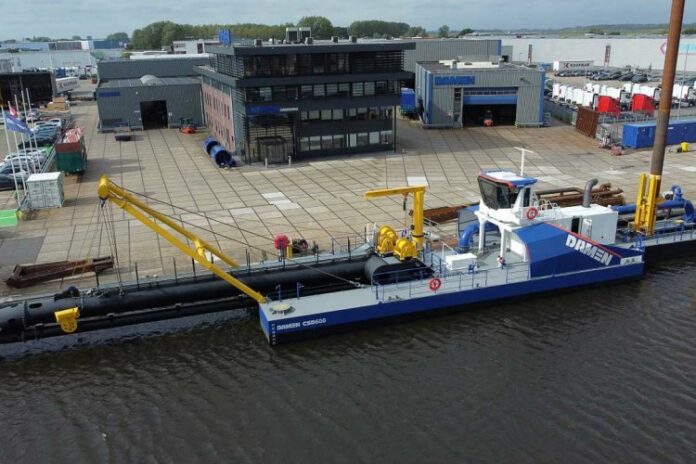
Immediately after completion at the Damen Dredging Equipment yard, the first-of-series Cutter Suction Dredger (CSD) 600 has been sold to an Indonesian customer, PT. Dua Samudera Perkasa. 

The dredger is part of a complete dredging package, which includes ship transportation, training of the crew on location as well as dredge spares to facilitate maintenance duties. The deal was sealed smoothly as the dredger, being part of Damen’s stock build programme, was available for immediate delivery.

The distinctive CSD600, which is being shipped as deck cargo at present, is a brand-new type of dismountable dredger, recently added to the Damen standard range of dredgers. The dredger has a cutter power of 250 kW and a maximum dredging depth of -16 m. Its main activity will be performing river maintenance dredging operations on the island of Kalimantan, Indonesia. PT. Dua Samudera Perkasa, is a key player in the port industry on the island.

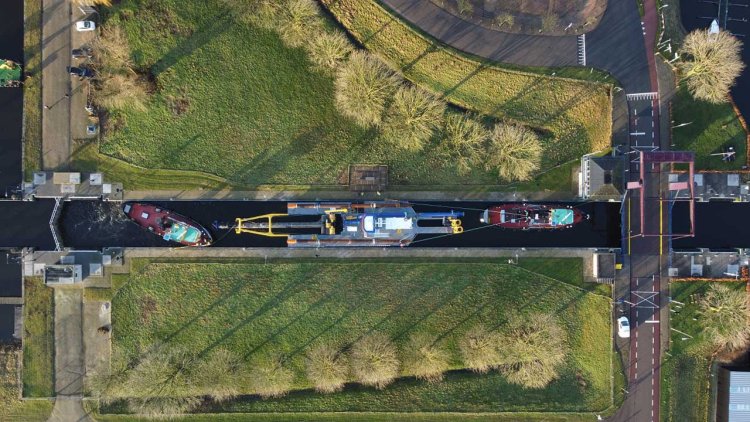
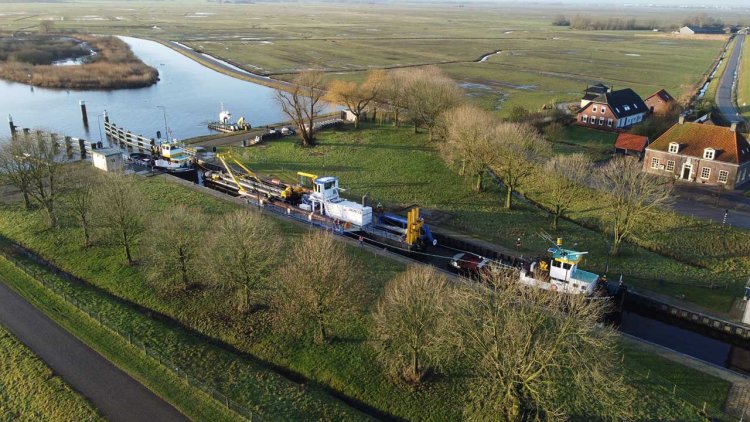
The powerful dredger, which has been named Jhoni 58 after the son of the owner, was extensively inspected at the Damen Dredging Equipment yard by the owners’ representatives. After various test on the onboard systems, the technical acceptance was signed and the CSD600 was towed to Rotterdam. There, it was placed on deck of a heavy lift carrier for transport to Indonesia.

“We are honored to have been chosen to deliver the first cutter suction dredger and first-ever CSD600 to PT. Dua Samudera Perkasa,” Damen Sales Manager Inge Hoogenboezem states. “We feel that this brand-new CSD600 design will fit their operation perfectly. We look forward to the Jhoni 58 arriving on site and starting operation.”

First heavy Polar Icebreaker in Canada in more than 60 years

0

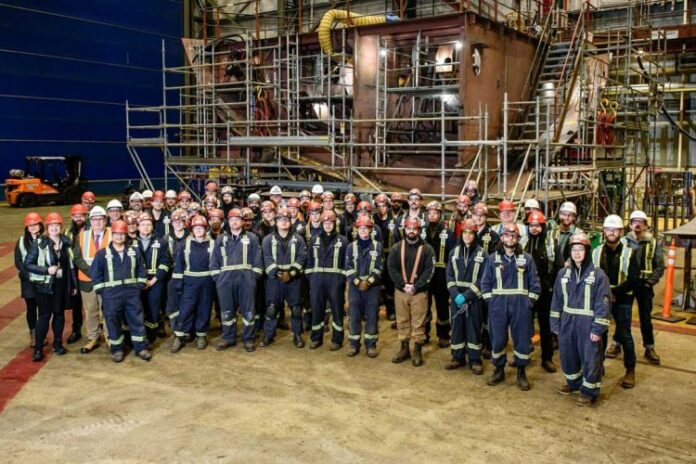
Seaspan developed and built this Prototype Block to ensure that our production teams are fully prepared to cut steel on the Polar Icebreaker in late 2024. 

The process of building the Prototype Block resulted in learnings in three key areas: improvements in design for manufacturing; testing of new equipment, processes and procedures; and validation of first-time quality in manufacturing to form and weld this new, specialized and thicker steel.

“Having the opportunity for our engineering and production teams to work collaboratively to construct this Prototype Block very early in the design process was beneficial not only to Seaspan, but also to our customer and our cross-county supply chain. We are all working toward the same goal of delivering the Polar Icebreaker to the Canadian Coast Guard. Our skilled trades team has now seen, felt, tested, and worked on this specialized steel, so we are now better prepared to ensure that Seaspan begins full rate construction with a more mature design,” said Martin Edwards, Chief Program Officer at Seaspan Shipyards.

Steel needed to construct the Polar Icebreaker is twice as thick in some areas as the steel Seaspan has used for the other ships built under the National Shipbuilding Strategy and is more challenging to work with combined with the tight frame spaces to support icebreaking capabilities. It also takes additional time to weld, and the thicker steel is not as malleable, therefore constructing this extra Prototype Block prior to starting full rate construction was crucial for our preparedness.

“The completion of the Prototype Block for our Polar Icebreaker is an important milestone for the Canadian Coast Guard. We eagerly await its delivery as this vessel will extend Coast Guard on-water operations and ensure the continuous delivery of critical services in the high Arctic. This includes search and rescue, environmental and humanitarian response, supporting important ocean science and arctic sovereignty,” said Mario Pelletier, Commissioner of the Canadian Coast Guard.

Seaspan has already gained significant experience designing and building Polar Class vessels including three Offshore Fisheries Science Vessels which are now in service with the Canadian Coast Guard; an Offshore Oceanographic Science Vessel that is currently under construction at its Vancouver Shipyards location; and a class of up to sixteen Multi-Purpose Vessels (also Polar Class) that is currently in design.

The Polar Icebreaker will be an incredibly complex ship, designed to operate in the Arctic’s ice-covered waters, and will play a critical role in enabling the Canadian Coast Guard to transit and operate on more than 162,000 km of Arctic coastline. The capabilities of the Polar Icebreaker will help sustain a year-round presence in Canada’s North in support of Indigenous Peoples and other northern communities, Arctic sovereignty, high-Arctic science (including climate change research), and the ability to respond to major maritime emergencies including search and rescue.

With Canada’s current largest Icebreaker, the CCGS Louis S. St-Laurent, set to retire at the end of the decade after 60 years of service, the new Polar Icebreaker will be one of the world’s largest and most powerful conventional icebreakers. The ship will be the flagship vessel of the Canadian Coast Guard’s icebreaking fleet, with a critical mission of protecting Canada’s Arctic sovereignty.

FACTS ABOUT THE POLAR ICEBREAKER

With a displacement of 27,876 tonnes, the Polar Icebreaker will be 158 metres long and 28 metres wide, and able to accommodate up to 100 personnel. It will be able to operate farther north, in more difficult ice conditions and for longer periods than any icebreaker in Canada to date.

Highlights of key design features, include:

  • IACS Polar Class 2 (PC2) Heavy Icebreaker
  • More than 40MW of installed power
  • Ice-classed azimuthing propulsion system
  • Complex, multi-role mission capability
  • Scientific Laboratories
  • Moon Pool (to allow for safe deployment of equipment from within the ship)
  • Helicopter flight deck and Hangar
  • Vehicle Garage and future Remotely Piloted Aircraft System (RPAS) capability 

Eolmed: Bourbon completes the first stage of the floating wind project

0

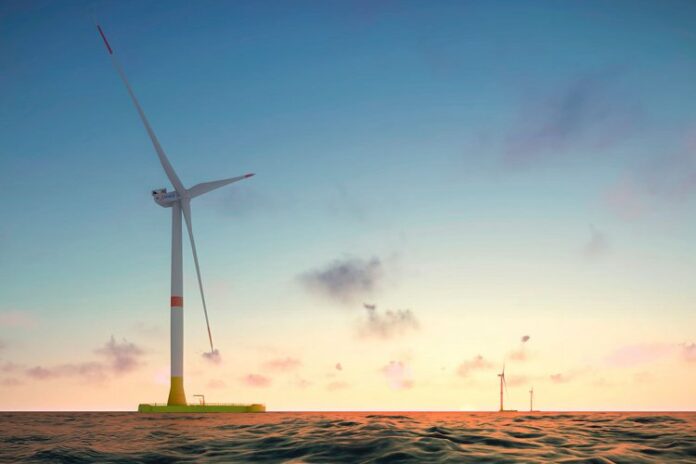
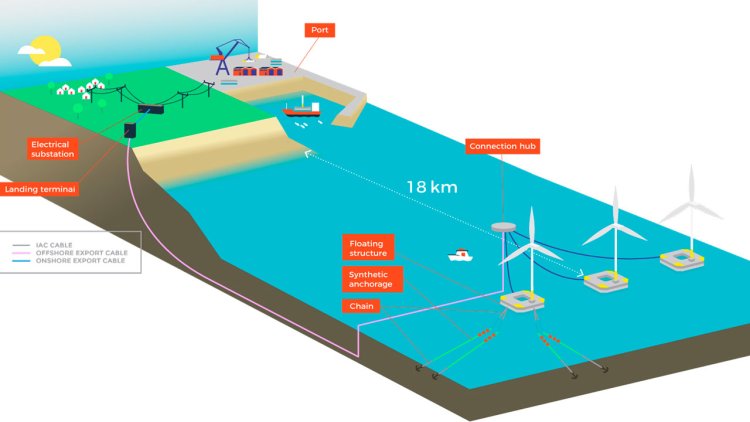
With the successful installation this autumn of a Floating Electrical Hub (FEH) off Port-la-Nouvelle (southern France), Bourbon Subsea Services teams have laid the foundation stone for the Eolmed project, a pilot floating wind farm located off Gruissan in the Mediterranean. 

This project will involve three wind turbines producing more than 110 million KwH/year by 2025, which is equivalent to the consumption of 50,000 inhabitants. The FEH is a floating infrastructure that will be connected to the three wind turbines on one side and the shore connection cable on the other, enabling the transportation of electricity to the power grid.

This first major step, which took over a year to prepare, mobilized about thirty BOURBON experts (engineering, project management and offshore teams) covering the design, manufacture, towing and installation of the FEH and its subsea mooring system. Towing and installation took place over a period of two months and involved the use of an Anchor Handling Tug Supply (AHTS), the “Bourbon Liberty 222”, equipped with a BOURBON remotely operated vehicles.

The Eolmed project, led by the renewable energy company QAIR, is one of the first floating wind farm projects in the Mediterranean. Its aims is both to validate the technical reliability and business model of such an installation and to contribute to the creation of an offshore wind energy industry in the Occitanie and PACA regions (South of France).

Stephan Midenet, CEO of Bourbon Subsea Services:

“Contributing to the success of the Eolmed project is a one-off opportunity for BOURBON, leader in the installation of floating wind farms, to reaffirm its commitment to participate in the growth of the renewable energy industry. The project also demonstrates our ability to provide our energy clients with turnkey services mobilizing all the skills and assets of the group in EPCI mode, from the engineering phase to offshore installation. We are now focused on preparing the second stage of this project in which BOURBON will install the field’s three wind turbines, in 2025, and connect them to the electricity grid.”

Smyril Line signs contracts for two modern RoRo cargo ships

0

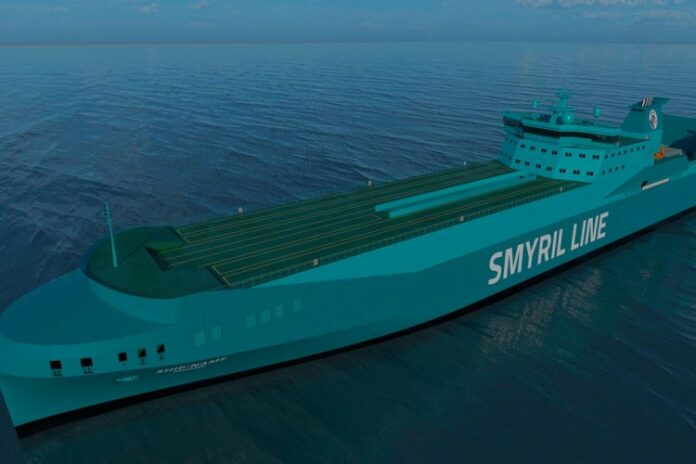
Smyril Line has announce that a contract has been made with the CIMC Raffles shipyard in China to build two new cargo ships for the company. 

These are two identical RoRo ships, measuring 190 meters in length and having 3,300 lane meters for trailers. The new cargo ships will join Smyril Line’s current network, and they are planned to start sailing in 2026. The ships are designed for optimal year-round seaworthiness in the North Atlantic with great emphasize on our crew comforts and wellbeing on board.

The ships are being designed in close cooperation with KNUD E. HANSEN, naval architects, who, together with the extensive experience of Smyril Line in the North Atlantic, will ensure that the ships are built for the special route between Europe, the Faroe Islands, and Iceland. The ships will be modern and environmentally friendly, meeting all international emission standards. Compared to the company’s existing fleet, they will emit significantly less per transported ton. At the same time, the ships will be equipped with a battery system and the possibility for shore power, which means that port operations can be conducted without emissions. The ships will also be prepared to sail on e-methanol, which is considered to be the best future choice for green energy at Smyril Line.

“Now is the time to set ourselves new and bigger goals towards reducing emissions in the North Atlantic,” says Jens Meinhard Rasmussen, CEO of Smyril Line. “The company’s main goal is to ensure safe and reliable transportation of both passengers and cargo, and to connect the periphery of the North Atlantic with the rest of the world. With the new ships, we emphasize futureproofing and leading the company towards a greener energy solution and lead the way for Smyril Line towards the goals for decarbonization in our fleet renewal, supporting the green transition of the shipping industry.

We will also transport much larger quantities of cargo with less energy consumption than we do now. The energy saving will be at least 60%. This is an important step for us to achieve our goals towards net-zero emissions by 2050, while we can offer our customers an even better service. We have been operating routes in the North Atlantic since 1982. This is not just one of the world’s longest ro-ro and ro-pax routes, but probably also the one with the most challenging sailing conditions. We know from experience that sailing on our route places great demands on both ship and crew, and we have therefore designed the ships with this in mind.”

Stena RoRo takes delivery of E-Flexer RoPax vessel

0

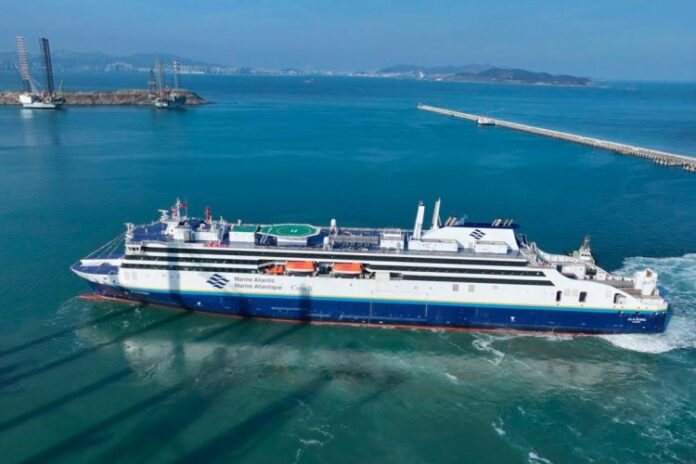
Stena RoRo currently has 13 confirmed orders for E-Flexer vessels, as well as two so-called “New Max” RoRo vessels, at CMI Jinling, Weihai shipyard. A total of five vessels will now be under construction at the shipyard at the same time. With the latest delivery ten ships have now been delivered.

Gary O’Brien, Chair, Board of Directors, Marine Atlantic, says:

“We are very excited to welcome the Ala’suinu to our service. With a focus on reducing our environmental impact, the latest accessibility features, state-of-the-art technologies, and enhanced customer amenities, I am confident our customers will be impressed with the newest addition to our fleet. I would like to thank the Government of Canada for their investment making it possible to add the Ala’suinu to our fleet.”

Murray Hupman, President and CEO, Marine Atlantic, says:

“I would like to thank our partner, Stena RoRo, for their dedication and commitment to ensuring the delivery of the Ala’suinu. Our charter period has now begun, and we will have the option to purchase the vessel after the period. We are excited for the enhancements this vessel will offer our customers and I look forward to its arrival in April”

The E-Flexer series is based on a concept with larger vessels than today’s standard RoPax ferries, and is very flexible. Each ship is tailored to the customers’ needs, both commercially and technically. Optimized design of the hull, propellers and rudders help to ensure that the E-Flexer vessels are at the forefront when it comes to sustainability, performance and cost.

The vessels’ engines are of the multi-fuel type and can run on LNG, conventional marine fuel (MGO) or biodiesel. The vessels have been designed in line with future environmental requirements and, through their technical design, can meet both existing and future international requirements by a wide margin. The vessels will be designed with the classification society notation “Battery power” which means that in the future the vessels will also be able to utilize batteries as a means of propulsion.

“These vessels are a further development of our previous RoPax concepts, where the focus on sustainability and future-proofing has been a top priority,” says Per Westling, Managing Director, Stena RoRo. “In this vessel, another dimension of sustainability has been added as the vessel has been designed to make a minimum of noise in the surrounding sea for the benefit of the sensitive underwater fauna of Canada’s coasts. Multi-fuel engines and battery hybrid technology further contribute to minimizing Marine Atlantic’s environmental impact.”

About E-flexer No. 10:

  • Length: 203 m
  • Draught: 6.5 m
  • Beam: 27.8 m
  • Capacity: 1000 passengers and 2500 cargo meters freight
  • Passenger cabins: 186
  • Speed: 23 knots