-4.7 C
New York
Home Blog Page 206

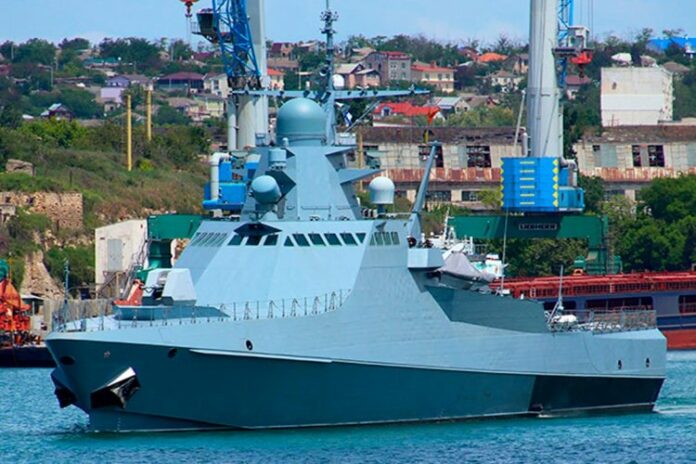
Video of the destruction of the Russian ship Sergey Kotov was released

0

The Defense Intelligence of Ukraine has published on social media a video of the destruction of the Russian patrol ship Sergey Kotov in the Black Sea.

On the night of March 5, a group of Ukrainian naval drones attacked the Russian Project 22160 Sergey Kotov patrol ship of the Russian Black Sea Fleet and destroyed it.

The Group 13 unit of the Defense Intelligence of Ukraine carried out the operation in cooperation with the Ukrainian Navy and with the support of the Ministry of Digital Transformation of Ukraine.

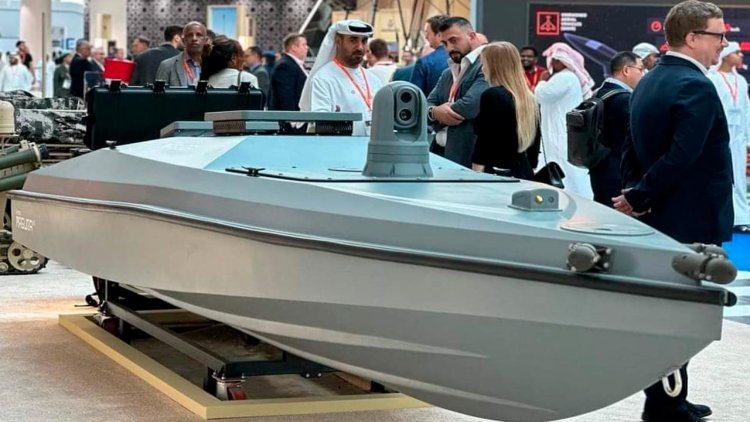
Ukrainian Magura V5 strike naval drones were used to destroy the Russian ship off the coast of temporarily occupied Crimea.

The published video, taken from a surface drone, captures several drones attacking the Sergey Kotov ship one by one, one to the port and starboard sides and one to the stern.

According to the footage, most of the naval drones hit the starboard side. The power of the explosions indicates that the Russian Project 22160 patrol ship suffered significant damage, which led to its destruction. The crew’s fate is unknown.

Project 22160 Sergey Kotov patrol ship

The Sergey Kotov is the third production Project 22160 patrol ship. It was launched at the Zaliv Shipbuilding Yard in January 2021 in the occupied Ukrainian city of Kerch. Its sea trials started at the end of October 2021, and only on July 30, 2022, did the ship join the Russian Black Sea Fleet.

The ship is armed with a 76-mm AK-176MA automatic dual-purpose gun, 8 sets of 9K338 Igla-S man-portable SAM systems, 2 12.7-mm Kord machine guns, and other weapons.

Magura V5

Maritime Autonomous Guard Unmanned Robotic Apparatus (MAGURA) V-type is a new generation multi-purpose unmanned surface vessel developed in Ukraine. The drone has a small superstructure in the middle part, the front of which is equipped with a system of rotary cameras. MAGURA V5 can cover a distance of up to 800 kilometers.

The drone is controlled by a special portable remote control with screens and a set of keys and switches. The operator uses cameras to observe the situation around the drone and can control it until it hits a specific target.

Source: Militarnyi

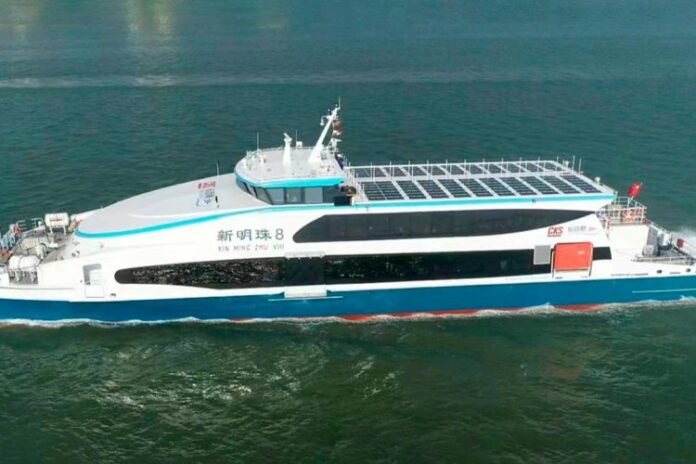
First Sun Ferry passenger ferry services commuters on Hong Kong’s waterways

0

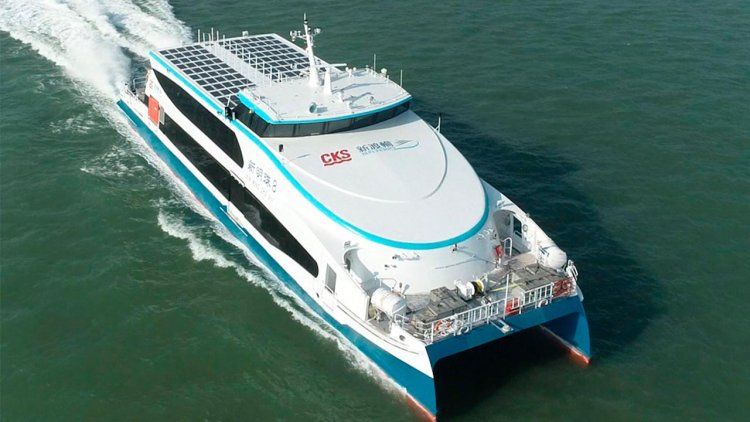
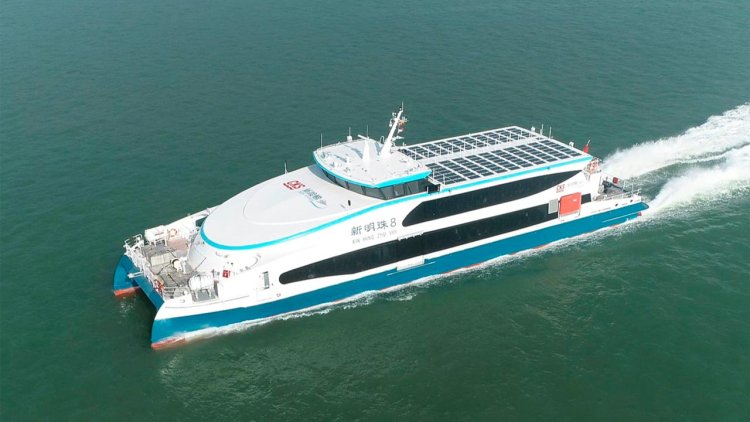
A new cutting-edge passenger fast ferry, Xin Ming Xhu VIII, is now servicing commuters on Hong Kong’s iconic waterways after Incat Crowther delivered the first of six new passenger fast ferries to mass transit operator Sun Ferry. 

Capable of transporting up to 500 passengers in safety and comfort, the new low-draft vessel features Incat Crowther’s latest generation hull form providing significant improvements on previous generation vessels. Xin Ming Xhu VIII is capable of reaching a top speed of 30 knots and maintaining an operational speed of 27 knots, comfortably exceeding Sun Ferry’s minimum requirements. 

Designed to provide an elevated customer experience, Xin Ming Xhu VIII’s air-conditioned main deck features spacious seating for 299 passengers including six wheelchair spaces and two dedicated areas for customers travelling with pets. It also caters to parents, with stroller storage areas and private change table facilities. In addition, there is a storage space for walking frames and mobility aids for passengers with restricted mobility. Large internal luggage storage spaces have been incorporated into the design of the main deck, including a protected 7m2 cargo area.

Boarding efficiency has been optimised via three locations on both the port and starboard sides of the main deck, while large internal and external staircases lead to the upper deck which can accommodate an additional 201 passengers. The air-conditioned upper deck also hosts a large, elevated wheelhouse which provides crew with a 360-degree view.

Commenting on the delivery of Xin Ming Xhu VIII, Incat Crowther’s Technical Manager Sam Mackay said:

“The delivery of this vessel is the culmination of a collaborative design and construction process between our team of naval architects and the teams at Sun Ferry and AFAI Southern Shipyard.”

“Not only has this vessel been delivered on time, but it has exceeded performance expectations and met Sun Ferry’s brief of providing the people of Hong Kong with a world-class, mass transit customer experience.”

“With dedicated facilities for parents, passengers with pets and the elderly – all customers are catered for by these vessels. Sun Ferry’s commitment to sustainability is also illustrated by the inclusion of 140 solar panels on the vessel’s roof providing 14 kilowatts of on-board power.”

The second tranche of vessels in the new Sun Ferry fleet is now under construction with the final vessel expected to be delivered by the end of 2025.

MOL Chemical Tankers completes acquisition of Fairfield Chemical Carriers

0

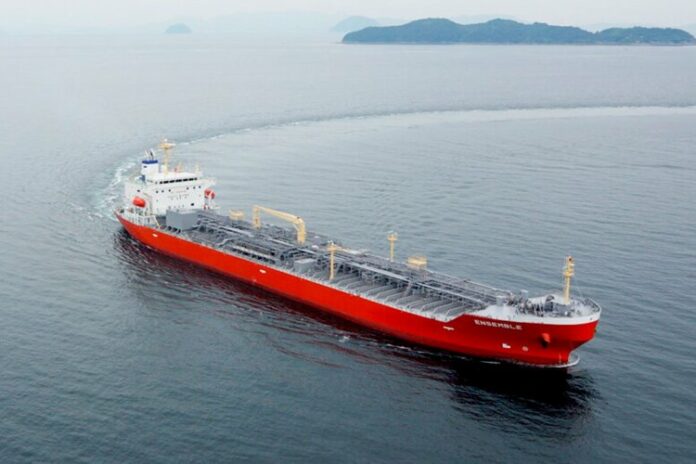
Mitsui O.S.K. Lines has announced that its wholly owned subsidiary, chemical tanker operator MOL Chemical Tankers Pte. Ltd. has completed the acquisition of all shares of Fairfield Chemical Carriers Pte. Ltd. on March 1, 2024. 

The acquisition is based on a share transfer agreement signed at the end of September 2023 and has obtained approval from the relevant authorities under competition law. The acquisition price of the shares will be about US$400 million.

The MOL Group positions the chemical tanker business as a business domain where it expects growth, as set out in its group management plan “BLUE ACTION 2035,” and intends to proactively invest in this field. This acquisition is part of that plan.

Through this acquisition, MOLCT will integrate its fleet of 81 multi-segregated chemical tankers with stainless steel tanks with the 36 FCC vessels, making it one of the largest such fleets in the world. It will strengthen its highly specialized business using multi-segregated chemical tankers with stainless steel tanks, which is one of the company’s strengths.

MOLCT CEO Akira Sasa commented,

“Effective March 1, 2024, Fairfield Chemical Carriers (FCC) joined our group. With the integration of the FCC, the MOLCT Group has expanded its business base and can now offer a wider range of services to its customers. Together, both MOLCT and FCC will strive to offer our customers superior service in all aspects.”

Fairfield-Maxwell CEO Anthony Dowd commented,

“We believe that this share transfer will lead to further growth for both MOLCT and FCC. We wish the new MOLCT Group every success.”

CMA CGM partners with Nike for sustainable shipping

0

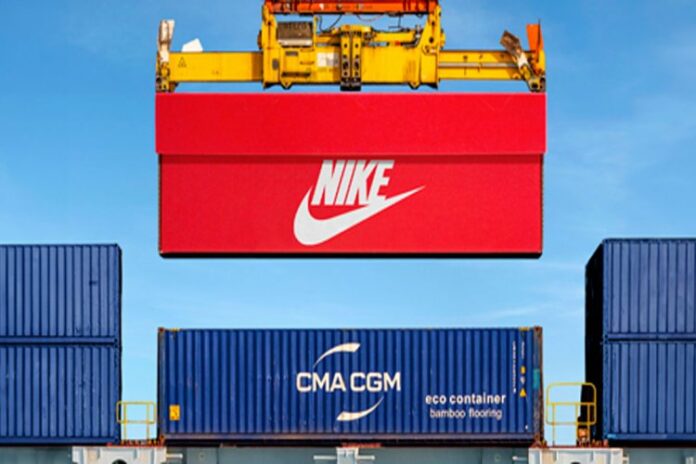
CMA CGM has announced a collaboration with Nike to reduce the carbon footprint of their maritime transport. 

This initiative seamlessly aligns with the CMA CGM Group’s comprehensive strategy for decarbonization, working towards achieving Net Zero by 2050 and supporting our client in decarbonizing their supply chain. It marks valuable progress in the commitment of both companies towards sustainability.

Nike, a global leader in the apparel and sportswear industry, has recently entered into an agreement with CMA CGM to purchase sustainable biofuel for a part of their maritime transport. This initiative will make an important contribution to the decarbonization of Nike’s supply chain.

From July 1, 2023, to May 31, 2024, Nike will use sustainable biofuel for the transportation of 36% of their volume with CMA CGM. Through this action, Nike will reduce their CO2 emissions by 25,000 tons, an important leap towards greener operations.

Committed to achieving Net Zero by 2050, the CMA CGM Group supports its customers in decarbonizing their supply chain with the ACT WITH CMA CGM+ range of low-carbon solutions.

Launched in 2020, the offer enables the customers to analyze their environmental footprint, reduce their carbon emissions through low-carbon alternative energies such as biofuel, LNG and biomethane, and offset residual emissions through environmental projects.

Olivier Nivoix, Executive Vice President CMA CGM Group Lines, said:

“Collaborating with a key player like Nike and taking this major step towards decarbonization is an important achievement. We are confident that our success will act as a catalyst, encouraging other carriers and customers to join us on this path to accelerate the transition towards a Net Zero industry.”

Three underwater data cables through the Red Sea are cut amid Houthi rebel attacks in the area

0

An incident in the Red Sea has cut three underwater sea cables providing internet and telecommunications around the world as the waterway remains a target of Yemen’s Houthi rebels, officials said Monday.

A statement by Hong Kong-based HGC Global Communications acknowledged the cuts but did not say what caused the lines to be severed. There has been concern about the cables being targeted in the Houthi campaign, which the rebels describe as an effort to pressure Israel to end its war on Hamas in the Gaza Strip. The Houthis have denied attacking the lines, however.

While global shipping already has been disrupted through the Red Sea, a crucial route for cargo and energy shipments from Asia and the Middle East to Europe, the sabotage of telecommunication lines could further escalate the monthslong crisis. Meanwhile, a suspected Houthi attack targeted a new ship in the Gulf of Aden.

The cut lines include Asia-Africa-Europe 1, the Europe India Gateway, Seacom and TGN-Gulf, HGC Global Communications said. It described the cuts as affecting 25% of the traffic flowing through the Red Sea. It described the Red Sea route as crucial for data moving from Asia onward to Europe and said it had begun rerouting traffic.

HGC Global Communications described the Seacom-TGN-Gulf line as being two separate cables when it is actually one at the area of the cut, according to Tim Stronge, a subsea cable expert with TeleGeography, a Washington-based telecommunications market research company.

Responding to questions from The Associated Press, Seacom said that “initial testing indicates the affected segment lies within Yemeni maritime jurisdictions in the Southern Red Sea.” It said it was rerouting the traffic it was able to change, though some services were down.

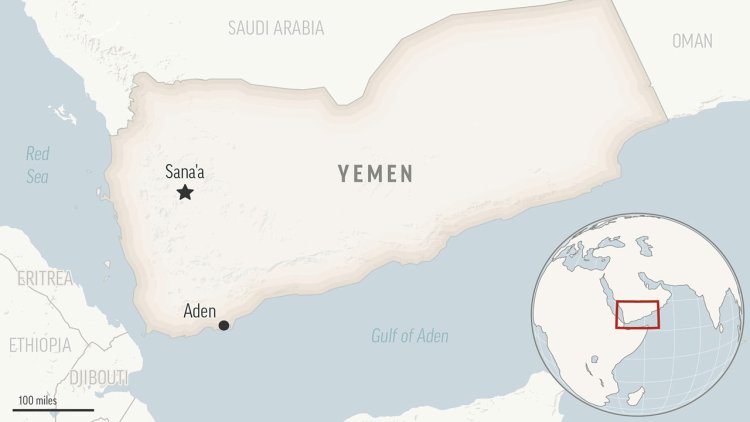
This is a locator map for Yemen with its capital, Sanaa. Credit: AP Photo

Tata Communications, part of the Indian conglomerate and behind the Seacom-TGN-Gulf line, told the AP it “initiated immediate and appropriate remedial actions” after the line was cut.

“We invest in various cable consortiums to increase our diversity and hence in such situations of a cable cut or snag we are able to automatically reroute our services,” Tata said.

Other firms behind those lines, which provide data to Africa, Asia and the Middle East, did not immediately respond to queries Monday from the AP.

In early February, Yemen’s internationally recognized government in exile alleged that the Houthis planned to attack the cables. The lines appeared to have been cut on Feb. 24, with the organization NetBlocks noticing internet access in the East African nation of Djibouti suffering from interruptions two days later. Seacom, one of the four cables cut, serves Djibouti.

But for their part, the Houthis have denied targeting the cables. The Houthis blamed the disruptions on British and U.S. military operations but did not offer evidence to support the allegation and have made false claims in the past.

“The hostilities on Yemen by the British and U.S. naval military units caused a disruption in the submarine cables in the Red Sea, which jeopardized the security and safety of international communications and the normal flow of information,” the Houthi-controlled Transportation Ministry in Yemen’s rebel-held capital, Sanaa, alleged.

Since November, the rebels have repeatedly targeted ships in the Red Sea and surrounding waters over the Israel-Hamas war. Those vessels have included at least one with cargo bound for Iran, the Houthis’ main benefactor, and an aid ship later bound for Houthi-controlled territory.

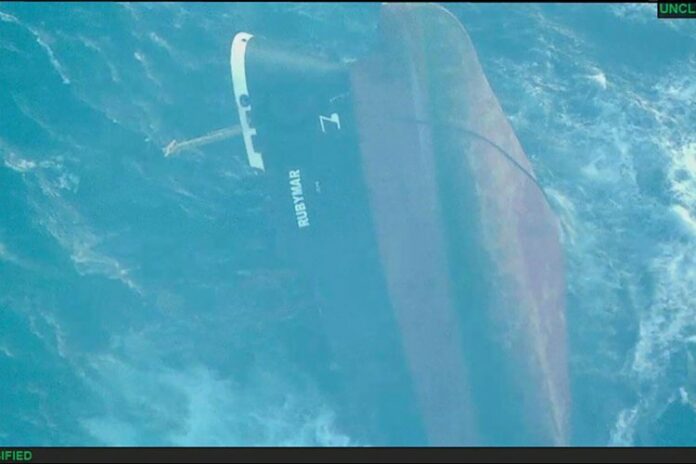
Despite more than a month and a half of U.S.-led airstrikes, Houthi rebels have remained capable of launching significant attacks. They include the attack last month on a cargo ship carrying fertilizer, the Rubymar, which sank on Saturday after drifting for several days, and the downing of an American drone worth tens of millions of dollars.

The Houthis insist their attacks will continue until Israel stops its combat operations in the Gaza Strip, which have enraged the wider Arab world and seen the Houthis gain international recognition.

There has been a slowdown in attacks in recent days. The reason for that remains unclear. Between four to eight U.S. and allied warships now patrol the Red Sea on any given day, said Maj. Pete Nguyen, a Defense Department spokesperson.

The British military’s United Kingdom Maritime Trade Operations center on Monday separately warned of a new possible attack in the Gulf of Aden. The private security firm Ambrey described the vessel targeted as a Liberia-flagged, Israel-affiliated container ship that sustained damage and issued a distress call.

It remains unclear how the Houthis could attack the subsea cables themselves. The rebels are not known to have the diving or salvage capability to target the lines, which sit hundreds of meters (feet) below the surface of the waterway.

However, subsea cables can be cut by anchors, including those dropped from ships that are disabled in attacks. A drifting ship with its anchor scraping the sea could be the culprit.

“Our team thinks it is plausible that it could have been affected by anchor dragging, due to the amount of marine traffic the region deals with and the low seabed in many parts of the Red Sea,” Seacom said. “This can only be confirmed once the repair ship is on site.”

There at 14 cables now running through the Red Sea, with another six planned, Stronge said.

“We estimate that over 90% of communications between Europe and Asia traverse submarine cables in the Red Sea,” he said. “Fortunately, telecom operators have built a high degree of redundancy built into the system—there are many cables traverse the Red Sea.”

Source: The Associated Press.

Van Oord helps build temporary emergency dam in Maastricht

0

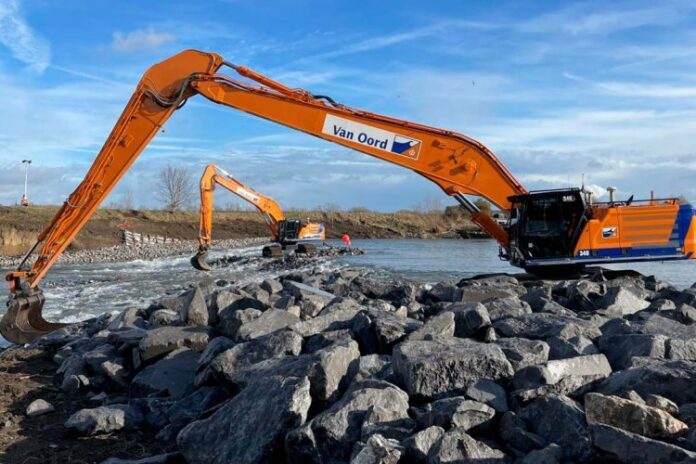
Van Oord’s subsidiary Paans Van Oord has successfully completed work on the second emergency dam in the river Meuse, Maastricht, the Netherlands.

Part of the lining of the spillway dam had been loosened and washed away by the force of the water. Due to the strong current, it proved impossible to close the hole in the dam at short notice.

The project was commissioned by Rijkswaterstaat. Main contractor Mourik has brought market parties with different expertise together to find a solution, including Boorsma and Paans Van Oord.

Due to the high water discharge and associated flow velocities, this was a complex operation. After the hole in the spillway dam was caused, a first emergency dam was constructed within a week to reduce the strong current. To construct this first quarry stone emergency dam, Paans Van Oord deployed crane vessel Leendert Sr. and two excavators. In order to build the emergency dam from both banks, Rijkswaterstaat engaged the Ministry of Defence to build a ferry connection between the east and west banks of the River Meuse for moving equipment across. Simultaneously, Chinook helicopters flew back and forth with nets full of quarry stone to partially close the hole in the spillway dam. 

The second emergency dam is intended to secure the water level in the Meuse. As a base for this dam, fascine mattresses were first installed on the riverbed. Later, a special type of fascine mattresses  with foil were created next to the emergency dam, towed to the desired location and weighted with stones to make the dam effective. More than 15,000 tonnes of quarry stone were installed to raise the emergency dam to the right height. Now that the second emergency dam is in place, the water level has returned to its original level and work can start on permanently restoring the spillway dam.

Peter Brand, Projectmanager at Paans van Oord:

‘It was a complex emergency operation that involved a lot of effort from all parties involved. The intensive collaboration and mutual trust between Rijkswaterstaat, Mourik, Boorsma and Paans Van Oord resulted in an almost impossible prestation, partly caused by mutual trust. I am very proud of that!’

Sanmar marks milestone in project to build world’s first methanol-fuelled escort tugs

0

Based on the RAsalvor 4400-DFM design from Canadian naval architects Robert Allan Ltd, the two revolutionary new tugs will service Canada’s Trans Mountain Expansion Project (TMEP), escorting tankers from the harbour limits of the Port of Vancouver to the open Pacific Ocean through the commercial shipping lanes of the Salish Sea.

The service will be provided by Kotug Canada, and the unique tugs will be the first that Sanmar has built for Netherlands-headquartered international operator. The contract was won after a rigorous and competitive process.

Kotug has partnered with Sc’ianew First Nation from Beecher Bay, which is strategically located along the shipping route from Vancouver, to provide the service, and the tugs being built at Sanmar’s state-of-the-art purpose-built shipyards in Turkiye will be called SD AISEMAHT and SD QWII-AAN’C SARAH in honour of the Sc’ianew First Nation.

Scheduled to enter service in 2025, they will be the most powerful escort tugs in Canada, capable of achieving a massive 120 tonnes of bollard pull, while also providing significant environmental benefits, reducing greenhouse gas emissions and underwater radiated noise -protecting the Salish Sea’s resident Killer Whales.

Ipek Gurun, Corporate Strategy Director Sanmar Shipyards, said:

“This is another milestone in our journey to a more environmentally-friendly tug and towing industry where protecting our planet is at the centre of all we do. This project is also another example of our strategy ofachieving our green goals through innovation, alternative fuels, and technological advance.”  

MAN Energy Solutions and CCS expand dual-fuel methanol engine agreement

0

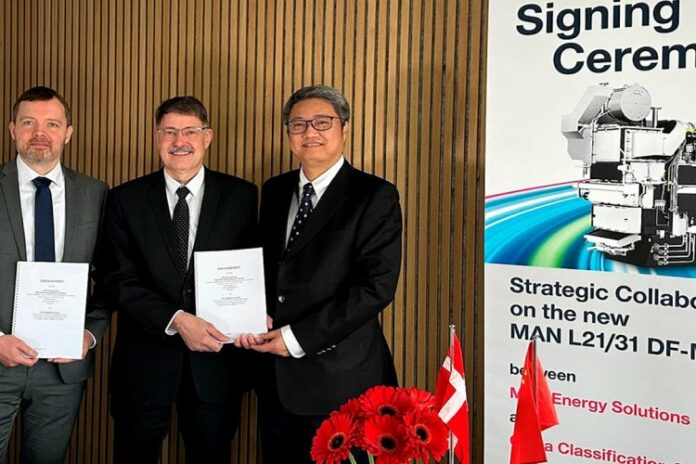
At an online ceremony on February 27th, 2024, MAN Energy Solutions and China Classification Society (CCS) signed a sub-agreement in line with the Strategic Framework Agreement (SFA) the two parties previously agreed in September 2023 in Beijing. 

The SFA, on ‘Decarbonisation and Digitalisation in the maritime industry’, is scheduled to last for five years.

The new sub-agreement – the third such between the companies – covers MAN Energy Solutions’ new MAN L21/31DF-M (Dual-Fuel Methanol) GenSet designed at the company’s Danish site in Holeby. It provides for a collaboration between the two companies that will support the new engine in the Chinese market, including all activities associated with its planned Type Approval Test (TAT) in China in Q4, 2024.

MAN Energy Solutions’ Classification Department in Copenhagen hosted the Sub-agreement signing. Marine Product Department General Manager, Jiang Botao, and Jiangsu Plan Approval Center Manager, Sun Qun, signed on behalf of CCS; while Finn Fjeldhøj, Senior Manager and Site Manager, Holeby, and Lars Ascanius, Senior Manager, Two-Stroke Engine Lifecycle Management, signed on behalf of MAN Energy Solutions.

Jiang Botao said:

“The introduction of the MAN L21/31 DF-M methanol dual-fuel engine provides shipowners with more choices to achieve their decarbonisation goals. We much appreciate MAN Energy Solutions’ contribution and believe that the collaboration between it and CCS in alternative-fuel engines will surely make further contributions to a more sustainable future for the global maritime industry.” 

Fjeldhøj said:

“The MAN L21/31 engine is well-established in the market having notched some 2,750 sales to date. With the shipping market currently experiencing an increased interest in methanol as marine fuel, we feel that the introduction of this dual-fuel engine is timely. This collaboration with CCS will provide great support to the new MAN L21/31 DF-M variant upon its entry to the Chinese market.”

Nautical SUNRISE project kicks off

0

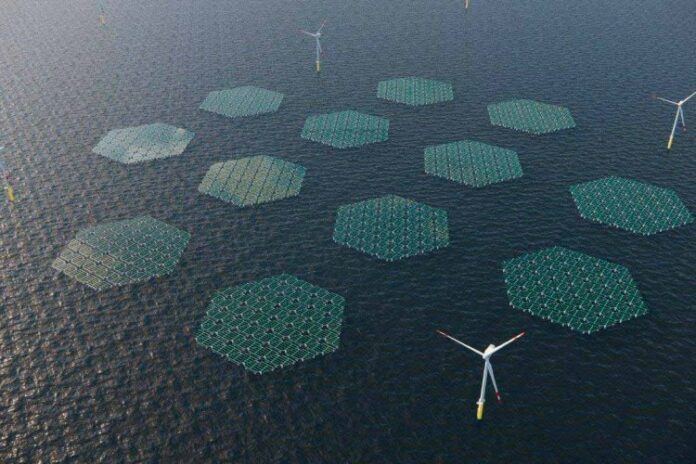
The € 8.4 million project, supported with € 6.8 million of the Horizon Europe programme, kicked off in December 2023 to execute research and development on offshore floating solar systems and its components. The outcomes of the project will enable the large-scale deployment and commercialization of offshore floating solar systems in the future, both as standalone systems and integrated into offshore wind farms.

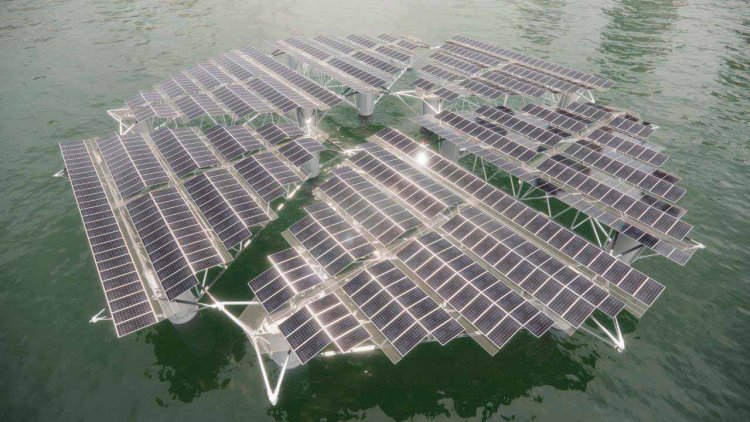
This project is aiming to design, build, and showcase a 5 MW offshore floating solar system using the modular solution of Dutch floating solar company SolarDuck. With RWE providing the investment for the installation and deployment, the system is planned to be electrically integrated, certified, and located within RWE’s OranjeWind (Hollandse Kust West VII) wind farm off the west coast of The Netherlands.

Prior to the offshore deployment, the Nautical SUNRISE consortium will conduct extensive research and testing to ensure the reliability, survivability, electrical stability, and yield of offshore floating solar systems. A comprehensive scale-up plan will address the challenges and create opportunities to drive forward the commercialisation of offshore floating solar systems.

With sustainability in mind, Nautical SUNRISE is committed to consider the environmental impact and sustainability of offshore floating solar. The project will assess the environmental footprint, circularity, and full life cycle sustainability of offshore floating solar systems. This assessment will not only cover the demonstrator project but also include multiple GW-scale commercial projects, ensuring a comprehensive understanding of the technology’s ecological implications.

The Nautical SUNRISE consortium is looking forward to paving the way for a new era in offshore renewable energy, contributing to a more sustainable future for generations to come.

CTO DMEC Simon Stark quote:

“We are excited to coordinate the Nautical SUNRISE project as one of the flagship initiatives of offshore solar in Europe. Not only do we have the chance to address important knowledge gaps around the design and environmental impact of offshore solar. Together with RWE and the OranjeWind consortium we can do so in full alignment and integration with a commercial offshore wind park.”

CTO SolarDuck Don Hoogendoorn quote: “This subsidy allows SolarDuck with its partners to push the environmental boundary of the design and at the same time get an in-depth understanding of the ecological and reliability of the design.” 

The project is made possible via a collaboration of its partners: project lead Dutch Marine Energy Centre (DMEC), SolarDuck, RWE, Blunova – a Carlo Maresca Group company, Bridon-Bekaert The Ropes Group, Deltares, Hasselt University (UHasselt), KU Leuven, Oxford PV, SINTEF Industry, SINTEF Ocean, The Catalonia Institute for Energy Research (IREC-CERCA), INESC TEC, and WavEC Offshore Renewables.

Researchers investigate how fishing lines are handled by the Norwegian fishing industry

0

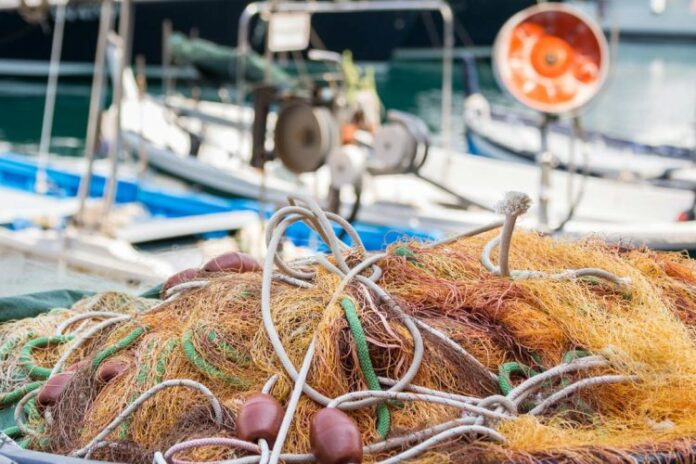
Lost fishing lines and ropes are a growing problem. As a leading fishing nation, Norway, with its long coastline and fish-rich waters, is particularly vulnerable to marine litter. A new study from NTNU shows that only a third of all ropes produced and sold in Norway can be recycled in a sustainable way.

The rest are burned, buried, sent out of the country – or just pile up and contribute to something called ghost fishing.

“Norway is heavily dependent on the blue economy, and finding solutions is becoming increasingly urgent.  Without the responsible handling of ropes, the fisheries sector will never be green or sustainable,” says Associate Professor Paritosh Deshpande at NTNU’s Department of Industrial Economics and Technology Management.

He studies plastic litter in the ocean, and has made the first scientific estimates to establish how much rope is lost and how the Norwegian fisheries sector handles ropes.

The researchers have analysed 15 types of rope widely used by professional fishermen in Norway. They have also ranked the rope according to how easy or difficult it is to recycle.

The goal is to develop new knowledge and tools that can contribute to less litter, more recycling and increased sustainability. Deshpande has been working on this problem for the last eight years. His previous research findings have been used by the UN Environment Programme and other agencies in the UN, the EU system, the Norwegian Environment Agency and others working on policy in this area.
Only in the last decade have we realised that we have made the oceans the world’s largest rubbish dumps. An article in Science estimates that between 5 and 13 million tonnes of plastic end up in the oceans each year, but there is no global data on how much of that comes from marine industries.

For several years, Deshpande has collected data from Norwegian suppliers, manufacturers, dealers, fishermen, waste disposal sites, recycling companies and authorities. The collection has been repeated several times to remove uncertainty and ensure that the data are correct.

What he sees is that different manufacturers make the same types of rope and fishing gear, but in different ways and out of different materials. Many manufacturers don’t know exactly what kind of or how many different plastics their ropes contain. The methods vary, and imported raw materials may lack content labelling.
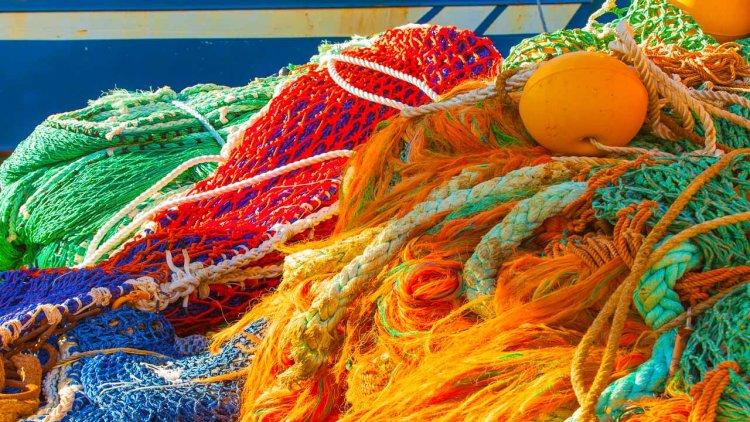
An overview of the 15 most used ropes shows what they are made of, how they are made, what they are used for, and any special characteristics they have. The researchers have divided the ropes into three categories, with easy-to-understand traffic light colours according to their recyclability.

This could be the first step towards a labelling scheme where manufacturers divide ropes into categories. Labelling can contribute to used ropes being treated more as a valuable resource, the researchers believe.

Other measures may include:

  • Research and innovation for more eco-design and recyclability
  • Smarter return schemes
  • Best-practice schemes for handling ropes
  • Increased efforts to get plastic manufacturers to use recycled plastics

“Manufacturers, fishermen, authorities, waste disposal sites and recycling companies. All of them can be part of the solution, and none of them can do it alone. This also involves UN Sustainable Development Goal number 17, which is about us only being able to achieve the goals if we work together,” Deshpande says.
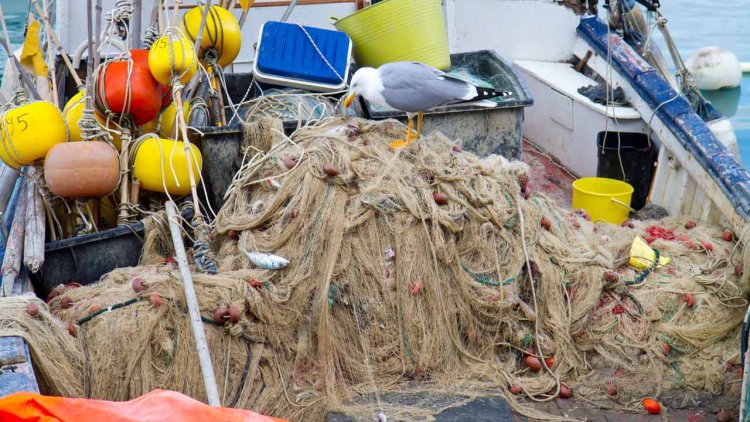
Waste is dangerous to wildlife that lives in and by the sea. It traps, injures and kills – and enters the food chains.

Deshpande is working to ascertain the scope of this, with Norway and the Norwegian fisheries sector as his starting point. He believes that if we are to make a green shift in the blue industry, the production cycle must be closed and the hazardous waste moved into a circular economy. In a circular economy, products must last as long as possible, be repaired, upgraded and be reused to a greater extent. When products cannot be reused, the waste material can be recovered and used as raw material in new production. In this way, the same resources can be used several times and as few as possible are lost.

To do that, we need to know what kind of plastic has gone astray, and how much is available for recycling.

In 2019, Deshpande and his colleagues published an article about the most deadly plastic waste that ends up in the ocean: fishing gear that has been forgotten, abandoned or lost.

“We conducted a material flow analysis that showed that almost 400 tonnes of this type of waste from the Norwegian fisheries sector end up in the sea every year,” says Deshpande.

A material flow analysis is a systematic assessment of flows and inventories of materials within a given system defined in space and time. Having good documentation of material flows is a prerequisite for good resource and environmental management of given substances or materials.

Crab pots, long lines, nets and fish pots get left on the seabed and continue to catch fish and other sea creatures. This macabre form of fishing can continue year after year.

In the long run, this littering also means that the fisheries end up undermining their own industry.

Rope was not included in this study, but it is the focus of Deshpande’s article, published in the Marine Pollution Bulletin. Studies also need to be conducted into how much the fish farming industry contributes to the problem.
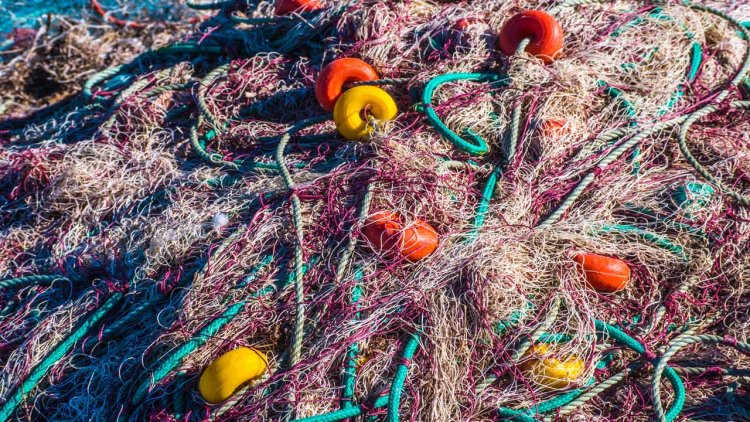
Deshpande says that the figures they have indicate that Norwegian fishermen fill Norwegian waters with almost 800 tonnes of plastic fishing gear and ropes – every single year.

Deshpande’s method and models have been adopted in other countries, such as Taiwan. He is also a member of WG-43, a work group in GESAMP – the Joint Group of Experts on the Scientific Aspects of Marine Environmental Protection. The group consists of independent scientific experts who map and analyse littering from fisheries and shipping, and advise the UN system on marine environmental protection.

“We received a serious amount of attention when WG-43 flagged the need for more knowledge about plastic-related problems in 2021. The world is finally waking up,” says the NTNU researcher.

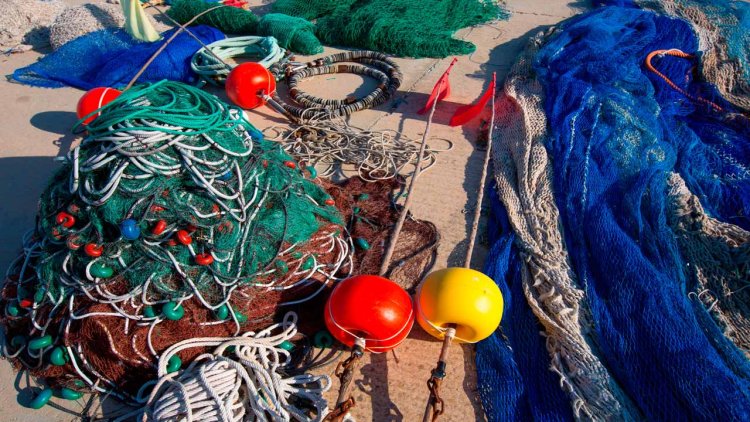
Recycling rope is particularly challenging because there are so many different types. They can be made from many different materials and have very different characteristics.

They are used for mooring, trawling, towing, anchoring and lifting. Some consist of only one type of plastic, while others may contain several types that may even have different melting points. Rope can be braided with copper wire, or have steel wire in its core. Some types float, while others have lead in them to make them sink.

Every summer for the last 40 years, the Norwegian Directorate of Fisheries has carried out a cruise in Norwegian waters to collect lost fishing gear. In addition, there are divers, clean-up operations and campaigns that clean fjords and beaches.

“It is only in the last decade that the clean-up operations have really intensified, whereas commercial fishing has been going on for many decades. There is a lot of rubbish out there. We need to prevent marine littering from happening and find out how best to avoid its increase,” says Deshpande.

The EU’s Directive on Ship-source Pollution states that the more than 4400 small and large ports along the Norwegian coast must have reception facilities for rope and fishing gear from ships. When only one in three ports has such reception facilities, it leads to illegal dumping, illegal burning, and fishing gear being left on land without being properly processed.
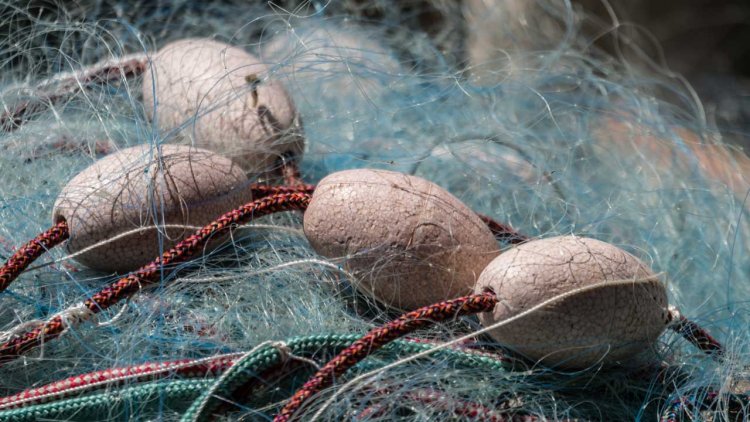
The figures from NTNU show that approximately 2700 tonnes of discarded rope end up at reception facilities.

The discarded rope that comes in is often in a shocking condition, tangled and soiled with rotten biomass, fish oil and sand. Recycling companies do not have the appropriate cleaning equipment, and many find that recycling becomes technologically and economically impossible.

Norway lacks both systems and capacity for collection, and technology and equipment for recycling. As a result, more than half of the ropes and fishing gear that are delivered to reception facilities is incinerated or ends up in landfill.

The rest, much of it fully recyclable, is sent abroad for recycling.

“Companies such as Nofir and Oceanize are leading actors in Norway, and ensure that waste is collected and assets are recycled. However, more people are needed to solve the problems,” says Deshpande.
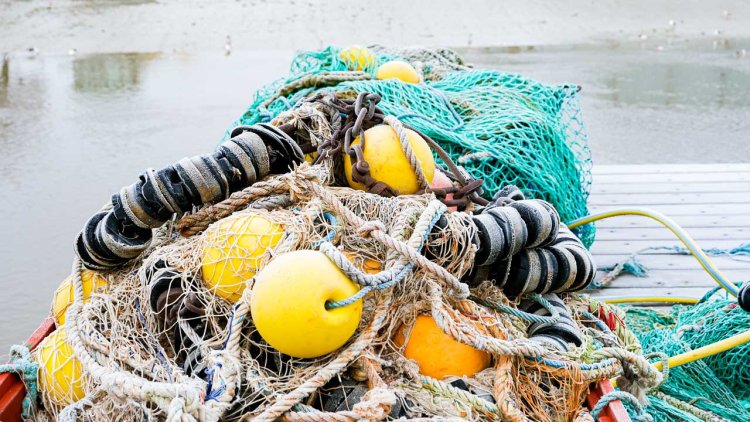
Deshpande says we do not know for sure how the ropes are processed when they are sent out of the country.

“It is our responsibility to manage the waste we create ourselves, or to ensure that the reception facilities process it the way we expect it should be when we export it.

In addition, when we send the waste out of the country, we lose the opportunity to create value from local resources,” says the NTNU researcher.

The EU has advocated that member states introduce extended producer responsibility for equipment containing plastic from fisheries, aquaculture and recreational fishing by 31 December this year. This imposes responsibility on manufacturers for the products throughout their life cycle, from the design of the products until they become waste and the materials are used as secondary raw materials in new products. This means that the cost of waste management is included in the price of the product, in accordance with the polluter pays principle.