-7.1 C
New York
Home Blog Page 204

NYK and Hitachi Zosen to develop N2O reactor for ammonia-powered ship

0

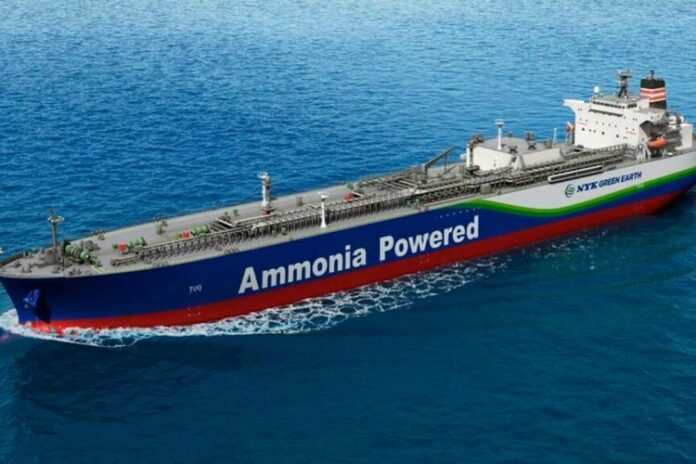
Hitachi Zosen Corporation. and Nippon Yusen Kabushiki Kaisha has announced that the jointly proposed “Development of N2O Reactors for Ammonia-Fueled Carrier” has been selected by the New Energy and Industrial Technology Development Organization (NEDO) as a “Next Generation Ship Development” which was additionally invited in November 2023 as a part of Green Innovation Fund Project (hereinafter “GI Fund Project”).

The project aims to develop a catalytic removal system for nitrous oxide (‘N2O’) emitted when ammonia is used as fuel (‘N2O Reactor’). N2O’s global warming potential is about 300 times that of CO2, and it is essential to reduce N2O emissions in order to realize ammonia-fueled vessel carriers that are highly effective in reducing GHG emissions. By developing and disseminating N2O reactors, we are aiming for the early realization of Carbon Neutral in maritime transport.

In this business, Hitachi Zosen will develop catalysts and equipment to reduce N2O for marine 2-stroke engines and optimize equipment layout.

NYK will install N2O reactor developed by Hitachi Zosen on the ammonia-fueled carrier scheduled to be completed in November 2026, and will be in charge of safety and performance verification by demonstration navigation.

ClassNK, as a partner organization, will conduct safety verification of N2O reactors and basic research on the development of international guidelines.

Babcock delivers St. Albans three months ahead of schedule

0

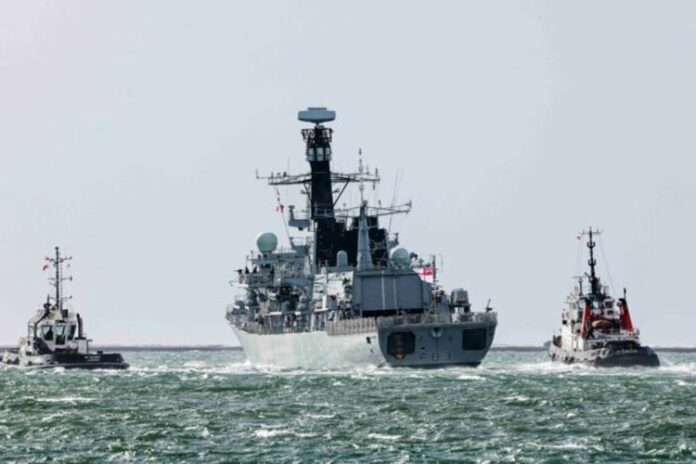
Babcock has delivered Type 23 frigate HMS St. Albans back to the Royal Navy for sea trials three months ahead of the planned schedule, following an extensive and comprehensive refit.

During her time in dock, skilled Babcock engineers and other tradespeople spent around 1.2 million working hours carrying out a significant number of updates and upgrades to keep the platform at the leading edge of warfighting capability, including a substantial power generation and machinery upgrade, the removal, overhaul and replacement of both propulsion motors, and finally stripping and repainting her entire hull.

Crew facilities have also been improved and modernised to support the personnel living on board.

The teams that readied HMS St. Albans proudly gathered at the dockside to see her off and were joined by Royal Navy colleagues and representatives from across Babcock’s Devonport operation.

Gary Simpson, Managing Director of Babcock’s Marine Support business, said:

“Working on behalf of DE&S, preparing HMS St. Albans for sea again is central to ensuring our customer’s critical services are readily available, affordable, and long-lasting.

“Our skilled teams of engineers, fabricators, technicians, and other experts, with the support of DE&S, the Royal Navy and specialists in our supply chain, worked tirelessly to ensure the complex and extensive refit of HMS St. Albans was a resounding success. Watching her leave for sea trials was a proud moment for everyone involved.”

Commanding Officer of HMS St. Albans, Commander Helen Coxon, said:

“Going back to sea is a huge milestone and the result of a real team effort where Ship’s Company, DE&S, Babcock and other specialist contractors, have come together to help us transition from engineering project back to being a warship.

“Whether it was the first day at sea – as was the case for many of our less experienced sailors – or returning back to where we feel at home for the more experienced, sailing from Devonport was a big day and we’d like to thank all those involved in making it happen.”

EvoLogics presents the next-generation Quadroin AUV

0

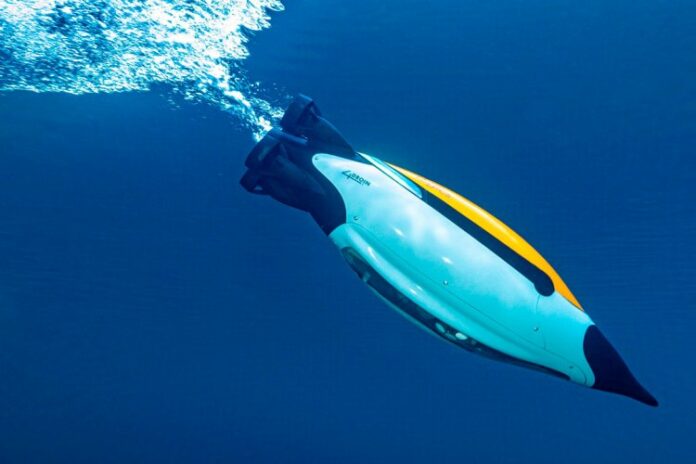
Originally introduced in May 2021, the Quadroin vehicle garnered attention for its distinctive, penguin-like design. Engineered for monitoring and surveying, the fast and maneuverable Quadroin leverages EvoLogics’ expertise in low-drag bionic design.

Dr. Rudolf Bannasch, EvoLogics founder, delved into years of research on penguin locomotion, resulting in the AUV’s remarkable hydrodynamic properties. With its low-drag shape, the Quadroin achieves speeds of up to 10 knots, minimizing energy consumption and enabling versatile deployments.

The initial series of Quadroin prototypes, developed in collaboration with Hereon for the Helmholtz Association’s MOSES initiative, focuses on monitoring ocean eddies. These vehicles are equipped with sensors for collecting geo-referenced data on various physical water parameters, including temperature, pressure, oxygen, conductivity, and fluorescence, at different depth levels.

The new generation Quadroin now carries an expanded instrument payload. The side-scan sonar enables acoustic seafloor imaging. Additionally, two full-HD underwater cameras—one forward-facing at a 45-degree angle and one downward-facing—equipped with dimmable LED lights, provide a visual identification of the vehicle’s surroundings.

The newly integrated EvoLogics AI-powered object recognition module allows detecting objects in the side-scan sonar and video feeds live during the mission with processing carried out onboard the vehicle. It also enables automatic collision avoidance through a front-looking sonar system. 

The hardware and propulsion systems were redesigned with next-generation components for optimal performance. The Quadroin now features a Nortek Nucleus1000 integrated subsea navigation package that couples Nortek’s DVL technology with additional position-aiding sensors for reliable vehicle control.

The hardware and propulsion systems were redesigned with next-generation components for optimal performance. The Quadroin now features a Nortek Nucleus1000 integrated subsea navigation package that couples Nortek’s DVL technology with additional position-aiding sensors for reliable vehicle control.

Scientists raise the alarm: Too many harbor porpoises die each year in fishing nets

0

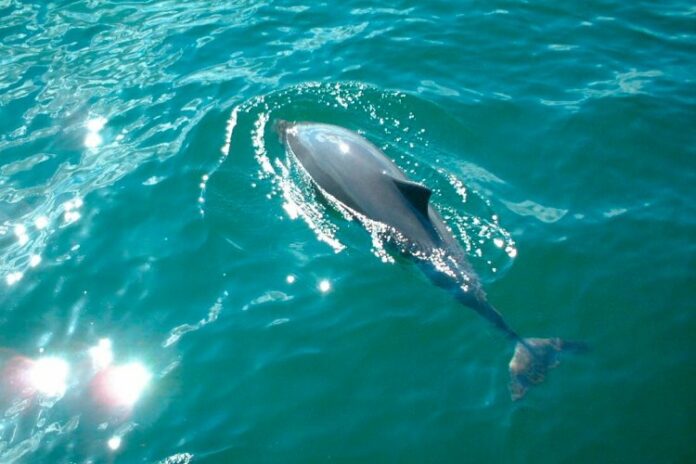
Researchers from Denmark, Germany, and Sweden are sounding the alarm. In a recently published research paper, they highlight the challenges faced by harbor porpoises in Danish coastal waters and in the western part of the Baltic.

The findings are published in the journal Frontiers in Marine Science.

The harbor porpoises in that area are considered part of a single population, referred to by scientists as the Belt Sea population. Unfortunately, the number of harbor porpoises in this population has significantly declined. In 2012 and 2016, there were approximately 40,000 individuals, but by 2022, only 14,000 remained.

And it’s not getting better, explains Signe Sveegaard, Senior Advisor and Head of Section of marine mammal research at the Department of Ecoscience at Aarhus University. She’s also one of the researchers behind the new results.

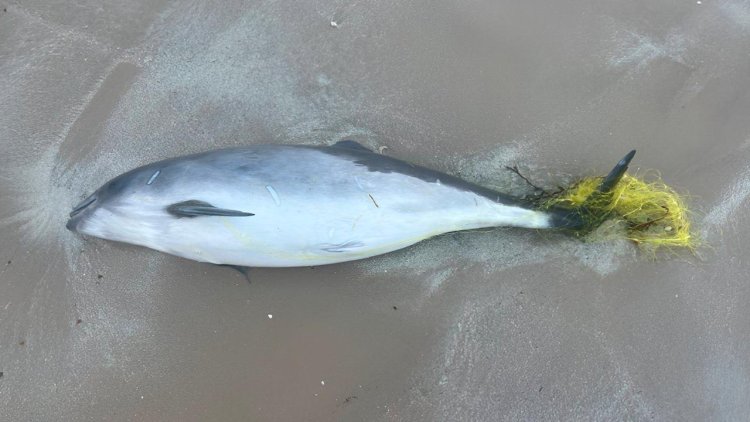
“The population shrinks by 2.7 percent annually, which is concerning for the harbor porpoises. Multiple factors contribute to this decline. By-catch due to net fishing, where porpoises become entangled and drown, is a significant issue. Additionally, deoxygenation, pollution, and a lack of fish play a role,” she says.

“Improving the polluted marine environment and fish availability will take many years. However, an immediate solution lies in limiting net usage in commercial fishing or mandating the use of acoustic alarms on all nets.”

Counting porpoises from the air

Since 2005, researchers have conducted continuous counts of harbor porpoises. They divide the ocean into smaller segments and systematically fly over these areas, scouting for porpoises on the surface.

“We count all the porpoises we can spot in the ocean. From other studies, we know that harbor porpoises stay at the surface approximately 10 percent of the time. By multiplying the number of spotted porpoises in the area and adding the multiplied numbers for all the studied areas up, we estimate the whole population,” says Sveegaard.

“It’s the best way of counting harbor porpoises, but the method is still fraught with uncertainty. That aside, we do have comparable data from 2005 till today, which means we can calculate a trend. And the trend is quite clear: The harbor porpoise is in decline.”

As a matter of fact, the harbor porpoises fared better from 2011 until 2016. In those years, the population was growing, but after 2016, the trend was broken. Now, the researchers observe fewer harbor porpoises than in 2005 when they started counting.

Harbor porpoises in the Belt Sea

Today, around 14,000 harbor porpoises live in the Belt Sea, a coastal area divided by Denmark, Sweden, and Germany.

The harbor porpoises in the area are considered one population, even though some of them live hundreds of miles apart. They are genetically different from the populations in the North Sea and the Baltic Sea.

Harbor porpoises migrate to find food. This means that the harbor porpoises are not evenly distributed in the Belt Sea but crowd together in areas that have an abundance of food. They are mainly found in the Femern Belt, the northern part of Øresund, Storebælt, Lillebælt, and in Kattegat along the Swedish west coast.
Researchers worried about the fishing industry

Even though the fishing industry isn’t the only thing affecting the harbor porpoises, the researchers are especially focused on the threat that commercial fishing poses.

“We mention the fishing industry and by-catch specifically because it’s the only way to make a change here and now. If the politicians decide to limit net fishing, it will quickly reduce the by-catch of harbor porpoises and give the population time to heal,” says Sveegaard.

She’s worried about the political debate about commercial fishing right now because the focus is on limiting the use of bottom trawl.

“Right now, they debate whether the use of bottom trawl is to be limited. Studies clearly show that bottom trawl is very harmful to ecosystems in the sea and thereby affects the availability of food for harbor porpoises. That said, I’m worried about limiting the use of bottom trawl because the fishing industry most likely will use more nets instead. If that happens, it will probably lead to even more by-catch of harbor porpoises.”

Young porpoises caught in the net

While populations of herring and codfish, which lay millions of eggs, are able to bounce back quickly, harbor porpoises only have one calf a year. That means it takes many years for a harbor porpoise population to grow and stabilize, Sveegaard explains.

Right now, the harbor porpoise population is under pressure because the calves are the ones who usually get caught in the nets of fishing vessels.

“The harbor porpoises reach maturity when they are about four years old, but they leave their mother after only one year. For three years, they swim around the ocean all on their own, not being able to reproduce. They are inexperienced and are much more likely to get caught in a net than adult harbor porpoises. That is a huge problem because the new generations don’t survive long enough to have kids. In time, it could make the whole population collapse.”

Cousins in the North Sea fare better

While the harbor porpoises in the Belt Sea are declining, it looks quite different for the porpoises in the North Sea. Here, the population has been stable for many years. From 1994 to 2022, the population stayed between 300,000 and 400,000.

“The harbor porpoises of the North Sea fare better. It’s probably because they have more space to move around and follow the shoals of fish. And they have moved. When we started counting them, they were mostly living in the northern part of the North Sea. Today, many of them have gone south past Dogger Bank towards the English Channel,” Sveegaard says.

In the Belt Sea, the harbor porpoises can’t move around in the same way as their cousins in the North Sea. The area is much smaller, and furthermore, they are specialized in catching fish in shallow waters.

“We know from studies of the skulls of harbor porpoises that the populations are quite different from each other. The population in the Belt Sea has a downturned beak, whereas in the North Sea, the beaks are more horizontal. It’s probably because the population in the North Sea are specialized in catching fish directly from the water column. In the Belt Sea, the porpoises have instead specialized in catching bottom-dwelling fish.”

Because the harbor porpoises of the North Sea have adapted to a different environment, it’s unlikely that they will be able to repopulate the Belt Sea if the population here disappears. That’s why it’s extremely important to protect the harbor porpoises where they live, she explains.

“If the harbor porpoises of the Belt Sea disappear, they might never come back. Therefore, we need to do something now to protect and stabilize the population.”

Georgia allots $6M to Brunswick harbor improvements

0

Governor Brian Kemp signed the funding bill into law on February 29.

“I was proud to sign the FY2024 amended budget with key investments in areas like public safety, education, and workforce development,” said Gov. Brian Kemp. “Reflecting our shared commitment to making Georgia the best state to live, work, and raise a family, I’m especially pleased this budget included record funding for infrastructure projects like the Brunswick Harbor, which plays a vital role in Georgia’s thriving economy.”

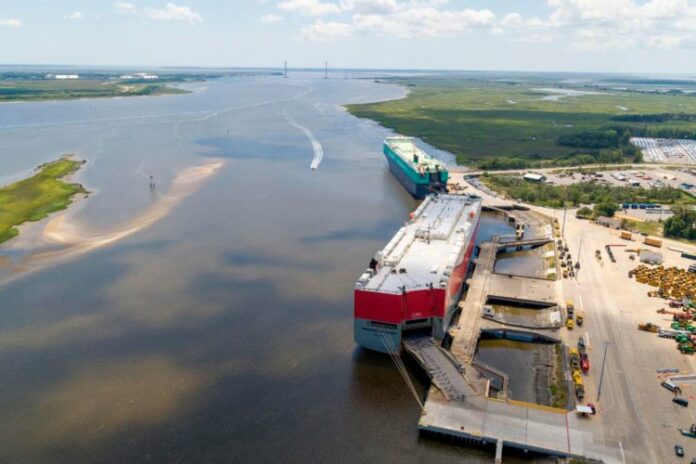
The U.S. Army Corps of Engineers’ recommended harbor improvement plan includes a bend widener, expansion of the turning basin (where ships are turned bow-downriver before docking at Colonel’s Island), and an expanded meeting area at St. Simons Sound.

“I want to thank our state lawmakers, members of Congress and Gov. Kemp for their continued support of our port operations in Brunswick and Savannah,” said Georgia Ports Authority Board Chairman Kent Fountain. “These funds, as well as expected federal dollars, will enable GPA to more effectively support the businesses and jobs that rely on Brunswick for efficient connections to global markets.”

The state allocation for the harbor is a pass-through to the Corps of Engineers to pay for the non-federal share of the project. The entire cost is expected to be $17.45 million, with a federal share of $11.35 million, or 65 percent.

“For the past four years, we’ve seen an increasing number of vessel calls at the Port of Brunswick, and the car carriers serving Colonel’s Island have expanded in size to 7,000-vehicle capacity,” said GPA President and CEO Griff Lynch. “An improved channel will better accommodate growing business demand, and perfectly complements the terminal improvements we’re making in Brunswick.”

Lynch said the next step is for GPA to sign a project partnership agreement with the Corps of Engineers laying out state and federal responsibilities related to the Brunswick Harbor improvements.

The project will benefit the auto carriers calling on Colonel’s Island as well as bulk and breakbulk vessels carrying commodities such as forest products and raw rubber.

The Georgia Ports Authority is investing more than $260 million in Brunswick infrastructure. 

Recently completed projects at the Colonel’s Island auto port include:

  • 350,000 square feet of on-dock warehousing.
  • 100,000 square feet of warehousing on the south end of Colonel’s Island.
  • 80 additional acres for Roll-on/Roll-off storage.

Still under construction on Colonel’s Island are additional buildings totaling 182,000 square feet and another 42 acres of Roll-on/Roll-off cargo storage. The landside projects, paid for via port proceeds, will increase the terminal’s capacity to complete on-site processing for autos and machinery.

MacGregor receives an order for cranes to be installed onboard a cable layer

0

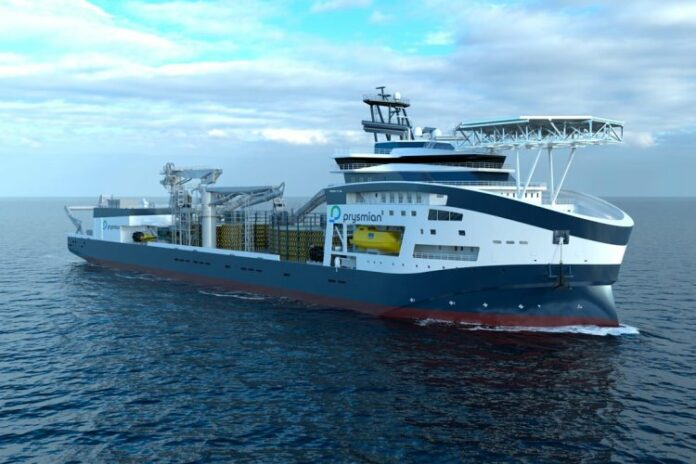
MacGregor has received a large order for three cranes that will be installed onboard a state-of-the-art cable layer due delivery from global shipbuilder VARD.

The contract has been booked into Cargotec’s first quarter 2024 order intake, with crane supply scheduled for the third quarter of 2025.

MacGregor will deliver a 100-tonne active heave-compensated (AHC) crane, a 20T Offshore crane and a 3T deck crane to Prysmian, to equip the Italian owner’s third NB970 cable laying vessel from VARD.

In addition, MacGregor has been contracted to supply its OnWatch solution, including 24/7 technical service support worldwide.

Developed for advanced subsea operations, the 191-metre long Prysmian cable layer will be capable of complex installation works, including simultaneous lay and burial with heavy-duty ploughs. It is equipped with cutting-edge DP3 positioning and seakeeping systems. At 19,000 tonnes, the vessel will take its place among the highest cable loading capacity ships in the market.

Pasi Lehtonen, Senior Vice President, Offshore Solutions, said:

“This is a significant order for MacGregor’s offshore handling business, and we are pleased to supply VARD with yet another package of our high performance cranes. The market continues to respond well to our unique and modern designs, which combine resilience in service and lightweight round-shaped jibs.”

MacGregor’s wide range of well proven AHC cranes, including its subsea cranes, offer accurate lifts in all conditions, including extreme environments with temperatures from plus to minus 40°C. They can be delivered with hydraulic or electric winch drives.

The initial phase of construction on the new vessel will take place at Vard Shipyards Romania – Tulcea, with completion in Norway and handover to the owner due by the beginning of 2027.

Saildrone launches first production Surveyor off the manufacturing line at Austal USA

0

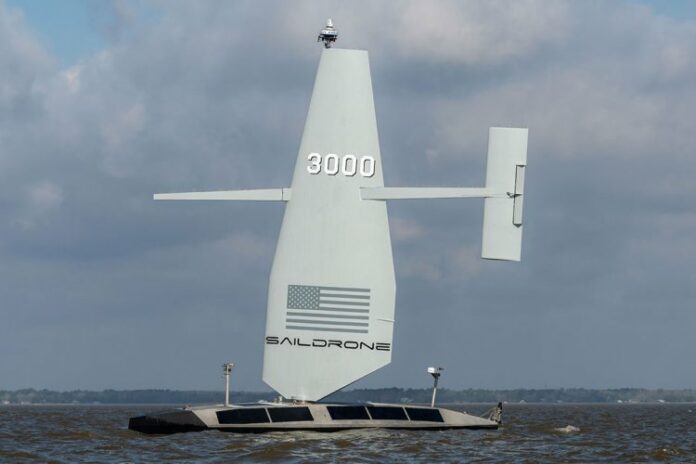
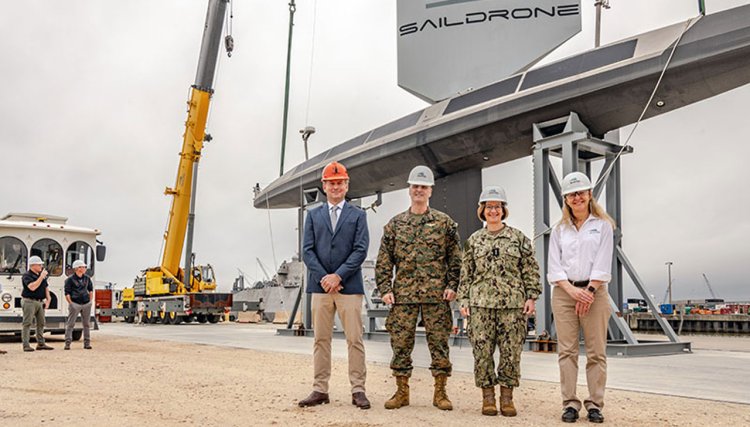
Saildrone has launched the first aluminum Surveyor unmanned surface vehicle (USV) off the Austal USA production line in Mobile, AL. Chief of Naval Operations (CNO) Adm. Lisa Franchetti was on site Monday to inspect the vehicle, ahead of these new USVs being tested under contract to the US Navy. 

Primarily designed for ocean mapping and maritime domain awareness, the Saildrone Surveyor USV is powered by wind, solar, and a diesel generator for long-range, long-endurance missions in the open ocean.

The Surveyor carries the latest multibeam sonar equipment for seafloor mapping to depths of 11,000 meters (36,000 feet) and purpose-built defense and security payloads for accurate, dynamic, and confident decisions and responses to the full spectrum of maritime threats and challenges. Upcoming Navy missions will focus on the ability of the Surveyor to deliver both surface and undersea intelligence for a range of high-priority applications, including anti-submarine warfare (ASW).

To meet the increasing demand for Surveyor USVs, Saildrone partnered with Austal USA to leverage their advanced manufacturing production techniques and rapid assembly capabilities. Austal is currently producing one Surveyor every six weeks, with the ability to scale up production as demand requires.

“It is tremendous to see the first vehicle launched of many that will be produced here in Alabama,” said Saildrone founder and CEO Richard Jenkins. “We are honored to have Admiral Franchetti here in person to witness the start of the creation of a new fleet of USVs alongside traditional manned ships. Everyone at Saildrone is very proud to be supporting the US Navy and contributing to our defense and national security.”

At 20 meters long (65 feet) and weighing 15 tons, the Surveyor classifies as a medium USV, built to American Bureau of Shipping (ABS) Light Warship code. These first Surveyors are contracted to the US Navy for the initial testing and evaluation of Surveyor-class vehicles in multiple environments.

“Using unmanned assets helps put more players on the field by freeing up manned assets for more specific and important tasks,” said Franchetti. “It’s good to see high tech industry partnering with the traditional shipbuilding industrial base to rapidly deliver cutting-edge products at scale.”

Franchetti was joined on the tour by Assistant Commandant of the Marine Corps (ACMC) Gen. Christopher J. Mahoney, Sen. Roger Wicker (R-MS), ranking member of the Senate Armed Services Committee, and Rep. Jerry Carl (R-AL).

Export of Dutch submarines thanks to Swedish-Dutch cooperation Saab-Damen

0

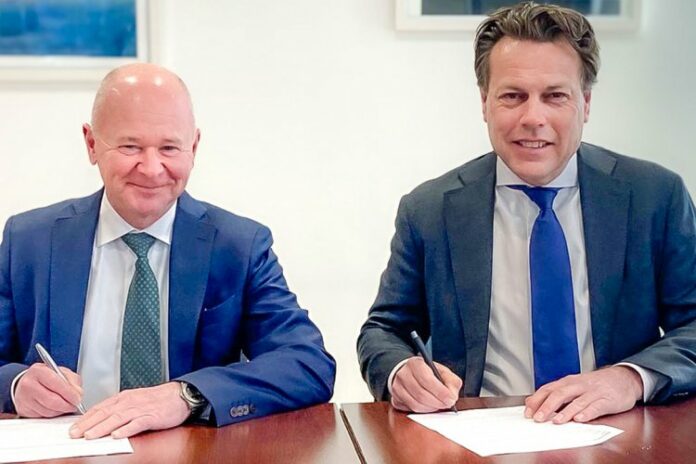
CEO of Damen Shipyards Arnout Damen and CEO of Saab Micael Johansson made the decision this week to export together the submarine, which has been developed for the Royal Netherlands Navy to replace the current Walrus class. The agreement doubles the long-term prospect of employment and income for the Netherlands Naval Cluster with the replacement of the Walrus submarines by Saab-Damen. 

Saab and Damen have been working together since 2015 to build, modernise, and maintain the new expeditionary submarine for the Royal Netherlands Navy. This project is so much more than delivering four submarines. Dutch strategic autonomy is, given the geopolitical developments at the moment, vital in strategic projects like the submarine replacement, with the Dutch Naval base being the single remaining self-sufficient defence industry cluster in the Netherlands DTIB.   

The two companies have now also agreed to offer their advanced Expeditionary submarines to Canada. A country in the initial phase of a similar process to replace their diesel-electric submarines.

This offers the Netherland government a strategic best choice in line with its Defence industry Strategy 2018, several Parliamentary Letters on this topic and the important National Sector Agenda for the Maritime Industry. 

The expeditionary submarine is based on the successful, proven, and future-proof design of the A26 submarines. It incorporates the latest capabilities and technologies, while the modular design allows room for customisability as well as new technologies as they develop, ensuring relevance for decades to come.

Through Saab’s business area Kockums, Sweden has a long tradition of producing world-class submarines. For this new expeditionary design, Saab is working closely with Damen Shipyards and a range of Dutch suppliers and is supported by the United Kingdom. Four countries currently operate submarines and submarine technology designed by Saab: Sweden, Australia, Japan, and Singapore.

LR to redeliver first LNGC to FSRU conversion for CPP, COSCO and CYGAS

0

Lloyd’s Register (LR), China Petroleum Pipeline Engineering (CPP), COSCO Shipping and CyGas are currently working together on a project to convert the LNG carrier SS Galea to a Floating Storage and Regasification Unit (FSRU), to be named Etyfa Prometheas. 

The vessel is currently undergoing the final stages of conversion at the COSCO Shanghai yard before sailing.

The FSRU is owned by CPP and will be operated by CyGas, which is responsible for the import, storage, distribution, transmission, supply, trade and management of natural gas in Cyprus, at the port of Vassilikos. The terminal infrastructure at Vassilikos is in its final stages of construction and is set to be connected to the FSRU within the next three to six months.

FSRUs and floating terminals are playing an increasing role in energy security and infrastructure, with assets being either constructed via new designs or converted from existing LNGCs. The units provide a viable alternative to meet the growing demand for liquefied gas storage and regasification and are significantly more affordable to operate than onshore plants.

As part of the conversion process, LR acted as a trusted adviser, project managing the conversion to ensure the FSRU meets all safety, quality and efficiency requirements. Moving forward LR will provide effective support throughout the vessel’s operational life.

Sau Weng, Lloyd’s Register Greater China President said:

“This is a significant conversion project and is the first of its kind to be performed by LR for COSCO Heavy Industry, in cooperation with the CPP and CyGas.  Conversions of LNG carriers to FSRUs are complex projects and the safe management of the project’s overall efficiency marks a milestone for all stakeholders involved, along with the increased gas supply chain infrastructure for the eastern Mediterranean.”

Høglund successfully completes complex retrofit project of Color Fantasy

0

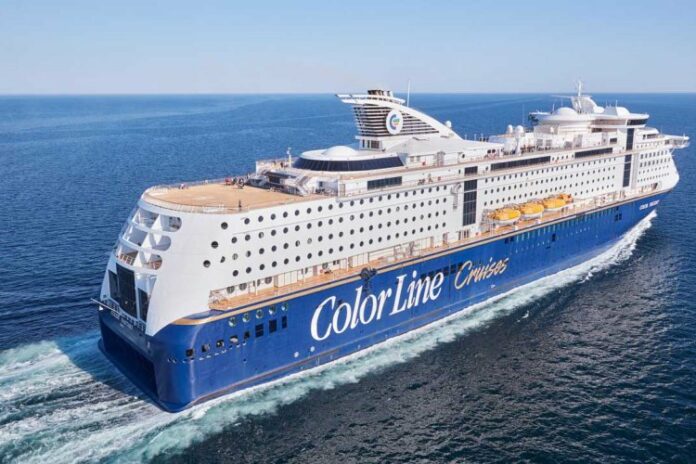
Høglund has successfully delivered an all-inclusive retrofit of Color Fantasy, the world’s largest cruise ship with a car deck (alongside its sister, Color Magic).

This project, carried out between January 8 and 30 at Fayard in Denmark, involved 25 Høglund experts at various stages, collaborating closely with the Polish partner Remontowa, who provided 12 electricians for cabling support.

The 22-day retrofit, a complex turnkey operation conducted while the vessel was dry-docked, included Høglund’s Alarm & Monitoring System, Automation & Control System, Power Management System (PMS), and Ship Performance Monitor (SPM), aiming to enhance the operational efficiency and safety of Color Fantasy.

Morten Madsen, Høglund Project Manager, said:

“This was a big project, one of the biggest we ever had. With 56 IO stations, it required extensive engineering, software development, planning, and documentation. I am proud of the team effort and the successful collaboration with Color Line, our partner Remontowa and especially the crew.”

Ståle Korsmo, Electrical Superintendent of Color Line Marine, expressed satisfaction with the partnership, stating:

“We are very happy with the outstanding work accomplished by Høglund. Høglund’s expertise has significantly contributed to the ship’s modernization.”

Color Fantasy, with a passenger capacity of 2,800 and a crew of 250, offers a wide range of amenities, including multiple restaurants, bars, a spa, a fitness center, and a casino.