-6.6 C
New York
Home Blog Page 194

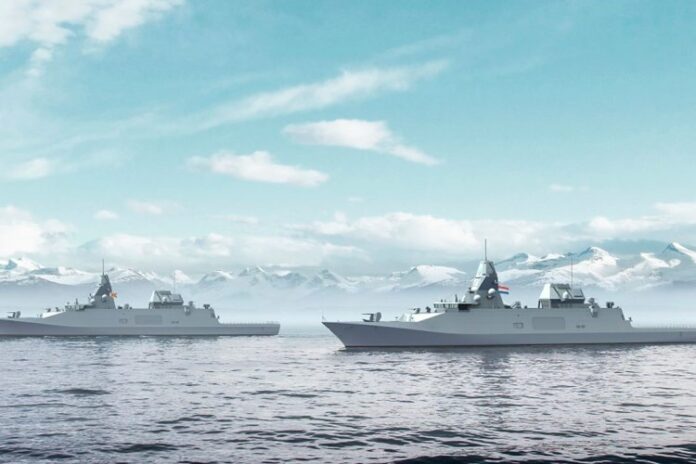
Damen Naval orders RENK gearboxes for Anti-Submarine Warfare frigates

0

The Dutch shipyard is building four new frigates, two each for the Royal Netherlands Navy and the Belgian navy. The contract includes eight gearboxes that are part of the CODLAD (COmbined Diesel-eLectric And Diesel) propulsion system. There is also a special Dutch connection as RENK’s subsidiary Schelde Gears B.V. will provide support in design and service activities.

Damen Naval and RENK have developed a propulsion system solution that meets the requirements of an Anti-Submarine Warfare frigate, focusing on quiet propulsion and high resilience to external impacts. 

“We have a long working relationship with RENK, and we are delighted to have them on board for this project as well,” says Project Director Joop Noordijk of Damen Naval. “The ASW frigates will be unrivalled in both design and capabilities, and we can’t wait to see them take shape in the coming years. We are steadily finding our suppliers and partners for this project, and we are particularly pleased that with Schelde Gears, this contract has a connection so close to home to us.” 

Damen Naval already uses RENK’s customised propulsion solutions for the German F126 multi-purpose combat frigates for the German Navy and the globally successful Sigma-class frigates. This contract adds the ASW frigates to the list. 

“This propulsion system sets a milestone in the naval segment, and this order fits seamlessly into the close co-operation between our two companies,” says Nils Oesterlen, Head of Marine at RENK. “Proven components from propulsion systems such as the German F125 and F126 frigates, the Italian FREMM or the Korean FFX-III class make the gearboxes the robust, easy-to-maintain and reliable centrepiece of the propulsion system.”

In addition, RENK will support the Dutch maritime industry with its Dutch subsidiary Schelde Gears B.V., which, like Damen Naval, is based in Vlissingen. The first gearboxes are due to arrive for installation in October 2025.The first of the ASW frigates is scheduled for delivery by Damen Naval in 2028.

Corvus Energy receives ClassNK type approval for marine ESS

0

Corvus Energy has announced that their Corvus Orca Energy Storage System has received Type Approval from the Japanese class society, ClassNK.  

“The pace of social change is accelerating, necessitating an increased effort to move forward with frontrunners to tackle these challenges. Issuing a type approval for ORCA Energy, which has significant accomplishments in this area, is expected to serve as a major milestone for increasing vessels equipped with lithium-ion storage systems. “says Mr. Masaki Matsunaga, Executive Vice President / Director of Plan Approval and Technical Solution Division, ClassNK, and continues “ClassNK will continue ensuring these technologies meet standards, supporting the maritime industry’s uptake of cleaner and more sustainable energy sources.”

This is the first-ever marine battery to get this type approval since the ClassNK rules for marine energy storage systems came into effect in January 2023.

With both energy and high power, the Orca ESS system is suitable for a variety of marine applications and vessel types.  No other marine energy storage system can compete with the installation count. To date more than 600 vessels and port applications have an Orca system installed worldwide This product has set a new industry standard in marine with the highest safety, reliability and performance of any system in the market.

“ClassNK is one of the largest classification societies and certainly the largest in Asia. Getting this approval is an important milestone and is yet another proof of the quality and safety of the system. As ClassNK registers approx. 20% of the world merchant fleet in terms of gross tonnage, it´s important for Corvus Energy to ensure easy implementation of our products on board vessels classed by ClassNK,” states Kolbjørn Berge, SVP Global Regulator.

“To have the Japanese type approval in place is an important milestone for Corvus. Thanks to open communication and close cooperation with ClassNK, this is now in place and we can offer ClassNK certified products to our customers,” says Birger Myklebust, General Manager Sumisho Corvus Energy

In addition to ClassNK, Corvus Orca Energy Storage System already holds certification from DNV, ABS, Rina, BV and KR.

New global maritime recruitment platform up and running after extensive testing

0

Seafarers can easily enter all their certificates and working experience to automatically create a resumé that helps them find jobs that fit their experience.

Deckhands, engineers, navigators, technicians and officers in the maritime and offshore industries perform their profession at a variety of vessels and locations throughout their career. Maritime and offshore crew needs to go through application processes with every new job. Regulations demand specific competences and certificates for tasks on board. Before a seafarer or offshore technician can start a new job, many certificates need to be verified by the employer. Rotterdam-based, globally operating digital tech company Crewlinker aims to take the ‘hassle’ out of this process. 

Crew can upload all their certificates easily; employers can search for the crew they need with all the required competences visible on the platform. The intelligent application provides matching profiles within seconds. Also, many seafarers are not fully proficient in formal English, even while they are fully competent and certified for specific jobs. The platform’s format largely takes away this threshold.

“We noticed several problems and complexities with recruiting processes in the maritime industry,” founder and CEO Adam van der Veer of Crewlinker explains. “Employers need to verify that the crew they want to hire, has all the required certificates. After a first contact with a candidate has been established, a large number of emails are exchanged between the crewing agency and the candidate, with all of the stakeholders that need to stay informed about the application receiving copies, too. This makes the process very sluggish and increases the risk of missing required certificates. We provide a platform where seafarers can easily gather and hold all their documentation. Therefore it is really easy for employers to verify if candidates have all the required certificates and documents. This is to the benefit of both the recruiters as well as the seafarers and offshore technicians.”

Crewlinker utilises A.I. to find matches with search queries from employers. Understanding the different types of certificates worldwide and remembering the type of crew that an employer is looking for, the software improves on selecting the best matches. Additionally, Crewlinker is currently developing an extra A.I. functionality that can recognise and interpret photos from paper certificates in all the different languages and as they are issued by institutes around the world. This helps recruiters to automatically validate if a certificate fits their requirements. The A.I. functionality recognizes the type of certificate, the date of issue, and expiry date, saving time and further automating the application process.

For seafarers, making their profile page on Crewlinker is free. Crewing agencies, offshore operators, construction companies, dredging companies, or ship owners can subscribe to search the database for competent crew and to post their vacancies. 

Van der Veer concludes: “When creating a profile on Crewlinker, the level of completeness is shown; the applicant can continue to add relevant information over time, providing employers with an instant overview of the needed requirements. The set-up of the platform is rooted in our wish to make the global maritime labour market much more efficient and our belief that all maritime crew should have an equal chance.” 

Equinor: Reducing emissions from Sleipner and Gudrun

0

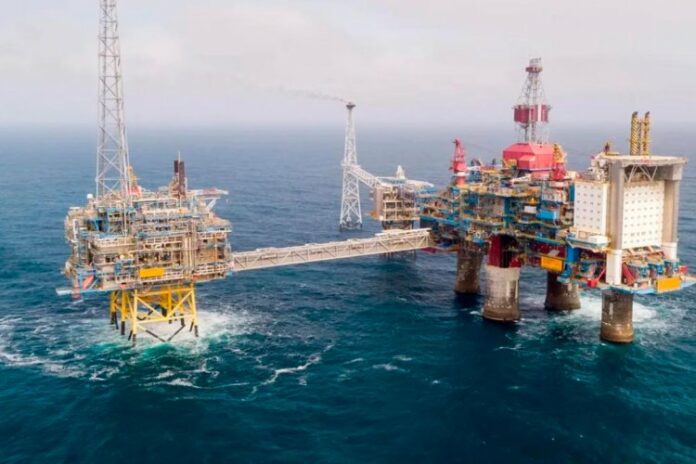
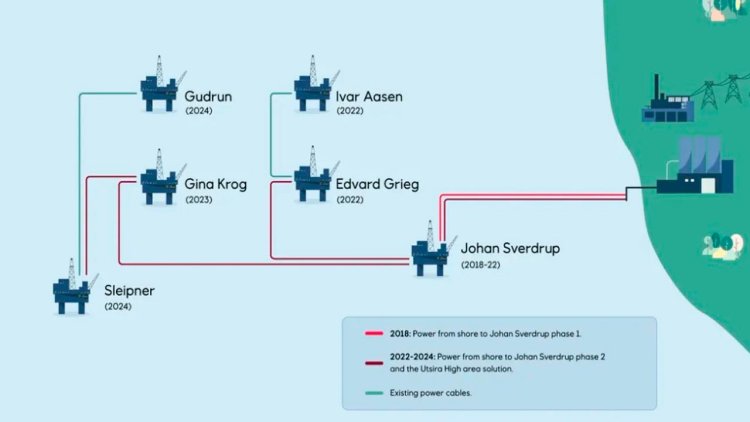
The Sleipner field centre, along with the Gudrun platform and other associated fields, is now partly operating on power from shore. This will reduce annual emissions from the Norwegian continental shelf (NCS) by 160,000 tonnes of CO2.

All installations on the Utsira High are now receiving power from shore, saving emissions amounting to about 1.2 million tonnes of CO₂ per year. The electrification of the installations on the Utsira High is in line with the plan for development and operation (PDO) for Johan Sverdrup phase 2, which was approved by the Norwegian parliament in 2019.

“Electrification is the most effective tool in our toolbox in our quest to achieve the national target of halving greenhouse gas emissions from Norwegian oil and gas production by 2030,” says Geir Tungesvik, executive vice president for Projects, Drilling & Procurement.

One of two operative gas turbines on the Sleipner A platform will gradually be shut down as a relevant systems transition to using power from shore. The other gas turbine will stand by as a back-up power source during a run-in phase. In the longer run, Sleipner will have the opportunity to fully operate on power from shore.

The Sleipner field centre has been supplied with onshore power via a cable from the Gina Krog platform since 24 March 2024. Starting on the same date, the Gudrun platform was connected to electricity through the existing cable to Sleipner.

“The Sleipner area has delivered vast volumes of energy, created long-term ripple effects and contributed substantial values to the Norwegian society. With power from shore, we can develop new discoveries and resources from low-emission production, and gas export from the area can be maintained for a long time to come,” says Kjetil Hove, executive vice president for Exploration & Production Norway.

The Sleipner fields are among the largest gas producers in the North Sea and serve as a hub for gas transport to Europe. Norwegian gas plays an important role in the EU’s energy transition. Now, also the gas that would otherwise be burnt on the installations can be utilised more effectively in Europe.

“The electrification of the Sleipner field centre has created important jobs and ripple effects for the Norwegian supply industry. I’m also very pleased with that we, our partners, and suppliers, have succeeded in implementing the project safely, with zero HSE incidents,” Tungesvik says.

Overall investments in the project total NOK 1.08 billion.

In 2020, the Sleipner partnership exercised an option with Aibel for an EPCIC contract (engineering, procurement, construction, installation and commissioning) for the modification work on the Sleipner field centre. NKT was awarded the contract to manufacture and lay the power cables.

The EPCIC contract has a value of about NOK 700 million and has contributed to 250 full-time equivalents at Aibel’s Stavanger office, offshore and at the shipyard in Haugesund. ABB has carried out substantial work as a sub-contractor within installation of high-voltage equipment and updating the power control system.

Owners of cargo ship behind Baltimore bridge collapse: don’t blame us

0

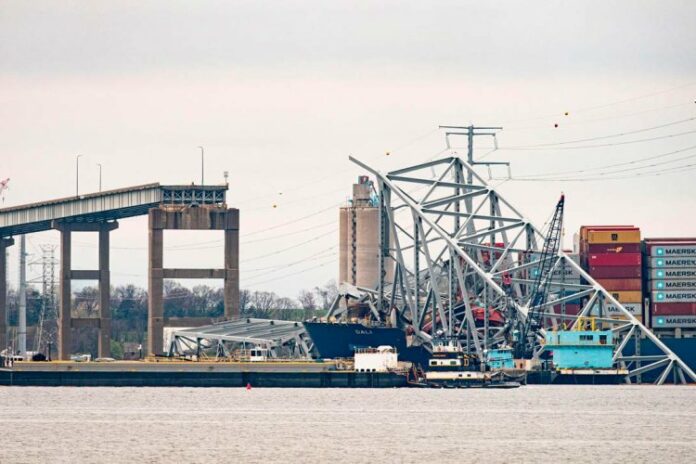
Last week, a cargo ship temporarily lost power and spun out of control, causing it to slam into the Francis Scott Key Bridge near Baltimore. The bridge collapsed, sending two construction workers to their deaths. Two other construction workers were injured, and four others are currently unaccounted for and are presumed dead.

In addition to the tragic toll on human life, the collapse of the bridge has also spurred untold financial damages. Some estimates put the costs for rebuilding the bridge as high as $800 million and others project that insurance claims for the episode could soar to $4 billion. The federal government has, so far, doled out $60 million in emergency funds to help with the clean-up efforts, but the race is otherwise on to see who will pay for the gargantuan mess.

Well, there’s someone who definitely doesn’t want to pay for it—and that’s the companies that own and operate the ship that caused the bridge to collapse.

This week, Grace Ocean Private Limited and Synergy Marine PTE LTD, the two firms that own and operate the ship, issued a court filing to limit their liability in the matter. In their joint legal petition, the companies claim that the bridge collapse “was not due to any fault, neglect, or want of care on the part of Petitioners, the Vessel, or any persons or entities for whose acts Petitioners may be responsible.”

Naturally, in cases like this, it isn’t out of the question for people or companies to get sued. The companies in question are clearly trying to get ahead of that whole process and limit the degree to which that can happen. Their legal argument relates to a 19th-century maritime law that could allow them to limit the amount of liability to the value of the vessel that caused the accident. That vessel—the cargo ship Dali—is currently worth around $42,500,000, as of the “termination of the voyage,” the filing notes. The filing also estimates that the current projected costs for fixing and salvaging the ship are tens of millions of dollars.

The Associated Press notes that this kind of legal petition is actually a “routine but important procedure for cases litigated under U.S. maritime law” and is not uncommon when it comes to accidents like this. Still, it’ll be up to a court to decide whether to buy that argument or not. Given that there is a literal video of the ship slamming into the bridge, it would seem difficult to argue that no responsibility exists, but I am not a lawyer.

It was revealed last week that the Dali had previously been involved in another crash. The exact reason for the ship’s power failure has not yet been made clear at this time and investigators are currently looking into possible causes.

Source: Gizmodo

Port of Aberdeen advances in strategic investment model for offshore wind

0

Port of Aberdeen is a step closer to becoming a strategic hub for floating offshore wind, with its proposed South Harbour upgrade project progressing to Stage 2 ‘priority’ status in the Scottish Offshore Wind Energy Council’s (SOWEC) Strategic Investment Model (SIM).

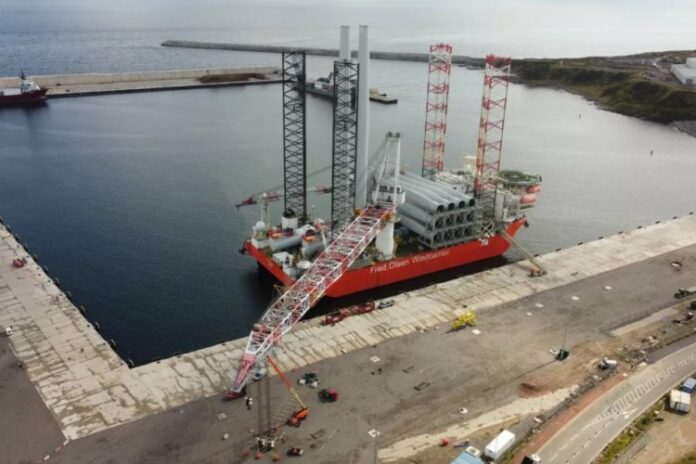
The significant upgrade involves a capital dredge project to deepen 750m of quayside to -14.5m chart datum, providing suitable depth for the majority of ScotWind and INTOG project turbine designs. Combined with South Harbour’s expansive laydown area and ultra heavy-lift capacity, the facility will support turbine integrations and foundation assemblies. Looking further ahead, it also positions the port to handle major component exchanges with tow-in, tow-out operations.

As Scotland’s largest berthage port, offering 7,600m of quayside across its North and South Harbours, Port of Aberdeen has the potential to become the largest operations and maintenance base for offshore wind.

Last year alone, the port handled more than 700 vessels associated with offshore wind projects, highlighting the increasing demand from both existing and planned Scottish offshore wind developments.

Strategically located within 100 nautical miles of 75% of the ScotWind licences, Port of Aberdeen is at the heart of a growing renewable energy cluster. The port is the marine gateway for Energy Transition Zone Ltd and closely located to Offshore Renewable Energy Catapult’s world-first Floating Offshore Wind Innovation Centre. 

Bob Sanguinetti, CEO, Port of Aberdeen, said:

“SOWEC’s prioritisation of the South Harbour upgrade is a significant vote of confidence from both the Scottish Government and industry in our £420 million expansion. Upgrading South Harbour for floating offshore wind will ensure the unrivalled energy supply chain in Aberdeen and wider North East of Scotland can maximise the opportunities presented by ScotWind and INTOG. 

“We’ll continue to make the case to the Scottish Government, UK Government, and industry that this is an opportunity that cannot be missed.” 

Ocean forests: How ‘floating’ mangroves could provide a broad range of ecological and social benefits

0

The 2022 report “The State of the World’s Mangroves” estimates that since 1996, 5,245 square kilometers of mangroves have been lost due to human activities such as agriculture, logging, tourism development, coastal aquaculture and climate change, and that only 147,000 km2 remain.

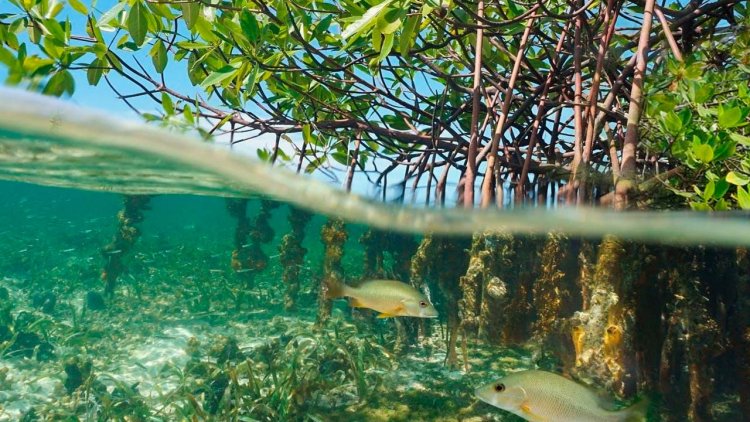
It is a well-known fact that mangrove forests are among the most productive marine ecosystems in the world, located at the very start of the marine food web (the productivity of biomass by plants is called primary productivity). They serve as a natural nursery for fish and also provide protection against coastal erosion.

One of the primary causes of mangrove forests’ decline is illegal logging for timber and charcoal production, which had caused thousands of square kilometers of mangroves to disappear. This process needs to not just be stopped, but also reversed, and urgently. All mangrove forests need to be conserved and restored if we are to achieve the United Nations’ Sustainable Development Goals, in particular SDG 14, life below water; SDG 15, life on land; and SDG 7, affordable and clean energy, in the context of accelerating climate change.

At the same time, wood offers a renewable alternative to fossil fuels such as coal, oil and gas, which are the leading drivers of climate change. Wood is also a safe raw material, as it’s fully recyclable. So how can we balance these two urgent needs?

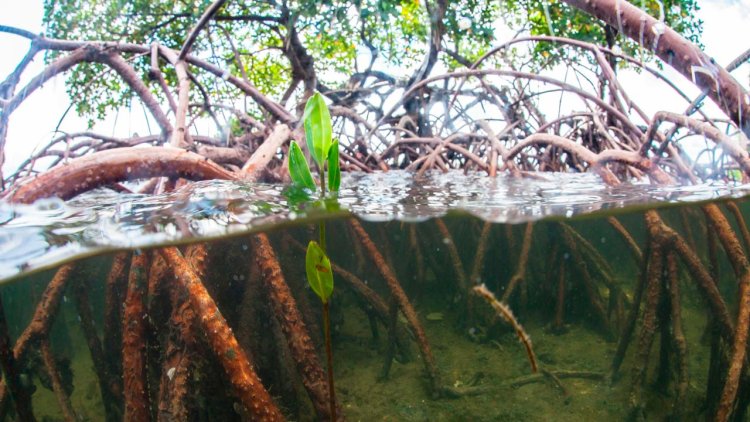
One idea being tested is the feasibility of forests floating on the ocean.
Floating forests

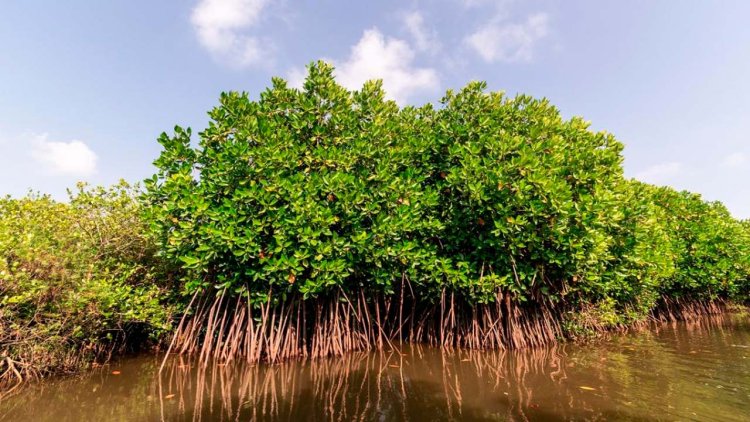
In the natural environment, mangroves are restricted to tropical and some sub-tropical inter-tidal zones, with minimal wave exposure: at low tide, they’re exposed to oxygen, and at high tide, they get moisture from the sea. They do not grow on dry land, nor in areas that are permanently covered by ocean water. These restrictions leave just a narrow ecological niche where they can thrive.

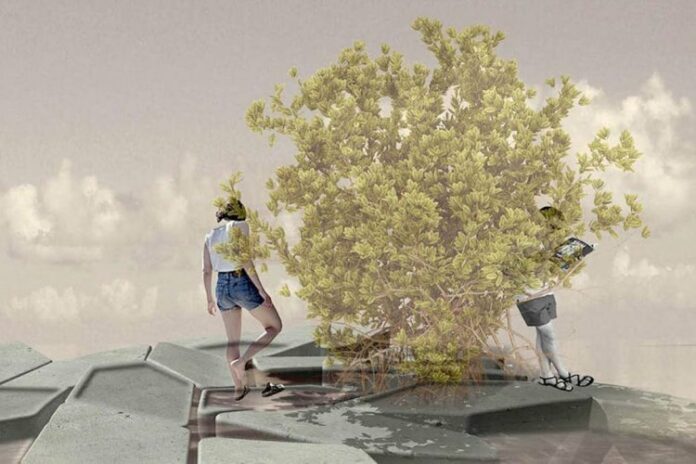
But what if mangroves could float? If so, the narrow range that is now suitable for them could be significantly widened to include vast stretches of ocean surface.

Were it possible, to have mangroves grow on the oceans, floating on top, then they could theoretically sequester large amounts of carbon while also help rebuilding food, fisheries, and restore natural blue carbon ecosystems. Compared with terrestrial forests, they could have large and long-lasting carbon-sequestration capacities.

In a natural environment, some mangrove-species require regular exposure to both fresh water and salt water. However, species such as Avicennia marina and Rhizophora mucronata can tolerate full-strength seawater during their entire life cycle. In a 2014 study, “Floating mangroves: The solution to reduce atmospheric carbon levels and land-based marine pollution?”, we provided evidence that they could be grown on top of the ocean, without the need for fresh-water irrigation, pumping or drainage, all of which would consume energy.

Floating mangroves have been tested at an experimental site, for the sake of greening a floating boat jetty. To better understand their larger-scale development, we need to find out more about energy, mooring, and transport requirements, financial feasibility and maintenance cost. Other important issues include the design of the structures on which the mangrove forests would grow and the materials used—recycled ocean plastic debris is one option.

Data are expected to be provided by the University of New South Wales, in an upcoming study that will be carried out in the Pacific Ocean.

Floating mangrove plantations wouldn’t replace shoreline forests, but would serve to reduce resource pressures on them. Coastal management that integrates floating plantations with shore-based mangroves would strengthen ecosystem services. Further, design and location of the “pontoons”—the containers on which the mangroves grow and float—would offer additional wave attenuation and a measure of coastal protection.
Clean energy, sequestered carbon

Seawater-based trees could function as a new and clean source of energy, improve ecosystems services and livelihoods for coastal communities as decentralized energy supply as well as for the sequestration of atmospheric carbon. In addition to the 2014 study, additional research was carried out by Ashley (2019), and Kiran (2022).

The development of a prototype and further tests are necessary, jointly with some basic research, to develop this promising technology to obtain science-based data and knowledge before potentially developing this further for wider and possibly profitable applicability, that can be useful for the production of biofuel.

Discussions on the need for scientific research are ongoing between UNESCO, the UNSW in Sydney, the AIT in Bangkok, and Leibniz Centre for Tropical Marine Research (ZMT) in Bremen, to demonstrate that this new system for the production of seawater-based trees, can function as a new and clean source of energy, improve ecosystems services and livelihoods for coastal communities, as well as for the sequestration of atmospheric carbon.
More data needed

A key question for the realization of the floating mangrove concept is how much biomass could be produced and used in the form of wood energy? Global needs are growing, as highlighted by a presentation given in January 2023 Blue Carbon Forum in Yokohama, Japan. In 2021, the global wood chips market stood at $8.8 billion and is expected to grow to $13.1 billion by 2027. Over the same period, the global charcoal market will grow from $5 billion to around $7 billion by 2027.

It’s also essential to know how much carbon could be sequestered. Other important questions include investment costs, design, materials, protection against high-energy waves and wind, as well as potential profitability. There is strong evidence that this innovative system would work, however, further development is merited to find robust answers to these and other questions.

Source: The Conversation 

ITCOHU to explore potential of using Amogy ammonia cracking tech onboard its vessels

0

Amogy has announced the signing of a Memorandum of Understanding (MOU) with ITOCHU Corporation. This partnership is aimed at exploring the potential application of Amogy’s technology on ITOCHU’s maritime vessels.

Amogy has developed a modularized system that transforms liquid ammonia into electrical power. This innovative technology involves “cracking” liquid ammonia into its base elements of hydrogen and nitrogen. The hydrogen is then funneled into a fuel cell for efficient generation of electricity onboard a vessel. Together, Amogy and ITOCHU will investigate opportunities for deploying Amogy’s system on vessels owned, operated, or chartered by ITOCHU.

Both parties will work closely to identify suitable vessels, offer information for retrofitting existing vessels or designing new ones, and contribute technical expertise and project scoping. This partnership may also extend to other projects within the broader ammonia and hydrogen value chain, including initiatives such as ammonia bunkering projects, advisory services, equipment utilization, and collaborations in ammonia supply.

“We are excited to embark on this journey with ITOCHU Corporation,” says Seonghoon Woo, CEO at Amogy. “This collaboration marks a significant step towards exploring sustainable energy solutions for the maritime industry. Together, we aim to drive innovation and contribute to a greener future.”

“We are glad to collaborate with Amogy and expect Amogy’s solution to be an option for development of our integrated project for using ammonia as a marine fuel,” says Takeo Akamatsu, General Manager of Green Innovation Business Unit at ITOCHU.

New CEO in VARD

0

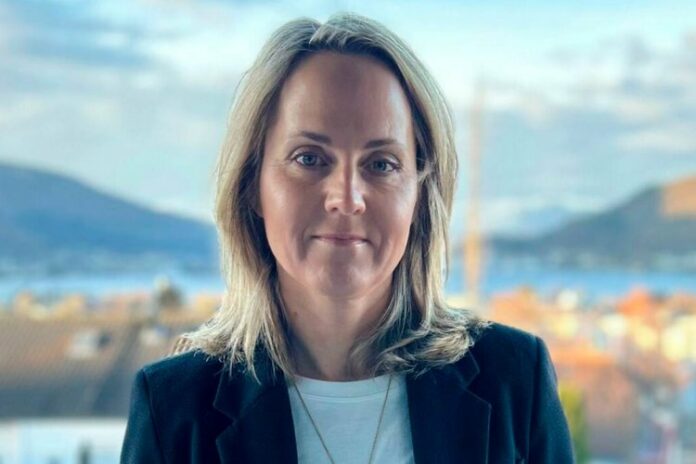
The current CEO, Alberto Maestrini will remain in his position as Chairman of the Board. He will continue to lead the Offshore and Special Vessels business in Fincantieri which VARD is part of and through this continue to support Vard’s integration in the Fincantieri Group.

The appointment of the new CEO is part of a long-term strategy to strengthen VARD as the leading world player in offshore and specialized vessels and a key business pillar within the Fincantieri Group.

Vard Group considers that Cathrine, a CEO with a strong link to the Norwegian business community and a solid international shipbuilding experience, has the necessary toolset to ensure continuity of performance and at the same time providing a boost for further growth.

“I am honored and proud to take over the responsibility as CEO and I am confident, that together with the competent and engaged colleagues in VARD, we will continue to grow as a trusted player in the shipbuilding industry and create long term value for the shareholder”, says Cathrine Marti.

Cathrine Marti comes from the position as CEO of Ulstein Group and has extensive industry experience from 25 years within maritime related industries.

“After some difficult years, Vard Group has finally reached a sound business position. Now, I am very happy to give the helm to Cathrine for the next phase of the journey, which I am sure will bring an even brighter future to VARD and Fincantieri”, says Alberto Maestrini.

Fincantieri and VARD wish to thank Alberto for the fantastic effort he has put in as CEO in VARD since 2020 and are looking forward to continuing to take advantage of his exceptional experience in the industry in the continuous collaboration.

Damen Shipyards and CMA CGM to cooperate on increasing container ship efficiency

0

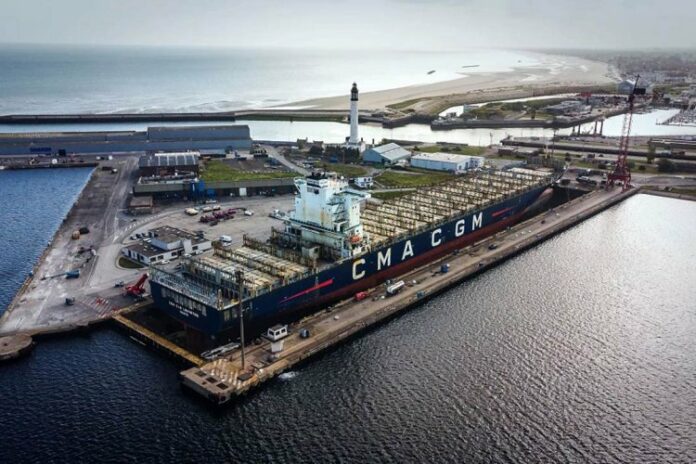
Damen Shipyards Group and leading shipping group CMA CGM are beginning a cooperation that will ultimately result in around 10 of the latter’s vessels receiving significant modifications this year.

These will deliver fuel efficiencies of more than 10 percent. The upgrades will take place at Damen Shiprepair Dunkerque (DSDu) and Damen Shiprepair Amsterdam (DSAm), which between them have some of Europe’s largest dry docks and many years’ experience in complex refits and retrofits.

The key feature of the cooperation will be the installation of bulbs on the bows of the vessels. Up until now, CMA CGM has been using shipyards in China and occasionally in the Middle East, but this agreement marks for the first time their use of European yards for these complex modifications.

Nine stops by CMA CGM vessels are scheduled for this year, five at DSDu and four at DSAm. Three of these will be for the installation of bow bulbs, with the first being on the innovative, LNG-fuelled, container feeder ship Polar. The 120-tonne bulb has been fabricated at DSAm and will be fitted there shortly. The remaining two vessels will be the 170-metre Arctic and the 170-metre Aurora.

While the bulb retrofits will yield savings in fuel consumption of between 5 to 10%, CMA CGM is looking at other upgrades that can further contribute to the efficiency of their vessels. To assist the shipping group in meeting its goals, Damen is also offering packages that not only include the bow bulb, but also a propeller upgrade, modifications to the propeller nozzle, and silicone paint. Each of these upgrades will deliver additional fuel economies of between 2 and 5%, yielding a return on investment in less than three years as well as yielding significant reductions in carbon and other pollutants.

Three of the vessels will also be equipped to access shore power, thereby reducing their emissions when alongside in ports that offer the service. This is in line with CMA CGM’s commitment to cleaner operations.

“We look forward to a long-term partnership between CMA CGM and Damen,” says Freek van den Eijkel, Commercial Manager at DSAm. “DSDu already has a relationship with CMA CGM, but together DSAm and DSDu can deliver the services that CMA CGM requires with their excellent facilities and easy access to and from the major shipping routes.”