-6.6 C
New York
Home Blog Page 193

Ocean floor a ‘reservoir’ of plastic pollution, study finds

0

The article, “Plastics in the deep sea—A global estimate of the ocean floor reservoir,” was published in Deep Sea Research Part I: Oceanographic Research Papers.

Every minute, a garbage truck’s worth of plastic enters the ocean. With plastic use expected to double by 2040, understanding how and where it travels is crucial to protecting marine ecosystems and wildlife.

Dr. Denise Hardesty, Senior Research Scientist with CSIRO, said this is the first estimate of how much plastic waste ends up on the ocean floor, where it accumulates before being broken down into smaller pieces and mixed into ocean sediment.

“We know that millions of tons of plastic waste enter our oceans every year but what we didn’t know is how much of this pollution ends up on our ocean floor,” Dr. Hardesty said.

“We discovered that the ocean floor has become a resting place, or reservoir, for most plastic pollution, with between 3 to 11 million tons of plastic estimated to be sinking to the ocean floor.

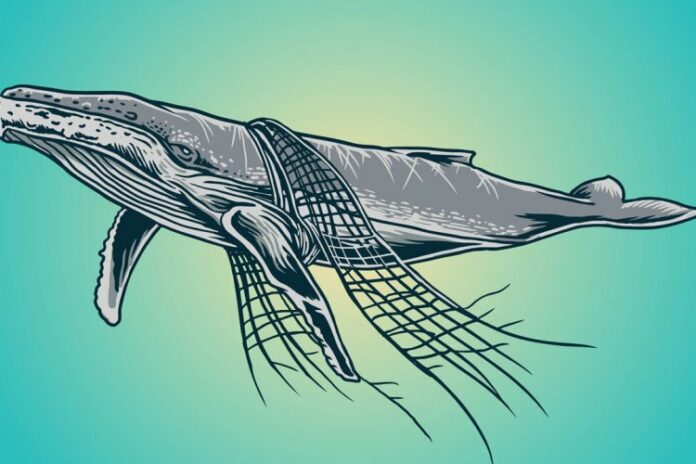
“While there has been a previous estimate of microplastics on the seafloor, this research looks at larger items, from nets and cups to plastic bags and everything in between.”

Alice Zhu, a Ph.D. Candidate from the University of Toronto who led the study, said the estimate of plastic pollution on the ocean floor could be up to 100 times more than the amount of plastic floating on the ocean’s surface based on recent estimates.

“The ocean surface is a temporary resting place of plastic so it is expected that if we can stop plastic entering our oceans, the amount would be reduced,” Zhu said.

“However, our research found that plastic will continue to end up in the deep ocean, which becomes a permanent resting place or sink for marine plastic pollution.”

Scientific data was used to build two predictive models to estimate the amount and distribution of plastic on the ocean floor—one based on data from remote operated vehicles (ROVs) and the other from bottom trawls.

Using ROV data, 3 to 11 million metric tons of plastic pollution is estimated to reside on the ocean floor.

The ROV results also reveal that plastic mass clusters around continents—approximately half (46%) of the predicted plastic mass on the global ocean floor resides above 200 m depth. The ocean depths, from 200 m to as deep as 11,000 m contains the remainder of predicted plastic mass (54%).

Although inland and coastal seas cover much less surface area than oceans (11% vs. 56% out of the entire Earth’s area), these areas are predicted to hold as much plastic mass as does the rest of the ocean floor.

“These findings help to fill a longstanding knowledge gap on the behavior of plastic in the marine environment,” Zhu said.

“Understanding the driving forces behind the transport and accumulation of plastic in the deep ocean will help to inform source reduction and environmental remediation efforts, thereby reducing the risks that plastic pollution may pose to marine life.”

This research is part of CSIRO’s Ending Plastic Waste Mission, which aims to change the way we make, use, recycle and dispose of plastic.
Höegh Autoliners secures significant Enova funding for two ammonia-powered vessels

0

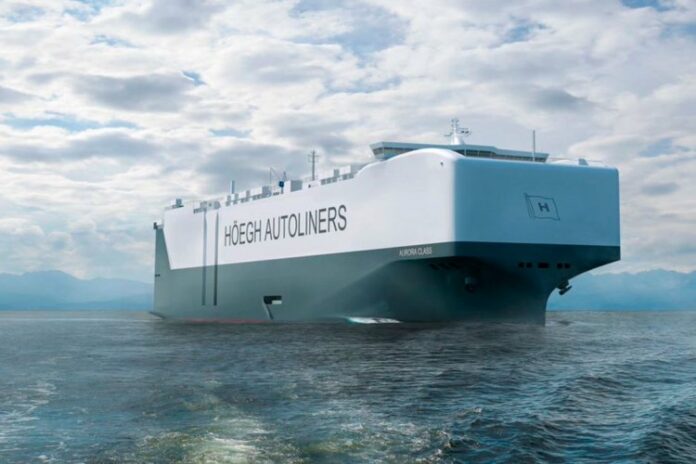
They have been granted almost USD 14 million (NOK 146 million) in Enova funding to use the alternative and sustainable fuel for two of their vessels.

Director of Technology and Market Development in Enova, Astrid Lilliestråle is pleased with Höegh Autioliners’ plans to introduce ammonia-powered vessels to its fleet:

“We note that the shipping company aims to be at the forefront of adopting ammonia in ships and has ambitions to take measures to adapt to necessary changes and future requirements towards the low-emission society”.

Höegh Autoliners has a total of 12 Aurora Class vessels on order. The vessels transport rolling cargo such as cars, agricultural machinery, and mining equipment, as well as general solo cargo needing to be shipped.

All 12 vessels are designed with engines that run on liquefied natural gas (LNG) and low-sulfur oil, and with an ammonia-ready certification from DNV. To use ammonia as fuel, the installation of an ammonia engine and an additional tank to maintain sufficient range are required.

Therefore, Höegh Autoliners has applied for Enova funding for two of their 12 confirmed vessels to reduce the additional cost of this solution compared to a vessel that would be “ammonia ready”.

The company aims to use mostly carbon-neutral ammonia as fuel from the moment the vessels enter into service. It is expected that it could take some time before availability and price reach satisfactory levels, with a gradual ramp-up expected from 2027.

These vessels will significantly contribute to the company’s goal of achieving net zero emissions by 2040. Höegh Autoliners, as one of the first and few shipping companies globally, has secured access to the first ammonia 2-stroke engines delivered by MAN.

Each of Höegh Autoliners’ two planned ammonia vessels has been granted almost USD 7 million (NOK 73 million), with the total coming to almost USD 14 million (NOK 146 million).

Maersk names second vessel of its large methanol-enabled fleet “Astrid Mærsk” in Japan

0

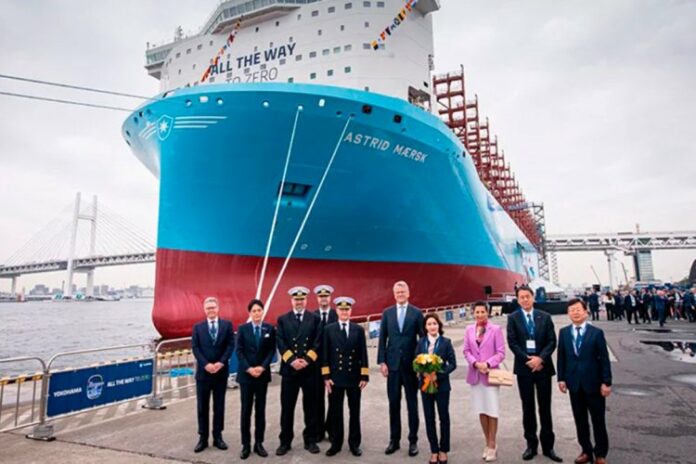
Mrs. Liza Uchida, spouse of Nissan CEO Makoto Uchida served as godmother and christened the vessel. “Astrid Mærsk” is the second of Maersk’s 18 large methanol-enabled vessels, scheduled for delivery between 2024 and 2025. This new fleet series is expected to significantly contribute to Maersk’s net-zero targets and support customers in achieving their decarbonization goals.

Vincent Clerc, Chief Executive Officer of A.P. Moller – Maersk, said:

“We are truly excited to welcome ‘Astrid Mærsk’ to our new fleet capable of sailing on green methanol. With this vessel and her sister vessels, Maersk is taking important steps on the journey towards the energy transition of ocean transport. No one can do this alone. To enable green supply chains and accelerate shipping’s move towards net-zero emissions, continuous courageous action by dedicated customers like Nissan, industry peers, and suppliers is essential. Importantly, to maintain momentum, there is a need for global regulations from the International Maritime Organization (IMO) to close the price gap between fossil and green fuels to secure a level playing field.”

The name giving ceremony took place in Daikoku Pier Cruise Terminal in Yokohama city, where public audience could also register and get onboard for a vessel visit.

Toru Nishiyama, Managing Director of Maersk Northeast Asia, said:

“Yokohama holds a special place in Maersk’s history. Since the first vessel call at the Port of Yokohama a century ago, we have collaborated with our many partners and stakeholders in the city. Today’s ceremony symbolizes our enduring relationship with Yokohama and Japan as a whole. As we embark on our ‘All the Way to Zero’ journey, the support and partnership of the Japanese community are invaluable. We will continue to prioritize our efforts to minimize the environmental and climate impact of our activities while fostering economic growth and prosperity in the region.”

Maersk has set a science-based Net-Zero greenhouse gas emissions target for 2040 across the entire business and has also established tangible and ambitious near-term targets for 2030 to ensure significant progress. The company will equip 25 of its container vessels with dual-fuel engines capable of sailing on green methanol. Among these vessels are the feeder vessel “Laura Mærsk”, deployed in the intra-Europe trade in September 2023, and “Ane Mærsk”, a large 16,000 TEU green fuel-powered container vessel deployed in the Asia-Europe trade in January 2024.

ClassNK, Nihon Shipyard and IMC team up to expand anti-roll tank application to large boxships

0

Anti-roll tanks are specialized devices designed to mitigate a ship’s roll by moving liquid, such as water, within the tank. The consideration for ART implementation on large container ships is gaining traction due to the anticipated enhancement of container loading efficiency through reduced roll motion and the prevention of parametric roll incidents, which are recognized as significant factors contributing to container collapse accidents.

Parametric roll is a type of resonance phenomenon where the ship’s roll amplifies, that occurs when the natural roll period is twice the wave encounter period

ClassNK has established stringent requirements outlined in its “Guidelines on Preventive Measures against Parametric Rolling (Edition 1.0)” to grant a notation to ships equipped with ART.

Furthermore, following ART-related research and development tank tests conducted in 2023 with the National Maritime Research Institute in Japan, ClassNK has verified their effectiveness in mitigating both parametric and synchronous roll, while also compiling valuable data.

For expanding the application of ART to large container ships, NSY, a world leader in the development of large container ships, IMC, which has extensive experience in the design and sales of ART, and ClassNK have signed this joint R&D agreement. Utilizing the obtained data and knowledge, each party will collaborate to ensure the safer application of ART on an actual ship and performance evaluation. 

ClassNK said it will continue to strive to contribute to the safe operation of container ships by establishing standards with utilizing outcomes obtained by collaboration with industry frontrunners.

AtoB@C Shipping takes delivery of Stellamar

0

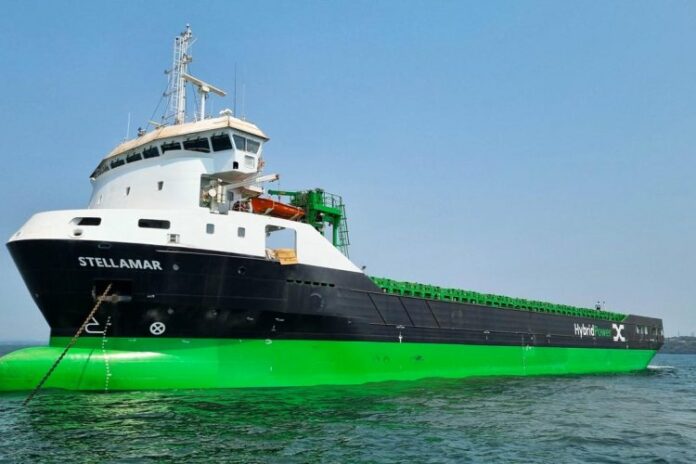
Stellamar is a state-of-the-art vessel that can reduce CO2 emissions by up to 50% compared to the present generation of vessels, thanks to its shore power connectivity and large battery installation. It also offers a quieter and cleaner operation while in port.

“We have listened to our customers and developed vessels that suit their needs and expectations. Our customers value our reliability, quality and environmental performance, and we are happy to offer them these next-generation electric hybrid vessels that will enhance our service offering and competitiveness”, says Commercial Director Frida Rowland.

Stellamar is designed to carry a wide range of bulk and breakbulk products, such as steel, forest products, fertilizers and project cargoes. The vessel has a long unobstructed deck, which allows loading more deck cargo and longer project cargoes than the current vessels in the fleet. The crew accommodation and the bridge are located at the bow, which optimises the cargo capacity and improves the visibility and safety of navigation.

Stellamar is the first vessel to be sold to the company formed by private and institutional investors once it arrives in Europe. All vessels of the series will be operated by AtoB@C Shipping in the Green Coaster Pool.

AtoB@C Shipping has ordered twelve plug-in hybrid vessels from Chowgule & Company. The first vessel in the series, Electramar, was delivered in December and seven are currently under construction.

KOTUG and Padmos sign contract for E-Pusher lineup at River Bar in Rotterdam

0

KOTUG International B.V. (‘KOTUG’) has announced the signing of a significant framework agreement with Padmos for the construction of the complete E-Pusher lineup, comprising the S, M, and L models. 

This agreement marks a pivotal milestone for KOTUG, reaffirming the company’s commitment to supporting the global energy transition and facilitating the modal shift from road transport to waterways.

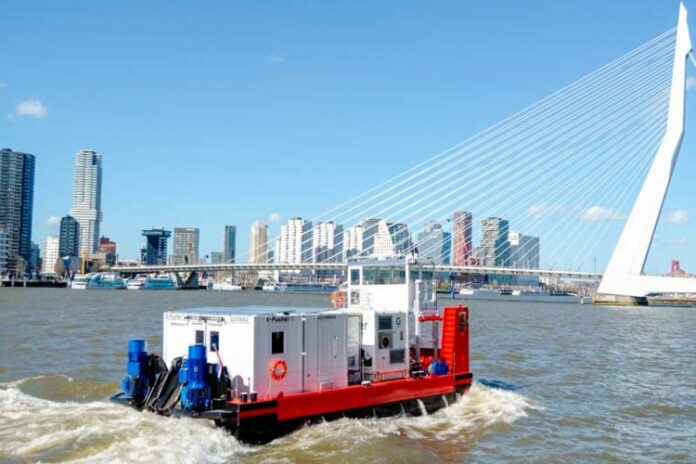
The framework agreement follows the successful commissioning of the groundbreaking E-Pusher 1 (M model), constructed by Padmos in conjunction with KOTUG. Since June 2023, the E-Pusher 1 has been navigating the waters for Cargill in the North Holland region, transporting cocoa beans from Amsterdam to Zaandam. This fully electric pusher boat, with barges, reduces CO2 emissions by 190,000 kg per year, equivalent to 15,000 single truck trips covering the same distance.

Ard-Jan Kooren, President & CEO of KOTUG International:

“Our collaboration with Padmos marks a significant stride towards advancing sustainable maritime practices. The E-Pusher series underscores our commitment to innovation, efficiency, and environmental responsibility.”

Leon Padmos, CEO Padmos:

“We are proud to build upon our cooperation with KOTUG in pioneering the construction of the E-Pusher lineup. Our shared vision for sustainable maritime solutions drives this partnership, and we are excited about the transformative impact these vessels will have on the industry.”

The E-Pusher is a modular and scalable electric pusher tug. The E-Pusher Series comprises three models (S, M and L) ranging from 9 to 22 meters in length, with a maximum depth of 0.85 to 1.35 meters, resulting in a draft 30% less than conventional pusher tug designs. The swappable energy containers encompass Stage V diesel, (Bio)gas, Hydrogen, and battery solutions. The vessels are equipped to eliminate harmful emissions, including carbon dioxide (CO2), sulphuroxides (SOx), nitrogen oxides (NOx), and particulate matter (PM).

New industry association for maritime nuclear launched

0

By bringing together stakeholders with relevant expertise, NEMO aims to assist nuclear and maritime regulators in the development of appropriate standards and rules for the deployment, operation and decommissioning of floating nuclear power.

NEMO will provide expert guidance and promote the highest safety, security, and environmental standards in the development of this nascent industrial sector, fostering collaboration, knowledge sharing, and advocacy among its members and stakeholders.

Advanced nuclear technologies deployed at sea can reduce environmental impact, enhance social responsibility, and increase economic competitiveness. NEMO aims to provide a platform for its members to network and facilitate a functional connection between regulators to foster development and exchange best practices.

NEMO will be headquartered in London and will officially start its proceedings in 2Q 2024.

NEMOs inaugural members are:

  • VARD Group AS, a pre-eminent global shipbuilder, ship designer and ship technology provider, delivering high-quality specialised vessels for the global market, part of Fincantieri S.p.A.
  • HD KSOE, a Korean shipbuilding company with R&D and engineering capabilities in the marine industry including ship design and construction, and a subsidiary of HD Hyundai.
  • Lloyd’s Register., a UK-headquartered maritime classification society specialising in ship design, energy transition advisory, compliance, and consultancy services.
  • BWXT Advanced Technologies LLC, an American manufacturing and engineering company providing nuclear solutions for global security, clean energy, environmental restoration, nuclear medicine, and space exploration.
  • TerraPower, LLC., an American nuclear innovation company striving to improve the world through nuclear energy and science.
  • Onomichi Dockyard, a Japanese ship builder and ship repairer, founded in 1943 and still at the pinnacle of construction of marine assets to this day.
  • Westinghouse Electric Company LLC, an American nuclear reactor designer and vendor providing innovative new and conventional nuclear solutions and other clean power technologies and services globally.
  • CORE POWER (UK) Ltd., an Anglo-American maritime nuclear innovation company building a market for new nuclear in maritime and delivering marine- appropriate reactor plants for heavy industry and transport.
  • Bureau Veritas, a world leader in testing, inspection, and certification services – and represented in NEMO by its Marine and Offshore Division, comprising classification and maritime consultancy services.
  • RINA, an inspection, certification, ship classification and engineering consultancy multinational active in the Energy, Marine, Certification, Infrastructure & Mobility, Real Estate and Industry sectors.
  • JEIL Partners Ltd., a Korean developer, consultant, and project manager with a history serving the nuclear supply chain in South Korea and overseas.

NEMOs inaugural chairman, Dr. Mamdouh el-Shanawany, former head of the IAEA Safety Assessment Section and Global Nuclear Director at Lloyd’s Register, said:

“We are very excited to launch NEMO, which we believe will be a valuable and influential voice for floating nuclear power. We invite all stakeholders who share our vision and values to join us and become part of this dynamic and forward-looking alliance.”

Membership of NEMO is open to companies with a bona-fide link to the floating nuclear power segment and who meet the organization’s membership criteria, which include a commitment to sustainability, innovation, and excellence.

The organization plans to hold regular events, workshops, webinars, and publications for its members and the wider public. The organisation also intends to collaborate with other industry associations, government bodies, academic institutions, and civil society organisations to advance the cause of floating nuclear power.

Reuters: Russia’s Novatek may scale back Arctic LNG 2, focus on Murmansk

0

Russia has been focusing on developing global sales of seaborne LNG to make up for a drop in pipeline gas exports to Europe, which have plummeted to post-Soviet lows amid a severe rift with the West over Ukraine.

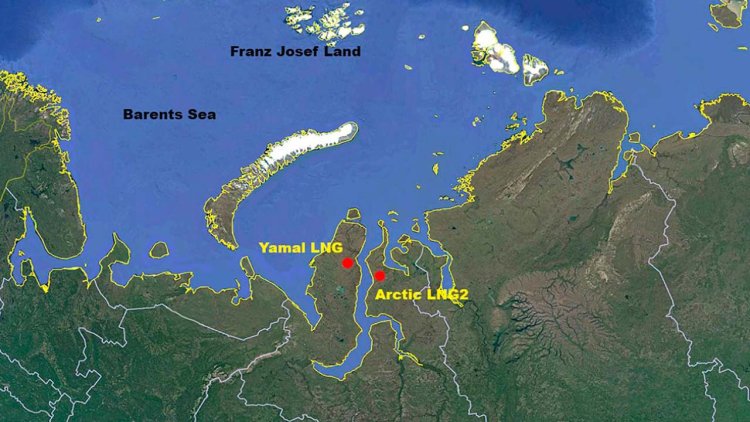
The possible scaling back of the Arctic LNG 2 plant in the Gydan peninsular would complicate Moscow’s goal to boost its share of the global LNG market to a fifth by 2030-2035 from around 8% currently.

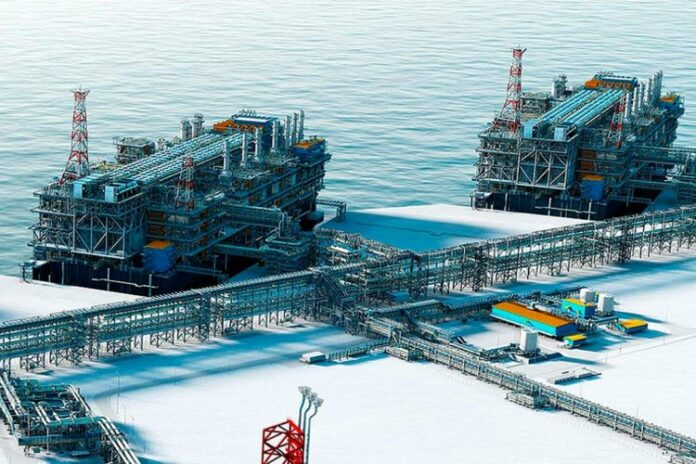
The project had been due to become Russia’s largest such plant with eventual output of 19.8 million metric tons per year of LNG and 1.6 million tons per year of stable gas condensate from three trains.

Novatek did not respond to a Reuters request for comment on its plans.

The company began liquefied natural gas (LNG) production at Arctic LNG 2’s first train in December, but has been behind schedule in supplying its first cargoes of super-cooled gas from the project amid shortages of ice-class gas carriers.

Sources have said the conversion of methane into a liquid at a temperature of minus 163 Celsius (minus 261 Fahrenheit) has now been suspended at the plant.

Its second and third lines were due to begin operations in 2024 and 2026 respectively, with its second production train currently being built at a plant in Belokamenka in the Murmansk region.

However, the third train could be used instead at the Murmansk LNG plant announced by Novatek last June.

“An option is being considered is to send a second gravity platform for Arctic LNG-2 in the summer, and to use a third one for Murmansk LNG,” a source familiar with the plans said.

The Murmansk LNG project is slated to be even larger than Arctic LNG 2, with eventual output of 20.4 million tons per year. It is projected to start production at its first two trains by the end of 2027, with a last line scheduled to start operations in 2029.

One of the advantages of the Murmansk project in comparison to Arctic LNG 2 would be its access to the ice-free port in the Barents Sea.

“All attention now is on Murmansk, the ice-class tankers are not necessary there,” a source said.

The plans for Arctic LNG 2 were complicated last year when it was included in Western sanctions over Russia’s conflict in Ukraine, prompting foreign shareholders to freeze participation and Novatek to issue a force majeure.

Novatek has also failed to secure enough ice-class gas carriers as foreign partners were scared off by sanctions.

The head of Arctic LNG 2 stakeholder TotalEnergies (TTEF.PA), opens new tab said in February that the project’s third train had been put on hold but the second train was likely to be installed.

Source: Reuters

Wärtsilä again chosen to supply cargo handling systems for newbuild Solvang vessels

0

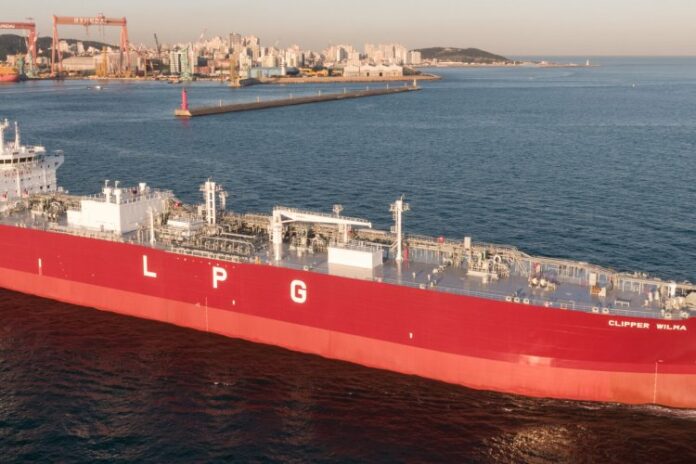
Wärtsilä Gas Solutions, part of technology group Wärtsilä, will supply the Cargo Handling Systems for additional two new very large LPG carrier vessels to be built at the HD Hyundai Heavy Industries Co Ltd. in South Korea.

The ships have been contracted by Norwegian ship owner Solvang .The order follows a similar one placed in 2023 for five vessels being built at the same yard for the same owner. This latest contract was booked by Wärtsilä in Q1, 2024.

The VLGCs are of Panamax size and form the next generation of eco-vessels. The vessels will have a cargo carrying capacity of 88,000 m3, and will incorporate environmental technology developed through 12 years of Solvang’s ECO LPG Carrier programme.

“Solvang has a fleet of modern and efficient vessels, all built in accordance with the most up-to-date specifications and fitted with the latest technology. These two new additions to the fleet will feature the most efficient solutions currently available, which is why we have again opted for Wärtsilä cargo handling systems,” comments Tor Øyvind Ask, Fleet Director, Solvang ASA.

“We continue to enjoy excellent relationships with both Solvang and HHI, as evidenced by this repeat order. The most advanced ship designs demand the most efficient and reliable cargo handling solutions, and that is what we are able to deliver,” says Patrick Ha, Sales Manager, Wärtsilä Gas Solutions. 

The Wärtsilä equipment is scheduled for delivery to the yard commencing in mid-2025, and the first ship is expected to commence operations in mid-2027.

SAFEEN Feeders joins Stena Sonangol Suezmax Pool

0

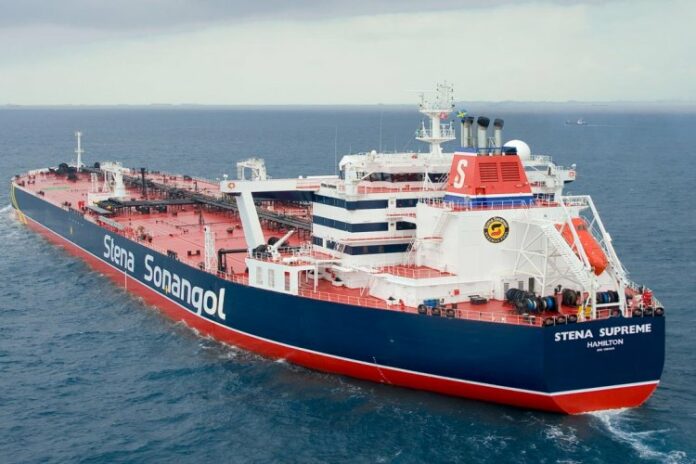
The Stena Sonangol Suezmax Pool, a joint venture between leading tanker shipping company Stena Bulk, and the Angolan state-owned oil company, Sonangol, have announced SAFEEN Feeders, part of the Maritime & Shipping Cluster of AD Ports Group, as new pool members.

One of SAFEEN’s vessels – SAFEEN Elizabeth, a 2011-built 158,000mt Suezmax tanker – recently joined the pool in Kalundborg, Denmark.

The Stena Sonangol Suezmax Pool, established in 2005, currently consists of about 20 high-quality and fuel-efficient Suezmax tankers. The addition of SAFEEN Feeders to the pool further amplifies its collaborative efforts.  

SAFEEN Feeders is part of the Maritime & Shipping Cluster at AD Ports Group, the largest diversified provider of logistics, global trade and industry in Abu Dhabi. SAFEEN Feeders is committed to excellence in maritime services, aligning with the high standards of the Stena Sonangol Suezmax Pool.

Johan Jäwert, Co-Pool Manager of the Stena Sonangol Suezmax Pool and Head of Stena Bulk USA, commented on the addition of SAFEEN Feeders to the pool:

“We are very happy to welcome SAFEEN Feeders as pool members and look forward to working with them as partners as we develop Stena Sonangol together. Our continued strong performance and global network will mean that the addition of SAFEEN Elizabeth will create value for both SAFEEN and Stena Sonangol.

“We restructured the pool in 2020 to be more of an open pool with equal saying for each pool member joining the pool, and we are now happy to see more pool members joining. With the volatile and strong market we have seen the last couple of years, we believe that the pool continues to be the concept to make sure strong and stable earnings are secured throughout the market’s cycles.”

Aderito Pereira, Co-Pool Manager of the Stena Sonangol Suezmax Pool, added:

“We are delighted to welcome SAFEEN Feeders as valued pool members. We anticipate a collaborative journey and look forward to working together, leveraging our strong performance and global network. With the inclusion of SAFEEN Elizabeth, we aim to create significant value for both SAFEEN and Stena Sonangol, exemplifying the strength of our partnership.”

SAFEEN Feeders, added:

“We are pleased to collaborate with all Stena Sonangol Suezmax Pool partners as part of this news today. We believe that entering SAFEEN Elizabeth into the pool will help to strengthen our global network and connectivity, as well as help us to unlock new opportunities and reinforce our commitment to providing efficient and reliable maritime solutions.”

Leveraging digital technology is instrumental in advancing efficiency and reducing the environmental footprint of ship operations within the Stena Sonangol Suezmax Pool.

With the help of the Orbit MI platform, the pool strategically monitors, optimises, and plans day-to-day operations, as well as long-term strategic positioning, fostering continuous enhancement in fleet utilisation and performance. This collaborative data-sharing platform not only bolsters transparency with charterers but also underscores a dedicated commitment to innovation and sustainability.