-5.7 C
New York
Home Blog Page 191

New report highlights continued threat of Somali piracy

0

A total of thirty-three incidents of piracy and armed robbery against ships were recorded in the first three months of 2024, an increase from 27 incidents for the same period in 2023. Of the 33 incidents reported, 24 vessels were boarded, six had attempted attacks, two were hijacked and one was fired upon. Violence towards crew continues with 35 crew members taken hostage, nine kidnapped and one threatened.

Worrying rise in Somali pirate activity

The Q1 report highlights the continued threat of Somali piracy incidents with two reported hijackings. In addition, one vessel each was fired upon, boarded and reported an attempted approach. These incidents were attributed to Somali pirates who demonstrate mounting capabilities, targeting vessels at great distances, from the Somali coast.

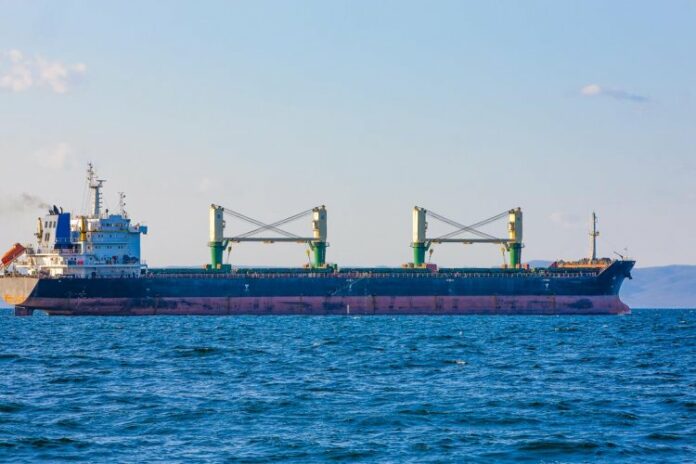
A Bangladesh flagged bulk carrier was hijacked on 12 March and its 23 crew were taken hostage by over 20 Somali pirates. The vessel was underway approximately 550 nautical miles (nm) from Mogadishu while enroute from Mozambique to the United Arab Emirates.

The IMB is aware of several reported hijacked dhows and fishing vessels, which are ideal mother ships to launch attacks at distances from the Somali coastline.

ICC Secretary General John W.H. Denton said:

“The resurgence of Somali pirate activity is worrying, and now more than ever it is crucial to protect trade, safeguard routes, and the safety of seafarers who keep commerce moving. All measures to ensure the uninterrupted free flow of goods throughout international supply chains must be taken.”

IMB has commended the timely and positive actions from authorities ensuring the release and safety of the crew.

A 40-hour operation by the Indian navy in the Indian Ocean on 15 March 2024 culminated in the capture of 35 Somali pirates and the release of a previously hijacked vessel and its 17 crew.

A bulk carrier boarded by pirates on 4 January over 450 nm off the east coast of Somalia was rendered safe along with its 21 crew members by an Indian naval vessel. In late January, the Seychelles coast guard intervened to safeguard a hijacked fishing vessel and its six crew. Three suspected Somali pirates were apprehended in this operation.

IMB Director Michael Howlett said:

“We reiterate our ongoing concern on the Somali piracy incidents and urge vessel owners and Masters to follow all recommended guidelines in the latest version of the Best Management Practices (BMP 5). We also commend the actions of the Indian navy and Seychelles coast guard for intercepting hijacked vessels, safeguarding crews and capturing pirates.”

Caution urged in the Gulf of Guinea

Incidents within the Gulf of Guinea waters continue to be at a reduced level. Six incidents were reported in Q1 2024 compared to five in the same period of 2023. The IMB urges continued caution as nine crew were kidnapped from a product tanker on 1 January 2024 around 45nm south of Bioko Island, Equatorial Guinea.

Mr Howlett said:

“While we welcome the reduction of incidents, piracy and armed robbery in the Gulf of Guinea remains a threat. Continued and robust regional and international naval presence to respond to these incidents and to safeguard life at sea is crucial.”

Rising risks in Bangladesh and Singapore Straits

There has been a noticeable increase in reported low-level opportunistic crimes in Bangladeshi waters in 2024 with seven reported incidents received – six from vessels at anchorage in Chattogram – compared to one report for the whole of 2023. The Singapore Straits recorded five incidents against four large bulk carriers and a general cargo vessel, considered low-level opportunistic incidents. But the threat for crew safety remains high as five crew were taken hostage in three separate incidents in January.

NAPA to maximize savings onboard IINO Lines vessels sailing with Norsepower Rotor Sails

0

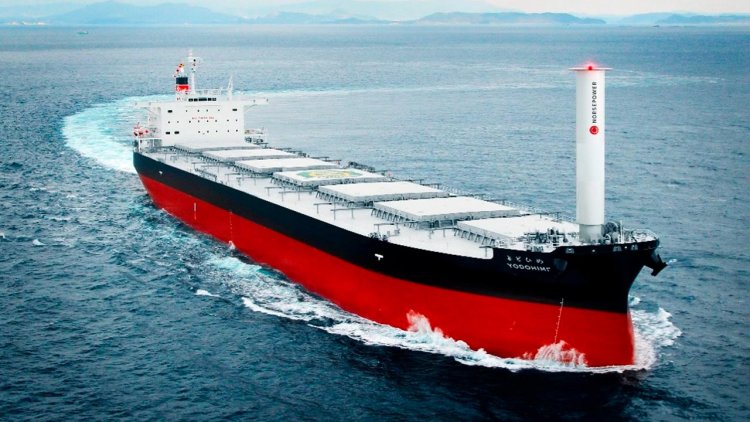
NAPA has agreed with IINO Lines to provide NAPA Voyage Optimization onboard two vessels equipped with Norsepower Rotor Sails™ (NPRS™).  

The agreement will cover two IINO Lines vessels, one Very Large Gas Carrier (VLGC) and one Panamax coal carrier. Beginning in Q2 this year, the ships will use NAPA Voyage Optimization as an in-depth simulation, evaluation, and operational route and speed optimization tool to maximize the efficiency gains and emissions savings that will be achieved by NPRS. The tool is designed to enhance operational efficiency and minimize the emissions of the vessels by allowing for comprehensive comparisons of their performance across various routes and under different sea and weather conditions.

Initial studies demonstrate that both vessels will achieve about 3-4% fuel consumption and CO₂ emissions reductions, respectively, using NPRS alone. The collaboration with NAPA aims to harness the potential of voyage optimization to inform operational decision-making and additionally improve emission reductions by 3-10% from the combination of advanced routing solutions and wind propulsion systems.  

This approach is aligned with IINO Lines’ commitment to a greener maritime industry for carbon neutrality as part of its mid-term management plan, “The Adventure to Our Sustainable Future,” announced in May 2023. By mapping out tangible savings and using the power of digital technologies to optimize routes, ship owners and operators can maximize their return on investment and redirect capital towards further decarbonization initiatives as well as design and operational innovation.

Pekka Pakkanen, Executive Vice President for Shipping Solutions at NAPA, said:

“This partnership is key in advancing IINO Lines’ green ambition and giving more owners and operators the confidence to invest in accelerating shipping’s energy transition. There are significant savings to be achieved by combining voyage optimization and wind propulsion. Using data allows us to unleash this potential, elevate collaboration and drive more efficient, greener and safer shipping.”

Ryuichi Osonoe, Director, Senior Managing Executive Officer at IINO Lines, added:

“Being able to simulate how our vessels will perform, how much fuel they will require, their emissions and so much more, even before a voyage has been made, are vital insights at a time of increasing market volatility and tightening regulations.”

NYK completes basic design process using only 3D drawings for new cceangoing vessel

0

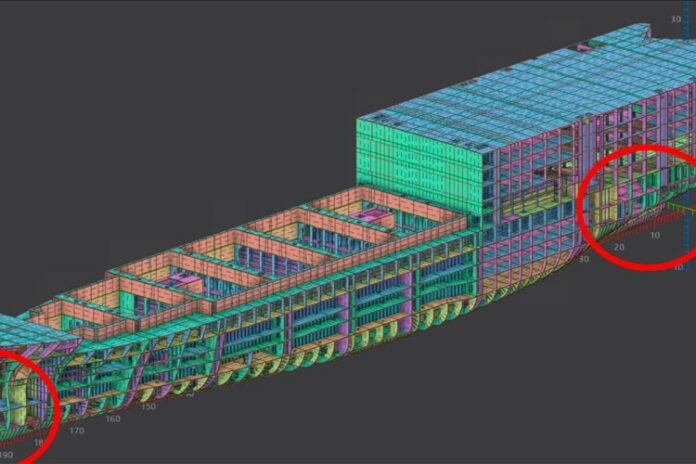
ClassNK has granted approval to the basic design drawings of a multi-purpose container carrier developed by Nippon Yusen Kabushiki Kaisha (NYK Line) utilizing 3D models. 

This milestone marks the world’s first ocean-going ship to complete the basic design process, including class approval, solely through 3D drawings from the conceptual design to the basic structural design, during the initial stages of ship construction (as researched by NYK Line and ClassNK as of 28 March 2024).

Traditionally, the sharing of design information among shipyards, shipowners, and class societies has relied on 2D drawings, necessitating the conversion of shipyard-created 3D models into 2D drawings for approval processes. This practice, along with the input of drawing data into the class society’s ship structure design support system and the model modifications by designers, has posed challenges in terms of time and cost for both parties. Additionally, accurately interpreting complex 2D drawings requires extensive experience and expertise, resulting in the precision of information sharing among parties dependent on the individuals involved.

NYK Line and ClassNK have been advancing a project to enhance the utilization of 3D models in new ship designs. The 3D model data created by NYK Line on its ship design 3D CAD system was processed with the interface system of ClassNK’s PrimeShip-HULL, which ensures the use of consistent design data across different tools, and ClassNK has completed all plan approvals at the basic design stage without the need for the conversion to 2D drawings.

Silverstream completes LNG retrofit of Silverstream® System at Seatrium yard in Singapore

0

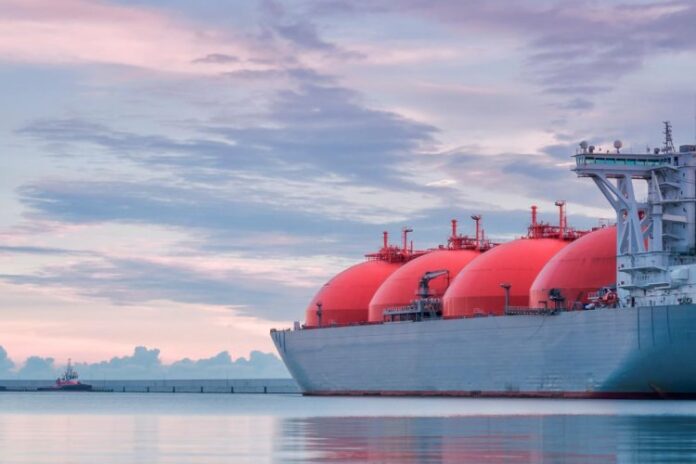
Maritime clean technology leader Silverstream Technologies has successfully completed another retrofit of its air lubrication technology, the Silverstream® System, on a large LNG carrier at Seatrium’s Admiralty Yard in Singapore.

The retrofit, which was on a 174k cbm LNG carrier owned by an oil major, was completed in just 30 days, reinforcing the role that Silverstream’s technology can play as a near-term decarbonisation solution for existing ships. It is the 11th retrofit of the Silverstream® System that the company has delivered worldwide.

Seatrium is a signed cooperation partner of Silverstream, which helped to facilitate a smooth retrofit process. The yard was formed after the merger of Sembcorp Marine and Keppel Offshore & Marine in 2023 and is widely recognised as one of the world’s most important players in repair and upgrade solutions for all types of vessels.

The Silverstream® System releases a carpet of air to reduce the frictional resistance between the hull and the water, reducing average net fuel consumption and GHG emissions by 5-10%. Moreover, in the case of LNGCs, these savings result in increased delivered volumes.

With regulations such as EEXI and CII tightening decarbonisation targets, clean technology retrofits onboard LNGCs of the sort achieved by Silverstream and Seatrium will become increasingly relevant for the segment. Unprecedented demand for LNG shipping capacity is restricting fleet renewal opportunities and minimising their time in drydock, further reinforcing the case for improving the energy efficiency of the existing LNG fleet.

Silverstream has a proven track record of newbuild and retrofit installations and has delivered every one of its 69 in-operation installations on time. By completing the retrofit within 30 days, Silverstream also minimises any impacts on a vessel’s profitability.

Silverstream is now receiving repeat orders within framework agreements across LNG and other segments based on the technology’s independently verified performance and Silverstream’s track record of successful retrofit installations.

Speaking on the announcement, Noah Silberschmidt, Founder & CEO, Silverstream Technologies, said:

“This successful retrofit at Seatrium of our technology onboard another LNG carrier is yet further proof of our deep experience in the LNG segment. The market conditions and operational factors unique to LNGCs make them perfectly suited to our air lubrication technology, and we will continue to work with energy majors and our yard partners to ensure smooth installations onboard any vessel that chooses us as an efficiency-boosting option.”

Mr Alvin Gan, Executive Vice President, Repairs and Upgrades, Seatrium Limited, said:

“As the premier yard in LNGC repairs, upgrades and conversions, Seatrium is committed to working with our customers and partners to provide turnkey, one-stop solutions in energy efficiency retrofits for LNG carriers. Our collaboration with Silverstream Technologies is successfully delivering another retrofit of their air lubrication technology and further solidifies our position in the industry. By providing comprehensive engineering services through excellent project execution, we aim to continue to lead and play a key role in assisting our customers to achieve their energy efficiency targets.”

The vessel retrofitted at Seatrium will now move into post-drydock sea trials for the Silverstream® System. Silverstream supports customers throughout the lifecycle of the system, including through crew training during the commissioning phase and through lifecycle agreements for servicing, maintenance and upgrades.

Ørsted and Cadeler sign long-term agreement for offshore wind installation vessel capacity

0

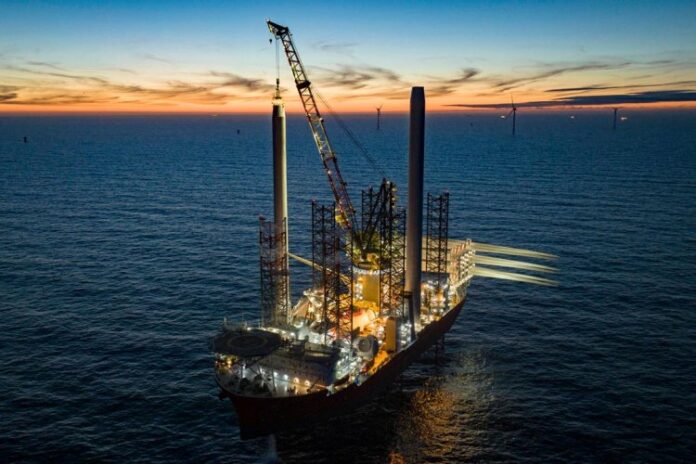
Ørsted and Cadeler have signed a firm long-term lease agreement for a newbuilt Wind Farm Installation Vessel. With the agreement, Ørsted secures installation vessel capacity from Q1 2027 to end of 2030 for upcoming construction projects

The signing of the long-term agreement discloses Ørsted as the client in Cadeler’s announcement made on October 12, 2022. This agreement involves booking a new-built A-Class vessel from Cadeler. The A-Class vessels feature a hybrid design, allowing them to transport and install both foundations and turbines (WTGs). Ørsted and Cadeler’s 

Fleet Flexibility to Minimize Risks in Growing Offshore Wind Farm Projects

Offshore wind farm projects are expanding both in scale and complexity, making risk management and securing supply chains more relevant with each passing day.

Under the long-term agreement, Ørsted will have access to one of Cadeler’s new-build A-Class vessels. These A-Class newbuilds are designed to transport up to six XXL monopile foundations per round trip. Additionally, they can be swiftly converted from foundation installation vessels to WTG (wind turbine generator) installation vessels. Similar to the P-Class newbuilds, the A-Class vessels can transport and install seven complete 15-megawatt turbine sets per load or five 20+ megawatt turbines. This efficiency reduces the number of trips required for each project, ultimately accelerating the installation speed.

Saildrone and Thales advance autonomous long-range undersea surveillance

0

Saildrone has announced a strategic partnership with Thales Australia to integrate the Thales BlueSentry thin-line towed array with Saildrone Surveyor-class uncrewed surface vehicles (USVs) for autonomous anti-submarine warfare (ASW) missions. The announcement was made at the opening of Sea Air Space 2024, the premiere maritime exposition in the US, presented by the Navy League of the United States.

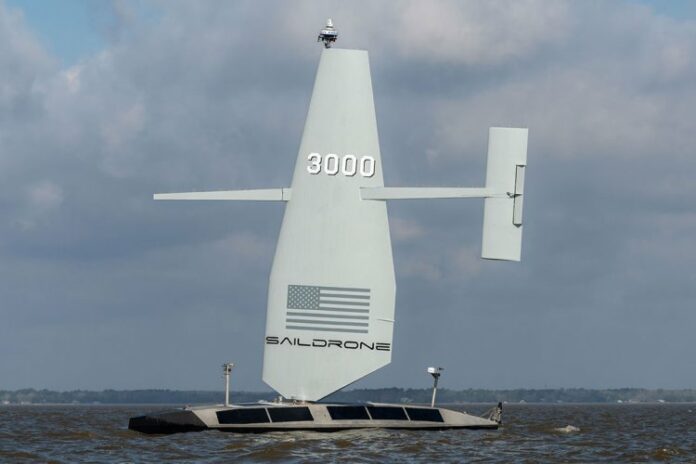
The Saildrone Surveyor is the largest in the Saildrone range of USVs and is capable of extreme, long-endurance missions in the open ocean. Equipped with the newest evolution of Thales’s BlueSentry towed array, the Surveyor will conduct autonomous underwater ISR (Intelligence, Surveillance, Reconnaissance) for ASW applications. This enhanced USV capability supports broader naval operations by freeing up traditional low-density / high-demand manned assets to conduct other missions.

“Thales Australia has a proud history of exporting specialized sonar and acoustic products in support of one of our closest allies, the United States. Over two decades, these products have spanned the fields of Seismic survey to mine warfare and, more recently, surface ship anti-submarine warfare,” said Troy Stephen, Vice President Underwater Systems, Thales Australia and New Zealand. “This opportunity with Saildrone now represents the ability to expand that support to include our latest innovations in the field of undersea surveillance through the BlueSentry thin line array system. The Saildrone Surveyor offers a unique capability within the field of USVs, and Thales looks forward to the opportunity of contributing to the impressive maritime domain awareness capability of the platform.”

At 20 meters long (65 feet) and weighing 15 tons, the Surveyor classifies as a medium USV, built to American Bureau of Shipping (ABS) Light Warship code. Saildrone’s Surveyor-class USVs are designed for persistent, wide-area maritime domain awareness (MDA) missions, using radar, cameras, acoustics, and advanced machine learning to deliver comprehensive situational awareness remotely from anywhere in the world. 

“The Saildrone Surveyor was developed to conduct long-duration MDA missions in remote locations. Combining the BlueSentry thin line towed array with our most capable USV provides a game-changing solution for wide-area ASW operations,” said Richard Jenkins, Saildrone founder and CEO. “Saildrone is committed to continuously delivering new advanced solutions to our defense customers, and it is wonderful to be able to add this new capability to the list of Saildrone services.”

The first production Saildrone Surveyor USV was launched last month from Austal USA in Mobile, AL. The initial group of USVs is contracted to the US Navy for the testing and evaluation of Surveyor-class vehicles in multiple environments. Upcoming Navy missions will focus on the ability of the Surveyor to deliver both surface and undersea intelligence for a range of high-priority applications, including anti-submarine warfare (ASW).

Bureau Veritas awards AiP for methanol dual fuel system to Sasaki Shipbuilding

0

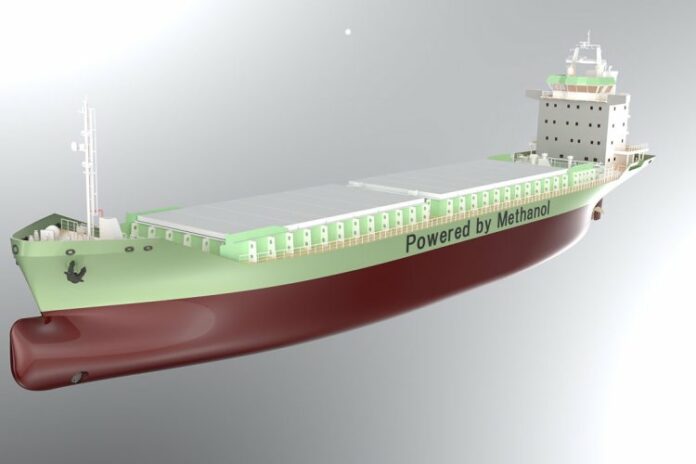
The integration of the Methanol DF system into a 9,000 DWT ship demonstrates its feasibility for smaller-scale ships, highlighting its adaptability and efficiency as a marine fuel.

Despite the existence of similar systems on larger vessels, this AiP reaffirms the potential of methanol for environmentally friendly propulsion in diverse maritime applications. Sasaki Shipbuilding Co., Ltd., specializing in the construction of small and medium-sized vessels, has demonstrated a steadfast commitment to developing ships that utilize new fuels, aligning with the industry’s sustainability goals.

For the purpose of the AiP, Bureau Veritas conducted a comprehensive review of Sasaki’s methanol dual-fuel system, meticulously assessing its compliance with the stringent requirements outlined in BV’s Rule Note NR 670 – Methanol & Ethanol Fuelled Ships, underscoring BV’s commitment to ensuring safety, reliability, and environmental sustainability in maritime operations.

NR 670 provides requirements for the arrangement, installation, control and monitoring of machinery, equipment and systems using methyl/ethyl alcohol as fuel to minimize the risk to the ship, its crew, and the environment.

The AiP presentation ceremony, held on March 25, 2024, symbolized the collaborative efforts between Bureau Veritas and Sasaki Shipbuilding Co., Ltd. in advancing sustainable shipping solutions.

Alex Gregg-Smith, Senior Vice President & Chief Executive, North Asia and China, Bureau Veritas Marine & Offshore, said:

“The adoption of Methanol Dual Fuel systems on vessels of this size underscores the versatility and practicality of methanol as a marine fuel. We commend Sasaki for their dedication to sustainability and look forward to furthering our partnership in developing innovative solutions for the maritime industry.”

Pelagic Partners joins forces with Borealis Maritime in PSV duo investment

0

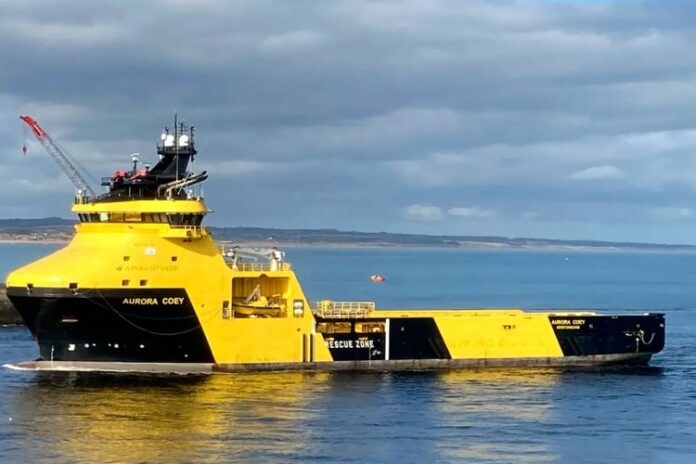
Built in 2021, the 89-metre Aurora Coey (formerly Viking Coey) and Aurora Cooper (ex-Viking Cooper) are dual-fuel and capable of operating on lower carbon LNG, as well as being ammonia-ready.

The sister vessels are fitted with hybrid battery power, and Low Loss Concept (LLC) solutions that further reduce emissions, and their onshore power capability means that they can use grid energy while in port.
 
Both vessels are currently under charter with reputable international counterparties.
 
Atef Abou Merhi, Managing Director, Pelagic Partners, said: 

“We are very pleased to be partnering with Borealis Maritime as we expand our offshore energy market exposure. The development of our portfolio in this segment is driven by an acknowledgement that offshore energy investment looks likely to remain steady over the next 5-6 years, coupled with an extremely low order book, which will likely lead to an increase in demand for PSVs. We have the advantage of being both a shipowner and a shipping fund, which is why it is important for us to focus our investments on acquiring the most modern vessels; equipped to evolve with the offshore marine industry, as it transitions to more sustainable practices. We’d also like to thank Fearnley Securities for the arrangement on the Aurora Coey.”

Scottish green technology company to revolutionize decarbonisation of vessels

0

With funding and support from the Scottish Government via the Emerging Energy Technologies Fund (EETF) Hydrogen Innovation Scheme (HIS), mooring analysis of the hydrogen buoy was tested as part of the TestHOTS (Tank Testing of Hydrogen Offshore Transfer System) project demonstration.

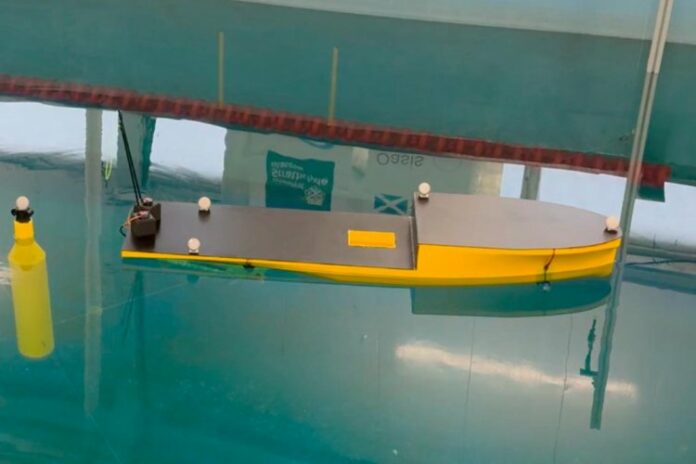
The demonstration, at the Kelvin Hydrodynamic Laboratory in Glasgow, showed how the mooring buoy connects to vessels and scale model tank testing gathered valuable technical data such as the impact of wave conditions and sea states on mooring loads while bunkering. The project has already optimised the Oasis Hydrogen Buoy from numerical analysis and aims to further validate these findings from the wave tank testing. 

The demonstration follows a Clean Maritime Demonstration Competition (CDMC1) project, funded by the Department of Transport through Innovate UK, which allowed Oasis Marine to develop the design of the hydrogen buoy and prove the concept viable. The original Oasis Buoy development was funded through MarRI-UK.

Oasis Marine then partnered with Strathclyde University and ship owner O.S. Energy to conduct hydrodynamic analysis and wave tank testing. One of O.S. Energy’s vessels is being retrofitted for hydrogen fuel and a model of the ship will be used during the demonstration and tank tests.

The ground-breaking technology, using hydrogen for offshore bunkering, is thought to be a first for the industry. The buoy will be able to use green hydrogen produced by offshore wind farms, potentially becoming part of an offshore hydrogen highway, whereby hydrogen is stored at an offshore location before being transferred by buoy to vessels transporting hydrogen or using it as their fuel source.

It is estimated that shipping currently produces more than three percent of all CO2 emissions and the industry has been set a global decarbonisation target of a 20 percent reduction in emissions by 2030, rising to 70 percent in 2040, with full decarbonisation by 2050.

George Smith, Managing Director of Oasis Marine, said the Oasis Hydrogen Buoy and the Oasis Charging Buoy have huge potential in reducing the global shipping industry’s CO2 footprint.

“These buoys will have a tangible impact in our shift from hydrocarbons towards a green energy future,” he said. “Initially we are looking at deploying them in the North Sea offshore wind market. Currently windfarm maintenance vessels rely on fossil fuels and make up the largest component of an operational windfarm’s carbon footprint. While that will be our initial focus, the technology could be applied to other vessels across the maritime industry.

“The maritime energy mix of the future won’t be a single solution but will be made up of different renewable sources. Our Oasis buoys deliver two of those through hydrogen and electric charging, both of which come from renewable, low-cost energy generated by wind farms.”

The Oasis Power Buoy is undergoing an offshore testing plan, with the first pilot demonstration at an offshore wind farm planned for 2025.

GES and Provaris to develop new hydrogen import facility at Port of Rotterdam

0

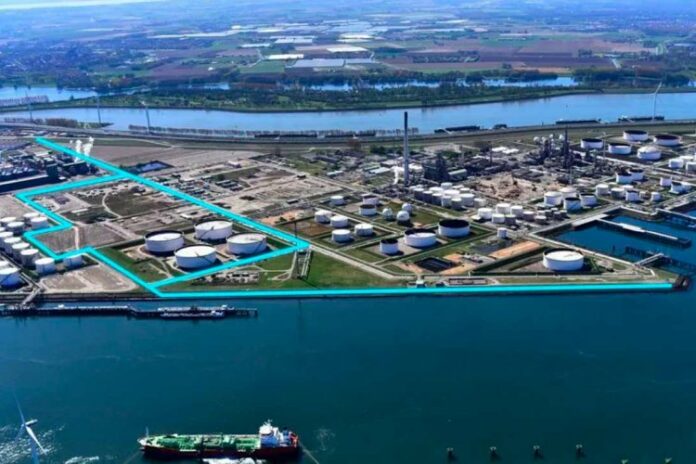
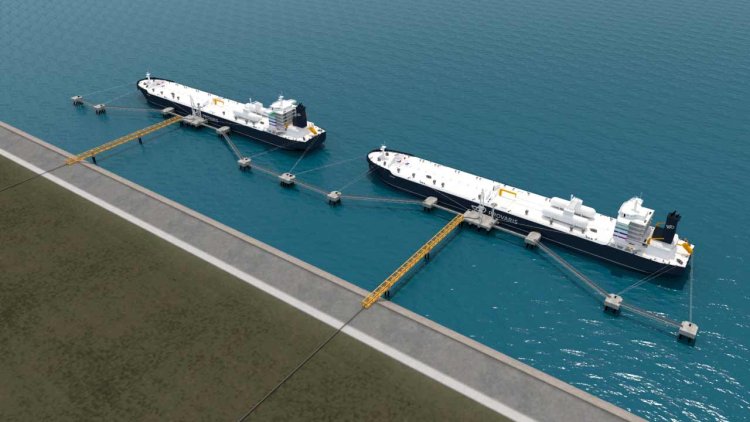
GES is developing a multi-client, multi-product terminal in Rotterdam, able to import both refrigerated ammonia and compressed hydrogen, with redeliveries into barges, rail, truck and the H2 grid (HyNetwork) operated by Gasunie.

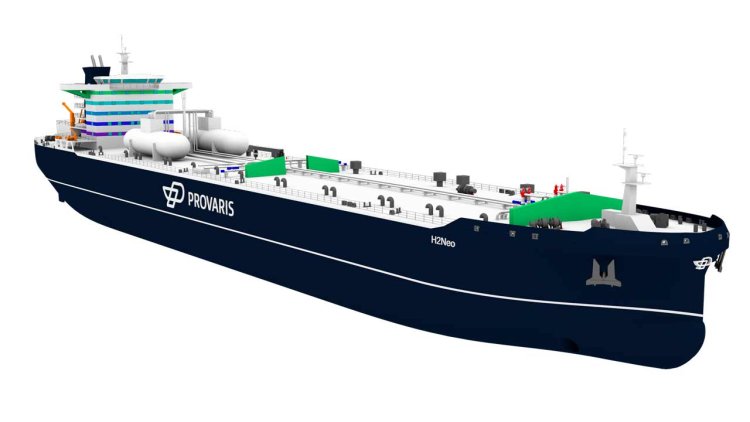
Under the collaboration, GES and Provaris will complete a comprehensive prefeasibility study to demonstrate the technical and economic viability of berthing and unloading of Provaris’ proprietary H2Neo compressed hydrogen carriers. Activities will also include the joint marketing of the proposed facility where Provaris will be responsible for the transportation of the hydrogen in the H2Neo carriers and GES will be responsible for the discharge and injection into the hydrogen grid.

Both parties have a shared belief that the GES terminal in Rotterdam is an ideal site for bulk scale import of green hydrogen given the early connection to the HyNetwork grid for gaseous supply to industrial users in the Port of Rotterdam and key industrials users in Europe.

Provaris’ compressed hydrogen supply chain offers a first mover and competitive alternative to chemical carriers from regional supply sources from the Nordic region and extending across the Baltics, North Sea, Iberia and down to North Africa.

The companies are committed to advancing an energy efficient and timely supply of green hydrogen to industrial users in Europe to support ambitious decarbonization goals.

Peter Vucins, CEO of GES commented,

“This collaboration with Provaris showcases the types of partnerships that GES is pursuing to facilitate the Energy Transition through our contribution with storage and logistics solutions, at Rotterdam as well as other existing and future locations. I welcome the opportunity to work closely with Provaris to develop a cost competitive import solution for Rotterdam and European energy customers.”

Martin Carolan, Managing Director & CEO of Provaris Energy, says,

“We are delighted to be collaborating with GES on a world-first terminal for bulk scale import of gaseous hydrogen that can accelerate the availability of green molecules for industrial users. GES has a global network and track record of terminal assets and is demonstrating leadership in the development of a bulk-terminal for hydrogen and derivatives for Europe. We look forward to the outcomes of this collaboration which can accelerate the delivery of ambitious import volumes required for the European market and support export projects under development based on the Provaris approach to the simple and energy efficient marine transport of hydrogen.”

During 2024 GES and Provaris will complete prefeasibility level studies focused on the jetty facilities to discharge Provaris’ H2Neo carriers, along with scavenging compression, storage, HyNetwork grid connection, risk and safety, emissions, and other permitting and environmental considerations.