-8.6 C
New York
Home Blog Page 185

Ørsted inaugurates the Asia-Pacific region’s largest offshore wind farms

0

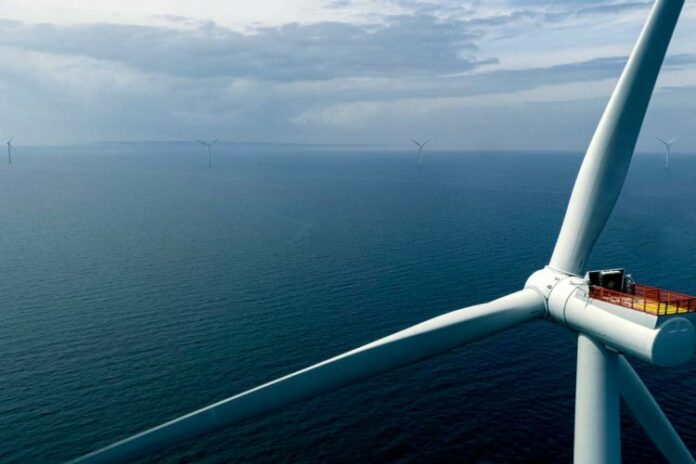
Today’s inauguration is a major milestone, as the Greater Changhua 1 and 2a offshore wind farms have not only doubled Taiwan’s offshore wind capacity; they have also successfully catalysed Taiwan’s offshore wind ecosystem.

President Tsai Ing-wen thanked Ørsted for investing in Taiwan and bringing renewable technologies to Taiwan. She recalled that eight years ago, she went to see the first two demonstration wind turbines at Formosa 1, which is located off the coast of Miaoli County. Soon after that, Ørsted came to Taiwan and started further development of Formosa 1 and the 128 MW project, which was inaugurated in 2019 as Taiwan’s first commercial-scale offshore wind farm. 

Today, she congratulated Ørsted once again for completing the 900 MW Greater Changhua 1 and 2a offshore wind farms with the support of its investors, CDPQ and Cathay PE. This is currently the largest offshore wind project in the Asia-Pacific region.  

President Tsai Ing-wen says:

“It took us eight years to turn the words ‘energy transition’ in our policy papers into actual wind farms in operation. Taiwan now has Asia-Pacific’s largest offshore wind farm and our own offshore wind supply chain.” 

Mads Nipper, Group President and CEO of Ørsted, says:

“With today’s inauguration, we’re celebrating a landmark achievement for Ørsted and for Taiwan. Greater Changhua 1 and 2a are our first gigawatt-scale offshore wind farms outside of Europe. They’re also Taiwan’s first utility-scale far-shore wind farms and the largest of their kind in APAC, reaffirming Taiwan as the frontrunner in the region. In 2024, Ørsted has a record 7.6 GW of offshore wind projects under construction worldwide, including our next big project in Taiwan, the 920 MW Greater Changhua 2b and 4.”

Per Mejnert Kristensen, CEO of Region APAC at Ørsted, says:

“Greater Changhua 1 and 2a is a flagship project of historic significance. This project has spearheaded the establishment of the local offshore wind industry as well as contributed significantly to Taiwan’s energy transition and net-zero goals. I’d like to express gratitude to the relentless efforts of our team and to the support from the authorities and our partners, suppliers, and contractors. We’ve built a strong talent pool, including our industry-first operations and maintenance ‘Taiwan team’, dedicated to ensuring a stable energy output for decades to come. Together, we look forward to delivering more world-class wind farms in Taiwan.”

Ørsted began offshore construction in March 2021 and recently announced the successful installation of all 111 Siemens Gamesa SG 8.0-167 DD wind turbines, which are now supplying renewable energy to Taiwan’s electricity grid. The 605.2 MW offshore wind farm Greater Changhua 1 is co-owned by Ørsted (50%) and Mercury Taiwan Holdings, a consortium of CDPQ, a global investment group, and Cathay PE, with a combined ownership stake of 50%. The 294.8 MW Greater Changhua 2a is 100 % owned by Ørsted.

The 900 MW wind farms inaugurated today are part of Ørsted’s Greater Changhua offshore wind zone, which also comprises Greater Changhua 2b, Greater Changhua 3, and Greater Changhua 4. The zone has a combined capacity of approximately 2.4 GW. Greater Changhua 1 and 2a alone can produce enough renewable energy to power one million Taiwanese households a year, equivalent to 1.75 million tonnes of carbon dioxide reductions annually.
.
Spacious bubble-sub lets you tour the sea floor in first class: Video

0

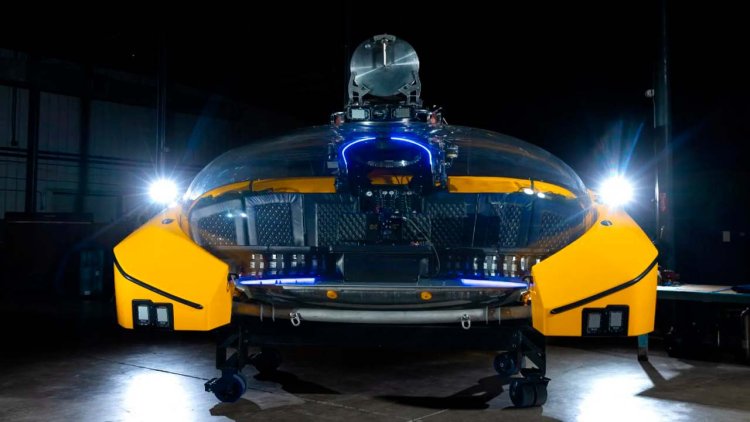
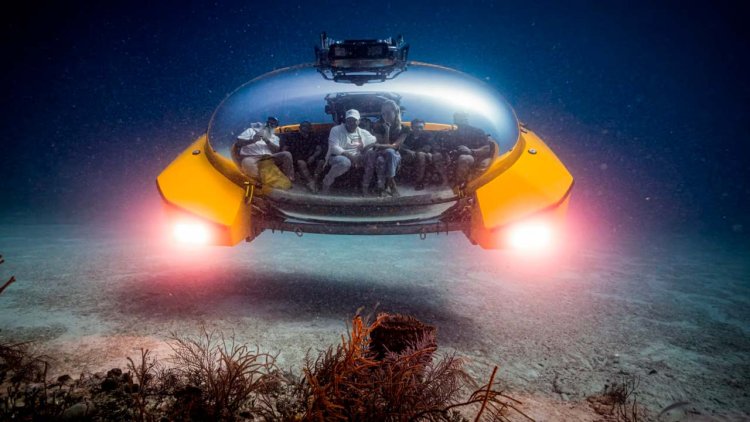
Triton Submarines has delivered its first Triton 660/9 AVA to a cruise company to take passengers into the depths in style.

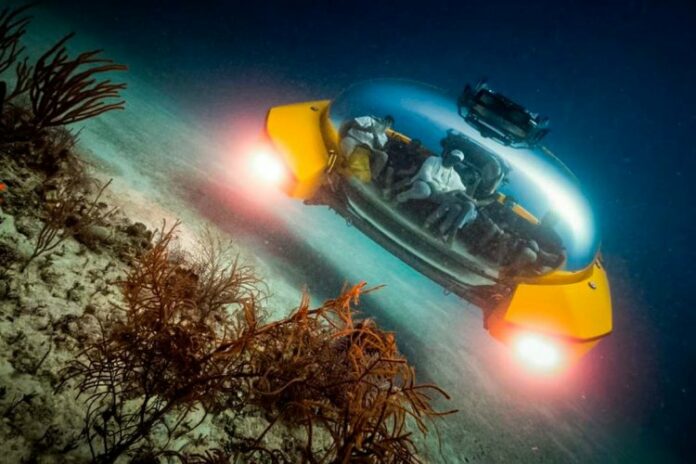
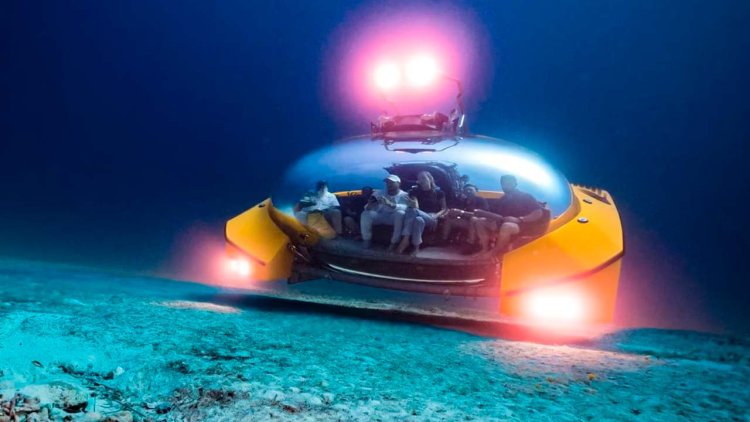
Triton’s fancy sub takes on a unique kind of stretched bubble shape that’s designed to allow passengers a wider, panoramic view of the ocean depths. The shape of that pressure hull is made possible by what Triton calls its Advanced Versatile Acrylics (AVA) methodology, and the rest of the craft’s name comes from its depth rating – it’s certified to dive to 660 ft (200 m) – and occupancy – it can carry nine passengers, including eight guests and a pilot.

The Triton 660/9 AVA is meant to be an “experience” sub offered by luxury resorts and cruise ships. Its comfy, leather-finished interior can be quickly kitted out as a cocktail bar, dining room, spa clinic, the world’s lowest high-roller’s club – whatever activities insufferably rich folk get up to on vacation, they can now do it against a unique undersea backdrop. It does seem to be lacking one notable “luxury” though, so you’d better hit the bathroom before you board, lest the sight of all that water gets to you.

After acing its sea trials and earning DNV certification, Triton has now delivered its first 660/9 AVA to the upmarket travel company Scenic Luxury Cruises & Tours. This sub, christened the Scenic Neptune II, has been integrated onboard the cruise ship Scenic Eclipse II, where it will let passengers slip a dive in between brunch and bingo without getting their feet wet.

Scenic Eclipse II has just arrived in Australia, and will be conducting luxury cruises over the next two years in the surrounding waters, as well as Indonesia, New Zealand, the South Pacific and East Antarctica. If snorkeling feels passé, this little sub should offer a new way to explore the sea with a cocktail in hand.

“The clarity of the acrylic hull once submerged is such that you feel at one with the water,” said Jason Flesher, Scenic Director of Discovery Operations. “Encountering the vibrant marine life of the South Pacific and Australia’s Great Barrier Reef within Scenic Neptune II will create memories to last a lifetime.”

For most of us, we’ll have to make do with this video.

Source: New Atlas

Wärtsilä secures China’s largest-ever methanol newbuild order

0

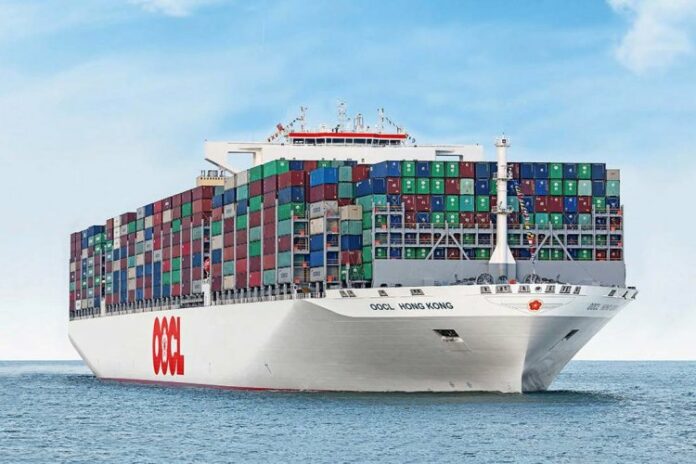
Each vessel will operate with three 8-cylinder and two 6-cylinder Wärtsilä 32M engines. This is the Chinese maritime sector’s largest order to date for methanol-fuelled newbuild vessels. The order was booked by Wärtsilä in December 2023.

To complement the solution, the ships will be equipped with the Selective Catalytic Reduction (SCR) exhaust cleaning systems and alternators. These will be supplied through Wärtsilä’s joint venture company, CWEC (Shanghai) Company Ltd. (‘CWEC’).

The Wärtsilä 32M methanol-fuelled engine has received type approval certificates from several classification societies around the world. Studies have shown that using methanol instead of heavy fuel oil can cut CO₂ and other GHG emissions. In particular, green methanol derived from renewable sources could achieve a further reduction in carbon footprint and thus becomes one of the central decarbonisation solutions for carriers in the future.

“With decarbonisation a major priority for the maritime industry, sustainable fuels, such as methanol, will play a vital role in helping shipping to reduce its greenhouse gas emissions,” says Roger Holm, President of Wärtsilä Marine and Executive Vice President at Wärtsilä Corporation. “As a leader in shaping the decarbonisation of marine and energy industries, Wärtsilä continues to make strong investments in developing new fuel flexible technologies and products which enable the industry’s transition towards greener fuels. It’s why we value our long-term relationship with COSCO Shipping Lines and OOCL and are strongly aligned with their vision in accelerating towards net-zero emissions shipping.”

The Orient Overseas Container Line’s 24,000 TEU ships are to be built at the Nantong COSCO KHI Ship Engineering yard, and the COSCO Shipping Lines’ 24,000 TEU ships at the Dalian COSCO KHI Ship Engineering yard. The vessels are expected to commence commercial operations in 2026.


ABB hybrid-electric propulsion picked for new MaineDOT ferry

0

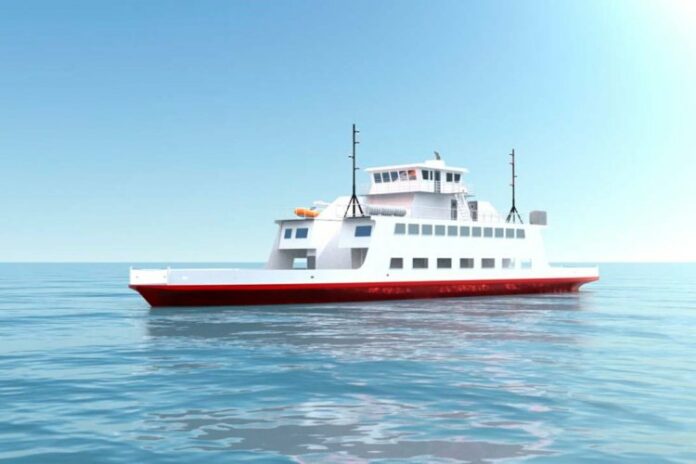
ABB has been selected by Maine Department of Transportation (MaineDOT) to supply a comprehensive grid-to-propeller solution for the new double-ended, hybrid-electric ferry that will provide essential services between the town of Lincolnville and the island community of Islesboro in the United States.

Due to replace an existing diesel-powered ferry, the new vessel will demonstrate the preference of publicly funded organizations in the US for the high reliability and lower emissions achievable using hybrid-electric seagoing technology. ABB’s scope of supply covers the hybrid-electric propulsion and energy storage system. ABB’s award-winning Onboard DC Grid™ power distribution system will ensure optimal use of energy sources, while ABB Ability™ Marine Remote Diagnostic System will enable the monitoring of onboard systems to maximize vessel uptime.

The 207-foot (62-meter) length newbuild vessel will transport up to 200 passengers and 40 vehicles between Lincolnville and Islesboro – around three nautical miles from the mainland. Islesboro is designated a ‘Medically Underserved Area’, where approximately 600 year-round residents rely on ferry connections to access healthcare and other critical services. The ferry project is funded primarily by the Federal Transit Administration under its Electric or Low-Emitting Ferry Pilot Program and Ferry Service for Rural Communities Program, with the latter also funding the modernization of the ferry terminals to align with safety and efficiency requirements.

By replacing the 35-year-old Margaret Chase Smith, the new hybrid-electric vessel will cut fuel consumption by an estimated 100,000 gallons per year, equivalent to around 1,100 tons in CO2 emissions. The project contributes to the Maine Clean Transportation Roadmap, which targets carbon neutrality by 2045.

“The new hybrid-electric Lincolnville–Islesboro ferry will make a significant contribution to our efforts to decarbonize transportation in the state of Maine,” said Mackenzie Kersbergen P.E., Senior Project Manager, Multimodal Program – Maine Department of Transportation. “ABB has been a great partner to us throughout the design process and we look forward to seeing their system in action. Given the critical need for vessel reliability and uptime on this route, ABB’s service footprint and digital monitoring capabilities set them apart from the competition in our search for a systems integrator.”

“Amid an urgent and growing need to decarbonize ferry operations, ABB’s integrated electric, automated and digital solutions are increasingly selected by US operators looking to replace obsolete ferries in response to regulatory requirements and societal expectations,” said Drew Orvieto, Head of Sales, North America, ABB Marine & Ports. “We are honored to work with MaineDOT as systems integrator for this important vessel.”

Value Maritime and MOL team up to capture carbon together

0
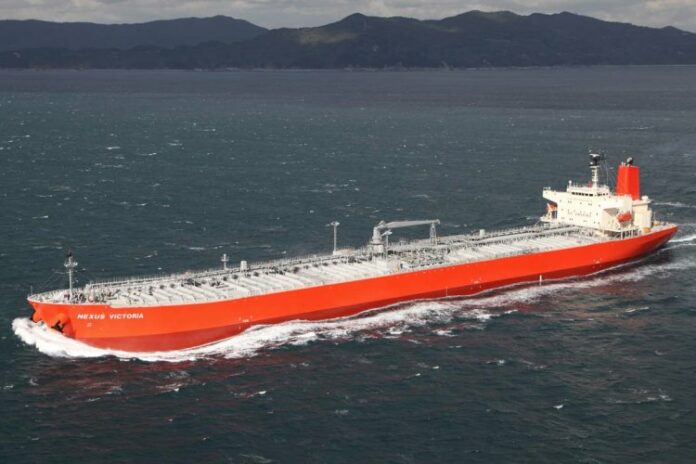
Value Maritime (VM) will provide a 15MW next generation EGCS Filtree with its additional Carbon Capture unit set to capture 10% CO2 onboard MOL’s LR1 product tanker Nexus Victoria. 
With a deadweight (DWT) of 75,000, this is the largest vessel, in terms of DWT, and the first LR1 tanker that will sail with a Value Maritime Filtree and Carbon Capture unit. Installation is expected to take place before the end of the year. 
Laurens Visser, Commercial Manager – Value Maritime, said:
“Hopefully this is the first of many Japanese clients that we can support in achieving decarbonisation initiatives. We are grateful to the MOL team for placing their trust and belief in us and the quality of our technology and showing the market how it’s done. Working with one of the world’s most reputable shipowners keeps us motivated. It challenges us to stay ahead and continue to provide the best and simplest emission-reducing solutions to the shipping industry.” 
MOL has established the “MOL Group Environmental Vision 2.2” as a roadmap to achieve net zero greenhouse gas (GHG) emissions by 2050 and promote the sustainable development of people, society, and the Earth. MOL positions the environmental strategy as one of the main strategies in its management plan, “BLUE ACTION 2035.”
Hiroyoshi Kubo, Executive Officer – Tanker Unit, MOL, said: 
“This system is noteworthy as an initiative to promote decarbonisation of existing vessels, which are difficult to convert to next-generation fuels. MOL and VM will continue working toward the realisation of a carbon-neutral society by reducing GHG emissions from vessels and building a CO2 capture value chain.” 
The Filtree system is based on innovative technology that filters sulphur, CO2 and 99% of ultra-fine particulate matter from the tankers’ exhaust stream. The plug and play Filtree system installed on the MOL product tanker will be outfitted with a CO2 capture and storage system to help reduce emissions further. With this, CO2 is captured from the vessel’s exhaust and stored in tanks onboard. This is then discharged onshore where it can be used, for example, in the sustainable cultivation of greenhouse crops, methanol plants, and even the food industry.
 
With this signed deal, Value Maritime plans to collaborate further with other product tanker companies in the Asian market and further expand their carbon logistics services onshore. 
Christiaan Nijst, Founder and Director– Value Group, said: 
“Our ambition is to expand our Carbon Capture Usage and Storage (CCUS) facilities globally through our sister company, Value Carbon. Offering clients end-to-end solutions is the only way we can reach industry decarbonisation goals. We focus specifically on locations where captured carbon is best handled, like bunkering ports and always look for the most energy-efficient way to utilise the carbon at the lowest cost per tonne.” 

Damen launches Combi Freighter 3850 in Vietnam

0

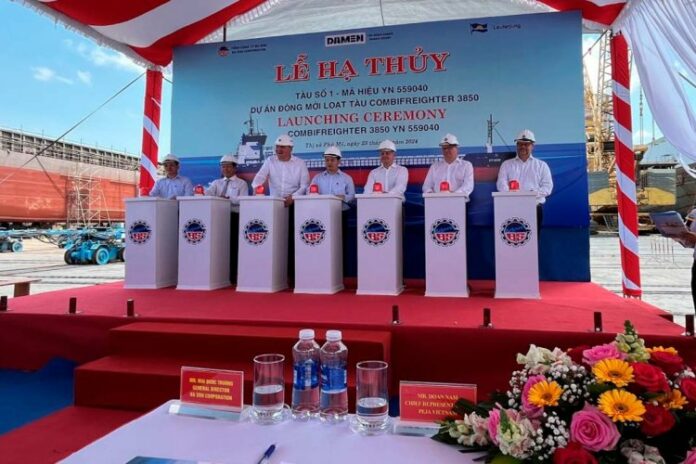
Damen Shipyards Group launched a Combi Freighter (CF) 3850 at the Ba Son Shipyard in Vietnam. 

Following this order, Damen’s client has placed an order for a third CF 3850. The vessels are to be named MV Arion, MV Hestia and MV Neptune.

The orders for the CF vessels mark the first time that the family companies have worked together. Reederei M. Lauterjung Managing Director Kay Lauterjung says that his company was attracted to Damen as a result of its track record and the high renown of the CF 3850 design in the industry. 

“We contracted Damen for these three CF 3850 vessels due to the shipbuilder’s excellent reputation, high quality standards and state-of-the-art ship designs. This is the first time we have constructed a vessel in Vietnam, and we have full confidence in Damen to oversee the success of the project. We are pleased to see the project proceeding smoothly and punctually and are very happy with the excellent cooperation with Damen and the Ba Son shipyard. We look forward to taking delivery of the MV Arion in summer this year, and to further strengthening our cooperation with Damen in the future.”

Commerical Director Damen Cargo Vessels Remko Bouma says,

“We were very grateful to Reederei M. Lauterjung for placing its trust in Damen. “Our family companies are enjoying a fruitful collaboration. Reederei M. Lauterjung have provided us with a lot of input for the development of their vessels. Damen values feedback such as this from its clients tremendously. It helps us to continue to optimise our vessels and ensures their continued relevance for our customers.”

Upon delivery, MV Arion and MV Hestia will enter into a long-term charter with Amadeus Schiffahrts- und Speditions, a subsidiary of HGK Shipping. Under the term of the charter agreement, the vessels will operate under the names Amadeus Pearl and Amadeus Ruby.

Managing Director of Amadeus Schiffahrts- und Speditions Wolfgang Nowak comments,

“We are excited to announce our long-term charter agreement with Reederei M. Lauterjung for these two vessels. Their addition to our fleet marks a milestone for us, expanding our portfolio with newbuilds in this segment for the first time. With the brand-new Damen CF 3850, Amadeus is progressively strengthening its position in the Northern European short sea shipping sector, becoming more independent and meeting the requirements of our longstanding customers.”

The 3850 dwt Combi Freighter, 12.5 x 5.48 metres, is an icon in its sector, proven in operations over the years. Recently, as part of its work towards becoming the most sustainable maritime solutions provider, Damen has completely overhauled the vessel design. The new generation CF 3850 has been designed using computation fluid dynamics (CFD). As a result of this, the vessel’s resistance in the water has been lowered significantly, thereby reducing fuel consumption. 

Damen is able to tailor the CF 3850 to meet client demands with a series of options. In the case of the vessels for Reederei M. Lauterjung, the shipbuilder is supplying the vessels with NAABSA (not always afloat but safely aground), enabling them to operate in dry ports. 

The vessels ordered by Reederei M. Lauterjung are part of a series of eight CF 3850 vessels that Damen is building at the Ba Son shipyard.

Having constructed vessels in Vietnam for decades, including at the joint venture yard Damen Song Cam Shipyard, Damen recently began a cooperation with the Ba Son Shipyard. 

Remko explains,

“The Ba Son yard is owned and operated by the Vietnamese Ministry of Defence, with whom we have enjoyed an excellent collaboration for years at their Song Thu and 189 yards. With the rising demand for cargo vessels currently, we wanted to increase our series production to be able to guarantee our customers of a fast delivery. Ba Son proven to be the answer to this. It’s a modern yard, with excellent facilities and outstanding quality. The cooperation has proven to be very positive. Of the eight initial vessels we are building at Ba Son, all have been sold. We’re looking forward to continuing to build this series of vessels at the yard in the future.”

Kotug selected EST-Floattech for the containerized battery system for fully electric pusherboat

0

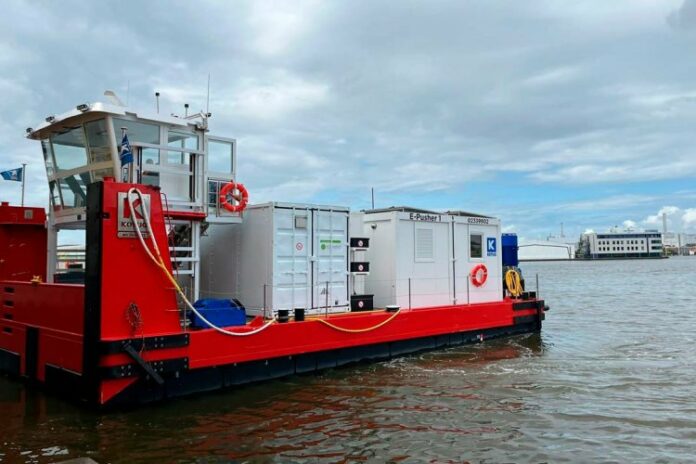
KOTUG International has chosen EST-Floattech’s containerized energy storage solution with Octopus Series for the E-Pusher 1 (Type M). 

The E-pusher Type M is an innovative, emission-free pusher that transports cargo on the inland waterways, this design revolutionizes the way energy is stored and distributed in the maritime industry. The E-Pusher 1 transports cocoa beans for Cargill from the Port of Amsterdam to Zaandam

EST-Floattech’s team has been working on the custom built containerized solution with Octopus High Energy modules. Starting out as a sparring partner to define the amount of energy needed for the propulsion and auxiliary systems, to designing the custom built containerized solution. The container has been designed and constructed in a little over half a year, thanks to the new production facilities for the Octopus Series. In those months we have been in close cooperation with KOTUG, Padmos (builder of the E-Pusher commissioned by KOTUG), Sea and Shore, and Gebhard Electro to realise the Octopus Series container which will provide reliable, emission-free power for the E-Pusher, that has been delivered to Cargill. The container is ESTRIN-Certified, testifying the to the robustness and safety of this maritime battery system.

This containerized solution provides the energy that allows the E-Pusher to make about three trips from Zaandam to Amsterdam and back. Picking up and pushing the cocoa beans to the Cargill facilities. When at the Cargill facilities in Zaandam the Octopus Series Container will be charged three times per week with green energy. 

Our technical engineers specifically designed the battery solution inside this container based on the sailing profile of the E-Pusher for Cargill, creatin a container with a capacity of 2MWh. This customized containerized solution and the emission-free sailing of the E-Pusher make a big difference. Starting with the people who live along the route, they no longer have noise or smell pollution. Emission-free sailing is also important for the scenic environment along the route. For the captain, it offers benefits as well: they no longer sit in the smell, there is no noise pollution from the engine, and it sails smoothly and fast.

Ard-Jan Kooren, CEO & President KOTUG:

“By selecting EST-Floattech’s cutting-edge containerized battery system, KOTUG is proud to lead the maritime industry towards a greener future. The partnership with EST-Floattech signifies our commitment to innovation and sustainability. With the world’s first fully electric pusher boat powered by EST-Floattech’s technology, we are setting a new standard for emission-free maritime transportation. This milestone underscores KOTUG’s dedication to driving positive change in the industry while delivering reliable and efficient solutions to our clients.” 

Walter van der Pennen, Commercial Director at EST-Floattech says:

“We are proud that we have been given the chance to create this containerized energy storage system for KOTUG and contribute to the world’s first emission-free and fully electric pusher tug. We want to thank all our partners for the seamless collaboration and making this truly groundbreaking project possible.”

Chinese scientists close in on laser propulsion for superfast, silent submarines

0

The researchers said the new technology can produce nearly 70,000 newtons of thrust – almost the force of a commercial jet engine – using 2 megawatts of laser power emitted through the submarine’s coating of optical fibres, each thinner than a human hair – an efficiency previously thought impossible to achieve.

The laser pulses not only generate thrust but also vaporise seawater, creating bubbles all over the submarine’s surface in a phenomenon known as “supercavitation” which can significantly reduce water resistance.

Theoretically, the development could allow a submarine to travel faster than the speed of sound without producing the mechanical noise vibration that usually gives away its location, according to the researchers.

This science fiction-like technology – called “underwater fibre laser-induced plasma detonation wave propulsion” – could have “broad application prospects in areas such as stealth propulsion for submarines”, they said.

The project team is led by Ge Yang, associate professor with the school of mechanical and electronic engineering at Harbin Engineering University in Heilongjiang province, where China’s first submarine was developed.

The leap in technological progress of the PLA Navy’s weaponry and equipment in recent years is closely related to this vast institution, based in northeastern China’s heavy industrial manufacturing centre.

The US government has imposed severe sanctions and blockades on the university’s more than 30,000 students and scientists.

According to a peer-reviewed paper by Ge’s team, published in the Chinese academic journal Acta Optica Sinica last month, the technology pulses a large number of high-powered laser beams around the submarine from various angles.

“This method can also be applied to underwater weapons, causing a supercavitation phenomenon, thereby significantly increasing the underwater range of projectiles, underwater missiles, or torpedoes,” Ge and his colleagues said.

Source: South China Morning Post

Interunity Group to deploy ShipIn Systems’ solution across full fleet after successful pilot

0

A key driver behind the decision was FleetVision’s ability to provide objective measures of vessel safety performance through easy-to-understand trend charts supported by visual and contextual data.

These insights have empowered both onboard crew and shore management teams to implement improvements almost immediately. The pilot program, which was conducted over 4 months resulted in remarkable improvements in the Group’s fleet performance and overall operational excellence.

What further impressed Interunity was the dedication and expertise of ShipIn’s Customer Success team. With a strong maritime background, the team demonstrated a deep understanding of maritime operations, effectively addressing the fleet’s specific needs. Their support not only facilitated a seamless integration of FleetVision but also provided ongoing guidance, enhancing the value proposition for the entire Interunity Group of companies. 

“We are delighted to expand our partnership with ShipIn after a successful pilot program. Since deploying FleetVision, we saw a significant improvement in safety performance. We achieved the milestone of zero lapses in compliance with our Group’s Navigational Policies, ensuring heightened safety standards for our operations,” said George G. Mangos, co-Principal at Interunity Group. “The insights provided by FleetVision are proving instrumental in optimizing our fleet operations and improving safety culture, and the support from their Customer Success team has been exceptional. Their deep understanding of maritime challenges and commitment to our success truly sets them apart.”

“We are thrilled to see Interunity expanding their partnership with us. At ShipIn, our mission has always been to provide innovative solutions that address the real-world challenges faced by maritime stakeholders. The success of FleetVision with Interunity’s fleet underscores the effectiveness of our approach and the dedication of our team to deliver value-driven solutions,” said Osher Perry, CEO & Founder at ShipIn Systems. 

WinGD to debut short-stroke engine design after successful shop test

0

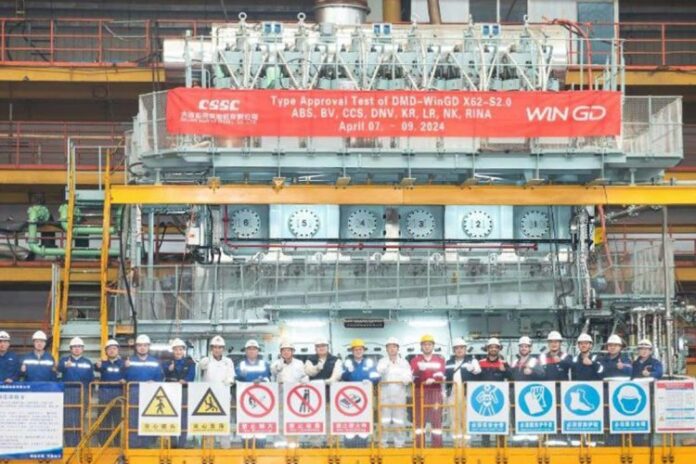
The six-cylinder, 62cm-bore 6X62-S2.0 engine will be installed on a pulp carrier being built for a Chinese owner at COSCO Dalian shipyard.

The X-S series succeeds the well-established RT-flex50 and RT-flex58 engines and is available in 52cm and 62cm bore sizes, for the range of fuel options including traditional diesel or dual-fuel LNG, methanol and ammonia operation. The combination of a compact, simple, design and best-in-class fuel efficiency – around 10g/kWh lower than equivalent RT-flex engines, a saving of around 4% depending on operating profile – make the new platform ideal for vessels that benefit from short-stroke engines.

WinGD Director Sales, Volkmar Galke said:

“The factory test for our first X-S engine confirms that this new generation of short-stroke engines delivers outstanding value for ship operators, providing significant operating cost advantages while enabling high efficiency in compact ship designs. We anticipate strong uptake as the global fleet of merchant vessels using short-stroke engines is renewed and prepares for future regulation demands.”

The X-S combination of shorter stroke length and higher engine speeds allows smaller propellers to generate similar power to long-stroke engines of similar cylinder bore. The compact design is well-suited to vessels that operate in shallow drafts or need lower main deck or engine room height. The existing fleet of short-stroke engine users includes container feeders, car carriers, multipurpose cargo vessels, ro-ro/con-ro vessels and several others. The X-S series has also been designed specifically to make short-stroke engines an attractive power solution for bulk carriers and tanker vessels that do not require the biggest engine bore sizes.

As well as reducing fuel consumption, the operating costs of the new X-S engines offer further efficiencies as a result of its robust and lightweight design. Maintenance is simplified due to lower piston height, while the engines also feature extended time between overhauls compared to previous short-stroke generations.

For dual-fuel X-S engines, intelligent control by exhaust recycling (iCER) allows vessels to reduce fuel consumption and meet Tier III NOx in both gas and diesel modes without separate selective catalytic reduction (SCR), while reducing methane slip when using LNG.

The first installation of an iCER-equipped X-S engine is currently under preparation for a 7,000 CEU pure car/truck carrier (PCTC). Those X62DF-S engines will also feature WinGD’s Variable Compression Ratio (VCR) technology, allowing further efficiency improvements by dynamically optimising engine compression ratio for the fuel used, engine load, ambient conditions and other parameters.