-6.3 C
New York
Home Blog Page 172

NYK jointly establishes new ship-management company in Hong Kong for LNG carriers

0

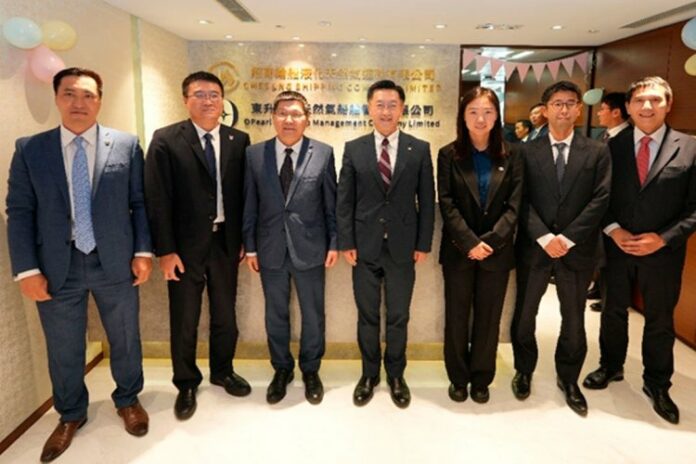
On December 2023, NYK jointly established OPearl LNG Ship Management Company Limited (“OPearl”), a ship-management company for LNG carriers.

OPearl was founded together with CMLNG”), a subsidiary of China Merchants Energy Shipping Co., Ltd. (“CMES”), a leading shipping company in China, and CETS Investment Management (HK) Co., Ltd. (“CETS”), a subsidiary of the CNOOC Group, a Chinese energy company.

NYK, CMLNG, and CETS held a ceremony on April 18 to open the Hong Kong office. OPearl is NYK’s sixth ship-management company for LNG carriers, complementing those based in Japan, Singapore, the United Kingdom, France, and Taiwan.

OPearl will manage LNG carriers, including six vessels will be chartered to CNOOC Gas and Power Singapore Trading & Marketing Pte. Ltd. Through OPearl, NYK seeks to deepen its relationship with CMLNG and CETS and contribute to stabilizing the world’s energy supply and lowering carbon emissions through stable LNG transportation.

Van Oord wins contract for Nordseecluster offshore wind project

0

The 1.6 GW wind farm cluster is expected to generate enough renewable energy to supply the equivalent of 1,600,000 German households.  

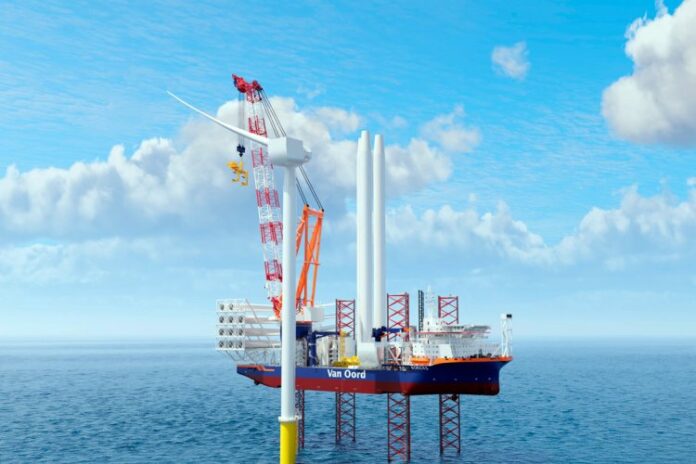
This project award is a major milestone for Van Oord because it will be the first project for the brand-new offshore installation vessel Boreas, which is currently under construction. Van Oord’s scope includes the installation of 104 extended monopiles as well as the installation of the scour protection. In 2025, 44 monopiles are planned for installation in 2025 and the remaining 60 monopiles in 2027.

The Boreas will be the largest offshore installation vessel of its kind, purpose-built for the transport and installation of the next generation foundations and turbines for offshore wind farms. The jack-up vessel, with a crane capacity of more than 3,000 tonnes, can install up to 20 MW wind turbines at sea. It has the capability to fully operate on methanol, drastically reducing its carbon footprint.

Green methanol is one of the most promising future fuels as it is produced using only renewable energy sources. As such, it can reduce the carbon footprint of Boreas by more than 78%. This is in line with Van Oord’s ambition to reduce emissions and to achieving net-zero emissions by 2050. 

Resorts World Cruises deploys integrated MEO-LEO service from SES

0

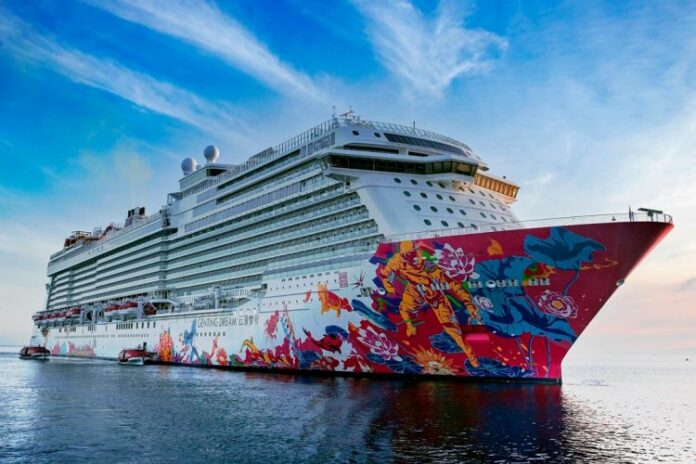
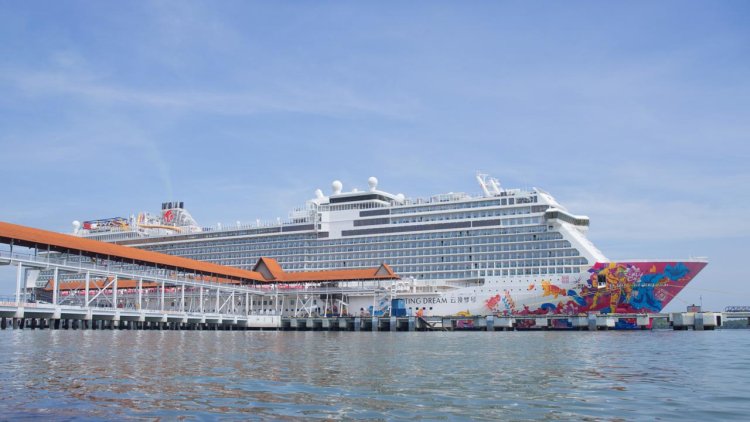
Resorts World Cruises has announced an agreement with SES to install its fully-integrated Medium Earth Orbit (MEO) and Low Earth Orbit (LEO) service on the cruise lines’ flagship Genting Dream with similar future plans for the Resorts World One cruise ship.

The installation of the MEO and LEO service will provide reliable high-speed connectivity, offering the next-level of guest experience at sea. These include unlocking a suite of personalised digital services ranging from world-class entertainment, shopping to dining experiences onboard.

Resorts World Cruises is the first cruise line in Asia to deploy the new integrated offering, SES Cruise mPOWERED + Starlink PRO Service, enabling its guests to enjoy power connected applications across the ship’s onboard accommodations, including the all-inclusive luxury Palace suites, spas, and first-class entertainment.

Launched in 2023, SES Cruise mPOWERED + Starlink PRO is a fully integrated end-to-end service which combines SES’ Medium Earth Orbit (MEO) and Starlink’s Low Earth Orbit (LEO) satellite coverage to provide unmatched connectivity of up to 1.5Gbps for the ship to meet the needs of both passengers and crew, wherever in the world they are sailing.

“At Resorts World Cruises, we are constantly striving to enhance our onboard guests’ experiences with best-in-class hospitality and services, complemented by the latest innovations and technology offerings. In this digital age, state-of-the-art connectivity is at the heart of many vacationers. As such, we are delighted to engage SES to pioneer connected experiences at sea for the cruise market, whilst also making the most of this connectivity to optimise our operations,” said Michael Goh, President of Resorts World Cruises.

“Reliable high-speed connectivity is an essential enabler for Resorts World Cruises’ ambition of redefining cruising, with world-class luxury accommodation, exclusive restaurants, spas and other facilities, as well as personalised tailored experiences for their guests,” said Simon Maher, Global Head of Maritime Cruise at SES. “With our fully integrated, end-to-end service that brings together the power of multiple orbits, we are proud to deliver unmatched connectivity that powers cruise liners’ cutting-edge onboard offering and helps companies maintain their competitive edge.”

Ports of Stockholm and BPO seek funds to develop cooperation with Ukrainian ports

0

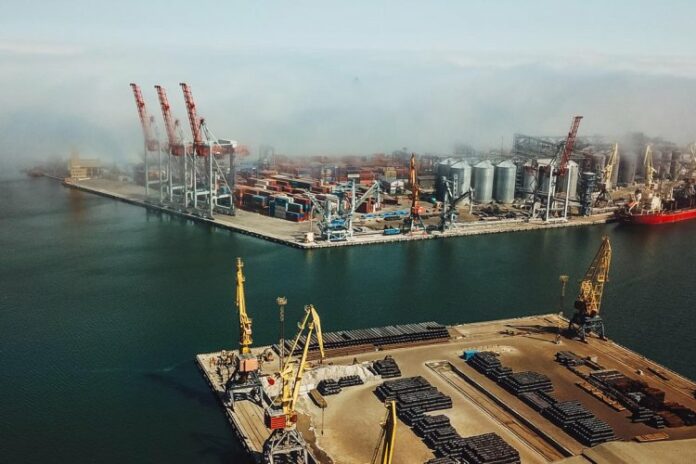
Ports are critical infrastructure in the transportation sector. As gateways for both import and export of goods and raw materials, ports play a crucial role in international trade. In collaboration with partners, Ports of Stockholm is seeking funds through the Swedish Institute’s Ukraine Cooperation Program. This is to lay a foundation for the integration of Ukrainian ports into the EU transport network.

Ports of Stockholm, together with the law firm Interlegal, headquartered in Odessa, and the Baltic Ports Organization (BPO), are seeking funding from the Swedish Institute for a preparatory project. The aim is to build cooperation between Sweden and Ukraine to support the integration of Ukrainian ports into the EU transport system.

The project, if it is granted, consists of a number of main activities where, among other things, a needs analysis, knowledge in applying for EU funds for community development and construction and study visits to a Baltic Sea port will be important parts of strengthening the Ukrainian ports’ efficiency and conditions for a future strengthened trade.

It feels important that with our organization’s expertise and strength in, among other things, port management, logistics and sustainability, be part of supporting the Ukrainian ports’ way forward in modernizing and complying with EU standards in the field of transport. I see that this collaboration strengthens Ports of Stockholm’s commitment to excellence, sustainability and regional cooperation in the Baltic Sea region, creating mutual benefits for all parties involved – says Jens Holm, Chair of the Board of Ports of Stockholm.

Before Russia’s full-scale invasion, Ukrainian ports handled around 160 million tonnes of cargo and were responsible for around 60 percent of Ukraine’s trade turnover. As a result of the war, the port infrastructure in Ukraine is badly damaged. After the war, it will be necessary to rebuild, modernise and integrate Ukrainian ports into the EU transport network.

The project for which the three partners are seeking funding is part of Sweden’s co-operation with Ukraine. Through the Swedish Institute, Swedish actors with partners in Ukraine are offered the opportunity to implement projects to support Ukraine’s construction, reform work and EU integration within such fields as economic development, trade and democracy.

“The integration of Ukrainian ports into the EU transport network is a challenge. In this project, we see an opportunity to take the first steps to start that integration process. With our role as a platform for Baltic Sea ports and our knowledge of the EU regulatory framework, we are able to support the project on issues that Ukrainian ports may face during their integration process into the EU transport network, as well as create a network of contacts between the Ukrainian partners and ports around the Baltic Sea,” – says Bogdan Ołdakowski, Secretary General of the Baltic Ports Organization.

The project, if funded, will run between November 2024 and October 2025. The total grant is 17,300 EUR.

Ukraine applied for EU membership in February 2022 and was granted EU candidate status in June 2022. In December 2023, EU leaders decided to open accession negotiations. The Ukrainian transport infrastructure and its ports have been included in the EU’s newly revised policy for the Trans-European Transport Network (TEN-T).

Wärtsilä Lifecycle Agreement to ensure operational reliability for two Japanese ferries

0

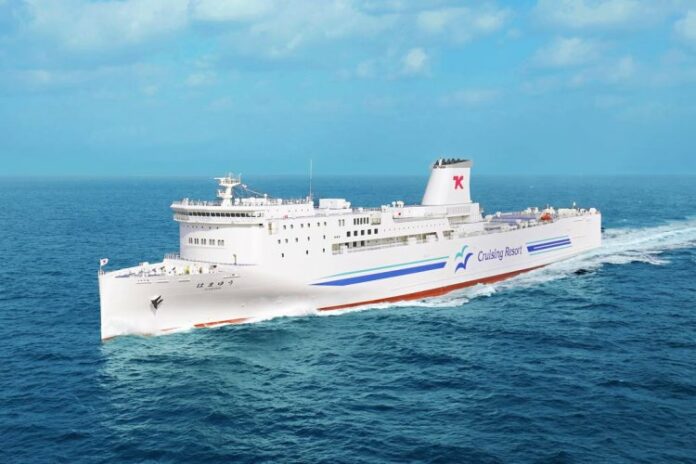
Technology group Wärtsilä has signed two Lifecycle Agreements covering two ferries owned by Japanese operator Shin Nihonkai Ferry Co., Ltd (SNF). 

The vessels are each powered by four Wärtsilä 31 engines. The agreements are designed to provide optimal operational support in ensuring reliable and efficient performance for the ferries, which serve the busy Yokosuka and Shinmoji route. The order was booked by Wärtsilä in April 2024.

As ferries have an important role to play in meeting the growing demand for environmentally sustainable transport options, ferry operators are under pressure to reduce costs, fuel consumption and emissions, all while keeping to vessel schedule without delay for the passengers. That’s why ferry operators are increasingly looking towards services and solutions which enable operations to run smoothly and efficiently.

“It is very important that we operate according to the schedules and without delays, so being sure that the ships are in prime operating condition is essential. The two Wärtsilä agreements will give us this assurance and allow us to confidently concentrate on serving our customers in an optimal and most efficient way,” says Mr. Hisao Shimizu, General Manager, Marine Management, Shin Nihonkai Ferry Co., Ltd.

The two five-year agreements cover the ‘Hamayu’ and ‘Soleil’ ferries and provide remote 24/7 support in case of need. The experts in Wärtsilä Expertise Centres are available to support the crew remotely whenever needed, giving guidance, advice, and recommendations. A cyber secure connectivity makes it possible to collaborate remotely in real-time. Getting the issues resolved quickly maximises the vessel uptime ensuring smooth operations.

The scope of the agreements also includes asset diagnostics and anomaly detection via Wärtsilä’s Expert Insight predictive maintenance service. Expert Insight proactively identifies and highlights potential failures and early indications of equipment deterioration that cause vessels to run less efficiently. 

“If a vessel is well maintained, it not only allows it to operate reliably, therefore minimising delays and cancellations for passengers, it also saves fuel and generates less emissions. After all, key maintenance practices have a surprisingly big impact on the vessel’s efficiency and with data we can optimise and improve these even further. We are delighted to expand our long-standing partnership with SNF by supporting them with our Lifecycle Agreement for these two ferries and to help them improve the ships efficiency and reliability,” comments Henrik Wilhelms, Director, Agreement Sales, Wärtsilä Marine.

Finnlines inaugurated its new line in Malmö

0

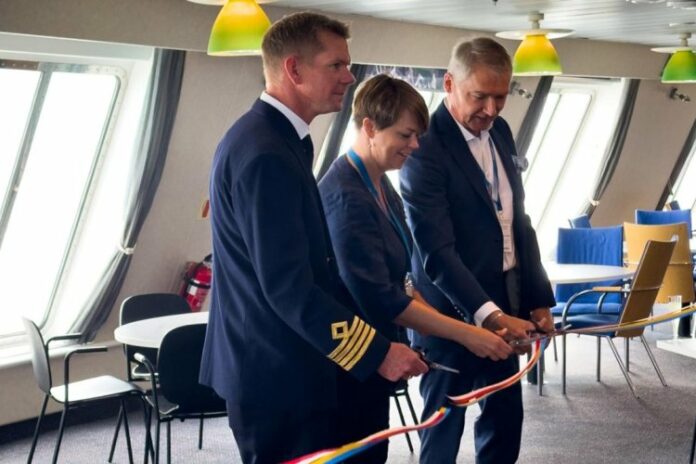
On May 28, the shipping company’s new line was celebrated with an official inauguration on board the ship. The inauguration ribbon in Swedish-Polish colours was cut by Finnlines’ management and the Mayor of Malmö Municipality Katrin Stjernfeldt Jammeh (S).

Freight and passenger shipping company Finnlines is now operating two connections from Malmö to continental Europe. Finnlines’ freight and passenger ship Finnfellow has been calling Travemünde in Germany for a few years, but on April 10, 2024, it set a new course for Świnoujście in Poland. Since then, the vessel has operated the route daily and on May 28, 2024, an inauguration was held where, among others, Finnlines’ CEO Tom Pippingsköld, Finnlines’ Line Manager Antonio Raimo, Finnlines’ Head of Passenger Services Marco Palmu and the Mayor of Malmö Municipality Katrin Stjernfeldt Jammeh (S) participated.

“First of all, I would like to thank everyone who came to celebrate with us. With our new direct connection to Poland, we have opened up for new opportunities in trade and tourism. We are proud to secure an important trade route between Malmö and West Pomerania in Poland and at the same time contribute to a pleasant travel environment for both business and leisure travellers,” says Tom Pippingsköld, President and CEO of Finnlines.

“Malmö is Sweden’s bridge to the rest of the world. With Finnlines’ new maritime connection across the Baltic Sea to Poland, our city’s position is further strengthened,” says Katrin Stjernfeldt Jammeh (S), Mayor of Malmö Municipality.

Copenhagen Malmö Port (CMP), which operates the port of Malmö, and Euro Terminal, which operates the port of Świnoujście, are also pleased with the new route.

“Finnlines is a long-standing and very important partner to the port, and we are pleased that the co-operation has now been deepened. With a new route between Malmö and Świnoujście, a large and growing market is opened up, which also creates opportunities for other activities in the port area and for the development of intermodal transport in the port,” says Barbara Scheel Agersnap, CEO, Copenhagen Malmö Port.


PowerCell to supply Fuel Cell Systems to O.S. Energy for research vessel

0

PowerCell has signed an order for two 100 kW Marine Fuel Cell Systems from O.S. Energy for the Transship II sustainable vessel project. This order represents a significant expansion of PowerCell’s offerings into the segment of smaller commercial and leisure vessels, including both retrofits and new builds, and shows that the technology is ready for wider uptake.

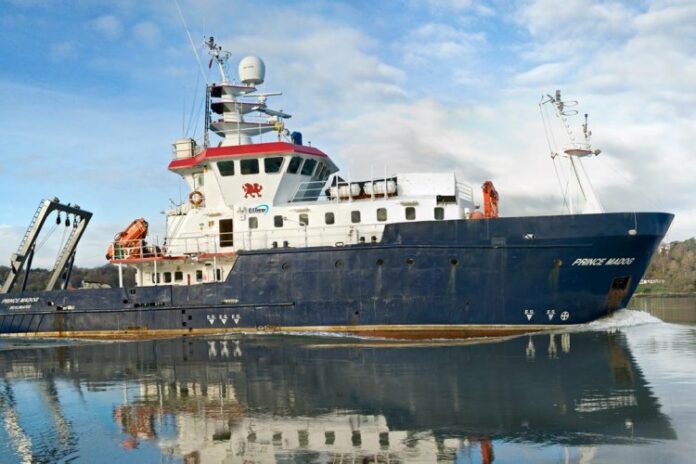
This initiative focuses on retrofitting the research vessel Prince Madog with a cutting-edge hydrogen-electric hybrid propulsion system, showcasing the potential for sustainable propulsion solutions in the maritime industry.

The retrofit work is to be completed in early 2025 with a demonstration planned for March 2025. The Transship II project is supported by the UK Department for Transport as part of the Clean Maritime Demonstration Competition Round 3 (CMDC3) – delivered in partnership with Innovate UK. 

The Prince Madog, co-owned by Bangor University, is set to become a trailblazer in green maritime technology through this pioneering £5.5 million initiative. The retrofit is expected to reduce the vessel’s emissions by up to 60%, aligning with global efforts to minimise the environmental impact of the shipping industry.

“We are proud to be at the forefront of sustainable maritime technology,” stated Richard Berkling CEO of PowerCell Sweden AB. “Our Marine Fuel Cell Systems offer several benefits over traditional diesel generator sets, including zero emissions, silent operation and exceptional reliability. Additionally, our 100kW Marine Fuel Cell System has the same footprint as conventional solutions, ensuring seamless integration into existing vessel designs. These advantages are critical as the industry moves towards greener and more efficient solutions.”

Martin Nuernberg, Managing Director of O.S. Energy (UK), stated,

“We are thrilled to partner with PowerCell, a leader in fuel cell technology, to equip the Prince Madog with the latest in marine propulsion systems. This order is a critical step in our commitment to innovation and environmental responsibility, demonstrating the potential of hydrogen technology in transforming the maritime industry.”

While the large ocean-going ships that will require new fuels make up approximately 85% of the maritime industry’s carbon footprint, the other 15% are ready for decarbonisation now through fuel cells. According to the International Maritime Organization, 15% of smaller shortsea vessels still represent approximately 150 million tonnes of carbon emissions emitted each year.

Fuel cells are highly efficient, converting chemical energy directly into electrical energy without the intermediate steps required for a traditional combustion process. Fuel cells also operate quietly and have minimal vibrations compared to conventional combustion engines, reducing underwater radiated noise (URN) in sensitive marine ecosystems, and making them perfect for research vessels.

The Transship II project is the largest retrofit of its kind, involving a consortium of major UK innovators in green maritime technology and hydrogen systems. The project aims to enable low to zero-emission operation of the Prince Madog in 2025, making it a model for sustainable marine research and operations.

Florida’s SeaPort Manatee orders two Konecranes mobile harbor cranes

0

After they ordered the first crane in Q1 2024, the port quickly decided to take a second optional crane at the beginning of Q2 to keep up with fast-growing demand. Both cranes will be delivered by the end of the year.

SeaPort Manatee, the closest U.S. deepwater seaport to the expanded Panama Canal, is investing in new equipment to manage anticipated strong growth in container and general cargo traffic. With four Konecranes mobile harbor cranes already on site, the port ordered two more that will offer the ability to run both with electricity from the harbor main, meaning a significant reduction in emissions and a higher efficiency.

“These two new Konecranes Gottwald mobile harbor cranes will not only help SeaPort Manatee accommodate its growing container business, but their electric drive design will also contribute to the port’s strong commitment to reducing emissions. Both the Florida Department of Transportation and the port’s loyal customers appreciate this dedication to sustainability and the entire community will benefit,” said Carlos Buqueras, SeaPort Manatee’s executive director.

This contract is part of Ecolifting™, Konecranes’ vision to increase its handprint – meaning the beneficial environmental impact that can be achieved with our product and service portfolio – while reducing customers’ carbon footprints. From eco-optimizing diesel drives, to hybridization and fully-electrified fleets, we will continue to do more with less. 

RWE to build wind farms with capacity of 1.6 GW off German North Sea coast

0

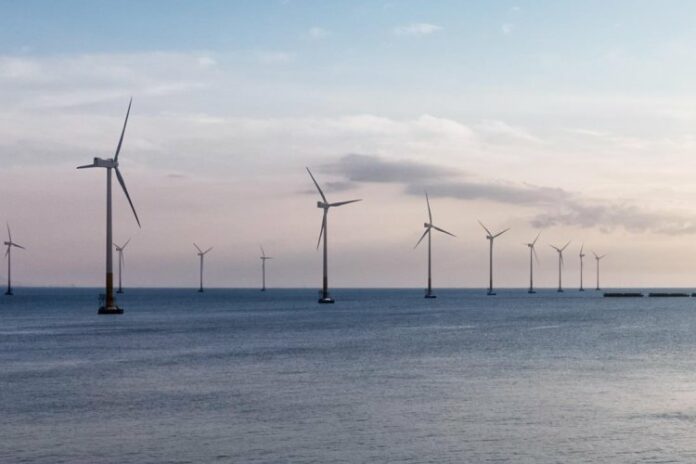
RWE has made the investment decision for its Nordseecluster, involving offshore wind projects with a total capacity of 1.6 gigawatts (GW). 

Sven Utermöhlen, CEO RWE Offshore Wind:

“Our portfolio already includes six offshore wind farms off Germany’s coastlines. The Nordseecluster will add two more. This sends out a good signal for the energy transition in Germany and for RWE. With a total capacity of 1.6 gigawatts, these wind farms will generate around 6.5 terawatt hours of green electricity per year. This will contribute in particular to the decarbonisation of industry in our home market.” 

The Nordseecluster is being implemented in two phases – Nordseecluster A and B. Nordseecluster A has a total capacity of 660 MW. Manufacturing of some key components has already started. Construction at sea is scheduled to begin next year. By the beginning of 2027, all 44 wind turbines shall be connected to the grid. Nordseecluster B will add a further 900 MW of capacity. The 60 turbines are scheduled to start commercial operation from the beginning of 2029.

RWE does not have to make any lease payments to the German Federal Network Agency (Bundesnetzagentur) for the Nordseecluster sites. The size of the cluster will provide synergy effects for RWE in the construction and subsequent operation of the wind farms. RWE will use the green electricity generated from the wind farms to support its industrial customers on the path to decarbonisation with customised energy solutions. These customers increasingly include operators of AI data centres.

Globally, RWE is one of the leading players in offshore wind. In the past 20 years, the company has put 19 offshore wind farms into operation, including six off the German coast. RWE has set itself the goal of tripling its global offshore wind capacity from the current 3.3 GW to 10 GW in 2030.

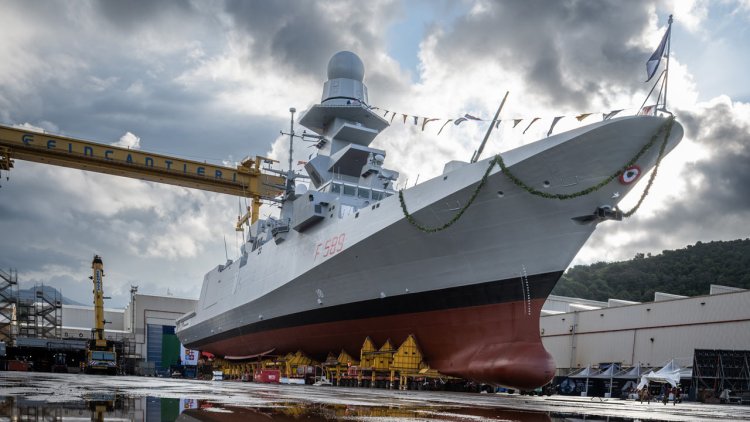
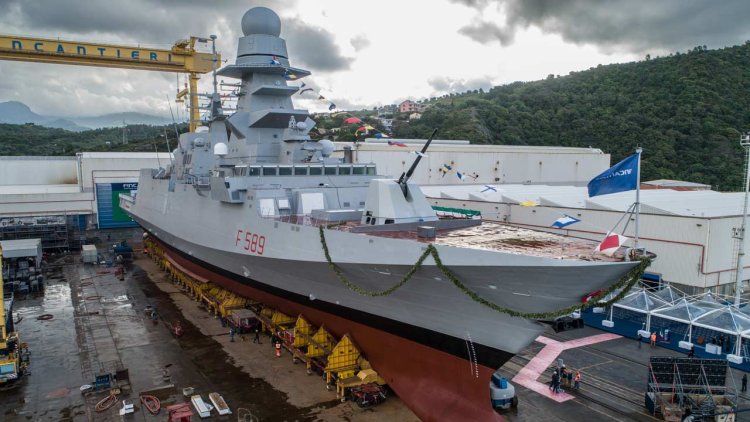
Fincantieri: FREMM frigate “Emilio Bianchi” launched

0

The launching ceremony of the frigate “Emilio Bianchi,” the last in a series of 10 FREMM – European Multi Mission Frigates – units commissioned from Fincantieri by the Italian Navy under the Italian-French international cooperation agreement, under the coordination of OCCAR, the joint organization for European cooperation in armaments, was held today at the Riva Trigoso integrated shipyard.

Godmother of the launch was Mrs. Maria Elisabetta Bianchi, daughter of Gold Medalist for Military Valor Emilio Bianchi.

The ceremony was held in the presence of the Navy’s Chief of Staff, Admiral Enrico Credendino, who was welcomed by the President of Fincantieri, General Claudio Graziano, and the General Manager of Fincantieri’s Military Ships Division, Dario Deste. Among others, the President of the Regional Council, Gianmarco Medusei, the Director of the Organisation for Joint Armament Cooperation (OCCAR), Joachim Sucker, and civil and military authorities also attended.

Following the launch, the unit will continue outfitting activities at the Muggiano shipyard in La Spezia and will be delivered in 2025. “Emilio Bianchi” will be characterized, like the other FREMMs, by high deployment flexibility and will have the ability to operate in all tactical situations. It has a length of 144 meters, a width of 19.7 meters and a full load displacement of about 6,700 tons and will be able to reach a speed of more than 27 knots with a maximum capacity of about 200 embarked personnel.

In the naval defense sector, FREMM – European Multi Mission Frigate is the most important joint initiative developed among European industries. The FREMM program, which represents the state of the art in Italian and European defense, stems from the need to renew the line of Navy units, including the “Lupo” and “Maestrale” classes, built by Fincantieri in the 1970s and 1980s.

Carlo Bergamini was delivered in 2012, Virginio Fasan in 2013, Carlo Margottini in 2014, Carabiniere in 2015, Alpino in 2016, Luigi Rizzo in 2017, Federico Martinengo in 2018, Antonio Marceglia in 2019, and Spartaco Schergat currently under construction at the Muggiano factory and whose delivery is scheduled for April 2025.