-6.8 C
New York
Home Blog Page 167

Ice-going SOV concept for offshore wind farms completed

0

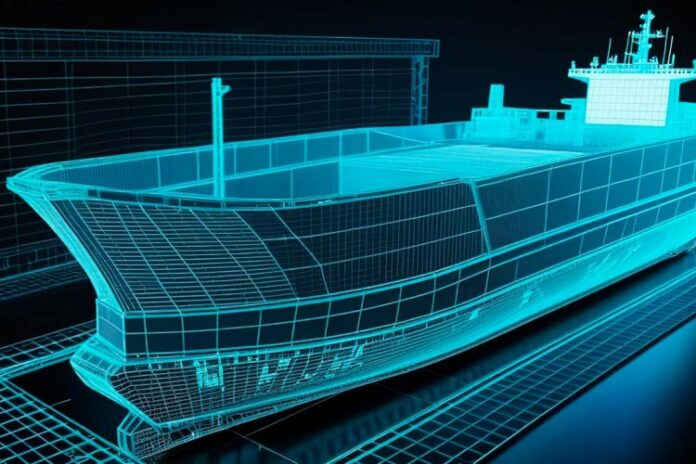
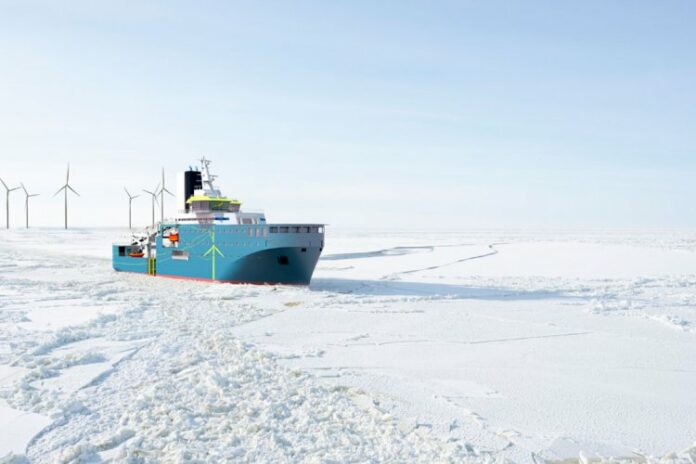
The concept design for the first year-round service operation vessel (SOV), intended for independent operations at offshore wind farms, is complete. Estimating maintenance and investment costs for wind farms in seasonally freezing seas is now easier.

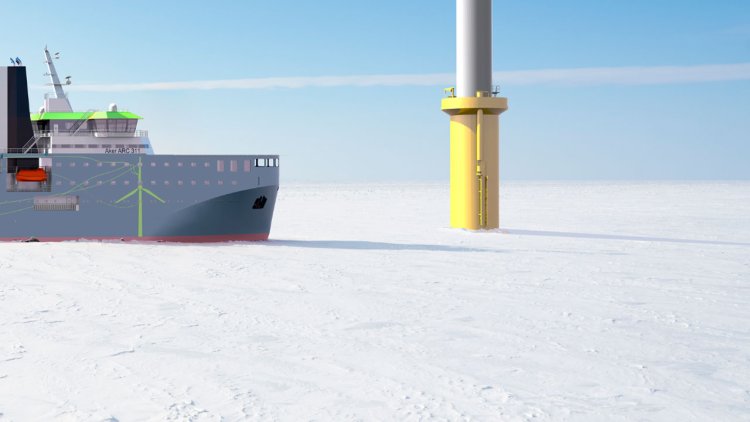
The ice-going SOV is designed to reliably reach turbines in all prevailing weather conditions, ensuring safe service throughout the year. Aker Arctic’s proven Double Acting Ship (DAS™) principle combines operational capability in both open water and ice in an efficient design that minimises both construction and operational costs of the vessel. Clarksons Offshore & Renewables Ltd has supported the design work in areas specific to SOVs.

The primary objective was to develop a vessel concept that is as close as possible to an open-water service vessel, but also capable of safe, independent, year-round operations without incurring high additional costs or increased fuel consumption.

According to Chief Designer Lars Lönnberg, employing the DAS™ principle – where the vessel advances bow-first in open water and light ice, and stern-first in heavy ice – has been crucial in creating an energy-efficient design.
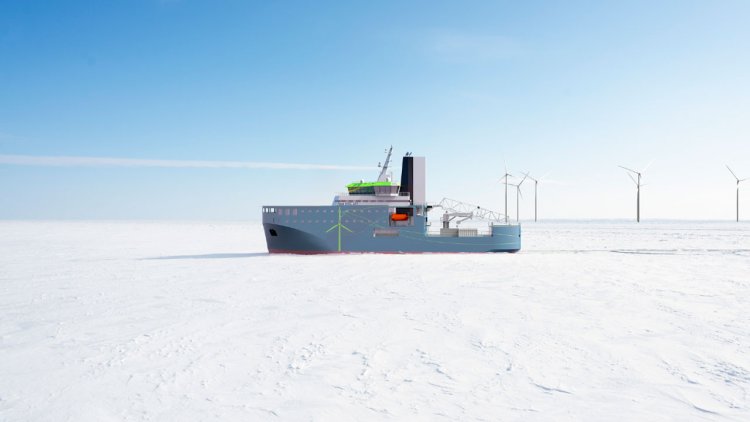
“With our experience in designing efficient ice-going hulls, we have developed a stern form that breaks ice without using unnecessary power, thus avoiding excessive fuel usage,” adds Project Manager Juuso Lindroos.

The vessel’s ice strengthening and ice class are suitable for operations across the entire Baltic Sea, including the Bay of Bothnia, where winter conditions are the most severe. The final ice-going capability will be determined based on the operational conditions in the target area, with the design tailored accordingly.

Dynamic Positioning (DP) and seakeeping have been special focal points, as the vessel must remain stationary when servicing the turbines. A motion-compensated gangway is the safest means of accessing the turbines, and features such as midship location and winterisation have been included.

A passive roll damping system will ensure calm vessel movements in waves, enhancing safety and comfort for the crew.

Choices in propulsion and fuel significantly affect energy costs, but also crew well-being. Using a battery-operated electric system reduces noise and engine resonance. A plug-in hybrid system with charging capabilities at the wind farm allows for operations to be powered by batteries day or night.

For longer transfers, engines running on either marine diesel or alternative fuels, such as methanol or ammonia, are essential. Optional space has been allocated for the larger fuel tanks necessary for alternative fuels.

A retractable thruster, quieter than fixed tunnel thrusters, is also part of the low-noise solution. Furthermore, cabins are located high in the superstructure to reduce noise from ice interaction.
Maintaining reasonable construction costs has been a significant focus.

“The vessel is not an icebreaker, but tailored for independent operations and optimised for the area it will serve, ensuring that both construction and operational costs remain controlled,” Lönnberg highlights.

Lindroos adds that preliminary estimates suggest the construction cost is about 5–10% higher than a similar-sized open-water model. This increase accounts for additional steel weight, propulsion power, and winterisation.

“The hull form, the DAS™ principle, and other innovative solutions play a significant role in keeping the price down,” says Lindroos.

An SOV can remain at the wind farm up to a month before returning to shore for supplies. The crew works in multiple shifts and is rotated back to the mainland every two weeks using smaller vessels. In winter, the frequency of harbour calls may increase due to the ice conditions.

“The vessel is essentially a second home for the staff and should be comfortable both during their shifts and their downtime,” explains Lindroos.

In addition to other amenities, a sauna and gym area with unobstructed sea views have been included on the top deck, along with an outdoor terrace furnished with an optional hot tub.
Atlantic Towing and Svitzer modernise Halifax Port fleet with new escort tugboats

0

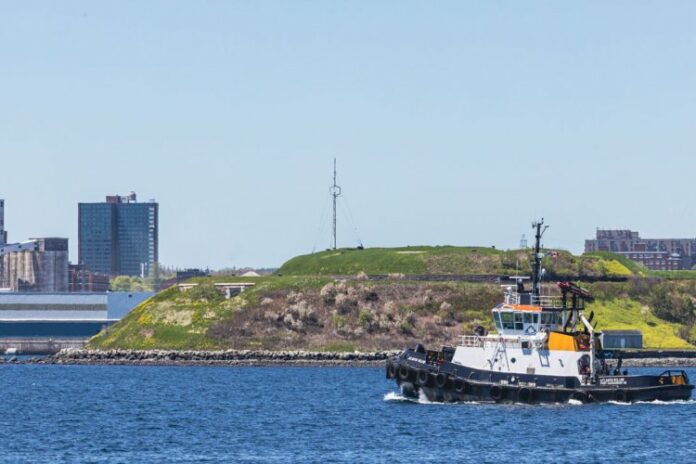
Atlantic Towing Limited, a member of the J.D. Irving, Limited family of companies and Svitzer have made a significant joint investment in the modernisation of the Port of Halifax fleet by acquiring two new escort tugboats from the Rastar 3200 series, each boasting an 85-ton bollard pull.   

The Port of Halifax has seen substantial growth over the past decade, with a marked increase in both the number of tug jobs and the size of vessels. The new tugboats were specifically selected to accommodate the expanded volume and ensure Atlantic Towing maintains its role as the premier operator at the port.  

Currently, three tugs are permanently stationed in Halifax, supplemented by two on-call vessels. The new Rastar 3200 vessels will replace the on-call tugs, offering a more robust and permanent solution. 

Atlantic Towing, based in Saint John, New Brunswick, Canada, has been serving the Port of Halifax for nearly 20 years and has partnered with Svitzer, headquartered in Copenhagen, Denmark, since 2010. The two new tugboats are currently under construction at the Uzmar Shipyard and are expected to be operational later this year. 

Sheldon Lace, General Manager, Atlantic Towing Limited, said:

“We’re excited to welcome new escort tugboats to our fleet. The investment reflects our dedication to supporting our partners and customers amid the exceptional growth in the Port of Halifax.” 

Highlighting the operational benefits, Captain Adam Parsons, Harbour Master, Halifax Port Authority, said: “These new tugs are built to handle larger container ships, which are increasingly calling at Halifax, the only Eastern Canadian port capable of accommodating them. The enhanced escort capabilities in various weather conditions will boost efficiency and safety at the port.” 

Arjen Van Dijk, Managing Director Svitzer Americas, said:

“Through a collaborative effort, Svitzer’s newbuild team, along with operations and procurement departments in Copenhagen and Panama, worked closely with Atlantic Towing to identify the best technical and operational solutions. These 85-ton escort tugs from the Rastar 3200 series exemplify our commitment to co-creating effective solutions with partners.” 

Shell signs agreement to acquire Pavilion Energy

0

Shell Eastern Trading Pte. Ltd., a subsidiary of Shell plc, has reached an agreement with Carne Investments Pte. Ltd., an indirect wholly-owned subsidiary of Temasek, to acquire 100% of the shares in Pavilion Energy Pte. Ltd. Pavilion Energy includes a global liquefied natural gas (LNG) trading business with a contracted supply volume comprising about 6.5 million tonnes per annum (mtpa).

“The acquisition of Pavilion Energy will strengthen Shell’s leadership position in LNG, bringing material volumes and additional flexibility into our global portfolio,” said Zoë Yujnovich, Shell’s Integrated Gas and Upstream Director. “We will acquire Pavilion’s portfolio of LNG offtake and supply contracts, which includes additional access to strategic gas markets in Asia and Europe. By integrating these into Shell’s global LNG portfolio, Shell is strongly positioned to deliver value from this transaction while helping to meet the energy security needs of our customers.”

The acquisition will be absorbed within Shell’s cash capital expenditure guidance, which remains unchanged. The deal is in excess of the internal rate of return (IRR) hurdle rate for Shell’s Integrated Gas business, delivering on its 15-25% growth ambition for purchased volumes, relative to 2022, as outlined during the 2023 Capital Markets Day.

Integration of portfolios will commence after completion of the deal, which is expected by Q1 2025, subject to regulatory approvals and fulfilment of other conditions precedent.

Offshore wind is poised for truly global growth, says new report

0

New capacity increased 24% on the previous year, a growth rate the Global Wind Energy Council expects to see continue up to 2030, if the present increase in policy momentum continues. 

In the next ten years, GWEC forecasts that 410 GW of new offshore wind capacity will be installed, bringing offshore wind deployment in line with global targets to install 380 GW by 2030. The majority of that will come at the turn of the decade, with two-thirds installed between 2029 and 2033. This rapid expansion of deployment must be built on a growing collaboration between industry and government and the creation of streamlined and effective policy and regulatory frameworks. 

This anticipated growth will be driven by the arrival of the next wave of offshore wind markets like Australia, Japan, South Korea, the Philippines, Vietnam, Brazil, Colombia , Ireland and Poland – where policy developments and unprecedented focus across governments, industry and civil society is setting the conditions for long-term offshore wind development at scale.

The new report outlines a “Global Growth Framework for Offshore Wind” for industry and governments planning to rapidly scale up development covering finance, demand and industrial offtake, supply chain development, permitting, social consensus, workforce development and grid infrastructure. GWEC’s position is that forecasted growth is at risk if this framework is not implemented.

Ben Backwell, CEO, Global Wind Energy Council, said:

“Installing almost 11 GW of offshore wind is the leading edge of a new wave of offshore wind growth. Policy progress – especially across the Asia-Pacific region and the Americas – has set us on course to regularly install record-breaking capacity annually, and pass the 380 GW target set up by the Global Offshore Wind Alliance. That means offshore wind is on course to achieve the tripling ambition set at COP28 in Dubai.

“Offshore wind is now so much more than a  European, Chinese or American story. In the last year GWEC has seen rapid progress in new markets where the key drivers for offshore wind are now in place – from government commitments to sustainable economic growth, to increased consumer demand and industrial decarbonisation.”

Rebecca Williams, Chief Strategy Officer – Offshore Wind, GWEC, said:

“Governments around the world are choosing offshore wind for their people and their economies. We have reached the point in mature markets where the technology is now proven to have the ability to  save households money versus conventional energy sources. 

“This new wave of offshore wind markets are taking notice and making progress of their own, in some cases outgrowing the ‘emerging’ label thanks to strong collaboration between industry and policymakers. It is vital to continue that cooperation, particularly in this year of significant elections around the world, to ensure targets become turbines and more markets develop in the wake of this decade’s expansion.”

Steven B. Hedlund, President and Chief Executive Officer, Lincoln Electric, said:

“The future ambitions of the offshore wind industry depends on an expanding supply chain where advanced technology and automation are going to help drive further expansion.”

José Oriol Hoyos, Chairman and CEO of Iberdrola Renewables International, said:

“This year is a major milestone and memorable moment in our journey towards a cleaner and sustainable future in which offshore plays a leading role. I encourage the whole industry to apply the same courage demonstrated to overcoming challenges in the past so next year we can proudly say that another record has been set and we are a step closer to meeting our ambitions.” 

Qiying Zhang, President and CTO of Mingyang Smart Energy, said:

”The utilisation of marine energy, especially offshore wind power, plays a vital role to achieve the global energy transition whilst combating climate change and its impacts. We believe that through technological innovation, industrialization and global cooperation our industry can further reduce the cost of energy and ultimately help achieve large-scale offshore wind power deployment.”

Seafar NV receives AiP from Bureau Veritas for remote vessel operations technology

0

Seafar NV has recently been granted Approval in Principle (AiP) by Bureau Veritas (BV) for a new communication system that is part of its remote control technology solution for ships.

Seafar NV manages and operates unmanned and crew-reduced inland and coastal vessels via Remote Operations Centers (ROC). The new digital solution is a synchronous control communication system that supports the transfer of onboard functions to the shore. The technology also enables captains to transfer between ROC desks during periods of ships’ inactivity, removing the need for them to physically move between vessels. As a result, Seafar’s communication system offers a solution to enhance manning efficiency and increase the competitiveness of waterborne transport, with an emphasis on effective and safe operations.

Designed to support fully remote control operations at Degree RC3, as defined in BV Guidance Note NI641 Guidelines for Autonomous Shipping, the system has demonstrated the capacity to ensure low stable latency, protection against message errors, and outage contingencies. Seafar has equipped more than 40 ships with its communication system, allowing for crew reduction or even unmanned operation.

The AiP was conducted in accordance with the notation SYNC-COM, as described in BV Rule Note NR467 Rules for the Classification of Steel Ships.

Louis-Robert Cool, CEO of Seafar NV, stated:

“Receiving the Approval in Principle from Bureau Veritas marks a significant achievement for Seafar NV. This endorsement validates our commitment to pioneering advancements in semi-autonomous and unmanned shipping technologies. Our new communication system, designed to enhance manning efficiency and ensure safe operations, is now recognized for its robustness and reliability. This AiP not only reinforces our position at the forefront of maritime innovation, but also underscores our dedication to driving the future of remote vessel operations.”

Rik De Petter, Chief Executive Belgium at Bureau Veritas Marine & Offshore, commented:

“We are delighted to issue this AiP certificate in compliance with BV’s notation SYNC-COM. Our collaboration with Seafar NV signifies our ongoing commitment to advancing autonomous solutions for the maritime industry. BV understands the critical role of robust ship-shore control communications, and Seafar NV’s new communication system represents significant progress in this regard. It is our pleasure to accompany Seafar NV in the journey towards scalable and reliable remote operations.”

Equinor and GRTgaz sign agreement to develop CO2 transport infrastructure in France

0

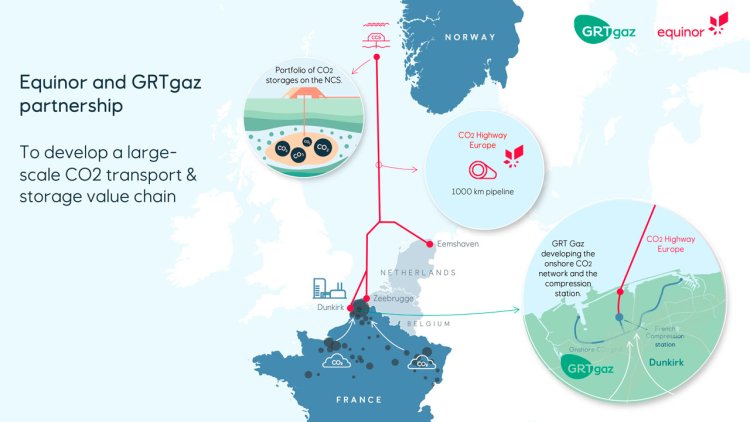
Equinor and main French gas transmission operator GRTgaz sign project development agreement (PDA) for a CO2 transport system for captured CO2 from industrial emitters in France to safe and permanent storage offshore Norway via the planned CO2 Highway Europe pipeline project.

The development will consist of a network of onshore CO2 pipelines, to be developed by GRTGaz, which will connect France’s Dunkirk industrial area to Equinor’s CO2 Highway Europe, a large-scale CO 2 pipeline being planned by Equinor also connecting Zeebrugge, Belgium to a portfolio of storage sites under the seabed offshore Norway.

The project under the PDA aims to help decarbonise the Dunkirk industrial area which accounts for around 20 percent of France’s industrial CO2 emissions.

Specifically, GRTgaz will develop a 30 km onshore pipeline network in the Dunkirk region, a compressor station in Dunkirk sending the CO2 into the offshore pipeline connecting to the CO 2 Highway Europe.

The capacity in the initial phase will be 3 to 5.5 million tonnes of CO2 per year, and the capacity can be expanded to also accommodate CO2 captured at other industrial clusters in France.

“For industries that cannot decarbonise directly through clean power, Carbon Capture and Storage (CCS) offers a viable solution. By building CO2 transport and storage solutions at an industrial scale together with GRTgaz we can help carbon-intensive industries in France to continue developing and securing jobs and value creation in a sustainable future. The collaboration also strengthens the viability of the CO2 Highway Europe project as the French connection will further strengthen economies of scale », says Grete Tveit, senior vice president Low carbon solutions, Equinor.

“GRTgaz is developing dedicated transmission networks contributing to transport CO2 from the French industrial sites where it is captured to storage and utilisation sites in France and Europe. Indeed, the capture, storage and utilisation of CO2 will play a major role in decarbonising the national and European economy, and infrastructure is an essential element in this CO2 value chain. We are proud to sign this partnership with Equinor and to share our respective and complementary expertise in order to provide France with an effective and competitive decarbonisation solution”, says Sandrine Meunier, chief executive officer of GRTgaz.

Equinor and GRTgaz, with their complementary skills, will cooperate in the development of their CO2 transmission and storage infrastructures and associated services: network planning, technical design and industrial safety, interoperability, regulatory aspects and institutional relations. Feasibility studies are currently under way, with the aim of launching basic engineering studies at the end of 2024 and commissioning in 2029.

In France, this project is in line with the proposed government’s strategy (France 2030) for the capture, use or permanent geological storage of carbon (CCUS) and with the desire to step up collaboration between France and Norway on green industrial transformation, in accordance with the strategic partnership signed between the two countries on 16 January 2024.

Vestas secures 660 MW order for the Nordseecluster A offshore wind project in Germany

0

Vestas has received a firm order for RWE’s 660 MW Nordseecluster A offshore wind project in Germany, ref.  Vestas’ Company Announcement 11/2024 of 14 June 2024.

The Nordseecluster is being implemented in two phases – Nordseecluster A and B. For the first phase of the project, Vestas will be supplying 44 V236-15.0 MW wind turbines and is responsible for the supply, delivery, and commissioning of the turbines. Upon completion, Vestas will also service the assets under a 5-year service agreement followed by an operational support agreement.

Nordseecluster B will add a further 900 MW of capacity, for which Vestas and RWE currently have a conditional order agreement in place for 60 V236-15.0 MW wind turbines.

“We are pleased to be involved in this pivotal project for Europe’s offshore wind industry which is also a reflection of our commitment to promoting clean energy solutions. Vestas remain dedicated to leading the shift towards a more sustainable future,” says Nils de Baar, President of Vestas Northern & Central Europe. “Our thanks go to RWE for the great collaboration over several years to make this project happen, our entire team is looking forward to delivering the Nordseecluster.”

Thomas Michel, Chief Operating Officer, RWE Offshore Wind says:

“We are very pleased to enter the execution phase for our Nordseecluster A project – which itself is already a great achievement. Many thanks to all involved. Now all focus is on delivery and we are excited about the future cooperation laying ahead of us.”

The Nordseecluster is located around 50 km north of the island of Juist in the German North Sea. Wind turbine delivery for the Nordseecluster A is expected to take place in 2026.

DARPA unveils 6 new designs for uncrewed vertical-takeoff military aircraft

0

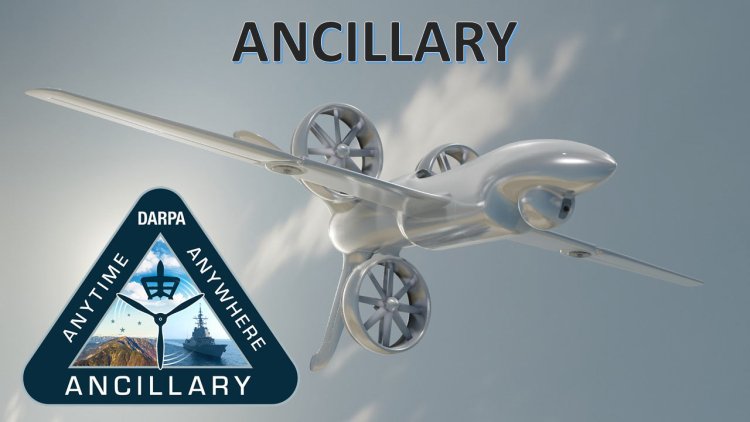
The Defense Advanced Research Projects Agency (DARPA) has announced it is moving into a new testing phase for proposed experimental aircraft in which designs will be assessed for risk and analyzed for efficiency. 

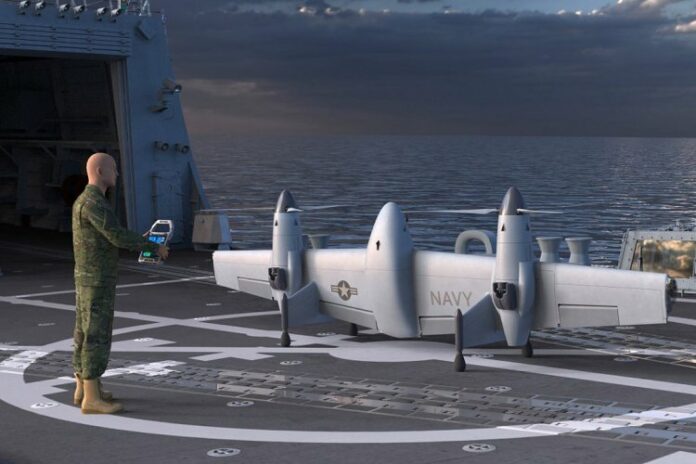
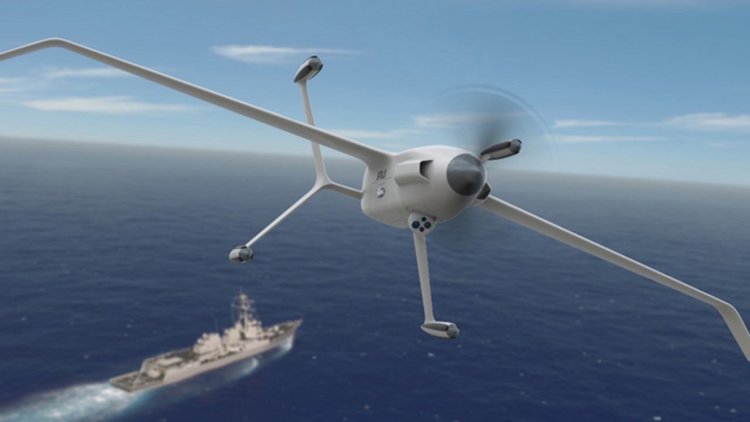
The Advanced Aircraft Infrastructure-less Launch And Recovery (ANCILLARY) program will field designs for new, uncrewed aerial systems (UAS) carrying weapons. Specifically, the project aims to deliver X-planes capable of vertical take-off and landing (VTOL) like a helicopter that can operate from aircraft carriers.

“X-plane” is a classifier used by the U.S. Department of Defense (DOD) for experimental aircraft. Past X-planes include the Bell X-1 — the first crewed vehicle to break the sound barrier in conventional flight — and the X-15, which broke records in aerospace such as previously unachievable airspeeds and the successful use of novel propulsion techniques. 

VTOL aircraft negate the need for a runway, meaning they can be launched more easily. DARPA also wants these X-planes to be capable of operating in adverse weather conditions without supporting ground crew or infrastructure, which would enable them to operate in a far wider range of battlefield environments. 

DARPA hopes these aircraft could support the U.S. Navy ships to identify vessels beyond their line of sight but also said in a May 22 statement that the U.S. Army, Air Force, Coast Guard and Special Operations Command had registered interest in the program.

The defense and aerospace contractors bidding for the project are AeroVironment, Griffon Aerospace, Karem Aircraft, Method Aeronautics, Northrop Grumman and the Lockheed Martin subsidiary Sikorsky.

VTOL can be achieved in a number of different ways. For example, Sikorsky’s battery-powered design props itself on its tail while on the ground and takes off like a helicopter, with the propellers facing upward, then tilts forward to fly through the air horizontally like a plane. Karem Aircraft, meanwhile, has put forward a heavy-fuel-driven craft that uses a tilting rotor to fly straight up in the air and hover when the rotor is in the upward position, then propel the aircraft forward at high speeds when the rotor is in the forward position.

DARPA aims to increase its use of UAS by a factor of three in the coming years. Given the small size and low weight of ANCILLARY X-planes, the Navy could store far more aboard ships than it can helicopters and launch them directly from the deck without needing specialized equipment — unlike planes and conventional UAS the Navy currently uses.

“Our performers are searching for innovative ways to increase payload weight and range/endurance of small, ship-launched UAS by means of novel configurations, propulsion, and controls while also removing the need for special infrastructure,” said Steve Komadina, DARPA program manager for ANCILLARY, in DARPA’s press release. 

ANCILLARY is currently in phase 1b, with testing set to run for 10 months from June 2024 to spring 2025. During this time, DARPA will assess the manufacturers’ individual designs based on the safety of their systems and hover tests. 

The project will then move onto phase 2, at which point participants will propose details for X-plane design and construction as well as test plans. Flight tests for designs deemed the most promising are due to commence at the start of 2026.

Komadina also said that going forward, ANCILLARY systems could be improved through sensor innovation, advances in artificial intelligence (AI) or more autonomous vehicle breakthroughs.  

Source: Space

Netherlands gave the go-ahead to acquire four new submarines

0

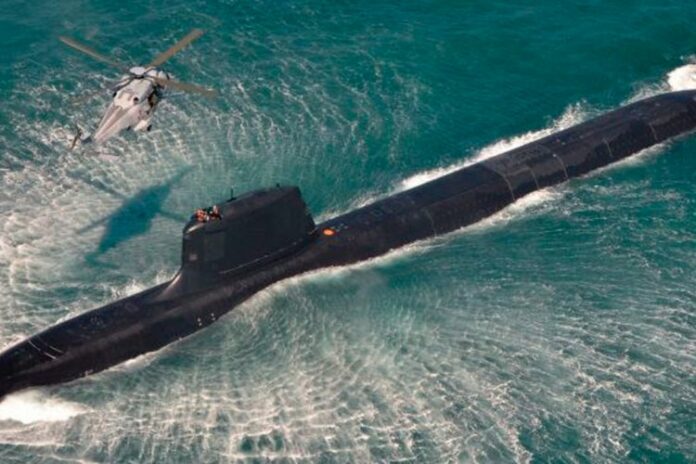
Previously, Naval Group held only a preliminary contract with the Dutch government. However, this tie was strengthened as the Dutch House of Representatives endorsed the Naval Group’s proposal for the Dutch submarine replacement program. 

In a debate held on June 11, a motion by the Reformed Political Party (Staatkundig Gereformeerde Partij: SGP) to defer the final decision on the acquisition to the next Dutch government was turned down.

Naval Group and Royal IHC

In March, the French Naval Group and its Dutch partner, Royal IHC, were chosen by the outgoing Dutch government to construct four Barracuda-class diesel-electric submarines. These new submarines will replace the Royal Navy’s three aging Walrus-class boats, as confirmed by the Naval Group and both the Dutch and French governments. 

While the exact cost for the four submarines — named Orka, Zwaardvis (Swordfish), Barracuda, and Tijgerhaai (Tiger Shark) — hasn’t been disclosed, the Ministry of Defense informed Parliament that the “investment budget” for construction and related expenses until 2039 is 5.6 billion euros ($6.1 billion). These submarines will be built in Cherbourg, France. 

According to Dutch State Secretary of Defense Christoph van der Maat, the first two submarines are expected to enter service between 2034 and 2037. Their inclusion of Tomahawk missiles will provide a “niche capability within NATO and the EU,” as he noted in mid-2023.

Despite gaining political backing, the initial ruling is still contested through a lawsuit from ThyssenKrupp Marine Systems (tkMS), a prominent German shipbuilder. 

In March, the company took their case to the Dutch courts in The Hague. They confirmed to Reuters, stating, “This step is a standard business practice in large projects involving public tenders, especially given the unresolved questions concerning specific assessment criteria.” 

Naval Group was vying for the project against the Dutch-Swedish consortium Damen-Saab and Germany’s ThyssenKrupp Marine Systems, all of whom responded to the Dutch government’s 2017 tender invitation. At that time, the estimated investment was 2.5 billion euros ($2.73 billion), as reported by Dutch daily De Telegraaf.

The Barracuda class

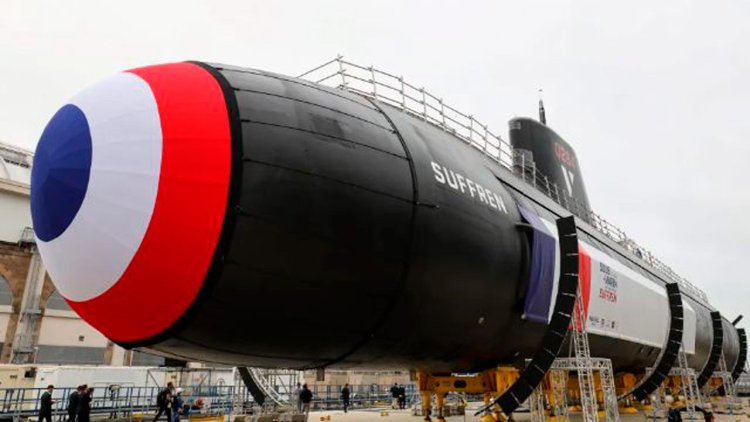
The Barracuda-class submarines, also known as the Suffren class, are a series of nuclear attack submarines developed by France. In terms of dimensions, the Barracuda-class submarines measure approximately 99.5 meters in length, with a beam of 8.8 meters. These dimensions allow for a streamlined and efficient design, optimizing both speed and stealth. 

The displacement of the Barracuda-class submarines is around 5,300 tons when surfaced and appr. 5,300 tons when submerged. This significant displacement supports a variety of advanced systems and weaponry, enabling the submarines to perform a wide range of missions. 

Propulsion for the Barracuda class is provided by a nuclear reactor, specifically the K15 pressurized water reactor. This reactor allows the submarines to operate at high speeds and remain submerged for extended periods without the need to surface for air, providing a strategic advantage in stealth and endurance. 

A range of advanced systems

The crew complement for the Barracuda-class submarines is typically around 65 personnel. This includes officers, enlisted sailors, and specialists who operate the various systems and weapons onboard, ensuring the submarine can perform its missions effectively. 

The Barracuda class is equipped with a range of advanced systems, including sonar arrays, electronic warfare systems, and communication equipment. These systems enhance the submarine’s ability to detect and track targets, as well as communicate securely with other naval assets. 

In terms of weaponry, the Barracuda-class submarines are armed with torpedoes, anti-ship missiles, and land-attack cruise missiles. This diverse arsenal allows them to engage a variety of targets, from enemy submarines and surface ships to land-based installations.

350 meters underwater

The maximum depth of immersion for the Barracuda-class submarines is estimated to be around 350 meters. This depth capability allows them to operate effectively in deep ocean environments, evading detection and engaging targets from a position of relative safety. 

The maximum stay underwater for the Barracuda-class submarines is primarily limited by crew endurance and food supplies, thanks to their nuclear propulsion. They can remain submerged for several months if necessary, providing a persistent and stealthy presence in contested waters. 

Source: Bulgarian Military

Sweden-Belgium Green Shipping Corridor welcomes new partner and expands green ambitions

0

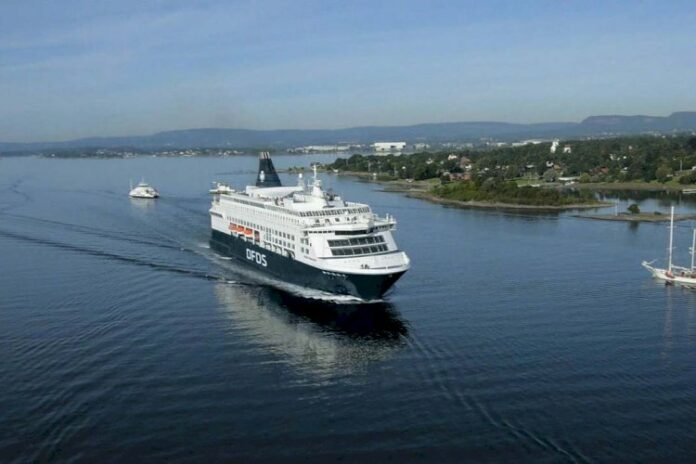
Port of Gothenburg, North Sea Port, and DFDS welcome Port of Antwerp-Bruges to the Green Shipping Corridor and bolsters the green ambitions of the project. By 2030, two ammonia-fuelled ro-ro vessels are expected to operate on the routes between Sweden and Belgium, and the ports will step up efforts on electrification and ammonia bunkering, potentially making it the world’s first green ammonia shipping corridor for freight vessels. ​

2,500 kilometres. That is the distance from the northernmost to the southernmost point of the Green Shipping Corridor between Sweden and Belgium that Port of Gothenburg, North Sea Port, DFDS and Port of Antwerp-Bruges want to establish to promote near zero emission transport.

The corridor potentially connects 11 European countries through sea, land, and rail routes from Norway in Northern Europe to Spain in the South. In this corridor, the ports of Gothenburg, North Sea Port and Antwerp-Bruges work as transportation hubs as well as important origin and destination zones of industrial activity.

The aim is to have at least two DFDS ammonia-fuelled vessels in operation on the Corridor from 2030, a part of DFDS’s ambition to have six low- and near-zero-emission vessels in operation by 2030.

The ammonia-vessels will be complemented by electric trucks and rail transport on land, as well as onshore power supply for the vessels. Therefore, efforts are being intensified by the ports to facilitate electric terminal operations and enable safe ammonia bunkering.

Furthermore, the partners are planning to start producing significant amounts of renewable electricity.

The three original partners signed an MoU in 2022 to work together to decarbonise the shipping corridor between Sweden and Belgium and to create a scalable solution. The addition of the Port of Antwerp-Bruges to this coalition strengthens this commitment.

DFDS has applied for funding for a total of four ammonia-fuelled vessels and, if the funding is granted, the project including electrification in the ports is expected to reduce 328,000 t CO2e emissions per year corresponding to around 11% of DFDS’s scope 1 GHG emissions compared to 2023.

Port of Antwerp-Bruges, Luc Arnouts, VP International networks:

“Port of Antwerp Bruges fully endorses the efforts of its customers and partners in prioritizing the greening of operations both at sea and on land. DFDS, an important operator with a daily roll-on/roll-off freight service to Gothenburg, will contribute to our ambition towards climate-neutral transport in, to and through the port. As one of the largest bunker hubs worldwide, Port of Antwerp-Bruges is committed to offering climate-neutral marine fuels and embraces DFDS’s innovative approach of utilizing ammonia-powered ro-ro vessels on the corridor.”

Port of Gothenburg, Patrik Benrick, Head of Strategic Development & Innovation:

“The Port of Gothenburg is already in the early stages of developing operating regulations for a safe and efficient handling and bunkering of ammonia propelled vessels. We are also working on establishing an ammonia value chain, with the purpose of being able to facilitate everything needed for ammonia propelled vessels calling and bunkering in the port on a regular basis in 2030 and beyond.” ​

DFDS, Jacob Andersen, Vice President, North Sea:

“This is a testament to our ambitions and commitment to play an active role in the green transition. We expect this to be the world’s first green corridor for Ro-Ro cargo vessels running on near-zero emission ammonia fuel. This transition will not be possible without collaboration. We are working together with more than 50 partners to realise this project which will contribute to a more sustainable future for European shipping, and the ports are a key part of this.”

North Sea Port, Daan Schalck, CEO:

“I’m very happy to see our original initiative develop into a wider network and I am committed to build further on our collaborative experience. The Belgian Swedish Green Corridor is an important milestone towards decarbonizing the logistics sector and delivering on European resilience. It goes beyond the typical high-level language and includes concrete pledges on which we as a port together with our clients and stakeholders want to deliver.”