-8.8 C
New York
Home Blog Page 166

First wind turbine installed at Borkum Riffgrund 3, Germany’s largest offshore wind farm

0

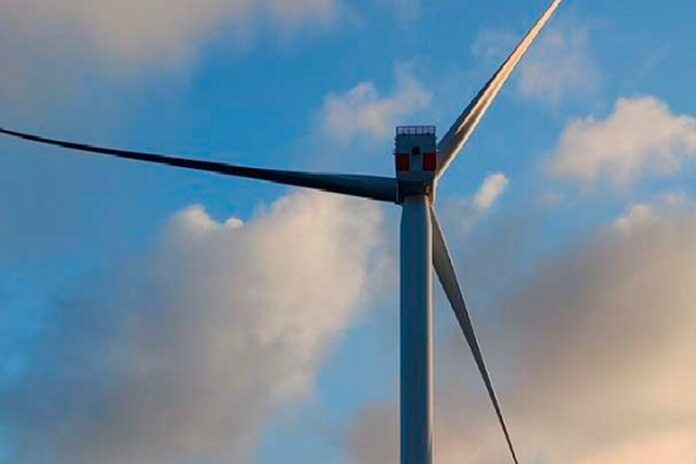
The first wind turbine has successfully been installed at the German offshore wind farm Borkum Riffgrund 3. With an installed capacity of 913 MW, it will be the largest offshore wind farm in Germany once in operation. 

Borkum Riffgrund 3 is also the first offshore wind farm to be awarded without subsidies in the world. This has primarily been made possible by several long-term corporate power purchase agreements (CPPA), which Ørsted has signed with industrial and technology customers. Borkum Riffgrund 3 is jointly owned by Ørsted and Nuveen Infrastructure.

This important milestone for Borkum Riffgrund 3 follows shortly after the successful delivery of first power from the 253 MW Gode Wind 3 Offshore Wind Farm, which Ørsted and Nuveen Infrastructure are constructing simultaneously with Borkum Riffgrund 3. Together, the two offshore wind farms will close to double Ørsted’s total installed capacity in Germany and make an important contribution to Germany’s green transformation. The Borkum Riffgrund 3 offshore wind farm is expected to be commissioned in 2025.

In 2024, Ørsted will be executing on the largest construction pipeline in the company’s history, with a total of approx. 7.6 GW of offshore wind under construction across three continents, including the 2.8 GW Hornsea 3 in the UK, the world’s single largest offshore wind farm. Earlier in May, Ørsted celebrated the successful installation of the first foundation at its 704 MW offshore wind farm Revolution Wind off the US East Coast.

Peter Obling, Head of Continental Europe at Ørsted, said:

“Borkum Riffgrund 3 is an icebreaker in offshore wind. It was the first offshore wind project in the world to be awarded on a merchant basis, and it’s the first offshore wind farm in Germany to break the 900 MW-mark. I’m proud to see that the first turbine is now installed, and we look forward to completing this milestone project.”

Jordi Francesch, Managing Director of Renewable Energy Investments at Nuveen Infrastructure, said:

“We are delighted that Nuveen Infrastructure is, alongside Ørsted, at the forefront of the decarbonisation of the German Electricity market with the exciting milestone of first turbine being installed in Borkum Riffgrund 3, the largest offshore wind farm once in operation in Germany, which is true testament of our ability to successfully manage large and complex projects that will drive acceleration of energy transition.”

Felix Gschnell, Programme Director for Borkum Riffgrund 3 and Gode Wind 3, said:

“We have been developing and building Borkum Riffgrund 3 since winning the auction in 2017 and 2018. Achieving the first installed wind turbine is a great success for the project and a proud moment for the entire team. Our full focus is now on continuing to complete the project safely and on schedule.”

Borkum Riffgrund 3’s first wind turbine was installed by the installation vessel ‘Seaway Ventus’ from Seaway 7. The installation will also be carried out in equal parts by ‘Wind Osprey’ from Cadeler. A total of 83 Siemens Gamesa wind turbines, each with a rated capacity of 11 MW, will be installed at the offshore wind farm. Borkum Riffgrund 3 is located approx. 72 km off the coast of Lower Saxony in Germany and covers an area of approx. 75 km².

Decarbonisation of the German industry

In the German offshore wind auctions in 2017 and 2018, Ørsted was awarded the rights to build Borkum Riffgrund 3 with bids of EUR 0 per MWh – a first for offshore wind. The long-term power corporate purchase agreements (CPPAs) that Ørsted has entered into with industrial and technology customers are essential for the wind farm’s revenue. Once the offshore wind farm has been commissioned in 2025, an offtake agreements totalling 786 MW have been entered into with Amazon (350 MW), BASF (186 MW), Covestro (100 MW), Energie-Handels-Gesellschaft/REWE Group (100 MW), and Google (50 MW). The contracts range from 10 to 25 years. The agreements create long-term price security both for Ørsted as project developer and for the customers.
DNV type approval awarded to Corvus Energy Blue Whale ESS

0

Corvus Energy has received Type Approval from DNV for its Blue Whale marine energy storage system. 

The DNV type-approval confirms that the large-scale energy storage system (ESS) complies with the most stringent rules, regulations, and safety requirements in the industry, as defined by one of the leading maritime class societies. 

As a result of a multimillion-dollar development program, the Blue Whale ESS is designed specifically for large vessels, like Cruise Ships, Ro-Pax and Service Operation Vessels (SOV), and vessels that require a large amount of energy. 

The Blue Whale design incorporates the safety features from the Corvus Orca ESS, the world`s most installed marine ESS, along with additional design benefits, such as optimized energy density and a flexible, modular design architecture, that make it better equipped to meet the energy demands of large vessels. 

Optimization for energy density enables Blue Whale to deliver more power. This in turn can extend the vessel’s ability to achieve and maintain zero-emission operations, including during transit through emissions-restricted zones and zero-emission port stays. The  cell chemistry is LFP which also means that it is cobalt-free.

The main route to powering a clean future

“We are very pleased that the Blue Whale ESS design has received type approval from DNV, meeting the highest safety standards in the industry,” says Fredrik Witte, CEO of Corvus Energy. 

“Developing a full family of battery energy storage systems with highly flexible architecture is a clear path towards powering a clean future for shipping. Scalable technology combined with safety and easy integration will help accelerate the transition and make clean energy available to more vessel types.”

The DNV Type Approval for the Blue Whale ESS includes approval of the production facility for the Corvus Blue Whale product, located in Canada outside of Vancouver. More than fifteen Blue Whale orders, cumulatively totaling over 95 MWh, are already confirmed for delivery in 2024, 2025 and 2026, and the production facility is scaled for future capacity needs.

In addition to securing DNV Type Approval, Corvus Energy is pursuing type approval from ABS, RINA, BV and Lloyd’s Register for the Blue Whale ESS.

German Armed Forces order two more F126 multipurpose frigates from Damen Naval

0

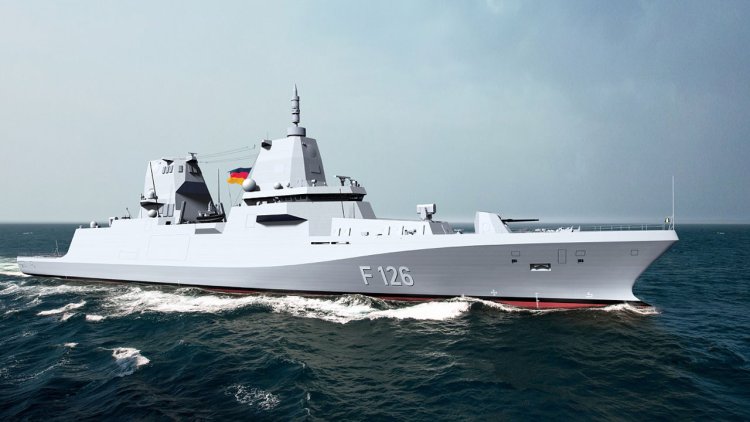
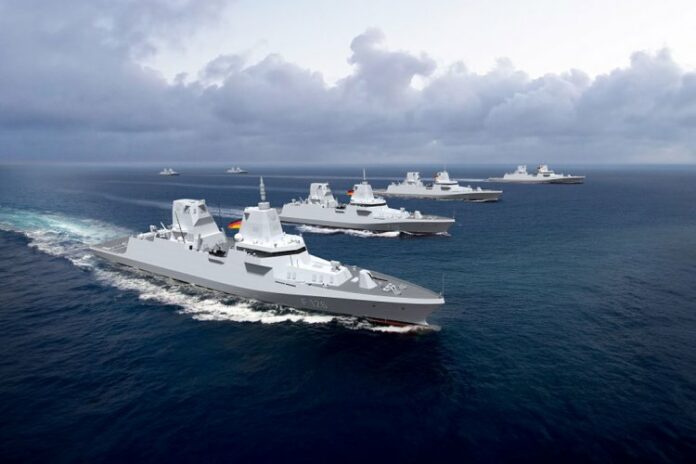
Last week, the Budget Committee of the German Bundestag gave the green light for the procurement of a fifth and sixth vessel. Today, the Procurement Organisation of the German Armed Forces (BAAINBw) and Dutch naval shipbuilder Damen Naval signed the contract for two additional F126 multipurpose frigates which bring the total to six vessels. 

“This is good news, and we are honoured that our German client has the confidence in us and the F126 design to order two more ships,” says Roland Briene, Managing Director of Damen Naval. “With this decision, we will be able to expand the ‘Niedersachsen’ class to six ships. It is the quickest way to expand and modernise the surface fleet of the German Navy. This decision also benefits the German procurement organisation and the involved industry. Having more ships of the same class brings many advantages.”

The first frigate is due to be delivered in 2028. Ship five and six will be delivered in 2033 and 2034 respectively.

The construction of the two additional F126 frigates will also take place entirely in Germany. In the coming months, work will begin in parallel at the German Naval Yards shipyard in Kiel, and at the Blohm+Voss NVL site in Hamburg. The stern will be built at the Peene-Werft shipyard in Wolgast, while the foreship will be manufactured in Kiel and joined to the stern there. The vessels are then shipped to Hamburg for final outfitting, commissioning, and testing. Hundreds of suppliers throughout Germany are involved in the project.

In June 2020, BAAINBw awarded the construction contract for the F126 frigates to Damen Naval, together with subcontractors Blohm+Voss and Thales. With a length of 166 metres and a displacement of up to 10,000 tonnes, the F126 frigates will be the largest in the German naval fleet. The versatile multi-mission platforms can operate all over the world and in all conditions, from the tropics to the polar regions. 

Tymor Marine formalises partnership with Mercy Ships

0

The MoU establishes an ongoing partnership between the two organisations. It follows significant gifts-in-kind naval architecture and marine consultancy services supplied by Tymor to Mercy Ships, a cause it has supported since 2016.

In the most recent package of support donated, Tymor’s leading maritime surveyors conducted a vital deadweight survey of the MV Africa Mercy™.

The survey was undertaken whilst the vessel was on a maintenance break at the port of Las Palmas, Canary Islands, and is a vital part of the service schedule that allows the vessel to operate for 10 months of the year.

Mercy Ships is a global humanitarian charity which deploys hospital ships to some of the poorest countries in the world, delivering vital, free healthcare to people in desperate need.

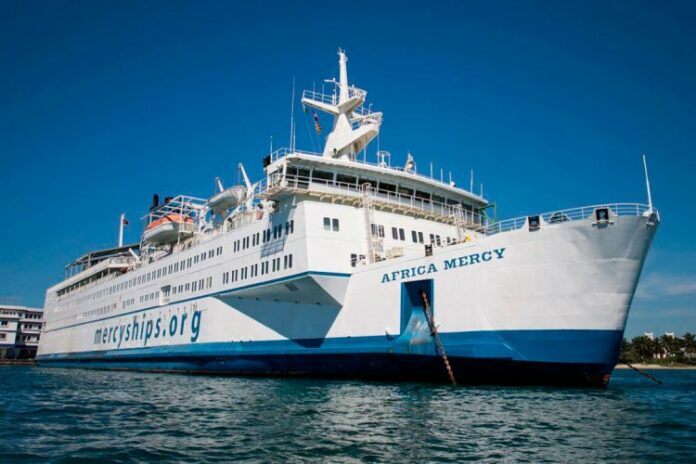
The 152m, 16,572 GT MV Africa Mercy was converted from the rail ferry MS Dronning Ingrid in 2007 and is currently the world’s second largest non-governmental floating hospital, the largest being its sister ship the MV Global Mercy™.

The MV Africa Mercy’s state-of-the-art facilities include five operating theatres, recovery, intensive care, a pharmacy, and low dependency wards – totalling 80 patient beds. The vessel is also home to around 450 volunteer crew, with accommodation that includes six family cabins.

Kevin Moran, director at Tymor Marine said: “Mercy Ships is a phenomenal organisation which transforms the lives of vulnerable individuals, families, and communities for the better.

“The nature of the survey work we have donated over the years means you get to know the vessel and crew very well. It is always a privilege to learn more about the work they do and the people they have been able to help.
“We are delighted to be able to support the Mercy Ships mission with the expertise of the Tymor team. I have no doubt our relationship will continue to grow and evolve over the course of the coming years.”

Ciaran Holden, Senior Technical Superintendent, Marine Operations for Mercy Ships said, “Mercy Ships, Marine Operations have worked with Tymor Marine on many projects over the years. Their donated support, friendship to us and our mission has been second to none.
“Thank you, Tymor Marine for the solutions and expertise you have delivered for us. We are looking forward to continuing to grow this partnership in the coming years.”

The MV Africa Mercy has been operational in Madagascar since February 2024. It is the vessel’s fourth visit to the island nation. Over the coming months, the Mercy Ships team will offer life-changing surgeries for patients and surgical training for Madagascan healthcare professionals.

Wärtsilä propulsion solutions expected to deliver 5% fuel savings for International Seaways tankers

0

Technology group Wärtsilä will supply its EnergoFlow and EnergoProFin propulsion solutions to four medium range (“MR”) tankers in the International Seaways fleet. 

The devices will be used to upgrade the ships’ existing Wärtsilä controllable pitch propeller system resulting in an estimated five percent (5%) in fuel savings. These will be the first Ice Class 1A FS vessels to be fitted with the EnergoFlow solution. The order was booked by Wärtsilä in Q1 2024.

By reducing the fuel consumption of these existing MR tankers, INSW will strengthen its actions towards decarbonised operations and continue to meet their Carbon Intensity Indicator (CII) requirements. The propeller upgrading project followed a detailed engineering study to optimise existing propulsion systems.

“Our company is committed to reducing its CO2 emissions in line with the IMO’s targets. We’re excited about our partnership with Wärtsilä to install these devices as we continue on our sustainability journey,” says Michael LaGrassa, Director of New Construction and Performance at INSW.

EnergoFlow is an innovative pre-swirl stator that creates an optimal inflow for the propeller, reducing fuel consumption and emissions in all operating conditions. The EnergoProFin is an energy saving propeller cap with fins that rotate together with the propeller. It reduces the energy losses created by the propeller hub vortex, increasing overall propulsion efficiency and significantly reducing underwater noise.

“As a company dedicated to supporting the marine industry’s decarbonisation efforts, we are delighted to cooperate with International Seaways in improving the fuel efficiency of these four vessels. The Wärtsilä systems selected will not only meet and exceed the minimum required CII rating and IMO targets, but will also improve the ships’ asset resell market value,” comments Jan Othman, Vice President of Project Services, Wärtsilä Marine.

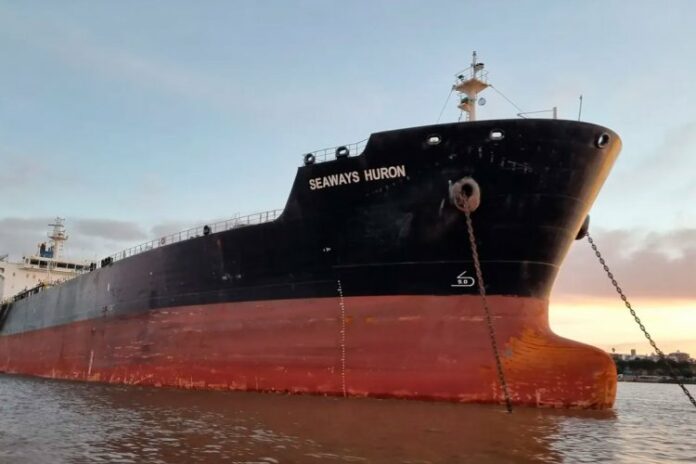
The four 47k DWT vessels to be fitted with the Wärtsilä solutions are the ‘Seaways Galle’, the ‘Seaways Gatun’, the ‘Seaways Hercules’, and the ‘Seaways Huron’. The refitting installations will be planned to coincide with each vessel’s drydock schedule, starting in the summer of 2024.

Fleet of four Union Maritime tankers to be fitted with Norsepower Rotor Sails

0

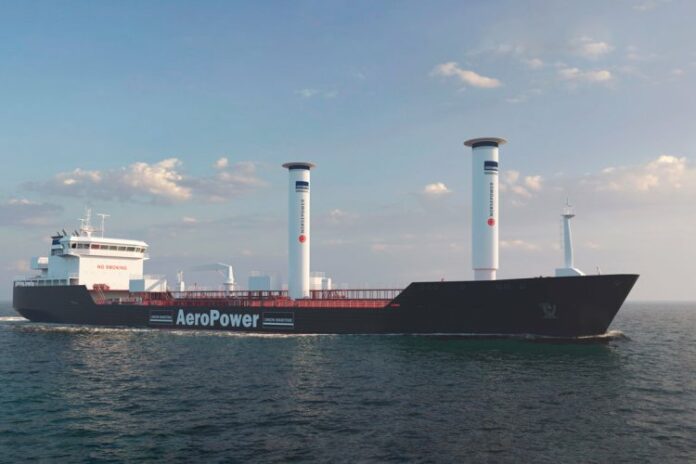
The agreement includes supply contracts for a total of four newbuild ships fitted with rotor sails, to be constructed in China at Fujian Southeast Shipbuilding Ltd. and at Wuhu Shipyard Co. Ltd. A further eight vessels will also be rotor sail ready for easy retrofitting in future. 

The vessels, designed by Shanghai Odely Marine Engineering Co., Ltd., will be chemical tankers with a capacity of 18,500 deadweight tons (dwt). Each ship will be fitted with two NPRS™, featuring Norsepower’s proprietary explosion-protection design to meet the stringent safety standards required for product tankers.

The ships are specifically designed for navigation through the St. Lawrence Seaway and Great Lakes, USA, with an air draft limited to 35.5 meters as per charterer requirements. 

“This is a significant milestone for Norsepower, as we continue to lead the way in sustainable shipping solutions,” said Heikki Pöntynen, CEO of Norsepower. “With this deal, we will be fitting a total of eight NPRS™ on four vessels in the short term, with an additional orderbook of eight sister ships to be prepared with foundations for later retrofit. This represents a major step forward in our mission to decarbonize the maritime industry.”

Mr. Bhuvnesh Dogra, Head of Technical at Union Maritime Limited, commented,

“UML has been a leading proponent of wind propulsion, and it has become a key part of our propulsion energy optimization strategy. We are excited to partner with Norsepower to integrate their innovative products into our fleet, enhancing our sustainability efforts.”

Classified by Bureau Veritas with the class notation “Wind Propulsion 2,” this deal marks the second Norsepower order supplied, according to BV rules, and the first according to the classification society’s brand-new rules for wind propulsion systems (2024 BV NR206).

This deal also signifies the serialization of the construction of NPRS™ with a diameter of 4 meters, fully manufactured and assembled at Norsepower’s new Factory #002 in Dafeng, China, solidifying the new factory’s increased delivery capacity.

Gas and condensate discovery in the North Sea

0

Wintershall Dea has made a discovery of gas, condensate and oil in well 35/11-27 S in the North Sea, 100 kilometres southwest of Florø.

The well resulted in discoveries in four different formations.

The preliminary estimate of the size of the discovery in the Tarbert and Upper Ness formations is between 1.5 – 3.5 million standard cubic metres of recoverable oil equivalent (Sm3 o.e.). This corresponds to 9 – 22 million barrels of oil equivalent.

The preliminary estimate of the size of the discovery in the Upper Jurassic is between 1.1 – 2.6 million Sm3 o.e.. This corresponds to between 7 – 16 million barrels of oil equivalent. An additional interval in the Upper Jurassic was also encountered during the drilling operation. 

An oil zone was also encountered in the Etive Formation. As of now, there is no preliminary volume estimate here.

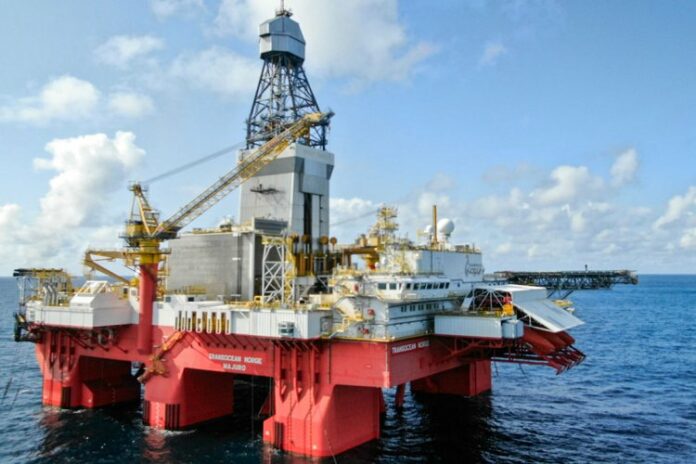
The Transocean Norge rig drilled the well, three kilometres south of the Vega field.

The licensees are considering tying the field back to existing infrastructure in the area.

The primary exploration target for the well was to prove petroleum in Middle Jurassic reservoir rocks in the Tarbert and Upper Ness formations.

The secondary exploration target was to prove petroleum in sandstones from the Upper Jurassic.

Well 35/11-27 S encountered a gas/condensate column totalling 55 metres in the Tarbert and Upper Ness formations, around 29 metres of which was sandstones of moderate to poor reservoir quality. The gas/water contact was not encountered.

The well also proved a 5-metre oil column in the Etive Formation in the Middle Jurassic, 4 metres of which consist of sandstones with poor to moderate reservoir quality. The oil/water contact was encountered 3843 metres below sea level.

In the secondary exploration target in the Upper Jurassic, the well encountered two petroleum-bearing sandstone intervals. In the uppermost interval, the gas/condensate column is 8 metres, of which 5 metres consist of sandstones with poor reservoir properties. The gas/water contact was not encountered.

In the lowermost interval, a gas/condensate column totalling 16 metres was encountered, of which 14 metres in sandstones with poor to moderate reservoir quality. The hydrocarbon/water contact was encountered at 3327 metres below sea level.

The well was not formation-tested, but extensive data acquisition and sampling have been conducted.

Well 35/11-27 S was drilled to a vertical depth of 3986 metres below sea level and was terminated in the Rannoch Formation in the Middle Jurassic.

Water depth at the site is 378 metres. The well will now be permanently plugged and abandoned.

Ice-going SOV concept for offshore wind farms completed

0

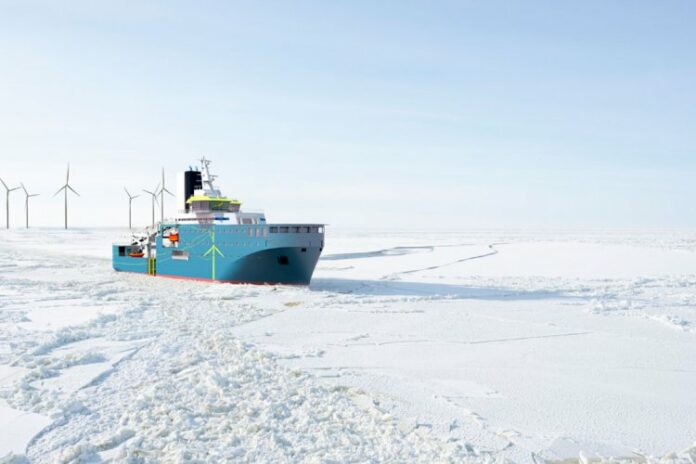
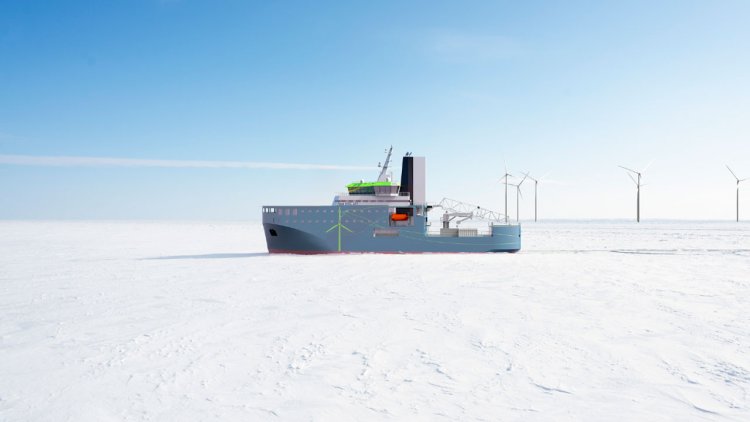
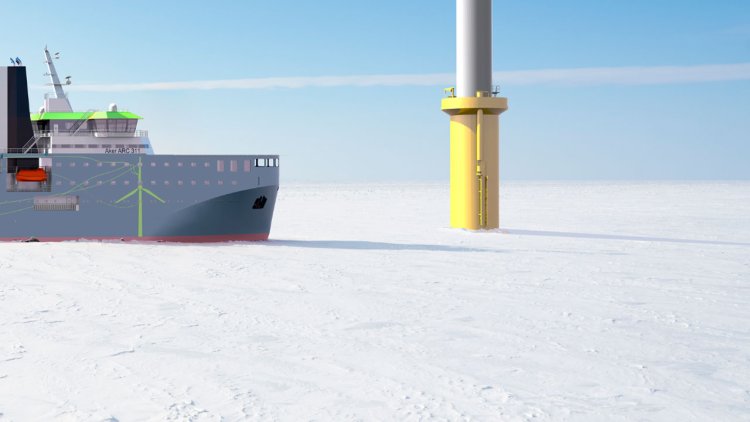
The concept design for the first year-round service operation vessel (SOV), intended for independent operations at offshore wind farms, is complete. Estimating maintenance and investment costs for wind farms in seasonally freezing seas is now easier.

The ice-going SOV is designed to reliably reach turbines in all prevailing weather conditions, ensuring safe service throughout the year. Aker Arctic’s proven Double Acting Ship (DAS™) principle combines operational capability in both open water and ice in an efficient design that minimises both construction and operational costs of the vessel. Clarksons Offshore & Renewables Ltd has supported the design work in areas specific to SOVs.

The primary objective was to develop a vessel concept that is as close as possible to an open-water service vessel, but also capable of safe, independent, year-round operations without incurring high additional costs or increased fuel consumption.

According to Chief Designer Lars Lönnberg, employing the DAS™ principle – where the vessel advances bow-first in open water and light ice, and stern-first in heavy ice – has been crucial in creating an energy-efficient design.

“With our experience in designing efficient ice-going hulls, we have developed a stern form that breaks ice without using unnecessary power, thus avoiding excessive fuel usage,” adds Project Manager Juuso Lindroos.

The vessel’s ice strengthening and ice class are suitable for operations across the entire Baltic Sea, including the Bay of Bothnia, where winter conditions are the most severe. The final ice-going capability will be determined based on the operational conditions in the target area, with the design tailored accordingly.

Dynamic Positioning (DP) and seakeeping have been special focal points, as the vessel must remain stationary when servicing the turbines. A motion-compensated gangway is the safest means of accessing the turbines, and features such as midship location and winterisation have been included.

A passive roll damping system will ensure calm vessel movements in waves, enhancing safety and comfort for the crew.

Choices in propulsion and fuel significantly affect energy costs, but also crew well-being. Using a battery-operated electric system reduces noise and engine resonance. A plug-in hybrid system with charging capabilities at the wind farm allows for operations to be powered by batteries day or night.

For longer transfers, engines running on either marine diesel or alternative fuels, such as methanol or ammonia, are essential. Optional space has been allocated for the larger fuel tanks necessary for alternative fuels.

A retractable thruster, quieter than fixed tunnel thrusters, is also part of the low-noise solution. Furthermore, cabins are located high in the superstructure to reduce noise from ice interaction.

Maintaining reasonable construction costs has been a significant focus.

“The vessel is not an icebreaker, but tailored for independent operations and optimised for the area it will serve, ensuring that both construction and operational costs remain controlled,” Lönnberg highlights.

Lindroos adds that preliminary estimates suggest the construction cost is about 5–10% higher than a similar-sized open-water model. This increase accounts for additional steel weight, propulsion power, and winterisation.

“The hull form, the DAS™ principle, and other innovative solutions play a significant role in keeping the price down,” says Lindroos.

An SOV can remain at the wind farm up to a month before returning to shore for supplies. The crew works in multiple shifts and is rotated back to the mainland every two weeks using smaller vessels. In winter, the frequency of harbour calls may increase due to the ice conditions.

“The vessel is essentially a second home for the staff and should be comfortable both during their shifts and their downtime,” explains Lindroos.

In addition to other amenities, a sauna and gym area with unobstructed sea views have been included on the top deck, along with an outdoor terrace furnished with an optional hot tub.

Atlantic Towing and Svitzer modernise Halifax Port fleet with new escort tugboats

0

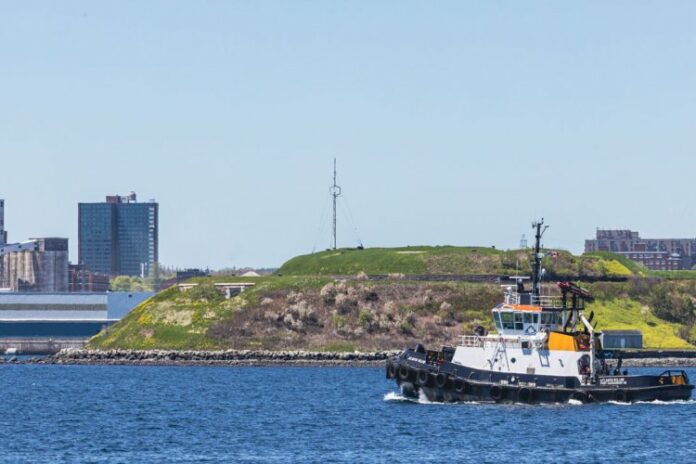
Atlantic Towing Limited, a member of the J.D. Irving, Limited family of companies and Svitzer have made a significant joint investment in the modernisation of the Port of Halifax fleet by acquiring two new escort tugboats from the Rastar 3200 series, each boasting an 85-ton bollard pull.   

The Port of Halifax has seen substantial growth over the past decade, with a marked increase in both the number of tug jobs and the size of vessels. The new tugboats were specifically selected to accommodate the expanded volume and ensure Atlantic Towing maintains its role as the premier operator at the port.  

Currently, three tugs are permanently stationed in Halifax, supplemented by two on-call vessels. The new Rastar 3200 vessels will replace the on-call tugs, offering a more robust and permanent solution. 

Atlantic Towing, based in Saint John, New Brunswick, Canada, has been serving the Port of Halifax for nearly 20 years and has partnered with Svitzer, headquartered in Copenhagen, Denmark, since 2010. The two new tugboats are currently under construction at the Uzmar Shipyard and are expected to be operational later this year. 

Sheldon Lace, General Manager, Atlantic Towing Limited, said:

“We’re excited to welcome new escort tugboats to our fleet. The investment reflects our dedication to supporting our partners and customers amid the exceptional growth in the Port of Halifax.” 

Highlighting the operational benefits, Captain Adam Parsons, Harbour Master, Halifax Port Authority, said: “These new tugs are built to handle larger container ships, which are increasingly calling at Halifax, the only Eastern Canadian port capable of accommodating them. The enhanced escort capabilities in various weather conditions will boost efficiency and safety at the port.” 

Arjen Van Dijk, Managing Director Svitzer Americas, said:

“Through a collaborative effort, Svitzer’s newbuild team, along with operations and procurement departments in Copenhagen and Panama, worked closely with Atlantic Towing to identify the best technical and operational solutions. These 85-ton escort tugs from the Rastar 3200 series exemplify our commitment to co-creating effective solutions with partners.” 

Shell signs agreement to acquire Pavilion Energy

0

Shell Eastern Trading Pte. Ltd., a subsidiary of Shell plc, has reached an agreement with Carne Investments Pte. Ltd., an indirect wholly-owned subsidiary of Temasek, to acquire 100% of the shares in Pavilion Energy Pte. Ltd. Pavilion Energy includes a global liquefied natural gas (LNG) trading business with a contracted supply volume comprising about 6.5 million tonnes per annum (mtpa).

“The acquisition of Pavilion Energy will strengthen Shell’s leadership position in LNG, bringing material volumes and additional flexibility into our global portfolio,” said Zoë Yujnovich, Shell’s Integrated Gas and Upstream Director. “We will acquire Pavilion’s portfolio of LNG offtake and supply contracts, which includes additional access to strategic gas markets in Asia and Europe. By integrating these into Shell’s global LNG portfolio, Shell is strongly positioned to deliver value from this transaction while helping to meet the energy security needs of our customers.”

The acquisition will be absorbed within Shell’s cash capital expenditure guidance, which remains unchanged. The deal is in excess of the internal rate of return (IRR) hurdle rate for Shell’s Integrated Gas business, delivering on its 15-25% growth ambition for purchased volumes, relative to 2022, as outlined during the 2023 Capital Markets Day.

Integration of portfolios will commence after completion of the deal, which is expected by Q1 2025, subject to regulatory approvals and fulfilment of other conditions precedent.