-8.8 C
New York
Home Blog Page 165

Offshore wind project Sunrise Wind receives final approval from US Department of the Interior

0

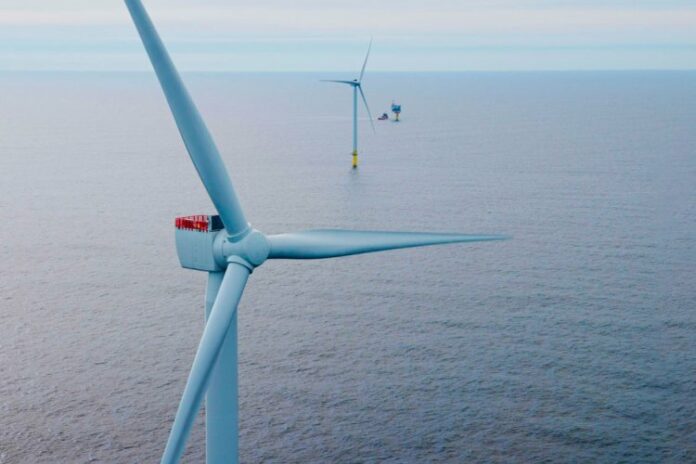
Sunrise Wind, New York’s largest offshore wind project, has received approval of its construction and operations plan (COP) from the US Department of the Interior’s Bureau of Ocean Energy Management (BOEM), which is the final permit needed from the federal agency to move the project towards the start of offshore construction. 

The COP approval outlines the project’s one nautical mile wind turbine spacing, the requirements for the construction methodology for all work occurring in federal ocean waters, and mitigation measures to protect marine habitats and species. 

The approval of the COP is in line with BOEM’s permitting timeline and follows the agency’s issuance of its Record of Decision in March 2024, which concluded the thorough BOEM-led environmental review of the project. Ørsted and Eversource reached these provisions and protections working closely with a range of external organisations and experts, a commitment the companies carry to all stakeholder relationships to help ensure coexistence.

“Sunrise Wind is a centrepiece of New York’s clean energy vision, and with this final federal approval, we can officially put the construction phase in motion,” said David Hardy, Executive Vice President and CEO of Region Americas at Ørsted. He continued: “BOEM’s approval is an important milestone not just for New York but also for America’s domestic energy sector. We’re grateful for the continued leadership of BOEM Director Elizabeth Klein and all the federal, state, and local leaders who are committed to offshore wind. Sunrise Wind builds on our success with South Fork Wind and will deliver more jobs, economic development, and clean energy to New York.” 

Sunrise Wind recently finalised its agreements with the New York State Energy Research and Development Authority (NYSERDA) on the project’s 25-year offshore wind renewable energy certificate (OREC) contract.

The Sunrise Wind team will now accelerate work on the onshore transmission system, with offshore construction ramping up later this year at the project site approximately 30 miles (approximately 48 km) east of Montauk, New York. The project is expected to be operational in 2026.   
The Spanish tuna fleet will implement Satlink technology in the three main oceans

0

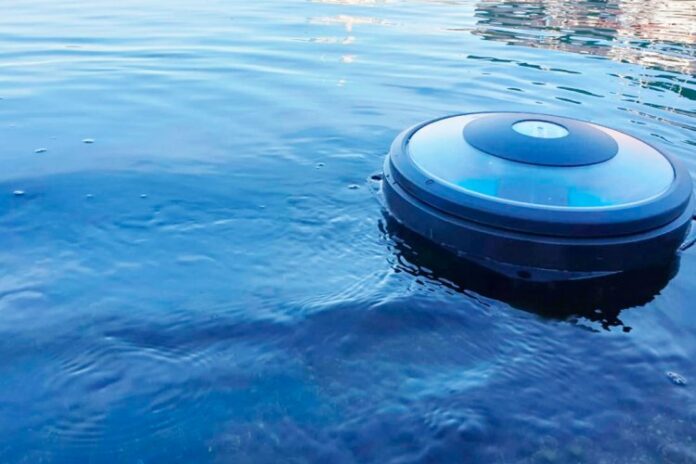
The project ‘SelecTuna’, a worldwide pioneering initiative, will allow the deployment of more than 1,500 smart buoys from tech company Satlink in the three oceans where tropical tuna is caught (Atlantic, Pacific and Indian Ocean), with the aim of increasing fishing selectivity. This will favor the catches of species whose exploitation is sustainable, while avoiding the capture of more vulnerable ones.

This collaboration agreement, signed between the Organization of Associated Producers of Large-scale Freezer Tuna Vessels (OPAGAC) and Satlink, is embedded within the activities and initiatives of OPAGAC’s 2024 Production and Commercialization Plan, and aims to enhance innovation and improve technology to fine-tune discrimination between tropical tuna species, adapting it to different oceanographic contexts.

The Selective smart buoy, a pioneering development by Satlink, features a unique dual echo-sounder and acoustic technology system, that enables it to differentiate between tropical tuna species: skipjack tuna on the one hand, and yellowfin and bigeye tuna on the other. Project ‘SelecTuna’ will be key in improving the identification of the latter two, yellowfin and bigeye tuna, thanks to enhanced algorithms, contrasted with intensive sampling. This information will allow the Spanish fleet to focus on their target species, promoting the conservation of sensitive species stocks, and increasing its efficiency by reducing fishing effort and generating significant savings in time, resources, fuel and carbon footprint.

In addition, and thanks to the collaboration of the fleet and their fieldwork, the project will increase the collection of information and data on the ground to assess the performance of the buoys in different oceanographic contexts and real operational conditions. 

With project ‘SelecTuna’, Satlink will enhance its technology for discriminating between tropical tuna species by collecting and analyzing the echosounder estimates obtained by the buoys and the data reported by the fleet, as well as its subsequent adaptation, in real time and when necessary, to the oceanographic and operational conditions of each region. The data collected will also allow the tech company to contemplate other potential technological developments.  

‘SelecTuna’ will also increase knowledge about the biology, behavior, and distribution of tropical tuna populations, as well as provide reliable and quality data for the development of abundance indices produced by different scientific institutions, and implemented by Regional Fisheries Management Organisations (RFMOs), fostering data-driven decision-making.  

According to Julio Morón, managing director of OPAGAC,

“the commitment to improving our fishery, whose origins date back to the 1960s, has sought to have the most cutting-edge mechanisms available to optimize and control our activity and ensure that our catches result from transparent, sustainable and responsible fishing. This project is a step further in the same direction, integrating the most advanced solutions for the sustainability of our fishing activity”. 

For Faustino Velasco, president of Satlink,

“it is a pleasure to once again collaborate with the Spanish fleet, a world reference in the application of new technologies in the fishing sector to ensure ethical and sustainable practices in regard to resources, the ecosystem and its workers. ‘SelecTuna’ is a perfect example of our commitment to developing technology solutions that contribute to the sustainability of the oceans and fisheries management, by promoting resource protection, improving scientific knowledge, and optimizing fleet operations”.

Ports of Cartagena, Trieste & Monfalcone, Riga and North Sea Port launch cooperation

0

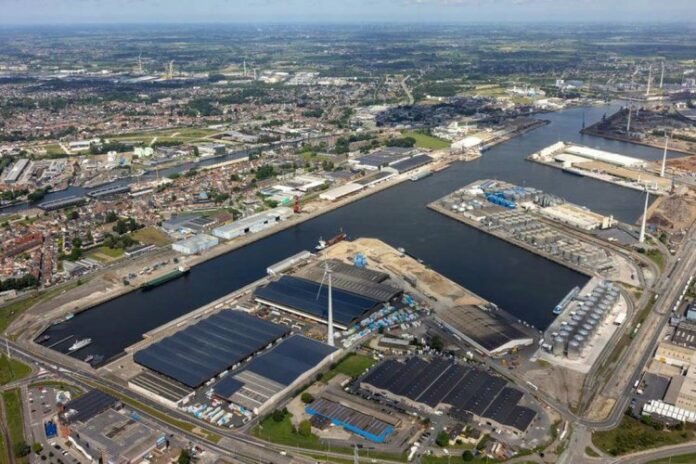
Port of Cartagena, Ports of Trieste and Monfalcone, Freeport of Riga Authority and North Sea Port are joining forces.

The signing of a declaration will kick off this cooperation. The four ports intend to exchange their knowledge and best practices in the field of energy management, including the introduction of renewable energy sources, environmental management and sustainable port management. The ports will also jointly strengthen commercial interests and support cargo flows between the ports. Sharing knowledge on further digitalisation, such as Port Community System (PCS) and traffic management, is part of this. 

Another important objective of the network is cooperation for funding opportunities and joint projects under European grants. 

With this initiative, the four ports are launching a non-exclusive network of medium-sized ports to exchange knowledge and explore further operational cooperation. The network demonstrates that European port communities are committed and ambitious in achieving European objectives. 

Maersk and Nike to christen historic, green-fueled container vessel at Port of Los Angeles

0

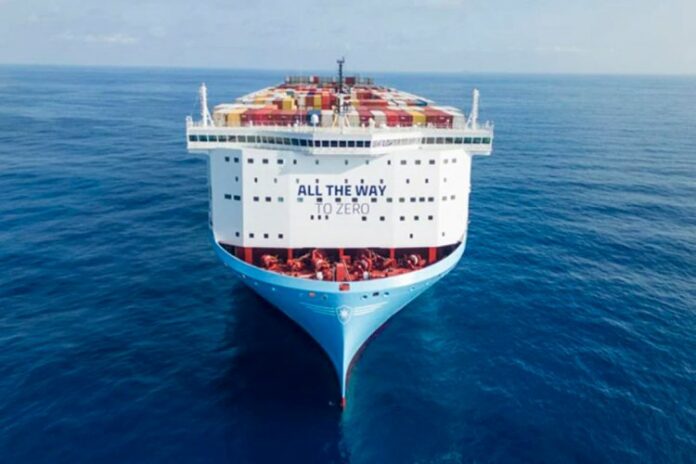
Powered by green fuel for its maiden voyage and capable of carrying more than 16,000 containers (TEU), the vessel will get its new name at a private ceremony at the Port of Los Angeles Outer Harbor on Tuesday, August 27. 

Maersk’s CEO Vincent Clerc will be on hand, alongside special guest speakers from Nike and leading state and local officials. As a partner in the name-giving event, Nike shares Maersk’s deep commitment to decarbonizing supply chains.

Venkatesh Alagirisamy, Nike Chief Supply Chain Officer, said:

“Nike is committed to protecting the future of sport and we leverage science-based targets to guide us through our Move to Zero journey. Operating one of the largest supply chains in the world, we have a responsibility to advance the innovation and use of more sustainable methods that get us closer to zero carbon and zero waste. By working with suppliers like Maersk, who share our commitment to sustainability, we are scaling our use of biofuels in ocean transportation, our main first-mile delivery channel.”

On Wednesday, August 28, Maersk invites the public to tour the 350-meter-long vessel, which will be sailing from Asia. Visitors will be able to see the Sailors’ living quarters and even stand on the bridge from where the captain controls the vessel. Public tours will require visitors register for a free ticket via an online registration site that will be activated and announced in August.

This is the fifth container vessel in Maersk’s fleet that can sail on green methanol, an alternative to conventional bunker oil. Maersk continues to explore and study various alternative fuels in pursuit of its goal to reach net-zero greenhouse gas emissions by 2040. Learn more about Maersk’s fleet of the future on Maersk.com.

In addition, Maersk’s new container ships have several innovative design features that set them apart from traditional container vessels, including the positioning of its crew accommodation and bridge at the bow and a single funnel at the stern. These design elements allow for increased container capacity and improved efficiency during port operations. Maersk has ordered 20 additional methanol-enabled vessels.

Höegh Autoliners secures significant Enova funding for four ammonia-powered Aurora vessels

0

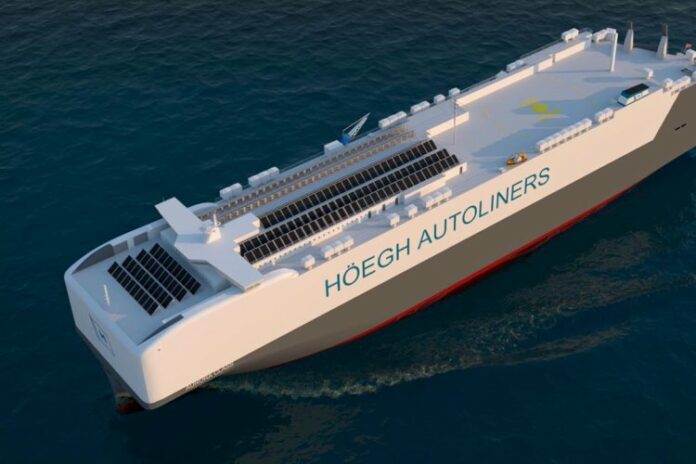
Höegh Autoliners was granted NOK 109,4million in increased Enova funding as part of its “Ammonia fuelled vessel programme” to ensure that four of Höegh Autoliners’ Aurora Class vessels can run fully on ammonia when they are delivered in 2027. The company will in total receive NOK 255,4 million in Enova funding.

The funding is part of the largest ever Enova funding round supporting the green maritime transition. The purpose of the funding is to establish the first functioning value chains for ammonia and hydrogen for maritime purposes.

“We believe it is important for shipping companies to send a clear signal to the rest of the value chain that the technology can be realized in a short time and that there will be demand for carbon-neutral fuel. Almost all Höegh Autoliners vessels sail under the Norwegian flag and have significant Norwegian content from the Norwegian cluster. The support from Enova, together with our innovative multi-fuel vessel design, significantly helps derisking the choice of bringing the first zero-carbon vessels to our industry,” says CEO of Höegh Autoliners, Andreas Enger.

Höegh Autoliners has a total of 12 Aurora Class vessels on order. The vessels transport rolling cargo such as cars, agricultural machinery, and mining equipment, as well as general solo cargo needing to be shipped.

The first 8 Aurora Class vessels will run on LNG, with the first one being delivered in August. These vessels are designed to be converted to run on ammonia. The ammonia engine technology will be ready in 2026, allowing us to build the last 4 vessels to run on ammonia from the start. These vessels will be delivered in 2027 and will be groundbreaking, becoming the world’s first emission-free vessels in our segment.

In March this year, Höegh Autoliners was granted NOK 146 million in Enova funding for two Aurora Class vessels to reduce the additional cost of this solution compared to a vessel that would be “ammonia ready”.

The Aurora Class vessels will significantly contribute to the company’s goal of achieving net zero emissions by 2040. Höegh Autoliners, as one of the first and few shipping companies globally, has secured access to the first ammonia 2-stroke engines delivered by MAN.

“With this support, Norway as a maritime nation, is sending a strong sustainability message. This is important for the whole Norwegian maritime cluster and for our continuous efforts to lead the way to more sustainable deep-sea transportation and a greener maritime sector. It is visionary and a key component in the green maritime transition becoming a reality. Höegh Autoliners is grateful for Enova’s support, which we view as a strong endorsement of our newbuild project. We aim at a net zero emissions future by 2040 and our Aurora Class vessels, the largest and most environmentally friendly PCTC vessels ever built, will be the first zero-carbon vessels in our industry able to run on ammonia by 2027. To get to net zero, we must make clean ammonia, perfect for long-distance transportation with our two-stroke engines, viable as the future shipping fuel, and send a clear signal to the rest of the value chain that the technology can be developed and implemented in a short time. Public-private collaboration is crucial for advancing the maritime green transition, particularly in implementing mechanisms to lower the cost of sustainable fuels until they reach parity with fossil fuels in the years to come” says COO of Höegh Autoliners, Sebjørn Dahl.

Höegh Autoliners is one of 7 companies granted the Enova funding, that will support both hydrogen vessels and ammonia vessels.

Today, shipping accounts for roughly 3% of global greenhouse gas emissions. 90% of that comes from deep-sea shipping.

The Enova funding will raise the demand for zero-emission fuels and thereby help establishing a well-functioning first market for zero-emission transport at sea creating a green tipping point for the maritime sector.

“The competition was fierce, and there were many good projects that unfortunately did not quite make it. It bodes very well for the further investment and the next round of applications. With this and the other pioneering projects that are now being awarded, Norway is leading the way, and we see that the maritime industry is at a tipping point where the transition can accelerate from here,” says CEO of Enova, Nils Kristian Nakstad.

Fincantieri and Viking sign contracts for two cruise ships

0

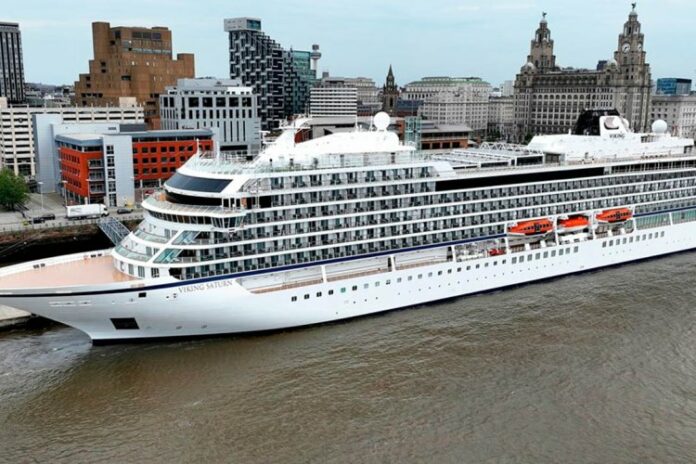
Fincantieri and Viking have announced that they have signed contracts for the construction of two cruise vessels, based on the successful features of the previous ships, which Fincantieri has already built for this shipowner. 

The vessels will be delivered in 2028 and 2029. The value of this agreement, subject to financing and other terms and conditions, is considered as large.

The new ships will be built according to the latest environmental rules and navigation regulations and will be equipped with the most modern safety systems.

The vessels will boast all innovations made available by the ongoing cooperation between Fincantieri and Viking for the development of eco-friendly fuels and of sustainable zero- emission power generation systems. The new vessels will be placed in the small cruise ship segment, the gross tonnage is about 54,300 tons and they will accommodate 998 passengers on board in 499 cabins.

This contract confirms the cruise market’s full recovery and its strong momentum, with passenger volumes returned to pre-pandemic level and positive effects on Fincantieri’s solid commercial pipeline, as evidenced by other significant orders signed by the Group earlier this year. It also demonstrates the strong and long-lasting relationship between Fincantieri and Viking – dating back to 2012 – and whose collaboration reaches, as of today, to a total of 20 vessels, including the two purpose-built expedition units of the subsidiary Vard.

Pierroberto Folgiero, CEO and Managing Director of Fincantieri, commented:

“This order further cements our relationship with Viking and establishes Fincantieri as the partner of choice for ship owners looking to build vessels fit for both current and future energy sources. Together, Fincantieri and Viking are leading the shipping industry in the path to net zero. With this contract, Fincantieri confirms its strong order pipeline and its reputation as a long-term partner of excellence within the cruise sector, as stated in our 2023-27 Industrial Plan”.

Equinor secures exploration permit for CO2 storage in Denmark

0

Equinor has been awarded its first CCS exploration permit in Denmark as operator, together with partners Ørsted and Nordsøfonden. 

The partnership will start surveys to assess if the onshore license in the North West Zealand can be developed into a safe CO2 storage facility.

The partners were awarded permit holders for the project named CO2 Storage Kalundborg, with a reservoir approximately 1400 meters below ground, and with a potential capacity to store up to 12 million tons of CO2 per year.

If the partnership over the next years successfully develops the permit into a CO2 storage facility approved by the Danish authorities, it could start storage of CO2 at the end of this decade.

“We are delighted to receive this exploration permit together with Ørsted and Nordsøfonden. Developing large-scale CO2 solutions is critical for hard-to-abate industries to reduce emissions while maintaining industrial activity and value creation. Our first important task in the project is to ensure that environmental requirements are met before seismic and subsurface data collection can start. The exploration phase will last several years, before the Danish authorities approves the license area as suitable for safe and permanent CO2 storage,” says Grete Tveit, senior vice president for Low Carbon Solutions in Equinor.

Operator Equinor holds a 60 per cent share in the awarded exploration license, with partner Ørsted having a 20 percent stake, and the Danish state participating through Nordsøfonden with a 20 percent equity.

Equinor expect 4-8 per cent real base project returns for its early phase CO2 storage business, and further value uplift potential when commercial markets are developed.

“We will use our experience from safely storing CO2 on the Norwegian Continental Shelf for nearly 30 years and other CCS developments when exploring the permit in Denmark. To mature more CO2 storage capacity aligns with our ambition of having 30 to 50 million tons of CO2 transport and storage capacity per year by 2035. A CO2 storage facility near Ørsted’s existing infrastructure is a good fit, as we are combining our strong capabilities as industry partners to establish a complete end-to-end CO2 capture, transport and storage value chain,” says Tveit.

The awarded license is in the vicinity of Ørsted’s established shipping and storage terminal Ørsted Kalundborg CO2 hub. Here the Danish energy company is constructing a CO2 capture facility at the Asnæs Power Plant, which is set to become operational from the beginning of 2026, with CO2 ship export to the Northern Lights storage facility in Norway. Ørsted’s terminal with its strategic position and scale will be a key component for reception and transport of CO2 to the potential CO2 storage facility the partnership will explore.

“We are pleased that we, along with Equinor and Nordsøfonden, have been awarded a license to explore whether the area in the municipality of Kalundborg is suitable for carbon storage. From 2026, we will capture 430,000 tons of biogenic CO2 from two of our combined heat and power plants, and being part of this collaboration is a natural next step in building our Ørsted Kalundborg CO2 Hub, as we are already establishing the logistics, infrastructure, and terminal solutions necessary for handling CO2 at Kalundborg. In this way, we are a good partner to Equinor, who will be operating the CO2 storage site” says Ole Thomsen, senior vice president and head of Ørsted’s Bioenergy business.

Jan De Nul will connect the Princess Elisabeth Island to the Belgian high-voltage grid

0

In consortium with LS Cable & System, Jan De Nul has won a contract to supply, install and test three 220 kV alternating current cables. 

These subsea cables will transmit renewable energy from the Princess Elisabeth Island to the Belgian high-voltage onshore grid. 

The energy island which is currently being constructed by a Jan De Nul Joint Venture, is located just off the Belgian coast, and is an electricity hub that bundles both the cables of the second offshore wind zone in Belgium (the Princess Elisabeth Zone) with future cable connections to other European North Sea countries such as the UK and Denmark. The island, located some 45 km offshore, will be built on concrete caissons filled with sand and will house almost exclusively transmission infrastructure. As the offshore wind sector expands, countries are exploring increasingly sophisticated methods of connecting wind farms to the mainland. Europe is striving to establish meshed offshore networks in all seas, with both cable interconnections and energy islands playing a key role.

The total capacity of the artificial energy-island will be sufficient to power about 3.5 million Belgian households with green electricity. 

The contract includes all works for three 220 kV high-voltage cables with a combined length of 165 km. The partners are responsible for the entire process: from design and engineering, through production and transportation, to installation and testing. The installation will take place in 2028. 

Wim Dhont, Manager Offshore Cables at Jan De Nul Group:

“We are delighted to be awarded this landmark project further enhancing Jan De Nul Group’s position as the reference for constructing the offshore energy transition. Thanks to our versatile fleet we are able to offer a one stop shop solution which involves offshore cable laying, dredging, rock protection, civil and environmental works, all with in-house equipment and expertise.”

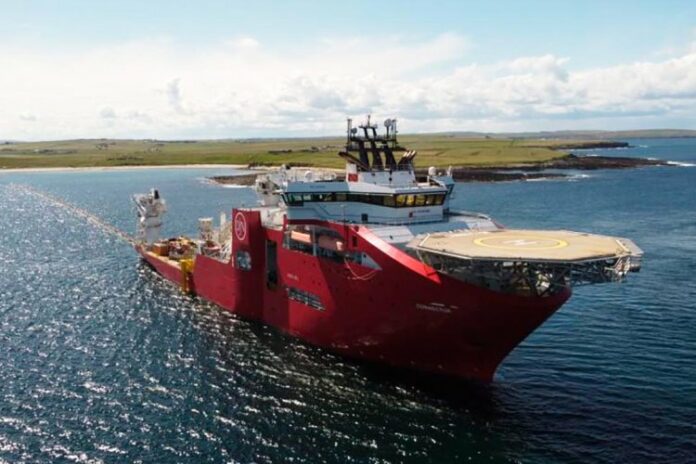
LS Cable is responsible for the design and production of the cables at its plant in South Korea. Jan De Nul will provide transport, installation and protection of the cables between the island and the Belgian coast with its versatile fleet by deploying its cable-laying vessels Connector and Willem de Vlamingh, and offshore support vessel Adhémar de Saint-Venant. Trailing suction hopper dredgers of the Jan De Nul fleet will level the seabed before the cable-laying. This way, the partner companies complement each other after previous collaborations in Germany and The Netherlands.

First of two new-generation emergency response vessels delivered to Hong Kong Fire Services

0

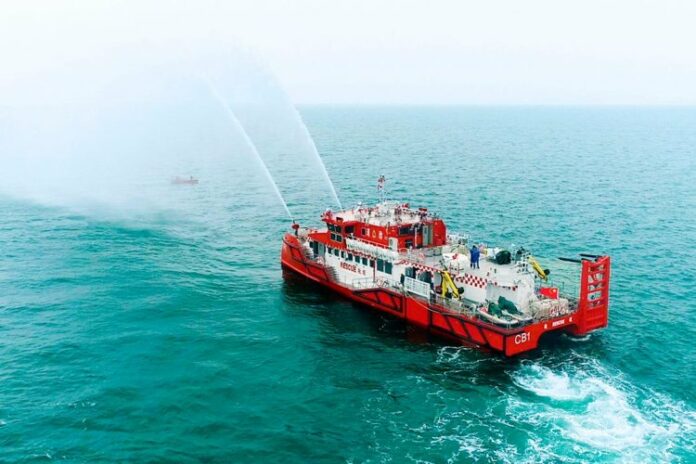
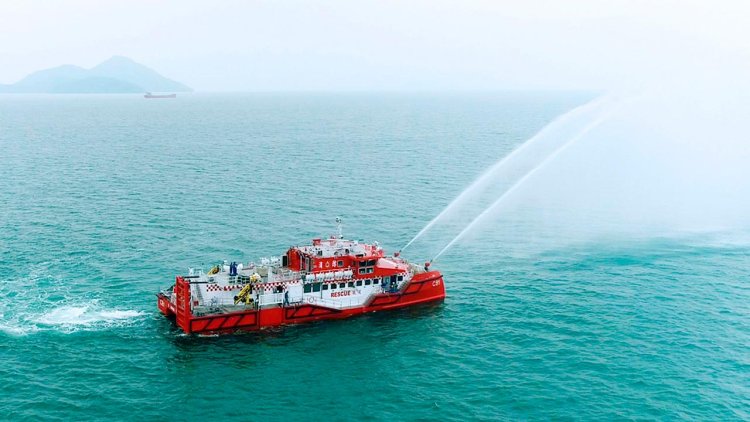
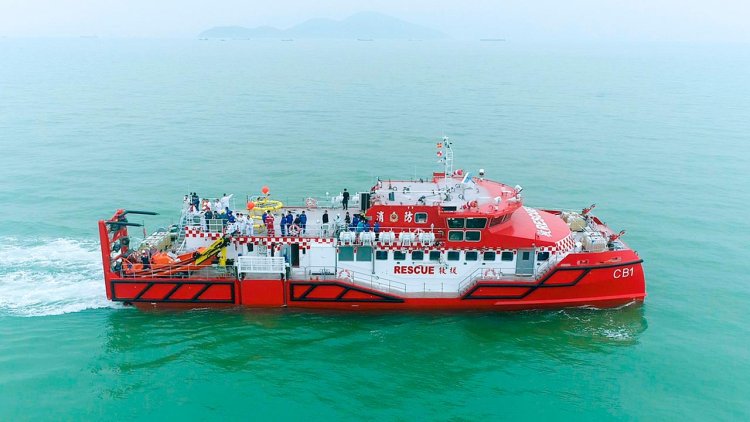
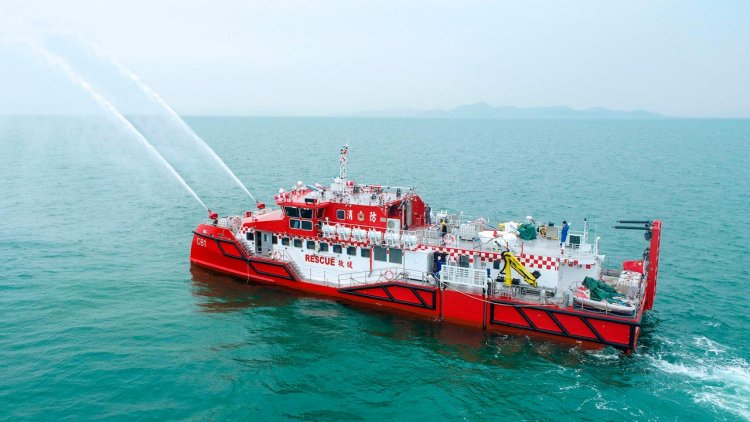
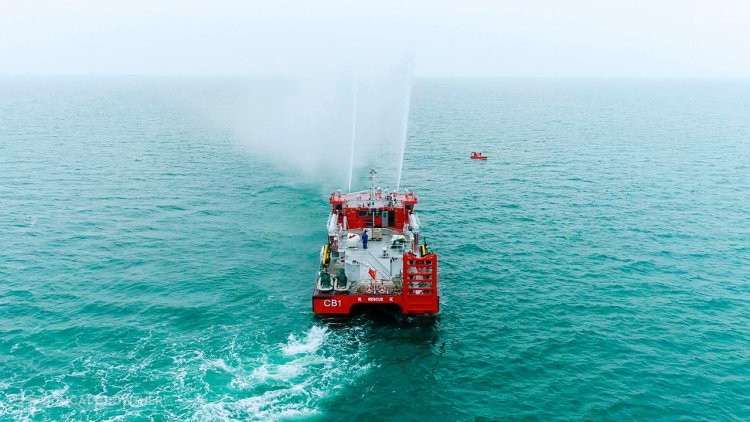
The two new vessels will replace the Hong Kong Fire Services Department’s ageing fleet of emergency response vessels and will be stationed at Hong Kong International Airport for fast deployment across Hong Kong’s busy waterways. The new vessels are tailored specifically for search and rescue, fire response and other emergency response operations including responding to emergency on-water aircraft landings.

Capable of travelling at speeds of up to 41 knots, the vessels boast a low draft and are designed for missions in both deep sea environments as well as hard to reach coastal locations. Highly robust to guarantee a long operational life, manoeuvrability is bolstered by the inclusion of four Hamilton HTX52 waterjets.

The vessels have been designed to accommodate up to 300 people including patients and people rescued from emergency situations. Each vessel features a large treatment room on the main deck and is fitted with the latest, state-of-the-art emergency response technology. This includes a unique Palfinger hydraulic automatic fast rescue slipway system. Integrated into the design of the vessel’s hull, the system allows for the rapid deployment of a rescue boat. A diving platform, as well as port and starboard rescue platforms further enhance the vessel’s operational capabilities.

In addition, the vessels feature two rescue jet skis, port and starboard knuckle boom cranes, two dual fire monitors with foam fighting capability, telescopic flood lights for nighttime operations, and a helicopter winching platform on the upper deck. The Command Centre is located on the upper deck, adjacent to a large crew space which features a mess, pantry, storage lockers and bathroom. Meanwhile, the vessels’ main deck features large equipment storage areas and four bathrooms.

Incat Crowther Technical Director Dr Andrew Tuite said these vessels are highly advanced, operationally flexible and robust vessels.

“Not only can these vessels perform on-water search and rescue missions, but they can also respond to fire and aircraft emergencies, assist with underwater search and rescue missions and act as a floating hospital and treatment centre during emergencies. It was pleasing to see the first vessel in this fleet exceed expectations during sea trials, giving the operator confidence that these vessels will play an important role in keeping the waterways of Hong Kong safe,” said Dr Tuite.

“It was crucial that our project team, including our partners at AFAI Southern Shipyard, delivered on the brief to design a vessel that offers operational flexibility while being fitted with the technology required to effectively respond to a broad range of rescue situations,” said Dr Tuite.

The second vessel in the fleet is now under construction in Guangzhou, with both vessels expected to be in service by 2025.

Norway offers six companies CO2 acreage in North Sea

0

On 20 June, the Ministry of Energy announced the award of new CO2 storage licenses.

The authorities have reviewed applications from eight companies following announcement of two suitable acreage in March 2024.

“We see great interest from the companies and find it gratifying that four offers are now being sent out. This is the highest number of offers that have been sent out simultaneously”, says Hilde Braut, assistant director for new industries.

The six companies that have received offers are:

  • Equinor ASA
  • Aker BP ASA
  • Lime Petroleum AS
  • OMV (Norge) AS
  • PGNiG Upstream Norway AS
  • Vår Energi ASA

This is the sixth time acreage has been awarded for CO2 storage pursuant to the CO2 Storage Regulations.

“We are very pleased to see the Norwegian authorities have made new CCS storage acreage available for exploration and that we have been awarded these two licenses. We see that demand for CO2 storage is increasing in several countries, and it is crucial to bring forward new CO2 storages quickly, so that we can offer industrial solutions that can support large scale decarbonisation of hard-to-abate industries in Europe,” says Grete Tveit, senior vice president for Low Carbon Solutions in Equinor.

Equinor expect 4-8 per cent real base project returns for its early phase CO2 storage business, and further value uplift potential when commercial markets are developed.

Equinor is maturing a ship-based solution as well as a large pipeline to connect industrial emissions in Europe with storage opportunities at the Norwegian Continental Shelf. The planned pipeline named CO2 Highway Europe will have capacity to transport 25-35 million tons of CO2 per year from Belgium and France.

The Smeaheia storage license, awarded to Equinor in 2022, is the anchor storage for this pipeline development and Albondigas and Kinno will be additional storage opportunities that can be connected.

Equinor is also about to complete the first phase of the Northern Lights CO2 transport and storage facility together with Shell and Total Energies. It will be ready to receive CO2 by the second half of this year.

“Scale-up of CO2 transport and storage is essential to meet the interest and demand for this type of services. Gaining access to more CO2 storage capacity aligns well with our ambition of having 30 to 50 million tons of CO2 transport and storage capacity per year by 2035,” says Tveit.