8.8 C
New York
Home Blog Page 15

Wärtsilä Water & Waste achieves 98.2% compliance in independent Alaskan wastewater testing

0

Wärtsilä Water & Waste, part of technology group Wärtsilä, continues to deliver exceptional wastewater treatment performance in one of the world’s most closely monitored marine environments through their Hamworthy membrane bioreactor (MBR) systems, according to independent regulatory data from the Alaska Department of Environmental Conservation (DEC).

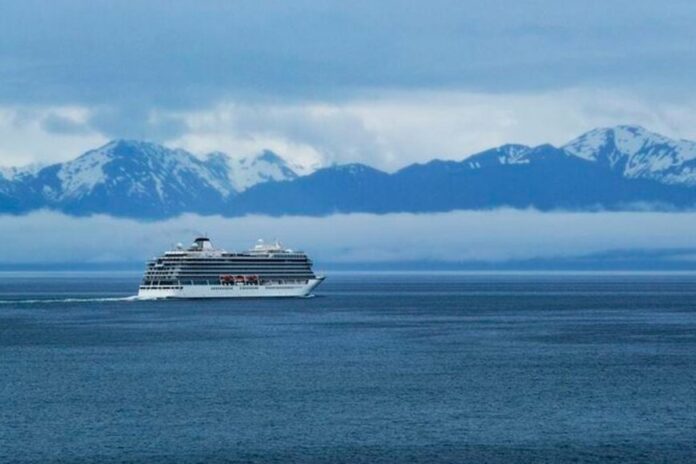
During the 2024 Alaska cruise season, fourteen vessels equipped with Wärtsilä’s Hamworthy MBR systems achieved a 98.2% compliance rate under DEC’s public testing programme. This performance surpassed the overall fleet average of 94.7% and other manufacturers’ systems, which averaged a 90.8% compliance rate.

Each year, the Alaska Department of Environmental Conservation (DEC) requires all large cruise ships operating in its waters to collect treated wastewater samples for laboratory analysis, with every result published vessel-by-vessel. The data represents one of the most rigorous and transparent performance programmes in maritime environmental regulation.

“Alaska’s Environmental Compliance Report provides real-world validation of system performance,” said Peter Satchwell, Global Sales Director, Wärtsilä Water & Waste.  “Our MBR systems are tested under genuine operating conditions on vessels sailing in Alaskan waters – and the results speak to the reliability and consistency of our MBR solutions . This independent verification reinforces the confidence our customers place in our technology to meet the most demanding environmental standards.”

Wärtsilä’s Hamworthy MBR technology combines biological treatment and membrane filtration to achieve stable, high-quality effluent without chemical disinfectants. Continuous monitoring of process parameters and a digital feedback loop with Wärtsilä’s technical support teams ensure performance remains consistent across different ships, crews, and itineraries.

Peter Satchwell added: “Independent verification  builds trust. The fact that our performance is  independently verified through Alaska’s open reporting system demonstrates the  advantage of our design philosophy,  where compliance is paramount. We are proud to have reached this high watermark for performance and to support our customers to operate safely, cleanly, and efficiently no matter where they are in the world.” 
Norwegian operator turns Page after rare dry well

0

Wildcat well 2/6-8 S and technical sidetrack 2/6-8 ST2 were drilled in production licence 1086, where the 2/6-7 S “Othello” oil discovery was made last year.

The production licence was awarded in 2021 (Awards in pre-defined areas 2020), and this is the second exploration well drilled in this production licence.

The well was drilled by the Noble Intrepid rig.

The objective of the well was to prove oil in Palaeocene reservoir rocks in the Borr Member in the Våle Formation.

The well encountered the Våle Formation and Ekofisk Formation as expected, but the Borr Member was only represented by thin sandstone layers. The well is classified as dry with hydrocarbon shows in the Våle Formation and Ekofisk Formation.

Well 2/6-8 S was drilled to a vertical depth of 1715 metres  before it was plugged and abandoned due to the unstable hole.

Well 2/6-8 ST2 was drilled to a vertical depth of 2981 metres below sea level and was terminated in the Ekofisk Formation from the Palaeocene.

A 45-metre core was taken in the Våle Formation and Ekofisk Formation, and pressure data and fluid samples were also collected in the Ekofisk Formation.

Water depth at the site is 55 metres, and the well will be permanently plugged and abandoned.

Nordsee One offshore wind farm signs a 5-year PPA with Shell

0

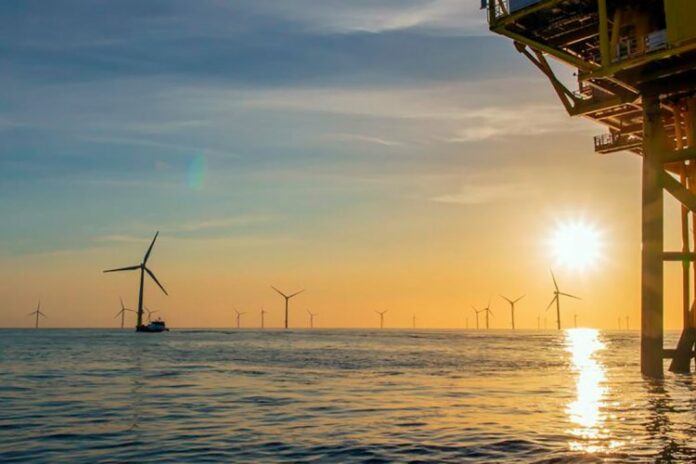
Northland Power Inc. has announced the signing of a five-year bilateral Power Purchase Agreement with Shell Energy Europe Ltd for approximately one‑third of the production from its 332 megawatt Nordsee One offshore wind farm.

Nordsee One is located in the North Sea, in the German Exclusive Economic Zone and was commissioned in December 2017. Northland has an 85% ownership interest in Nordsee One, with the remaining 15% held by RWE Offshore Wind GmbH.

The facility is currently operating under the German Renewable Energy Sources Act regime, which is scheduled to step down in 2027. The PPA, secured through a structured tendering process, starts in June 2027 for a five-year term for the supply of electricity to Shell.

“We are proud to supply Shell with power that advances their energy transition goals,” said Christine Healy, President and CEO. “Our Nordsee One offshore wind facility is producing renewable electricity for Europe, and we are leveraging that strength to continue delivering value from our portfolio.”

Coastal Transportation selects Inmarsat Maritime Fleetwide for advanced connectivity

0

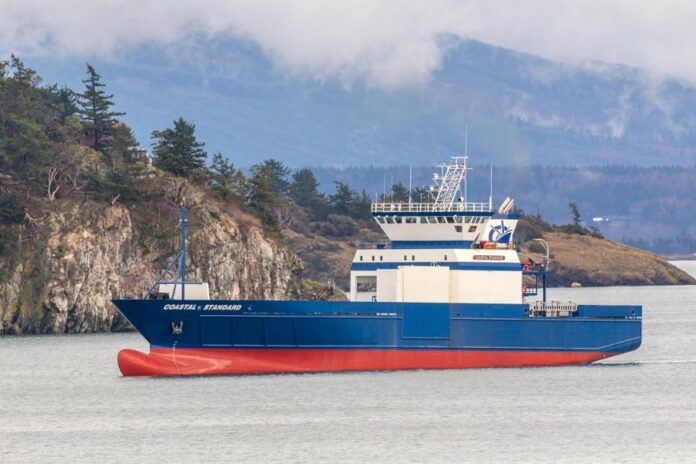
The Seattle-based shipping company has selected Inmarsat Maritime’s fully managed bonded connectivity solution to ensure stable access to cyber-secure communications across its cargo fleet.  

Inmarsat Maritime, a Viasat (NASDAQ: VSAT) company, has signed an agreement to deliver NexusWave for longstanding customer Coastal Transportation as the family-owned shipping company seeks a reliable and cyber-secure connectivity solution for its fleet of refrigerated and general cargo ships.

Operating a regular schedule between its home terminal of Seattle, Washington, and ports throughout Western Alaska, Coastal Transportation depends on stable connectivity to safeguard mission-critical and crew communications. With cargoes often involving complex inventory, the company is acutely aware of rising cyber threats and the need for resilient digital infrastructure.

NexusWave’s secure-by-design architecture and segregated networks provide Coastal Transportation with robust cyber-resilience. The fully managed, bonded connectivity service is also designed to deliver global coverage and network availability exceeding 99.9%, helping ensure the vessels and their crew are consistently connected to high-speed internet from Seattle to Dutch Harbor and beyond.

Stephanie Grisham, Technical Program Manager, Coastal Transportation, said: “Upgrading to Inmarsat NexusWave was a natural next step for our cargo fleet. NexusWave is the only connectivity solution on the market that delivers the levels of security and reliability we need to support safe and efficient operations from port to port. We also value the convenience it offers as a single solution from one provider that seamlessly combines the capabilities of multiple services.”

Logan Murray, Sales Account Manager, Inmarsat Maritime, commented: “We are delighted to extend our longstanding relationship with Coastal Transportation – the latest in a fast-growing cohort of operators that appreciate the unique value of fully managed, bonded connectivity as an enabler of safe, efficient, and secure fleet operations.”

The investigation of exposure incidents at Hammerfest LNG is completed

0

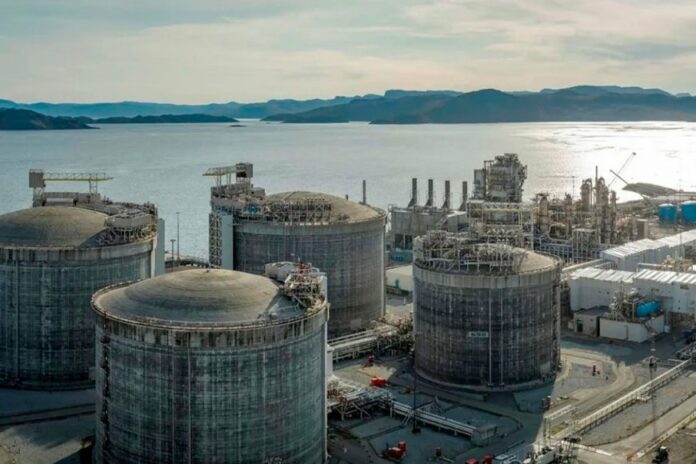
Equinor’s investigation identifies venting from the MEG tanks as the main source causing the exposure incidents and that several factors have occurred simultaneously for the events to happen. 

Wind conditions caused the gas to descend to ground level, where personnel were working.

“We welcome the clarity provided on what has been a complex matter. The investigation report identifies the underlying causes and outlines the connection between the various incidents and the health issues they resulted in,” says Christina Dreetz, senior vice president onshore plants at Equinor.

During a period of high activity at Hammerfest LNG (HLNG), from summer 2024 to summer 2025, 37 people sought medical attention on four different occasions and nine people were absent from work following the exposure incidents. Some experienced health issues such as headaches, nausea and dizziness, while others noticed nothing. Reactions to vented gas and the associated odour is a cause of the various health issues experienced by personnel, but it is unlikely that the exposure has led to long-term health issues.

The report points to insufficient risk assessment before the project-start up and follow-up as the reason why several incidents occurred during the one-year period.

“We must acknowledge that we should have gone more in depth to identify the causes when the first incidents of exposure occurred at Melkøya last summer. Through measures implemented both during and after the investigation, we now have routines that enable us to manage risk more effectively,” says Dreetz.

Main causes of the incidents

The investigation team identifies venting from the MEG tanks as the main cause of the exposure incidents. The tanks are designed so that the vented gas consists of nitrogen and water vapour.

Changes in the well stream in the MEG tanks or temperature fluctuations, have contributed to changes in the composition of the vented gas. This has resulted in odours and, in some cases, discomfort or illness when venting has occurred at the same time as wind has brought the vented gas down to ground level.

Project activities in area L201 and adjacent areas have led to more people being present in areas where there was previously no activity. Regular sampling of vented gas was not carried out, and the measures implemented after the first exposure incident were not sufficient to prevent recurrence.

Subsequently, several types of measurements have been carried out to map the gas composition and exposure risk in the area.

“The results show that most measurements have generally been low. Measurements of benzene and other volatile organic compounds have been sporadic and short-lived,” says Dreetz.

In addition, the investigation report shows that lack of ownership, communication and follow-up of measures between the Snøhvit Future project and the operations organisation at Hammerfest LNG contributed to the exposure risk not being managed well enough.

Measures implemented with positive effect

HLNG has implemented measures to reduce the risk of exposure and to strengthen safety at the facility.

“The measures initiated have had the desired effect. This includes the installation of a temporary filtration solution, improved monitoring, mapping and sampling of vented gas from the MEG tanks, as well as measurement routines at ground level,” says Dreetz.

In addition, introduction programmes and instructions for everyone working at the facility have been updated to strengthen the shared safety and reporting culture, and a local health office has been established at Melkøya.

The investigation report will be submitted to the Norwegian Ocean Industry Authority, which is also conducting an investigation.

MacGregor secured order for nine new RoPax vessels

0

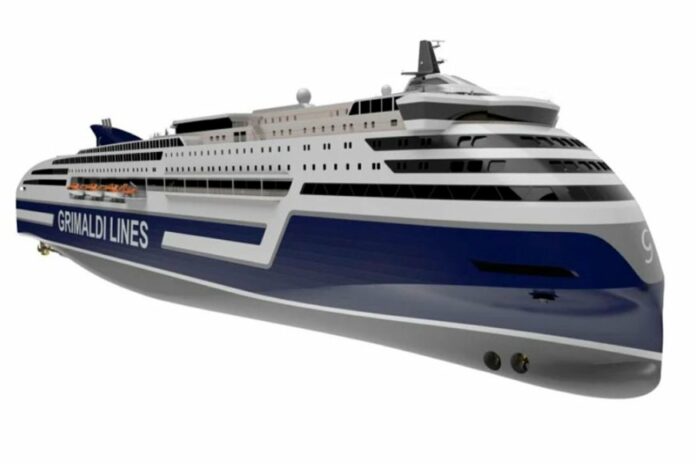
MacGregor has been selected to supply cargo access solutions for nine new RoPax vessels as part of the Grimaldi Group’s major fleet renewal plan. 

This order includes cargo access equipment for three vessels for Finnlines, four for Grimaldi Euromed, and two for Minoan Lines. The vessels will be built at China Merchants Industry Weihai Shipyard Co., Ltd. 

The order was booked to MacGregor’s third quarter 2025 orders received. 

This order is the result of a collaborative approach with all project stakeholders, ensuring the delivery of solutions that perfectly meet the specific requirements of the vessels and the customer. The order includes two different vessel designs:

Three ships for Finnlines, with a capacity of 5,400 lane meters and 1,000 passengers, destined for the Baltic Sea.
 
Six ships (four for Grimaldi Euromed and two for Minoan Lines), with a capacity of 3,300 lane meters and 2,500 passengers, for the Mediterranean and Adriatic Sea networks.

“This is a fantastic achievement that reinforces our commitment to our customers,” says Magnus Sjöberg, Executive Vice President, Merchant Solutions Division, MacGregor. “By collaborating closely with the owner and our key partners, we were able to demonstrate our ability to deliver the right solutions to meet their specific needs. This order is a clear testament to the collective expertise of our global team.”

Optimising tidal-to-hydrogen systems: EMEC’s modelling insights for tidal energy alternative offtakes

0

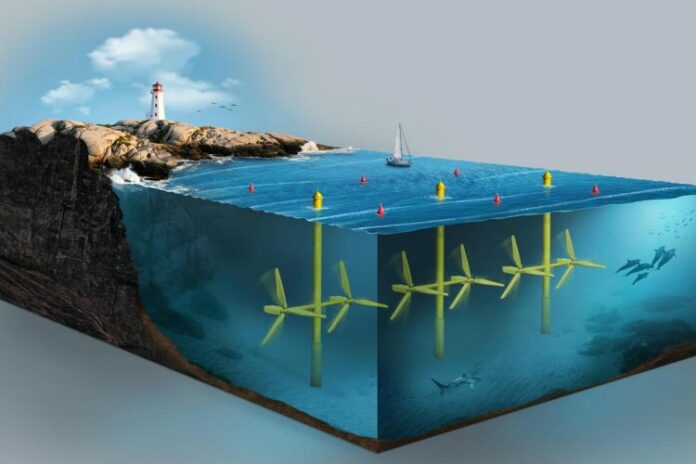
EMEC has delivered a detailed modelling study exploring how to optimise the integration of tidal energy and battery storage with alternative offtake routes (e.g. hydrogen production) to overcome barriers to commercial scale tidal energy deployments.

The study has been published as part of the FORWARD2030 project, supported by the European Union’s Horizon 2020 research and innovation programme. FORWARD2030 aims to deliver a series of high-impact cost reductions to achieve large-scale tidal energy array deployment by 2030.

Many of the UK’s most promising tidal stream sites are in remote coastal areas with limited and frequently disrupted grid connections. These grid limitations pose a barrier to meeting national and international deployment targets.

The introduction of alternative offtake routes is a promising opportunity where local businesses can take advantage of the local generation of green electricity at advantageous pricing as part of a behind-the-meter power purchase agreement . This not only reduces reliance on expensive retail electricity or diesel generators but also opens the door to attracting new industries to these regions.

The predictability of tidal stream energy makes it a strong candidate for alternative offtake applications. While tidal generation varies throughout the day, its cyclical nature means this variability can be accurately forecast.

When coupled with battery storage to smooth generation, continuous power can be fed to the grid or to an offtake.

However there has been limited practical analysis of how such integrated systems would operate in real-world conditions.

EMEC developed a comprehensive model to explore how tidal energy could be optimally used to power local offtake, using its vanadium flow batteries and hydrogen electrolyser as a case study.

The model uses EMEC’s resource data collected at its tidal energy test site in Orkney, alongside site acceptance data from its adjacent onshore R&D facilities where integration of tidal energy converters, battery storage and hydrogen are gearing up to be trialled.

This real-world data was used to undertake a detailed analysis to understand what tidal generation will look like for a typical annual cycle, how batteries may be used to ensure consistency of supply and how operation of a partially islanded system can maximise a limited grid connection.

The findings from the model were then qualitatively assessed to understand how they may be extended to larger tidal farms and how these may be integrated with wind farms. This was then extended to investigate the potential for grid balancing services and other potential offtake industries such as synthetic fuel production.

The modelling revealed that tidal energy technologies, when combined with appropriately-sized energy storage systems, can deliver stable, near-continuous behind-the-meter power to industrial offtakes.

Pregnant seafarers need better support, report shows

0

A new report from the All Aboard Alliance reveals how pregnancy among seafarers is often handled through improvised and inconsistent practices, leaving many women feeling isolated and anxious and creating unnecessary risks to their safety, well-being, and careers.

Based on interviews with 15 female seafarers of varying nationalities, ages, seniorities, and vessel types, ‘Pregnancy at sea: From hidden risk to retention edge’  shows how simple, proven measures could transform this rarely acknowledged aspect of life at sea into a retention opportunity for the industry.

“Pregnancy is a natural part of life, yet at sea it too often becomes a source of fear, stress, and uncertainty,” says Susanne Justesen, Director of Human Sustainability at the Global Maritime Forum.

“No woman should have to choose between starting a family and continuing her career at sea. With the right structures in place, pregnancy can be handled safely and confidently, ensuring that women are supported, crews are prepared, and the industry retains the talent it so urgently needs,” she added.

Samskip officially launches direct Morocco-Europe Service

0

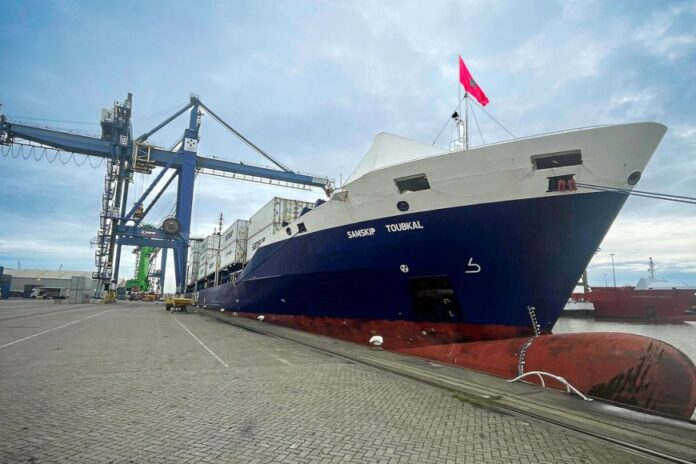
Samskip announces the official launch of its new shortsea service connecting Agadir and Casablanca directly with the UK and the Netherlands, marking a historic moment for Moroccan exports and European trade.

The new Morocco–Europe service is designed to move cargo of all types from fresh produce to industrial materials faster, greener, and smarter, providing a true alternative to long-haul road transport. Supported by dedicated vessels, advanced reefer technology, and seamless multimodal connections across Europe, this service brings unmatched speed, reliability, and sustainability to one of the most dynamic trade corridors of our time.

“This connection marks a milestone for Samskip, as well as for the future of logistics between North Africa and Northern Europe,” said Samskip Group CEO Ólafur Orri Ólafsson. “We’ve listened closely to the needs of growers, exporters, and importers, and built a service that puts their success first, combining reliability, sustainability, and scale.”

With weekly sailings from Agadir and Casablanca to Tilbury and Rotterdam, the Samskip Morocco–Europe service connects exporters directly to more than thirty destinations across Europe. Through Rotterdam, cargo continues via Samskip’s extensive multimodal network, the largest in Europe, reaching Ireland, the UK, the Nordics, and Central Europe with one partner and one seamless logistics chain. In Agadir, the focus remains on refrigerated and frozen produce, while Casablanca now serves as the hub for a broader spectrum of exports, including automotive parts, chemicals, packaging, and construction materials. Together, the two ports form a gateway built for scale, efficiency, and long-term partnership.

To support this route, Samskip has invested in a new fleet of GPS-equipped reefer containers, including 750 forty-foot units and 250 forty-five-foot High Cube Pallet-Wide containers. Equipped with Controlled Atmosphere technology, these containers regulate oxygen, CO₂, humidity, and temperature to keep fruit and vegetables fresh for up to forty-five days ensuring Moroccan products arrive across Europe as fresh as the day they were packed.

“Every shipment represents reliability and trust,” added Ólafur. “With our advanced reefer technology and integrated customs solutions, we’re ensuring that every customer, from farmers to industrial suppliers, can trade with confidence.”

By shifting from road to sea, Moroccan exporters can reduce CO₂ emissions by up to eighty percent while benefiting from a faster, more predictable service. Samskip’s in-house customs clearance and local expert teams in both Morocco and Europe ensure end-to-end simplicity, transparency, and reliability.

Cadeler signs two contracts for full-scope foundation and turbine installation

0

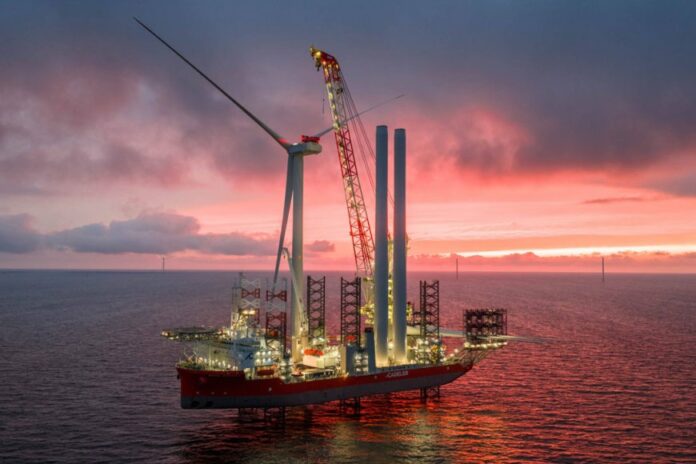
Cadeler announces the signing of two firm contracts covering the full-scope transportation and installation of offshore wind turbines and their foundations for an upcoming offshore wind farm development with a combined value projected to be approximately EUR 500 million.  

The foundations transportation and installation (T&I) campaign is set to commence in early 2029 and to be executed using one of Cadeler’s newbuild A-class vessels. This contract, the third full-scope foundation T&I campaign for Cadeler, once again reaffirms the company’s position as a full-service provider in the foundation T&I space.  

The turbine installation scope is scheduled to begin in early 2030 and will be carried out by one of Cadeler’s O-class jack-up vessels, with completion expected by late 2030. 

The contracts are subject to the client’s investment decision in the project. Should the client be unsuccessful the agreements may be terminated subject to a termination fee. 

Mikkel Gleerup, CEO of Cadeler, comments: “This project reinforces Cadeler’s position as a full-service T&I partner in the foundations space and demonstrates that our strategic direction is aligned with current market demands. With our fleet of nine wind installation vessels – and three additional under construction – Cadeler continues to deliver the flexibility, efficiency, and innovative solutions required to execute increasingly complex projects and to support the necessary build-out of offshore wind globally.”