-8 C
New York
Home Blog Page 142

Van Oord implements natural solution for river bank reinforcement

0

The use of fascine mattresses made entirely of natural materials represents an important step forward in terms of sustainability. A first in the Netherlands that both the client and the contractor are proud of.

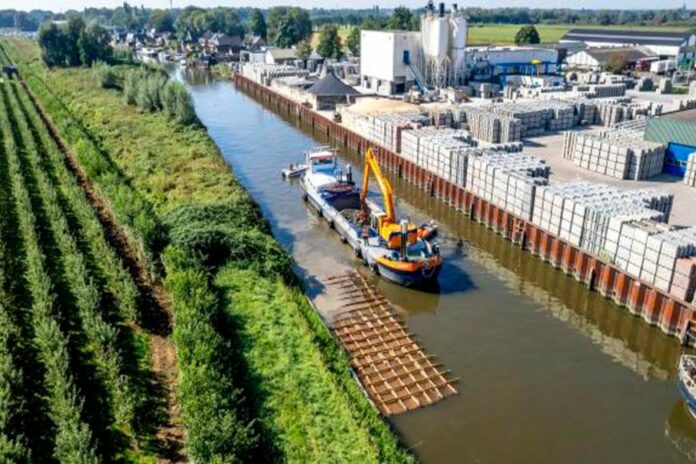
The bank along the Kerkvaart river, a tributary of the Oude Maasje river, is in need of major maintenance. To protect the hinterland from flooding, the bank must be reinforced and stabilised. Paans Van Oord uses fully biobased fascine mattresses for this, which are weighted down with quarry stone. Fascine mattresses are mats of braided willow with a filter cloth, which prevent the soil from washing away, thus protecting it against erosion. A jute cloth, a natural and sustainable alternative to the usual geotextile cloth, will be used for this project.

Sustainability, innovation and collaboration are keywords in addressing the challenge of our time. Together, we can develop new solutions that contribute to a better world. Van Oord is collaborating with Van Aalsburg, a partner specialising in sustainable willow products. Based on a shared sustainability ambition, these partners have joined forces to research and invest in the use of biobased materials as part of ‘Building with Nature’. The use of the biobased fascine mattresses in this project is an important step for both parties in the further development and applicability of the product. Work will start in mid-August and be completed by the end of September. 

Anco Sneep, executive director of the Brabantse Delta water board: ‘From the moment we begin to determine the scope of our procurement and other contracts, social responsibility and sustainability are paramount. That means sustainability is an integral part of our assignments to the market. Impact cannot be realised without collaboration. We do this by participating in so-called buyers’ groups or other processes in which sustainable alternatives are explored with the market prior to tenders. We also create a procurement calendar, so that the market can properly prepare for upcoming tenders. The use of biobased fascine mattresses fits well with our sustainability ambition.’

Carlos Mollet, Commercial Director of Dredging & Infra at Van Oord:

‘We are very happy with this assignment. We recently signed the cooperation agreement with Van Aalsburg with the aim of further developing, realising and applying biobased fascine mattresses. The fact that we are now applying it to a project is great, and it represents another step in our commitment to creating sustainable solutions and using natural materials. We greatly appreciate that the Brabantse Delta water board is allowing room for this initiative. That attitude will help the sector take steps towards sustainability.’
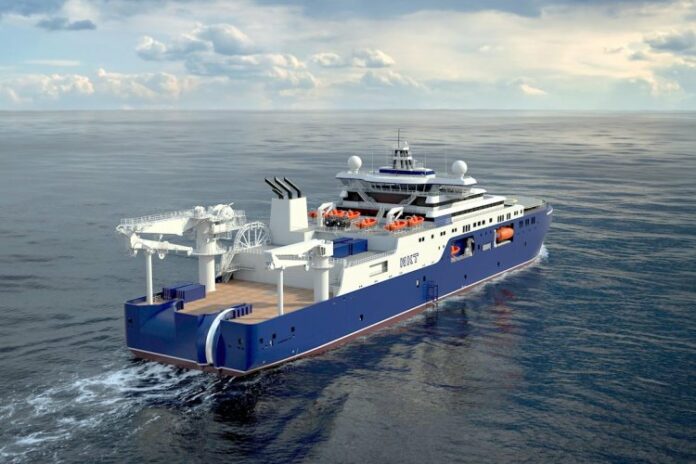
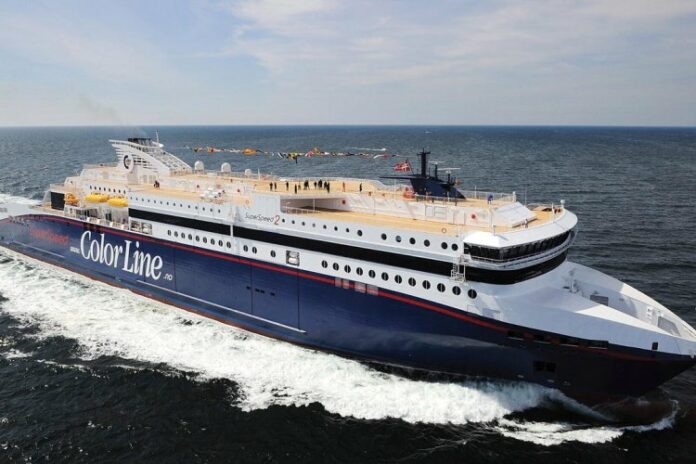
ABB propulsion system for NKT’s advanced cable layer

0

ABB has reinforced its longstanding relationship with NKT by securing a contract for the integrated power and propulsion system onboard the owner’s latest highly advanced cable layer. 

The new order, which includes Onboard DC Grid™ power distribution system, Azipod® electric propulsion and Power and Energy Management System (PEMS™), follows an earlier success for ABB as systems integrator for the 2017-built NKT Victoria. Scheduled to enter operations in 2027, the 176-meter-long new build NKT Eleonora will have a cable-laying capacity of 23,000 metric tons to serve growing demand for subsea cable installation.

ABB’s award-winning Onboard DC Grid™ power distribution system, which enables integration of multiple power sources and allows a vessel’s engines to run at variable speed, will help reduce fuel consumption, contributing to lowering greenhouse gas emissions as a result.

With three 3,500-kilowatt Azipod® units maximizing maneuverability and thrust, and the PEMS™ optimizing total energy use, the combined power and propulsion solution driving NKT Eleonora will also enhance dynamic positioning (DP) performance to support safe and efficient cable-laying operations. This will be the first vessel equipped with a DC system to earn DNV’s DynPos AUTRO CB notation for DP operations.

“We are delighted to be working with ABB again following our successful collaboration on NKT Victoria, which, upon delivery, was the most advanced vessel of its kind worldwide,” said Darren Fennell, Executive Vice President and Head of HV Solutions Karlskrona in NKT “NKT Eleonora will be similarly groundbreaking, and it was only fitting that we sought power, propulsion and advisory solutions that could support the bold operational and sustainability ambitions we have for our latest vessel.”

ABB’s scope of supply to NKT Eleonora also covers several solutions from the ABB Ability™ digital portfolio. They include the ABB Ability™ OCTOPUS – Marine Advisory System, monitoring and forecasting vessel motions, and ABB Ability™ Remote Diagnostic and Condition-Based Maintenance. Connected equipment will also be protected by the ABB Ability™ Cyber Security suite, which is certified according to DNV’s Cyber Secure Essential SP1 class notation.

“ABB is proud to have been chosen to supply such an extensive scope for this advanced cable-laying vessel,” said Rune Braastad, Global Business Line Manager, Marine Systems, ABB Marine & Ports. “The order offers further evidence that our power and propulsion system remains the solution of choice for vessels requiring high levels of energy efficiency, performance, and safety combined with unmatched digital support and advisory services. We look forward to contributing to the realization of this groundbreaking project.”

Color Line to futureproof Ro-Pax vessels with Wärtsilä hybrid scrubber upgrade

0

Wärtsilä will add close-looped functionality to the ships’ current open-loop scrubbers, enabling the ships to operate at maximum efficiency, safely and in the most environmentally sustainable way possible. The order was booked by Wärtsilä in Q3 2024.

As maritime’s drive for energy efficiency and emissions reductions become ever more urgent, ship owners and operators, such as Color Line, are seeking solutions which will help them to optimise vessel performance and reach sustainability targets. The upgrade to a hybrid scrubber system onboard these ships will give Color Line control over any abatement from the scrubber wash water, ensuring its vessels remain compliant with tightening regulations.

“This scrubber upgrade supports our focus on minimising the environmental impact of our operations. Switching to Wärtsilä’s system will not only ensure our continued compliance with existing rules and regulations, but will also future-proof our vessels against future requirements,” says Per Erik Olsen, EVP Color Line Marine.

Wärtsilä’s hybrid scrubber systems feature the latest in exhaust cleaning technology, thus minimising sulphur oxide (SOx) emissions and allowing the vessel to comply with emission control regulations around the world. The solution, which has the flexibility to operate in both open and closed loop using seawater to remove SOx from the exhaust, removes 98 percent of SOx emissions. This also notably reduces nitrogen oxide (NOx) and particulate matter emissions.

“Through adopting a modular approach, continuous research and development, as well as prioritising innovation, we are fully committed to developing abatement solutions which support the industry in its goals for reducing its emissions footprint,” comments Kashif Javaid, Director of Sales, Exhaust Treatment, Wärtsilä Marine. “We have worked closely with Color Line in the past and are pleased to continue to support them with ensuring their assets operate safely, efficiently and sustainably.”

The upgrade will be carried out on two large Ro-Pax and two high-speed Ro-Pax vessels, which sail between Norway and Denmark, and Norway and Germany, and will commence at the latter end of 2024.

NAPA launches Permit to Work system onboard Carnival Cruise Line and Virgin Voyages

0

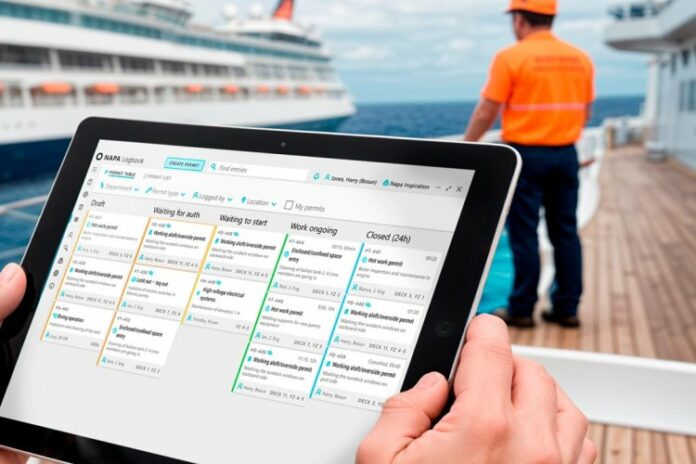
NAPA has announced the launch of NAPA Permit to Work to improve crew safety and efficiency when conducting high-risk tasks onboard. The new software is currently being trialed by Carnival Cruise Line and Virgin Voyages, marking a step-change for seafarer safety by removing the risk factor associated with current paper-based processes and handovers. 

NAPA Permit to Work will digitalize the mandatory work permit process required for conducting hazardous tasks onboard, such as working at height, performing hot work, or entering enclosed spaces. Traditionally, these permits are managed through paper forms as part of a ship operator’s Safety Management System (SMS) and require crews to spend hours going around the ship to collect a multitude of signatures from different departments. The manual nature of this process is prone to delays, errors, and miscommunication, posing safety risks and inefficiencies. Instead, the software will save time for crews by digitalizing those signatures and decrease incident risks by automatically notifying all relevant departments and personnel with real-time status updates of ongoing work, especially riskier tasks like tank cleaning.

NAPA Permit to Work will act as a comprehensive digital checklist to help seafarers ensure that no safety-critical steps are missed. The system is designed so that no digital form is accepted unless all required safety checks are completed before the start of any job, significantly reducing the risk of oversight. Post-COVID, a large proportion of crew working aboard cruise ships are on their first contract with little at-sea experience. This functionality provides a virtual guide and augments previous training, eases handovers and minimizes the margin for error.

For shoreside teams, this data transparency delivers better fleet-wide visibility of ongoing work and conditions, enabling a more proactive approach to safety, maintenance and resolving technical issues. Taking a long-term view, the data collected on the platform can be analyzed to help spot trends at a granular, per vessel and per voyage level. This can be used to evaluate what machinery or systems require maintenance to then swiftly take preventative or remedial action. From a passenger and guest experience perspective, this functionality also contributes to easier and faster maintenance work facilitated by real-time visibility and prioritization of tasks.

Piervalerio Vignola, Director FOC, Carnival Cruise Line, said:

“NAPA Permit to Work will be a game changer in automating processes and streamlining workflows to ensure the highest safety standards and procedures are followed in a timely manner. 

“Crew safety and welfare are key pillars for our operational and commercial success, which is why investing in our continued digitalization with NAPA was a no-brainer. Embracing these digital technologies gives us the peace of mind that we are upholding rigorous safety standards that protect our crew, passengers and assets.”

Marco Carsjens, Fleet Captain, Virgin Voyages, commented:

“We have a long-standing relationship with NAPA that is built on mutual trust, and we were very excited to participate in the development of this product. NAPA Permit to Work is definitely a tool that will make the life of officers and crew onboard our ships much easier as it is a cornerstone for safe working practices.

“With open dialogue and feedback, we have seen the tangible benefits of digitalization and automation with digital tools that can be customized and tailored to our needs. NAPA Permit to Work will further this positive trajectory and allow our crew to feel supported and assured in their decision-making and safety.”

Tommi Vihavainen, Director of Development, NAPA Safety Solutions, said:

“NAPA Permit to Work is a culmination of decades of active collaboration with the industry to seize the opportunities of digitalization and take safety to new heights. Since day one, we have worked closely with our customers and seafarers at the frontline to hear their concerns around safety. With their feedback, we have built a digital system that contributes to a safer working environment for them. Underpinned by better data recording, reporting and analysis, we are empowering organizations to gain a full-picture understanding of their fleets at every level so that they can take a proactive approach to operational safety and efficiency that puts crew welfare and safety first.” 

Inmarsat’s NexusWave trialed by Hapag-Lloyd for enhanced maritime connectivity

0

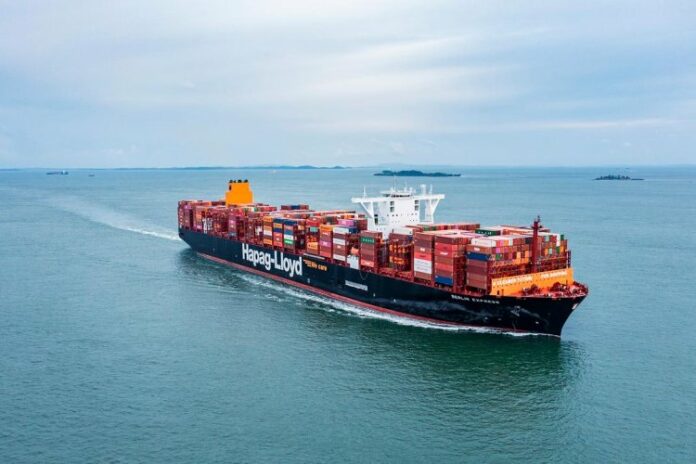
Inmarsat Maritime has announced that shipping group Hapag-Lloyd is among the first to trial NexusWave, the fully managed service which delivers a global service orchestrated by bringing together a multi-orbit, multi-band set of connectivity networks as a single network solution. 

The trials align with the Hamburg-headquartered shipping group’s requirement for a robust connectivity solution that is capable of meeting increasing communications and security demands, and rising expectations for business and crew communications.

Unique among maritime communications options, the NexusWave solution delivers an “office like” and “home like” experience that’s always connected, without having to worry about usage, quota or speeds by curating various services onboard the vessel to the needs of the owner-operator while providing full transparency on total cost of ownership — an all-in-one, frictionless solution. NexusWave also offers an upgrade path to the ViaSat-3 network.

A series of owner-operator trials aim to verify the way reliable high-speed Internet connections allow critical enterprise/IT functions to move to the cloud instead of maintaining them on vessels, so that shipboard personnel can align with office-based colleagues. Crew will be able to access IT services previously only available onshore.

Patrick Briest, Senior Director IT – Network & Operations, Hapag-Lloyd, commented:

“With NexusWave, our vessels can transform into floating offices, seamlessly integrated with onshore and cloud-based IT systems. This advancement in connectivity will allow us to further streamline operations through cloud-based solutions, achieving significant cost savings and enhancing crew IT services to match onshore experiences.”

Specifically designed to meet customer objectives, the NexusWave service leverages SD-WAN technology to provide intelligent traffic bonding and prioritization to ensure that mission-critical operations are continuously connected, while also supporting services based on video streaming such as remote inspections. With business and crew welfare channels maintained separately, the service also enhances crew connectivity.

NexusWave is designed with security at its core, encrypting traffic at the vessel level and protecting it with advanced enterprise-grade infrastructure, trusted by leading enterprises and governments worldwide.

Gert-Jan Panken, VP Sales, Inmarsat Maritime, highlighted the strategic value of the NexusWave solution for Hapag-Lloyd, stating:

“With NexusWave enhanced connectivity, we can provide our customers with a seamless, secure, and robust communication environment that transforms maritime operations. We are committed to continuing to provide solutions that not only meet but exceed the expectations and needs of our valued customers like Hapag-Lloyd: ensuring their operations are efficient and future-ready.”

McDermott completes offshore decommissioning project in Western Australia

0

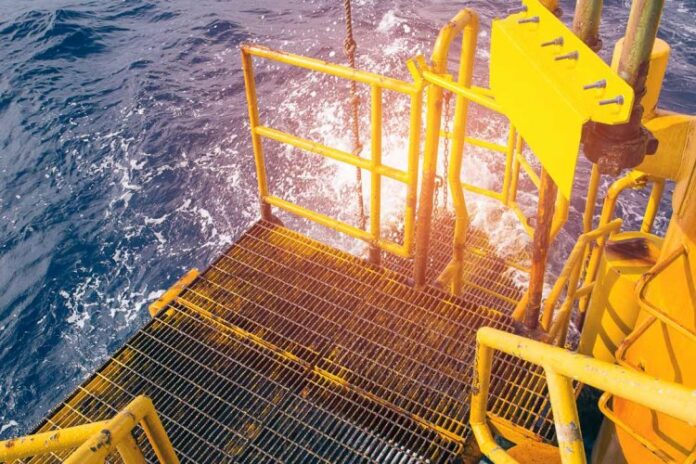
Under a contract awarded to McDermott in January 2024 by Santos, the company provided engineering, procurement, removal, and transportation of the platform topsides, substructure, and associated items to an onshore facility for dismantling and disposal.

“The successful removal of the Campbell platform topsides and substructures leveraged our expertise in circular practices and subsea project execution across the energy value chain,” said Mahesh Swaminathan, McDermott’s Senior Vice President, Subsea and Floating Facilities, McDermott. “This demonstrates our commitment to support clients in tackling complex challenges with creative problem-solving solutions that enable offshore decommissioning efforts and circularity across Australia’s energy sector.”

Central to the project’s success was the deployment of a custom-built lifting cradle. Designed and constructed at McDermott’s Batam fabrication yard, with engineering support from teams in Perth, Australia; Chennai, India; and Kuala Lumpur, Malaysia; the lifting cradle was specifically engineered to address the unique complexities of the platform’s upper substructure. 

AtoB@C Shipping christens Stellamar in Ystad

0

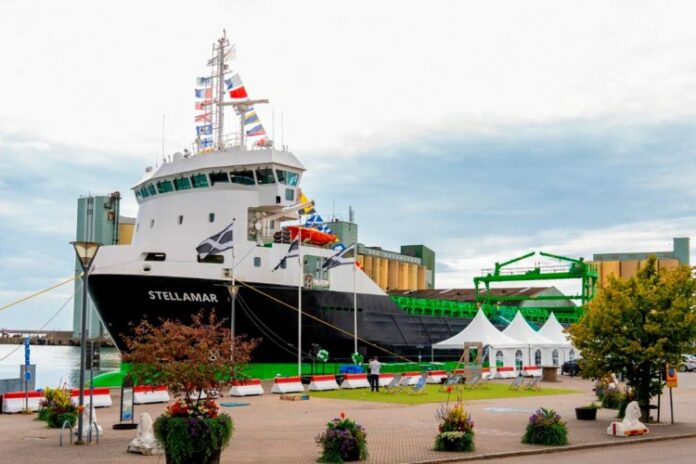
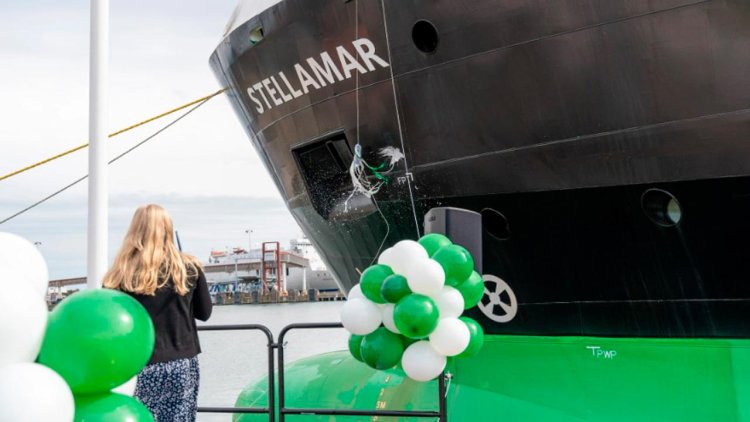
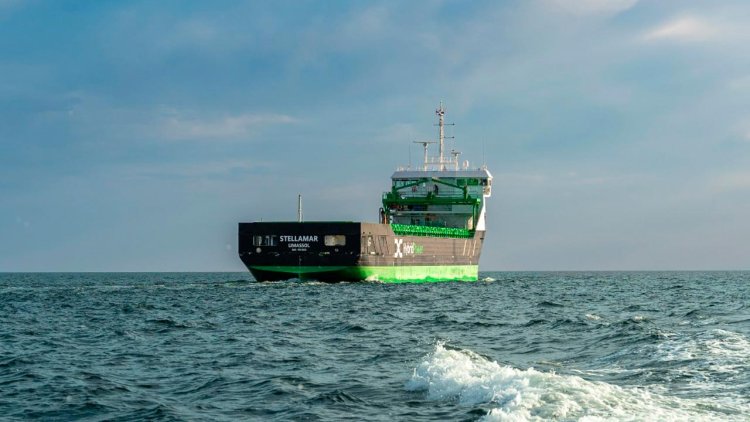
AtoB@C Shipping, a subsidiary of ESL Shipping, celebrated the christening of its second plug-in hybrid vessel, Stellamar, in Ystad on 30 August. 

The traditional christening ceremony was conducted with a special touch as Stella Rowland and Stella Passinen, daughters of key figures within AtoB@C Shipping and Metsä Group, had the honour of naming the vessel.

“It was an honour to participate in the christening ceremony of Stellamar – a new generation vessel that shall carry products to customers of Metsä Group in a more environmentally friendly way”, says Veli-Matti Passinen, Vice President of Logistics at Metsä Group.

”As a Ystad-based company, it was a very special feeling to host this ceremony here, witnessed by our employees, stakeholders and a large number of locals”, says Frida Rowland, Commercial Director at AtoB@C Shipping and ESL Shipping.  

Stellamar is a state-of-the-art vessel that produces up to 50% less CO2 emissions compared to the previous generation of vessels, achieved through innovative features such as shore power connectivity, substantial battery installation, and enhanced cargo intake. These advancements not only contribute to a reduction in greenhouse gas emissions but also ensure quieter and cleaner operations while in port.

It is designed to carry a wide range of bulk and breakbulk products, such as steel, forest products, fertilisers and project cargoes. The vessel has a long unobstructed deck, which allows loading more deck cargo and longer project cargoes than the current vessels in the fleet.

The fleet expansion continues with Ecomar, the third vessel in the series, currently en route from India to Europe, and Aquamar, the fourth, nearing completion at the shipyard. The production of the tenth vessel, Astramar, commenced in July with the steel-cutting ceremony.

Damen signs with Gerdes Green for second sustainable Combi Freighter 3850

0

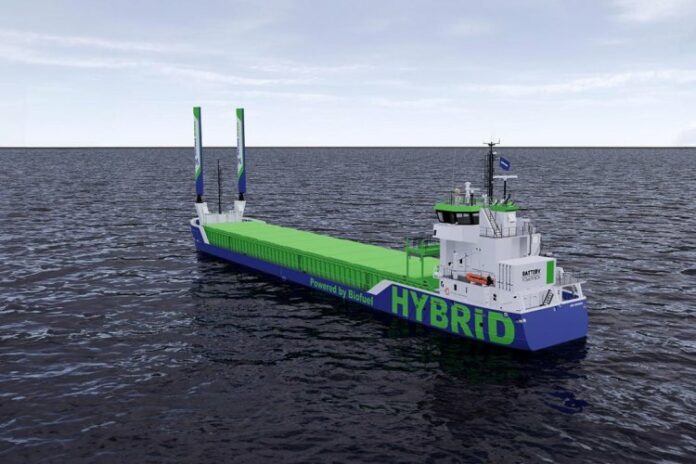
Damen Shipyards Group has signed a contract with Gerdes Green for a second Combi Freighter (CF) 3850. Like the first vessel, which Damen is currently building, the latest order will feature a wide range of innovative solutions aimed at optimising efficiency and advancing the vessel’s sustainable performance. 

Gerdes Green, a joint venture between Reederei Gerdes and over-C, shares Damen’s commitment to building a green maritime future. 

Gerdes Green Managing Partner Nicole Gerdes explains:

“Sustainability is a key demand of industry today and is, therefore, of utmost importance to the maritime sector. Beyond that, however, as we witness changes in the climate it is clear that we cannot simply continue as we have; things have to change.”

“At Gerdes Green we don’t want to wait until the solutions of the future have arrived. The vessels we have ordered from Damen form a part of our bid to act now. With these ships, we will be able to gain experience with sustainable technologies. The lessons we learn will help us to advance, step-by-step, towards a carbon neutral fleet.”

The Damen CF 3850 is an updated version of a vessel that has earned an excellent reputation in the international cargo vessel sector over many years. The next generation vessel has been redeveloped using computational fluid dynamics (CFD) and modern tooling to ensure utmost efficiency. Together with Gerdes Green, Damen has developed a battery hybrid version of the CF 3850 vessel. The vessel is able to sail for short durations on fully electric power, reducing emissions when, for example operating in populated areas or approaching port. 

Additional green features of the vessel include its ability to hook up to electrical shore power, the capability to sail on reduced emission B100 bio-diesel fuel, and wind assisted ship propulsion. This comes in the form of Econowind foldable ventofoils, which will reduce the vessel’s dependence on the engine to lower fuel consumption and associated emissions. 

Gerdes Green has received a subsidy from the German Government for investment in the sustainable innovations featured on the vessels. The subsidy is part of the Namkü directive, a demonstration of the German Government’s recognition of the importance of maritime sustainability.  

Reederei Gerdes and Damen have been working together since the early 2000s. In that time, the shipbuilder has delivered a total of eight vessels to the company. 

“We were first drawn to Damen by their experience in the coastal sector,” says Nicole. “This is revealed in the high quality of Damen vessels. The ships are excellent workhorses that are appreciated by our customers. Additionally, the cooperation is good. We are both family-led companies are we share a long-term perspective. It’s not only about making a profit, it’s about finding solutions together and thinking about the next project.”

Damen’s Commercial Director Cargo Vessels Remko Bouma agrees, saying:

“We are proud of our long-standing relationship with Reederei Gerdes. Cooperations such as this one are of benefit to both parties, and to the maritime industry more generally. We value highly the input that we have received from Reederei Gerdes, which has helped significantly in the development of a vessel that helps to advance the maritime energy transition. I would like to take this opportunity to thank them for their continued trust in Damen. I’m very much looking forward to working together with them on the construction of this second vessel.”

Samskip joins TECO 2030’s Horizon Europe project “HyEkoTank”

0

Samskip has announced its partnership in the groundbreaking HyEkoTank project, an initiative supported by the European Union’s Horizon Europe program. 

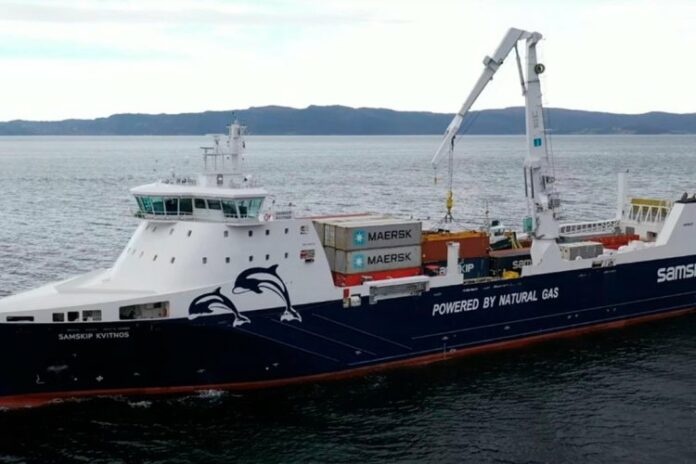
As part of its ongoing efforts to reach net zero emissions by 2040, Samskip will retrofit its multipurpose vessel Samskip Kvitnos with cutting-edge hydrogen fuel cell technology developed by TECO 2030. This collaboration will enable Samskip to take another major step forward in decarbonizing its fleet and reducing greenhouse gas emissions.

The Samskip Kvitnos operates on a fixed route from Rotterdam along the Norwegian west coast to Hammerfest, making it a vital part of Samskip’s commitment to sustainable logistics in one of Europe’s most environmentally sensitive regions. By retrofitting this vessel with zero-emission fuel cells, Samskip will ensure the Samskip Kvitnos stays ahead of upcoming regulations, including the FuelEU Maritime and EU Emissions Trading System (EU ETS), while also addressing the need for zero emissions in Norwegian world heritage fjords by 2030.

Participation in the HyEkoTank project is the latest in a series of Samskip initiatives aimed at reducing carbon emissions across the maritime sector. From its pioneering Seashuttle project, which is building hydrogen-powered container ships, to its use of biofuels, shore power and CO2 capture systems, Samskip is dedicated to leveraging advanced technologies and innovative partnerships to meet its ambitious decarbonization targets.

“We have spent years actively pursuing sustainable solutions across our fleet, and this retrofit of the Samskip Kvitnos aligns perfectly with our vision for the future of shipping,” said Erik Hofmeester, Head of Vessel Management at Samskip. “Working alongside TECO 2030 and the HyEkoTank consortium, we are ensuring that the Kvitnos not only meets but stays ahead of the zero-emission targets set by the EU and Norwegian authorities, all while continuing to provide reliable service for our customers.”

The HyEkoTank project is the world’s largest ongoing fuel cell retrofit effort, demonstrating the potential of hydrogen technology in reducing emissions in the global maritime sector. For Samskip, retrofitting the Samskip Kvitnos is not just about compliance—it’s about future-proofing its fleet to meet the energy needs of tomorrow while delivering tangible environmental benefits today.

“Our collaboration with TECO 2030 is a key part of our journey to achieving net zero by 2040,” Hofmeester continued. “By investing in retrofitting existing vessels like the Samskip Kvitnos, we are maximizing the environmental impact of our operations while ensuring long-term sustainability and competitiveness in a rapidly evolving industry.”

Samskip’s inclusion in the HyEkoTank project is further supported by other renowned partners, including Shell, Umoe Advanced Composites, and the Arctic University of Norway. Together, the consortium will implement advanced technologies that enable zero-emission navigation in European coastal areas and the Norwegian fjords, safeguarding these regions for future generations.

The Samskip Kvitnos retrofit is scheduled for completion in 2025 and is expected to significantly reduce emissions while maintaining operational efficiency on Samskip’s established routes.

Germany’s largest offshore wind farm EnBW He Dreiht: All 64 foundations installed

0

A significant milestone has been reached in the construction of He Dreiht, currently Germany’s largest offshore wind farm: EnBW has installed all 64 foundations in the North Sea as scheduled. 

The 70-meter-long steel foundations are 9.2 meters in diameter and weigh around 1,350 metric tons each. Transition pieces, which serve as a connecting element between the wind turbine tower and the monopile, were placed on top of the monopiles.

He Dreiht is being built roughly 85 kilometers northwest of Borkum and about 110 kilometers west of Helgoland. At peak times, more than 500 people work on this large construction site in the middle of the sea. Over 60 vessels are involved. The latest generation of Vestas wind turbines will be installed starting in spring 2025 with a capacity of 15 megawatts (MW) each.

The wind farm is scheduled to start operation in late 2025 with a total capacity of 960 MW, which is sufficient to supply roughly 1.1 million households with electricity.

In the first offshore auction held in Germany, EnBW secured the contract for the project back in 2017. He Dreiht will not require any state subsidies.