2.1 C
New York
Home Blog Page 137

MBARI upgrades deepwater AUV fleet with Exail Phins Compact C7 Inertial Navigation System

0

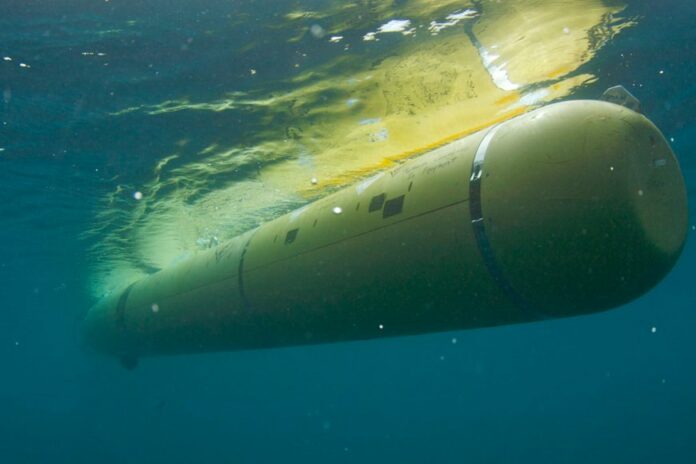
The Monterey Bay Aquarium Research Institute (MBARI), a leading institution in oceanographic research, has selected the Exail Phins Compact C7 Inertial Navigation System (INS) to upgrade its deepwater Autonomous Underwater Vehicle (AUV) fleet.  

Built on advanced Fiber-Optic Gyroscope (FOG) technology, the Phins Compact C7 INS was chosen for its ability to deliver survey-grade navigation at depths of down to 6,000 meters. Its compact OEM design allows for seamless integration with MBARI’s existing AUVs, while its compatibility with additional navigation tools enhances overall accuracy, meeting MBARI’s operational needs. 

“MBARI’s advanced underwater vehicles gather important data about our changing ocean. Our seafloor mapping operations required a navigation system that could provide state-of-the-art precision and reliability in extreme conditions,” said Erik Trauschke, Autonomous Systems Operations Manager at MBARI. “Its ability to integrate with a Teledyne RDI Doppler Velocity Log (DVL) offers us added flexibility, allowing for a customized INS-DVL configuration.”

“We are delighted that MBARI has chosen our Phins Compact C7 INS for their deepwater AUV fleet,” said Shayan Haque, Business Development Manager at Exail. “It has been a true collaborative effort with everyone involved at MBARI. We are excited to see our systems contributing to their ongoing exploration and research efforts.” 

The acquisition of Exail’s systems came after a significant period of collaboration between MBARI and the Exail support team, who worked closely to develop a customized solution tailored to MBARI’s AUVs and the specific requirements of their deep-sea missions. 

“The technical exchange with Erik Trauschke and his team was extremely thorough, and we were aligned from day one. We provided a loaner unit for MBARI to assess the system’s performance and assisted in designing their customized mounting bracket. This close collaboration highlights our commitment and ability to support our clients in developing bespoke solutions for their specific needs,” said Patrick Lieffering, Support Operations Manager for the Americas at Exail. 
Initial work starts on preparing three ports to serve offshore wind energy in Philippines

0

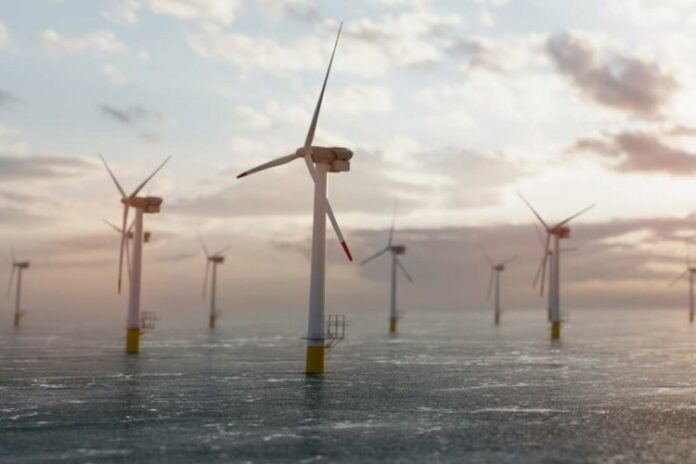
“The PPA has formally expressed its full support to the DoE to initiate the detailed engineering designs and take immediate steps to repurpose three priority ports to ensure that they are fully equipped to handle the installation, commissioning, and operational requirements of OSW projects,” the DoE said in a statement on Sunday.

The DoE has identified the Port of Currimao in Ilocos Norte, Port of Batangas in Sta. Clara, Batangas City, and Port of Jose Panganiban in Camarines Norte as priority sites due to their proximity to high-potential offshore wind energy service contracts (OWESCs).

The Port of Currimao is located near 13 OWESCs with a potential capacity of 9,489 megawatts (MW). Of the total, three service contracts are in the “advanced pre-development stage.”

The port in Batangas is close to 29 OWESCs with a total capacity of 24,300 MW, with six contracts in the permitting, licensing, and data gathering stages.

Situated close to 14 OWESCs, the Port of Jose Panganiban is expected to service wind farms with estimated capacity of 8,150 MW. Two projects in the area are in the advanced pre-development phase.

“The modernization of port facilities will not only accelerate OSW projects but also play a critical role in securing the country’s clean energy future and promoting economic growth,” Energy Secretary Raphael P.M. Lotilla said.

Mr. Lotilla said that the ports will serve as “vital logistical hubs” throughout the lifecycle of the offshore wind projects — from installation to commissioning and decommissioning.

Upgrading these facilities will ensure that the Philippines is prepared to satisfy the increasing demands of OSW, which should yield “significant contributions to energy security and economic stability,” he said. 

“The PPA (is) committed to working closely with the DoE to ensure the completion of port infrastructure upgrades and to help usher in a cleaner, more sustainable energy future for the country,” PPA General Manager Jay Daniel R. Santiago said.

Mr. Santiago said that the PPA will be responsible for carrying out the feasibility study and infrastructure development at the three ports.

To date, the DoE has awarded 92 offshore wind energy service contracts to 38 renewable energy developers with a total potential capacity of 66.101 gigawatts (GW).

According to the Philippine Offshore Wind Roadmap, the Philippines has a potential capacity of about 63 GW if it taps offshore wind resources. 

Source: evwind

CB&I and Hanwha Ocean receive approval for liquid hydrogen carriers from DNV

0

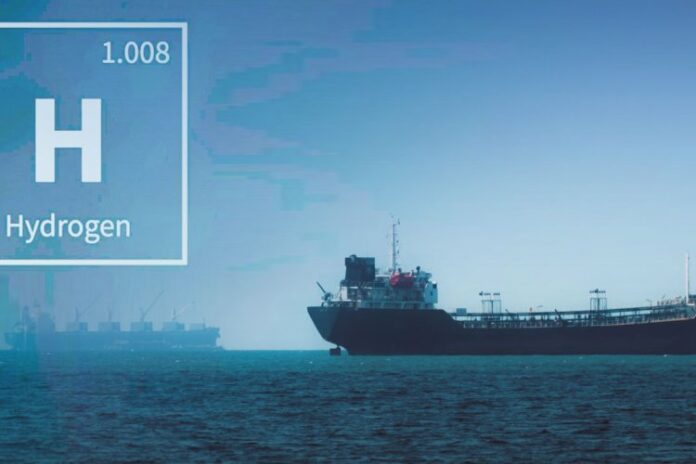
CB&I and Korean world-class shipbuilder Hanwha Ocean have received Approval in Principle (AiP) for the design of a cargo containment system and an 80,000 m3 liquid hydrogen (LH2) carrier from DNV, a leading classification society for shipping. 

DNV formalized the AiP with executives from each company at the Gastech Exhibition & Conference held in Houston on September 17.

The AiP confirms CB&I’s cargo containment systems meets applicable safety standards including class rules, the International Code for the Construction and Equipment of Ships Carrying Liquefied Gases in Bulk (IGC Code), as well as the Interim Recommendations for Carriage of Liquefied Hydrogen in Bulk, Resolution MSC.420(97), issued by the International Maritime Organization (IMO).

“Hanwha Ocean’s expertise in gas carriers perfectly complements CB&I’s expertise in large-scale storage and handling systems for liquid hydrogen,” said Mark Butts, Senior Vice President for CB&I. “Together we have created a safe, efficient liquid hydrogen carrier design with low boil-off of 0.05% per day. This carrier makes plans for international liquid hydrogen supply chains possible today.”

CB&I is supporting Hanwha Ocean’s carrier design with its cargo containment system consisting of vacuum-insulated double-wall spheres for LH2 transport, which has also been approved by DNV. CB&I has more than 60 years of experience in onshore LH2 storage tank design and construction worldwide.

“Since last year, we have been working in a tripartite agreement with CB&I and DNV to develop an 80,000 m3 medium-sized liquid hydrogen carrier,” elaborated Youngchang Shon, CTO, Head of Product & Technology Strategy at Hanwha Ocean. “Our comprehensive research has included verifying the basic performance and structural safety, cargo handling system (CHS), and the conceptual design of an eco-friendly electric propulsion system incorporating hydrogen fuel cells.”

“Collaboration has always been a key to overcoming new challenges. We are now witnessing an exemplary scene of cooperation where two global leaders in hydrogen and shipbuilding sectors work together closely to realize the shipping of liquid hydrogen, the future medium of renewable energy,” expressed Vidar Dolonen, Regional Manager of DNV Korea and Japan. “At DNV, we are pleased to join CB&I and Hanwha Ocean in their efforts to improve the level of technical maturity and also present the way for the future of liquid hydrogen transportation by showing various propulsion options for LH2 carriers.”

Amogy sails world’s first carbon-free ammonia powered maritime vessel

0

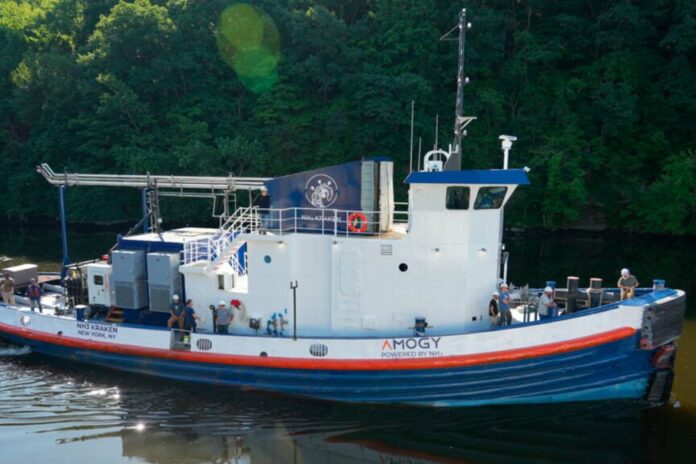
The NH3 Kraken, a tugboat originally constructed in 1957 and retrofitted with Amogy’s ammonia-to-electrical power system, sailed on a tributary of the Hudson River, upstream from New York City.

This demonstration is a significant step towards reducing global carbon emissions and moving the maritime industry closer to the International Maritime Organization’s (IMO) target of net-zero emissions by 2050. It proves both the viability of Amogy’s technology and the potential of ammonia as a carbon-free maritime fuel.

“Governments across the globe and industry organizations like the IMO have set aggressive goals to reduce global carbon emissions. These goals seem daunting, but they’re necessary – and our successful demonstration of the world’s first carbon-free, ammonia-powered vessel proves that they’re achievable,” said Seonghoon Woo, CEO and co-founder of Amogy. “By demonstrating our technology on the water for the first time, we’ve gained invaluable knowledge that will help us move quickly to commercialization and real-world applications. The opportunity to decarbonize the maritime industry is within reach, and for Amogy, it’s just the beginning.”

Successfully sailing the NH3 Kraken is the largest and most significant application of Amogy’s technology to date, following successful demonstrations of an aerial drone, commercial farm tractor, and semi-truck. Amogy will apply knowledge gained from this demonstration to real-world applications of its technology, including both retrofit projects and newbuilds. The company is already working on contracts signed and in progress with organizations such as Hanwha Ocean, Terox, and others.

Amogy’s patented ammonia-to-electrical power system splits, or “cracks,” liquid ammonia into its base elements of hydrogen and nitrogen. The hydrogen is then funneled into a fuel cell, generating high-performance power with zero carbon emissions. This technology offers a sustainable, clean energy solution, tailored for hard-to-abate sectors like maritime shipping, as well as stationary power generation applications. During this demonstration, the NH3 Kraken was fueled with green ammonia, produced entirely with renewable energy, further reducing its carbon footprint.

The global shipping industry emits close to 1 billion tons of greenhouse gasses per year, equivalent to the emissions of a G7 country like Germany or Japan. The successful voyage of the NH3 Kraken validates the vast potential ammonia holds for transforming the shipping industry, and other sources of power generation in the future.

“Ammonia is the world’s second most produced chemical, with around 20 million tons moving around the globe through 200 ports each year. With that track record, shifting the industry mindset to use it as a fuel is completely achievable, and can happen at an accelerated pace,” continued Woo.

Amogy plans to release a case study providing additional technical details in the coming months.

McDermott and BW Offshore announce collaboration to enable offshore blue ammonia production

0

This strategic partnership aims to enable a viable pathway for offshore blue ammonia production, contributing to the global transition to low-carbon energy sources, and reinforcing both companies’ commitment to sustainable energy practices.

The collaboration will leverage the combined expertise of McDermott and BW Offshore to advance the development of low carbon ammonia production aboard a floating production storage and offloading (FPSO) facility. FPSOs have the potential to unlock multiple benefits for ammonia production, including advantages in environmental, health and safety, schedule certainty, and competitive levelized costs of ammonia. 

BW Offshore will contribute its leading expertise in FPSO solutions and apply an innovative approach to offshore production facilities. Its commitment to advancing the energy transition through sustainable technologies makes it an ideal partner for this project.

McDermott brings extensive experience in engineering, procurement, construction and installation (EPCI) across the energy sector and will contribute its deep technical knowledge and project execution capabilities and leverage its global fabrication assets and modularized solutions.

“This is a unique collaboration that makes important strides to progress the energy transition by advancing a viable pathway for offshore blue ammonia production,” said Vaseem Khan, Senior Vice President, Global Operations at McDermott. “Our offshore module design and fabrication capabilities and low carbon process expertise fits perfectly with BW Offshore’s FPSO know-how, and we are aligned in our commitment to developing sustainable energy and progressing the energy transition.”

“Harnessing McDermott’s one hundred years of offshore expertise and relationships with leading technology providers, as well as BW Offshore’s leading FPSO technology, we aim to advance offshore blue ammonia production. This collaboration with McDermott underscores our mutual commitment to sustainable energy solutions,” said Fredrik Savio, Business Unit Manager, New Ventures and Technology at BW Offshore.

ClassNK issues AiP for large liquefied CO2 carriers of 50,000 m³ and 23,000 m³

0

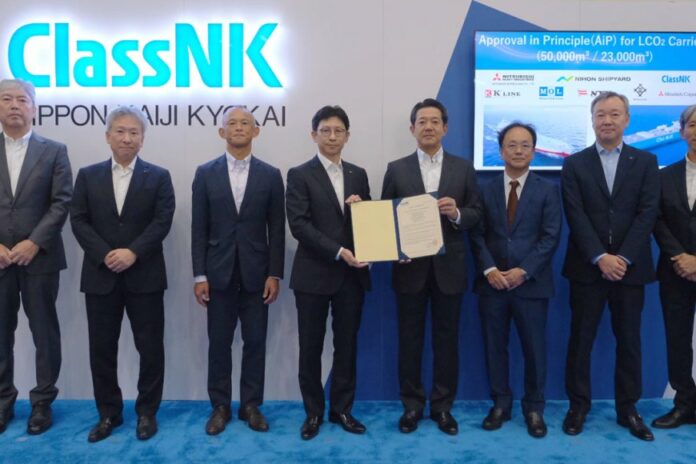
ClassNK has issued an Approval in Principle (AiP) for a design concept of large liquefied CO2 carriers of 50,000 m³ and 23,000 m³ jointly developed by Kawasaki Kisen Kaisha, Ltd., Mitsui O.S.K. Lines, Ltd., Nihon Shipyard Co., Ltd., Nippon Yusen Kabushiki Kaisha, Mitsui & Co., Ltd., Mitsubishi Corporation, and Mitsubishi Shipbuilding Co., Ltd. 

While Carbon dioxide Capture and Storage (CCS) projects are proceeding worldwide, demand for liquefied CO2 carriers that transport CO2 from the capture site to the storage site is expected to expand. This AiP is a step toward standardizing hull designs, which is necessary in order to realize a sufficient number of liquefied CO2 carriers to meet such demand. The handover ceremony of AiP certificate was held at the ‘Gastech2024’ exhibition in Houston, USA.

ClassNK carried out a design review of the ships based on part N of its ‘Rules and Guidance for the Survey and Construction of Steel Ships’, which incorporates the IGC Code, an international code for the construction and equipment of ships carrying liquefied gases such as liquefied CO2 and LNG in bulk. ClassNK issued AiP after it was confirmed that the prescribed requirements were met.

This AiP includes a tank safety assessment process based on a fracture mechanics technique called Engineering Critical Assessment (ECA) to omit post-weld heat treatment (PWHT), which can be a bottleneck in tank manufacturing.

Principle Power introduces two new floating wind platform designs

0

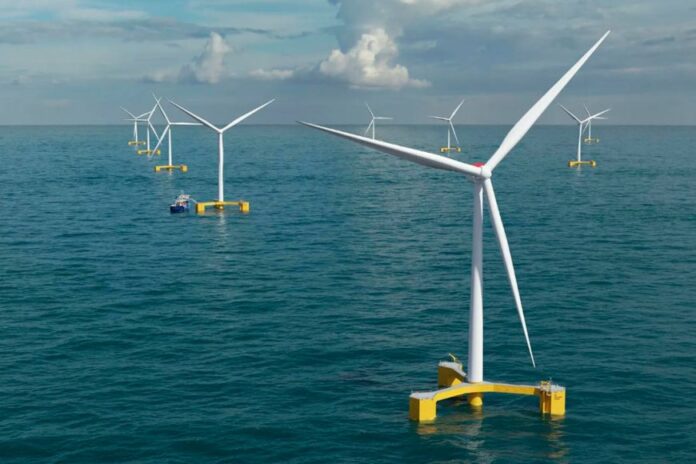
Designed to complement the existing perimeter column designs – WindFloat T and WindFloat F – the new solutions share the same 4th generation design heritage and benefits such as a Smart Hull Trim system to maximize annual energy production and reduce loads; fatigue-resilient architecture optimized for large wind turbines; compact footprint and shallow draft for maximum compatibility with infrastructure; and modular “block” subcomponent philosophy for high flexibility and compatibility with existing supply chains.

Julian Arrillaga Costa, Chief Executive Officer for Principle Power, said:

“The outlook for floating wind is strong and as the market enters a ‘commercial’ era, wind turbine suppliers are now thinking about how to position their products for maximum standardization across the floating pipeline. With this in mind, we’ve developed WindFloat® center column designs that are optimized for 15MW+ turbines with stiffer towers.

“In expanding the WindFloat® portfolio with these designs, we’re demonstrating how we can apply our proven expertise in floating wind with our known and de-risked technical features to achieve center column geometries that are bankable and immediately ready for commercial scale projects.

As a natural evolution from the WindFloat® product line, the new WindFloat TC and WindFloat FC designs benefit from Principle Power’s 13-year operational track record and allow for similar, industrialized assembly methods leveraging the same supply chains – a critical component in the scale-up of floating wind worldwide.”

Aaron Smith, Chief Commercial Officer and Head of New Business and Innovation for Principle Power, said:

“Principle Power’s mission is to be able to offer cost-optimal and bankable solutions for any wind turbine at any location in the world. Our longstanding collaboration with wind turbine manufacturers have provided us with the opportunity to establish center column designs that we are confident will be the most competitive in the market.

Over the past year, our technology and engineering teams have worked tirelessly to de-risk and optimize our new center column designs using our multidisciplinary and full lifecycle product development process. Our ongoing customer projects featuring these designs are showing excellent performance and driving major reductions in levelized cost of energy, demonstrating once again the value of Principle Power’s field-proven experience.

The full WindFloat product portfolio, now consisting of the WindFloat F, WindFloat T, WindFloat FC and WindFloat TC, offers developers industrialized, FEED-ready solutions for any floating wind project, with any metocean condition, any wind turbine model, and any supply chain preference.”

CETENA unveils the first virtual reality simulator for underwater ROVs for the Italian Navy

0

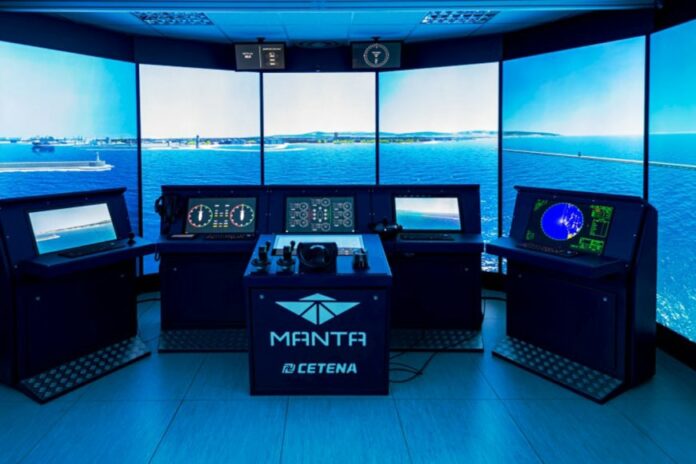
CETENA, a Fincantieri Group company, has developed the first advanced simulator that combines virtual and augmented reality for operations and maintenance of underwater Remotely Operated Vehicles (ROV), intended for the Italian Navy.

This systemic simulator represents a significant technological advancement in training for underwater operations and was created by capitalizing on years of experience in the sector, with highly specialized operational personnel and new cooperation with industrial partners that have allowed to achieve unprecedented technical fidelity.

The augmented reality simulator was presented in La Spezia, at the Mine Countermeasures Forces Command (MARICODRAG), in the presence of Rear Admiral Gianguido Manganaro, head of the Command, and over 60 military and civilian personnel from approximately 15 different nations, participating in the concurrent NATO Exercise Dynamic Move 24-II.

“The facility has a cutting-edge augmented reality (AR) system that superimposes, in real time, digital information (manuals, 3D models, multimedia content, etc.) on the surrounding physical environment. The activities planned for this system are two experimentation activities; the first concerns remote support during remotely guided maintenance interventions and the second enables an unprecedented level of realism in the familiarization and training sessions for the preparation of remotely operated vehicles,” stated Frigate Captain Claudio Cuomo.

“The CETENA is proud to collaborate with the Italian Navy and to continue to provide highly technological and innovative solutions in the field of naval simulation,” added Massimo Debenedetti, CEO of CETENA.

Chinese shipyard opts again for Wärtsilä cargo handling and fuel gas supply systems

0

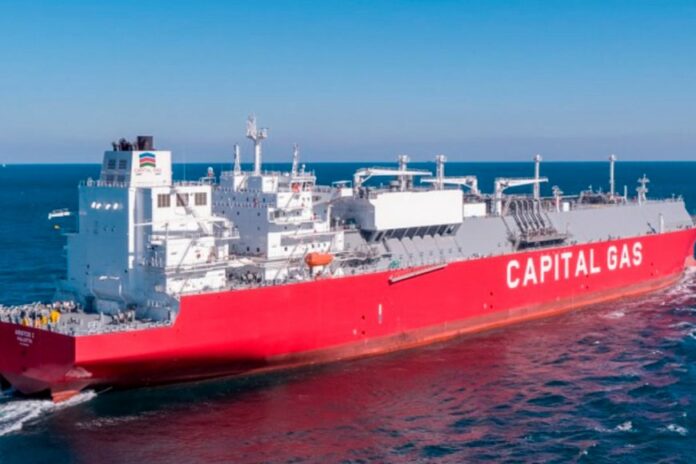
Wärtsilä Gas Solutions, part of technology group Wärtsilä, will supply the cargo handling and fuel gas supply systems for four new medium-sized gas carrier (MGC) vessels. 

The ships are being built at the Nantong CIMC Sinopacific Offshore & Engineering (SOE) shipyard in Shanghai for Greek operator Capital Gas Ship Management. The order was booked by Wärtsilä in Q3 2024.

The Wärtsilä systems are designed to ensure safe and efficient operation with this category of cargo and fuel.

While Wärtsilä has worked closely with SOE for several years, these will be the first Wärtsilä cargo handling and fuel gas supply systems for vessels operated by Capital Gas Ship Management.

“We have a long-term relationship with SOE, having delivered a various range of gas related products and systems. Being awarded this repeat order is very important to us, since it indicates a high level of customer satisfaction,” commented Barry Yang, Sales Manager, Wärtsilä Gas Solutions, China.

The Wärtsilä equipment is scheduled for delivery to the yard commencing in March 2026.

Damen Shipyards to build vessels for stock in the UAE

0

The vessels are proven Damen models, ideal for the operating conditions in the region including shallow waters.

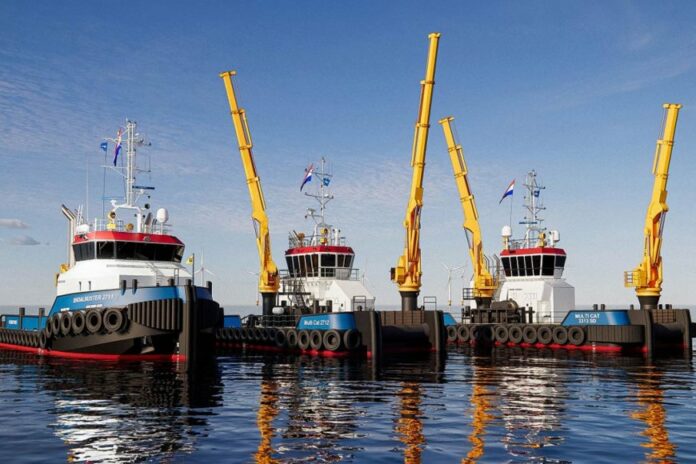
This initial programme will be comprised of a 27-metre Multi Cat 2712 for delivery in November 2025, a 33-metre Multi Cat 3313 SD (shallow draft) for delivery in December 2025, and a 27-metre Shoalbuster 2711 for delivery in February 2026. All three types are highly versatile workboats capable of undertaking a wide range of support activities including dredging and offshore installation and maintenance, two of the main areas of anticipated growth.

All the vessels are more than capable of undertaking anchor handling, buoy handling, dredging support, general port maintenance, plough dredging, and towing / pushing. The vessels are fully prepared to be certified according to IMO Tier III emission regulations. 

The Shoalbuster class is particularly well adapted for operations in shallow waters and the Shoalbuster 2711 is a mid-range model that comes fully equipped for towage together with 41-tonnes of bollard pull, waterfall winch and deck crane as standard. With a draught of just 3.0 metres it is well-suited for offshore and shallow draft works. For ultra-shallow waters, the Multi Cat 3313 SD is unbeatable with a draught of just 2.2 metres, and its 200 m2 of deck space makes it ideal for anchor, hose handling and carrying equipment and containers. The Multi Cat 2712 is a fully equipped mid-size Multi Cat capable of being deployed for all types of activities with 30+ tonnes of bollard pull.

As with all Damen vessels, customers will be able to choose from a comprehensive range of options to meet their exact needs, and the Damen Service Hub offers full after-sales support and maintenance services including crew training in the region.