7.9 C
New York
Home Blog Page 127

Ports of Stockholm and BPO receive funding to support Ukrainian ports

0

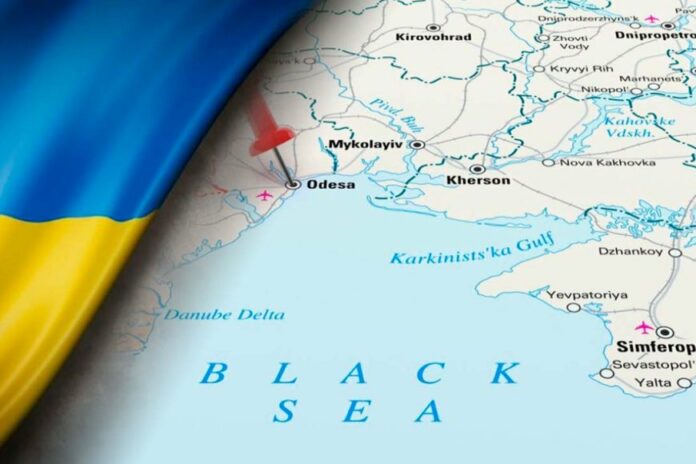
The project aims to strengthen the capacity of these ports and create a basis for integration into the EU transport network (TEN-T), an important part of Ukraine’s future trade and post-war recovery.

Together with other granted projects within the City of Stockholm and within the framework of the Ukraine Cooperation Programme, Ports of Stockholm now has the opportunity to contribute with expertise to increase the efficiency of Ukrainian ports and create conditions for stronger trade in the future.

“We are proud to start this important cooperation and to contribute with our expertise and experience in port management, sustainability and logistics. By supporting Ukraine’s ports in their adaptation to EU standards, we hope to create a sustainable basis for increased regional cooperation and future trade,” – says Jens Holm, Chair of the Board of Ports of Stockholm.

The project, called IntegraPorts, is a collaboration with the law firm Interlegal in Ukraine and the Baltic Ports Organization (BPO), and includes a number of activities. Among other things, a needs analysis, training in applying for EU funds, and exchanges through study visits to a Baltic Sea port are planned.

The grant awarded amounts to EUR 17,300 and the project runs from November 2024 to October 2025.

Ukraine applied for EU membership in February 2022 and was granted EU candidate status in June 2022. In December 2023, EU leaders decided to open accession negotiations. Ukrainian transport infrastructure and its ports have been included in the new revised EU Trans-European Transport Network (TEN-T) policy.

The project also intends to seek synergies with other approved projects within the City of Stockholm, supported by the City Theatre and the City Management Office.

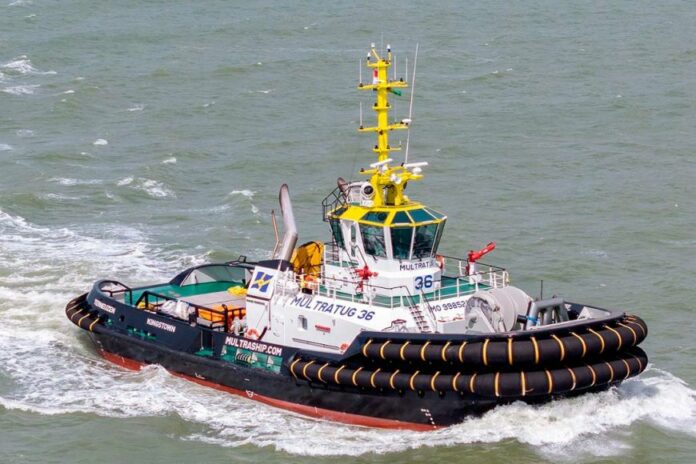
Damen ASD Tug 3212 Multratug 36 is the newest addition to Multraship’s fleet

0

The vessel is a Damen ASD Tug 3212. Multratug 36 is the latest delivery from the order of three tugs Multraship placed with Damen to expand its fleet further to meet additional customer and project requirements.

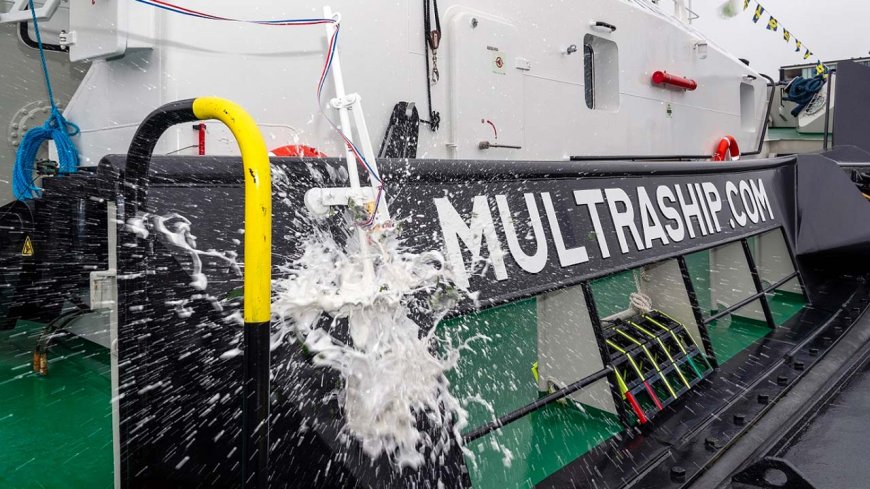
Jacqueline Pey, the spouse of Chris Pey, Multraship’s Senior Commercial Manager, did the honours and wished the tug and her crew fair winds and following seas.

The christening coincides with Multraship’s 40th Anniversary. The Muller family has been involved in towage and salvage since 1911, marking more than 250 years in shipping, with Multraship established in 1984 to provide specialist towage and salvage services. 

Multratug 36 is a 32-meter tug designed according to the ASD Tug 3212 specifications. This vessel is intended for deep-sea and coastal towage, salvage, and other operations. 

One of the upcoming projects the tug will support is the Princess Elisabeth Island project, which is the world’s first artificial energy island. Located 24 nautical miles off the Belgian coast, this initiative will play a crucial role in Belgium’s energy transition. 

“For the Princess Elisabeth Island project, Multraship is responsible for towing and assembling the caissons from Flushing to the island. Each caisson measures 57 meters in length, 30 meters in width, and 30 meters in height, serving as the foundation for the island’s structure. This project requires significant towing capacity, and the Multratug 35 and Multratug 36 have been designated for the task”, Multraship’s Managing Director Leendert Muller said.

Another significant project where Multraship delivers towage and marine support services is the Fehmarnbelt Project. This is Denmark’s largest infrastructure project and the world’s longest immersed tunnel. This 18.2 kilometer long tunnel will connect Denmark and Germany and is expected to open in 2029. Multraship provides seven vessels to the project.

“We are immensely proud to be part of these significant marine infrastructure projects, both of which will not only promote sustainability and the energy transition but also drive the advancement of innovative infrastructure in Europe,” Muller continued. 

Multratug 36 has been substantially upgraded to Multraship’s high standards and requirements with a series of options. These include compliance with IMO Tier III requirements. This is achieved with the installation of Damen’s in-house developed Marine NOX Reduction system. 

This modular, selective catalytic reduction (SCR) system reduces NOX emissions by 80% compared with IMO Tier II requirements. Additionally, Damen has installed the tug with FiFi-1 firefighting systems and has upgraded it for anchor handling and related offshore operations. Crew accommodation space has been enhanced with additional insulation and rubberised to provide greater crew comfort.

Damen Sales Director Benelux Mijndert Wiesenekker said,

“On behalf of Damen, we congratulate Multraship on their new vessel and thank them for again placing their trust in Damen. We are confident that Multratug 36 will positively add to the Multraship fleet, contributing to the company’s towage and dedicated project operations.”

“With these new additions to our fleet, we remain committed to providing services of the highest standard. Part of this is ensuring our fleet is equipped always to provide rapid, reliable, and safe operations. We know we can rely on Damen to meet our specifications and deliver high-spec vessels, and we are very pleased to welcome Multratug 36 to our fleet formally,” Muller added. 

Höegh Evi to develop infrastructure for hydrogen import to France and Europe

0

The hydrogen will be imported from producers located in the Middle East, North Africa and the Americas.

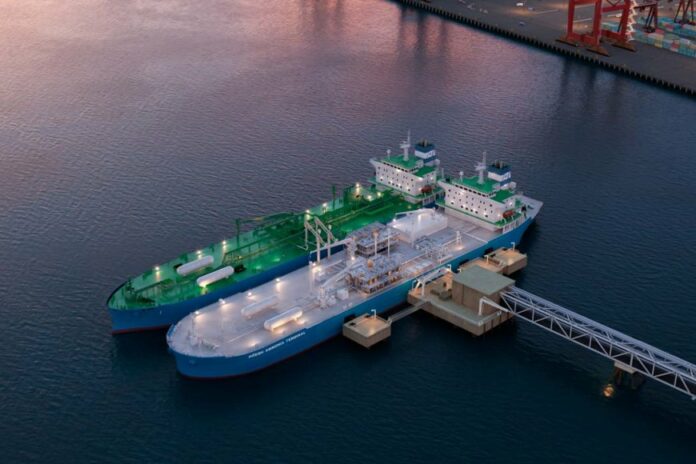
The terminal at Port-La Nouvelle will accelerate the shift to clean energy in Europe by becoming a vital hub for importing large volumes of hydrogen.

“As a global leader in floating terminal infrastructure, Höegh Evi is leveraging our extensive expertise to enable Europe to import significant volumes of clean molecules within this decade. With its strategic location and well-established marine infrastructure, Port-La Nouvelle is ideally positioned to become a key entry point for hydrogen and low-carbon fuels. Together we are driving the energy transition forward by establishing a crucial hub for clean energy in Europe,” said Erik Nyheim, President & CEO of Höegh Evi.

In collaboration with European projects such as the HySoW Hydrogen and the gas pipeline operator Teréga, the floating import terminal will connect Port-La Nouvelle to major hydrogen transport infrastructures, thereby strengthening the industrial and energy attractiveness of the Occitanie region and promoting job growth.

“In recent years, the port of Port-La Nouvelle has made significant investments to expand and prepare the port for the future. Our focus is to become an enabler in the green energy transition. The port of Port-La Nouvelle is eager to accommodate new types of traffic, particularly those associated with renewable energies and especially those linked to hydrogen molecules. We look forward to working with Höegh Evi towards our common goal of turning Port-La Nouvelle into the European gateway hub in the Mediterranean for hydrogen, ” said Hans Kerstens, CEO of SEMOP Port-La Nouvelle.

The terminal will facilitate the import of up to 210,000 tonnes of hydrogen per year as early as 2030, according to the project timeline and dependent on the readiness of France’s hydrogen pipeline. The partners are now collaborating on a feasibility assessment and design of the infrastructure solution within the port. 

Start-up SeaO₂ secures investment to extract CO₂ out of the sea by 2045

0

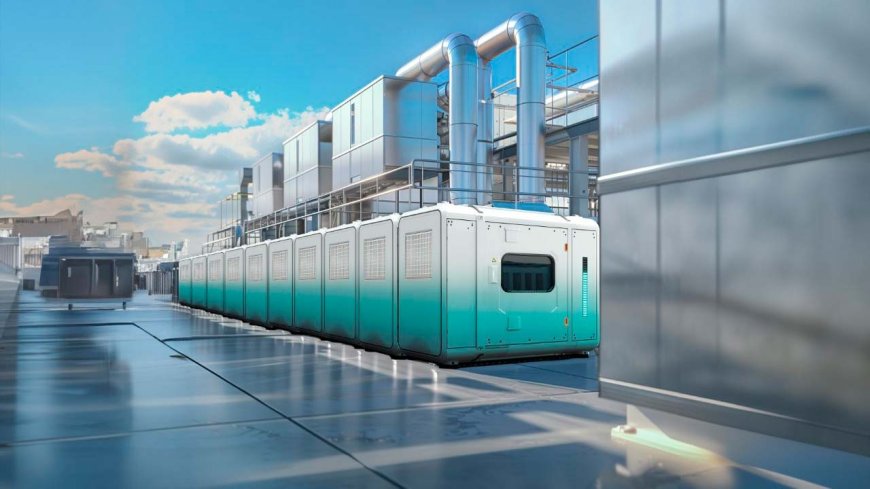
Utilising its breakthrough Direct Ocean Capture (DOC) technology, which efficiently extracts CO₂ from seawater, SeaO₂ aims to mitigate climate change by returning carbon-free water to the ocean, enhancing its ability to absorb CO₂ from the atmosphere. 

This funding will accelerate the development of its pioneering technology and support the goal of removing one megaton of CO₂ by 2030 and a gigaton by 2045. 

The recent investment round attracted support from prominent investors, including DOEN Participaties, NEW-TTT fund,  Future Tech Ventures,  CarbonFix, angel investors Eduard Talman and Siddharth Kambe and others. This €2+ million funding will facilitate the transition from prototype to pilot plant, enhance team capabilities, and implement a comprehensive Monitoring, Reporting, and Verification system. The pilot plant is expected to have an annual capacity of 250 tons of CO2 and is scheduled for launch in the summer of 2025.

Expressing his enthusiasm for the investment, Ruben Brands (CEO and co-founder of SeaO₂), says:

“This investment recognizes our team’s hard work and dedication. With this extra support, which so far included grants, subsidies, our own investments, and early customers, we can scale our operations and accelerate our impact on climate change even more rapidly. It is a crucial step towards our goal of removing a megaton of CO₂ by 2030 and a gigaton by 2045, advancing our mission in the fight against climate change.”

Aside from the funding round, the company has established strategic partnerships with organisations, such as XPRIZE Carbon Removal, TU Delft, Klarna, Wetsus and Redstack laying a solid foundation for their growth in the climate tech industry. These partnerships have been instrumental in the company’s technological development and market expansion, highlighting their potential to lead in the industry.
In addition, the company has recently achieved significant milestones and recognition. Notably, it participated in a successful carbon removal project with Paebbl in the Wadden Sea, was recognized in the top 100 of the XPRIZE competition, and delivered award-winning pitches at The Next Web, Tech Tour Oceans, and Tech Tour Water.

“Obviously, we want to scale up as fast as possible,” says Ruben. “That’s why we have participated  in several accelerator programs like CEEZER, Blue Invest, AirMiners, and Remove. Currently, we are learning a lot by participating in the PortXL, Creative destruction lab / Xprize CDR program and Ocean Vision programs.” 

Furthermore, joining key coalitions such as the Carbon Business Council, the Negative Emissions Platform, and CCU Alliantie underscores the company’s commitment to advancing climate tech initiatives.

Investors have expressed strong support for SeaO₂’s mission and technology. DOEN Participaties states:

“We are investing in SeaO₂ because current carbon removal methods are not yet effective at the required scale. Therefore, innovations like SeaO₂ are urgently needed, and funding is essential to drive the sector forward and unlock its potential for global impact.” 

CarbonFix says:

“CarbonFix is proud to have helped build this coalition. Our role in the ecosystem is to catalyze networks, funding, and talent to unlock innovative pathways in the fight against climate change. SeaO₂ is a prime example of this impact.”

With this robust backing and a clear vision, SeaO₂ is well-positioned to advance its pioneering efforts in the climate tech sector, furthering its mission to remove one Gigaton of CO₂ from the oceans by 2045.

Damen lays keel for first two of four fully electric ferries for BC Ferries

0

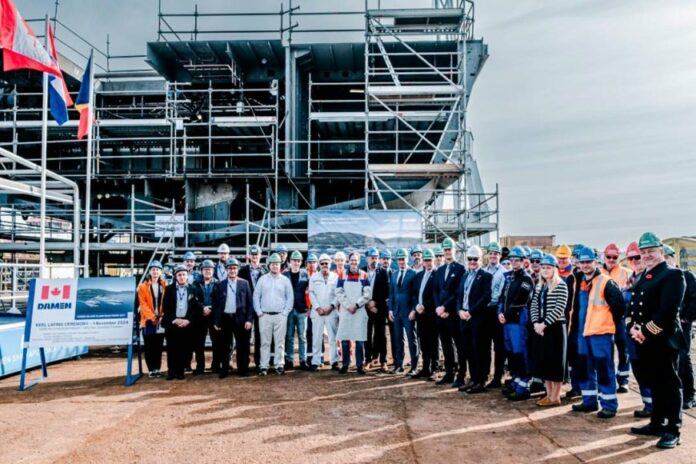
The keel laying ceremony marked an important milestone in the third phase of construction of the Island Class Ferries, which will bring the total number of Damen vessels in the BC Ferries fleet to ten. 

During the recent second phase of the programme, Damen delivered four hybrid diesel-electric ferries. These reduced emissions vessels were intended to pave the way to the development of fully electric vessels.

Now, with availability of renewable shore power to charge the vessels, the four fully electric vessels will be able to conduct their services with zero emissions. As such, the ferries are making an important contribution to BC Ferries’ goal to reduce emissions by 10,000 tons of CO2 equivalent by 2030. 

During the event, the traditions of shipbuilding were honoured when BC Ferries CEO Nicolas Jimenez laid a silver Canadian Dollar on the two keels. The 1 oz pure silver coin, depicts five orcas, reflecting the beauty of Canada’s west coast waters where the ferries will sail. 

The ceremony was made particularly poignant by the fact that Damen constructed the second phase of Island Class Ferries during the Coronavirus pandemic. As such, any construction milestones were marked only by local, and low-key celebrations. 

Speaking at the keel laying event, Mr Jimenez said,

“Reaching the keel laying stage brings us one step closer to putting these vessels into service. It’s exciting to see our vision for fully electric ferries coming to life. These ferries will not only reduce our environmental impact, but also increase capacity, improve service reliability and provide a quieter, more efficient travel experience for our customers.”

The vessels are based on the Damen RoRo 8117 E3 design. They will transport up to 390 passengers, together with up to 47 vehicles between Nanaimo and Gabriola Island, and Campbell River and Quadra Island. 

In addition to the vessels, Damen will also supply BC Ferries with the charging facilities required to recharge the ferries’ batteries during (dis)embarkation. To ensure the success of the charging infrastructure, Damen will be conducting tests on a charging tower installed at the Galati yard. 

Damen Area Sales Director Americas Leo Postma said,

“Today’s keel laying marks an exciting milestone in the development of the Island Class. Together, Damen and BC Ferries have been developing these ferries since 2016. We are very proud to have collaborated on such a large series of vessels, an achievement that is perhaps unique in the world of waterborne public transport. This is a testament to the excellent and long-standing relationship that exists between our two organisations. The result is a series of vessels suited to the specific requirements of BC Ferries and British Columbia, and offering a considerable amount of commonality across the fleet.”

At the present time, Damen has six fully electric ferries under contract to be constructed at the Galati yard. This includes the four Island Class Ferries, which are scheduled to be operational in Canada during 2027, as well as two ferries for the City of Toronto. 

Saab’s Seaeye SR20 eWROV succeeds in milestone water trials

0

The SR20 successfully completed a dedicated period of water trials last month, marking a significant milestone for the robotic vehicle’s development.

The testing was a key part of the verification and validation work package, testing against the specification, measuring performance, and stressing the Remotely Operated Vehicle (ROV) as a system. In particular, the SR20 demonstrated its high degree of precise manoeuvrability and dexterity, using both manual joystick control and automation. This testing has paved the way for sea trials which will take place in spring 2025.

Andy Fraser, Managing Director at Saab UK, said:

“The SR20 going to water trials is a huge milestone in Saab UK’s journey to take electric ROV capabilities to the next level, focusing on eco-responsibility and greater efficiency. We’re thrilled that the trials were a success and I look forward to seeing what the next step is for this ground-breaking vehicle.”

 The SR20 is Saab UK’s highly capable and environmentally-conscious work-class underwater vehicle, which is designed for operational concepts such as resident deployment and over-the-horizon control. The all-electric vehicle, which uses limited oil (reducing its environmental footprint), sets itself apart with its exceptional thrust and performance, electric manipulators, and impressive efficiency compared to hydraulic systems.

Ocean Infinity is the SR20’s launch customer, transforming operations using innovative technology as they develop a fleet of uncrewed robotic vessels.

K Line and Japan Marine United sign agreement for Phase 2 of NEDO’s project

0

“K” Line Wind Service has signed an agreement with Japan Marine United Corporation (JMU) for a commissioned study on efficient mooring construction methods as part of its participation in  the Development of the Southern Akita Floating Offshore Wind Demonstration Project Aimed at Overseas Expansion via Cost Reductions, (the Project). 

The project is a part of the New Energy and Industrial Technology Development Organization (NEDO)’s Green Innovation Fund Project/Cost Reductions for Offshore Wind Power Generation/Floating Offshore Wind Power Demonstration Project. 

JMU received formal notification of the approval of the NEDO grant for the Project. The Project is being conducted by a consortium led by Marubeni Offshore Wind Development Corporation, with the participation of JMU, Tohoku Electric Power Co., Inc., Akita Floating Offshore Wind Corporation, TOA CORPORATION, TOKYO SEIKO ROPE MFG. CO., LTD., Kanden Plant Corporation, JFE Engineering Corporation, and NAKANIHON AIR Co., Ltd. The main objectives of the Project are to install two 15 MW-class wind turbines in the southern offshore region of Akita Prefecture, to address technical challenges related to the mass-production method of floating foundations and to reduce the cost of installation.

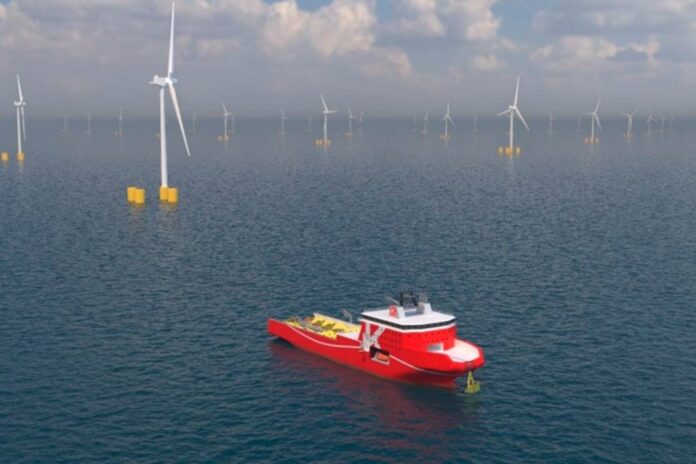
“K” Line Wind has been involved in phase 1 of the Green Innovation Fund Project/Cost Reductions for Offshore Wind Power Generation/ Floating Foundation/Low-Cost Installation Technology Development Project (2021–2023) and conducted intensive research for efficient mooring methods for large-scale Floating Offshore Wind farms. As a result of these efforts, in February 2024, “K” Line Wind, JMU, and Nihon Shipyard Co., Ltd. have announced the  approval in principle (AiP) for the design concept of the multi-functional floating offshore windfarm support vessel. Additionally, in September 2024, the company published the Guidelines for the Towing and Mooring Installation of Floating Offshore Wind Power Equipment in collaboration with the Nippon Kaiji Kyokai (ClassNK). The work commissioned in phase 2 builds on the mooring installation technologies developed in phase 1, advancing them for their practical application in commercial-scale projects.

To efficiently install large-scale floating wind turbines, specialized vessels suitable for Japan’s unique maritime and weather conditions must be used. “K” Line Wind, in collaboration with JMU, is dedicated to the research and development of efficient mooring installation techniques, with the aim of reducing costs and improving the construction efficiency of floating offshore wind farms. “K” Line Wind will continue to be committed to contributing to the development and implementation of floating offshore wind power technologies through its research and development efforts. The company aims to promote the large-scale deployment of floating offshore wind power generation systems and the reduction of their cost while also contributing to the realization of a low-carbon and decarbonized society.

Avangrid secures two lease areas in Gulf of Maine floating wind auction

0

Avangrid was named provisional winner of lease areas OCS-A 0564 (98,565 acres) for $4.9 million and OCS-A 0568 (124,897 acres) for $6.2 million.

 Avangrid will work to develop the lease areas, with the potential to deliver 3 Gigawatts of clean power, to help meet the energy needs of the New England region and advance the United States 30 GW offshore wind target. The lease areas also enable Avangrid to help progress floating wind technology, as the next generation of offshore wind development is increasingly sited in deeper waters.

“Avangrid is proud to secure two lease areas in today’s auction with the potential to deliver 3 Gigawatts of clean energy to the New England region, which affirms our position as a national leader in the United States’ offshore wind industry and builds on the Iberdrola Group’s global floating wind portfolio,” said Avangrid CEO Pedro Azagra. “Securing these lease areas provides a unique opportunity to advance our growing business at a significant value, and reinforces our unwavering commitment to helping the New England region meet its growing need for reliable, clean energy.”

Lease areas OCS-A 0564 and OCS-A 0568, located in the southwest region of the Gulf of Maine development area approximately 30 nautical miles from shore, offer strong wind speeds; relatively shallow waters within the limits of existing floating wind technology; access to multiple interconnection points; and are largely deconflicted from other ocean users following a rigorous federal public engagement process.

In August 2024, ISO New England issued a draft report, Economic Planning for the Clean Energy Transition, which found that in order to meet its energy needs and state climate targets, the New England region will need approximately 34 Gigawatts of offshore wind power by 2050. To reach this goal, a sizable percentage of new offshore wind in New England will need to utilize floating wind technology.

Not including the lease area secured today, Avangrid has a projected offshore wind pipeline of over 5 GW on the East Coast of the United States – enough to power more than two million households. 

In addition to the Vineyard Wind 1 project (800 Megawatts (MW), of which Avangrid is a 50% owner, Avangrid owns 100% of New England Wind 1 (791 MW), New England Wind 2 (1,079 MW), and Kitty Hawk Wind South (2400 MW off the coast of Virginia and North Carolina). With today’s result, Avangrid has the largest offshore development portfolio in the Northeast region by total acreage.

In addition to its substantial experience developing projects in the U.S. market, including the Vineyard Wind 1 project, Avangrid is positioned to leverage the global expertise of Iberdrola, which is pioneering floating offshore wind in Europe and secured the rights to develop 5 GW of floating wind as part of the ScotWind auction in January 2022.

As one of the largest renewable energy developers in the nation, Avangrid has a 9 GW portfolio of more than 75 wind and solar facilities in 25 states, generating enough energy to power over 2.8 million homes across the country.

In September 2024, Avangrid’s 791 Megawatts (MW) New England Wind 1 project was selected by the Commonwealth of Massachusetts in the multi-state regional offshore wind solicitation. New England Wind 1 is an offshore wind development located in federal lease area OCS-A-0534, roughly 30 miles south of Barnstable, Massachusetts and making landfall under the Craigville Beach parking lot in Barnstable. The project will border Vineyard Wind 1, Avangrid’s first large-scale offshore wind project currently under construction 15 miles south of Martha’s Vineyard.

Source: evwind

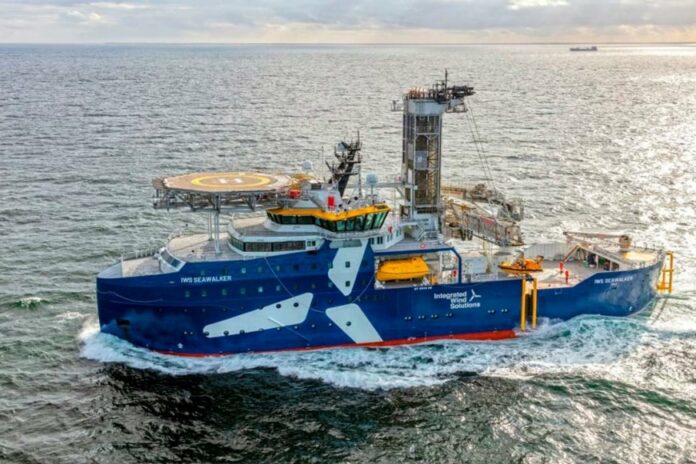
IWS Seawalker CSOV makes it 1000 ship designs from Kongsberg Maritime

0

In a naming ceremony in the port of Hanstholm, Denmark, the IWS Seawalker, becomes the third Skywalker Class vessel to be delivered, and is due to be deployed in the North Sea in the coming weeks.

Kongsberg Maritime’s design team has been delivering innovative vessel designs and integrated solutions for more than 50 years, and today the company continues to offer pioneering vessels across a range of global markets.

Lisa Edvardsen Haugan, President, Kongsberg Maritime, said: 

“This milestone is a testament to our enduring commitment to innovation and is the latest example of how our ship design specialists have worked with many customers over five decades, to deliver some of the most advanced, efficient, and capable ships sailing today”

Lisa Edvardsen Haugan, President of Kongsberg Maritime, remarked:

 “During 2024, we have been celebrating 50 years of pioneering ship designs, so we are especially proud to also unveil our 1,000th ship, the IWS Seawalker. This milestone is a testament to our enduring commitment to innovation and is the latest example of how our ship design specialists have worked with many customers over five decades, to deliver some of the most advanced, efficient, and capable ships sailing today.@

Libra Consortium announces first oil at third FPSO in Brazil pre-salt

0

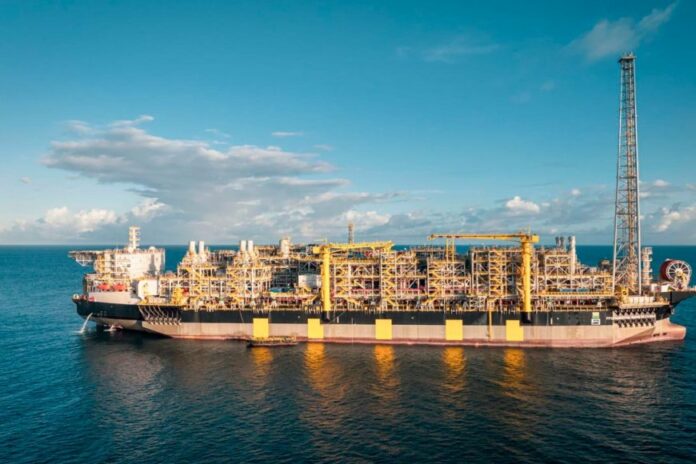
Shell Brasil Petróleo Ltda., a subsidiary of Shell plc, announced the start of production of the floating production storage and offloading facility (FPSO) Marechal Duque de Caxias in the Mero field, in the pre-salt area of the Santos Basin, offshore Brazil. 

Also known as Mero-3, the FPSO has an operational capacity of 180,000 barrels of oil per day. 

“Mero-3 demonstrates our commitment to increasingly efficient and competitive projects,” said Zoë Yujnovich, Shell’s Integrated Gas and Upstream Director. “Brazil is a material contributor to Shell’s deep-water oil and gas production, and through our ongoing partnership with Petrobras in the Mero field, we can help continue to deliver safe and secure energy from one of the country’s most productive fields.”

The FPSO Marechal Duque de Caxias is located 200 kilometres from the coast of Rio de Janeiro in a water depth of 2,200 metres. Its predecessor, the FPSO Sepetiba (Mero-2), announced first production in December 2023. The FPSO Guanabara (Mero-1) started production in May 2022.