2.9 C
New York
Home Blog Page 115

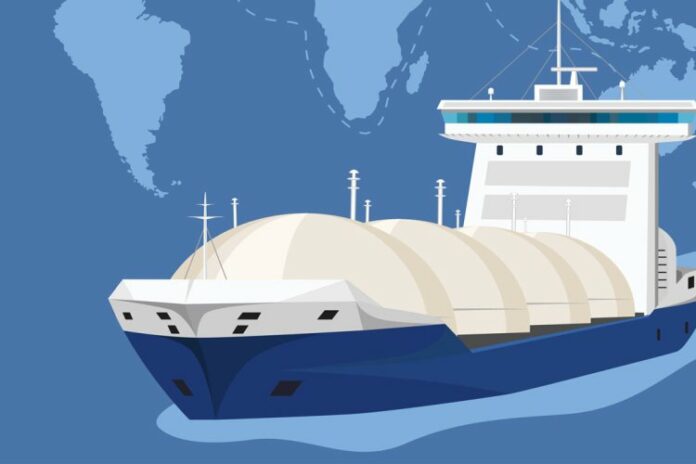
Singapore MPA announces plans to scale up LNG bunker supply

0

The Maritime and Port Authority of Singapore (MPA) has launched an Expression of Interest (EOI) to explore scalable solutions for sea-based liquefied natural gas (LNG) reloading to complement the existing onshore LNG bunkering storage and jetty capacities and the supply of e/bio-methane as marine fuel in the Port of Singapore.

LNG bunkering in Singapore has grown from 16,000 tonnes delivered in 2022 to over 385,000 tonnes delivered from January to October 2024. The EOI seeks to gather proposals on three areas: to scale up sea-based reloading operations, including ship-to-bunker barge LNG operations; to facilitate the supply of LNG alternatives such as liquefied bio-methane; and to develop floating platform concepts to enhance bunkering safety and efficiency. The EOI proposals should also include mitigation measures to address the issue of methane slip on a well-to-wake basis.

Participants in the EOI do not need to be an existing LNG bunkering licensee. Participants are required to propose models for operationalising sea-based LNG reloading starting from 2025. Participants selected will be required to conduct trials in Singapore to validate the proposed solution’s operational feasibility and safety. Insights gained from the EOI and trials will inform MPA’s review of the LNG licensing framework, including enhancements to supply to better serve the industry’s bunkering needs.

Wärtsilä supplies a complete propulsion package for NovaAlgoma`s cement carrier vessel

0

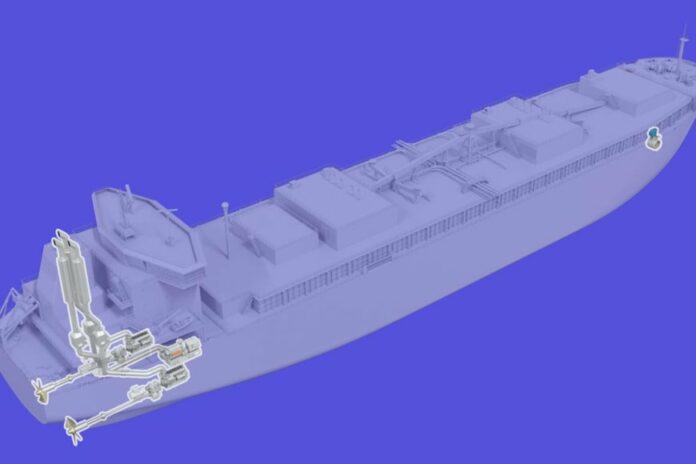
When built, this will be the world’s largest vessel of its type, and the first with a methanol-ready notation. The order has been placed by NovaAlgoma, a joint venture between the Italian Swiss-based, Nova Marine Group and the Canadian Algoma Central Corporation. The ship is being built at the Zhejiang Xinle Shipbuilding Co.,Ltd, and is expected to be launched in late 2026. The order was booked by Wärtsilä in Q4 2024.

“This highly valuable new entry demonstrates the Group’s fleet development strategy and aims to address the significant increase in cement demand,” says Vincenzo Romeo, CEO of Nova Marine Group. “This will be the largest and most eco-friendly cement carrier ever built and is a tangible sign of our strong efforts towards a green fleet. Having Wärtsilä as the technology and solution provider supports our fleet’s effective transition towards decarbonisation.”

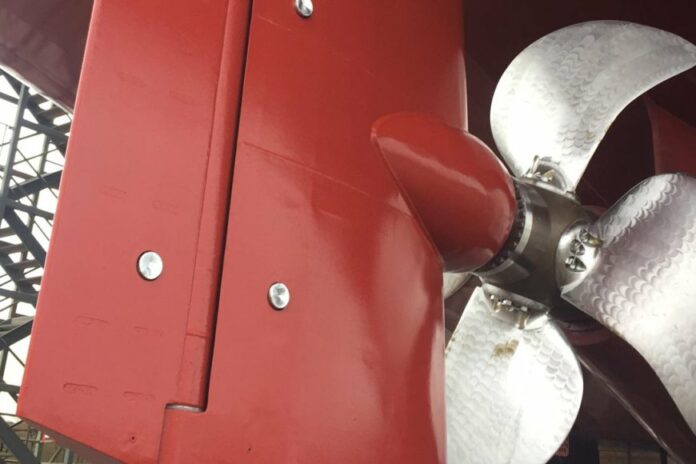
The Wärtsilä scope of supply includes two Wärtsilä 32 engines, one Wärtsilä 25 auxiliary engine, two gearboxes, two controllable pitch propellers, one tunnel thruster, three selective catalytic reduction (SCR) exhaust after-treatment systems, the propulsion control system, two shaft generators (PTO/PTI) and engine accessory items. The equipment is scheduled for delivery commencing in November 2025.

“Nova and Wärtsilä share a joint commitment to decarbonise shipping operations within the maritime industry,” comments Roger Holm, President of Wärtsilä Marine & Executive Vice President at Wärtsilä Corporation. “With this integrated package we are taking a holistic approach to the operation of this innovative vessel. This will allow us to support Nova with its sustainability goals around minimising emissions and ensuring the most efficient energy utilisation during operations.”

The Wärtsilä 32 engine is the result of the company’s long-established expertise. It is designed for efficient and easy maintenance in combination with long maintenance-free operating periods. It’s excellent fuel flexibility means it can easily be upgraded to operate with methanol. The Wärtsilä 25 engine’s modularity then offers maximised flexibility, while the engine’s efficiency and fuel economy deliver minimised emissions. In addition, Wärtsilä’s propulsion solutions deliver high efficiency, helping vessels to achieve their compliance targets. This is achieved in combination with a gearbox that reduces propeller speed meaning that a larger propeller diameter is utilised to maximise propulsive efficiency.

Metis and Nereus Digital Bunkers announce strategic cooperation

0

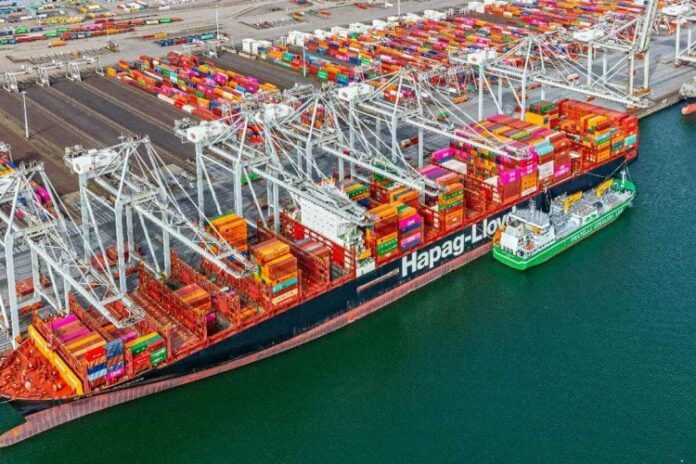
By combining the strengths of both companies, this collaboration leverages cloud-to-cloud integration for seamless data exchange, delivering two unique services to support the optimal management and execution of bunkering processes.

The Metis platform will provide detailed bunkering information by port—including indicative pricing, pricing trends, fuel quality reports, bunker delivery delays, and vendor performance ratings. This enables ship operators to access vital market data alongside fleet performance metrics. Meanwhile, the Nereus platform will benefit from real customer demand-driven inquiries during the voyage planning stage.

“The synergy between Nereus’s expertise in marine fuel management and Metis’s comprehensive performance insights marks a new chapter for maritime operational efficiency,” said Nikolas Gkikas, Founder – CEO, Nereus Digital Bunkers. “This is a collaboration which will drive greater value for the shipping community.”

“This partnership reflects our commitment to delivering holistic solutions that integrate diverse data sources for smarter decision-making,” commented Panos Theodossopoulos, Chief Executive Officer, Metis. “It also underscores the vision we share with Nereus to empower the maritime sector with innovative tools that foster sustainability, efficiency, and transparency by providing actionable insights to optimise operations.”

HHLA and passify digitalise truck handling at Hamburg terminals

0

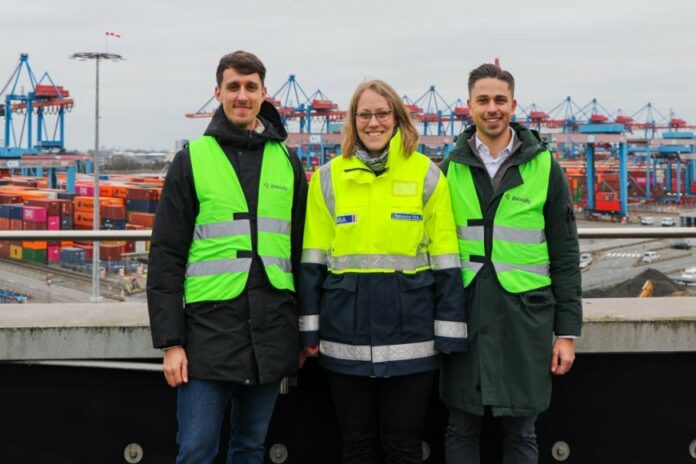
With the launch of the app, HHLA is replacing the trucker card that had previously been in use at all of its Hamburg terminals, thus making truck handling more secure and efficient. Since the go-live at the beginning of the year, more than 200,000 arrivals have already been processed using passify at HHLA’s three Hamburg terminals.

With the successful implementation at CTA, HHLA has now finalised the launch of the digital solution. Previously, passify had already been rolled out at the Burchardkai (CTB) and Tollerort (CTT) terminals. The innovative self-service app automates and digitalises truck handling at the terminals and depots and makes it possible for drivers to book slots, check in digitally and identify themselves using two-factor authentication. More than 13,000 truck drivers and haulage companies currently use passify in order to manage their access to the terminals.

Rebecca Vick, Director Container Development Hamburg:

“By implementing passify, we are not only making truck processing at our Hamburg container terminals more secure and efficient – we’re also setting a new standard in the digitalisation of logistics processes. Thanks to the exceptional collaboration of all those involved, we have been able to implement the launch seamlessly and quickly.”

The security of the HHLA terminals has also been significantly improved with the successful launch of passify. The physical trucker card that had been in use previously has now been completely replaced by the digital app. passify enables the instant and unambiguous authentication of drivers via the app, fulfilling the highest security and data protection standards, as well as all requirements of the globally recognised ISPS Code.

The app is fully integrated into the gate processes of the HHLA terminals and supports truck drives throughout all processing steps. Future functions, such as a mobile self-service terminal, will make the app even more multifaceted. passify also ensures that all key information and documents required for accessing the terminal are kept available from a single, practical location.

Fincantieri and Sparkle sign MoU for the protection and surveillance of submarine cables

0

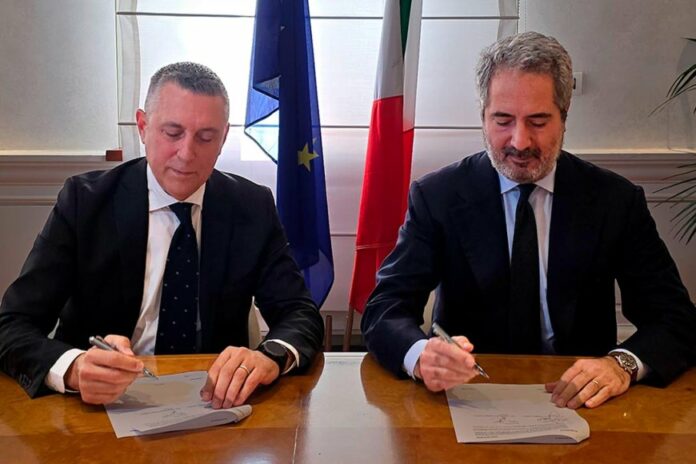
Fincantieri and Sparkle have signed a Memorandum of Understanding to collaborate on the development of innovative technological solutions for the surveillance and protection of submarine telecommunications cables.

The agreement is part of a strategic vision for Italy’s technological development and international competitiveness, in which two excellences collaborate to ensure the resilience of infrastructures which are fundamental for digital connectivity and for the country’s technological growth.

Through shared and specialized work teams, Fincantieri and Sparkle will analyse the requirements for improving the security of undersea telecommunications infrastructures, identifying innovative technologies and solutions to ensure their operational resilience.

Fincantieri, with its expertise in the underwater domain, is developing advanced solutions for surveillance and protection of subsea infrastructure, combining its established know-how in the shipbuilding industry with cutting-edge technologies. The company considers the underwater sector as a key dimension for sustainable economic development, given the current geopolitical tensions and the increasing dependence on these strategic infrastructures. This collaboration strengthens Fincantieri’s position as a key player in the global market for underwater technological innovation.

With a proprietary fiber-optic network stretching more than 600,000 km across Europe, Africa, the Middle East, the Americas and Asia, of which 90% is laid on submarine cables, Sparkle has always been committed to the protection of these strategic infrastructures – fundamental to the country’s socioeconomic development and security – through their constant monitoring and the introduction of the most advanced physical and digital security systems. The agreement with Fincantieri is part of collaborations with major players in the sector, including the Italian Navy, with which Sparkle has been working since 2022 to protect its proprietary submarine cables and neighbouring areas, and the Polo Nazionale della dimensione Subacquea (PNS, Italian national hub of the underwater dimension) which brings together the national public and private excellences operating in the sector.

Pierroberto Folgiero, CEO and General Director of Fincantieri, commented:

“The agreement with Sparkle marks an important step in our technological development path in the protection of critical submarine infrastructure. We are ready to deploy our Group’s know-how to develop cutting-edge solutions that combine reliability and innovation. Thanks to this collaboration, in addition to strengthening our commitment to digital security, we concretize the development of civilian submarine alongside the military one, and project the role of Fincantieri and Italy as an industrial leader on an international scale, through synergies between national excellences.”

Enrico Maria Bagnasco, CEO of Sparkle, said:

“The agreement with Fincantieri represents a fundamental step in our mission to protect subsea infrastructures, which are pillars of global connectivity and national security. Our collaboration will combine outstanding expertise in the shipbuilding and telecommunications sectors to develop advanced technological solutions able to address the increasingly complex challenges of an interconnected world. Together, we will help strengthen the resilience of the country system and consolidate Italy’s position as an international leader in digital innovation and sustainability.”

New oil and gas discovery near the Troll field in the North Sea

0

The discovery is currently estimated at between 2 and 12 million barrels of oil equivalent.

The discovery consists of both oil and gas. The preliminary name of the discovery is Ringand. This is the second discovery in a short time in the area.

Measured in standard cubic metres, the discovery is estimated at between 0.3 and 2 million Sm3. The discovery will probably not be commercial for development in isolation.

“It’s a small discovery, but in an interesting area that we plan to further explore with much existing infrastructure. If more discoveries are made, it may be relevant to combine these to ensure good resource utilisation and the best possible economy,” says Geir Sørtveit, Equinor’s senior vice president for Exploration & Production West on the Norwegian continental shelf (NCS).

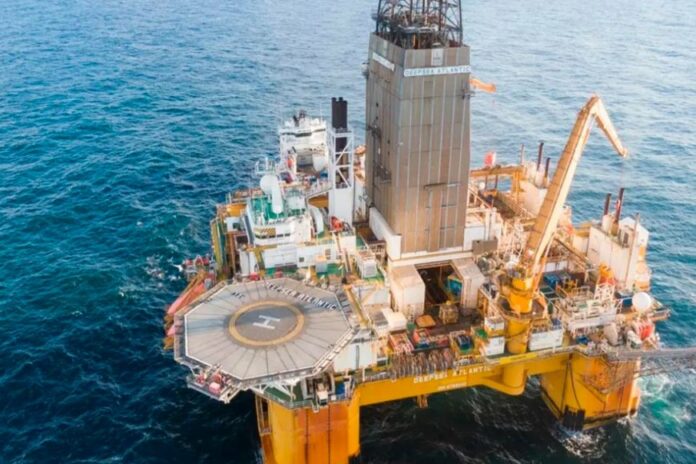
The well was drilled by the Deepsea Atlantic drilling rig.

Polish Admiral: Russia is Waging a Hybrid War in the Baltic

0

In this way, Russia is trying to test the reaction of Western countries, Polish Vice Admiral Krzysztof Jaworski told Reuters news agency.

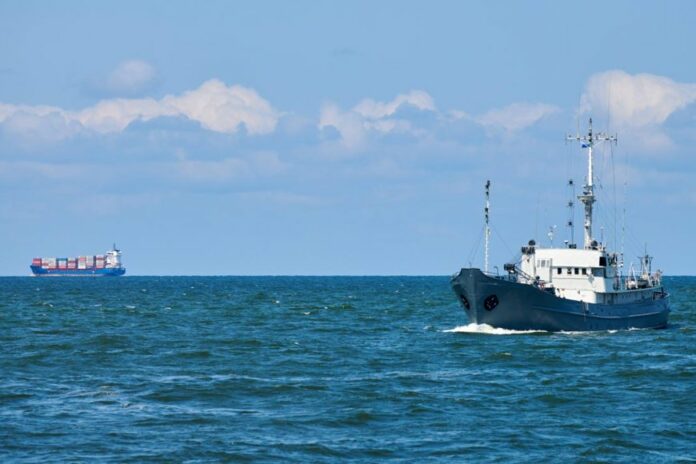
According to Jaworski, Russia systematically uses such tactics to hide the movement of its ships and disrupt the operations of other nations in the Baltic Sea.

“The hybrid war in the Baltic is the biggest challenge we face… We are talking about Russia’s aggressive behavior. They are trying to disrupt our lives… They are also testing us, us as an Alliance, to see how far they can go,” the Vice Admiral stated.

According to the head of the German Foreign Intelligence Service, Bruno Kahl, Russian sabotage against Western targets may force NATO to consider invoking Article 5 on mutual defense of the Alliance.

On November 18, the technical director of the Lithuanian telecommunications company Telia, Andrius Šemeškevičius, reported that a submarine cable between Lithuania and Sweden was damaged in the Baltic Sea.

Telia transmits the Internet connection to Lithuania via three cables. The incident caused a one-third reduction in Internet bandwidth, but the connection was restored to users, Šemeškevičius shared.

Finnish state-owned data service provider Cinia reported that a “malfunction” was detected in the C-Lion1 cable.

It runs for almost 1200 kilometers from the Finnish capital Helsinki to the German port city of Rostock.

On November 19, the Finnish newspaper Helsingin Sanomat reported that the Chinese ship Yi Peng 3 was passing near two damaged communication cables in the Baltic Sea around the time the damage was discovered.

CNN reported that these incidents occurred several weeks after the United States warned of increased Russian military activity around key undersea cables.

Helsingin Sanomat found out that the Chinese ship, which is believed to be involved in damaging underwater communication cables in the Baltic Sea, was approached by several warships from other countries.

Sources: Reuters, Militarnyi

Damen delivers second OPV 2600 to Pakistan Navy

0

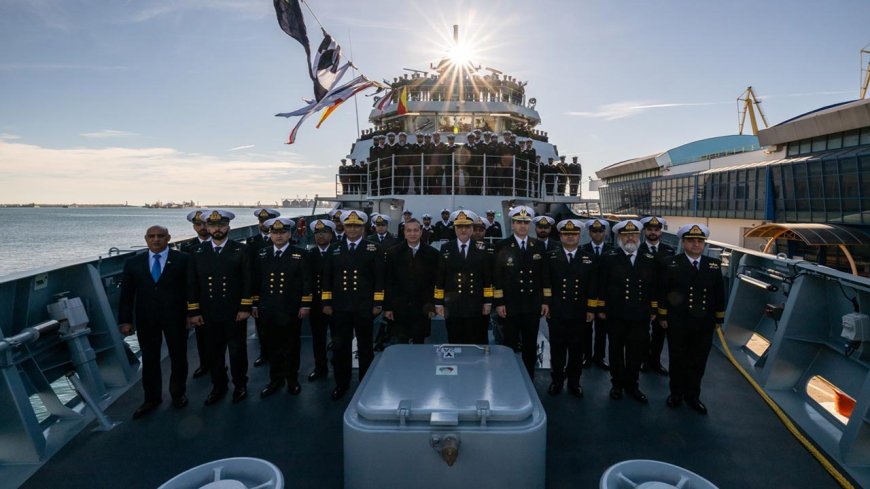
Damen Shipyards Group has delivered the second in a series of two Offshore Patrol Vessels (OPV) 2600 to the Pakistan Navy. 

The vessel, named PNS Yamama, follows the delivery of the PNS Hunain in summer 2024. This latest delivery marks a milestone moment in a long-term relationship beginning with Damen’s earlier construction of the two Yarmook Class vessels, based on the Damen OPV 1900, in 2020. The handover ceremony for the PNS Yamama took place on 17th December at Constanta in Romania. 

The second batch OPVs feature a displacement of 2600 tons and are 98 metres in length. They are suited to a wide range of maritime operations including maritime security and military operations other than war.

Speaking during the ceremony, Vice Admiral Muhammad Faisal Abbasi, said,  

“The Offshore Patrol Vessels project is an ultimate success not only for Pakistan but for Damen, the Galati Shipyard and all co-makers involved in the conception, design, construction and commissioning of the four OPVs. I am confident that the collaboration between the Pakistan Navy and Damen will further extend to new avenues for shared gains.” 

The OPV project has brought both the Pakistan Navy and Damen to new levels of enhanced cooperation in diverse fields. The delivery of the fourth OPV comes at a time of increasing collaboration as the two parties signed a memorandum of understanding (MoU) during the International Defence Exhibition and Seminar (IDEAS) in Karachi in November. 
The MoU demonstrates Damen’s commitment to supporting the Pakistan Maritime Science and Technology Park (PMSTP), an initiative recently unveiled by the Pakistan Navy. With the creation of a central hub close to the University of Bahria, Karachi, the PMSTP looks to foster collaboration between the authorities, industry and researchers, towards innovation and advancement in maritime technology.

As part of its scope as a PMSTP partner, Damen will be supporting the establishment of a local service centre to provide maintenance and services to Damen vessels operating in the region, such as the Pakistan Navy’s OPVs. Damen will collaborate with local businesses on shipbuilding projects, leveraging the advanced design and engineering capabilities it will develop as a partner in the PMSTP, enabling the joint design and development of new vessels for the Pakistan Navy.

Damen Regional Sales Director Stephan Stout said,

“The PMSTP initiative aligns well with Damen’s way of working. Wherever we are operating in the world, we look to cooperate with local governments, industry, and education and research institutes. We believe that, in this way, our shipbuilding projects can provide a boost to domestic industry and local employment, while at the same facilitating the development of a strong local supply chain. We’re looking forward to collaborating with our partners in Pakistan and playing our part in advancing a sustainable maritime industry in the country for the long-term.”

Damen Marine Components wins four-vessel contract for steering gear, rudders and nozzles

0

DMC will provide its ‘plug & play’ Piston RAM-type steering systems, Barke rudders and Optima nozzles to the series of four identical vessels. These ships are being constructed at the GS Projects shipyard in Waterhuizen, the Netherlands – a project in cooperation with Groot Ship Design and Ship and Steelbuilding (SaS), who build this series for their shortsea shipping client Longship.

The selection of this trio of DMC products fits the vessels’ design well: 100+ metres long, 15,5 metres wide, a design draft of 6.2 metres, and a deadweight of 6,250 tonnes. Moreover, the robust design and engineering of the DMC scope will easily meet the Lloyd’s Register classification and additionally the Finnish-Swedish 1A ice class specifications by which the four vessels will be built under.

The proven design of DMC’s Barke rudder ensures optimal manoeuvrability and course stability, due to its progressively operating flap linkage system. The result of all this is low fuel consumption and low maintenance cost. In addition, flushed Anodes and the Optima nozzle has gained a reputation for performance and reliability with shipowners around the world, especially in relation to a better fuel consumption by using this type of nozzle for short-sea shipping.

With the first of the four vessels scheduled for delivery at the beginning of 2026, DMC’s ‘plug-and-play’ designs will help with a smooth construction process. “Look, for example, at their piston steering system. DMC will deliver these fully tested, certified hydraulic-powered units ready for installation,” says GS Projects Project Manager Henk Oudman. “This will significantly speed up our operations at the shipyard.”

Talking about this recent contract with GS Projects, DMC Area Sales Manager Leo van Zon says:

“It’s great to be working with GS Projects and their client Longship on this multi-vessel contract. A Dutch shipping company building its ships in the Netherlands, and with Dutch components too: that is quite special! Also, it shows that the Dutch maritime industry is still an efficient ecosystem, able to deliver state of the art assets. We are looking forward to getting started on our scope of work and, when the time comes, rolling up our sleeves and supporting the GS Projects team at the shipyard with the installation of the DMC equipment.”

Shell invests in Bonga North deep-water project, Nigeria

0

Shell Nigeria Exploration and Production Company Limited (SNEPCo), a subsidiary of Shell plc, has announced a final investment decision (FID) on Bonga North, a deep-water project off the coast of Nigeria.

Bonga North will be a subsea tie-back to the Shell-operated Bonga Floating Production Storage and Offloading (FPSO) facility which Shell operates with a 55% interest.

The Bonga North project involves drilling, completing, and starting up 16 wells (8 production and 8 water injection wells), modifications to the existing Bonga Main FPSO and the installation of new subsea hardware tied back to the FPSO.

The project will sustain oil and gas production at the Bonga facility. Bonga North currently has an estimated recoverable resource volume of more than 300 million barrels of oil equivalent (boe) and will reach a peak production of 110,000 barrels of oil a day, with first oil anticipated by the end of the decade.

“This is another significant investment, which will help us to maintain stable liquids production from our advantaged Upstream portfolio,” said Zoë Yujnovich, Shell’s Integrated Gas and Upstream Director.

Bonga North will help ensure Shell’s leading Integrated Gas and Upstream business continues to drive cash generation into the next decade.