-8.4 C
New York
Home Blog Page 107

Pilbara Ports chooses two Konecranes Gottwald Mobile Harbor Cranes

0

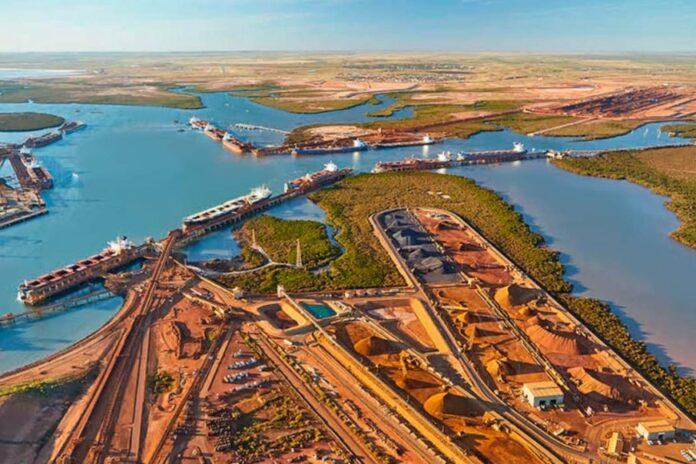
Pilbara Ports in Western Australia has ordered two ESP.9 Konecranes Gottwald Mobile Harbor Cranes for the Port of Port Hedland – the world’s largest bulk export port by tonnage. 

The cranes were booked in Q4 2024 and are scheduled to be delivered to Pilbara Ports Lumsden Point development in 2026.

The Port of Port Hedland handled more than 570 million tonnes of throughput during the 2023-24 financial year. With forecast trade growth in the Pilbara region, the Lumsden Point development is a key part of the plan to increase capacity at the port.

These 200-tonne lifting capacity ESP.9 Konecranes Gottwald mobile harbor cranes will significantly improve the port’s ability to handle containerized bulk material and project cargo, alleviating increasing congestion and diversifying trade. And as each crane is equipped with a 100-meter cable reel for external power supply, Pilbara Ports can improve energy efficiency and significantly cut on-site exhaust and noise emissions.

“Mobile harbor cranes are a critical component of the Lumsden Point development, facilitating the export of battery metals, the import of renewable energy infrastructure and supporting the growth of direct shipping services to the Pilbara,” says John Freimanis, Project Director Lumsden Point, Pilbara Ports.

“Following a competitive process, we were impressed by Konecranes’ customer focus and reliable performance. Pilbara Ports is excited to partner with Konecranes to tailor this high-performance infrastructure to the unique needs of Port Hedland.”

The cranes come equipped with a Tandem-lift Assistant, enhancing safety and precision when handling heavy or oversized loads using both cranes. Performance is ensured through a combination of a condition-based maintenance system, Konecranes TRUCONNECT remote monitoring and a spare parts package that can be quickly accessed.

“Once again, we see our material handling equipment being entrusted to support a vital link in the global economy. Being selected to support the world’s largest bulk export port authority is a great honor for Konecranes. We look forward to helping Pilbara Ports meet its productivity and sustainability goals,” says Holger Wagner, Regional Sales Manager at Konecranes.
CMA CGM first to benefit from Wärtsilä methane reduction

0

Technology group Wärtsilä has introduced its new EnviroPac feature for the Wärtsilä 34DF constant speed engine. The feature is designed to significantly reduce methane emissions while maintaining the engine’s high-power output and compliance with IMO Tier 3 NOx requirements.

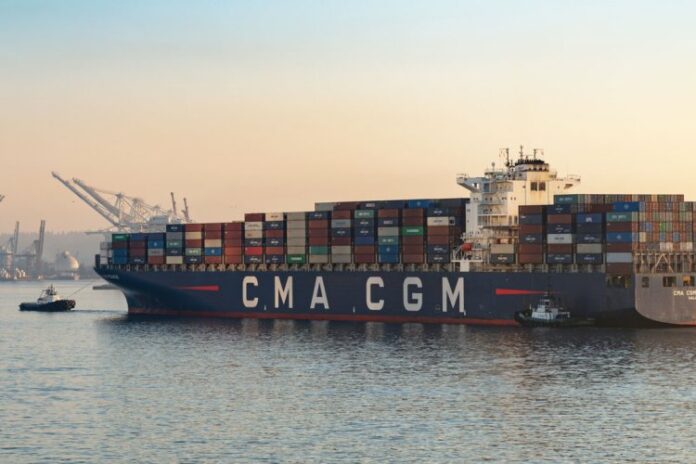
The first order for engines with this new feature has been placed by the French shipping company CMA CGM. The engines will be installed in eight new LNG-operated container vessels being built at the Shanghai Waigaoqiao Shipbuilding (SWS) yard in China. The engine order for the first two vessels was booked by Wärtsilä’s joint venture company, CWEC (Shanghai) Co., Ltd., (‘CWEC’) in Q4 2024.

As ship operators and owners strive for more sustainable operations, LNG plays a key role as a transition fuel, bridging the gap between conventional diesel fuels and future carbon-neutral or carbon-free alternatives. However, the main component of LNG is methane and when burned as a fuel, a very small amount may not combust properly, leading to methane escaping into the atmosphere. Across the shipping industry, cutting methane emissions is one of the most effective ways to decrease overall GHG emissions from engines over the next 10 years, complementing other efforts to reduce CO2 emissions.

When operating with LNG fuel, the EnviroPac feature cuts methane emissions in half, compared to the standard Wärtsilä 34DF engine. This is without altering the existing power output of 520 kW per cylinder. In addition to the environmental benefit, the reduction in emissions has an impact on costs when operating in EU waters since it results in lesser penalties under both the EU’s Emissions Trading System (ETS) and FuelEU Maritime (FEUM). The EnviroPac feature is available for both new and latest versions of existing Wärtsilä 34DF constant speed engines.

“This is a very important development that will have a major beneficial impact on our operations,” says Xavier Leclercq, Vice President, Newbuilding, CMA CGM. “We are working hard to minimise the environmental footprint throughout our fleet, and this latest technology from Wärtsilä provides strong support to these efforts.”

The eight 9200TEU LNG-powered vessels will each operate with two 6-cylinder Wärtsilä 34DF and two 9-cylinder Wärtsilä 34DF EnviroPac engines, as well as the selective catalytic reduction (SCR) systems. The Wärtsilä equipment is scheduled for delivery to the yard commencing in early 2026.

“We are proud to launch this new EnviroPac feature for our already efficient Wärtsilä 34DF engine. Our long-standing relationship with CMA CGM is once again enhanced with this order, and we complement them on their vision for actively achieving sustainability throughout their fleet,” comments Stefan Nysjö, Vice President of Power Supply, Wärtsilä Marine.

Kongsberg Maritime delivers first REACH REMOTE USV

0

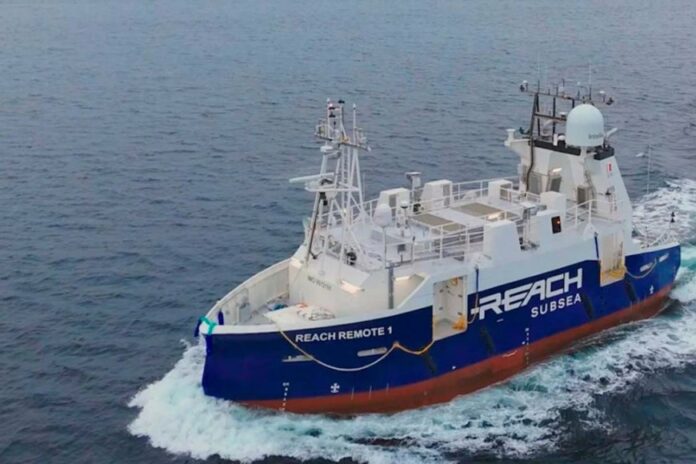
Designed to revolutionise offshore operations, the REACH REMOTE 1 is packed with cutting-edge KONGSBERG technology. Its delivery follows a programme of intensive sea trials, overseen by classification society Det Norske Veritas (DNV) and the Norwegian Maritime Authority.

Its initial mission will be to conduct underwater surveys off the coast of Haugesund, Norway, but its potential applications extend far beyond this. The second vessel, REACH REMOTE 2 is now expected to begin sea trials.

Bjørg Mathisen Døving, VP Reach Remote of REACH SUBSEA, said: “Reach Remote is an extraordinary journey, bringing together the unique expertise of Kongsberg Maritime, Reach Subsea, and Massterly shaping the future of uncrewed offshore operations. We are thrilled to see the Reach Remote 1 set sail and prepared for its first mission.”

Kongsberg Maritime served as the prime contractor for this turnkey project, taking responsibility for vessel design, yard delivery, supply chain management, systems integration, and commissioning. The company’s deep expertise in maritime technology was instrumental in bringing this innovative concept to life.

“What began as a visionary idea has now become a tangible reality,” said Lisa Edvardsen Haugan, President of Kongsberg Maritime. “The REACH REMOTE 1 USV is a testament to our commitment to pushing the boundaries of maritime technology. We are proud to have partnered with REACH SUBSEA, Massterly and Trosvik Maritime on this pioneering project. As the world transitions towards more sustainable and efficient operations, this pioneering class of vessel is poised to play a vital role in shaping the future of offshore activities.”

During the sea trials the USV was monitored and controlled from a temporary, mobile Remote Operations Centre (ROC) located onboard a support vessel Avant, which stayed close by during several days of trials. When the USV starts pilot operations, Massterly, which is a joint venture between Kongsberg Maritime and Wilhelmsen, will control the USV from the land-based ROC in Horten, Norway.

A key feature of the REACH REMOTE USV design is its ability to operate without a crew, controlled remotely from the ROC. This approach offers significant advantages in terms of operating costs, safety, and emissions, when compared to carrying out the same duties with a much larger, crewed vessel.

To ensure the highest levels of safety and reliability, Kongsberg Maritime has incorporated proven technology into the vessel’s design. The company worked closely with Det Norske Veritas (DNV) and the Norwegian Maritime Authority to navigate the unique regulatory challenges associated with uncrewed vessels.

Increased remote and autonomous functionality will be gradually introduced in a stepwise approach pending technology readiness.

Black Sea Mine Countermeasures leadership shifts from Turkey to Bulgaria

0

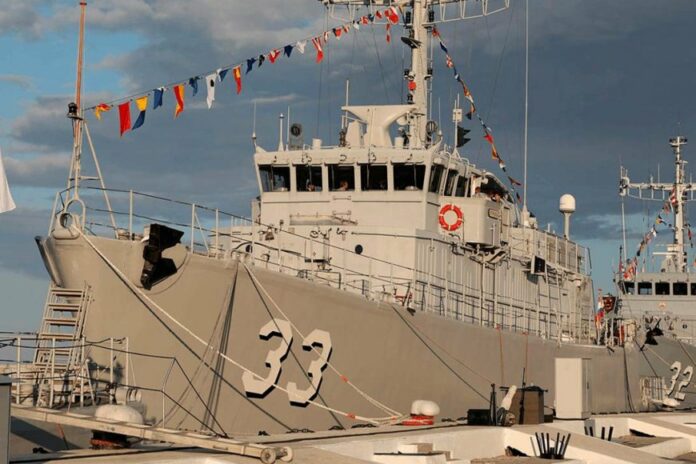
The official transfer of command authority of the Black Sea Mine Countermeasures Group from Turkey to Bulgaria took place in Sofia.

This was reported by the Bulgarian Defense Ministry.

The previous commander of the group, Turkish Navy Admiral Selçuk Akar, handed over the flag and the group’s book of honor to the new commander, Captain 1st Rank Pavlin Petkov.

The ceremony was attended by Bulgarian Deputy Minister of Defense Radostin Iliev and the Commanders of the Navies of Bulgaria, Romania and Turkey: Rear Admiral Kirill Mikhailov, Vice Admiral Mihai Panayit and Admiral Ercüment Tatlioglu.

“I thank you all for the professionalism you demonstrated during the exercise, for your concern for maritime security, and for what you have already done to prevent the danger posed by sea mines and ensure safe trade routes,” Deputy Defense Minister Radostin Iliyev stated.

Iliyev noted that the establishment of the Mine Countermeasures Group and its results are a demonstration of capability, interoperability, strength and unity and strengthen NATO’s presence in the Black Sea region.

The Joint Mine Countermeasures Force of Turkey, Romania and Bulgaria will not be considered a NATO operation, but will be the first major joint action by the Black Sea Allies since Russia launched its full-scale invasion of Ukraine in February 2022.

The group is aimed at clearing mines that have been drifting in parts of the Black Sea as a result of the war.

The agreement on the formation of the joint force was signed on January 11, 2024.

The Bulgarian Ministry of Defense emphasized that the group’s activities will not be aimed against any other country, and the Black Sea demining operation is expected to help improve cooperation between the participants.

It is noted that the initiative remains open to joint actions and participation of mine action forces and assets of other NATO member states located outside the Black Sea region.

The Mine Countermeasures Group will create safe conditions for civilian ships to sail in the Black Sea, minimizing the risk of explosions.

Source: Militarnyi

RES drives innovation in floating wind energy with sustainable component development

0

MADE4WIND brings together 14 partners from eight countries, including renowned academic institutions and leading industry players.

Funded by the European Union under the Horizon Europe program, this project, based in Gran Canaria, focuses on developing innovative and sustainable components for floating wind turbines using recyclable materials and advanced manufacturing techniques. These advancements support the deployment of offshore wind farms exceeding 15 MW in capacity.

Natalia Ruiz Máximo, R&D RES Manager, pointed out that “RES’ participation in this R&D project is fundamental because it places us at the forefront of offshore innovation, allowing us to develop sustainable solutions that benefit both our business and the planet. We remain committed to being an agent of change, promoting initiatives that prioritise sustainability and social responsibility.”

With a total investment exceeding €6 million, the project aims to revolutionize floating wind energy by developing lighter turbines, advanced structures, and sustainable processes, all in alignment with global sustainability and energy efficiency goals.

The MADE4WIND consortium recently convened in Las Palmas de Gran Canaria to share progress on the project. A highlight of the gathering was the visit to the Oceanic Platform of the Canary Islands (PLOCAN), a leading research center for marine renewable energies. Participants witnessed state-of-the-art facilities where technologies that will shape the future of offshore wind energy are being tested and validated. This facility plays a critical role in creating prototypes and advancing applied research to address the scientific challenges of oceans and socio-economic needs.

The collaboration between RES and PLOCAN under MADE4WIND underscores RES’ dedication to advancing sustainable solutions for offshore wind energy. By incorporating principles of circular economy, biodiversity protection, and innovative materials, the project is poised to transform the offshore wind industry, enabling the deployment of large-scale floating wind farms worldwide. This initiative not only seeks to improve turbine efficiency but also ensures that the energy generated becomes increasingly environmentally friendly.

Gas discovery in the Barents Sea

0

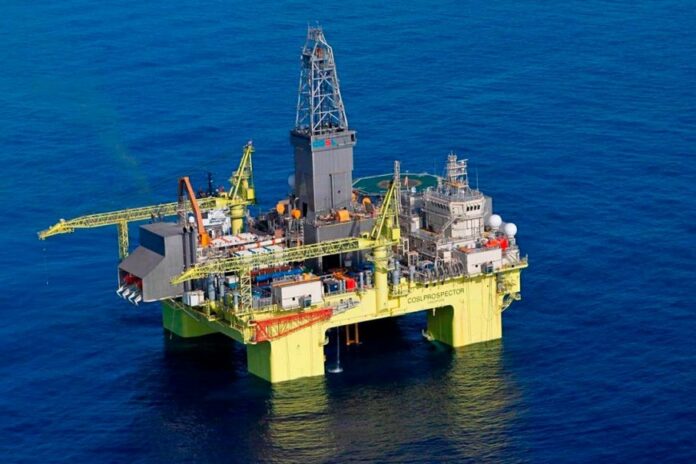
Exploration well 7122/9-2 is the first in production licence 1131, which was awarded in 2021 (Awards in predefined areas 2020). “Elgol” is included in Vår’s ongoing exploration campaign in the Barents Sea, and exploration activity will continue throughout this year and in 2026. The next well is 7122/8-3 S “Zagato”.

Preliminary estimates indicate the size of the discovery is between 0.4 – 3 million standard cubic metres of oil equivalent, which corresponds to 2.6-19 million barrels of oil equivalent.

The well was drilled by the Cosl Prospector rig.

The objective of the well was to prove petroleum in Upper Permian reservoir rocks in the Ørret Formation.

Well 7122/9-2 encountered a 1.5-metre gas column in a sandstone reservoir in the Ørret Formation, where reservoir properties were moderate. The remainder of the reservoir in the Ørret Formation totalled 28 metres with variable, generally poor reservoir quality. The gas/water contact was not encountered.

The well was not formation-tested, but data acquisition and sampling have been carried out.

The well was drilled to a vertical depth of 1844 metres below sea level, and was terminated in the Ørret Formation in the Upper Permian.

Water depth at the site is 415 metres. The well has been permanently plugged and abandoned.

Famous all-carbon superyacht gets $2 million more knocked off price

0

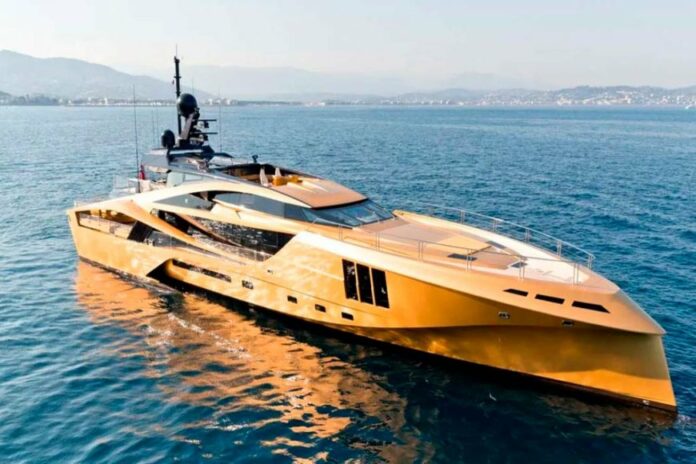
Some yacht owners like to be inconspicuous. That’s not the case for the owner of the 162-foot Khalilah, whose sports yacht is painted gleaming gold, has its own matching miniature chase boat and has a unique carbon-fiber construction that ensures reduced fuel consumption and maximum efficiency.

The yacht, the largest private ship built entirely out of carbon composite, was delivered to its owner in 2014, and appeared on the market briefly in 2019 and again in 2023. In November 2024, yacht brokerage My Ocean took on the task of selling it, knocking €1 million off the price and, this past week, slashing €2 million more. It’s now listed for €19.9 million ($20.5 million).

“This isn’t for someone who wants to blend in,” says Jonny Dodge, chief executive officer of My Ocean. Since his company has taken on the yacht, there’s been a cooling market, hence the price drops. According to a report published by the Monaco Yacht Show, the largest yacht sales event of the year, the market has been steadily quieting down over the past four years, and it’s not predicted to stop anytime soon.

Compared with 2023, sales of used yachts such as the Khalilah were down 9%. “Industry observers are seeing that sellers are gradually getting to grips with the price expectations that prospective buyers have as of mid-2024,” the report notes. “In practice, this means we are seeing more and bigger price adjustments.”

Dodge envisions its new owner as someone “young, forward-thinking” who is passionate about “innovation, impact and standing out.” The yacht’s buyer would also be potentially interested in crypto (because the company specializes in cryptocurrency sales).

They’re probably also on the hunt for a lot of space. The yacht has a unique tri-hull design that makes it especially wide. It gives the Khalilah a slightly bulky look at certain angles, but it feels like a fair trade for the extensive volume of the interior. Five cabins accommodate 11 people, plus extra space for a crew of nine.

The yacht’s name means “friend” and “paramour” in Arabic.The all-carbon-fiber yacht, currently moored in Barcelona, was built in the US in 2014 by Palmer Johnson; once one of the most prestigious builders in the US, the shipyard announced it was shuttering operations at its facility in Sturgeon Bay, Wisconsin, a year later.

Of the 83 yachts in its fleet, 20 are currently on the market, and the Khalilah is the second-most expensive (following the 172-foot Sanam, built in 2016 and asking about $26.9 million).

Because it’s built out of carbon fiber, the yacht is slightly more lightweight and therefore more fuel-efficient than comparably sized yachts built out of metal or plastic.

Source: Bloomberg

Iran presents the first reconnaissance ship of its own production

0

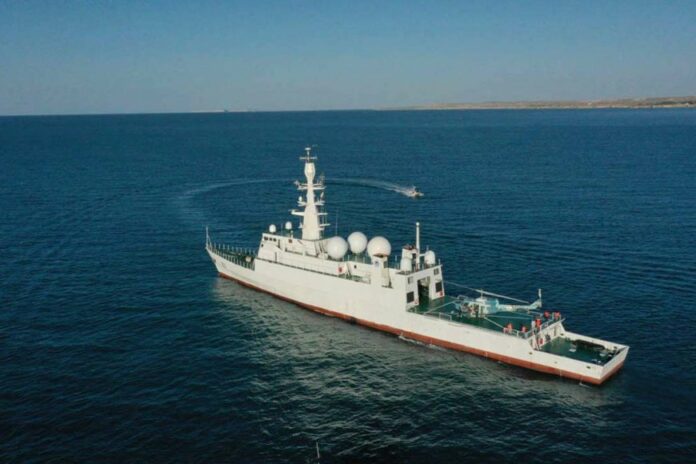
It is presented as a reconnaissance destroyer, based on the original Mowj project, although in terms of size and armament, it is more like a light frigate or corvette.

The state-run Fars News Agency reported on this.

The reconnaissance ship Zagros (313) was officially commissioned into the Iranian Navy the previous day, and the exact date was not disclosed.

The Iranian Navy classifies the ships of the Mowj project as destroyers. Their displacement is 1700 tons, length is 94.5 m, and width is 11.1 m. Most likely, the reconnaissance ship is built in the same dimensions.

According to the published video, the ship does not have weapons, but it does have protective domes for 360-degree antennas.

There is no information about the equipment of the reconnaissance ship, whether it is reconnaissance or technical equipment.

The Zagros (313) has a helicopter deck, which is more than enough to accommodate Bell 212 (AB-212) helicopters, and a full hangar, which was absent on the Mowj project ships.

The previous warship of the Mowj project, Deylaman (78), was officially commissioned into the Iranian Navy on November 27, 2023, in the port city of Bandar Anzali on the Caspian Sea.

Its artillery armament is a 76-mm Fajr-27 gun, an unlicensed copy of the Italian naval 76-mm OTO Melara. It also has a 30-mm Kamand cannon for self-defense against low-altitude air targets, two 20-mm cannons, and two 12.7-mm machine guns.

The ship is equipped with a Mehrab anti-aircraft missile system and Sayyad-3 missiles, with a declared range of 150 km.

In terms of anti-ship weapons, it has eight subsonic Qader anti-ship missiles with a range of about 200 km.

Source: Militaryi

Cavotec signs EUR 7 million in shore power orders for Italian ports

0

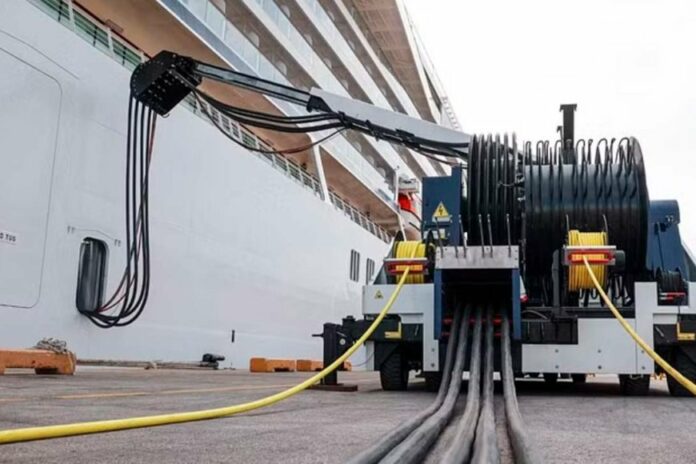
Cavotec has signed three significant shore power orders totaling EUR 7 million for Italian ports, received at the end of 2024. 

The first order involves the delivery of Cavotec’s PowerMove and PowerFeed systems to support cruise vessels at multiple ports across western Italy. This project will enhance shore power connectivity across the region, representing a strategic milestone for sustainable cruising in the Mediterranean.

The second order includes Cavotec’s PowerMove technology for both cruise and Ro-Ro vessels in Tuscany. This project will enable two ports to reduce emissions and improve their environmental performance.

The third order is for two PowerMove systems to connect cruise vessels and a PowerExtend to connect container ships at a port in southern Italy. This project underscores the growing importance of shore power solutions for diverse vessel types.

Deliveries for these projects are scheduled between early 2026 and mid-2026. These developments will contribute significantly to reducing emissions and improving air quality in Italian ports, while reinforcing Cavotec’s position as a trusted partner in sustainable port technologies.

Equinor awarded 27 new production licences on the Norwegian continental shelf

0

Equinor was awarded 20 licences in the North Sea, six in the Norwegian Sea and one in the Barents sea. Equinor is the operator of seven of the licences and a partner in 20.

“There are still substantial resources on the Norwegian continental shelf (NCS). Together with our partners, we need to explore more to contribute to European energy security and maintain our position as a reliable supplier of oil and gas. The annual award of pre-defined areas is crucial to ensure high export levels over time. We will continue to make robust investments, and our ambition is to drill around 250 exploration wells by 2035. In order to do this, we need regular access to acreage,” says Jez Averty, Equinor’s senior vice president for subsurface, the Norwegian continental shelf.

Equinor operates 35 offshore platforms that together make up an extensive network of amortised production, processing and export infrastructure. Discoveries in areas with existing infrastructure can be developed rapidly, at lower costs, and with lower greenhouse gas emissions from production and transport.

“We have a significant portfolio of smaller discoveries near existing infrastructure. We’re working alongside the supplier industry to accelerate developments and reduce costs, which will ensure that several of these discoveries can come on stream even earlier. One good example is Eirin, which will be tied back to Gina Krog. This development was approved in January 2024, and we expect production to start in the end of 2025. The gas from Eirin will have very low production emissions, since the Gina Krog platform is electrified. Moreover, it will extend Gina Krog’s lifetime by seven years,” Averty continues.

As regards discoveries that require new development solutions, Equinor will prioritise solutions that yield low emissions.

“Despite most exploration wells being drilled near existing infrastructure, it is important that we also explore new areas and new ideas and concepts with the potential for more major discoveries. Our confidence in the Norwegian shelf remains strong and we are prepared to take steps to secure the future energy supply,” Averty concludes.