-8.3 C
New York
Home Blog Page 105

Taean Wind Power secures fixed-price offtake contract to develop offshore wind project in Korea

0

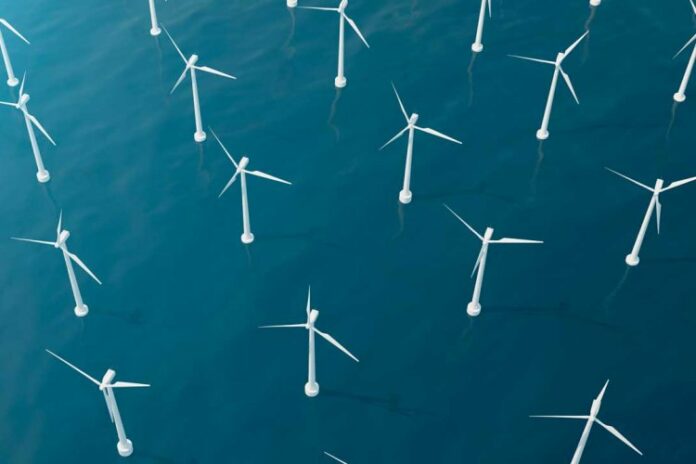
Vena Energy, together with Copenhagen Infrastructure Partners (CIP), announces that their joint offshore wind project, Taean Wind Power, has been awarded an offtake contract in the 2024 Wind Power Fixed-Price Contract Auction arranged by the Korea Energy Agency (KEA).

The Taean Wind Power project, a fixed-bottom offshore wind project with a planned capacity of 500 MW, is targeting to commence construction in the second half of 2026, with commercial operations anticipated by late 2029.  CIP, through its flagship fund Copenhagen Infrastructure V, acquired a 49% stake in Taean Wind Power in late 2024 and will develop the project jointly with Vena Energy.

Kwangjin Cheong, Representative Director of Taean Wind Power, expressed his commitment, stating: “Reaching this milestone emphasizes our dedication to delivering clean, sustainable energy to our local communities. We extend our gratitude to our stakeholders and partners, including the Government, Taean County, our supply chain collaborators, residents and fisheries for their invaluable support. Together, we are focused on ensuring the success of this project, fostering local engagement, and contributing meaningfully to Korea’s energy transition, engineering a greener future for generations.”

The Taean Offshore Wind Project is designed to deliver significant economic and environmental benefits, revitalizing the local economy, creating meaningful job opportunities, and enhancing the resilience of the local supply chain. Collaborating with key stakeholders including LS Cable & System, a globally renowned leader in cable technology from Korea, as the preferred cable supplier, Taean Wind Power unites industry leaders in offshore wind development, supply, construction, and operations. This collective expertise establishes a robust foundation to generate enough clean energy to power approximately 300,000 Korean households annually. The project represents a pivotal step toward increasing domestic and independent green energy production, contributing to Korea’s national renewable energy goals.

Vena Energy’s technical capabilities are at the forefront of renewable energy innovation in the Asia-Pacific region, with expertise in the design, development, and execution of large-scale solar, wind, and battery storage projects. Leveraging in-depth regional knowledge and technical proficiency, Vena Energy ensures efficient and sustainable project development and delivery, while fostering strong collaboration with stakeholders, ensuring continuity and alignment with local market needs.

CIP has been a leading player in Korea’s offshore wind sector since entering the Korean market in 2018. CIP is currently developing approximately 5 GW of offshore wind projects in Korea, including Jeonnam Offshore Wind 1, the country’s first commercial-scale offshore wind project, led by the private sector.  CIP’s extensive experience in managing the complex nature of risks in building large-scale offshore wind farms, as well as its strong collaboration with local supply chains, authorities, and communities, will contribute to successfully delivering Taean Wind Power.

Thomas Wibe Poulsen, Partner at CIP, said: “Taean represents an attractive opportunity to increase our offshore wind footprint in Korea. We look forward to completing this exciting project together with our new partners at Vena Energy who, with a strong track record of developing green energy solutions across the APAC region, is a great match for us. The participation in the Taean project will further strengthen and diversify CI V’s investment portfolio and support our ambition of securing attractive risk-adjusted returns for our investors.”

Simone Grasso, Chief Investment Officer of Vena Energy, highlighted the strength of this partnership: “Taean Wind Power represents a significant step forward in advancing Korea’s energy independence and decarbonisation goals, and we are proud to partner with CIP to bring this project to life. By combining our respective capabilities and expertise, we are paving the way for the successful delivery of this landmark project, contributing to Korea’s green energy transition.”

South Korea has significant potential for offshore wind and is one of the most promising markets in Asia Pacific, with an ambitious target of 14.3GW installed capacity by 2030. The country has pledged to achieve carbon neutrality by 2050 which will require delivery of additional large-scale renewables including offshore wind projects. 
Wärtsilä signs a ten-year Lifecycle Agreement with Baleària

0

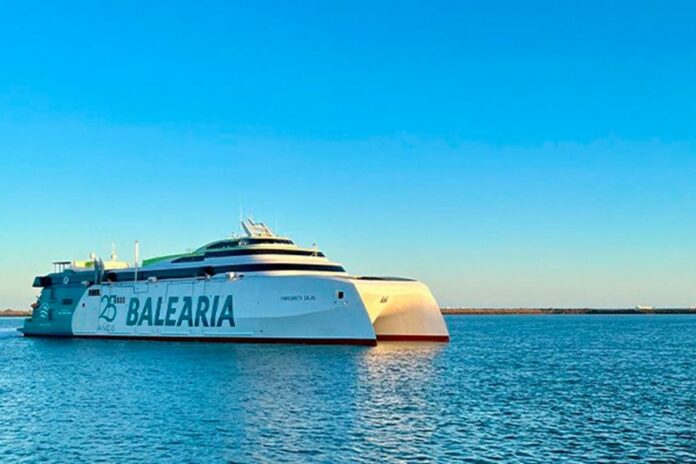
The ship was built at the Astilleros Armon Gijon yard in Spain. It operates with four Wärtsilä 31DF dual-fuel engines, four Wärtsilä WXJ hydraulic waterjets, and features two Wärtsilä LNGPac fuel storage and supply systems. 

A sister-ship, the Eleanor Roosevelt, was delivered earlier with the same Wärtsilä scope. The order for Margarita Salas was booked by Wärtsilä in Q3 2024.

The unique ship design delivered by the Astilleros Armon Gijon yard, combining high-speed waterjets with medium-speed gas-fuelled engines, is proving to be very successful, representing a new Ro-Pax ferry reference case. The Wärtsilä agreement will ensure that the key design values of high efficiency, unmatched customer comfort, reduced operating costs, and environmental sustainability are secured and maintained.

“We feel confident with Wärtsilä solutions which will help us to deliver the high performance and comfort level we offer to our clients, while lowering the emissions of our operations. The reliability of our service is naturally of key importance to our customers, and this agreement with Wärtsilä provides us the highest expertise from the manufacturer to optimally maintain the vessel at all times,” says Juan Pablo Molina, Corporate Technical Director, Baleària.

The agreement is designed to meet the specific operating needs and requirements of the vessel. It includes maintenance planning, spare parts and maintenance services for scheduled maintenance, operational support, and Wärtsilä’s unique Expert Insight digital predictive maintenance service. 

“Following the successful delivery of our equipment to the ferry newbuild, we are proud to be supporting Baleària with keeping the vessel reliable operations as efficiently as possible during its lifecycle,” comments Miguel Sanchez, Director Sales South Europe & Africa – Wärtsilä Marine. “We have been working with the ferry industry for many years now and have seen an increased number of ferries serviced under long-term agreements, totalling 37 today. This agreement is the fifth we are honoured by Baleària and we look forward to continuing our strong partnership on this decarbonisation journey.”

The Margarita Salas operates between Barcelona, the Mallorcan port of Alcudia and Ciudadela on the island of Menorca.

Tullow partners with Opsealog to digitalise marine operations

0

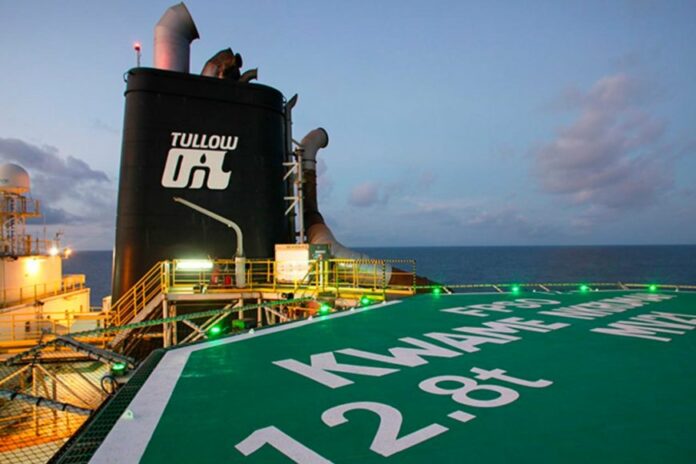
Tullow plc has partnered Opsealog, a provider of data integration and analysis services to digitalise its marine operations in Ghana.

Under the agreement, Opsealog’s e-reporting system, Streamlog, along with its data integration and performance platform, Marinsights, has been deployed on four Tullow Platform Supply Vessels (PSVs) and Anchor Handling Tug Supply (AHTS) vessels, operating in offshore oil production sites in Ghana. This enhanced digitalisation process will ensure accurate vessel tracking, and provide critical insights to optimise fuel consumption and greenhouse gas emissions. 

The partnership will also transform vessel reporting, and streamline data collection for weekly, monthly, and yearly reports while supporting forecasting and cost tracking. This ensures data accuracy and eliminates duplicated input, saving crews significant time. It will also help Tullow monitor various aspects of vessel activity, from fuel and freshwater levels to crew certificates. 

Tullow Head of Logistics, Samuel Kwesi Dickson said: “This partnership with Opsealog marks an important step in the digitalisation of our marine operations, equipping our teams with granular, data-driven insights to improve the performance of our fleet and reduce our environmental footprint. This ability to leverage data to benchmark, report and boost our efficiency is essential to our strategic vision of building a better future through responsible oil and gas development in Africa.”

Briac Lemée, Business Development Manager at Opsealog, said: “This project is a great example of how data and fuel efficiency expertise can work together towards sustainability objectives. It empowers Tullow Oil Ghana’s onshore teams with the right data to deliver high-value analysis and inform strategic decision-making to improve the utilisation of their assets. We are proud to be part of this initiative, which optimises several operational aspects, from fuel efficiency to crew management.”

thyssenkrupp Marine Systems commissioned to advance IDAS air defence system for submarines

0

At the end of last year, the Procurement Office of the Federal Ministry of the Interior (BAAINBw) signed the contract for the development and qualification of a guided missile system for the active self-defence of submarines.

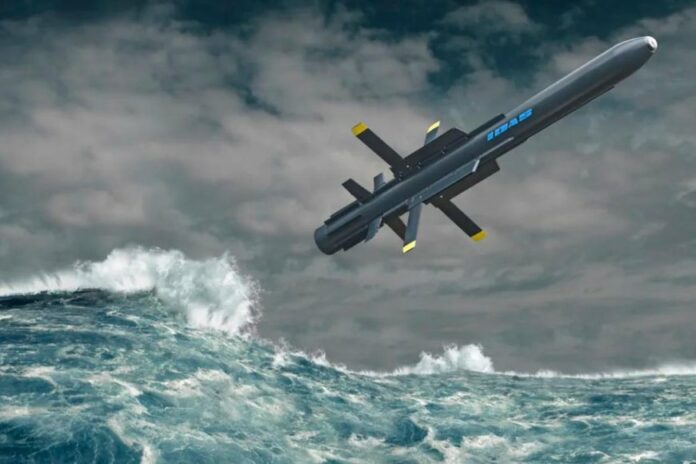
The ‘Interactive Defence and Attack System for Submarines’ (IDAS) system is being developed in close cooperation between thyssenkrupp Marine Systems and Diehl Defence. Both companies are combining their expertise in the IDAS Consortium to develop a guided missile that can specifically engage air threats from a submerged submarine. 

‘We are delighted that this innovation project can now also be launched. At thyssenkrupp Marine Systems, we are contributing to a completely new capability in the field of submarine self-defence, while at the same time strengthening the safety of people and materials in challenging future deployment scenarios,’ says Oliver Burkhard, CEO of thyssenkrupp Marine Systems.

IDAS sets new standards in maritime security. By combining an advanced guided missile and a new ejection unit, submarine crews will in future be able to defend themselves against attacks and detection attempts from the air.

The IDAS project, which has now been commissioned, ‘Development and qualification of a guided missile unit consisting of a guided missile and ejection device for active self-defence of submarines against attacks from the air’ takes submarine defence to a new level.

Damen Shipyards delivers Germany’s first all-electric ferry

0

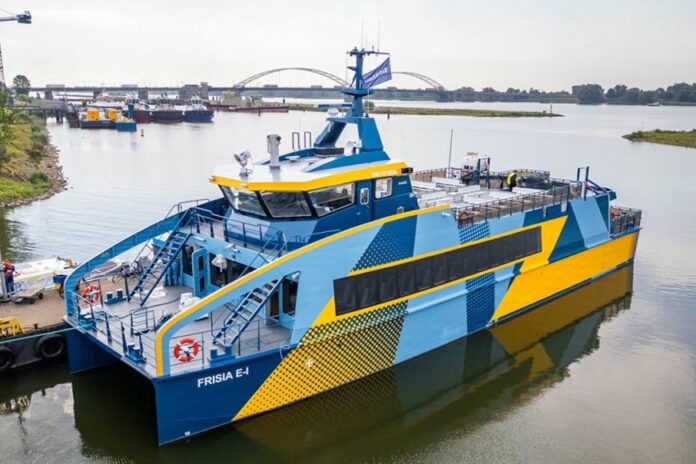
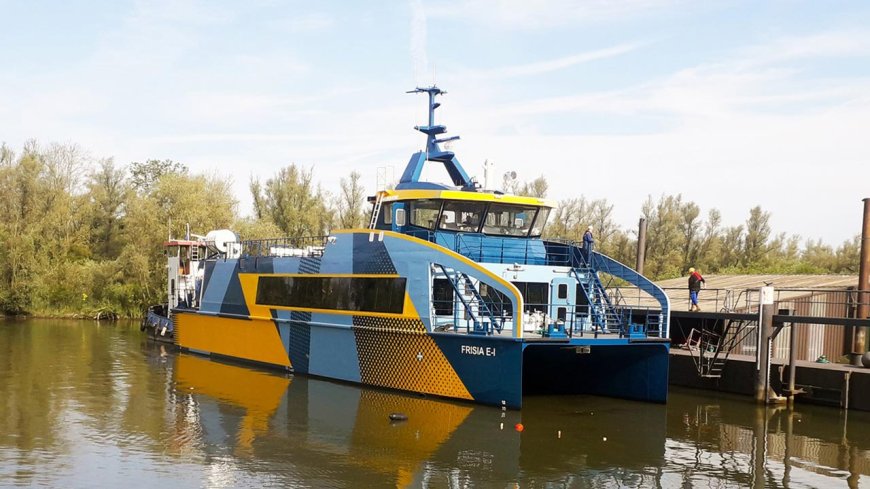
On the 15th of January, Damen Shipyards handed over Germany’s first, all-electric catamaran (E-Kat) ferry to its operator, AG Reederei Norden-Frisia.

The 32-metre E-Kat has been designed to operate on a 30-minute route with 28 minutes allowed at each end to disembark and embark passengers. Built at Damen shipyards in Poland and the Netherlands, the vessel is driven by two propellers, each powered by a 600kW electric motor. Given the shallow waterways in which it will operate, it has been designed with twin hulls giving it a draught of just 1.2 metres. These aluminium hulls together with a superstructure, also made of aluminium, ensure that weight has been kept to a minimum, enabling it to operate at speeds of up to 12 knots. Other features include over-sized windows to allow passengers to enjoy the views of the Wadden Sea, the world’s largest tidal flats system and a UNESCO World Heritage site.

AG Reederei Norden-Frisia has a proven commitment to sustainability in its operations, and the E-Kat ferry is part of a wider programme to achieve zero emissions. The vessel will be CO2 neutral when operating and the electricity that charges its batteries will come from onshore solar panels.

Joschka Böddeling, Sales Manager at Damen Shipyards, said, “The E-Kat is a very special ferry. We are delighted that it has been delivered and look forward to seeing it in operation once the summer season gets underway. It has been built to the highest standards and we have no doubt that it will serve for many years to come.”

Oceaneering acquires 100 Exail Octans 9 Attitude Heading Referencing Systems

0

Oceaneering has placed an initial order for a minimum of 100 units of Exail’s new Octans 9 Attitude Heading Referencing Systems (AHRS). 

The Exail Octans 9 systems will be integrated into a variety of offshore applications, including high-specification offshore field support vessel navigation suites, deep-water drillship remotely operated survey positioning systems, dynamic positioning platforms and general USBL positioning systems. This integration addresses the requirements of Oceaneering’s clients for high-performance, high-precision navigation, control, and stabilization.

“At Oceaneering, we understand the critical importance of best-in-class, dependable and high-performance navigation systems in the offshore industry,” said Mark Beaton, Director, Survey & Positioning Solutions Survey Services at Oceaneering. “The initial acquisition of 100 Octans 9 AHRS units from Exail highlights our commitment to delivering cutting-edge, efficient solutions. These advanced systems will redefine our offshore operations, setting new industry standards for accuracy and reliability, all while delivering high end customer value”.

For Exail, this contract marks a milestone as the first significant order for their new Octans 9 systems, the latest addition to the Exail navigation product line. “This order, which complements Oceaneering’s existing portfolio of Exail maritime sensors and robotics equipment, reaffirms the reliability and quality of our solutions, while further strengthening our valued partnership,” said Euan MacKay, Business Development Manager at Exail. “We are confident that the advanced features of Octans 9 will elevate operators’ navigation capabilities and significantly enhance the flexibility and efficiency of their offshore operations”.

The new Octans 9 AHRS delivers highly precise real-time attitude and heading data and comes equipped with a suite of advanced features. These include an export-free status, a compact design, enhanced durability, reduced power consumption, in-motion alignment capabilities, and integrated advanced GNSS sensors.

Kongsberg Maritime secures advanced propulsion contract for Indonesian Navy’s fast attack craft

0

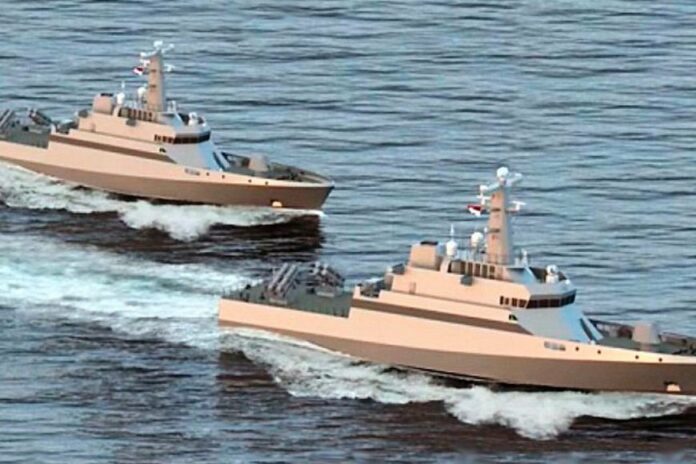
Kongsberg Maritime has secured a contract to supply advanced propulsion and manoeuvring technology for two new KCR-70 Fast Attack Craft for the Indonesian Navy. 

The Kongsberg Maritime equipment package includes an innovative propulsion system that combines twin controllable pitch propeller (CPP) Promas systems for high efficiency at patrol speeds with a single Kamewa waterjet to provide boost power for high-speed operation.

This configuration optimises propulsion power, speed, and manoeuvrability, ensuring superior performance and efficiency for these new craft.

The vessels will have Combined Diesel and Gas Turbine (CODAG) propulsion. This comprises twin diesel engines and a centrally positioned, 23-megawatt gas turbine to directly drive the 160-centimetre diameter waterjet, which is capable of discharging more than 30 cubic metres of water per second.

The use of twin Promas CPP for main propulsion, at speeds over 40 knots when the waterjet is used for boost power, is an innovative approach. Kongsberg Maritime carried out extensive hydrodynamic analysis to integrate the hull form and two different types of propulsor into one system that offers enhanced manoeuvrability, speed and efficiency.

The KCR-70, based on Sefine Shipyard’s FACM-70 design, is a 70-metre fast attack craft designed for a variety of missions, including intelligence, surveillance, and reconnaissance (ISR) operations, anti-surface warfare, and anti-air warfare.

Displacing 850 tonnes, the KCR-70 is capable of reaching speeds in excess of 40 knots. With a range of 1,600 nautical miles and an endurance of seven days, these vessels are well-equipped to perform extended missions in diverse operational environments.

Port of Savannah’s Ocean Terminal receives four new electric Ship-to-Shore cranes

0

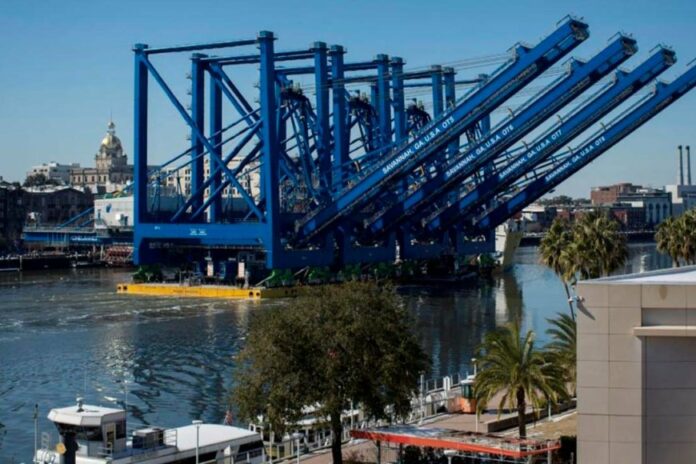
The Port of Savannah received four new electric ship-to-shore cranes on January 25, 2025, bringing Ocean Terminal’s fleet to eight Super Post Panamax cranes, all designed by Finland-based, Konecranes.

“The completion of this project in 2028 will enable Ocean Terminal to accommodate the largest vessels serving the U.S. East Coast,” said Ed McCarthy, Chief Operating Officer of Georgia Ports. “Our goal is to ensure customers have the future berth capacity for their larger vessels’ first port of calls with the fastest U.S. inland connectivity to compete in world markets.”

“We want our ocean carrier customers to see us as the port they can bring their ships and make up valuable time in their sailing schedule using our big ship berths. Our crane productivity and 24-hour rail transit to inland markets is industry-leading,” added Susan Gardner, Vice President of Operations at Georgia Ports.

Ocean Terminal, while still open and operating, is currently in a renovation phase. The GPA board approved a $29 million exit ramp from the terminal enabling direct to local highways which will allow trucks direct highway transit to Atlanta without any traffic lights until entering Atlanta. The ramp project is 60% complete and is designed with the local community in mind to keep container trucks off local neighborhood roads.

Rolls-Royce signs landmark Unity contract with UK Ministry of Defence

0

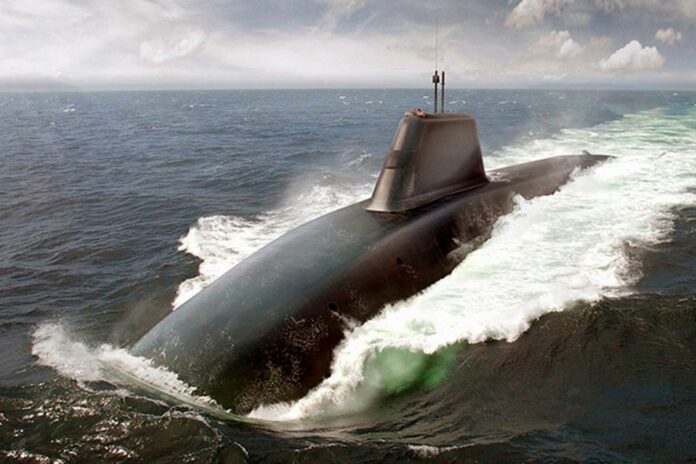
Rolls-Royce designs, builds and maintains all of the nuclear reactors that power the Royal Navy’s fleet of submarines. This eight-year Unity contract is worth circa £9 billion and will provide full support of the in-service UK Royal Navy submarine fleet throughout the period. It also includes continued support of the build and commission of Dreadnought Class submarines and the beginning of the previously announced SSN-AUKUS contracts.

The contract is the first of its kind awarded by the UK MoD and is the culmination of years of planning between Rolls-Royce and UK MoD, potentially creating a new way of doing business between Government and industry. It signposts the UK’s commitment to the continuous at sea nuclear deterrent and Rolls-Royce’s continuing dedication to the UK Royal Navy and the Defence Nuclear Enterprise.

With a long-term commitment across the Rolls-Royce Submarine programmes, Unity draws together current and upcoming work into one portfolio. It is designed to incentivise an even more collaborative working relationship between Rolls-Royce and the UK MoD.

Steve Carlier, President Rolls-Royce Submarines said:

“We’re delighted to announce the Unity contract, which confirms our commitment to the Royal Navy and the Defence Nuclear Enterprise. This long-term contract enables us to invest in the right skills, equipment, and facilities to play our part in protecting UK interests at home and overseas.”

“The Unity contract enables our business to work truly collaboratively with the Ministry of Defence, meeting the evolving needs of the UK Royal Navy, further improving reactor plant design, delivery and in-service support, ensuring the continuing security of our nation at a time of global uncertainty.”

Defence Secretary, John Healey MP said:

“This investment in Britain’s defence will deliver a long-term boost to British business, jobs and national security.”

“In line with our upcoming defence industrial strategy, this deal with Rolls Royce, a historic British success-story, will support high-skilled UK jobs who equip the thousands of submariners that keep us all safe. We are showing defence can be an engine for growth, while also driving better value for taxpayer money.

“National security is a foundation of our government’s plan for change, and this is a clear demonstration of our commitment to the UK’s nuclear deterrent, which is our ultimate insurance policy in a more dangerous world.”

The Unity Contract will create an additional 1,000 new roles within Rolls-Royce Submarines by the end of the contract. This will predominantly be seen in Derby, but also includes recently announced satellite offices in Glasgow and Cardiff.

Meeting the growing requirements of the UK Royal Navy is of the utmost importance to Rolls-Royce Submarines, enabled through a highly skilled national workforce. This provides resilience and proactive collaboration more broadly across the UK nuclear industry and nurtures home-grown talent. Investing in nuclear expertise is critical for the UK, as demand for this talent increases across both defence and civil industries.

The Unity contract also brings opportunities to the supply chain, the vast majority of which is in the UK. The ability to develop long term, strategic relationships with long lead times means more capability, a longer lookahead and more competition in the supply chain, bringing enhanced benefit to the UK economy.

Sir Chris Gardner KBE, CEO Submarine Delivery Agency (SDA) said:

“The signing of the Unity contract is a key milestone in the SDA and Rolls-Royce partnership, building resilience, collaboration, and capability.”

“Bringing together existing commercial arrangements, it is a clear signal of our commitment to deliver greater effectiveness, efficiency, and agility to meet the needs of the Defence Nuclear Enterprise and support the Royal Navy’s submarines now and into the future.

“It will also enable a critical pipeline of home-grown nuclear skills and provides Rolls-Royce with the longer-term contractual security to plan and develop the existing and future workforce”.

DNV, HD Hyundai Mipo and KSOE sign MoU on new standards for using digital twins

0

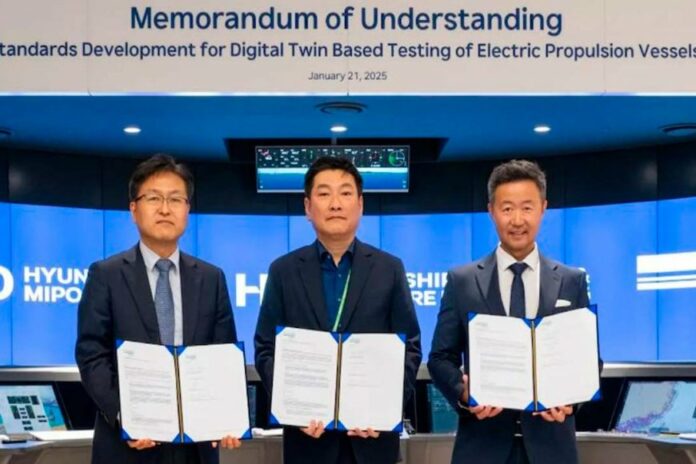
DNV has signed a Memorandum of Understanding (MoU) with HD Hyundai Mipo (HMD) and HD Korea Shipbuilding & Offshore Engineering (KSOE). 

This collaborative project aims to resolve issues related to the integration of highly complex vessel systems for electric propulsion. Utilizing hardware in the loop (HiL) testing via digital twins of the different systems enables integration tests to be performed both earlier in the process on a much broader and deeper level.

To ensure the accuracy of the tests, however, we need to be confident in the digital assets. Together DNV, HMD and KSOE are working on the verification of these digital assets. Utilizing DNV verified digital assets, will facilitate the integration process. In addition, when systems from multiple suppliers are tested together, having the same requirements and HiL test procedures ensures the reliability of the testing.

Kitae Kim, Head of Quality Management, HD Hyundai Mipo, said:

“Through this technical collaboration we aim to establish clear and practical digital twin-based testing procedures and standards. These can foster broader industry participation and ensure the reliability of results. In doing so, we hope to safeguard the performance and safety of ship systems and lead in building a digital twin ecosystem for the shipbuilding industry.”

Byoung Hun Kwon, Head of the Electrification Center/Digital Technology Research Lab, at HD KSOE, said:

“We have proactively developed and implemented digital twin technology, including HiL, to safeguard the performance and quality of vessels, achieving world-class advancements in virtual commissioning technology. This collaboration marks a pivotal milestone, uniting HD Hyundai Mipo, HD KSOE, and DNV to drive digital innovation in the shipbuilding and marine industry.”

Andreas Kristoffersen, Head of Approval Centre Korea and DNV Maritime, said:

“This MoU highlights HMD, KSOE and DNV’s commitment to driving digitalization in the maritime industry. By adopting digital twin-based testing for complex systems, we are working together to shape the future of maritime operations and set new industry standards for safety and performance.”

The project will also focus on maintaining the digital assets throughout the life-cycle of the vessel to maximize their value over the long-term. With verified assets, component models could also be used in a “plug-and-play” manner as different systems are introduced into the simulation space or updated over time.

This initiative sets out to build a foundation for leveraging class-verified digital assets to support more comprehensive and earlier HiL testing. It aligns with DNV’s Data-driven Verification (DDV) notation, which has been developed to ensure reliable performance of complex systems.