-7.4 C
New York
Home Blog Page 102

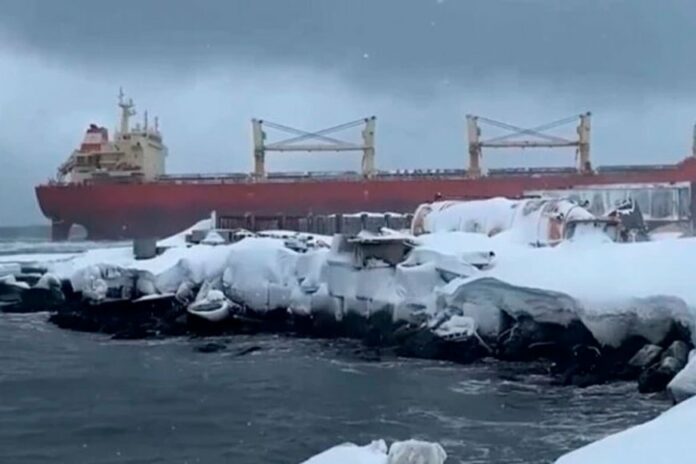
Chinese vessel carrying diesel fuel and oil has crashed near Sakhalin

0

According to local media, the vessel was carrying 56 tons of fuel, 706 tons of oil, and 1000 tons of coal and sustained a hole in the Nevelsk district. There are 20 crew members on board.

It is noted that it is currently unclear how serious the hole is, as the Chinese crew cannot clearly explain the scale of the problem due to translation issues.

Limarenko stated that rescuers cannot approach the vessel due to a strong storm. Therefore, a decision on unloading or removing it from the shallows will be made when the weather improves.

Preliminarily, the crew is not in danger, there is a reserve of water and food, and no medical assistance is needed.

In Russia, as always, they assure that there is currently no fuel spill.

On December 15, in the Kerch Strait area during stormy conditions, a significant amount of oil was spilled into the sea as a result of the accident of Russian tankers, which continues to spread across the waters of the Black Sea.

It is known that oil products have polluted over 50 km of coastline, including the southern coast of Ukrainian Crimea, the waters of the Kerch Strait, the Black Sea, and the coastline of Russia near Anapa.

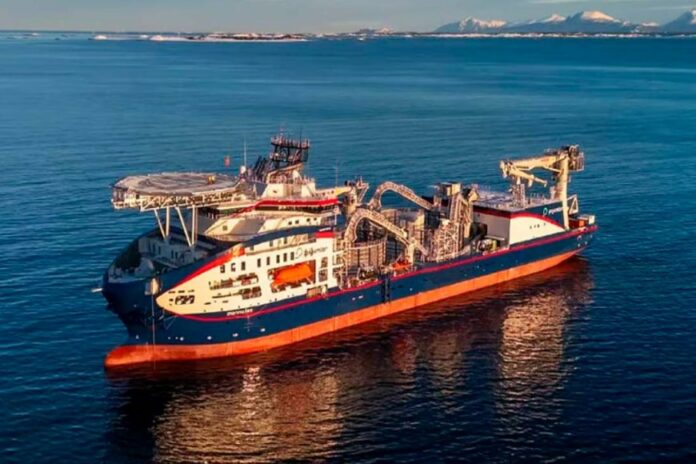
Prysmian takes delivery of advanced cable-laying vessel Monna Lisa

0

Built by Fincantieri subsidiary Vard, Monna Lisa is a sister vessel of Leonardo Da Vinci, which was handed over in 2021.

Like Leonardo Da Vinci, Monna Lisa has two massive cable-carrying carousels with capacities of 7,000 tonnes and 10,000 tonnes, respectively, which Prysmian claims is the highest carousel capacity in the market. This attribute ensures reduced transportation time from the factory to the installation site to ensure improved overall project efficiency.

A pick-up arm with a dedicated motor is meanwhile used to deploy the cables from the carousels.

All cable handling and installation equipment has been designed by Prysmian to guarantee compatibility with the vessel. The equipment is optimised for simultaneous lay and burial or post-lay burial operations, dependent upon project requirements.

The vessel’s hybrid power system meanwhile consists of diesel generators and an energy storage system.

Monna Lisa’s first deployment will be in the UK, where it will install HVDC cables for the Eastern Green Link 2 project.

VIKING Life-Saving Equipment celebrates opening of new boat factory

0

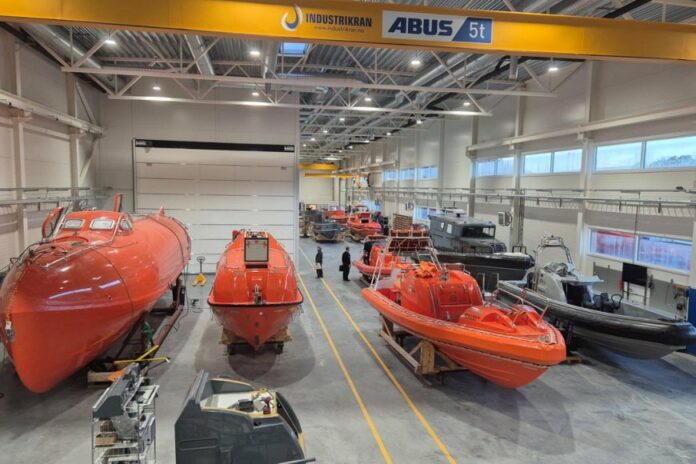
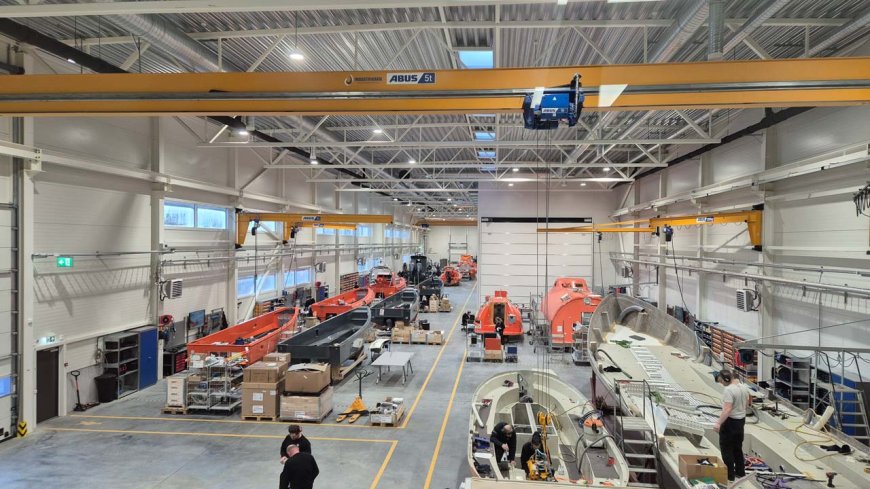
VIKING Life-Saving Equipment is strengthening its position in boat manufacturing by investing in a new state-of-the-art manufacturing facility in Arendal, Norway. 

As the market leader in lifeboats and fast rescue boats for the commercial shipping, offshore, and defense segments, VIKING has existing boat manufacturing facilities in China, Greece, and Norway. The new investment ensures the company is well-placed to strengthen its position within its target markets.

Odd Ivar Støle, Sr. Director Manufacturing, VIKING Norway and Greece, commented:

“Our new facility allows us to drive our innovation agenda and expand our product portfolio even further. From a strategic shoreside location, we will have all the capabilities we need for developing and engineering the boats as well as thoroughly testing them at sea.”

With 175 employees at its main location in Arendal and a total of 320 employees working at six other locations, VIKING has a significant presence in Norway. Støle expects the new factory to further establish the company’s Arendal base as its center of excellence for lifeboats and davits.

“With the new facilities, we will improve efficiency and the working environment for our employees,” he said. “The building is also energy efficient due to the use of energy wells in the ground, which will reduce energy consumption by up to 70% compared with the previous factory. We are very happy to be able to utilize this excellent building.”

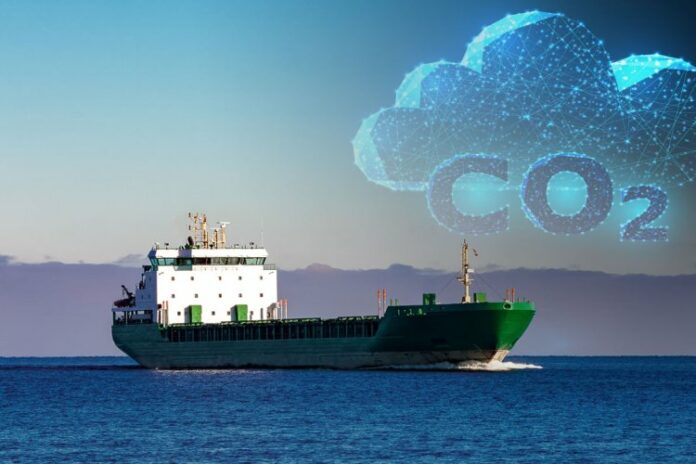
CO2 storage on the Norwegian shelf could become a new industry

0

“The NCS is very attractive for safe CO2 storage,” says Ann Helen Hansen, CCS coordinator in the Norwegian Offshore Directorate. Four exploration licences were granted in 2024, and offers were extended for two exploration licences, making last year the most prolific to date when it

“Safe and prudent storage of CO2 could become a new industry that can build on the experience we’ve gained from the oil and gas industry. There are environmental measures here that offer good earning opportunities for the companies,” says Hansen.

When the last two offered licences are finally awarded, this will amount to a total of 13 licences to store CO2 on the NCS.

Hansen highlights three things in particular that make the NCS attractive:

  • Storage experience from the Sleipner and Snøhvit fields has provided invaluable knowledge about safe storage.
  • The Norwegian shelf, particularly the North Sea, is mature. Here, data and information have been collected over many years, and much of this data is available to the public.
  • We also have a regulatory framework in place, which means predictable terms and conditions.

If all ongoing projects are realised, as much as 2 billion tonnes of CO2 could be stored on the NCS. The storage potential in these areas amounts to nearly 10 billion tonnes.

How much can actually be stored depends on a number of factors, such as information from further mapping, access to CO2 in the market, and which development solution is ultimately selected for the project.

“We see that the projects are working diligently to achieve further maturation, and we believe there will be a very high activity level in 2025, with multiple milestones in the projects and new awards,” says Hansen.

Several types of development solutions are being considered in the projects: Onshore facilities where ships transport CO2 to the facilities on land for interim storage and further transport via pipelines to the storage location, direct injection from ships, as well as pipelines from Europe.

Fincantieri secures Norwegian Cruise Line Holdings four-cruise-ship order

0

Fincantieri has announced that the Letter of Intent signed with Norwegian Cruise Line Holdings Ltd. (NCLH) and announced on April 8, 2024 has been transformed into a firm order for the construction of four new cruise ships, destined for the Norwegian Cruise Line (NCL) brand.

The value of this agreement, subject to financing and other typical terms and conditions, is considered very important.

With a gross tonnage of approximately 226,000 tons, the new units will be the largest ever built for NCL. The ships will be built at the Fincantieri Monfalcone shipyard, with the first unit to be delivered in 2030 and the others to follow in 2032, 2034, and 2036. With over 5,100 berths, the ships will be able to accommodate over 8,300 people, including crew. Designed according to the highest standards of comfort and technology these ships will also include sustainability features.

Fincantieri has already built two ships for the NCL brand, “Norwegian Prima” and “Norwegian Viva”, while “Norwegian Aqua”, the first unit of the Prima Plus class, will be delivered in the coming months. In addition, three other units are in various stages of design and construction.

Denmark to Intensify Scrutiny of Russia Shadow-Fleet Tankers

0

Denmark will ramp up inspections of ships transporting Russian oil through its narrow straits, in an effort to protect the environment and maritime safety from older vessels in Moscow’s shadow fleet.

The Danish Maritime Authority will start conducting so-called Port State Control checks on ships anchored outside Skagen that “cannot be considered in innocent passage,” according to a statement. The controls will ensure ships comply with regulations on maritime safety, environmental protection and seafarers’ welfare.

The authority said that the initiative comes in response to increased activity of older vessels transporting oil through Danish waters. Previously Denmark would only carry out such inspections if a ship called at a port, which shadow fleet tankers have rarely done.

It marks a significant change in policy for Denmark, which has long maintained that it wouldn’t interfere with Russian ships passing through its waters due to a treaty dating back to 1857 that allows for free passage of ships transiting the Danish straits.

The UK began challenging vessels sailing through the English Channel late last year over their insurance accreditation, while concerns over shadow fleet vessels in the Baltic Sea have been mounting after a spate of incidents where ships have damaged subsea cables.

Russia assembled a fleet of about 700 ships to help keep its oil moving in the face of western sanctions, but many operate with opaque ownership structures, calling safety standards into question. Tankers transporting Russian oil are also increasingly refusing to use specialist pilots to guide them through the Danish straits, raising the risk of an oil spill off the country’s coast. 

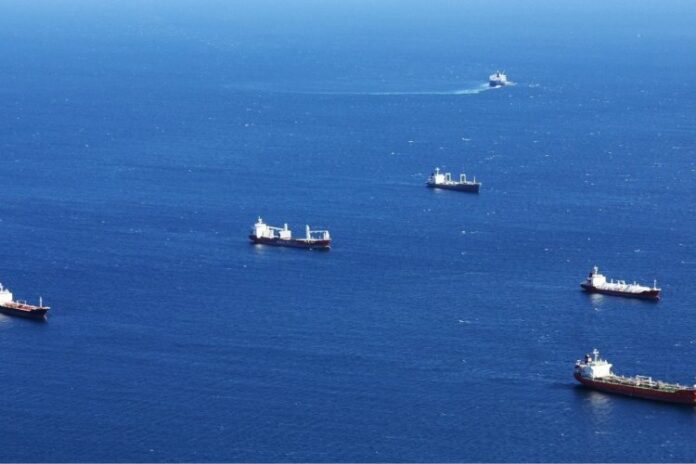
Denmark’s narrow straits are a critical trade artery through which Russian oil has flowed largely unrestrained since the start of the attack on Ukraine, helping fund President Vladimir Putin’s war economy. En route, many of the tankers anchor outside Skagen in northern Denmark, with some vessels seen staying there for weeks or months.

Denmark is in talks with other European countries on how to address the shadow fleet. In December, it agreed to introduce checks on insurance policies of passing tankers, which could be followed with more tangible action for ships that lack adequate cover. Still, Copenhagen says the problem requires joint solutions and any new measures must be in line with international law.

The port state control measures will prioritize the tankers given their “high risk profile,” the Danish Maritime Authority said, adding that accidents involving such vessels could have “particularly severe consequences for safety, health and the environment.”

Finland last month carried out an inspection of a shadow fleet vessel that damaged an undersea cables in the Baltic Sea, finding it had 32 faults and not seaworthy.

Source: Bloomberg

Inmarsat signs expanded agreement with Maersk to enhance global fleet connectivity

0

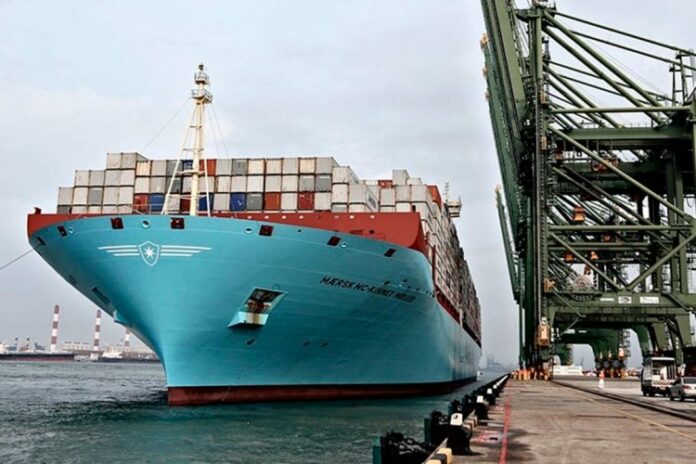
A.P. Moller – Maersk (Maersk), one of the world’s largest containership operators, and Inmarsat Maritime, a Viasat company, have signed an agreement to upgrade Inmarsat satellite communications services across Maersk’s global fleet of approximately 340 container ships. The agreement will see bandwidth enhancements rolled out across Maersk’s entire fleet of owned container ships between 2025 and 2026.

These upgrades are part of Maersk’s strategic roadmap to facilitate unified connectivity and transforms its vessels into fully operational floating offices as well as providing crews with improved connectivity. The concept of ‘floating office’ is aimed at revolutionising vessel operations through an advanced digitalisation strategy, expanded cloud-enabled solutions, and a more cohesive operational infrastructure, enabling future advancements in automation-focused operations and potentially autonomous operations as well.

Inmarsat Maritime’s future-proofed connectivity service combines Ka-band and ultra-resilient L-band networks, providing global, always-on, reliable and secure connectivity for Maersk’s fleet, essential for transforming vessels into both floating offices and floating homes for seafarers.

Karthikeyan Arumugam, Senior Product Manager at Maersk said: “Connectivity is the key enabler in ensuring our vessels can become floating offices, and with our “One SatCom” project we have the target of having transformed all our vessels into floating offices by 2027. The partnership with Inmarsat Maritime plays an important role in enriching application availability and performance – thereby supporting our digital transformation at sea. No less important, it also fosters a better working environment and well-being for our crew members – ensuring that our vessels are not only workplaces but also connected homes away from home.”

Ben Palmer OBE, President, Inmarsat Maritime said: “Our long-term partnership with Maersk is tailored to meet the evolving demands for maritime connectivity. Our connectivity solutions are designed to integrate seamlessly with Maersk’s operational framework, ensuring a robust, secure, and continuous flow of information between ship and shore. This expanded agreement is a testament to our commitment to enabling strategic outcomes through superior connectivity solutions.”

The long-term partnership with Inmarsat Maritime reflects Maersk’s ongoing dedication to leading the industry in operational excellence and innovation. By establishing a new benchmark in maritime connectivity, Maersk and Inmarsat Maritime are paving the way for a more interconnected and efficient future in global shipping.

Heavy lift installation vessel Svanen installs first monopile at Baltic Power wind farm

0

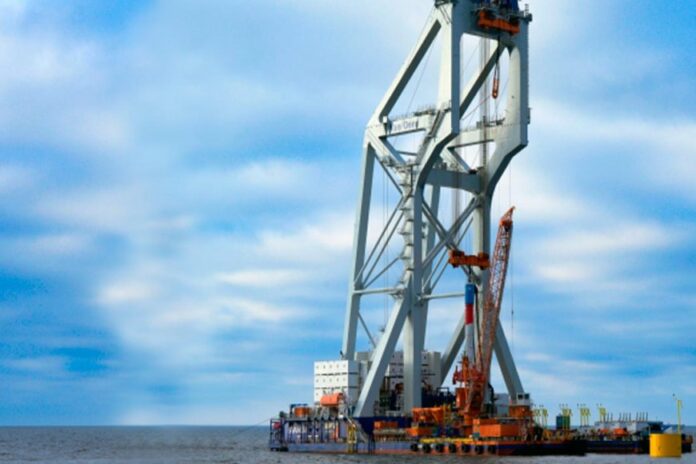
The wind farm features the new generation of wind turbines, with a generating capacity of 15 megawatts. After a recent upgrade, including an extension of its gantry crane by 25 metres, the Svanen is ready to install the foundations for this new generation of wind turbines.  

Offshore wind farms in the Baltic Sea play a key role in Poland’s energy transition and are helping to improve the country’s energy security. Baltic Power is Van Oord’s first offshore wind project in Poland. Developers ORLEN and Northland Power contracted Van Oord for the transport and installation of 78 foundations, consisting of a monopile fitted with a transition piece. With a production capacity of up to 1.2 gigawatts, the Baltic Power offshore wind farm is expected to ultimately supply renewable energy to more than 1.5 million households in Poland. The wind farm is expected to be completed in 2026. 

The Svanen has recently undergone a major upgrade. Among other improvements, the gantry crane has been extended by 25 metres, making it one of the largest heavy lift installation vessels worldwide. As wind farm technology evolves to meet the growing global demand for renewable energy, turbines and their foundations are becoming increasingly larger.

Thanks to this upgrade, Van Oord is well equipped to handle this increase in scale. The Svanen has an extensive track record and has already installed the vast majority of monopiles for offshore wind projects in the Baltic Sea. Besides its impressive lifting height and significant lifting capacity, the vessel’s limited draught makes it well suited for projects in this region. The Svanen has already played a leading role in several Baltic projects, including Danish Kriegers Flak, Baltic 2, Arkona and Baltic Eagle.  

Aker BP ASA and its partners drill a dry well in the North Sea

0

Wildcat well 35/6-5 S is located in production licence 1110, which was part of the awards in predefined areas (APA) 2020, announced in February 2021.

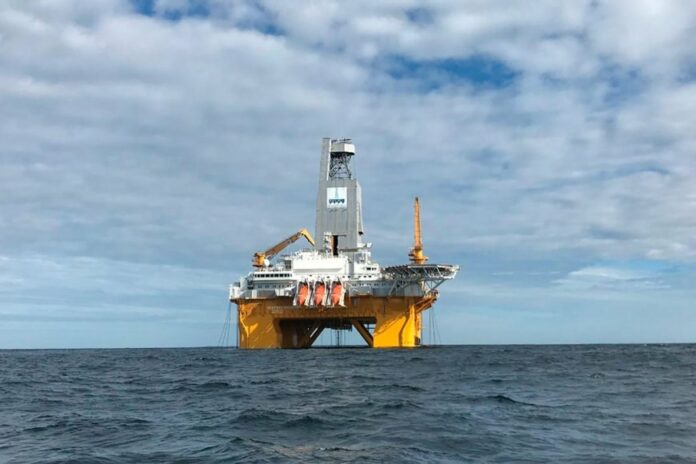
This was the first well in the licence, and it was drilled by the Odfjell rig Deepsea Nordkapp.

The drilling was carried out north of the Gjøa field. There has been significant interest in this area in recent years, and several production licences have been awarded here.

The objective of the well was to prove petroleum in Lower Cretaceous reservoir rocks in the Agat Formation.

The well encountered the Agat Formation with a total depth of 176 metres, of which a total of 97 metres consisted of sandstone layers with poor to moderate reservoir quality. The well is classified as dry.

Well 35/6-5 S was drilled to a vertical depth of 3933 metres below sea level, and was terminated in the Åsgard Formation in the Lower Cretaceous.

Water depth at the site is 332 metres. The well has been permanently plugged and abandoned.

Alfa Laval to acquire NRG Marine to advance innovative anti-fouling technology

0

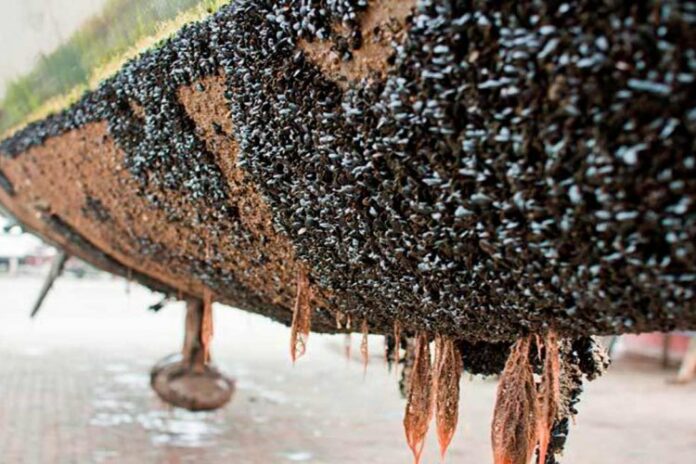
Alfa Laval has signed an agreement to acquire NRG Marine, a leading provider of ultrasonic anti-fouling solutions for marine, oil and gas, and industrial applications, which is headquartered in the United Kingdom. The acquisition aims to leverage the increased use of innovative ultrasonic anti-fouling technology, which is poised to increase in demand across significant industries.

The move enables Alfa Laval to extend its portfolio to innovative new technologies.  Ultrasonic anti-fouling has many advantages compared to other technologies as it is considered more sustainable and in line with expected future legislation – something which is growing in importance for Alfa Laval’s customer segments.

“In the race to net zero, solutions that enhance energy efficiency and operational performance are more essential than ever,” says Sameer Kalra, President of the Marine Division at Alfa Laval. “The inclusion of ultrasonic anti-fouling technology into our portfolio is another addition to our decarbonization toolbox. By addressing the critical problem of biofouling with this advanced technique, we will enable our customers to meet both business and environmental objectives.”

NRG Marine’s technology uses ultrasonic microscopic bubbles to cause agitation to reduce fouling and hamper the rebuild of new deposits. This effective and proven method reduces biofouling, scaling, sludge and deposits on critical components, with significant operational and environmental benefits for marine, oil and gas, and other industrial markets.