-2.5 C
New York
Home Blog Page 855

Third generation coal carrier enters service for Tohoku Electric Power

0

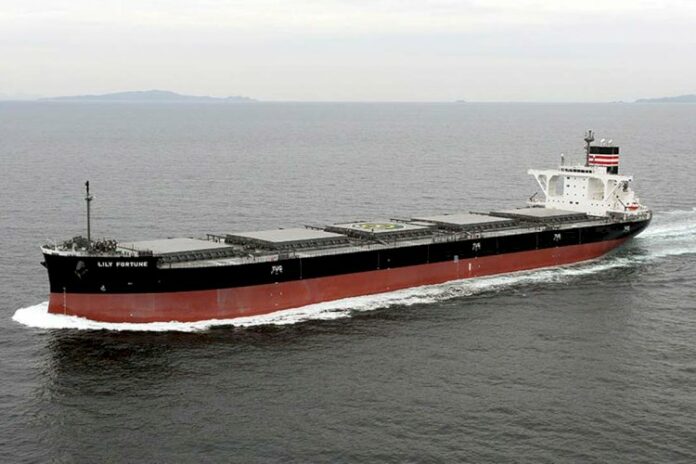
On May 14, a new coal carrier, Lily Fortune, was delivered at Oshima Shipbuilding Co. Ltd. (Saikai city, Nagasaki prefecture).

The new coal carrier is the third ship to take the Lily Fortune name, which derives from the white lily, the symbolic flower of the former city of Haramachi in Fukushima prefecture. (Today, Haramachi is a ward in the city of Minamisoma.) The vessel will transport coal to coal-fired power plants of Tohoku Electric Power mainly from Australia and Indonesia to generate electricity for Japan’s Tohoku region.

The transport provided by NYK will have less of an environmental impact because this vessel comes equipped with a scrubber system* that is compliant with the International Maritime Organization’s more stringent SOx emission regulation that became effective in January.

In addition, the new Lily Fortune is expected to reduce CO2 emissions by approximately 4% compared to a standard coal carrier through the use of energy-saving devices such as an advanced rudder bulb and fixed fins that improve water flow generated at the aft-end of the vessel.

In accordance with its medium-term management plan “Staying Ahead 2022 with Digitalization and Green” announced in 2018, NYK continues to contribute to a stable energy supply for local society through the operation of environment-friendly ships, thus realizing the sustainable creation of new corporate and social value.
Yang Ming holds naming ceremony for 2,800 TEU new ships

0

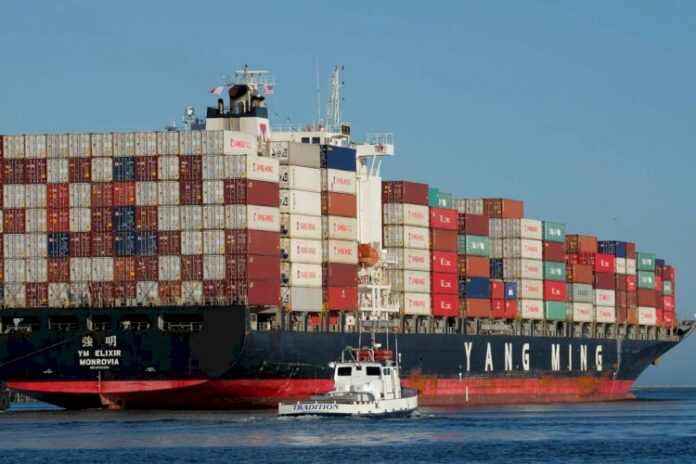
Yang Ming Marine Transport Corp.(Yang Ming) held the naming ceremony for two of its 2,800 TEU class full container vessels ‘YM Celebrity’ & ‘YM Continent’ at CSBC’s Kaohsiung shipyard on May 20th.

The ceremony was officiated jointly by Yang Ming Chairman Bronson Hsieh and CSBC Corporation Chairman Cheng Wen-Lon. Mrs. Yang Yu-Chen, wife of Yang Ming Executive Vice President Michael Shih, and Mrs. Hung Ya-Lun, wife of Yang Ming Executive Vice President Patrick Tu, had the honor to officially name the two ships respectively during the ceremony.

The series of ten 2,800 TEU full container vessels constructed at CSBC shipyard is expected to be delivered and added to Yang Ming’s fleet from this May throughout the second quarter of 2021. This type of vessels has a nominal capacity of 2,940 TEU and is equipped with 353 plugs for reefer containers.

With a length of 209.75 meters, a width of 32.8 meters, a draft of 11.2 meters, the ships are designed to cruise at a speed up to 21 knots. The new vessels adopt the energy-saving Sea Sword Bow technology and the exclusive Full Spade Rubber design to offer greater operational efficiency and eco-friendly advantages. The newbuildings are equipped with Total Watch System (multifunction workstation for Radar/Chart radar/ECDIS/Conning/Route planning) to enable safer and more efficient navigation. In addition, they also have global satellite broadband and network layout capabilities which will enable Yang Ming’s global fleet to attain more competitive advantages in environmental protection and fleet management.

In response to the steady growth seen in Asian markets, the new 2,800 TEU vessels are designed with the flexibility to cater for the requirement to call at major ports in the Asian region and will operate in Yang Ming’s Intra-Asia services. These new ships with low fuel consumption features will further reduce the company’s operating costs while replacing older or chartered-in vessels. With the delivery of these vessels, the competitiveness of Yang Ming’s fleet will be greatly optimized.

YM Celebrity and YM Continent will be deployed to Yang Ming’s JTS service and provide efficient delivery service. The port rotation of JTS is Nagoya – Tokyo – Chiba – Yokohama – Keelung – Kaohsiung – Hong Kong – Shekou – Xiamen.

Malta Freeport Terminals upgrades to NAVIS N4 3.7 via remote assistance

0

Amid COVID-19, Malta Freeport Completes N4 Upgrade to Drive RTG Optimization

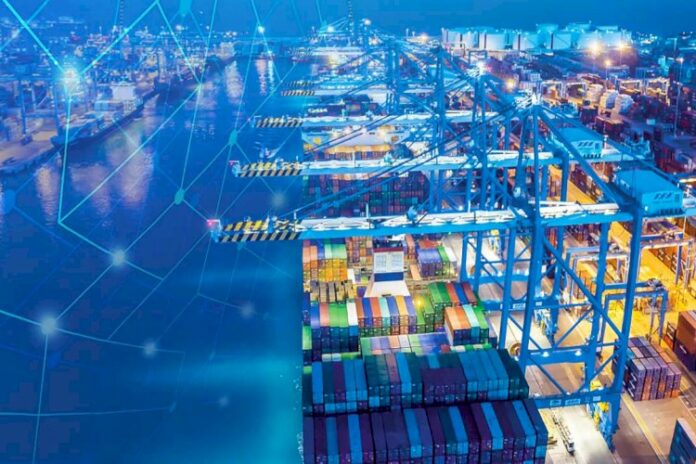
Navis, part of Cargotec Corporation, the provider of operational technologies and services that unlock greater performance and efficiency for leading organizations throughout the global shipping industry, announced today that Malta Freeport Terminals upgraded to N4 3.7 with 100% remote assistance from Navis. Despite COVID-19 forcing travel restrictions around the world, Malta Freeport Terminals was determined to proceed with its business plan and achieve its set goals amidst the pandemic and leveraged remote support from Navis to stick to their timeline.

Strategically located at the center of the Mediterranean, Malta Freeport Terminals (MFT) is one of the busiest container terminals in Europe, handling a trade volume of nearly 3 million TEU annually. In Q4 of 2019, MFT initiated an upgrade project with Navis to implement the latest Equipment Control and RTG Optimization solutions to help move the terminal towards semi-automation operations through N4 3.7. Due to the dedication of both the MFT and Navis teams, the remote upgrade was successfully completed on May 1, 2020, which was right on schedule.

Jesmond Baldacchino, Head of IT at Malta Freeport Terminals, said:

“With the flow of trade being more important than ever, we are constantly looking to invest in cutting-edge ways to improve our services and scale our business. Upgrading to N4 3.7 enables MFT to utilize the new generation of RTG optimization with semi automation features. Ahead of the remote go-live, our team completed a risk assessment to mitigate any potential issues that could arise, and along with the Navis team, determined it was the right course of action to move forward. We are thrilled with the outcome and appreciate the level of support Navis provided us throughout the complete process.”

Chuck Schneider, Chief Customer Officer at Navis, said:

“This is a strategic shift for Navis as a company and proud moment for our team. As a partner to our customers, we want to support them to manage their business more efficiently under any circumstances. Being able to pivot our go-live strategy while still meeting the customer’s deadline for implementation, is a true testament to the dedication of both teams. The success of Malta Freeport has paved the way for other terminals with remote upgrades in these unprecedented times and beyond.”

ABS launches new guide for wind-assisted propulsion systems

0

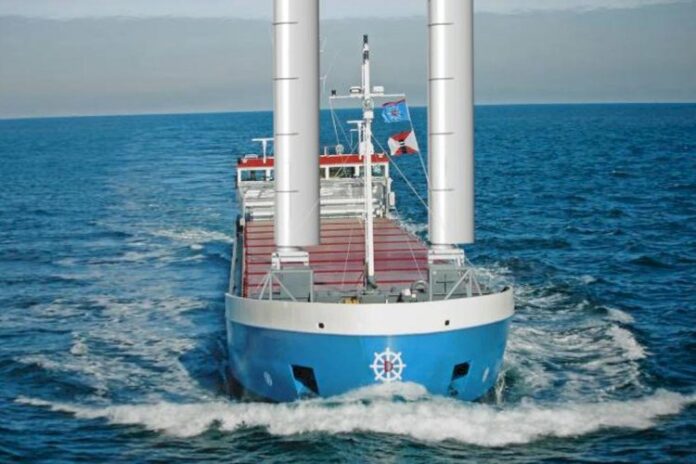
ABS has published the ABS Guide to Wind-Assisted Propulsion System Installation, providing class safety standards when installing wind-assisted systems.

The Guide is applicable to two leading wind-assisted propulsion technologies: Flettner rotors and wing sails, including both rigid and soft sails.

Patrick Ryan, ABS Senior Vice President, Global Engineering and Technology, said:

“Wind-assisted propulsion systems, which use wind thrust to reduce vessel fuel consumption have real potential to contribute to industry decarbonization objectives. ABS is committed to working with industry to integrate this technology safely and efficiently.”

Modern wind-assisted propulsion technology differs from conventional sails in terms of efficiency, smaller windage area, and automatic control systems. New technologies leverage wind thrust and automatic control systems to optimize thrust force generation, adapting to wind conditions.

The guide covers structures, machinery, stability, navigational safety, maneuverability, fire safety, emergency systems, materials and non-destructive testing. It introduces the notations Wind-Assisted in respect of vessel safety and Wind-Assisted+, which additionally addresses the safety of the system and machinery.

Key step in launching the first large scale wind farm in the US

0

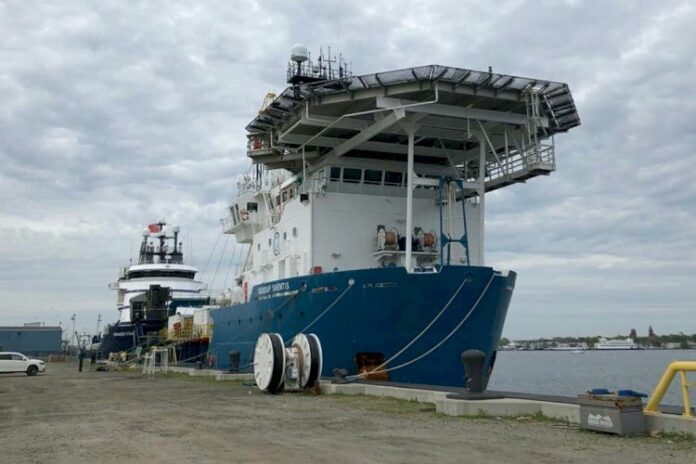
Vineyard Wind has announced that the company has once again partnered with Geoquip Marine to begin geotechnical surveys of the 501 North Federal Lease Area. The site will be the eventual location of Vineyard Wind 1, an 804 megawatt (MW) project that will power roughly 400,000 homes in Massachusetts. Geoquip’s first engagement with Vineyard in 2018 was for a similar extensive geotechnical scope.

Lars Pedersen, CEO of Vineyard Wind, said:

“Getting to this step would have been a milestone under normal circumstances, but to do so now in light of the current pandemic makes reaching this point all the more significant and rewarding. We look forward to working with Geoquip as we begin to gather the data necessary to get the first largescale offshore wind project in the United States up and running.”

Using two separate vessels, Geoquip Marine´s geotechnical experts will gather information on the ground conditions for prospective turbine and substation locations, providing necessary data to the project design. The survey work will be done in two phases, with the first slated to begin in late May and the second to begin in late July.  Work is expected to finish by September this year. 

Rasmus Miller, EPC director of Vineyard Wind, said:

“In order to ensure a timely delivery of Vineyard Wind having geotechnical data as early as possible is key to success. We are very pleased that Geoquip once again has agreed to support us.”

Stewart Higginson CEO of Geoquip Marine said:

“Leading offshore geotechnical survey company Geoquip Marine is proud to be returning once more to Martha’s Vineyard to assist with this survey. We can’t wait to bring our expertise to a project that has such tremendous potential to lower energy costs and drastically cut harmful carbon emissions.” 

The crews are all following enhanced safety precautions to limit any and all exposure to COVID-19, including health and temperature checks prior and during the survey, strict on-boarding procedure, enhanced separation in addition to extensive cleaning and sanitation on each vessel.

Neptune Energy completes Petrel seismic survey offshore Australia

0

The 2,900 km2 survey significantly expanded the area of seismic data Neptune holds and increased the quality and breadth of data.

Initial findings from the survey have been received with the remaining processed data due to be delivered later this year.

Internal analysis and interpretation of the acquired data will allow Neptune and its partners to plan for the future.

Neptune Energy Australia Managing Director, Janet Hann said:

“The safe and successful completion of the survey is testament to the excellent teamwork of Neptune and its partners.

The seismic survey was the first significant investment in this part of the Bonaparte basin in more than five years and it continues to present exciting future growth opportunities for Neptune offshore Australia. Our deeper understanding of the area also positions us well for the upcoming offshore petroleum exploration release later this year.”

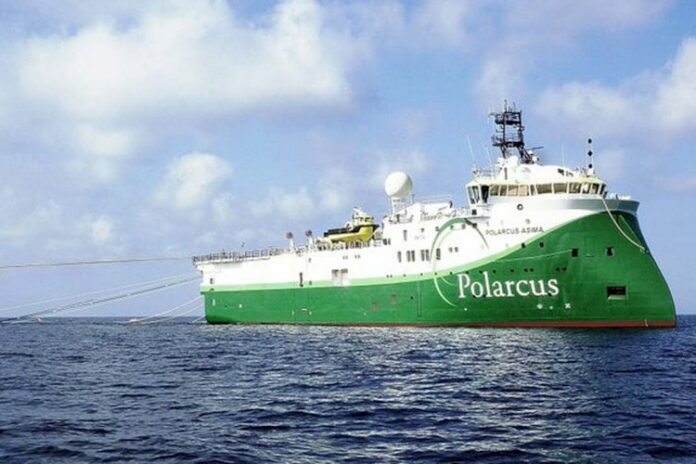
The Polarcus Asima carried out the survey which began towards the end of 2019.

Neptune, on behalf of the Petrel JV, entered into an exclusive data licensing agreement with Polarcus Asia Pacific Pte Ltd, which acquired the Petrelex 3D seismic survey.

Neptune holds 54% of the project and, alongside its partners Santos (40.25%) and Beach Energy (5.75%), invested in new broadband technology over an expanded area to enhance understanding of the potential resources Petrel holds.

Polarcus successfully secured approval for an Environmental Plan allowing acquisition of new 3D multi-client data to be acquired across the field. 

Italian ferry company improves the safety and protection of passengers

0

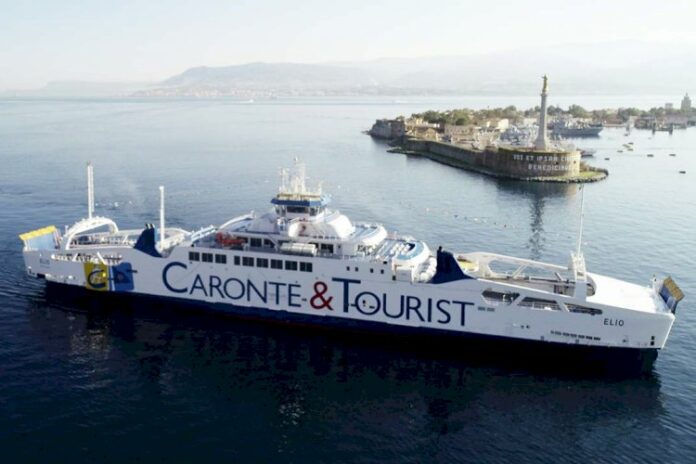
Caronte & Tourist aims to be the first “Covid Free” shipping company in Italy. Recently the ferry company has entrusted RINA Consulting, the consulting engineering arm of the RINA group, with the task of verifying the existing infection risk reduction measures and improving them or proposing new ones in order to allow passengers to travel safely, both across the Strait of Messina and to the small islands around Sicily. The Elio and the Simone Martini are the first ships involved in this process.

Thanks to this operation, which is expected to be completed on the entire fleet by the end of June, the shipowner will provide an environment where the procedures put in place to minimize the infection risk will take into account the standards required by the competent authorities and the relevant best practices. Caronte & Tourist will also rely on the training provided by RINA to the crews. Each ship will be individually examined for its own characteristics.

Vincenzo Franza one of the two Caronte & Tourist CEOs says:

“The social distancing will limit the maximum capacity of passengers on board our ships and modify deeply rooted habits. There will be fixed entry and exit routes and the ships will be literally plastered with signage indicating virtuous anti-contagion behaviours. In addition to the work started with RINA Consulting, we aim to obtain confirmation of the exemption from the ban on staying inside cars for our clients during the crossings over short distances”.

The other CEO Lorenzo Matacena echoes:

“We will have no choice but to ask our customers to make small sacrifices. These sacrifices are, however, duly justified by the certainty of continuing to consider Caronte & Tourist ships safe as they were in the past 55 years. We are fully committed against COVID-19, for the protection of operators and passengers, in a collaborative and continuous effort aimed at ensuring the continuity of a service essential for the communities to which it is addressed”.

Roberto Carpaneto, RINA Consulting CEO, commented:

“The resumption of activities can only take place by protecting public health. A thorough analysis of infection prevention measures and of the rooms, identifying potential scope for improvement, and a crew prepared to minimize human error are liability actions demonstrating the willingness of a sector severely affected by the current situation to restart as soon as possible contributing to the recovery of the economy”.

Caronte & Tourist Group, infact, has put in place, since mid-March, a “Team Covid” that has been dealing with health protection procedures for ship travellers and those who work to make this possible with their daily commitment.

Seven Japanese company establish ‘e5 Consortium’

0

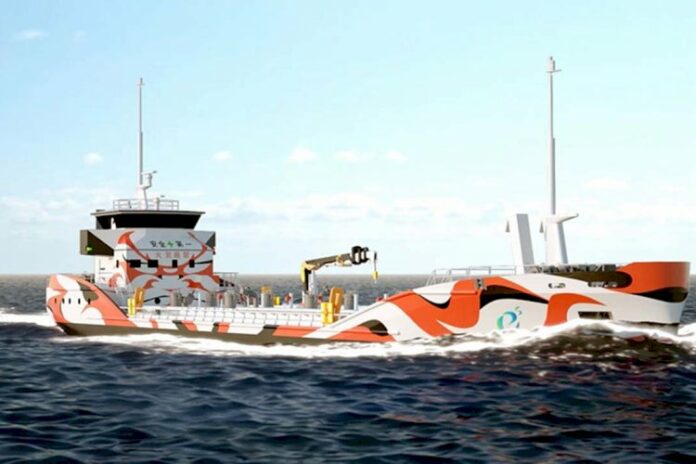
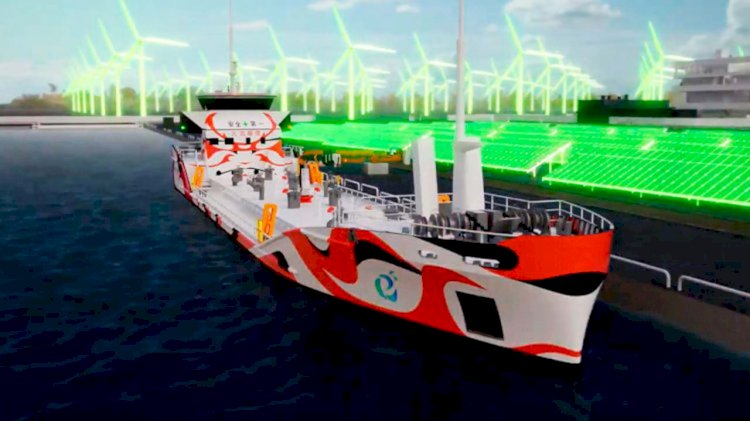
Seven companies – Asahi Tanker Co., Ltd., Idemitsu Kosan Co., Ltd., Exeno Yamamizu Corporation, Mitsui O.S.K. Lines, Ltd., Tokio Marine & Nichido Fire Insurance Co., Ltd., Tokyo Electric Power Company, and Mitsubishi Corporation – today announced establishment of the “e5 Consortium,” with the goal of establishing new ocean shipping infrastructure services through various initiatives to develop, realize, and commercialize zero-emission electric vessels.

Coastal shipping in Japan faces structural issues such as a shortage of mariners due to the aging of the seagoing workforce, not to mention the aging of the vessels. In addition, the ocean shipping industry has urged the coastal shipping industry to reduce emissions of greenhouse gases (GHGs) as one of Japan’s measures to address climate change. The seven e5 Consortium corporate members are focusing their attention on fulfilling the potential of electric vessels to solve these urgent issues. The consortium aims to establish a platform that offers innovative ocean shipping infrastructure services based on electric vessels bringing to bear the strength, technological know-how, networks, and other advantages of each member company.

As the first phrase of the project, the consortium plans to launch the world’s first zero-emission electric tanker, powered by large-capacity lithium ion batteries, in March 2022.

e5 Lab. Inc. will serve as the executive office of the e5 Consortium.

The e5 Consortium will promote the sustainable growth of coastal shipping in Japan and contribute to the nation’s social and economic development by providing added value to the coastal shipping industry through the development and introduction of advanced vessels.

GTIS extends terminal towage contract with Svitzer in St. Eustatius

0

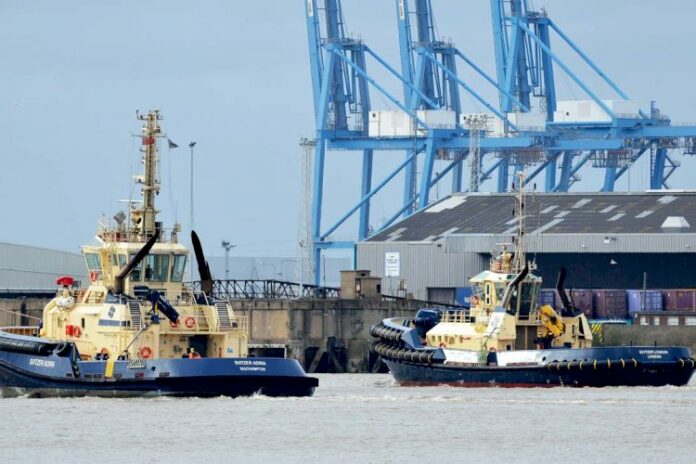
Svitzer has announced a three-year extension of their marine service contract with GTI Statia (“GTIS”), one of the largest independent crude and refined product storage terminals serving the U.S. Gulf Coast and Caribbean markets. 

The extension that went into effect on 1 March 2020 supports GTI Statia’s storage facility with two tugs performing berthing and unberthings for tankers as well as various safety standby services. This contract is in addition to the tug and barge contract that Svitzer holds to support the terminal’s operational needs.

GTI Statia, located on the island of St. Eustatius, is comprised of 60 commercial tanks with extensive marine infrastructure and a total storage capacity of 14 million barrels that can store various grades of crude and refined petroleum products. Furthermore, the facility safely handles more than 90 million barrels of products per year. 

John Roller, President and CEO of GTI Statia said:

“GTI Statia is pleased to continue our long standing relationship with Svitzer.  Svitzer is a world class organization and has proven to be aligned with GTI Staita in operating safely, providing value to our Customers and giving back in the St. Eustatius community. We look forward to enhancing our partnership over the next three years.”

Commenting on the extension, Arjen Van Dijk, Managing Director, Svitzer Americas, said: 

“We are very pleased that GTI Statia has chosen Svitzer as their preferred marine services partner for three more years. We are equally very proud of the strong and solid relationship we have with GTI Statia and we look forward to continuing working with them. At Svitzer, we are continuously looking to stabilise and expand our operations and we are committed to support our customers and determined to grow our business in the region over the coming years. Our strategy for the Americas is to pursue further growth within a careful selection of projects and ports that fit our portfolio and capabilities well, and where our multi-local presence will make us a more efficient and reliable partner to our customers.”

With this agreement, Svitzer delivers on its promise of commitment to customers and operations in the Caribbean while positioning them well to grow their regional presence over the coming years. In the Americas region, Svitzer employs 835 people, delivering marine services to global and regional customers across 14 countries.

LNG fuel tanks have been installed on a next-generation car carrier

0

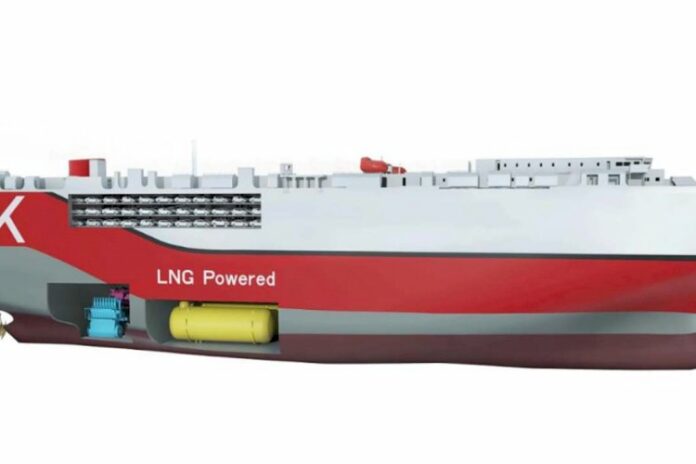
In December 2018, Kawasaki Kisen Kaisha, Ltd. (“K” Line) placed an order for a car carrier vessel fueled by LNG (liquefied natural gas) with Imabari Shipbuilding Co., Ltd. as a next-generation car carrier vessel with reduced environmental load. The construction is currently on going with estimated delivery within 2020 fiscal year.

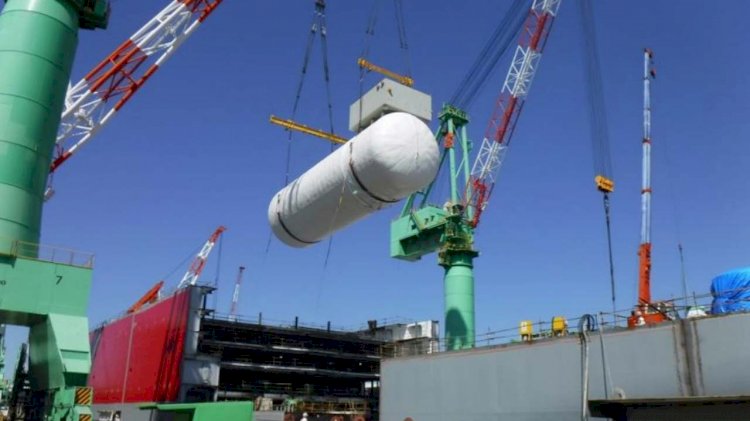
LNG fuel tanks have been installed on a car carrier which is under construction at Tadotsu Shipyard Co.,Ltd. (Imabari Shipbuilding Group).

The vessel is equipped with a Dual-Fuel Diesel Engine (Mitsui MAN B&W ME-GI), and the Fuel Gas Supply System (FGSS) engineered by TGE Marine Gas Engineering GmbH of Mitsui E&S Group. The FGSS is composed of LNG fuel tank and high-pressure pump.

The LNG fuel tank on the vessel is an independent tank of type C, which allows the design pressure to be set higher than other types of LNG fuel tanks. Because the boiling point of methane which is the main component of LNG is -161.5℃, LNG is constantly vaporized due to heat input from outside of the tank. Therefore the tank pressure is increased by the vaporized gas inside of the tank. The type C independent tank allows vaporized gas to be kept in the tank for a relatively longer period of time.

LNG-fueled ship will be a next-generation environmental-friendly car carrier vessel for achieving these goals.