2.6 C
New York
Home Blog Page 844

Research: Ocean warming will soon affect marine communities in the deep ocean

0

The global team included Prof Michael Burrows of SAMS in Oban and comprised leaders in climate-change ecology and conservation science. They sought to find out how ocean life is responding to climate change in our deep oceans. The research has been published in Nature Climate Change.

Because the surface ocean is presently warming much faster than deeper waters, there is a perception that deep-water biodiversity might be less at risk from climate change but the research shows it is only a matter of time before the deep ocean no longer offers such protection.

Prof Burrows said:

“As the climate warms, species in near-surface waters – that is, the top 200 metres – respond either by exhibiting stress responses, like the repeated coral bleaching on the Great Barrier Reef, or more commonly for most species, by rapidly moving toward the poles.

Climate warming in the deep ocean has been slower than at the surface, so far, but is projected to catch up in coming decades. Building on previous SAMS-led work, our study shows that further warming will mean that deep ocean species will have to shift far to keep pace with their preferred temperatures. That would lead to big changes in deep ocean biodiversity.”

The team used a metric known as climate velocity that describes the likely speed and direction of species’ range shifts as the ocean warms.

Report lead author Mr Brito-Morales said:

“We calculated climate velocity throughout the ocean for the past 50 years and for the rest of the century using data from 11 climate models.

This allowed us to compare the climate velocity for each of four ocean depth zones, assessing in which zones biodiversity could shift their distribution the most in response to climate change.

We then used this information to evaluate how biodiversity in large open-ocean protected areas could be impacted by warming across the depth zones.”
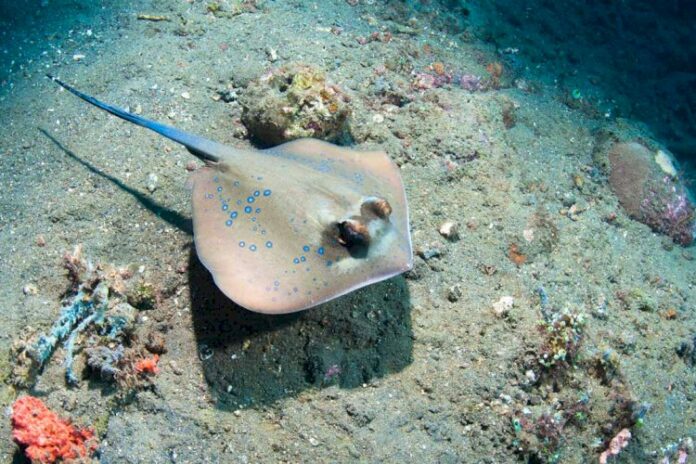
The researchers discovered that, as expected, climate velocity is currently twice as fast at the surface because of greater surface warming, implying deeper-living species are likely to be less at risk from climate change than those at the surface.

However, by 2100, assuming a high-emissions future, there is not only much greater surface warming, but this warmth will have penetrated much deeper. Climate velocities at the surface will be seven times faster than they are now. In waters between a depth of 200 and 1000 metres, climate velocities accelerate to 11 times their present rate.

Not only is climate velocity moving at different speeds at different depths in the ocean, but also in different directions, posing huge challenges to the ways we design protected areas.

Mr Brito-Morales and the team said that it was clear that action must be taken to aggressively manage carbon emissions.
New tests into degassing barges in North Sea Port successful

0

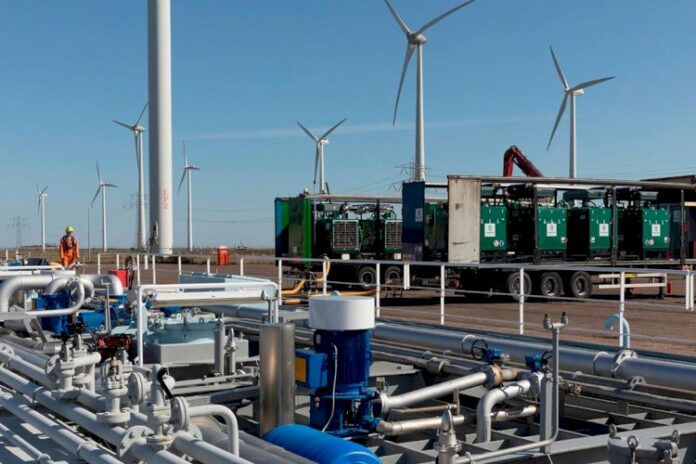
The aim is to enable inland tankers to process residual vapours safely and in a controlled manner with a newly developed installation. The initial tests were successful.

The industry has already achieved a significant reduction in emissions in recent years by introducing ’dedicated and compatible’ sailing, eliminating the need for degassing. However, this is not in itself sufficient to avoid degassing completely. In 2020, the prohibitions will therefore be gradually extended to a national ban that will reduce emissions of these harmful substances by 98%.

Degassing a vessel while sailing along inland waterways is bad for air quality, for the health of local residents and for people who work with these substances. Since 2015, the provinces of Zeeland, Noord-Brabant, Zuid-Holland, Utrecht, Noord-Holland, Gelderland and Flevoland have already introduced bans on the degassing of benzene and substances containing benzene.

The aim of the tests is to achieve cleaner air along the waterways with the help of innovative technologies. The tests at North Sea Port went well. The functioning of the equipment was monitored throughout the testing procedure.

These tests are the first of a series with different types of installations being rolled out in the ports of North Sea Port, Rotterdam and Amsterdam. The measurements are being conducted by an independent agency that will determine which installations meet the strictest requirements and where improvements are still needed. The results of the trials will be evaluated by the ‘degassing while sailing taskforce’, which will then advise the responsible Dutch minister on the further construction of the infrastructure.

The test in Zeeland is being supported by Shell Chemicals Europe. The site in Vlissingen has been provided by North Sea Port as part of its aim of achieving a more sustainable port. The province of Zeeland supports the project. Zeeland also currently holds the chairmanship of the national ‘degassing while sailing taskforce’. GreenPoint Maritime Services is supplying the vapour processing installation being used in the tests. 

The Dutch Minister of Infrastructure and Water Management, Cora van Nieuwenhuizen, set up a ‘degassing while sailing taskforce’ in 2018 in order to ensure the smooth implementation of the national ban. From this year, the task force has been chaired by Dick van der Velde, a member of the Zeeland provincial executive. The task force includes representatives of central government, the provinces, ports, shippers, hauliers, storage companies and vapour processing firms. In order to facilitate the introduction of the national ban, it is important to build up an infrastructure consisting of innovative installations capable of processing or reusing the vapour cargo residues.

First contract for subsea innovation from Kongsberg

0

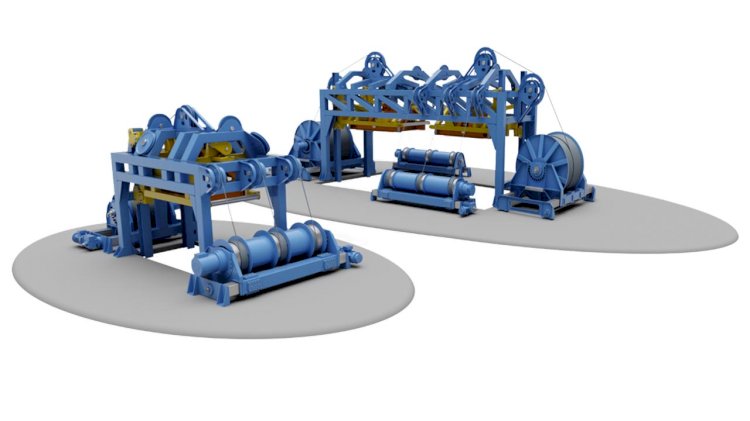
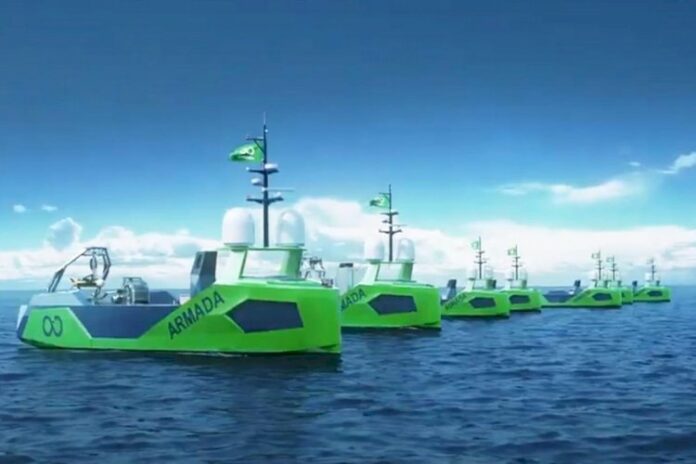
The contract has been signed with Ocean Infinity, who will install the system on their Armada fleet of cutting-edge robotic ships.

KONGSBERG’s LARS is an essential component in a system designed to ensure that no people are required at sea while carrying out subsea operations. This innovation enables the deployment of remotely operated vehicles (ROVs) and autonomous underwater vehicles (AUVs) by teams based onshore.

The system uses a pure electric drive system, making it more environmentally sustainable and significantly reducing the need for maintenance. Launch & recovery will happen through the moon pool, with the release and capture of the ROV occurring beneath the sea surface. This eliminates the possibility of damage to the ROV from impact with the vessel hull. Another benefit is that launching and recovery can be carried out in higher sea states.

Photo: Kongsberg Maritime

Lisa Edvardsen Haugan, Executive Vice President, Deck Machinery & Motion Control, Kongsberg Maritime, says:

“The new LARS solution is developed in close collaboration with the Ocean Infinity team. It benefits from a unique combination of our advanced subsea technologies, reinforced with years of accumulated offshore expertise. We believe this will be a game changer. The safety of ROV operations will be dramatically increased through the use of this system. We expect to see more companies transition to using unmanned vessels to reduce operational costs and increase safety.”

Offshore wind expenditure set to match upstream oil and gas in Europe in 2021

0

The oil market collapse caused by the Covid-19 pandemic is set to delay several oil and gas developments in Western Europe, putting capital expenditure in the offshore sector on a continued downwards trajectory through 2022.

In light of the postponement of multiple final investment decisions (FIDs) on projects and lower investments in offshore oil and gas, coupled with increasing activity in the offshore wind sector, Rystad Energy expects that the two markets will reach parity as soon as next year. Capital expenditure (capex) on offshore wind will surpass upstream O&G spending in Europe in 2022.

Capex towards offshore wind in Europe surpassed the $10 billion mark in 2015 and has since hovered in the range of $10 billion to $15 billion per year. Annual capex levels are expected to rise from around $11.1 billion in 2019 to around $13.8 billion in 2020, $18.2 billion in 2021 and more than $22 billion in 2022.

The abundant oil supply and reduced demand have taken their toll on the oil price, and consequently annual capex towards upstream offshore oil and gas in Europe is expected to decline from more than $25 billion in 2019 to less than $17 billion in 2022.

Alexander Flotre, Rystad Energy’s project manager for offshore wind, says:

“Offshore wind development in Europe is expected to flourish in the coming years as countries strive to reach their ambitious 2030-targets – and large investments will be required.

Commissioning activity is expected to increase towards 2025, and projects expected to be operational in 2023-2025 are already driving up capital expenditure in 2020. This trend will continue in the coming years.”

Historically, Europe has been the key market for offshore wind development, accounting for almost 80% of global installed capacity at the end of 2019. While strong growth is expected in China, South East Asia and the US in the years to come, Europe is expected to maintain its number one position through 2025 in terms installed capacity.

From an installed base of 21.9 gigawatts (GW) in 2019, European capacity is expected to increase to more than 53 GW by 2025, constituting an annual growth rate of 16%. While Europe’s ambitious plans for 2030 will require new tender rounds in the coming years, most of the commissioning activity towards 2025 is expected to come from projects that have already been approved.

The UK is the largest country in Europe in terms of offshore wind capacity and is expected to drive a big portion of the growth towards 2025, with mega-projects such as Dogger Bank, Sofia and additional Hornsea phases currently on the cards, among others. Other established countries such as the Netherlands, Germany, Belgium and Denmark are also expected to contribute to the increased spending levels, while newcomers such as France and Poland will add to the growth in the 2023 to 2025 period.

Flotre concludes:

“Many service companies have already transitioned towards concentrating increasingly on offshore wind activities, compared to their legacy oil and gas business. For these players, the growth in the offshore wind market provides a well-timed cushion that softens the blow of declining investments in the traditional oilfield services sector.“ 

Jan De Nul starts works in Taiwan for the Formosa 2 Offshore Wind Farm

0

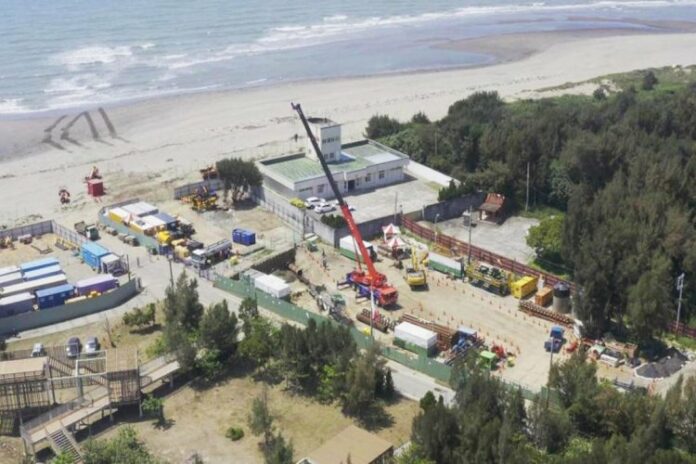
These works are executed in close cooperation with the local supply chain. Offshore installation works will commence later this year.

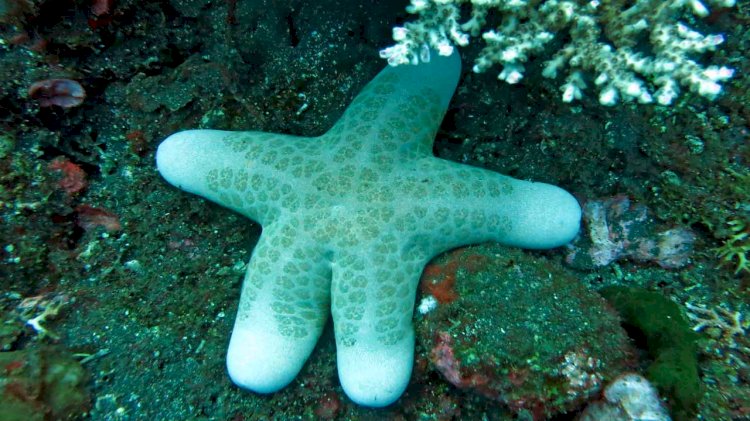
At the landfall site in Miaoli County, the nearshore pre-trenching works and Horizontal Directional Drilling (HDD) from shore have commenced. In total, four HDDs will be drilled at the landfall site. For pre-trenching near HDD exits, the configuration of in-house developed Starfish excavators was specifically adapted to suit Taiwanese Offshore Wind Projects. All these works are being executed in compliance with the environmental regulations. Moreover, the Jan De Nul teams performed multiple beach clean-ups before start of the works.

Meanwhile in Taichung, 50 kilometers to the South, onshore preparations works are well under way with Hung Hua Construction preparing the storage area for pin piles and jackets arriving later this year.

Apart from overseas procurement and services, Jan De Nul Group has finalized various service and subcontract agreements with local entities in Taiwan. Having appointed Taichung Port as marshalling harbour for the project, Jan De Nul Group set up its local supply chain with the support of its long-standing partner Hung Hua Construction. These include preparations for storage and transport of the foundation structures, installation of transition joint bays and various offshore support vessels.

Peter De Pooter, Manager Offshore Renewables at Jan De Nul Group, says:

“Our local integration has been ongoing for years thanks to our past experience of various marine activities throughout the region. In the past months, we have signed several agreements with local suppliers for this project in Taiwan. Our local partner Hung Hua Construction has been working with us on the Formosa 1 Phase 2 project, now completed, as well as on the Changhua project and the Formosa 2 project, both under construction. These engagements fit perfectly in our philosophy of involving the local supply chain as much as possible.”

Meanwhile, jacket fabrication was kicked off and subsea cables manufacturing is ongoing at the Asian supply chain. An important milestone has been reached with the fabrication of half of the 188 pin piles completed. Each pile is approximately 65m long, has a 2.4m diameter and weighs 240 tonnes. The piles form part of the turbine’s foundation structure, which includes one jacket and four pin piles anchoring the jacket to the seabed.

Once fully constructed, Formosa 2 will be one of Taiwan’s largest offshore wind projects, utilizing 47 market-leading 8 MW turbines to produce 376 MW, enough to provide up to 380,000 Taiwanese families with green energy. 

DNV GL awards world’s first DP2 shuttle tanker with SmartShip notation

0

Built at Samsung Heavy Industries (SHI) shipyard in Geoje, South Korea, the 152,700 DWT DP2 shuttle tanker is owned by Singapore-headquartered AET, a leading energy logistics provider, and will commence operations soon.

In order to qualify for DNV GL’s SmartShip descriptive notation, a vessel must be equipped with technological features considered as smart technologies in marine applications in accordance with the DNV GL Class Guidelines for SmartShip CG-0508.

Eagle Petrolina received the notation for its navigation decision support system with route optimisation features, an energy efficiency management system with trim optimisation, as well as a ship performance monitoring system. The 279m shuttle tanker is also installed with SVESSEL, SHI’s own solution to meet the SmartShip standard, which allows onshore monitoring of the ship.

The newbuilding project is a result of a joint development project (JDP) between DNV GL and SHI, aimed at developing a “Half Crew Ready Smart Ship”. Signed in 2019, both companies have since then worked together on new concept design developments, the application of smart automation systems to a SHI built ship, and the respective approval and certification by DNV GL.

By awarding the SmartShip notation to the DP2 shuttle tanker Eagle Petrolina, the first step of the JDP has now been completed, and the two parties will move to the next phase, the remote operation of a smart ship. The final step pursued by the JDP partners is the development of a smart vessel that is partly autonomous.

Yong Lae Shim, Vice President of SHI ship & offshore research institute, said:

“We will continuously develop smart ships optimised for maintenance while at the same time ensuring safer operations by installing a vessel network infrastructure controllable on board and from shore. With the delivery of Eagle Petrolina we have reached an important milestone on this development path,” he added.

Vidar Dolonen, DNV GL Regional Manager for Korea and Japan, said:

“The JDP with SHI aims to establish technology ensuring more efficient and flexible operations. Smart ship systems enable vessel operators to respond to tightening regulations and to crew shortages without compromising on safety. The latest delivery from SHI is another big step towards higher degrees of ship automation, and DNV GL will continue to support the maritime industry by providing technical expertise throughout the value chain.”

HAROPA and SOGET launch dynamic visualisation and analysis module

0

SOGET and HAROPA joined forces to develop an innovative digital tool. This new concept now enables maritime, port and logistics professionals to continuously measure the logistics performance of containerised goods. This graphic, dynamic and instantaneous visualization allows a real monitoring of performance.

‘My KPIs’ module thus offers everyone permanent access to the average performance of the goods flow and, last but not least, allows companies to measure their own individual performance by logging in with their S)ONE user IDs. All the indicators are available, for both import and export, and according to the three pre/post shipment modes: road, rail and river. The data records are available from 2014, when the first indicators were produced by the local professional working groups.

Laurent FOLOPPE, Sales and Marketing Director HAROPA, says:

‘The future belongs to the digitization of port complexes; a major challenge to streamline the passage of goods so that it is always faster, more efficient, smarter and more secure. This new generation of indicators, based notably on the efficiency of our Port Community System, is a first in Europe. It is in line with our positioning as a ‘Smart Corridor’ and enables us to develop a digital, tailor-made service for our customers along the Seine axis.’

Laurie MAZURIER, Services dept. Deputy Director, SOGET, says:

‘My KPIs, which was developed collaboratively with HAROPA and integrated into our PCS S)ONE, brings industrial processes into the port area. Indeed, My KPIs is a real decision support tool for professionals who will be able to take continuous improvement measures and optimize individual and overall performance. S)ONE is based on Microsoft technologies, of which we have been a Gold Partner since 2011. This ensures the efficiency and cyber security of our PCS.‘

Sensor Maritime and TechBinder enter into strategic partnership

0

The purpose of Sensor Maritime is to increase safety on board through innovative sensor solutions. The organization is best known for its innovative bridge height detection system (Bridgescout®), which is developed to reduce the number of collisions and the risk of collisions in inland shipping.

Sensor Maritime uses the developments within sensor technology to develop solutions that create insight for the captain and to provide added value in smart shipping. The organization now has an established name in inland shipping and with this partnership it also wants to enter the market of seagoing vessels.

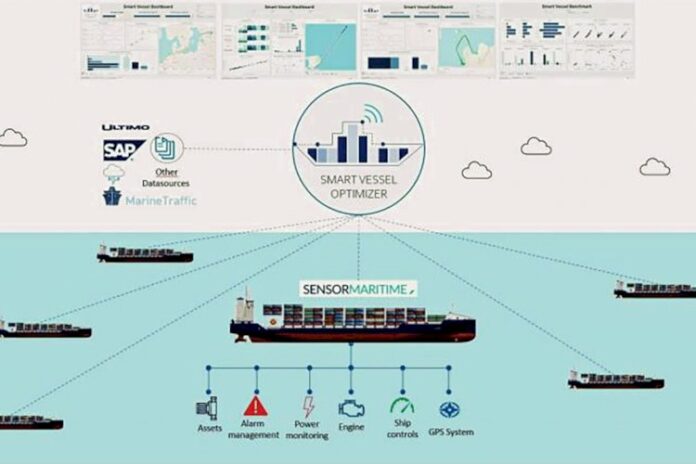
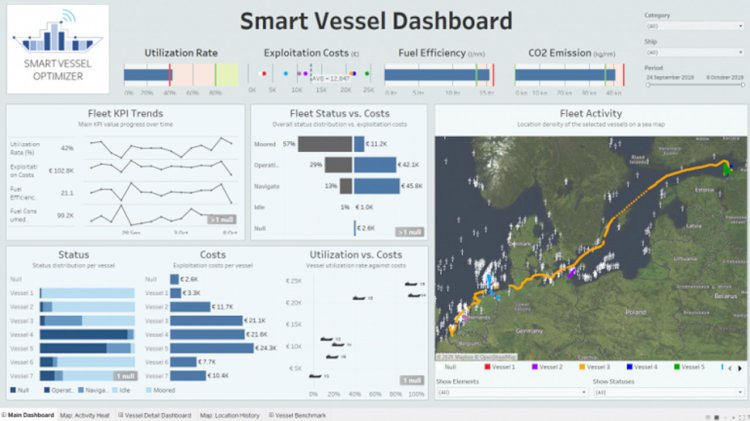
TechBinder was launched with its Smart Vessel Optimizer in November 2019. Within a dashboard, this tool combines all sorts of data sources from ship assets and onshore systems and makes this data transparent. Through this, the performance of a fleet is visualized. This reveals optimization opportunities that can be used to optimize an entire fleet. Smart Vessel Optimizer focuses on operational, financial and environmental performance of assets, ships and the fleet. This technology has been successfully used in industrial environments for several years and has been further developed by TechBinder for use in maritime operations.

Sensor Maritime is a spin-off from Sensor Group, an international organization with 25 years of knowledge and expertise in the field of sensor technology. TechBinder originated from Schneider Electric, global leader in energy distribution and automation. Both young companies combine the flexibility and innovation speed of a startup with the reputation and reach of established technology providers. With this, they guarantee the quality of the technology and the necessary support. The startups came into contact through ‘SMASH’ the Smart Shipping program of the Dutch government, which was set up to facilitate innovations in the field of smart shipping.

With this collaboration, Sensor Maritime and TechBinder are responding to an increasingly digitizing maritime business. The desire to develop digital twin technology and to sail autonomously is also one step closer. This collaboration facilitates easy data access and visualization. The scalability of Smart Vessel Optimizer is also greatly simplified. Users can enrich the system’s output in areas in their specific needs with minimal interventions on board.

Source: Netherlands Maritime Technology

Pondera and Rebel take over the wind project at the breakwaters in the Eemshaven

0

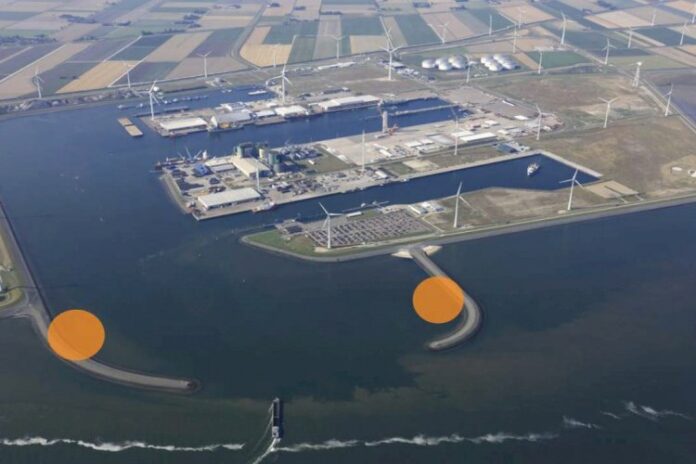
Today Pondera and Rebel announced that they will take over the wind project at the breakwaters in the Eemshaven from YARD ENERGY. YARD developed this project in recent years, and as such, have reached agreement with Groningen Seaports on the use of the location. The main permits for the construction of two wind turbines have now been obtained.

Lex Roukens, YARD director, says:

“YARD has chosen to sell the project now to focus on completing the construction of onshore wind projects and investments in projects and companies related to the energy transition. We are delighted that Pondera and Rebel have taken over from us and are confident that the windfarm will be realised.”

Hans Rijntalder of Pondera says:

“It’s a nice project for us to sink our teeth into, in view of the complexity of building turbines in and near the water. Our experience in realising the largest offshore wind turbine in the world in Rotterdam – the GE Haliade-X 12MW – is very useful here. We are pleased that we have found a solid partner in Rebel to help develop and finance the project.”

Rebel’s Wout Korving shares the enthusiasm:

“Pondera and Rebel complement each other very well. I am therefore very confident that the turbines will supply electricity to the grid by mid-2022.”

Groningen Seaports also shares the enthusiasm. CEO Cas König says:

“The realisation of these turbines is now one step closer. They will literally mark the entrance to Eemshaven and will contribute notably to our sustainable energy ambitions.”

The project consists of two modern wind turbines near the breakwaters. The capacity of the project is expected to be between 10 and 12 MW. Pondera and Rebel will fine tune the design in the coming months and select the contractor and turbine supplier, after which the financing will also be quickly realised.

EMEC among 90+ companies supporting EU Clean Hydrogen Alliance

0

The Alliance will promote hydrogen as an enabler of the post-COVID economy and a zero-emission society, aiming to scale-up production and deployment of hydrogen by 2030.

93 CEOs of Hydrogen Europe’s members have sent a letter to Executive First Vice-President Timmermans, Commissioner Simson and Commissioner Breton to demonstrate their support to the Clean Hydrogen Alliance and their commitment to delivering on the climate agenda.

Jorgo Chatzimarkakis, Secretary General at Hydrogen Europe said:

“It’s impressive to see the commitment of so many companies of different sizes and different parts of the value chain of the hydrogen sector coming together to support this alliance. We, at Hydrogen Europe, want to help make this initiative an integral part of the European Green Deal.”

In the letter, the signatories confirm their readiness to invest massively into the use of hydrogen. With a technological maturity that enables immediate commercial deployments in many fields, the hydrogen sector is ready to deliver on massive emission reductions, contributing already to 2030 EU climate and energy targets. They also strongly believe that the deployment of clean hydrogen can contribute to the European Green Deal.

EMEC is committed to supporting the development of green hydrogen for islanded communities with pioneering projects spanning the generation of hydrogen from renewable energy, decarbonising lifeline island services (e.g. ferries and aviation) and major island sectors (e.g. distilling).

In the recovery plan (Next Generation EU), the Commission focuses on unlocking investment in clean technologies and value chains. The Clean Hydrogen Alliance will steer and coordinate the upscaling of clean hydrogen production and use in Europe. Hydrogen Europe has proposed the Green Hydrogen Investment and Support Report that offers a concrete roadmap for the alliance to initiate this process.