-6.7 C
New York
Home Blog Page 812

OGTC and ORE Catapult create alliance to fast-track energy transition

0

Two leading energy technology and innovation organisations have announced a five-year collaboration to deliver next generation energy technologies and accelerate the United Kingdom’s transition to a net zero future.

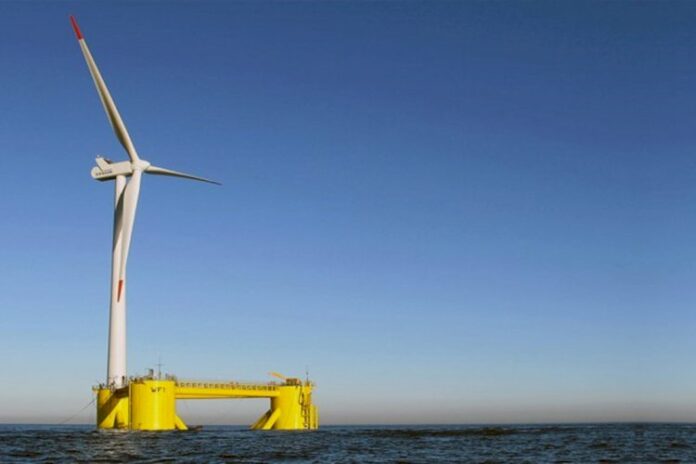
The Energy Transition Alliance (ETA), formed by The Oil & Gas Technology Centre (OGTC) and the Offshore Renewable Energy (ORE) Catapult, will collaborate with the energy industry to drive a focused, funded programme to develop advanced technologies, including the next generation of hydrogen production and floating offshore wind.

This is a ground-breaking collaboration which aims to transform the energy sector, accelerating the UK’s transition to a net-zero future, ensuring a reliable and secure source of power for the UK and an indigenous and competitive 21st Century energy technology sector. Of vital importance to the future of the energy sector will be transition of supply chain, skills and workforce from the oil and gas sector to renewables.

The partners in the ETA are launching an ambitious programme of five initial projects, which include:

  • UK supply chain specific floating wind foundation competition: stimulating innovation in floating wind, to reduce the cost of floating foundations by 25-30%
  • AC/DC Footprint miniaturisation: developing a prototype AC/DC conversion technology that reduces CO2, has a footprint 10x smaller and 5x cheaper than existing technologies and is anticipated to generate £7.7bn savings to industry
  • Power from shore: a call to industry for technologies which reduce the cost of power from shore, including cross-operator projects, and can help industry eliminate offshore platform CO2e emissions which currently represent 2% of the UK’s total CO2e emissions
  • UK offshore renewables supply chain deep dive study: maximising the full potential of the UK supply chain in the production, installation and decommissioning of offshore renewables, creating 27,000 jobs in offshore wind by 2030
  • Sustainable wind turbine decommissioning: developing a commercially viable solution for the cost-effective recycling and re-processing of wind turbine blades, which is expected to bring $1bn value to market

The ETA is funded in its first year by the OGTC and ORE Catapult, and will look to government and industry, among other sources, to secure funding for future years.

UK Minister for Energy and Clean Growth, Kwasi Kwarteng, said: 

“The UK’s innovation will drive a more sustainable oil and gas industry and the development of our world-leading renewables sector on the path to net zero emissions by 2050. “Collaboration across the energy sector will be essential to achieving our climate goals, and it is great to see the Energy Transition Alliance working towards developing new technologies, creating green jobs and helping the transition to a cleaner future.”

Paul Wheelhouse, Scotland’s Energy Minister said:

“I warmly welcome today’s announcement of the Energy Transition Alliance and its aim to integrate net-zero technologies in the North Sea and I commend those behind its establishment. This new Alliance strongly complements the Scottish Government’s recently launched £62 million Energy Transition Fund, designed to support our energy sector and help us move more quickly towards net zero by 2045. The establishment of the Alliance also supports the work of our Scottish Offshore Wind Energy Council to grow supply chain opportunities as we approach the forthcoming ScotWind leasing round.

The technologies supported by the Alliance will boost digitalisation and automation and accelerate North Sea decarbonisation as well as supporting Scotland’s aspirations for offshore wind and floating wind. This will benefit the wider Scottish energy sector and supply chain, maximise the economic benefits and support sustainable jobs in the long term, fully in line with our commitment to a just transition. This latest initiative, which will help deliver a forward looking, low-carbon recovery and diversify the energy sector’s workforce, is another step towards a greener, fairer and more equal society and economy.”

Colette Cohen, OGTC CEO said:

“The creation of the Energy Transition Alliance comes at a pivotal time for our industry and the future of the North Sea as we transition to a net zero basin. Technology, innovation and a willingness to work cross sector will be essential if we are to successfully deliver on our net zero goal. This Alliance is an exciting step towards a more integrated energy future for the UK. Our partnership with the Offshore Renewable Energy Catapult harnesses the expertise of both organisations to accelerate the UK’s energy transition.”

Andrew Jamieson, ORE Catapult Chief Executive said:

“The energy transition to deliver net zero presents a massive opportunity for the UK. Innovation to meet the global demand for green energy technologies will ensure that we retain our world-leading position in offshore renewables, creating many thousands of jobs and significant economic growth. Floating offshore wind in particular is an area of massive potential, and the oil and gas industry’s extensive experience of operating in the marine environment for many decades can be the enabler that ensures that the UK not only delivers a complete energy transition, but also a sustainable, world-leading green energy industry.”
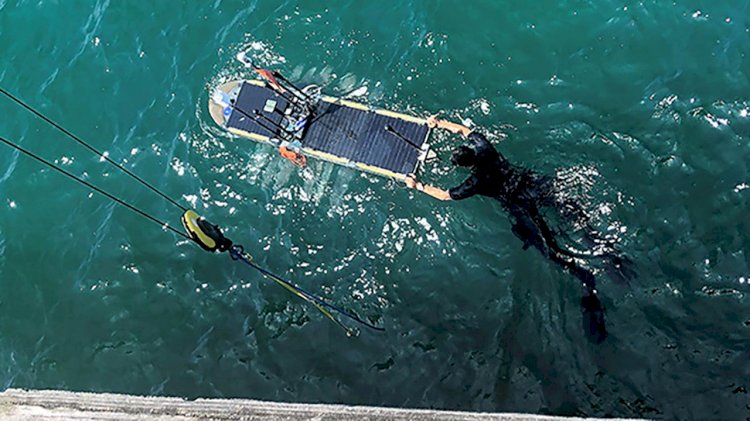
NOAA partners with Scripps Institution of Oceanography on unmanned systems

0

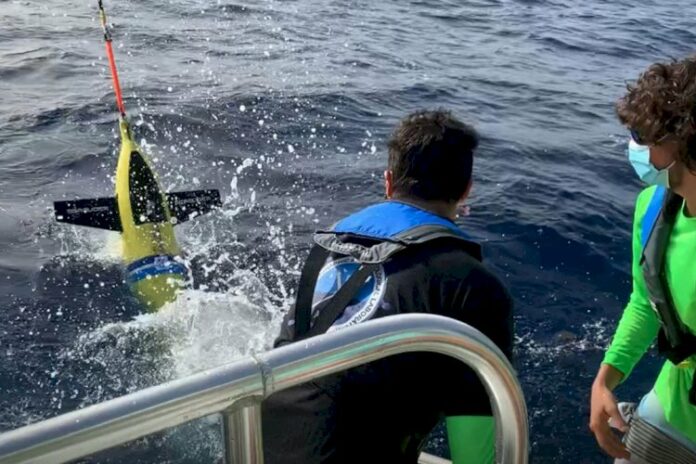
NOAA’s Office of Marine and Aviation Operations and Scripps Institution of Oceanography at the University of California San Diego are partnering to improve how unmanned systems (UxS) are used to collect important ocean observations and augment NOAA’s operational capabilities.

This 10-year agreement provides a framework for Scripps and OMAO’s new Unmanned Systems Operations Program to collaborate on specific projects to further UxS research, development, and operations.

Retired Navy Rear Adm. Tim Gallaudet, Ph.D., assistant secretary of commerce for oceans and atmosphere and deputy NOAA administrator, said:

“The operational experience of NOAA’s fleet of ships and aircraft combined with the extensive research and development expertise of Scripps will lead to exciting results in the field of unmanned systems. Innovative use of unmanned systems will benefit many NOAA programs—augmenting data collection often at a lower cost, increased safety, and reduced risk, especially in remote or extreme environments.” 

The agreement also helps NOAA meet the objectives of the Commercial Engagement Through Ocean Technology Act of 2018. In Fiscal Year 2020, NOAA received $12.7 million from Congress to improve and expand UxS operations across the agency, including the creation of the OMAO Unmanned Systems Operations Program — a key goal of NOAA’s recently released Unmanned Systems Strategy. This new partnership with Scripps helps meet the objectives of the Act, which requires NOAA to coordinate research, assess and acquire unmanned marine systems with the U.S. Navy, other federal agencies, industry and academia.

Photo: Scripps Institution of Oceanography

Margaret Leinen, Ph.D., vice chancellor for marine sciences at UC San Diego and director of Scripps Institution of Oceanography, said:

“Innovative new technology to observe the ocean and to gather data is essential to understand and predict the ocean. Unmanned systems allow us to observe the ocean more regularly and at a greater scale. We are excited to expand our collaboration with NOAA on rapidly advancing unmanned systems.” 

One of the first projects under this partnership includes developing recommendations for the structure, staffing and training needs of the unmanned maritime systems component of the new OMAO program. Working with the Coastal Observing Research and Development Center at Scripps, led by Eric Terrill, Ph.D., the project also includes the design, outfitting and testing of a persistent, unattended unmanned surface vessel with a meteorological and oceanographic data payload to collect operational data. 

New partners join ODE and ERM in the Dolphyn Hydrogen Project Team

0

Engineering and technical service provider Offshore Design Engineering (ODE) has been joined in the Dolphyn Hydrogen Project Team by new members NEL and Doosan.

Alongside ODE, pre-existing partners include Tractabel Engie and ERM, a sustainability consultancy leading the Dolphyn (Deepwater Offshore Local Production of HYdrogeN) Project.

Dolphyn is a first-of-its-kind offshore green hydrogen project. It produces hydrogen on a bulk-scale through the utilisation of offshore wind via an integrated floating system and is set to be constructed off the coast of Aberdeen.

ODE is currently acting as pre-FEED designer for the project topsides whilst Tractabel Engineering, also a pre-FEED contractor, carries out sub-structure and turbine design. New partner NEL will bring expertise as a specialist hydrogen company having previously incorporated electrolysis on ships and submarines.
Doosan, a South Korean multi-national conglomerate, has then been chosen to evaluate NEL’s PEM (proton exchange membrane) electrolyser technology for use on the North Sea project.The Dolphyn Team are working towards the establishment of a 2MW semi-submersible prototype in 2024, which will then progress to the construction of the full 10MW pre-commercial facility by 2027.

Princess Cruises extends pause of select global ship operations until December

0

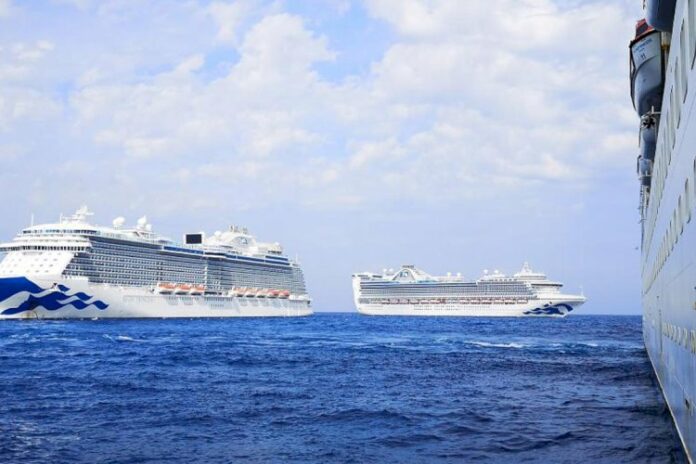
Due to the continued progression of COVID-19 and related decisions of various government, health authorities, and airlines regarding travel restrictions, Princess Cruises is extending its pause in cruise operations impacting the following voyages:

  • All cruises sailing in and out of Australia on Majestic Princess, Regal Princess, Sapphire Princess, Sea Princess, and Sun Princess through October 31, 2020
  • All sailings in Asia, Caribbean, California Coast, Hawaii, Mexico, Panama Canal, South America & Antarctica, Japan, and Tahiti/South Pacific through December 15, 2020

Jan Swartz, Princess Cruises president, said:

“We share in our guests’ disappointment in cancelling these cruises,. We look forward to the days when we can return to travel and the happiness it brings to all who cruise.”

Guests currently booked on these cancelled voyages who have paid Princess in full will have the option to receive a refundable Future Cruise Credit (FCC) equivalent to 100% of the cruise fare paid plus an additional non-refundable bonus FCC equal to 25% of the cruise fare.

For guests who have not paid in full, Princess will Double the Deposit, providing a refundable FCC for the money currently on deposit plus a matching bonus FCC that can be used on any voyage through May 1, 2022. The matching bonus FCC is non-refundable, will not exceed the base cruise fare amount of the currently booked cruise, and will have a minimum value of $100 per person.

To receive the above FCCs, no action is required by the guest or their travel advisor. Alternatively, guests can request a full refund for all monies paid on their booking through this online form. Requests must be received by August 31, 2020 or guests will be registered for the Future Cruise Credit option.

Princess will protect travel advisor commissions on bookings for cancelled cruises that were paid in full in recognition of the critical role they play in the cruise line’s business and success.

ABS to class North American West Coast’s first LNG bunker barge

0

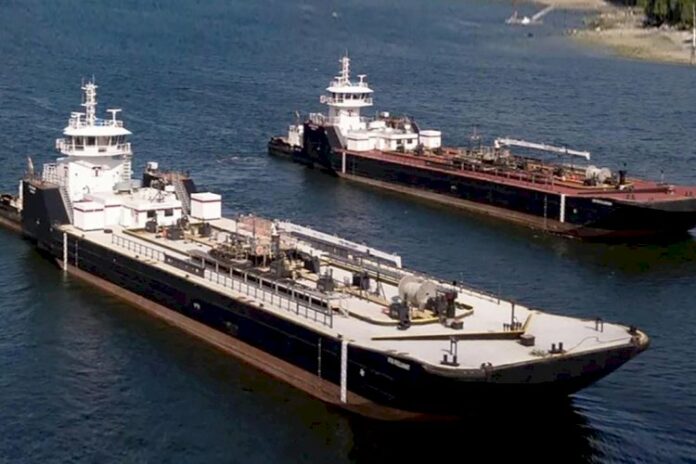
As a leader in the classification and certification of LNG vessels and systems globally, ABS is uniquely qualified to support Cryopeak LNG Solutions Corporation (Cryopeak) and Island Tug & Barge Ltd. (ITB) who have developed a design for a 4,000 m3 articulated tug and barge. The design utilizes one of ITB’s tugs to deliver LNG as a fuel to shipping companies calling to Ports on the West Coast.

John McDonald, ABS Senior Vice President, Global Business Development, said:

“No one understands better than ABS the potential for LNG to help shipping meet its sustainability goals. So, it is great to be able to support this project, which will further expand the availability of LNG along the west coast.  We are proud to class the first LNG Bunker vessel on the west coast.”

Calum McClure, CEO of Cryopeak, said:

“We are excited to have ABS as the Classification Society for this project. The marine industry is seeking solutions to enable the use of LNG as part of its journey to reduce emissions and lower fuel costs. This project delivers that, and will enable vessels to adopt LNG as a cleaner alternative fuel.”

Adrian Samuel, President of ITB, added:

“ITB’s commitment to vessel modernization has set the bar for operational and safety excellence in the marine transportation of petroleum products by tug and barge. Through our partnership with ABS and Cryopeak, we look forward to leveraging this success and to provide efficient and reliable solutions to the LNG bunker market in Western Canada and the US Pacific Northwest. ITB’s articulated Tug & Barge (ATB) design will meet the highest standards for maneuverability and crew safety and we’re confident the vessel will be well received when fully operational.  As always, we appreciate ABS’s ongoing support to this end.”

Arinjit Roy, ABS Vice President, North America Business Development, said:

“We take pride as a leader in LNG as marine fuel and in our best in class service delivery and how we are able to use this experience to support valued clients such as Cryopeak and ITB. We will continue to grow and expand our services to the industry and clients based in Canada.”

CADMATIC: The benefits of using the sister ship concept

0

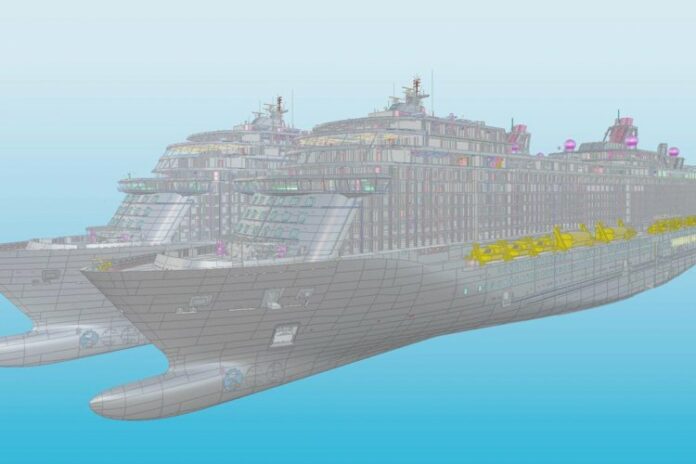
Copying is widely used in large industrial projects to build factories or ships. Ideally, sister projects should be implemented as they allow leveraging significant amounts of work that was done before; the unknowns are known while the resources, manning and all other operations are understood and balanced.

The time and cost savings associated with sister projects are the major drivers behind their use. The savings make sister projects desirable, but also very challenging. Project size, complexity, financial pressures and strict delivery deadlines contribute to making sister projects a significant challenge.

Efficient change management is a key success factor in sister projects. With multiple sister projects and a longer project timeframe, the challenges increase exponentially. Copying would be easy if the projects involved were identical, but this is rarely the case. It is challenging to manage the construction of sister projects in an industry where change is the only constant and design is increasingly complex. Projects commonly follow each other on a continuous production line and schedules usually overlap.

Despite the above-mentioned challenges, the use of sister projects does allow possible design flaws identified on a project to be corrected in the following projects. Better or more cost-efficient solutions may similarly be identified and implemented. Changes in legislation, specifications, or standards may also necessitate changes from project to project.

The simplest possible scenario is when project schedules follow each other with no overlap. In such cases, the design of the parent project can be copied in full to the next project, after which the necessary changes can be made to the copied project. The first project may already be in operational phase, but still require modifications due to problem areas. This, in turn, means that the modifications also need to be made to the ongoing sister projects.

Designing sister projects in a synchronized schedule brings additional savings in time and costs while adding complexity in management. The benefits depend mainly on how well the design phase can manage changes. Without sister ship management, the same changes have to be made several times in sister projects.

The benefits of using the sister ship concept by CADMATIC:

  • Avoid errors with better coordination
  • Quality improvement due to fewer errors
  • Agility – mother project changes can immediately be seen in sister projects
  • Reduce working hours

Sister projects are similar, but not identical. When something needs to to be changed in the target project, the links to the objects in question are removed, after which target project-specific planning can start for the unlinked objects. Objects and drawings can be copied independently. At the end of the process, unique and up to date 3D models and documentation exist for each project.

Source: CADMATIC

Cortez Subsea completes innovative pipelay project

0

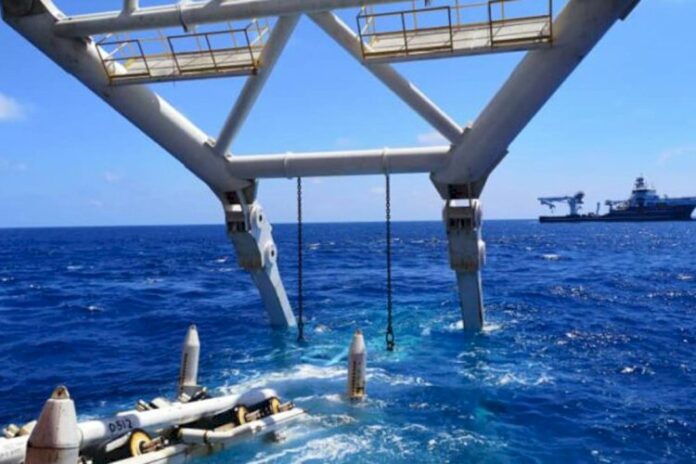
The project championed new and proven technology for faster and more cost-effective completion of subsea pipelay and recorded a best average lay rate of 4.7km in 24 hours with the rigid pipelay section completed within 20 days.

This lay rate is considerably faster than traditional welded pipelay and meant the project was completed at a cost saving.

The pipeline system was developed specifically for the Tembikai Non-Associated Gas (TNAG) Development by Vestigo Petroleum Sdn Bhd, a wholly owned subsidiary of PETRONAS Carigali Sdn Bhd. It uses NOV-Tuboscope Zap-Lok™ connectors to link the rigid pipeline via diverless connections.

The work included the engineering, procurement, construction, installation and pre-commissioning of the pipeline system and was delivered from Cortez Subsea’s office in Kuala Lumpur.

Alasdair Cowie, Managing Director of Cortez Subsea, said:

“We pioneer the latest developments to support our clients with quicker, safer and cleaner techniques. We championed the Zap-Lok™ mechanical interference connector as a weld-free alternative to traditional pipelay. This is the first time this technology, which is much faster and more efficient, has been used offshore Malaysia.

In another industry first, the rigid pipe was connected to flexible risers using a Stinger Deployed Diverless Connector (SDDC), which we brought to the market in partnership with AFGlobal.  Using a Remotely Operated Vehicle (ROV) and a deployment frame, the connection is made from the pipeline to the host facility without the use of divers. A complete diverless approach reduces cost and increases safety for the team offshore. This mechanical alternative to welding results in a safer work environment, which is free from hot-work and radiography.

A reduction of reliance on equipment and people, thanks to the technology, allowed us to reduce our carbon footprint. At Cortez, we form genuine partnerships and cooperate to support and lead the development of services to conquer new and innovative subsea frontiers and deliver projects to save our customers money. The hope is that the industry will continue to adapt and use new technology as the key to unlock the world’s energy resources and keep the subsea industry at the forefront of innovation.”

Ambitious BLNG breakthrough project receives EU funding

0

Titan LNG has announced that Titan LNG, one of the leading suppliers of LNG to the marine and industrial markets in Europe, has been granted €11.000.000 funding from the EU’s Connecting Europe Facility (CEF); the EU’s grant scheme supporting transport infrastructure, connectivity and the switch to greener fuels for transport.

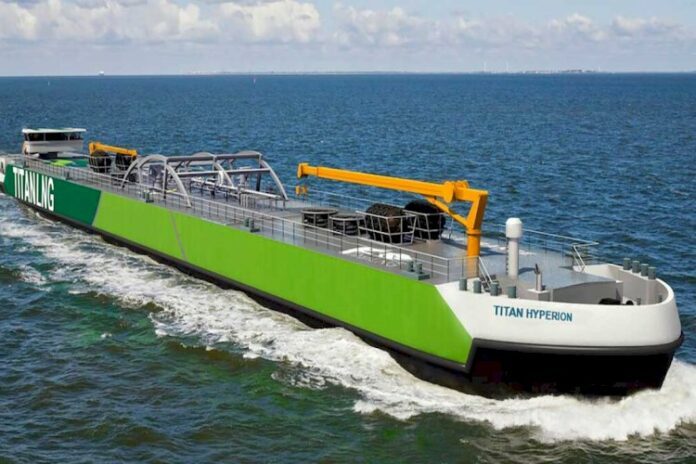
Titan LNG’s project Bio2Bunker develops and expands a (Bio)-LNG (BLNG) bunkering supply chain by introducing three bunker barges in Zeebrugge, Rotterdam, and Lübeck. The bunker barges in Belgium and Germany will be similar to our two existing FlexFuelers with demonstrated operational advantages. For the Amsterdam-Rotterdam-Antwerp region Titan LNG will construct a mothership, the “Titan Hyperion” that will resupply our FlexFuelers.

Titan LNG’s customers in the shipping sector are facing a choice for the future: run on MGO, HFO with scrubbers, or go for (bio)LNG, the only proven alternative fuel that is scalable right now. Titan LNG believes that LNG-fueled ships are future proof. LNG combined with BLNG and later Synthetic Liquefied Gas (SLG), made by combining green hydrogen and CO2, offer a credible and cost competitive path to decarbonization whilst immediately improving local air quality.

Rovco charters Glomar Wave for offshore wind ROV campaigns

0

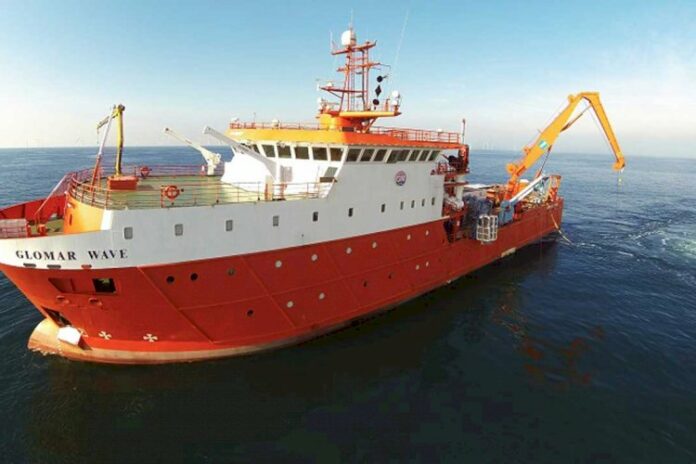
The vessel will provide the ideal platform to support the campaign of secured ROV projects. This includes operational Offshore Wind Farms in both UK and German waters during the coming months.

On the vessel, Rovco will mobilize a dedicated and experienced offshore team, to operate its recently purchased Seaeye Leopard work-class ROV system and a second observation class ROV. The team will perform a multitude of detailed subsea IMR tasks, on a 24-hour basis, with a wide array of cable tracking and ROV tooling available, including the unique Intelligent Data Collection System SubSLAM X2.

Rovco’s Seaeye Leopard ROV, combined with the DP2 Glomar Wave, will enable safe and efficient project delivery with great workability through wider operational weather windows. This charter agreement between Rovco and Glomar Offshore establishes a working relationship with multiple projects already secured together until Mid-September. 

Ian Bryan, Rovco’s COO, said:

“The charter of the Glomar Wave puts us in a very good position to deliver our booked projects successfully through the UK and Germany. We are excited to be working alongside Glomar to support the Offshore Wind Industry”

The Glomar Wave DP2 vessel is a 66.44m Service Operations Vessel (SOV) built-in 2014, providing accommodation for up to 60 personnel. The purpose-built vessel provides a wide deck space of 300m2, a deck load of 5 mt/m2 and 3 cranes for multi-purpose operations. Combined with our work-class ROV service capabilities, she is perfect for subsea activities across the lifecycle of offshore assets.

Panos Komninos, Chartering Manager at Glomar Offshore, said:

“We are excited to commence this first charter with Rovco, looking forward to an expanded cooperation in both the North Sea and Baltic Renewables markets.”

Saipem awarded several new offshore wind contracts

0

Saipem has been awarded new offshore wind contracts, for projects currently under development off the coasts of England, Scotland and France, for a total value of over 90 million euros.

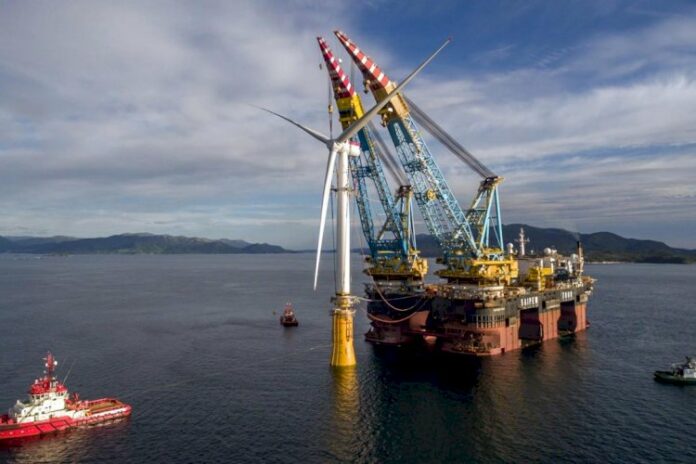
Dogger Bank Offshore Wind Farms, a joint venture between Equinor and SSE Renewables, has awarded a contract to Saipem for the transportation and installation of two offshore HVDC (High Voltage Direct Current) platforms for the first two phases of the Dogger Bank project: Dogger Bank A and Dogger Bank B. Both platforms will have a capacity of 1.2 GW and will consist of a ca. 2,900-ton jacket and a ca. 8,500-ton topside. Dogger Bank will be the world’s biggest offshore wind farm when completed and is located over 130km off the North East coast of England. The project is the first to use HVDC technology in the UK’s offshore wind market.

Saipem has also been awarded an installation contract by Seaway 7 related to the Seagreen Offshore Wind Farm, a 1,075MW joint venture project between SSE Renewables (49%) and Total (51%) off the East coast of Scotland. The scope of work entails the installation of 114 foundations for an equivalent number of wind turbines.

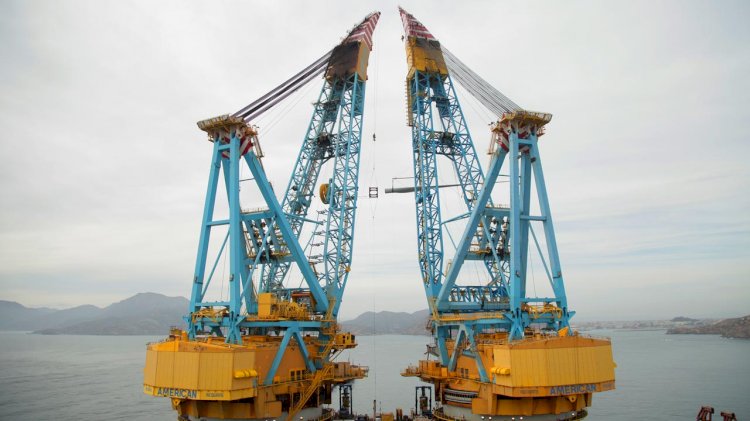
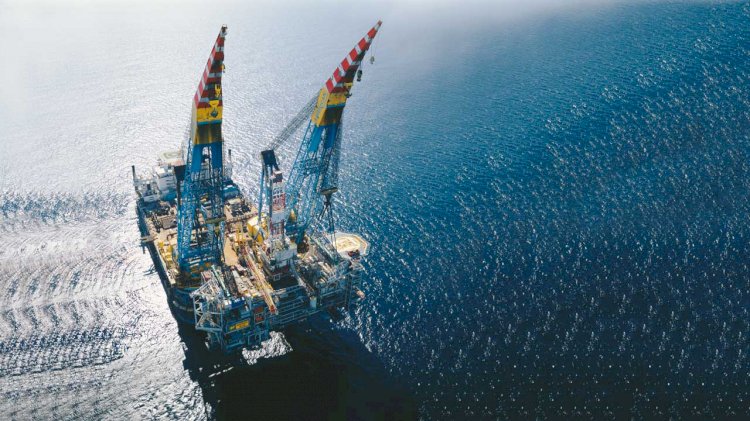
Lastly, Saipem has been awarded a contract for the transportation and installation of the jacket and topside of the offshore substation at St-Brieuc offshore wind farm, located in Brittany, France, which is being developed by Ailes Marines, part of the Iberdrola group. All project management and engineering activities shall be executed by Saipem SA, Saipem’s French subsidiary established in Paris.These offshore installation projects will be carried out by the crane vessel Saipem 7000.

With these contracts, Saipem further consolidates its position as a key player in renewables, for which a dedicated business line has been recently established within the E&C Offshore division.Francesco Racheli, Chief Operating Officer of Saipem’s E&C Offshore Division, commented:

“These new contracts confirm Saipem’s participation in the most relevant offshore windfarm developments and are the tangible results of a strategy which has led us to become a global reference player in energy transition. This significant achievement has been attained by leveraging on our capabilities, our technological flexibility and our distinctive assets”.