-8.1 C
New York
Home Blog Page 752

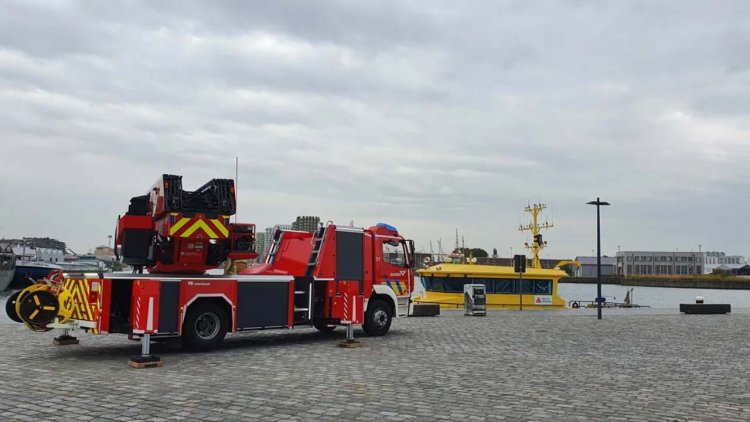
Port of Antwerp participates in developing a private 5G network

0

The network was named ‘Minerva’. This private network, currently being developed and tested by technology company iSea in collaboration with Ericsson, will allow the three partners to further develop their existing digital applications and to explore new ones.

A private 5G network increases the speed, reliability and security of the port authority, the police and the fire brigade’s digital applications. The network is not dependent on public providers and is thus better protected against potential breakdowns, as well as overload during large events or mass gatherings, for example. Minerva will also ensure optimum coverage within the three partners’ operational area, on the basis of end-to-end European technology.

The fire brigade, along with the police and the port, have developed a range of digital applications in recent years, such as apps, live streaming, drones and other technologies. Thanks to a faster, safer and more reliable network, this evolution can be strengthened and accelerated. The partners are therefore very satisfied:

Bart De Wever, Mayor of Antwerp:

“It is crucial for the city of Antwerp to have mobile networks at its disposal. They have an important role as a forward-looking platform for the digitalisation of the port’s multidisciplinary ecosystem and urban emergency services. Minerva can meet the different needs and support applications in their daily operation.”

Maarten Torfs, Director of ICT, Antwerp Police:

“Due to the increased digitalisation of the Antwerp Police, we need a safe, reliable and high-performance network for mobile data. This allows us to deploy our various digital applications, such as mobile cameras and the FOCUS app, in the field. With this pilot network, we can further develop our existing digital applications and explore new ones.”

Eva Van Gerven, Director of Staff Services and Technology of Antwerp Fire Department:

“Real-time images and information from crucial apps ensure that we, as fire brigades, can deal with an emergency situation more efficiently. And that immediately during the drive towards the situation. This pilot network will further strengthen our digitisation and improve our work in the field.”

Annick De Ridder, Port Alderman:

“This 5G trial network with Ericsson technology covers the entire port. It will support our future operations in terms of shipping, safety and ecology. But it is also the ideal basis for the development of high speed 5G applications for automation, logistics, safety and security. As a Port Authority, we are taking a pioneering role in the digital transformation of the port ecosystem, laying the foundation for new jobs of the future.

Valentijn Vande Keere, CEO of iSea:

“iSea is excited to see that, thanks to the excellent collaboration between the various partners and services, this pilot project has become a success. The project opens up some decent prospects for the growth of local expertise and sustainable entrepreneurship. New jobs will also be made possible by new technologies such as 5G.”

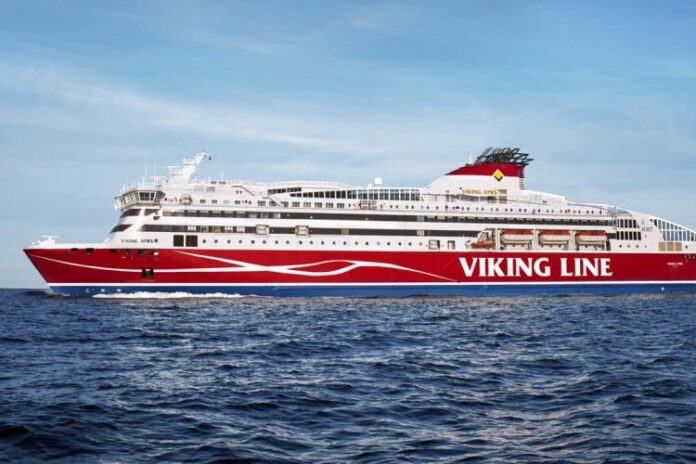
ABB delivers shore connection technology for Viking Line’s high-speed ferry

0

The well-known ferry, built in 2008, is deployed on the 2.5-hour route across the Baltic Sea between Tallinn, Estonia, and Helsinki, Finland, typically docking in the Estonian city twice a day.

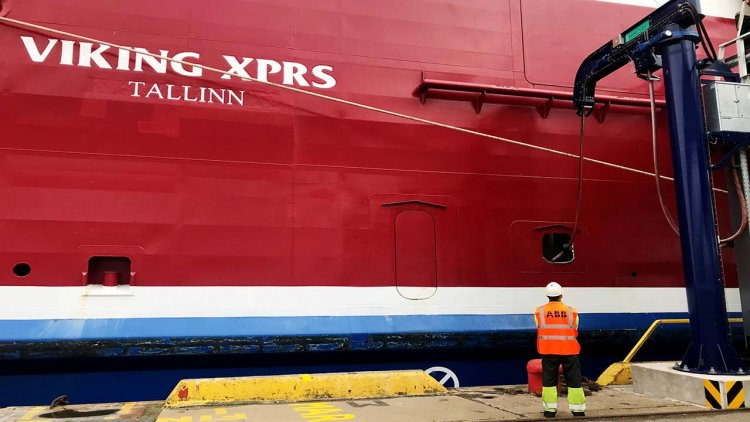
Shore connection technology from ABB is designed for easy integration on all ship types and is controlled from the vessel itself, so that sequencing does not need intervention by any shore-based staff. Its sustainable in-harbor operation is especially valued at city ports such as Tallinn, which can have a significant impact on local air quality. Given the frequency of port calls made by Viking XPRS, shore connection will also save substantial amounts of fuel.

Earlier this year, Port of Tallinn installed the latest ABB shore power systems on five of its piers in Old City Harbour as part of the first shore power project in Estonia, enabling vessels with shore power technology to draw on land-based power in port.

Johanna Boijer-Svahnström, Senior Vice President, Corporate Communications, Viking Line, said:

“ABB’s shore connection is the latest initiative in our ongoing sustainability program. Installing a shore connection system on board Viking XPRS, and having the shore power available in the Port of Tallinn will make a significant contribution to clean air within the port and its surroundings. We have successfully collaborated with ABB on a number of projects, and the fact that ABB provides installations aboard ship and in port, with prompt delivery and backed up by 24-hour support, has proved compelling.”

Jyri Jusslin, SVP and Head of Service at ABB Marine & Ports, said:

“It is an honor to support Viking Line in its journey toward sustainable shipping. Our shore connection is designed for all types of ships, with safety and simplicity in mind. This is also another key step in ensuring that Baltic Sea ports continue on their forward-looking path to eliminate emissions.”

ABB’s full scope of supply for Viking XPRS included a shore connection control board with three separate ship-shore communication links, ensuring fail-safe connections at all times. ABB has also provided the medium-voltage switchgear, an 11kV-400V transformer, a circuit breaker bypass arrangement for drydock connection, and a low-voltage main switchboard breaker. The delivery meets the new IEC-standard for shore connections, which demand higher levels of safety and environmental performance than ever before at the shipside. Commissioning was executed during the vessel’s normal operation.ore.

Kaguya conducts Japan’s first ship-to-ship LNG bunkering

0

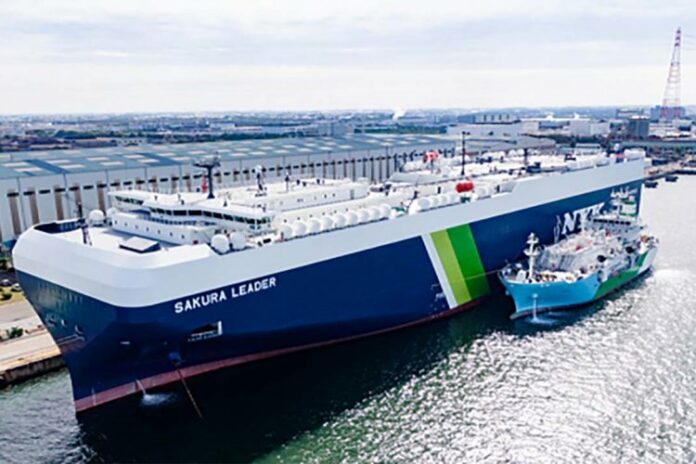
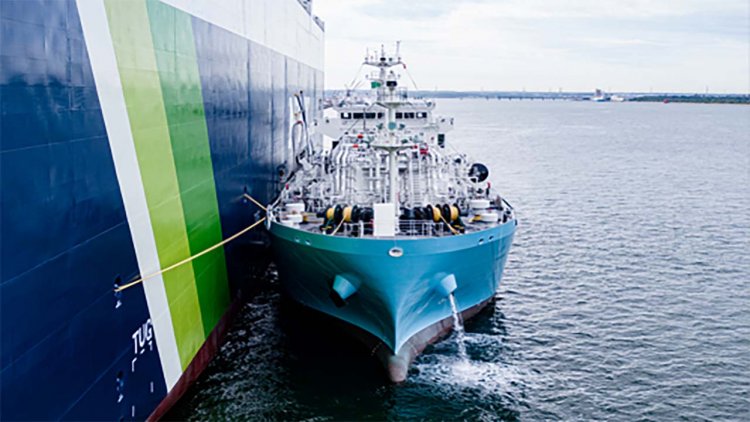
On October 20, the LNG bunkering vessel (LBV) Kaguya supplied LNG fuel to an NYK pure car and truck carrier (PCTC) at the berth of Shin Kurushima Toyohashi Shipbuilding Co. Ltd. — the first time in Japan for LNG fuel to be supplied to a vessel via Ship-to-Ship bunkering.

Kaguya, Japan’s first LBV, is operated by Central LNG Marine Fuel Japan Corporation, which is a JV company among NYK, Kawasaki Kisen Kaisha, Ltd., JERA Co., Inc., and Toyota Tsusho Corporation. The vessel will be based at Kawagoe Thermal Power Station and will soon begin supplying LNG fuel to ships in the Chubu region using Ship-to-Ship bunkering.

Sakura Leader, the PCTC that received the LNG fuel, is the first large LNG-fueled ship to be built at a shipyard in Japan. The vessel is scheduled to be delivered in late October and will be one of the largest PCTCs in the world, capable of transporting approximately 7,000 units (standard vehicle equivalent).

The IMO (International Maritime Organization) has agreed on an ambition to reduce GHG emissions from shipping by at least 50 percent by 2050, and it is expected that many vessels using LNG as the main fuel will be constructed in the future. NYK has been making a proactive effort to realize environment-friendly transportation by reducing GHG emissions. In fact, in 2015 Japan’s first LNG-fueled ship, the tugboat Sakigake, was delivered.

In 2016, the world’s first LNG-fueled PCTC in Europe launched. In 2017, the world’s first purpose-built LNG bunkering vessel entered operation. And in 2023, the world’s first large LNG-fueled coal carrier is scheduled to be delivered. NYK has been a leader in all these firsts and will continue to develop the LNG-fuel market in terms of LNG-fuel supply and sale, promote the conversion of marine fuel to LNG, and contribute to reducing shipping’s environmental burden.

Maersk Drilling secures additional three-well contract for Maersk Voyager in Angola

0

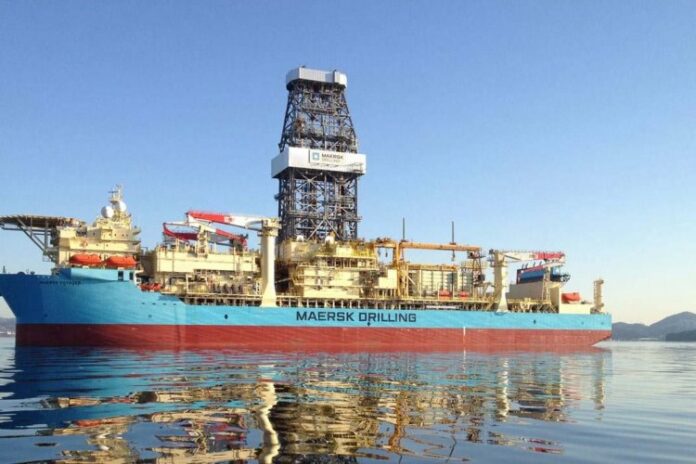
The three-well contract has an estimated duration of 140 days, which means that Maersk Voyager is now contracted until Q2 2021.

The firm value of the three-well contract is approximately USD 30m, including integrated drilling services provided.

The two one-well options included in Maersk Voyager’s previously agreed work scope for Total E&P remain.

COO Morten Kelstrup of Maersk Drilling says:

“We are delighted to add three more wells to Maersk Voyager’s work scope in Angola where our operations were re-started in late August following a suspension period due to the restrictions imposed to combat the global pandemic. We’re happy to go back to work in collaboration with the local partners we have engaged to support the campaign.”

Maersk Voyager is a high-spec ultra-deepwater drillship which was delivered in 2014. It has been operating offshore Africa since 2015 and commenced operations for Total E&P Angola in January this year.

AIE and Squadron Energy to accelerate Port Kembla Gas Terminal development

0

AIE, formed in 2018, is made up of experienced energy companies Squadron Energy, Marubeni Corporation, and JERA Co., Inc.

Under the new arrangement Squadron Energy has acquired JERA’s 19.9% and Marubeni’s 30.1% interest in the project moving to 100% ownership and operatorship of AIE.

Squadron Energy Chairman Michael Masterman said AIE is focussed on accelerating project development of the Port Kembla Gas Terminal.
Mr Masterman said:

“JERA and Marubeni have been excellent partners and have both indicated they remain open to future opportunities for targeted involvement in the AIE Port Kembla Gas Terminal project, including LNG procurement, and the development of an associated gas-fired power station.”

JERA and Marubeni will continue with their substantial investments in Australia and will continue to actively explore for further investment options.
Squadron Energy is committed to the expedited development of the gas import terminal with the objective of having the capacity to supply 70% of NSW’s gas needs by late 2022.

Squadron Energy is a company of Tattarang – one of Australia’s largest private investment groups and owned by the Forrest family. Squadron looks to invest in a range of energy and related infrastructure businesses that facilitate the transition to a low carbon economy and ensure security of gas and electricity supply.

JERA Co., Inc., headquartered in Tokyo, Japan, is a joint venture between TEPCO Fuel & Power, Inc. and Chubu Electric Power Co., Inc. JERA is among the largest buyers of LNG by volume in the world and an investor and key buyer in leading Australian LNG projects including
Wheatstone, Gorgon, Ichthys and Darwin LNG.

Marubeni Corporation is a leading Japanese general trading company and headquartered in Tokyo, Japan.

50Hertz and Energinet inaugurate world’s first hybrid interconnector

0

The Combined Grid Solution (CGS) connects two offshore substations in the Baltic Sea to each other as well as to the existing onshore connections of the offshore wind farms.

As a result, the CGS can bring offshore wind power to Denmark or Germany and can also be used for cross-border energy trading.
During the official inauguration ceremony, which took place on site in Berlin as well as online, Peter Altmaier, the German Federal Minister for Economic Affairs, and Dan Jørgensen, the Danish Minister for Climate, Energy and Utilities, as well as Kadri Simson, EU Commissioner for Energy, praised the innovative project of 50Hertz and Energinet. Altmaier called the Combined Grid Solution an “European lighthouse project for cross-border cooperation in the field of offshore wind energy.”

The CGS is a technological innovation that can serve as an example for future offshore power grids. The grid connections of wind farms Baltic 1 and Baltic 2 (Germany), which are operated by 50Hertz, as well as the grid connection to wind farm Kriegers Flak (Denmark), that is currently under construction, are also used as an interconnector. Two submarine cables of only 25 km length with a capacity of 200 megawatts (MW) each, laid between the offshore substations of Baltic 2 and Kriegers Flak, bring both grid connection systems together.

The above mentioned technology is the first electric connection between two countries, which not only transports offshore wind power to land, but also provides capacities for energy trading. The cost of the German-Danish joint project with EU participation amounts to around 300 million euros.

Stefan Kapferer, CEO of 50Hertz:

“With this project, 50Hertz and Energinet are pioneering the efficient integration of offshore wind farms into the cross-border European electricity market. It offers us several effective options to balance the frequency and voltage of our transmission grids at all times, to deal with the integration of renewable energy sources with more flexibility and to increase the stability of the overall system. Therefore the CGS is an essential puzzle piece of our strategy to cover 100 percent of the electricity demand in our grid area, over the course of a year, with renewable energy by 2032. In addition, the project shows the high significance of the European Baltic area for the energy sector. This importance is also reflected in the Baltic Sea Offshore Wind Declaration, which was signed by the neighbouring states in late September.”
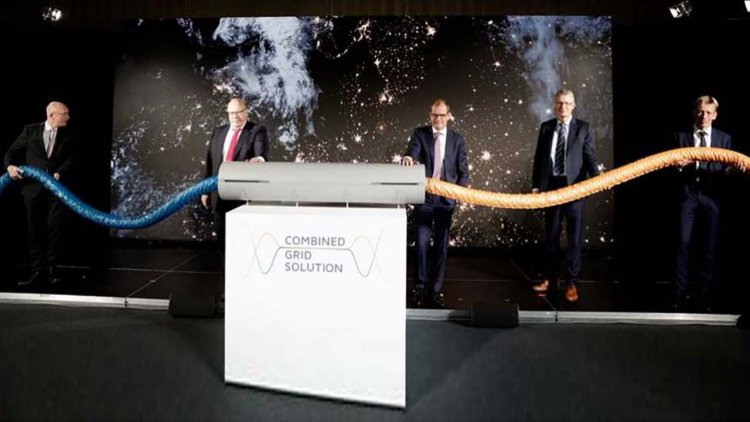
Photo: Energinet

As the transmission grids of eastern Denmark and Germany are not synchronous, the construction of a double converter (back-to-back converter) at the Bentwisch substation near Rostock was necessary for this interconnector. Through the converter, the arriving alternating current (AC) is converted into direct current (DC) and immediately into alternating current again. This procedure is the only possibility to ensure a smooth flow of electricity from Denmark to Germany and vice versa.

On the Danish side, the project is of key importance for the country’s attempt of pursuing a climate neutral strategy. Once the integrated Kriegers Flak wind farm has been commissioned in 2021 as planned, it will provide power supply to 600.000 households in the Zealand region. It has a capacity of 600 MW and will be Denmark’s largest wind farm. Together with the CGS and its importance for the energy trade with continental Europe, this manifests a beneficial outcome for Denmark as well as for the other included parties. 

Thomas Egebo, CEO of Energinet:

“The Combined Grid Solution is not only a very important milestone in reaching Denmark’s ambitious goal of a 100 percent green power system in 2030. The groundbreaking project also delivers an important building block for decarbonizing the rest of the society. Wind and PV must in the near future replace petrol in our cars, oil, coal and gas in our private and district heating. And power from wind and solar will in the long run be the main ingredient in production of green hydrogen, green gasses, jetfuels, for industry, shipping and aviation. Therefore, the Danish Parliament has decided to build energy islands in the Baltic Sea and the North Sea and surround them with large scale offshore wind farms. The innovative CGS-solution combines offshore wind and interconnectors and is a leading example for energy islands and an efficient and fast green transition.”

For Elia Group, of which 50Hertz is part, hybrid interconnectors will be necessary to achieve the targets of the European Green Deal. Considering the huge electricity needs to be covered with renewables to decarbonise our society, Europe will have to harvest its potential far off the coasts. 
 
Chris Peeters, CEO of Elia Group:

“The hybrid technology increases the efficiency of your investment: when there is no wind, the cable can be used as an interconnector. In this way, the Combined Grid Solution project also links the flexibility of two energy markets and gives access to renewables at the lowest cost. This is of vital importance to energy-intensive industries.”  

The CGS consists of both hardware and software components. The Master Controller for Interconnector Operation or MIO, which was developed with partners, acts as the “brain” of the system. This digital control unit, located in 50Hertz’ Control Center in Neuenhagen near Berlin, functions to harmonise both the requirements of the electricity market and the generation of electricity that depends on the wind conditions on the Baltic Sea.

The MIO’s most important task is the optimal exploitation of the interconnector and simultaneously ensuring the prevention of an overload of the line as well as the operating facilities in the substation. In this process, the MIO controls the market-based exchange of electricity between Denmark and Germany, not only on the basis of forecasts, but by ensuring the necessary voltage stability and system balance in case of physical deviations in real time. For this, the MIO can rely on the double converter in Bentwisch as well as on the German wind farms Baltic 1 and Baltic 2, and in the future also on the Danish Kriegers Flak wind farm, which will be connected and in action by then.
 
The double converter also fulfils an important function for grid stability, so that more and more renewable energies can be safely integrated into the overall system. For the transmission of electricity through alternating current lines, a so-called reactive power is required to co-exist with the active power. Until now, this reactive power was mainly provided by conventional power plants. The double converter is able to provide a section of the needed reactive power compensation for the north-eastern part of the 50Hertz grid area.


Sleipnir completes Hornsea 2 installation

0

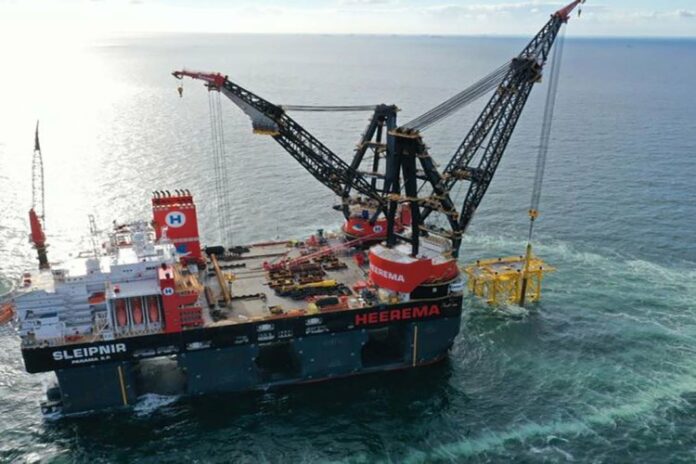
The work included the transportation and installation of two jackets for client Ørsted that will provide the foundation for the Hornsea 2 wind farm’s RCS and OSS platforms. 

Ørsted’s Hornsea 2 wind farm is located approximately 89 km off the Yorkshire coast in the North Sea, and the project will consist of 165 turbines with a combined total capacity of 1.4 GW.

Sleipnir traveled to the OSS location on September 29 and installed the 5000 metric ton OSS jacket after transferring the 1500 metric ton RCS jacket and piles to the Sleipnir deck. After moving to the shallow water RCS location, Sleipnir installed the RCS Jacket.

The successful and safe installation completes around two years of a close partnership between our client, leading renewable energy company Ørsted, their fabricator SMOE in Batam, and our transportation subcontractor Biglift. Heerema is proud to work within the wind sector, and we will be back to complete our scope at Hornsea 2 in 2021. 

Sleipnir is the world’s most sustainable SSCV, and during the project, the vessel performed the full installation operations while running on emission-reducing LNG fuel. Using LNG, Sleipnir reduces CO2 emissions by 25%, reduces NOx emissions by 92%, reduces SOx emissions by 99%, and Particulate Matters by around 99% compared to traditional Marine Gas Oil crane vessels. This action is in line with Heerema’s announcement that the company will go Carbon Neutral in 2020. 

Sleipnir moved on to the Tolmount Platform installation following the successful completion of Hornsea 2, read more about Tolmount here. 

Pilot LNG and GAC Bunker Fuels partner to supply LNG Marine Fuel from Galveston

0

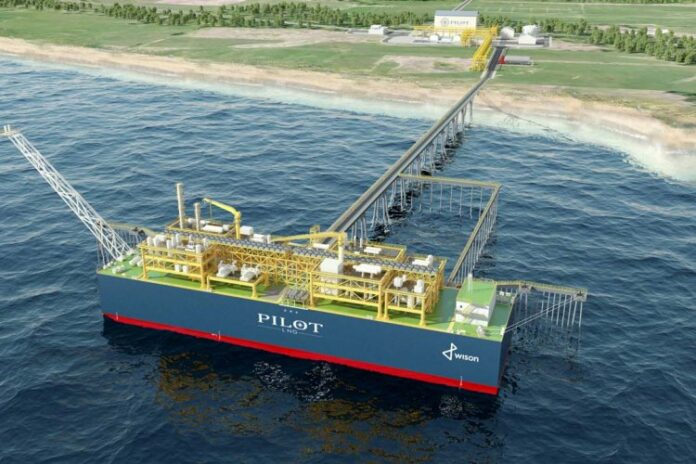
Texas-based Pilot LNG, LLC (Pilot) has laid the foundation for a partnership with GAC Bunker Fuels (GAC) for the supply of Liquefied Natural Gas (LNG) as a marine fuel from its proposed Galveston LNG Bunker Port terminal project, which will be the first dedicated LNG bunker terminal in the region.

The two companies have executed a Heads of Agreement (HOA), which outlines the terms of a partnership. It prepares the ground for Pilot to provide LNG marine fuel to GAC on a Delivered Ex-Ship (DES) basis for its customers in the Galveston Bay Port complex, including the ports of Houston, Galveston and Texas City, as well as Galveston Offshore Lightering Area, on a long-term basis.

Pilot Chief Executive, Jonathan Cook, says:

“The Galveston LNG Bunker Port will provide the LNG to supply GAC’s growing market for cleaner marine fuel, particularly as its customers seek economic ways to comply with tightening emissions regulations, including IMO 2020. The opportunity to work with such a strong global player like GAC is a very exciting step forward for Pilot and the Galveston project.”

GAC Bunker Fuels’ Global Director Nicholas Browne adds:

“We have a proven track record of more than three decades supplying quality marine fuels to the shipping sector, and we continually adapt to meet our customers’ evolving needs. This agreement with Pilot will allow us to grow our portfolio of alternative fuels, with LNG as the cleanest and most cost-effective way for shippers to meet compliance.”

GAC Bunker Fuels is the world’s only bunkering company with an integrated ISO 9001, 14001, and 45001 certification for bunker procurement that also covers LNG as a marine fuel. In September, GAC acted as bunker broker for the Swedish dual-fuelled vessel FURE VEN when it became the first non-US flagged vessel to bunker LNG in the United States, taking on supplies at the Port of Jacksonville (JAXPORT).

As international regulators tighten emissions standards, the maritime industry is increasingly turning towards LNG as the marine fuel of choice due to its significantly lower emissions profile and cost competitiveness; however, additional LNG bunkering infrastructure is needed before widespread adoption can occur.

The HOA with GAC follows Pilot’s announcement in July that it had filed regulatory applications with the US Army Corps of Engineers (USACE) and other relevant regulatory agencies, paving the way for a Final Investment Decision (FID) in 2021 and allow operations to begin in late 2024.

KSS Line signs with HGS for Smart Ship Solution powered by Inmarsat and Intellian

0

Hyundai Global Services (HGS) has announced the signing of a contract to deliver its Smart Ship and Satellite Communications package to KSS Line shipping fleet supported by Inmarsat’s Fleet Xpress and digital solution Fleet Connect. 

This is the first time that the Integrated Smart Ship (ISS) solution from the world’s largest shipbuilder Hyundai Heavy Industries (HHI) will be delivered as a single package with a satellite communications service.

The Smart Ship and Satellite Communications package is a combination of the ISS – an IoT platform for ships, developed by HHI Group to support vessel operation and device optimization – supported by Inmarsat’s dedicated bandwidth service. This achievement is a direct result of a collaboration between HGS, Intellian and Inmarsat, the world leader in global, mobile satellite communications. Intellian and HGS signed a Memorandum of Understanding (MoU) in July 2019, and a similar arrangement between HGS and Inmarsat was signed in June 2019 at the Nor-Shipping exhibition in Oslo.

The package will allow large volumes of measured data to be transmitted between ship and shore quickly and easily, facilitating remote operations and vessel management, monitoring and analysis services, through Fleet Connect dedicated bandwidth. This is separate from the vessel’s Fleet Xpress connection that will be used for day-to-day business traffic and crew internet use.

A spokesman for KSS Line said:

“Our plan is for our entire fleet to be operating using the Integrated Smart Ship and Satellite Communications solutions by 2021. KSS Line is committed to continuous enhancement of its Information Communication Technology (ICT) environment to maximize fleet efficiency and reinvest the resulting savings into its business expansion.”

A total of 15 ships are covered by the contract, including five new vessels and 10 already in operation. The five new ships will be equipped with ISS from build, allowing their operators to manage assets more economically and efficiently. The 10 existing vessels will be provided with separate supporting web services to relay weather conditions and ship locations. The signing ceremony was attended by senior executives from both HGS and KSS, including KSS Line’s President Lee Dae-sung, Executive Director Lee Seung-woo and Executive Director Park Wook-jae; and Hyundai Global Services’ boarder members.

Kyoungsoo Ahn, HGS Director, said:

“This is a breakthrough for our Integrated Smart Ship and Satellite Communications solution and a milestone for maritime digitalisation, delivering always-on IoT in a single package with dedicated bandwidth that can be installed on existing ships or embedded at newbuild.”

Intellian CEO Eric Sung said:

“Smart shipping is an area of growth and importance for the maritime industry, with the opportunity for customers to gain efficiencies and cost savings on vessel operations. Through collaborating with our partners and delivering industry leading connectivity solutions, Intellian has a key role to play in helping customers achieve their objectives. Our partnership with HGS and Inmarsat will deliver great value to KSS Line and we are confident that more of the maritime industry will follow their lead, signing similar agreements in the future.

Inmarsat Maritime President Ronald Spithout said:

“We are delighted to be working with Hyundai Global Services and Intellian on this new Integrated Smart Ship solution with a line-fit satellite communications service at its heart, which means that an owner such as KSS can benefit from a service that is built-in by the shipyard and fully operational on delivery. It is especially pleasing to see that our new digital solution, Fleet Connect will be a vital part of the service which highlights how Fleet Xpress is so much more than just a VSAT connectivity pipe.”

Seychelles Ports Authority take delivery of new tug from Sanmar

0

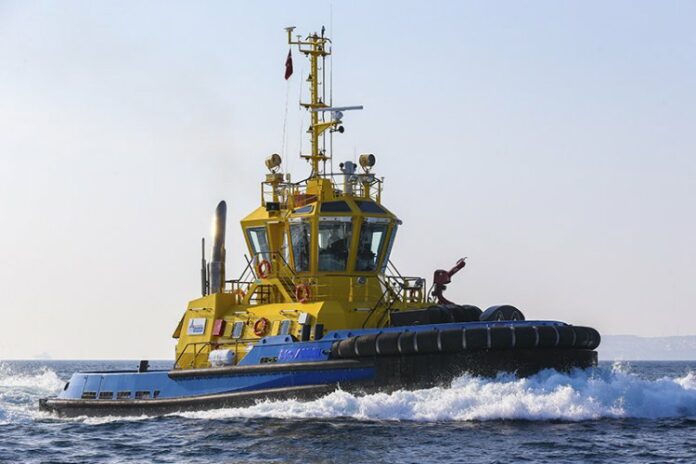
Seychelles Ports Authority (SPA) recently completed technical acceptance of a new azimuth stern drive (ASD) tug from Sanmar Shipyards in Turkey. The latest addition to the SPA fleet is another of the Sanmar flagship RAmparts 2400SX, designed by Robert Allan Limited exclusively for Sanmar and designated the Bogacay XLI. Mobilisation has already commenced under the direction of a Sanmar delivery crew and upon arrival to its new home at Port Victoria in Mahe the tug’s name will be unveiled.

Measuring 24.4m in length with a moulded beam of 11.25m and a maximum draft of 5.70m, the new tug is powered by pair of Caterpillar 3512C main engines, each developing 1,765kW at 1,800 rev/min driving Rolls-Royce type US 255 FP azimuth drives with carbon shafts turning 2,400mm diameter propellers inside high efficiency nozzles with stainless steel inner surfaces. Auxiliary generator sets are also by Caterpillar – a pair of 99ekW 400V 50Hz C4.4s.

The port side main engine also powers the pump that feeds the external fire-fighting system with a FFS supplied monitor capacity of 1,200m3/h located at the forward end of the bridge deck.

This machinery combination delivers a bollard pull of 60 tonnes and a free-running speed of 12 knots. The main towing winch, a double drum frequency-controlled unit manufactured by DMT, is mounted on the fore deck.

SPA is currently tendering out the main aspects of an expansion project at Port Victoria including civil works which cover a new quay. Port Victoria, which is currently 270m long, will be extended towards the sea by 40m. A new 600m quay will accommodate larger vessels, or two boats measuring up to 250m in length at the same time. Space will be also be made for the installation of two mobile cranes for loading and unloading of ships, storage yards and warehouses.

The purchase of this new tug supports these plans and represents another milestone in the planned upgrading and modernization of the port.

During the acceptance formalities, Jean-Paul Marie, Director – Marine Engineering for SPA said the new tug was:

“State of the art and will be the only one of her kind in our fleet. She will definitely be of great support and is arriving at just the right moment. Sanmar has delivered on all the agreed standards”.

Allen Chetty, Assistant Harbour Master for SPA said:

“Sanmar is a company that doesn’t only build ships but builds friendship and delivers on quality. This tug procured by the Seychelles Ports Authority is our first non-conventional tug and Sanmar is the partner that has been chosen to lead us through the transition to ASD tugs. During the technical delivery, Sanmar staff did their utmost to answer all our queries and to meet our demands”.

Responding to SPA’s comments Rüçhan Civgin, Commercial Director of Sanmar, thanked both Mr. Marie and Mr Chetty for their very kind words, emphasizing the importance to Sanmar of building and maintaining long-term trust and confidence with clients by always going the extra mile.

He said: “As with any successful business customers come first and we do hope our new friends at SPA will be happy and confident enough to return to Sanmar in the future as their needs expand”.