-8.3 C
New York
Home Blog Page 750

Wärtsilä cargo handling system design selected for new VLEC vessels

0

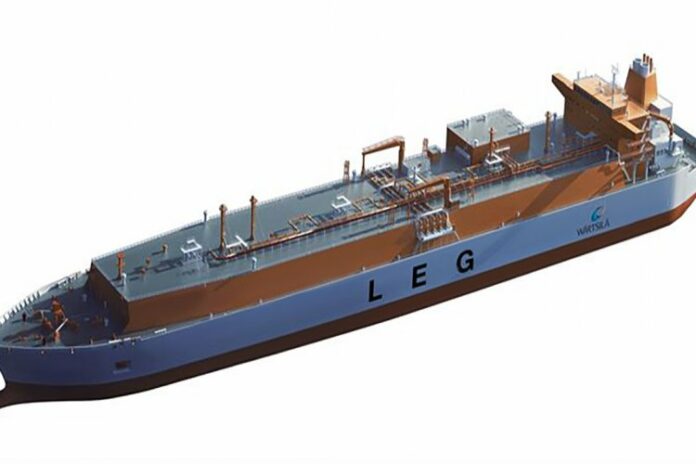
The technology group Wärtsilä’s proven experience in delivering cargo handling systems for gas carriers has been cited as a key consideration in the award of a new contract for Very Large Ethane Carriers (VLEC).

The Hyundai Heavy Industries (HHI) shipyard in South Korea has ordered the complete Wärtsilä cargo handling system design for two new 98,000 cbm VLECs currently under construction, with an option for a third vessel. The order with Wärtsilä was booked in October 2020.

The tailormade cargo handling system will comprise a highly efficient multi-cargo reliquefaction system and a unique ethane fuel supply system. The entire system will be connected to Wärtsilä’s inhouse-developed remote monitoring system, Operim, for efficient operational optimization.

Mr Jae-Eul Kim, Chief Technology Officer (CTO) at HHI, said:

“Wärtsilä is a leading provider of cargo handling systems and we are very confident with their designs and performance, so selecting Wärtsilä will ensure timely delivery with the highest quality standards for these unique vessels.”

Kjell Ove Ulstein, Director of Sales and Marketing at Wärtsilä, commented:

“This order again emphasizes Wärtsilä’s position as a market leader for the supply of gas carrier cargo systems in general, and VLEC cargo systems in particular. These are advanced and very specialised vessels requiring advanced and specialised cargo handling systems, and we very pleased to once again be selected as a trusted partner to HHI.”

This latest order follows a similar order placed in 2019 by HHI for the system design for three VLECs. Wärtsilä has also previously supplied HHI with numerous LPG, LEG and LNG cargo handling solutions.

SMST’s offshore access and lifting in one for DEME

0

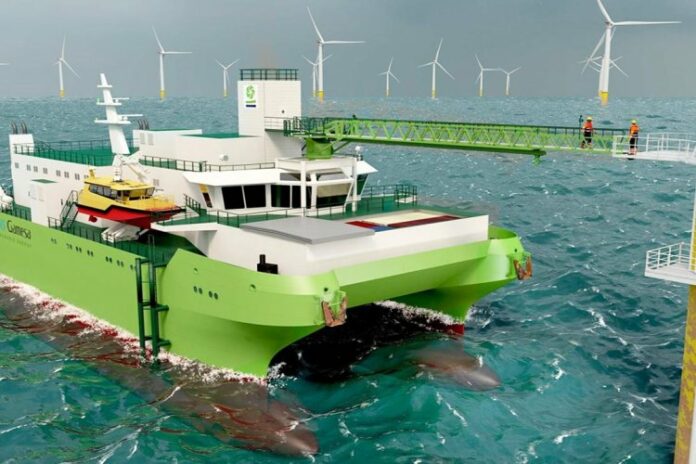
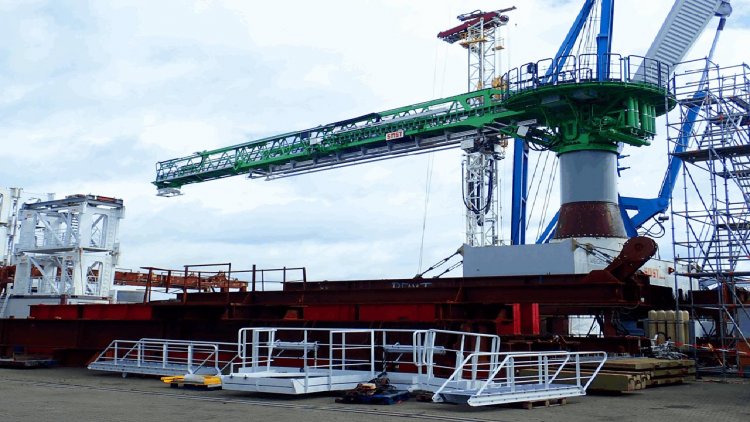
SMST is well underway to finalize its next generation gangway with increased lifting capacity and functionality, of which the first system is currently being commissioned at SMST. Later this year, the gangway for safe transfer of crew and cargo is going to be installed at Cemre Shipyard on board of DEME’s first Service Operation Vessel for windfarm maintenance.

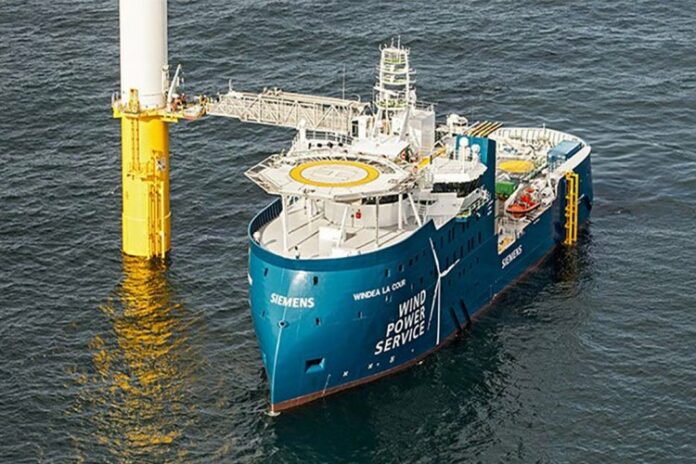
DEME’s SOV ‘Groene Wind’ will be chartered by Siemens Gamesa Renewable Energy for the Rentel and Mermaid & Seastar (referred as SeaMade) offshore wind farms in Belgium. Uniquely, it is the first SOV to serve three different wind farm sites. The SOV features a Small Waterplane Area Twin Hull (SWATH) design, which ensures low wave impact on movements when approaching the wind turbines, compared to a monohull SOV. The vessel will enable safe and efficient transfers in all weather conditions, being the first DP2, twin-hulled SOV in the world.

Another first for DEME is that they will be the first to benefit from SMST’s innovative offshore access and lifting solution. 

Jan Eelke van der Meulen, Sales Manager at SMST, says:

“With this gangway we meet the increased operational profile for all year operations and accepted the challenge of the operational limitations of handling cargo to a Transition Piece. We introduced new functionalities to our gangway by adding a cargo transfer system under the gangway.” 

The cargo winch installed under the bridge tip for motion compensated lifting is equipped with a travel system enabling the transfer of cargo under the full bridge length. The system increases logistical efficiency and gives room for a broader scope of work. It allows the load to be handled more secure, with less movements and in higher sea-states.

The cargo transfer system is developed in close co-operation with DEME, a world leader specialized in the fields of dredging, marine engineering and environmental remediation. 

Henk van Mol, Project Manager New Build Department at DEME Group, comments:

“SMST’s track record as manufacturer of motion compensated cranes was very valuable. With this solution we have lifting reach under the entire gangway, fully 3D motion compensated lifting capacity and ship-to-ship lifting to the Crew Transfer Vessel’s. This happens all directly out of the cargo hold, which is a real game changer of the cargo logistics on board of our SWATH.”

SMST is confident that with this new type, the so-called Telescopic Access Bridge L-2 type, the gangway is ready for the future of transporting heavy cargo over the bridge. Jan Eelke van der Meulen explains: 

“Transport of cargo by means of electric cargo transporters travelling over the gangway is a continuous, rapid development. The demand for autonomous features and enlarged cargo weight is increasing. Our gangway is equipped for this.” 

Another element of the gangway that improves future durability is the further developed dual luffing system of the gangway. The installed power for the gangway is significantly reduced which positively contributes to the reduction of the vessel’s CO2 emission.

With the delivery of the vessel in 2021 both SMST and DEME have enlarged their product portfolio for the offshore industry. 

Michiel Bertels, Naval architect at DEME Group, comments:

“As we both are parties with an innovative vision, we have been able to work perfectly together. We both are proud to have taken the step to develop a product that extends the business total package for the offshore wind industry.”

Long-term outage for Hammerfest LNG

0

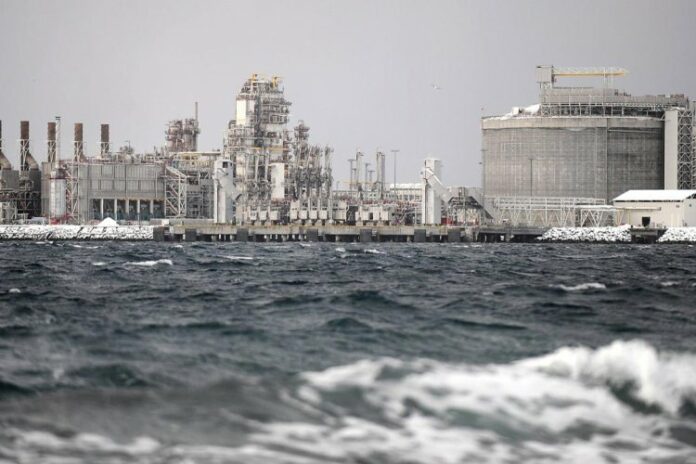
The fire at Hammerfest LNG-plant at Melkøya, that has occurred on 28 September, was confirmed put out at 23:30 CEST. No personell was injured in the incident.   

In addition to damages caused by the fire on the air intake on one of the plant’s five power turbines, large amounts of seawater from the extinguishing have damaged other auxiliary systems such as electrical equipment and cables in the plant.

It is the scope of work of these consequential damages that are considered the most extensive and the duration of the shutdown will depend on the delivery time of necessary equipment. Progress will also be affected by the current restrictions related to the Covid 19 virus.

Plant director Andreas Sandvik said:

“Although a lot of inspection work still remains and there is still significant uncertainty, our best estimate now is that that it may take up until 1 October 2021 to get Hammerfest LNG back into production.

We will use the shutdown period to also carry out other maintenance and repair work planned for 2021. This includes both ongoing maintenance and maintenance planned in a planned turnaround next spring.”

Equinor, as well as the PSA and the police have started independent investigations of the fire.

Grete B. Haaland, senior vice president for Equinor’s onshore facilities, says:

“The fire at Hammerfest LNG was a serious incident. The various investigations into the incident will be important in order to identify measures that will prevent similar incidents from happening again.”

EU awards funding to Kapellskär-Naantali Maritime Bridge environmental initiative

0

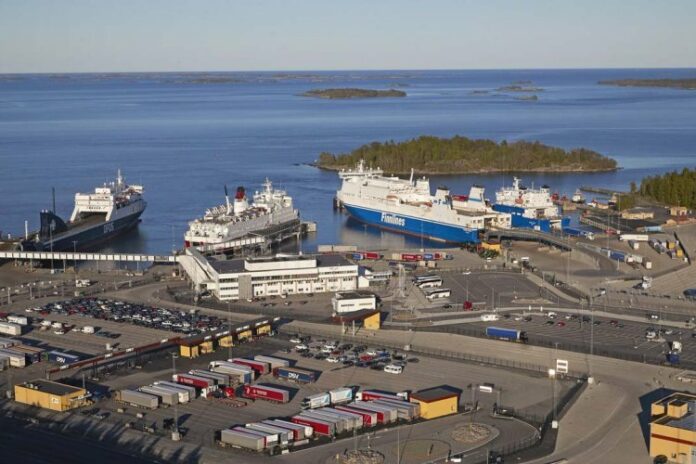
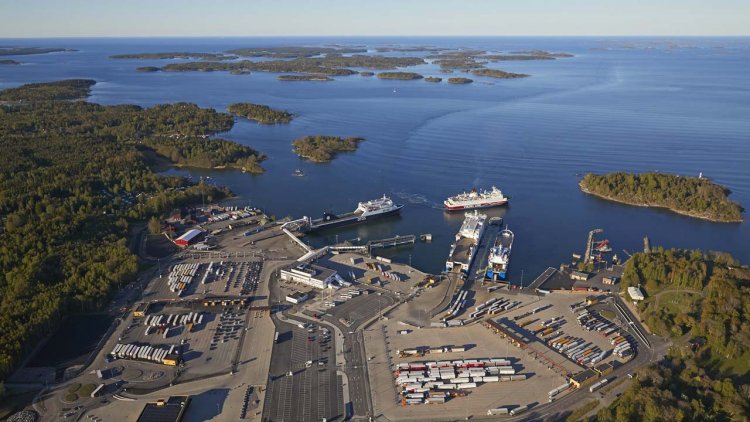
Port of Kapellskär, together with Port of Naantali, has been granted EU funding to reduce, among other things, air pollutant emissions from shipping. The funding also augments the investments made by Ports of Stockholm to meet service demands of customers and future needs.

Bino Drummond (M), Deputy Chairman of Port of Kapellskär, says:

“We are very happy that the agreement with the EU has now been signed. The development of Port of Kapellskär is strategically significant for sustainable shipping. More goods arriving by sea, using routes such as Naantali to Kapellskär, ensures long-term sustainable development and growth of the entire Stockholm region. Further development of Port of Kapellskär is therefore something we welcome and prioritize highly.”

Port of Kapellskär is part of one of the most important maritime links in Europe for the transport of passengers and cargo, and has been designated a comprehensive port within the extensive EU Trans-European Transport Network (TEN-T). The EU grant is part of the Motorways of the Sea EU priority initiative.

Peter Lundman, Technical Operations Manager at Port of Kapellskär, says:

“Increasing traffic volumes at Port of Kapellskär, in combination with the environmental challenges faced by society mean that the benefits of the joint EU project with Port of Naantali will be both effective and sustainable. I believe that the capabilities to provide onshore power to the vessels, an automatic mooring system, and a new passenger tower are excellent competitive solutions for the future.”

The project will mean investments in facilities for the provision of onshore power for vessels at the quayside. Connecting to onshore power significantly reduces the environmental impact of vessels in port, as the vessels can shut down their engines and operate instead using electricity from the local power grid. The project to provide onshore power connections has also been awarded funding from the Swedish Environmental Protection Agency.

To meet customer demand for services and future needs an auto-mooring capability will be installed. This will make operations at the quayside safer, more efficient and more competitive, as loading and unloading times will be reduced. A new passenger tower will also be built, to make embarkation and disembarkation easier for foot passengers.

Outfitting starts at Ulstein Verft for next Lindblad Expeditions cruise vessel

0

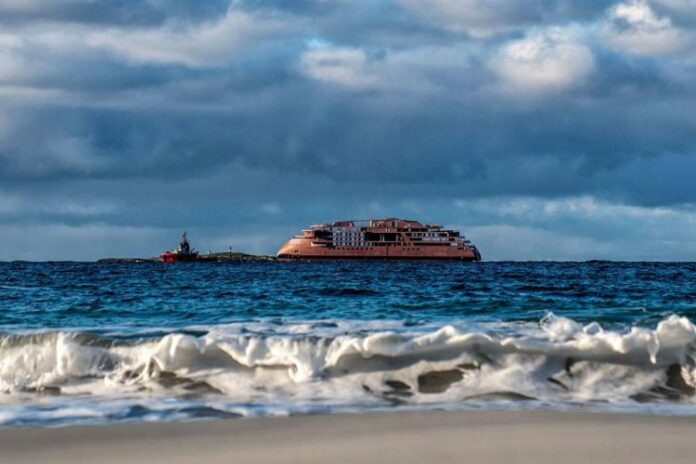
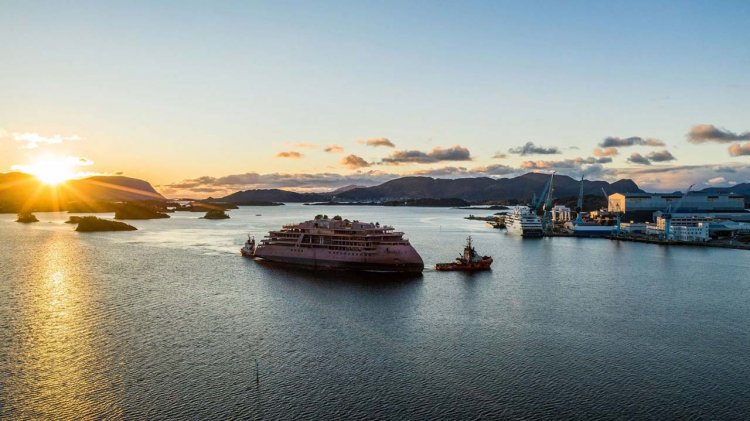
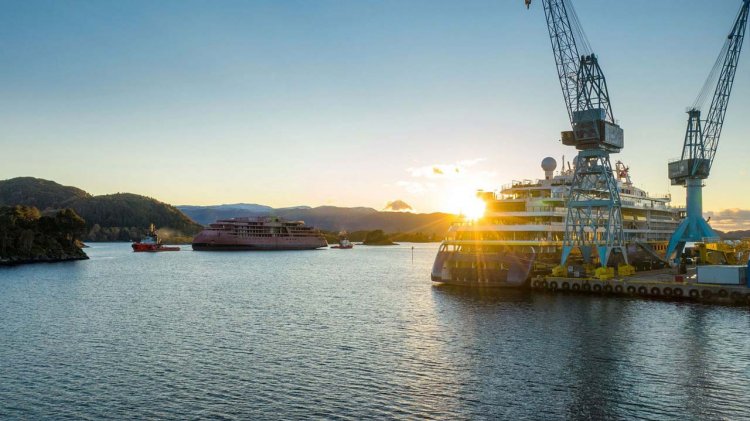
For the time being, expedition cruising is on hold, due to the worldwide Covid-19 situation. The ‘National Geographic Resolution’ is still planned for delivery in 2021.

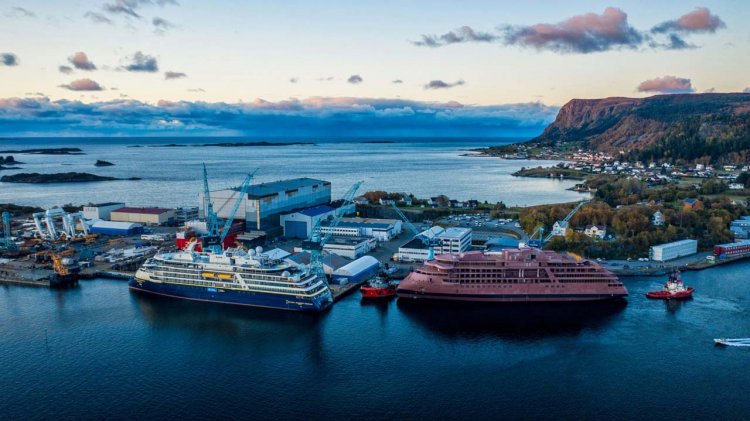
The hull will be transferred to the yard’s dock hall, where insulation work, electrical installations and hotel outfitting will commence. All major equipment including engines and thrusters were installed in Poland.

Quayside at Ulstein Verft is currently also her sister vessel, the ‘National Geographic Endurance’, which was delivered in March this year and will make her inaugural voyage when Lindblad reactivates travel.

Cruise enthusiasts around the world are following these two projects eagerly. The looks are very different from other cruise vessels, the X-BOW hull being a very visible design feature, originally developed for offshore vessels operating in the roughest areas of the world. The X-BOW is ploughing through the waves, reducing slamming and the vibrations caused by the sea, and thereby increasing the on-board comfort. The ‘Resolution’ is optimised for low impact on the nature. A smoother ride leads to reduced fuel consumption and thereby a decrease in harmful local emissions.

Another aspect with the X-BOW® is the unobstructed view which enables optimal wildlife observations. The design enables forward and straight down-the sides viewing.

The ‘Resolution’ offers much space for the passengers to give them the expedition of their lives. The vessel measures 124.4 metres and has accommodation for only 126 guests. 

Tampnet to provide 4G/LTE coverage for the GEMINI Offshore Wind Park

0

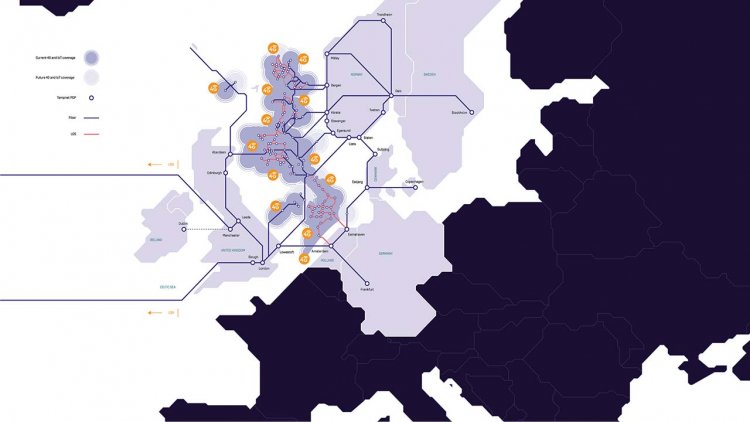
The wind park, with a total of 150 wind turbines, is located in the Dutch North Sea 85 km off the Dutch coast.

The GEMINI Wind Park consists of two offshore wind parks named “ZeeEnergie” and “Buitengaats”, each consisting of one substation and 75 wind turbines. The site is located approximately 55 km north of the island of Schiermonnikoog in the Dutch North Sea and 85 km off the Dutch coast.

Huib Fenenga, Country Manager, Tampnet NL, said:

“We are very excited about the GEMINI Wind Park since this will be the first offshore wind park in the Dutch part of the North Sea we are going to provide with LTE/4G coverage. This project is an important extension of our offshore coverage in the Dutch part of the North Sea.”

Tampnet will operate two base stations – one on each substation – and according to Fenenga the installation is going to be made in cooperation with GEMINI and will have a focus on safety, high quality and an ambitious time line. Tampnet’s solution will not only provide coverage for the Wind Park, but also for the Service Operation Vessel (SOV) and the Crew Transfer Vessels (CTV) working in the wind farm area.

Bart Hoefakker, CEO GEMINI, said:

“Our collaboration with Tampnet creates a win-win situation for both companies: Tampnet expands its 4G/LTE network in the North Sea, whilst we benefit from the high-quality 4G/LTE coverage required to support the operation and maintenance of our offshore wind farm.”

Kongsberg receives PGGS contract from MacGregor for OHT Alfa Lift

0

Kongsberg Maritime (KM) has signed a new contract with the maritime services and solutions provider MacGregor to deliver a Pile Gripper Guidance System (PGGS) for the OHT Alfa Lift. 

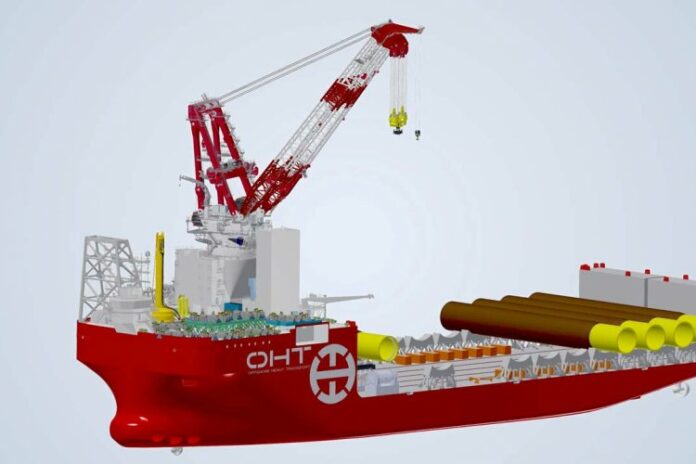
Scheduled for delivery in 2021, Alfa Lift will be the world’s largest custom-built offshore wind foundation installation vessel, equipped with a 3,000t main crane. The ship’s 10,000+ m² ‘smart’ deck will carry up to 14 XL monopiles per voyage and will also be fully submersible to a depth of 14.66m.

Under the terms of the contract, MacGregor will deliver a motion-compensated pile gripper frame, while KONGSBERG’s PGGS will integrate the gripper with the many other KM systems on board the OHT Alfa Lift. A K-Pos dual-redundant dynamic positioning system will interface with a K-Chief marine automation system and K-Thrust thruster control system, bringing all the technical and economic benefits which result from the integration of a vessel’s monitoring and control functions, while a K-Bridge integrated navigation system will provide a single, intuitive user interface for the ship’s multiple connected systems. A full suite of safe, reliable, compact and cost-effective K-Power products will accommodate the main switchboard, generators and drives, while KM’s azimuth and tunnel thrusters will take care of the vessel’s propulsion, steering and positioning thrust.

Kongsberg Maritime and MacGregor have both been working in close collaboration to develop this new, integrated monopile installation solution, incorporating KM’s most sophisticated, up-to-date automated handling functionality. By removing the need for temporary mooring procedures during installation operations, the solution will enhance safety, productivity and mission consistency, generating substantial savings in time and money for the specialist transport and installation contractor OHT. In time, these positive changes will be reflected in a wider sense when the concept is rolled out across the offshore wind energy market.

Kristina Arutjunova, Director Sales and Marketing Innovations, MacGregor, says:

“Working with Kongsberg Maritime and OHT on this solution has been a mutually rewarding process. We’re significantly raising the bar for safety, sustainability, precision and efficiency by dispensing with so many of the challenges traditionally posed by complex offshore operations of this nature.”

Birger Evensen, Sales Director Offshore, Kongsberg Maritime, adds:

“This order secures KM’s role as a leading technology provider for heavy offshore vessels. Working closely with MacGregor, we have developed an innovative solution that improves the efficiency of foundation installation vessels by replacing lengthy, temporary mooring processes with full DP, in combination with an integrated guidance system and hydraulic frame mechanism.

“The interdependence such enterprises require will benefit us all. Our technology, solutions and expertise will continue to make harnessing wind power safer and more efficient by streamlining installation processes, while the lessons we learn from our work with offshore energy clients will contribute considerably towards creating a cleaner and more sustainable future.”

Arctic Offshore Farming has invested in a new type of feed barge model in steel

0

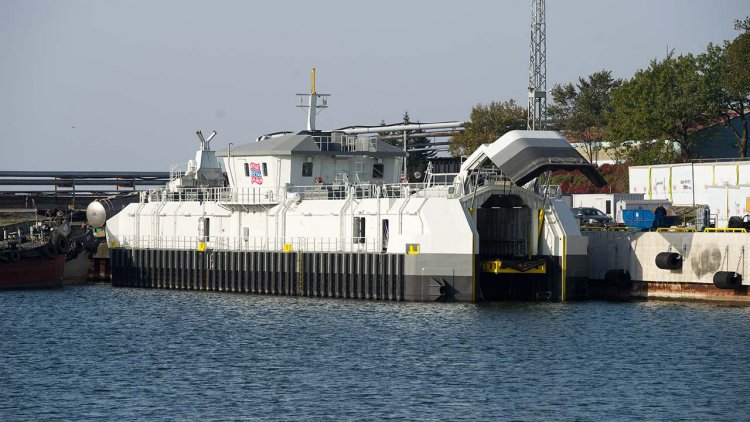
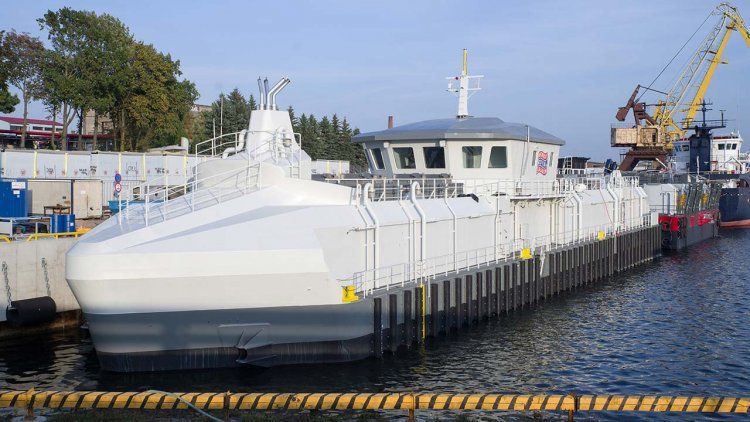
The feed barge from AKVA group excels in size and robustness with a length of 64.8 meters. A standard feed barge, an AC450C from AKVA group (in red) at the rear end demonstrates the size ratio.

Arctic Offshore Farming AS (AOF) is a wholly-owned subsidiary of Norway Royal Salmon ASA (NRS). In 2018, NRS/AOF was awarded development licenses from the Norwegian Directorate of Fisheries to develop semi-submersible steel structures (cages) for salmon farming in Troms in Northern Norway. Two pens with a total capacity of 5990 MTB are being built for the location Fellesholmen west of Tromsø. The fish farm is controlled and managed from a joint feed and service barge, developed in collaboration with, and built by, AKVA group. The pens will be ready to be populated in the summer of 2021 with the first fish produced ready for delivery to the market in 2022.

A feed and service barge with a similar combination of characteristics has not previously been delivered in the aquaculture industry.

Kent Ims Borsheim, Project Manager in AKVA group, says:

“This is the toughest barge AKVA group has ever made and it can handle «weather from all sides».”

The feed and service barge AC800PVDB has a unique composition; it is over 64 meters long and built for extreme conditions with a total tonnage of 800 metric tons, brand new environmentally friendly waterborne feeding technology and dimensioned for a significant wave height of 6.5 meters – specially designed for exposed locations. This is also the first barge that is designed with a bottom outlet for feed hoses in order to be able to use all sides of the barge for e.g. receiving feed. In addition, the barge is equipped with an integrated boat garage that can handle boats up to 10.5 m at the stern.

AKVA group has designed the barge with new technology for waterborne feeding, which was first presented at AquaNor in 2019. This is the second feed barge to be delivered with the new type of waterborne feeding technology.

Borsheim says:

“With waterborne feeding, the barge is very quiet in operation and environmentally friendly.”

Waterborne feeding represents a shift to extremely low energy consumption compared to air transport of the feed. Tests carried out during the development of waterborne feeding showed an energy reduction of as much as 70-90 per cent compared with air transport.

Borsheim says:

“The low energy consumption in feeding represents a significant cost saving in generator operation – approx. NOK 200,000 in monthly savings for a conventional feeding system with 8-10 pens.”

MSC Cruises to implement next generation air sanitation system

0

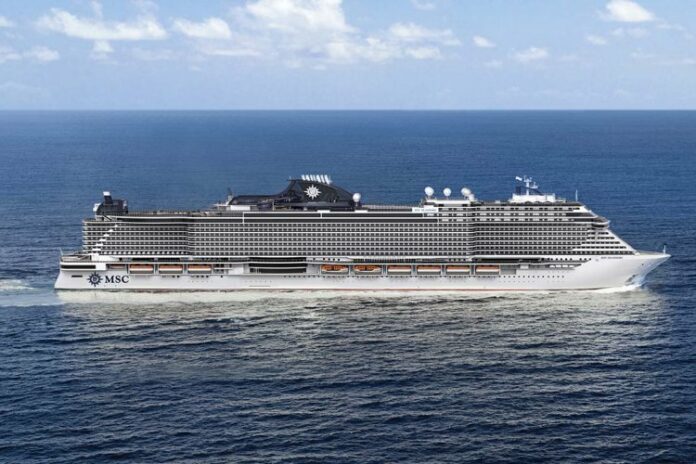
MSC Cruises will be the first cruise line in the world to install a new and advanced innovative technology sanitation system called ‘Safe Air’ to improve further the quality and cleanliness of the onboard air for its guests and crew.

‘Safe Air’ will be fitted on MSC Seashore, one of the largest and most technologically advanced ships ever built in Italy and currently under construction at shipbuilder Fincantieri’s Monfalcone yard and set to be delivered in July 2021 and be the first of two ‘Seaside Evo’ Class ships.

The ‘Safe Air’ next-generation sanitation system is based on the technology of UV-C lamps which are type C ultraviolet rays applied in combination with the ship’s air conditioning system, whereby air flow is radiated at source with a short wavelength light that hits organic particles and prevents the circulation of air pollutants such as viruses, bacteria and mold.

The ‘Safe Air’ sanitation system was developed by Fincantieri’s designers and technicians and the virology laboratory of the International Center for Genetic Engineering and Biotechnology, a leading global research institute headquartered in Trieste, Italy.

The Institute provides businesses with scientific support to develop innovative technological solutions for the control of virus infections, which is particularly relevant today given the current global pandemic.

MSC Cruises’ effective response to the health challenges faced by the worldwide travel and tourism sector has been to set the highest safety standards with a health and safety protocol that has been in operation since 16 August when its ship MSC Grandiosa resumed 7-night sailings in the West Mediterranean.

She has now completed nine voyages with more than 16,000 guests and has been joined this week by MSC Magnifica with longer and enriched 10-night cruises in the West and East Mediterranean.

The new health and safety protocol, in fact, went beyond the guidance from the relevant authorities in the countries where the ships sail to set a new standard for the cruise industry, as well as other aspects of travel, tourism, leisure and hospitality, particularly with respect to universal testing.

All guests go through universal health screening before boarding a ship which comprises three comprehensive steps – a temperature check, a review of a personal health questionnaire and a COVID-19 antigen swab test. Crew are tested up to three times before being permitted to start their work.

Other aspects of the health and safety protocol cover elevated sanitation and cleaning, protected ‘bubble’ shore excursions, facemasks and maintaining social distancing, enhanced onboard medical facilities, daily health monitoring and a robust contingency plan.

The protocol was designed by MSC Cruises’ in-house specialists in medical services, public health and sanitation, hotel services, heating, ventilation and air conditioning, other shipboard engineering systems, information technology and logistics.

A Blue-Ribbon COVID-19 Expert Group was also established that comprises a panel of internationally respected highly qualified professionals whose role is to inform and review the MSC Cruises’ protocol to ensure that the cruise line’s actions are appropriate, effective and informed by the best available science and health practices.

MSC Seashore – like all of the Company’s new vessels – will also feature some of the latest technologies and solutions available to reduce her environmental footprint. These notably include a state-of-the-art selective catalytic reduction (SCR) system and a next-generation advanced wastewater treatment (AWT) system.

SCR reduces nitrogen oxide emissions by 90 per cent through advanced active emissions control technology and an AWT systems take wastewater through a comprehensive process of purification and very fine filtration that transforms it into nearly tap-water quality.

MSC Seashore will also be fitted with shore-to-ship power capabilities that allow the vessel to connect to local power grids while at berth, further reducing air emissions.

Deep water berth extension at Port of Halifax fully operational

0

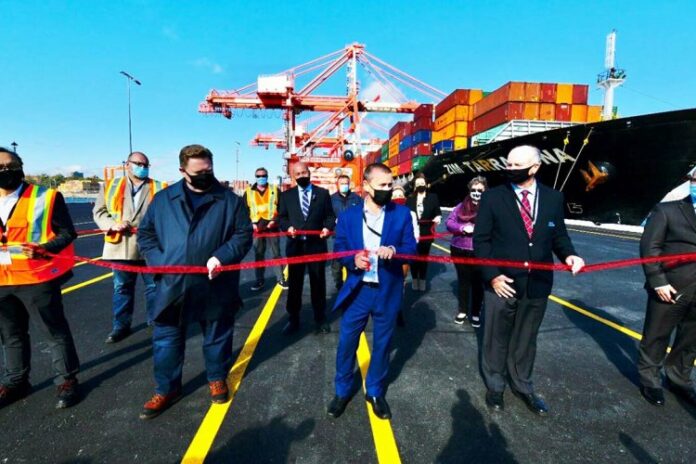
The first vessel to call on this expanded piece of critical infrastructure, operated by PSA Halifax, is the Zim Tarragona which arrived on October 23, 2020.

With the extension project finished, the South End Container Terminal operated by PSA Halifax now has the longest and deepest container berth in Eastern Canada with 800 metres continuous length and 16 metres depth. The recent installation of a new Super Post-Panamax (SPPX) crane, the largest in Eastern Canada, brings the total compliment of SPPX quay cranes at PSA Halifax to five. Vessels over 15,000 TEU already calling further show how the Port of Halifax is a significant player amongst East Coast deep water ports and is taking part in the growing deployment of Ultra-Class Container Vessels.

Kim Holtermand, CEO & Managing Director, PSA Halifax, said:

“PSA Halifax handles the largest container vessels calling at any port in Canada and with the opening of the berth extension we have the capability to berth two ultra-class vessels simultaneously, or three vessels on the strategically important Mediterranean, North Europe and Regional trades that support Atlantic Canadian exporters and deliver for those global Ocean Carriers that frequent our terminal.” 

Kevin Piper, President, ILA Local 269, said:

“The ILA sees the completion of the pier extension as Halifax securing its place in North America’s UltraClass vessel ports. We look forward to a bright future working with PSA Halifax.”

Halifax Port Authority President and CEO Captain Allan Gray, said:

“All of us are absolutely thrilled to see this project at successful completion. The construction team has done an excellent job navigating expected challenges like inclement weather, and they did it without serious incident during a global health emergency that continues to impact just about every aspect of life as we know it. The completion of this project comes at the same time we are seeing the first of the 15,000+ TEU Ultra-Class Container Vessels calling at our port, and it will help ensure we remain a competitive international gateway which will provide tremendous benefit to national trade corridors, the local economy and the Province of Nova Scotia.”