-6.3 C
New York
Home Blog Page 731

Equinor and SINTEF have agreed on a strategic collaboration in four key areas

0

SINTEF is Equinor’s biggest partner in the fields of research and technology development.

Now, for the first time, the companies have entered into a strategic collaboration agreement. The purpose of the agreement is to facilitate the exchange and development of ideas and radical solutions between the two partners. The companies will collaborate on projects that can provide good value creation and help Equinor’s transition into becoming a broad energy company.

Sophie Hildebrand, senior vice president of Research and Technology at Equinor, says:

“Equinor and SINTEF have a long history together, but we must continue to look ahead. With this agreement, we can quickly achieve results in areas that are important for the energy transition.”

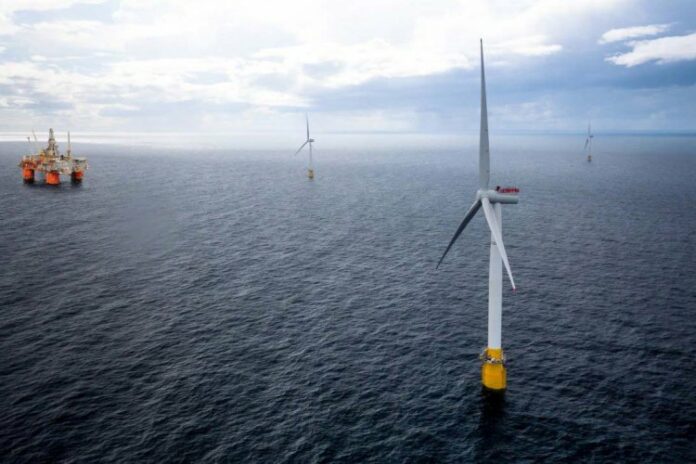
One of the areas of collaboration is already well underway: offshore wind – particularly floating wind. Equinor has already built the world’s first floating wind farm, Hywind Scotland, and is in the process of building Norway’s first floating farm, Hywind Tampen.

The offshore wind collaboration between Equinor and SINTEF dates back to the first test of the Hywind technology in SINTEF’s Ocean Basin Laboratory, in 2005. Looking forward, it will enable the development of technology that will make future projects cheaper, more efficient and more predictable. Among other things, the two partners will look at anchoring systems for the turbines, maintenance, control systems and grid connection.

In addition to improving the Hywind concept, the two partners will also examine other concepts for floating wind.

Alexandra Bech Gjørv, president and CEO of SINTEF, says:

“This agreement is about more than just a collaboration within Norway’s borders. It is about strengthening our global position in areas where Norway has a strong natural and technological advantage. Norway is an energy and maritime nation and could become one of the biggest players within sustainable energy from the ocean.”

In addition to offshore wind, the other collaboration areas are:

  • Marine systems, which encompasses the challenges related to marine structures, anchoring, risers and underwater pipelines, underwater technology, underwater robotics, safety and the environment.
  • Energy systems in connection with the development of renewable energy, including storage methods for renewable energy.
  • Modelling, i.e. all sort of modelling studies related to the three other topics.

The duration of the agreement is four years, and it can be prolonged for another four years.
VIDEO: Minesto delivers first tidal energy to the Faroese grid

0

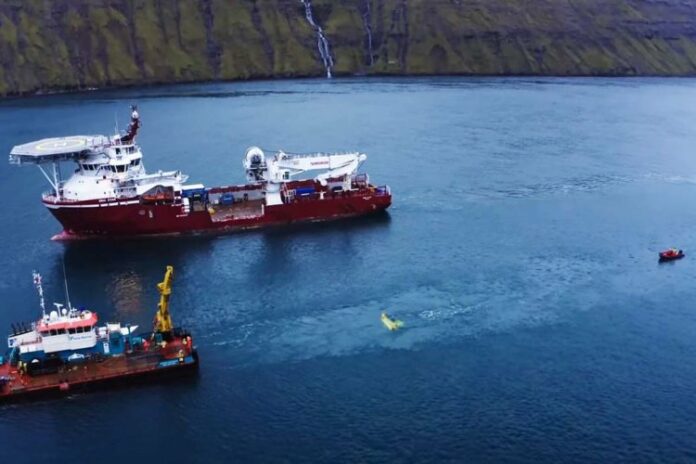
As a part of the ongoing commissioning work of its DG100 tidal kite system Vestmannasund, Faroe Islands, leading marine energy developer Minesto has reached the milestone of delivering electricity to the Faroese grid facilitated by the Power Purchase Agreement with the utility company SEV.

Dr Martin Edlund, CEO of Minesto, said:

“This is a historic moment and a massive step forward for Minesto and the development of our unique product. We are particularly satisfied with the production performance level of the system. We are now looking forward to our continued operations in Vestmannasund and working with SEV on future development plans.”

Following the installation of project infrastructure, including the foundation, export cable and onshore control station, Minesto installed and commenced commissioning activities of its 100kW DG100 tidal kite system in October. The DG100 system consists of the kite, tether, and the bottom joint. The bottom joint provides a pivoting connection point with the foundation, allowing the kite to fly freely in its optimised figure-of-eight trajectory.

The DG100 commissioning progress means that Minesto now has initiated the process of generating renewable electricity from the tidal flows in Vestmannasund, using the Deep Green technology’s unique principle of enhancing the speed of the kite through the water to power homes connected to the Faroese grid.

Jonas Millqvist, Chairman of the Board of Minesto said:

“This is a valuable step towards establishing Minesto’s technology in the renewable energy business on par with more proven technologies such as offshore wind energy. We now enter a phase where we move from single installations to array configurations, following the path of wind energy commercialisation. The operational progress and funding set-ups achieved to date give us a strong position to drive Minesto’s commercial development forward.”

Hákun Djurhuus, CEO of SEV said:

“We are very pleased that the project has reached the point where the Minesto DG100 delivers electricity to the Faroese grid. Although this is still on trial basis, we are confident that tidal energy will play a significant part in the Faroese sustainable electricity generation. Unlike other sustainable sources, tidal energy is predictable, which makes it more stable than e.g. wind power.”

Minesto and SEV have entered into a collaboration agreement to integrate tidal energy through Minesto’s Deep Green technology in the Faroe Islands. First step is the installation and operation of two grid connected DG100 systems in the Vestmannasund strait.

Minesto’s DG100 is a product for microgrids, targeting the off-grid and remote locations market both in the Faroe Islands and worldwide.

After demonstrating the DG100 system in Vestmannasund, the joint ambition of SEV and Minesto is a large-scale buildout of both microgrid (<250kW) and utility-scale (>1MW) Deep Green systems in the Faroe Islands.

The long-term ambition is to make tidal energy a core energy source in the Faroe grid mix, to support the country’s policy goal of satisfying the entire electricity need with renewable energy by 2030, including onshore transport and heating.

Minesto has been granted public funding totalling approx. €3.5 million through the EU’s EIC Accelerator and the Swedish Energy Agency for the implementation of the Vestmannasund project and the development of the DG100 marine energy converter.

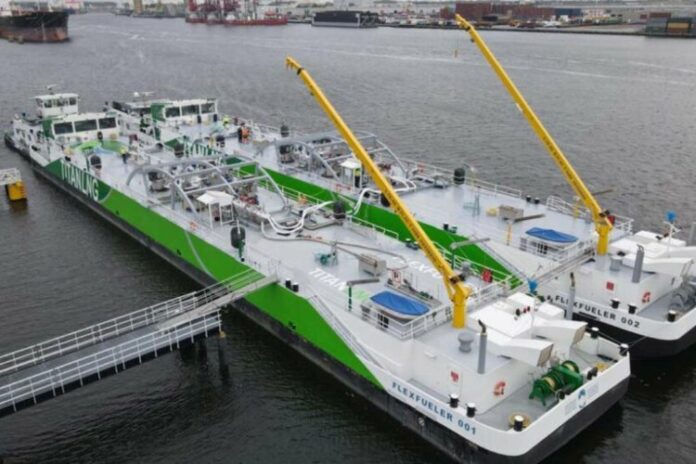
LNG bunkering barge FlexFueler002 delivered to the port of Antwerp

0

The vessel will make liquefied natural gas (LNG) more widely available as alternative shipping fuel from its home location at Quay 526/528 as from February 2021.

Regulations for sulphur content in shipping fuel have become stricter and additional environmental limitations will be imposed in the near future. LNG therefore has become  increasingly more attractive as an alternative fuel in shipping: it immediately cuts emissions of sulphur and particulate matter to negligible levels while emissions of nitrogen oxides are dramatically reduced as well.

The FlexFueler 002 and the other LNG bunkering infrastructure in the port of Antwerp have the benefit of not requiring additional investments to offer fully carbon neutral choices moving forward. Titan LNG as the long-term operator of the bunkering barge is confident to make available liquefied biogas (from organic waste) or liquefied synthetic methane (from green hydrogen and captured CO2) to LNG-powered vessels soon after starting operations in February 2021.

The advantage of the FlexFueler 002 is its flexibility: inland waterway vessels and coasters will have the option to get bunkered with LNG wherever they are loading or unloading their cargo. The bunkering barge will be operating from Quay 526/528 where Fluxys facilitates truck-to-ship bunkering and Titan LNG operates a permanent bunkering point for inland waterway vessels.

Fluxys and Titan LNG joined forces in early 2019 to build the FlexFueler 002 and shipbuilder Kooiman Marine recently delivered the vessel. Titan LNG is currently conducting the last trials and finalising crew training.

Pascal de Buck, CEO of Fluxys:

“We are proud to offer with partner Titan LNG a key logistic link for the shipping industry to switch to cleaner operations in the Antwerp port and region. The prospect of introducing with our newly built bunkering barge fully carbon neutral options in the foreseeable future strengthens us in our commitment to press ahead with the energy transition.”

Ronald van Selm, CTO of Titan LNG:

‘We would like to thank Kooiman Marine Group for building another landmark LNG bunker vessel. We are very anxious to add this vessel to our fleet of owned and chartered LNG bunker vessels. Building on the very fruitful cooperation during the development and building process, we are confident that together with Fluxys, LNG bunkering in Antwerp will be a daily business soon. Jointly with the Port of Antwerp we have already delivered LNG numerous times with the FlexFueler001, so we can guarantee our customers the safety framework is in place and functioning.”

Wärtsilä selects Shell as test oil partner for factory testing

0

The technology group Wärtsilä and Shell will further strengthen their partnership through Shell becoming Wärtsilä’s test oil partner for engines during the factory testing process.

Wärtsilä will utilise Shell’s engine oils at its engine manufacturing facilities. Shell was selected because of its complete range of market leading lubricant oils for stationary engines running on gas, heavy fuel oil, gasoil, or liquid biofuel. The Wärtsilä engines are used in marine and energy sector applications around the world.

Stefan Nysjö, Vice President, Power Supply, Wärtsilä Marine Power, says:

“Wärtsilä and Shell have a long-standing relationship, which involves collaborating in technology and product development. Lubricants play a key role in the factory acceptance tests of engines, so we are delighted to extend our cooperation to include this area of our operations.”

Steve Reindl, Vice President Global Key Accounts and New Business Development, Shell, says:

“We are proud to extend our partnership with a technology leader such as Wärtsilä. Recognising that the engines are meticulously engineered and knowing the high quality of the production process, Shell’s lubricants will help ensure that the equipment is well protected and able to perform optimally.”

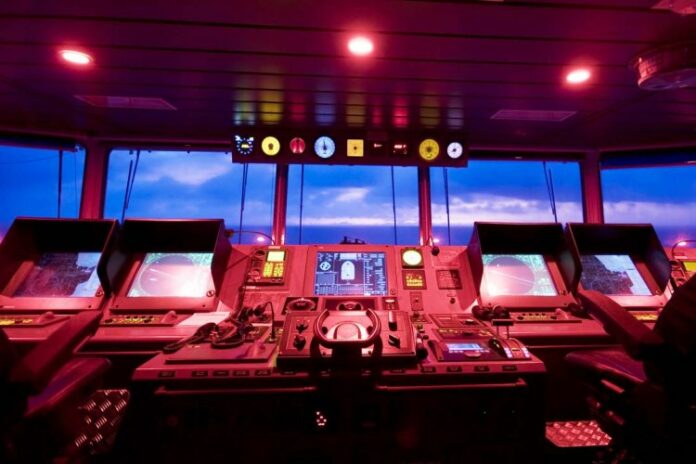
Rolls-Royce acquires leading supplier of ship control systems Servowatch

0

Rolls-Royce has acquired Servowatch Systems, a UK-based international supplier of integrated marine automation solutions for navies, commercial vessels and large yachts. 

Representatives of Rolls-Royce’s Power Systems business unit and the company’s previous owner, the Indian engineering, procurement and construction projects, manufacturing, defence and services group Larsen & Toubro, signed the contracts on December 1.

Servowatch, based in Heybridge, Essex, will significantly expand the ship automation division of the MTU product and solution brand of Rolls-Royce’s Power Systems business. 

Andreas Schell, CEO Rolls-Royce Power Systems, said:

“Servowatch’s modern and sophisticated range of automation and integrated bridge systems for government and commercial ships and large yachts is the ideal complement to continue to offer sophisticated total system solutions for marine propulsion systems and the entire ship automation sector. Building on a state of the art automation platform and connecting it with our MTU SmartBridge and Digital Solutions we consequently follow our system strategy and being able to provide a fully integrated bridge-to-propeller-solution for our customers.”

The new subsidary’s open automation systems will be fully integrated into MTU’s product range.

Knut Müller, Vice President of the Marine and Governmental Division of Rolls-Royce’s Power Systems business unit, said:

“With our Bluevision and Callosum systems, we have positioned ourselves excellently in the market for ship automation over the past two and a half decades. We are the only engine manufacturer in the world that can also supply the electronic platform for monitoring and controlling the entire ship. With Servowatch, we will continue to expand this position and modernize our product portfolio.”

Servowatch employs approximately 35 people at its headquarters in Heybridge, with additional 11 people in India. Servowatch automation systems monitor and control the operation of numerous large ships, for example large yachts and government vessels – not only the propulsion system, but also numerous other functions such as heating and ventilation and power supply.

Kevin Daffey Director Marine Systems & Automation at Rolls-Royces’ Power Systems business unit said:

“Servowatch is completely complementary to what we do in marine automation. Our new family member is focused on ships generally powered by high speed diesel engines and an integrated system based around their world class Winmon9 software. The integration with MTU products will help us add more lifecycle services through on-board data collection and edge analytics to inform the ship’s crew about vessel performance.“

Wayne Ross, Managing Director Servowatch Systems says:

“The team at Servowatch are very pleased and proud to be joining Rolls-Royce Power Systems and see very positively the synergy of products, also the focus on innovation and customer service, that is the recognised hallmark of Rolls-Royce globally. We look forward to contributing our efforts and products to the group, also to our further development as a business unit, under Rolls-Royce ownership.”

The Port will multiply the amount of solar energy it generates

0

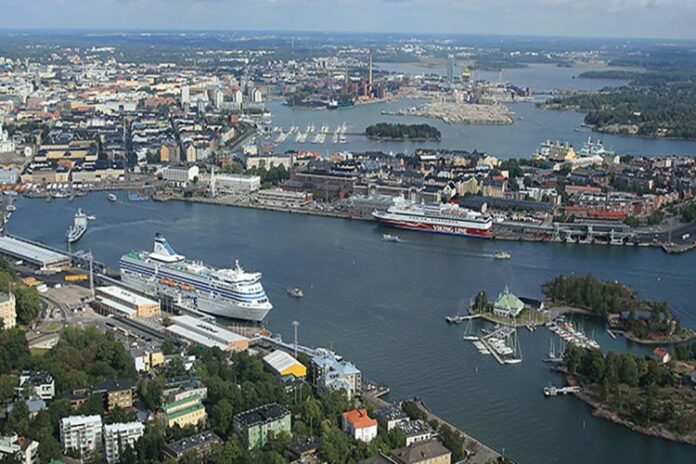
The Port of Helsinki will increase its generation of renewable energy and considerably increase the number of solar panels at Vuosaari Harbour and West Terminal 2. The power plants will be put into service by the end of the year.

The Port of Helsinki’s objective is for its own operations to be 100% carbon-neutral by 2035. This demanding objective can be achieved by considerably reducing energy consumption and obtaining the remaining energy required from carbon-neutral energy sources. 

Increasing the use of renewable solar energy is one solution. It has zero emissions during use, and by reducing the consumption of energy generated with fossil fuels, it simultaneously reduces the Port’s carbon footprint directly. 

The Port of Helsinki put its first solar panels into service next to Vuosaari Harbour’s noise barrier in 2016. After that, panels were also installed on top of the passenger bridge at West Terminal 2 in the new terminal’s construction phase.

A total of 307 new solar panels have now been installed on the roof of the V6 and V7 buildings in Vuosaari. A total of 200 panels will be installed on the roof of West Terminal 2. 

The annual yield of the new power plants is a total of approximately 145 MWh, which corresponds to the annual consumption of almost 100 residential building apartments or 10 single-family detached homes. 

The calculated decrease in CO2 emissions will be approximately 20,000 kg per year.

With the yield from the power plants, the Port will reduce its need to purchase electricity: the renewable electricity generated by the solar power plants will be consumed at West Terminal 2 and the buildings in Vuosaari by ventilation equipment, lighting and cooling systems, for example. 
 

Petrofac partners with Intoware to drive value through digital deployment

0

Petrofac has signed a three-year partnership with Intoware, the leading provider of workflow automation software for mobile applications, to develop and deploy workflow automation software that is specifically tailored to the requirements of the oil and gas industry.

The development of ‘WorkfloPlus Oil and Gas’ will further optimise the efficiencies that Petrofac has gained from digitalising maintenance and inspection activity for its clients. The software has been designed to automatically generate digital workflows, schedules and reports for users, eliminating the traditional manual and time-consuming preparation required.

The exclusive partnership is part of Petrofac’s strategy to drive best-in-class delivery for its clients through digital technologies. WorkfloPlus Oil and Gas is one of several initiatives in development and deployment across the organisation and was quickly proven to achieve significant and sustainable value and cost savings, as well as performance driven improvement.

Combining the use of Digital Twin and Connected Worker technology alongside WorkfloPlus Oil and Gas, Petrofac has digitalised more than 1,500 North Sea inspections to drive up to a 200% increase in offshore productivity. The bespoke tool converts existing paper-based and human process into easy to follow, step-by-step digital work instructions that are accessible through desktop, mobile and wearable computing devices. It also seamlessly integrates with Computer Maintenance Management Systems so it can be utilised across all sectors, not just oil and gas, to drive efficiency gains.

Steve Johnson, Vice President of Digital for Petrofac’s Engineering and Production Services business, commented:

“By bringing together our operations and engineering know-how with WorkfloPlus Oil and Gas, we’re demonstrating our ability to unlock significant value for our clients and the industry as a whole. The tool empowers teams to work faster and more efficiently, ultimately saving asset owners time and money without comprising safety.”

Keith Tilley, CEO, Intoware, added:

“We are very excited to be working with Petrofac by combining the best of WorkfloPlus with the expertise that the company has in operations and engineering. Our joint development programme has been underway for many months and having been extensively tested and refined, it is very clear to see the long-term benefits of these real results now being achieved. Designed for the industrial mobile workforce, our joint solution and partnership will deliver significant benefits in productivity for the connected worker, plus enhanced audit reports and savings for the business.”

Vineyard Wind selects GE as turbine supplier for America’s offshore wind project

0

Vineyard Wind, a joint venture between Avangrid Renewables and Copenhagen Infrastructure Partners (CIP), today announced that the company has selected GE as its preferred supplier of wind turbine generators for its Vineyard Wind 1 project, the first utility-scale offshore wind installation in the United States.  

Vineyard Wind CEO Lars T. Pedersen said:

“The selection of GE as our preferred turbine supplier means that a historic American company will play a vital role in the development of the first commercial scale offshore wind power in the U.S. This is a huge moment not only for the future of our project, but also for the future of an industry that is poised for exponential growth in the coming decades.”

Vineyard Wind 1 will be utilizing GE Renewable Energy’s industry leading Haliade-X wind turbine generators, the most powerful in operation to date. With this selection, GE Renewable Energy is poised to play a pivotal role in the development of offshore wind power in the U.S., which will be a major source of investments and job creation up and down the supply chain in communities across the region. 

John Lavelle, President & CEO, Offshore Wind at GE Renewable Energy, said:

“GE Renewable Energy is proud to partner with Vineyard Wind for the first major offshore wind project in the US. To be selected as the preferred supplier is an important sign of confidence for our proven technology and for all our employees around the world. We look forward to making this important contribution to the growth of offshore wind in the US.”

As a part of reaching this important milestone, Vineyard Wind has decided to temporarily withdraw its Construction and Operations Plan (COP) from further review by the Bureau of Ocean Energy Management (BOEM) to allow the project team to conduct a final technical review associated with the inclusion of the Haliade-X into the final project design. This information was formally communicated to BOEM earlier today.

Pedersen continued:

“While the decision to pause the ongoing process was difficult, taking this step now avoids potentially more federal delays and we are convinced it will provide the shortest overall timeline for delivering the project as planned. We intend to restart the BOEM process from where we left off as soon as we complete the final review.” 

The Company expects its review to take several weeks, after which Vineyard Wind will resume the Federal permitting process with BOEM.  With buffer built into the project schedule, Vineyard Wind still expects to reach financial close in the second half of 2021 and to begin delivering clean energy to Massachusetts in 2023.

Vineyard Wind 1 is an 800-megawatt (MW) project located 15 miles off the coast of Martha’s Vineyard and is slated to become the first large-scale offshore wind farm in the United States.  The project will generate cost-competitive electricity for more than 400,000 homes and businesses in the Commonwealth of Massachusetts and is expected to reduce carbon emissions by more than 1.6 million tons per year. 

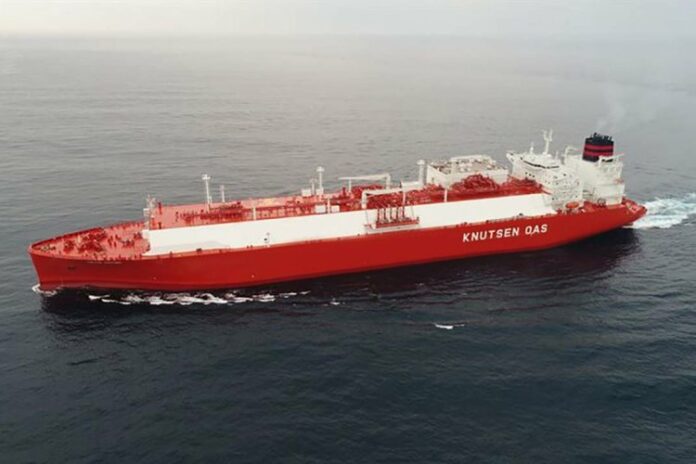
Wärtsilä’s new Compact Reliq selected for two newbuild LNG Carriers

0

The ships are to be built at the Hyundai Heavy Industries shipyard in South Korea. The order, which includes an option for an additional two vessels, was placed in November 2020.

The Compact Reliq solution is based on the well-proven reversed nitrogen Brayton cycle refrigeration technology. The solution is designed to reliquefy the boil-off gas (BOG) from gas carriers and LNG bunker vessels, and for keeping the cargo cool under all operating conditions. It allows a portion of the BOG to be used as fuel for the ship’s engines, with the excess able to be sold as part of the LNG cargo.

Jarle Østenstad, Newbuilding Director, Knutsen OAS Group, said:

“Wärtsilä is a trusted partner with whom we have worked in the past. The first generation nitrogen based re-liquefaction plants is highly reliable, efficient, and of good quality, so we had no hesitation in selecting the Compact Reliq for these new LNG Carriers.”

Kjell Ove Ulstein, Director of Sales and Marketing at Wärtsilä, commented:

“These will be the first installations for the Compact Reliq reliquefaction solution. We are very proud of this latest addition to our portfolio of gas value-chain products and systems, and this order provides a positive indication that the market is ready to embrace it.” 

The system will be instrumented for remote monitoring and online operational support as part of Wärtsilä’s Operational Performance Improvement and Monitoring (OPERIM) programme. The equipment is scheduled to be delivered to the yard commencing in February 2022, and the vessels are expected to begin commercial operations from late 2022. Wärtsilä has earlier supplied Knutsen OAS Shipping with earlier generation reliquefaction plants for six of the company’s vessels.

The compact design of the Wärtsilä Compact Reliq makes it easy to retrofit on existing ships without the need for extensive modifications. It features high reliability and a minimal maintenance requirement. The refrigeration process uses safe and easily obtainable commercial grade nitrogen.

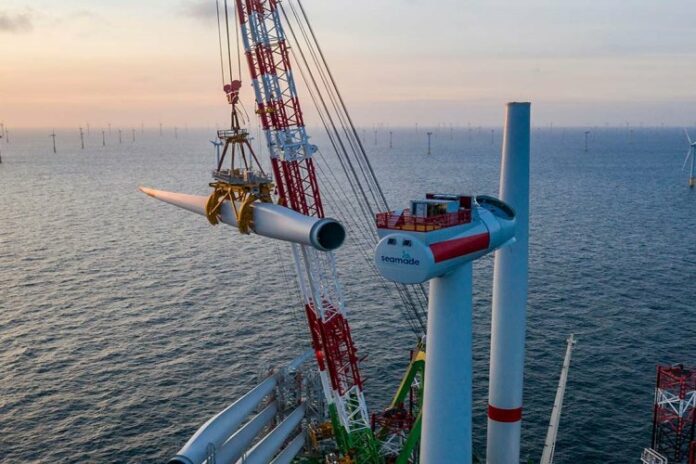
Turbine installation at Belgium’s largest offshore wind farm crosses the finish line

0

The SeaMade wind farm will provide green energy for 485,000 households and will lead to a significant reduction of annual CO2 emissions of at least 500,000 tonnes.

Offshore construction of the SeaMade wind farm started in September 2019 with the installation of the foundations. DEME was responsible for the Engineering, Procurement, Construction and Installation (EPCI) of the foundations, turbines, inter-array and export cables, as well as for the installation of two offshore substations. DEME’s DP2 offshore installation vessel ‘Apollo’ installed 58 Siemens Gamesa 8.4 MW turbines on the monopile foundations.

Bart De Poorter, General Manager DEME Offshore, said:

“Completing this large-scale project in such a short timeframe could only be achieved because of the integrated Balance of Plant approach and through extensive cooperation with our client, as well as the relentless efforts and determination of all the teams involved. This was also the first turbine installation project for ‘Apollo’. The crew has put in an excellent performance, particularly given the extra coronavirus restrictions they faced. At DEME we are all very proud to have played a key role in the development of this important wind farm, which is a vital step in helping to realise the Belgian government’s ambitious climate targets.”

Mathias Verkest, CEO SeaMade and Otary:

“Claiming that 2020 has been an eventful year for Otary is quite an understatement.  However with the SeaMade project, Otary has now realised the largest offshore wind farm in the Belgian North Sea on time and on budget despite these challenging times. All parties were well determined to deliver the project before year-end 2020, as instigated by the Belgian government. Mission accomplished. Through many contributions of contractors and team members, even COVID-19 could not stop or delay our project, which remains quite remarkable! Sincere thanks to the whole Otary team and all parties involved for achieving this impressive milestone. This is only possible through an incredible commitment, dedication and a countless number of hours of all the project teams.”