-13 C
New York
Home Blog Page 661

Kongsberg secures contract to deliver full solution for ecosystem monitoring using autonomous vessels

0

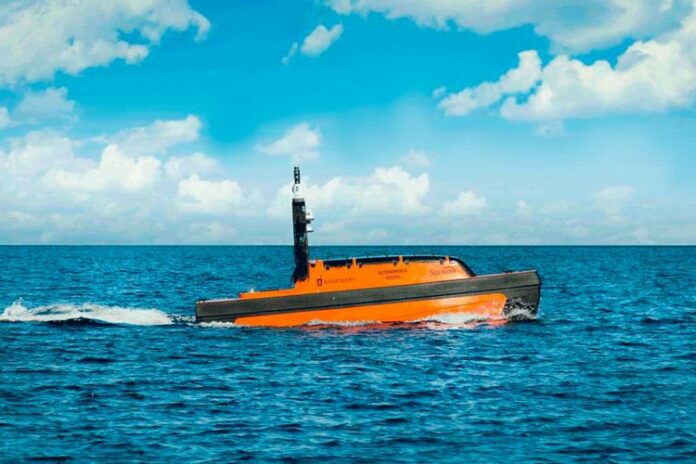
The scope of supply includes two Kongsberg Maritime Sounder USVs (Unmanned Surface Vehicles) and two KONGSBERG AUVs (Autonomous Underwater Vehicles), which will form the practical basis of the institute’s long-term strategy to develop the monitoring and management of marine environments and resources.

The KONGSBERG AUVs are scheduled for delivery this year, with the USVs following in the late summer/early autumn of 2022. The AUVs are depth-rated to 1,500m and are equipped with a powerful payload for environmental monitoring and seabed mapping.

The four autonomous vessels will be equipped with KONGSBERG’s new Blue Insight, a cloud-based ecosystem designed to facilitate remote instrument operation, data visualisation and smart management of oceanographic and meteorological data. Infrastructure for automated classification of fish through machine learning is a key feature of the delivery, consolidating the long-running partnership between KONGSBERG and the IMR towards the goal of implementing seagoing drones for ecosystem management.

Combining AUV and USV operations is a pioneering strategy which is set to become increasingly widespread in the future. This integrated autonomous survey solution is the first of its kind, and the investment testifies both to the IMR’s future-focused, sustainability-based ambitions and to its faith in KONGSBERG’s ability to supply the most advanced autonomous craft.

The Sounder USVs carry a scientific package which has been devised to provide optimal performance; a versatile, flexible, multi-purpose data-gathering platform which can be used for a variety of hydroacoustic observation and surveying applications, ranging from seabed mapping to fishery research. The IMR USVs will be equipped with a full EK80 wideband system accommodating ADCP functionality, similar to the setup on their existing research vessels.

Capable of running for up to 20 days at a speed of 4 knots, the Sounder USV is designed to enable a rapid and simple changeover of its sensor payload, and can be configured to allow equipment to be mounted in its roomy moonpool, on its bow or on its keel in an underwater sensor gondola – a special adaptation which is an ideal arrangement for this solution. The USV’s onboard power generation capabilities enable several payloads to be operated simultaneously.

With a compact length of 8m, the Sounder USV also boasts a well-balanced hull, designed to produce the most accurate data from acoustic instruments by ensuring the smoothest possible passage through the water. This minimises the presence of aerated water and optimises the signal/noise-in-water ratio, factors that might otherwise adversely affect the results. With the bow, rudders and stabilising fins working together to minimise rolling, pitching and drag while enhancing manoeuvrability, the Sounder USV constitutes a highly cost-effective and environmentally-sound surveying tool. It can be transported in standard-sized shipping containers, and is covered by KONGSBERG’s global service and support network.

Importantly, control and navigation of both AUVs and the Sounder USVs can be handled just by a single interface. The comprehensive overview provided by this fleet management capability enables interoperability between all assets and reduces in-mission complexity.

As one of the largest marine research institutes in Europe, the IMR is committed to promoting sustainable practices at sea, and digitalisation is a cornerstone of this policy. Stimulus programmes introduced last year to facilitate remote working during and after the pandemic have accelerated the institute’s wholesale adoption of high-tech digital solutions, supported by a substantial digital investment by Norway’s Ministry of Trade, Industry and Fisheries, in addition to external research grants.

The IMR’s CEO, Sissel Rognem, says:

“As we embark on the next stage in this project, we are happy to do so alongside our trusted and long-term partner Kongsberg Maritime. We are seeing a wide range of changes in our coastal and ocean ecosystems – and these changes happen fast. In response to this, we must streamline and increase our management efforts. To obtain this we need innovative and reliable partners, and the cooperation with Kongsberg Maritime is therefore vital to us. Their USVs and AUVs will initially work alongside our traditional research vessels in an ‘armada strategy,’ but will subsequently operate more independently as we expand our plans.”

Tonny Algrøy, Sales Director, Ocean Science, Kongsberg Maritime, adds:

“We’re very pleased to have secured this contract with the IMR. This delivery builds upon decades of collaborative work with the IMR to create innovative solutions for ocean ecosystem monitoring, and the addition of smart platforms plus a new E-infrastructure solution is a logical next step in this shared history.”
Polarstern expedition investigates massive calved iceberg

0

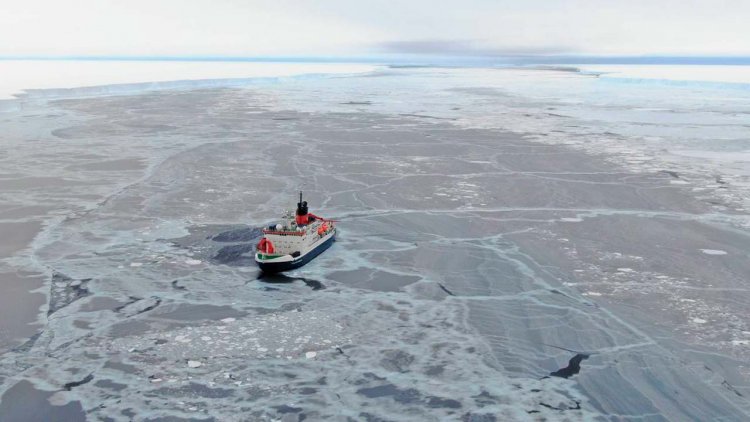
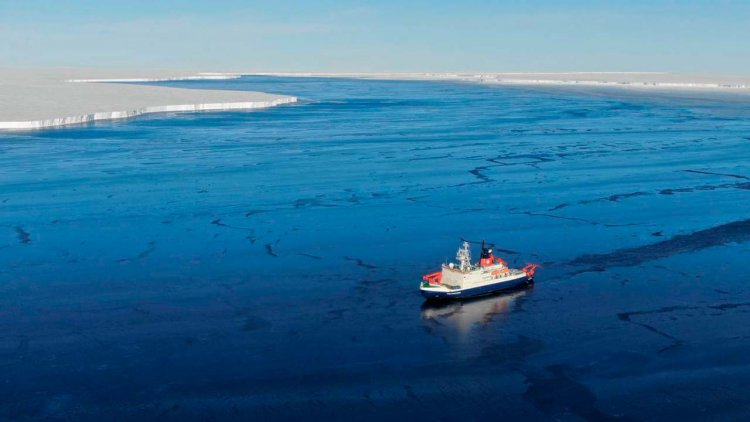
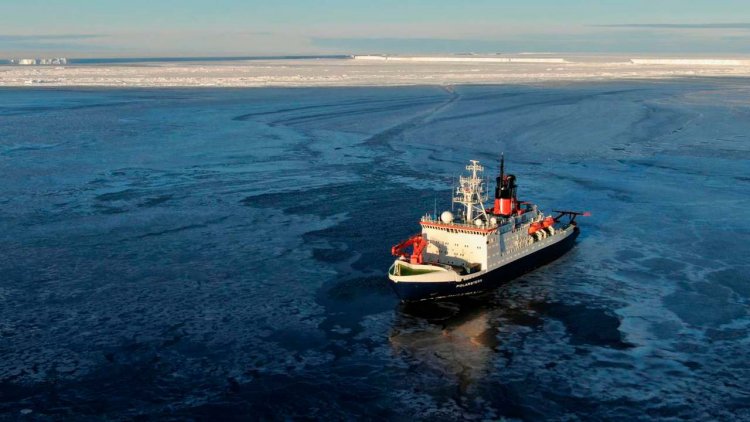
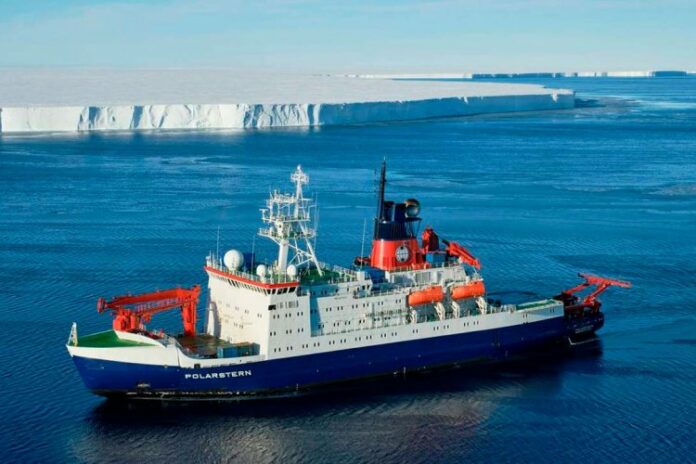
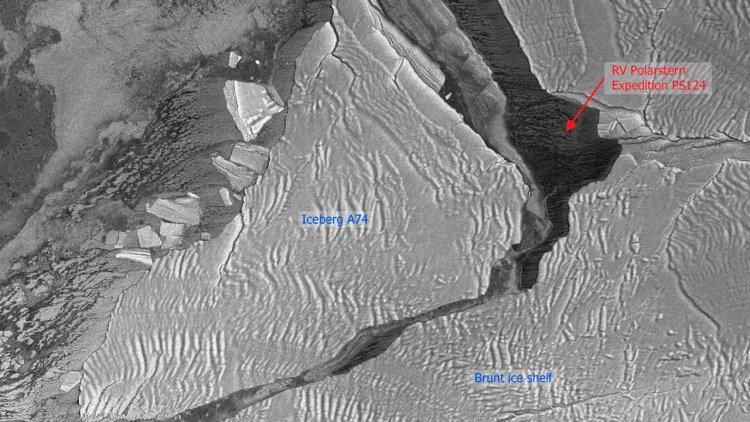
Roughly two weeks ago, a massive iceberg calved from the Antarctic Ice Sheet. As the only research vessel nearby, the Polarstern took the opportunity to enter the area between the iceberg and the Brunt Ice Shelf. 

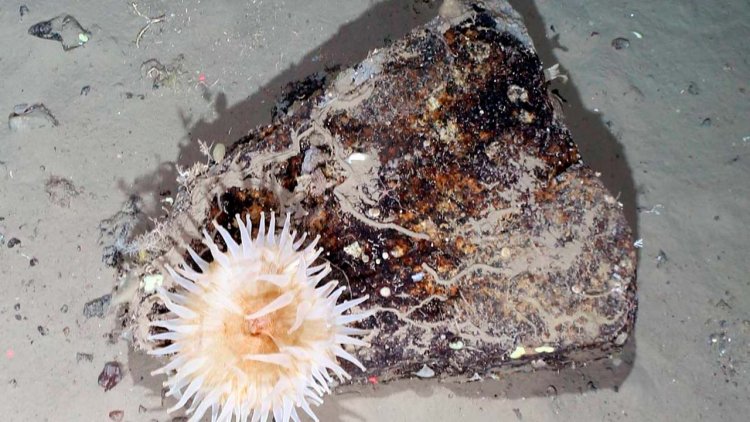
The first images from the seafloor reveal an amazing level of biodiversity in a region that was covered by thick ice for decades. The sediment samples gathered are expected to provide more detailed insights into the ecosystem, while a geochemical analysis of the water samples collected will allow conclusions to be drawn regarding the nutrient content and ocean currents.

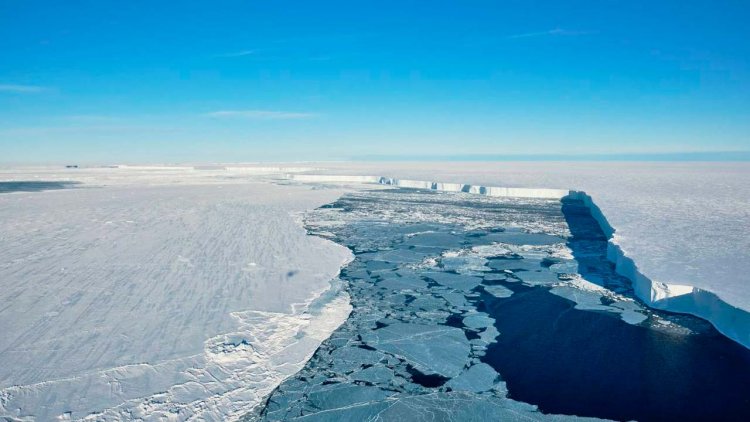
The massive iceberg A74 calved from the Brunt Ice Shelf in the Antarctic on 26 February 2021; with an area of 1270 square kilometres, the iceberg is twice the size of Berlin. The German research icebreaker Polarstern is the only research vessel on site, and has succeeded in penetrating the gap between the iceberg and the shelf edge, to explore the seafloor that has been covered by hundreds of metres of ice for decades.

Experts from the Alfred Wegener Institute, Helmholtz Centre for Polar and Marine Research (AWI) and their international partners arrived on scene shortly after the calving event. The scientists on board are thrilled with the once-in-a-lifetime photographs and sediment samples from the seafloor, not to mention the geochemical measurements of the water column above it. Gale-force winds had initially kept the Polarstern from reaching the region, but on the weekend (13/14 March 2021), more favourable weather conditions led the captain to give a green light for making a circuit of the iceberg and exploring the surrounding area.

German Federal Research Minister Anja Karliczek underlines the importance of this mission, which is made possible through the institutional funding of the AWI by the Federal Ministry of Education and Research, as follows:

“It is a unique opportunity offered to researchers on board Polarstern to explore the Antarctic Ice Sheet. I am grateful to the crew of the Polarstern for taking on the associated hardships and also risks. Polar research makes a decisive contribution to better understanding and foreseeing climate change and its consequences for our earth. We need this knowledge in order to be able to take effective countermeasures against climate change. The effects of climate change in Antarctica, among others, are worrying. “

This on-site research is essential to understanding the processes that massive calving events set in motion. Though doing so offers vital snapshots, it’s rarely possible to be nearby when a region becomes ice-free and first comes in contact with sunlight. Icebergs of this size only calve roughly once every 10 years in the Antarctic. Their smaller counterparts break free more frequently: snow falls and is compressed into thick layers of ice, which slowly slide along the continent toward the sea. Tongues of ice, referred to as ice shelves, float on the ocean instead of resting on dry land, and finally calve when the force of inland ice makes their connection to the glaciers unstable.

To date, climate change has especially warmed West Antarctica; the global temperature rise hasn’t yet affected East Antarctica, i.e., the Polarstern’s current research region. However, climate models predict that, in the course of this century, the air temperature will also rise over the East Antarctic Weddell Sea, negatively affecting the sea ice.

In turn, such changes could produce fundamental transformations of the hydrography: to date, a stable front has kept comparatively warm water from reaching the ice shelf. If there is less and thinner sea ice, and therefore less salt is released into the water column, that front could become unstable, and the warmer water it lets through could melt the shelf from below. In addition, a warmer atmosphere could mean that icebergs calve more frequently. The Antarctic is currently losing ice mass at a higher rate than before 2000, as the AWI experts have observed.

In order to create simulations, researchers need data from the regions in question – and gathered not just once, but consistently over extended timeframes. Accordingly, the Alfred Wegener Institute has conducted regular Polarstern expeditions to the Antarctic Weddell Sea since the 1980s. In this regard, the seafloor, ocean, ice and atmosphere are investigated – with different focus areas, depending on the respective expedition.

Dr Hartmut Hellmer, a physical oceanographer at the AWI and head of the expedition, says:

“It’s extremely fortunate that we were able to respond flexibly and explore the calving event at the Brunt Ice Shelf in such detail. That being said, I’m even happier that we successfully replaced a number of moorings, which will continue to record elementary data on temperature, salinity, and ocean current directions and speeds once we’ve left. This data forms the basis for our simulations of how the ice sheet will respond to climate change. As a result, we can say with a higher degree of certainty how quickly the sea level will rise in the future – and provide the political community and society at large with sound data for making decisions on necessary climate change adaptation measures.”

The experts found that, despite being permanently covered with ice for decades, the seafloor is home to impressive biodiversity. The deep-sea research team observed numerous organisms that had settled on stones of various sizes, surrounded by a silty landscape. The stones hail from the Antarctic continent and are transported to the ocean by glaciers. The majority of the organisms on them are filterers. Whether they chiefly feed on algal remains, or on organic particles transported with the ice, remains unclear. The experts also found a number of non-sessile species like sea cucumbers, sea stars, various molluscs, at least five fish species and two squid species.

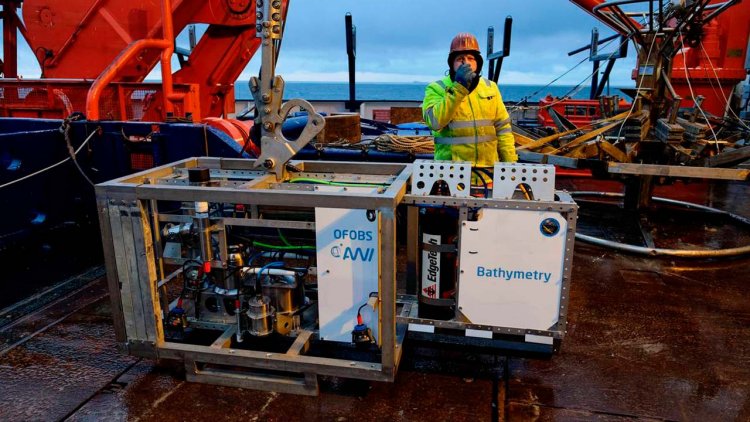
The deep-sea team photographed and filmed this surprisingly species-rich ecosystem for the first time using the OFOBS (Ocean Floor Observation and Bathymetry System). Since the camera platform is towed below the ship on a long cable, the researchers had to wait for the calving event before they could explore the previously unreachable seafloor. In the future, new technologies like autonomous underwater robots will be used to investigate such habitats.

Ørsted kicks off offshore installation of Greater Changhua 1 & 2a Offshore Wind Farms

0

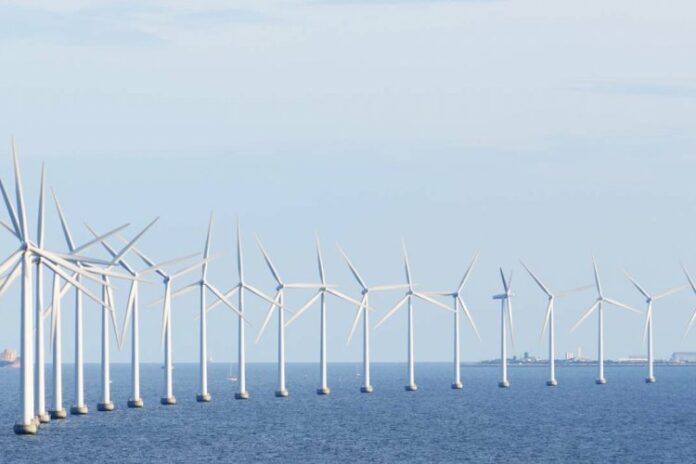
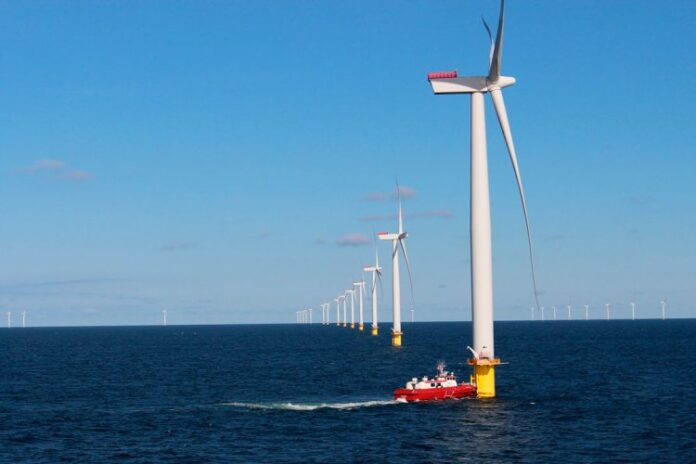
With all the permits and EIA approvals in place, Global offshore wind leader Ørsted is moving full speed ahead with full-scale offshore construction activities of the 900 MW Greater Changhua 1 & 2a Offshore Wind Farms. Ørsted will begin laying export and array cables and installing the offshore substations and foundations in 2021 and will proceed with wind turbine installation next year.

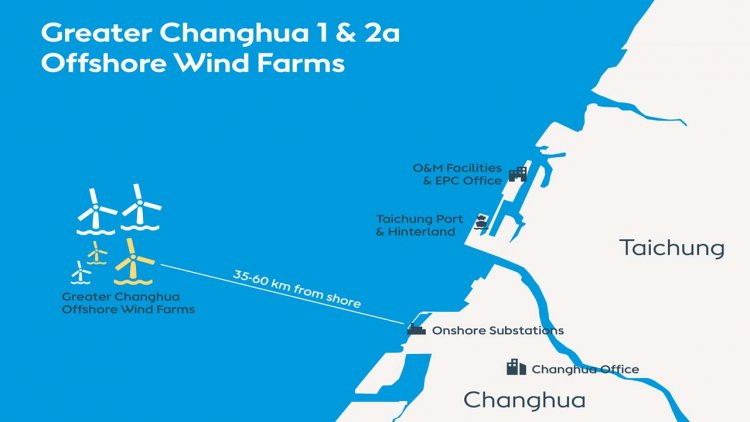
Located 35-60 km off the coast of Changhua County, the first large-scale and farshore offshore wind farms in Taiwan is scheduled to be finalized by 2022 and will provide clean energy to one million households.

Ørsted has kicked off the horizontal directional drilling (HDD) to prepare for cable laying and scour protection works to make the seabed ready for foundation installation. Moreover, Ørsted is progressing well with onshore construction, including completing the civil works of the two onshore substation main buildings and the upgrade work of the hinterland at wharfs 36 and 37 at the Port of Taichung for storing key components for offshore installation.

Matthias Bausenwein, President of Ørsted Asia-Pacific, says:

“Ørsted’s vision is to create a world that runs entirely on green energy. With 30 years of experience and an end-to-end business model of developing, constructing, and operating offshore wind farms, Ørsted has been committed since day one to helping Taiwan build first world-class offshore wind farms to provide clean energy and contribute to its energy transition goal. The commencement of offshore installation of the Greater Changhua 1 & 2a Offshore Wind Farms signify a landmark step towards achieving that goal of making Taiwan greener.”

Christy Wang, Ørsted Taiwan General Manager, says:

“After nearly 1,800 days of relentless hard work, we’re now ready to commence all offshore installation. This isn’t an easy task, especially with the challenges of the COVID-19 pandemic, but we’ve demonstrated our profound offshore wind project management experience and expertise to successfully secure the vessels and personnel, making it possible for us to be on time with offshore construction. Together with a combination of foreign and domestic suppliers, Ørsted will ensure high performance of industrial quality, health, safety, and environmental standards, fulfill our EIA commitments throughout the construction phase, and deliver the wind farms on time.”

Ranked by Corporate Knights as the most sustainable energy company, Ørsted is dedicated to protecting the environment during construction by utilizing state-of-the-art technology available in the market. Ørsted’s suppliers have recruited the Taiwan Cetacean Observers (TCO) certified by the Ocean Conservation Administration, whose members include Changhua fishermen and non-governmental ecological organizations, to support offshore construction activities.

Moreover, the offshore construction will be supported by a wide range of marine engineering, vessels suppliers, and personnel from home and abroad. It is estimated that during peak times, there will be more than 25 vessels mobilized, including crew transfer vessels, installation and support vessels, service operation vessels, and guard vessels as well as 500-800 people working at sea.

In addition to offshore construction, Ørsted has been preparing for the operations and maintenance (O&M) work since 2019 and established a local O&M team with 21 Taiwanese O&M technicians, with four more expected to join in the near future. These technicians are currently under intensive professional O&M training and will be based at Ørsted’s new O&M base at the Port of Taichung starting 2022. From there, they will use the first Taiwan-flagged service operation vessel to perform their O&M duties, ensuring optimal performance of the Greater Changhua 1 & 2a Offshore Wind Farm.

Equinor, Repsol and Petrobras chose concept for BM-C-33 project in Brazil

0

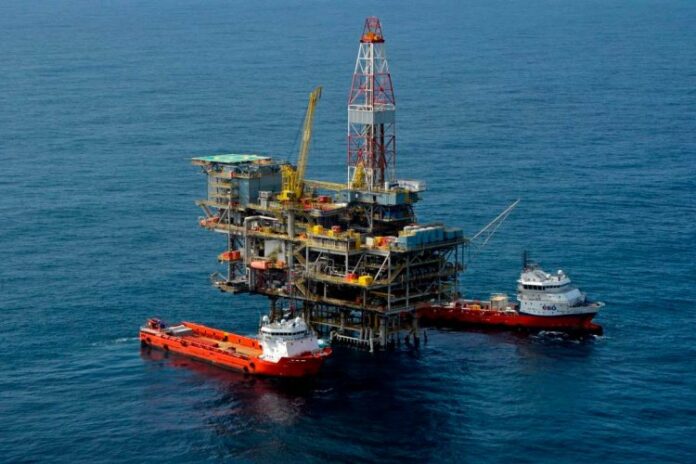
Equinor, together with license partners Repsol Sinopec Brasil and Petrobras, have approved the development concept for BM-C-33, a gas/condensate field located in the Campos Basin pre-salt in Brazil.

Geir Tungesvik, Equinor’s senior vice president for projects, says:

“BM-C-33 is a key project in our portfolio and concept select is an important milestone in our effort to mature the project.  It is important to further optimise and improve the project business case to make it more robust for future market.”

The well streams will be sent to a floating production, storage and offloading unit (FPSO) located at the field. Gas and oil/condensate will both be processed at the FPSO to sales specifications and exported. Crude will be offloaded by shuttle tankers and shipped to the international market after ship-to-ship transfer. A new-build hull has been selected to accommodate for 30 years lifetime of the field.

The gas export solution is based on an integrated offshore gas pipeline from the FPSO to a new dedicated onshore gas receiving facility inside the Petrobras TECAB site at Cabiúnas, before connecting to the domestic gas transmission network.

Veronica Coelho, Equinor’s country manager in Brazil, says:

“BM-C-33 holds substantial volumes of gas. A completion of the ongoing liberalization of the natural gas market in Brazil in line with the current plan, is key for the further development of the project. BM-C-33 is an asset that can generate value for the society, both through the creation of direct and indirect jobs, ripple effects, and through a gas supply that can induce industrial growth, as has happened in other countries.”

Gas export capacity is planned for 16 Mm3/day with average exports expected to be 14 Mm3/day, which represents a significant volume based on current Brazilian gas demand. Daily oil processing capacity is of 20,000 m3.

The concept select is a conclusion of a technical and commercial assessment of various developing concepts and landfalls. The chosen concept provides the most robust solution to develop the BM- C-33 project and gas value chain.

MOL to move into ocean shipping of liquefied CO2 ocean transport business

0

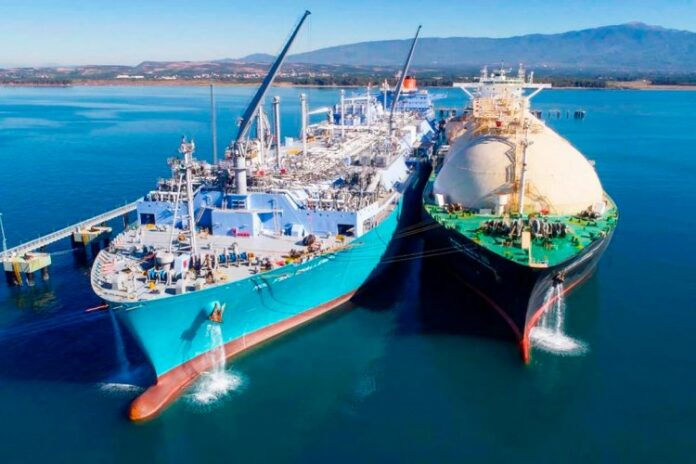
Liquefied CO2 ocean transport plays a key role in carbon dioxide capture utilization and storage (CCUS) value chains as a means of effectively connecting collection sites with storage or usage sites.

CCUS is drawing attention as a technology to collect and store CO2 or use it effectively, and a step toward realizing a low-carbon society. According to a report by the International Energy Authority (IEA), CCUS targets a 15% reduction in cumulative CO2 emissions by 2070. This is expected to contribute to a reduction of about 6.9 billion tons per year when carbon neutrality is achieved.

Larvik Shipping has managed industrial liquefied CO2 tankers serving Europe for over 30 years, and has a strong track record in safe transport of liquefied CO2 and extensive cargo-handling know-how. MOL will soon enter the liquefied CO2 ocean transport business, which is positioned for significant growth in step with the increasing adoption of CCUS.

MOL will contribute to further expansion of the business by combining its accumulated expertise and technological capabilities in safe operation with Larvik Shipping’s knowledge and solid experience. Both companies will discuss the adoption of larger ships with an eye toward expanding both upstream and downstream and in the CCUS value chain.

NYK Subsidiary concludes COA with Neste for eco-friendly renewable diesel

0

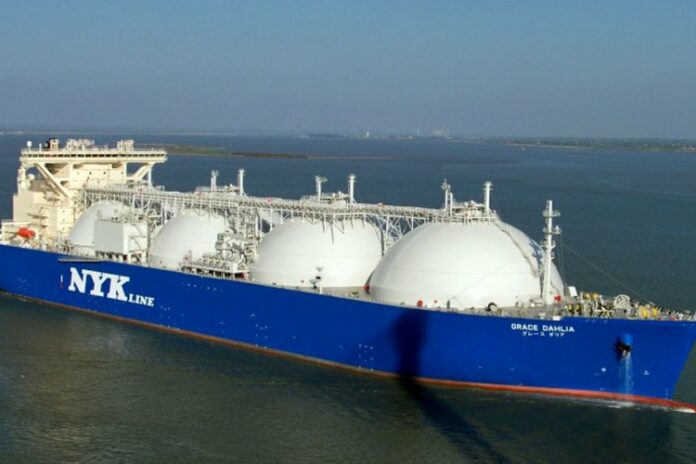
NYK Bulkship (Asia) Pte. Ltd., an NYK Group company based in Singapore, has signed a Contract of Affreightment (COA) with Neste Shipping Oy, a wholly owned subsidiary company of Neste Oyj (Neste) headquartered in Finland, for the ocean transportation of renewable diesel.

In December 2020, NYK Bulkship (Asia) made the first spot contract for the ocean transportation of renewable diesel, and delivery of the cargo was successfully completed in February 2021.

Neste Renewable Diesel (NRD) is produced from globally sourced wastes and residues such as waste animal fat, residues from vegetable oil, used cooking oil. It is reported that the chemical properties of the product are similar to those of fossil diesel, and reduces Greenhouse gas (GHG) emissions up to 90% compared to fossil diesel. NYK Bulkship (Asia), an MR (medium range) product/chemical tanker operator will be transporting the product from Singapore to North America for the COA.

On February 3, 2021, NYK announced the NYK Group ESG Story, which aims to further integrate ESG into the company’s management strategy and promotes activities that contribute to the achievement of the SDGs (Sustainable Development Goals) through business activities. To strongly promote ESG management, the NYK Group will encourage new value creation as a sustainable solution provider through a business strategy that includes contributing to the stable supply of eco-friendly renewable diesel.

TechnipFMC enters partnership with Magnora to develop floating offshore wind projects

0

Magnora holds a strategic position within the renewable energy sector as an owner in offshore wind, onshore wind, and solar development projects and is a key enabler in solar energy technologies.

When combined with TechnipFMC’s unique technologies, experience delivering integrated EPCI (iEPCI™) projects and its novel Deep Purple™ initiative to integrate wind and wave energy with offshore green hydrogen storage, this partnership will enable Magnora Offshore Wind to realize significant opportunities in the growing offshore floating wind market.

Magnora Offshore Wind has already commenced operations and started work on an application for the first round of seabed leasing through the Scottish government’s ScotWind Leasing program. In addition, Magnora Offshore Wind will participate in the first offshore wind application round in Norway, which opens in 2021, and will also consider entering new markets in the coming months.

Jonathan Landes, President Subsea at TechnipFMC, commented:

“Magnora and TechnipFMC bring together decades of combined knowledge regarding the development of profitable offshore energy projects. This partnership reflects TechnipFMC’s ambition to capture a significant position in the renewable offshore energy market. We are delighted to support Magnora Offshore Wind by providing our expertise and know-how in bringing innovative offshore energy solutions to the market.”

Torstein Sanness, Executive Chairman of Magnora, says:

“In Magnora you find some of the world’s leading experts within wind development. Coupled with TechnipFMC’s project management competence and extensive service and technology portfolio, we believe we can provide a market-leading floating offshore wind offering. TechnipFMC’s ‘Deep Purple™’ initiative, which utilizes offshore wind to produce hydrogen for offshore assets, is another exciting avenue we will be jointly looking to explore.”

A&R orders SCHOTTEL propulsion systems for three new multi-purpose vessels

0

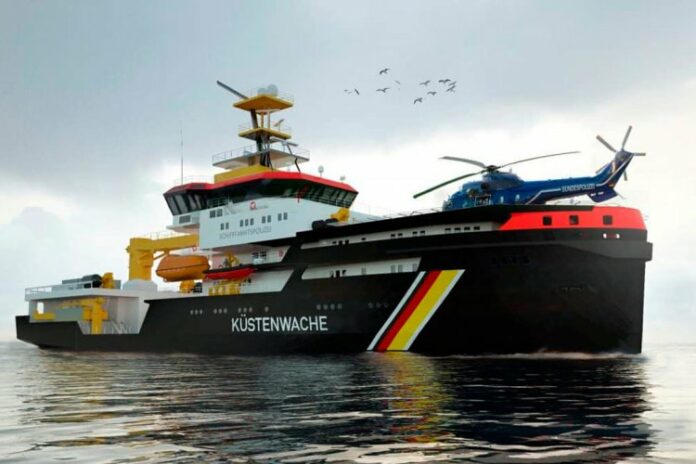
Three new multi-purpose vessels ordered from the Abeking & Rasmussen ship and yacht shipyard (A&R) in Lemwerder by the German government for the Waterways and Shipping Administration (WSV) will be equipped with SCHOTTEL propulsion systems. Planning and design as well as tendering and continuous construction supervision are carried out by the Federal Waterways Engineering and Research Institute (BAW), Ship Technology division.

Manoeuvrability, high bollard pull, increased availability combined with maximum propulsion efficiency are important for these vessels. These requirements are met by means of two powerful SCHOTTEL RudderPropellers and one PumpJet per vessel. The newly designed A&R vessels will run exclusively on liquid natural gas (LNG).

Each of the identical WSV special vessels, which are over 90 m long, is driven by two SCHOTTEL RudderPropellers type SRP 750 (each 4,500 kW at 750 rpm). This allows the vessels to reach a speed of over 15 knots and a bollard pull of at least 145 tonnes. With an input power of up to 5,300 kW, the SRP 750 is one of the most powerful rudder propellers in the entire SCHOTTEL portfolio.

A SCHOTTEL PumpJet type SPJ 520 (2,990 kW) further increases the manoeuvrability of the vessels and is also suitable for operation in shallower waters thanks to being installed flush with the hull. The SPJ is mounted elastically, which reduces noise and vibration levels on board as well as underwater noise.

In addition, all three vessels will be equipped with SCHOTTEL MariHub, SCHOTTEL’s data acquisition and IoT gateway system. It records and analyses signals from sensors, machinery and other components which can then be evaluated by SCHOTTEL for the customer.

With the condition monitoring service ProCMS, MariHub allows for early detection of irregularities in the drive train. This predictive maintenance approach significantly increases the availability of the multi-purpose vessels: ProCMS can reduce maintenance costs and improve maintenance planning.

The multi-purpose vessels will have special equipment on board, for example a gas-tight “citadel” structure with a protective air supply, in order to carry out operations in hazardous atmospheres such as in the event of shipping accidents. A helipad is located on the foredeck and a winch area is located above the stern. In this way, additional forces and materials can be brought on board the multi-purpose vessels safely.

The tasks of the multi-purpose vessels are manifold and include: working on sea marks, performing waterways police missions, combating pollutant spills and fighting fires, emergency towing within the scope of maritime emergency preparedness guidelines, taking care of injured persons at sea and the deployment of hydroacoustic equipment. Besides the sixteen crew members, up to thirty-four additional forces can be accommodated on board. Extensive equipment is on board in order to carry out emergency towing operations successfully.

The three new vessels will replace the multi-purpose vessels “Mellum”, “Scharhörn” and “Neuwerk”. The vessels which are approved for worldwide deployment will operate in German coastal waters in the North Sea and Baltic Sea.

The first of the new special vessels is scheduled to enter service in 2023, the second a year later and the third in 2025.

Damen signs with South Port New Zealand for ATD 2412

0

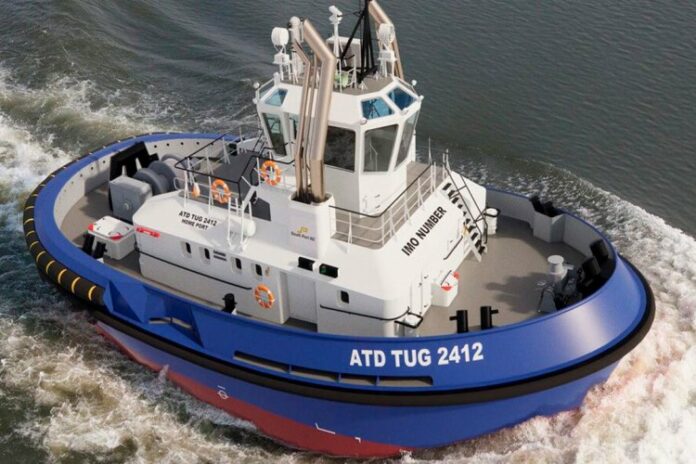
On 13th March, Damen Shipyards Group signed a contract with South Port New Zealand for the delivery of a Damen Azimuth Tractor Tug (ATD) 2412. 

The vessel, with 65 tonnes bollard pull, will replace an older vessel with 35 tonnes bollard pull. This will bring the port’s total bollard pull capability up to 105 tonnes, increasing safety margins in the handling of large vessels.

South Port has selected an ATD due to its ability to undertake indirect towage and for the vessel’s excellent manoeuvrability and power.

The contract has been given extra complexity by the Covid-19 pandemic. Typically, the customer would have been able to visit Damen’s premises and supervise construction of the vessel. At the present time this is not possible.

South Port has, however, visited Damen’s clients in New Zealand. These visits gave them confidence in the Damen quality. South Port General Manager Geoff Finnerty said:

“We were impressed with the quality of the tugs Damen has delivered to other New Zealand ports. Their reputation for building long lasting reliable vessels was an important factor in choosing to partner with them.”

Damen sales manager Asia Pacific Sjoerd de Bruin said:

“We are very honoured by the trust placed in us by South Port with this contract at such a challenging time. This is a significant sale for Damen and investment for South Port, representing the largest capital expenditure since their company began in 1989. I am impressed with the proactive, efficient way they have managed the process. I am looking forward to delivering this vessel to them and have full confidence that she will meet their needs.”

Due to Damen’s practice of building standardised vessels in series and for stock, the ATD Tug 2412 was already being built at Damen Song Cam Shipyard in Vietnam at the time of contract signing. The yard will complete construction and deliver the vessel in Q3 this year.

South Port, based in New Zealands Southland, is the southernmost port in the country. It offers a comprehensive range of marine services and is ideally situated to service the region’s extensive import and exports industries, covering diverse sectors.

Next phase of project to decarbonise industry in South Wales receives funding

0

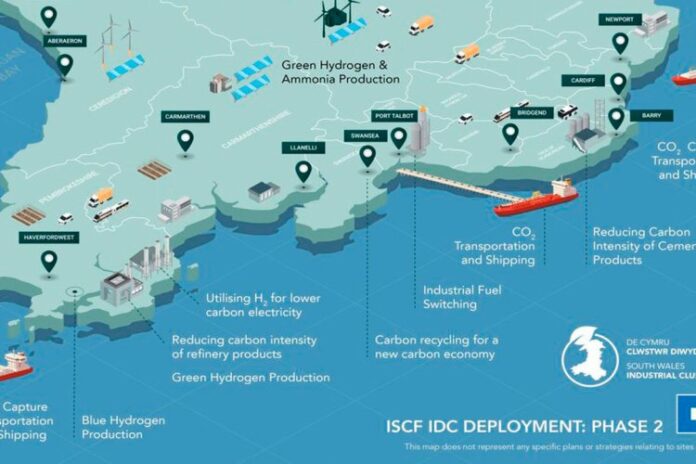
The South Wales Industrial Cluster (SWIC) deployment project, led by Costain, has been granted phase two funding of nearly £20m following successful completion of phase one assessments looking at decarbonisation schemes and the infrastructure required for a hydrogen economy in South Wales.

Phase Two of the project involves engineering studies to explore the routes to decarbonisation, including the use and production of a hydrogen supply, carbon capture usage and storage (CCUS) and CO2 shipping from South Wales which would be the first CO2 shipping industry in the whole of the UK, and would create an entire new industry for the region.

The project is supported by a range of partner organisations from the industrial, academic, law, public and private sectors working across the region to create the world’s first net zero emissions industrial zone. 

The scheme is aligned to the Government’s ten-point plan for a green industrial revolution, and will include the engineering studies into:

• The production and distribution of hydrogen from both renewable energy and imported LNG which is distributed by repurposing the existing gas network

• Cleaner electricity production using carbon capture and/or hydrogen-rich natural gas

• Industrial carbon capture, usage, and storage technologies along the South Wales coast as well as the transportation and shipping of CO2

• Large industry decarbonisation through fuel switching (substituting one energy source for a greener, cleaner alternative), process efficiencies and the production of cleaner transportation fuels.

Rob Philips energy sector director, Costain commented:

“The SWIC holds the potential to strengthen the economic resilience of Welsh industry and communities by ensuring operations in the region are sustainable for the long term. As lead for deployment, we will work with the partners to support investment decisions that will advance regional hydrogen deployment and develop Carbon Capture Usage and Storage to arrive at the best solutions for significant carbon reduction.”

Dr Chris Williams head of industrial decarbonisation, Industry Wales commented:

“Our ambition in SWIC is to create a world leading truly sustainable cluster, so this deployment project, led by Costain and part funded by Innovate UK, will form an important step for us to realise that ambition. Each of our industries faces a transformational change to reach net zero. This project starts to develop the necessary low carbon power, hydrogen and CCUS infrastructure that will be so important to maintain and grow net zero industry in South Wales.”

Business and Energy Secretary Kwasi Kwarteng said:

“We were the first major economy to put into law our target to end our contribution to climate change, and today we’re taking steps to be the first major economy to have its own low-carbon industrial sector.

While reaching our climate targets will require extensive change across our economy, we must do so in a way that protects jobs, creates new industries and attracts inward investment – without pushing emissions and business abroad.”