-2.6 C
New York
Home Blog Page 553

Prysmian cable project for a new floating offshore wind farm in France

0

Prysmian Group in consortium with Asso.subsea, a specialized submarine installation contractor, has signed a contract worth approximately €30 million with RTE, Réseau de Transport d’Électricité, for the development of an export submarine power cable system for the Gruissan floating offshore wind farm located in Southern France.

Prysmian Group will be responsible for the design, supply, termination, testing, and commissioning of one 66 kV three-core export submarine cable with EPR insulation for a total of 25 km and attached another 66kV submarine dynamic cables with EPR insulation for about 1 km connecting the shore to a floating sub-station. The Group will also provide additional 3 km of onshore 66 kV cables with XLPE insulation.

All submarine cables will be produced at Prysmian Group’s centre of excellence in Nordenham (Germany), while the land cables will be manufactured at the Gron plant (France). The notice to proceed is planned by the end of November. Commissioning is scheduled for July 2023.

Asso.subsea, a technology-driven company specialised in providing offshore solutions worldwide, will undertake the installation services of the Project. Asso.subsea will design and perform all marine works required for the project, such as cable loading, route preparatory works, cable installation and protection and HDD works at landfall.

Gadot Belgium and DFDS to move containers by water in North Sea Port from now on

0

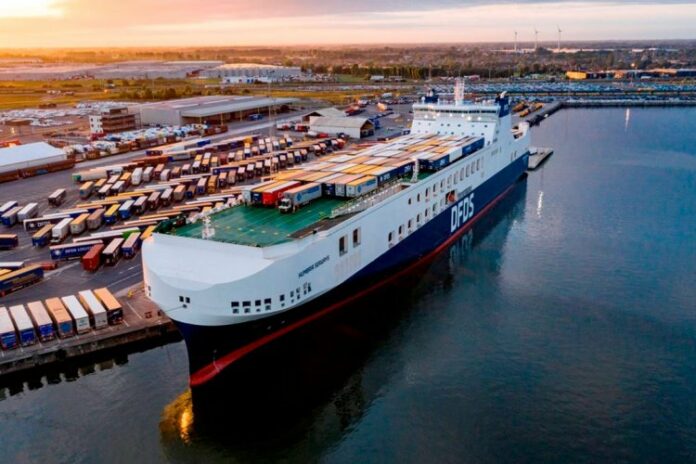
Gadot Belgium will in future also be relying on inland navigation for the transport of its containers from Ghent to Antwerp. To this end, the chemical company is working closely with its neighbour DFDS.

Gadot Belgium offers chemical producers a wide range of industrial services and logistics solutions. The company on the ship canal to Terneuzen is enjoying rapid expansion. Last year it increased its tank storage capacity to 100,000 m³ and invested 2 million euros in new filling lines. By doing so, Gadot is continuing to build a ‘chemical cluster’.

Gadot Belgium has just taken a new step in its quest to reduce its ecological footprint. Containers headed to Antwerp for overseas export no longer go by road but instead by water. This is significantly more environmentally friendly. The first shipment of ten containers was put on a barge at the end of August. For Gadot Belgium, this was a first.

Gadot has joined forces with DFDS, whose terminal is adjacent to its facilities. This makes the first stage in moving the goods extremely short, again resulting in fewer emissions. DFDS takes care of all customs, freight forwarding and transport matters.

The shortsea shipping company has thus gained a new customer for the inland shipping services it provides as an extension of its ro-ro service to and from the Swedish port of Gothenburg. This includes connections to the large container terminals in Antwerp. Gadot and DFDS are also exploring cooperation with regard to other logistics flows.

CEO Daan Schalck says:

“When two companies in our port intensify their cooperation, that also strengthens North Sea Port as a whole. The fact that Gadot and DFDS are doing so via the waterways is a double win for us. With a share of 58%, inland navigation is already the most important hinterland transport mode for our port. And we can only welcome the further development of our role as a hub for inland shipping containers.”

Rolls-Royce and Ferretti Group jointly develop sustainable solutions for yachts

0

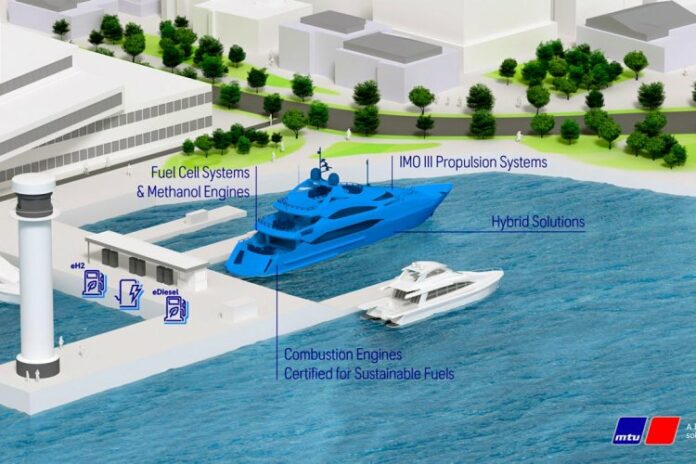
Rolls-Royce Power Systems and Ferretti Group are deepening their cooperation and jointly developing sustainable solutions for future yachts. A first major milestone is a cooperation to install a mtu hybrid propulsion system of Rolls-Royce in a new Ferretti yacht. Alberto Galassi, CEO of Ferretti Group and Andreas Schell, CEO from Rolls-Royce Group’s Power Systems Division, signed the agreement on 8 September 2021 in Cannes during the Yachting Festival. 

Alberto Galassi explained:

“In recent years, Ferretti Group has reported rapid growth and development, bringing beauty and innovation to the marine industry. But, if we want to continue to grow steadily as a market leader, it is essential to address the economic, environmental and social impacts produced by our activities and to mitigate our footprint.”

Rolls-Royce will supply a fully integrated hybrid mtu propulsion solution with an output of approximately 1,432 kilowatts per powertrain, comprising two 12-cylinder Series 2000 M97 diesel engines, electric drive modules, gearboxes, batteries, control and monitoring systems, other electronic components and a Selective Catalytic Reduction system (SCR) for compliance with IMO III regulations. 

Andreas Schell said:

“We are very pleased to bring new high-tech solutions to the market with our long-standing partner Ferretti Group.” 

For yachts, a hybrid system brings high performance and significant gains in terms of comfort – with quiet, low-vibration and low-emission cruising. A hybridized propulsion system is a response to stricter emission regulations in many ports and regions all over the world. In pure electric drive mode, no sulphur, nitrogen oxide or particulate emissions are exhausted.

Andreas Schell said:

“Customers in the yacht industry are increasingly asking for sustainable solutions and we are vehemently supporting this course with our sustainability programme NetZero at Power Systems.”

Rolls-Royce will certify its 2000 and 4000 engine series for fuels such as e-diesel and second-generation biofuels from 2023, enabling climate-neutral cruising. In addition to using sustainable fuels, the company is building on new technologies such as CO2-free fuel cell systems.

A custom-line 106 yacht from Ferretti will be fitted with an mtu propulsion system as a pilot installation later this year that is IMO-III compliant, allowing it to sail in specially protected areas (ECA zones such as the North American coast, the Caribbean, the North Sea and the Baltic Sea). The SCR exhaust after-treatment, supplied by Rolls-Royce with the 16V2000 M97L mtu engines as an integrated system, significantly reduces particulate and nitrogen oxide emissions.

From the beginning of 2021, all mtu engines for Ferretti yachts will be delivered with the digital mtu-Go solutions. This enables the yacht operator to monitor the engines remotely himself or to leave this to the mtu Customer Care Centre. In this way, operator data can be analysed in the future and recommendations for action for better performance and availability of the engines can be derived and maintenance planned.

Port of Gulfport secures lease agreement with Ocean Aero

0

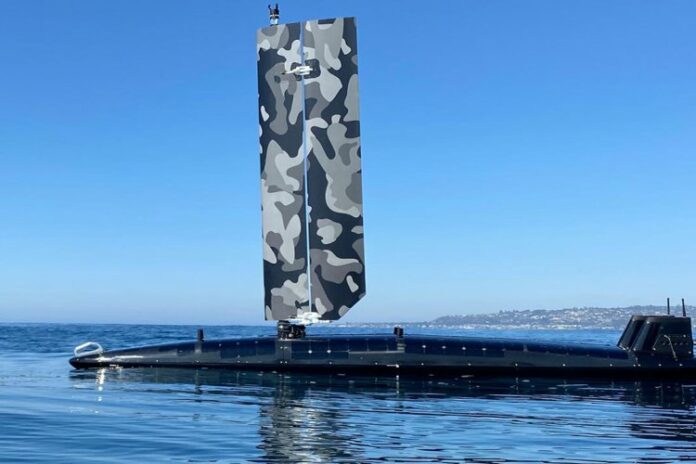
The Commissioners for the Mississippi State Port Authority (MSPA) have entered into a lease agreement with Ocean Aero, Inc. for the construction, testing, and demonstration of Autonomous Underwater and Surface Vehicles (AUSVs) at the Port of Gulfport. This announcement comes as the company prepares to transfer its manufacturing operations and headquarters from San Diego, CA to Gulfport, MS.

MSPA Board President EJ Roberts said:

“We are thrilled to welcome Ocean Aero to the Port of Gulfport, and showcase to the world that Mississippi is truly at the forefront of maritime innovation. Through our partnership with the University of Southern Mississippi, we have merged research and infrastructure to create an environment that is attracting some of the brightest minds and newest technologies to the Mississippi Gulf Coast.”

Ocean Aero will occupy 67,000 square feet of warehouse space on the Port of Gulfport’s East Pier and is expected to create 45 new jobs by the end of 2021. The lease between the Port and Ocean Aero is for an initial 10-year term and provides for two five-year extensions, with the new space being fully operational by early 2022.

Ocean Aero CEO Kevin Decker said:

“We’re very proud of our recent technical achievements and growing customer support and look forward to continuing to innovate with all of our constituents into the future. Along with our partners at the University of Southern Mississippi and the Port of Gulfport, we are building a world-class collaboration of leaders. Without this tremendous Mississippi community, we wouldn’t be as successful today.”

The state’s leading economic and community development agency, Mississippi Development Authority (MDA), as well as the Harrison County Development Commission and Mississippi Power, were instrumental in discussions to solidify Ocean Aero’s relocation to Mississippi. Additionally, MDA has announced it will provide assistance for equipment relocation and workforce training.

Ocean Aero’s applications span defense, offshore commercial, and research industries. The company’s AUSVs are currently deployed with the US Department of Defense, Department of Homeland Security, the National Oceanic and Atmospheric Administration, offshore energy companies, and others. The AUSVs provide a unique capability to monitor the world’s oceans and critical off-shore infrastructure.

Ukrainians in Antarctica will make souvenirs from plastic waste

0

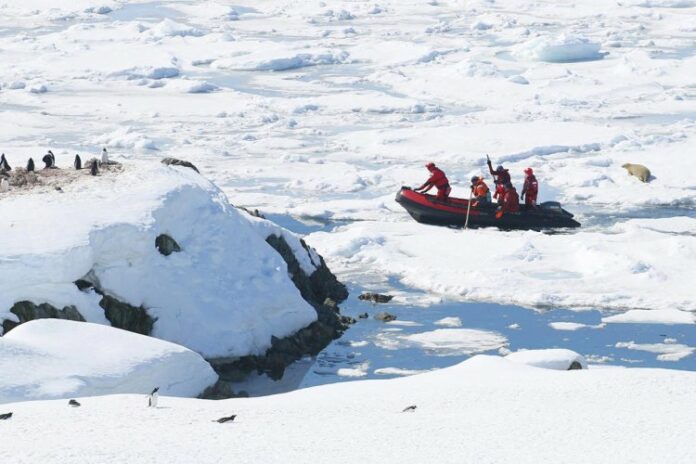
The Antarctic Akademik Vernadsky station will make souvenirs from plastic waste. Reported by the National Antarctic Science Center.

At Vernadsky station, household waste is collected separately in several fractions and transported to Chile, where they are disposed of.

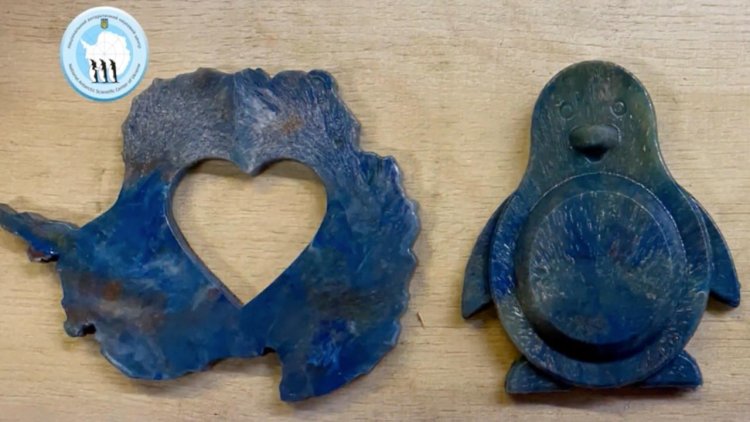
Now equipment has been installed at the station, which will make it possible to make souvenirs for tourists from sorted plastic.

The Ukrainian station is one of the most visited places in Antarctica. It is located in the maritime Antarctic, on Galindez Island, where you can watch whales, seals, and thousands of penguins. Before the COVID-19 pandemic, about 4,000 tourists visited the station in the short Antarctic summer.

The Vernadsky station has created a closed recycling cycle for plastic labelled 02 or HDPE: these are mainly bottle caps and bottles for household chemicals. The system includes a plastic shredder, an extruder (where the plastic melts) and several forms for making souvenirs.

Director of the National Antarctic Scientific Center of Ukraine (NASC), Dr. Evgen Dykyi, believes that with the help of souvenirs made of recycled plastic, Ukrainian scientists will be able to better explain to tourists the danger of pollution of the world ocean.

Dikiy said:

“Microscopic fragments of plastic packages from Europe, Asia and America are carried by currents throughout the planet, and even in the purest part of it – Antarctica – they clog the stomachs of plankton animals, disrupting food chains and leading fish, whales and penguins to starvation.”

Launch of world’s first recyclable wind turbine blade for commercial use offshore

0

Siemens Gamesa is leading the way for a sustainable future with the RecyclableBlade, the world’s first recyclable wind turbine blades ready for commercial use offshore. With this technology, separation of the materials in the blade is possible at the end of its lifetime, enabling recycling into new applications and thereby defines the next milestone in sustainability.

The first six 81-meter long RecyclableBlades have been produced at the Siemens Gamesa blade factory in Aalborg, Denmark.

Andreas Nauen, CEO of Siemens Gamesa, states:

“In pioneering wind circularity – where elements contribute to a circular economy of the wind industry – we have reached a major milestone in a society that puts care for the environment at its heart. The RecyclableBlade is another tangible example of how Siemens Gamesa is leading technological development in the wind industry.”

Many components of a wind turbine, such as the tower and nacelle components have established recycling practices. Until now, the composite materials used in wind turbine blades have been more challenging to recycle. Built on proven, reliable processes, the Siemens Gamesa RecyclableBlade breaks this mould and is the first of its kind, enabling recycling at the end of its lifecycle, and sets the path to a future where the full recyclability of projects will be a market requirement.

Siemens Gamesa is committed with RWE to install and monitor the world’s first wind turbines with recyclable blades in Germany at the Kaskasi offshore wind power plant. Current plans are for the project to be producing energy from 2022 onwards.

Sven Utermöhlen, CEO Wind Offshore, RWE Renewables:

“We are pleased that our offshore wind farm Kaskasi is able to provide a fantastic facility for testing innovations; here we are preparing to test special steel collars and to use an improved installation method for foundations. Now, Kaskasi installs the world’s first recyclable wind turbine blade manufactured by Siemens Gamesa. This is a significant step in advancing the sustainability of wind turbines to the next level”.

Siemens Gamesa wind turbine blades are made from a combination of materials cast together with resin to form a strong and flexible lightweight structure. The chemical structure of this new resin type makes it possible to efficiently separate the resin from the other components at end of the blade’s working life. This mild process protects the properties of the materials in the blade, in contrast to other existing ways of recycling conventional wind turbine blades. The materials can then be reused in new applications after separation.

Siemens Gamesa offshore customers will now have the unique possibility to choose the RecyclableBlade as an option for their future projects.

Siemens Gamesa recently launched an ambitious Sustainability Vision towards 2040, pushing the boundaries of sustainability to create a better future for generations to come. Under this umbrella, the company announced an ambitious goal to make turbines fully recyclable by 2040.

Gregorio Acero, Head of Quality Management & Health, Safety, and Environment at Siemens Gamesa, said:

“Our aspiration is to produce wind turbines that can generate renewable electricity for 20-30 years. When they reach the end of their useful life, we can separate the materials and use them for new relevant applications. The RecyclableBlade is a great step in that direction and well ahead of our 2040 goal.”

Boluda Towage starts towing operations in Rostock, Germany

0

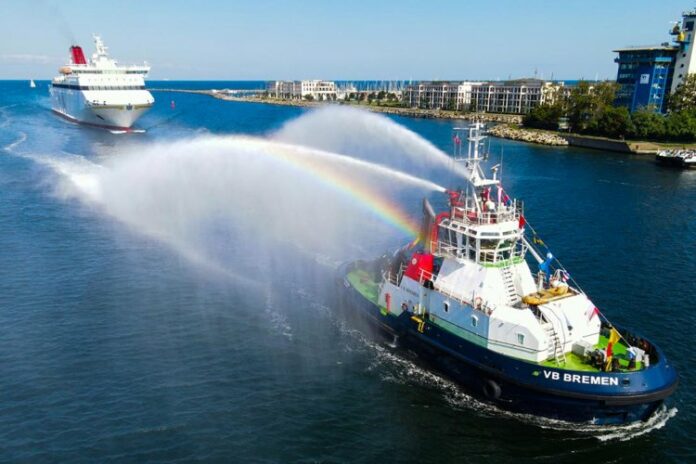
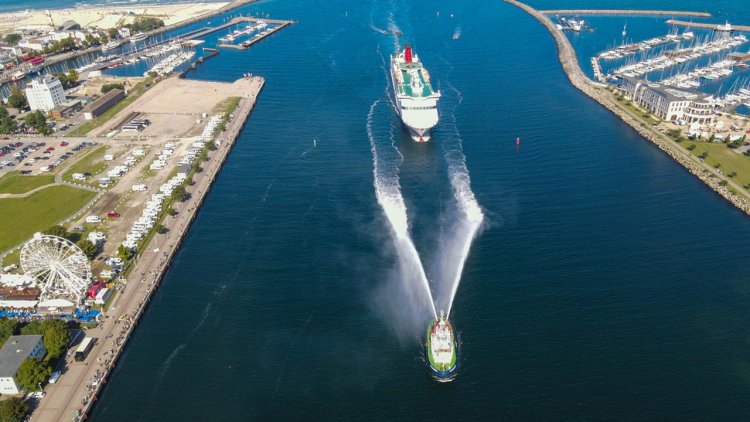
The presence in the port of Rostock is another stepping stone towards strengthening and further expansion of Boluda Towage’s activities in northwest Europe and in the Baltic Sea region.

Boluda Towage is already well-acquainted with this port, thanks to a track record of numerous special towing jobs, e.g. ships, pontoons, and wind farm components, which Boluda Towage has passed the pier heads in Warnemünde.

At the initial start, Boluda Towage operates a fleet of two powerful tugs and will scale up the required tug capacity depending on the needs and requests of customers in this port.

Boluda Towage’s Executive Vice President Vicente Boluda Ceballos has welcomed the fact that

“the Boluda flag will be a permanent presence in the Baltic Sea, which supports the expansion strategy of Boluda Towage’s towing service in northern Europe, in line with various strategic acquisitions, recently closed by the company”.

New Wärtsilä’s solution enables inland waterway vessels to operate with zero emissions

0

The technology group Wärtsilä has developed and delivered a mobile battery container solution that will enable inland waterway vessels to operate with zero emissions. The first order, comprising three units, was placed by ZES (Zero Emission Services) BV, a Netherlands based company founded in 2020 by ING Bank, energy and technical service provider Engie, the Port of Rotterdam, and Wärtsilä. The order was placed and two containers delivered in June 2021.

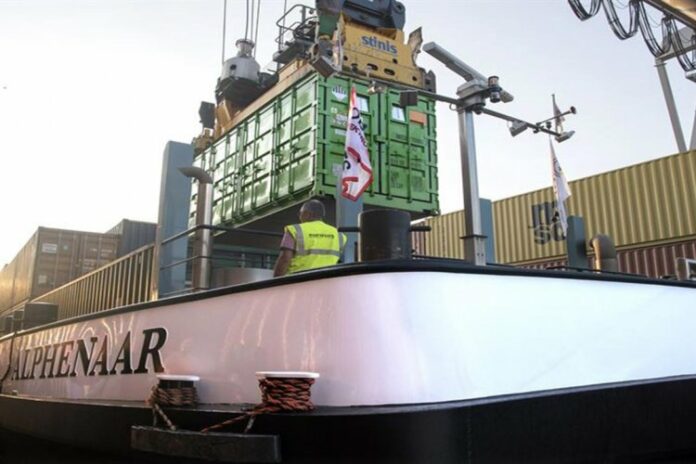
The battery containers are installed on a 104 TEU inland waterway container vessel, which has been modified to allow two units to be mounted onboard. The system enables the vessel to operate on full electric power alone, with no carbon emissions being generated. The energy capacity is equivalent to that of approximately 36 electric passenger cars. When discharged, the containers can be exchanged and charged onshore using energy from renewable sources. This replaceability is unique since battery containers have thus far been stationary installations.

Willem Dedden, CEO of ZES, says:

“Within the Dutch transport sector, inland navigation accounts for five percent of the CO2 emissions. By switching from diesel fuelled to electric propulsion, an important step can be taken towards realising the Paris Climate Agreement targets. Ships participating in the ZES service will eliminate around 1000 tonnes of CO2 and 7 tonnes of NOx per year.”

Torsten Büssow, Director, Electrical & Power Management System, Wärtsilä Marine Power, says:

“Wärtsilä is committed to supporting all efforts towards the decarbonisation of shipping. This initiative is part of that commitment. We have leveraged our in-house know-how in maritime battery and hybrid systems, our shore power and remote connection capabilities, as well as our extensive experience in serving inland waterway applications for the development of this product.”

The Wärtsilä swappable battery container is fully equipped with safety systems, including an onboard fire protection skid. It is connected for remote monitoring. The operational and certification trials were carried out commencing in the end of August, 2021.

The concept, which is supported by the Dutch Ministry of Infrastructure and Water Management, is based on a network of open access charging points. Here, depleted battery containers can be exchanged for fully charged replacements. A ‘pay-per-use’ model has been set-up whereby ZES charges only for the cost of consumed renewable energy. This allows the vessel’s operating costs to remain competitive.

This first vessel fitted with the Wärtsilä battery containers, the ‘Alphenaar’ commenced operations along the Zoeterwoude – Alpherium – Moerdijk corridor in the Netherlands on September 6. 2021. The vessel transports beer for HEINEKEN, who is the first customer for the service.

EU OYSTER Consortium chooses Grimsby for innovative hydrogen project

0

The Fuel Cells and Hydrogen Joint Undertaking (FCH JU) funded OYSTER project will develop and demonstrate an electrolyser system designed to be integrated with offshore wind turbines. The project will also investigate the potential of using pipelines to transport hydrogen to shore.

Renewable hydrogen is rapidly emerging as a key tool in the green transformation, providing a clear green path forward for many sectors that would otherwise be difficult to decarbonise, such as heavy industry and heavy transport. Developing offshore hydrogen production, by utilising electrolysers which only require water and renewable electricity to generate renewable hydrogen, further increase this potential by providing a means of transporting low-cost renewable energy from areas of excellent resource to demand centres.

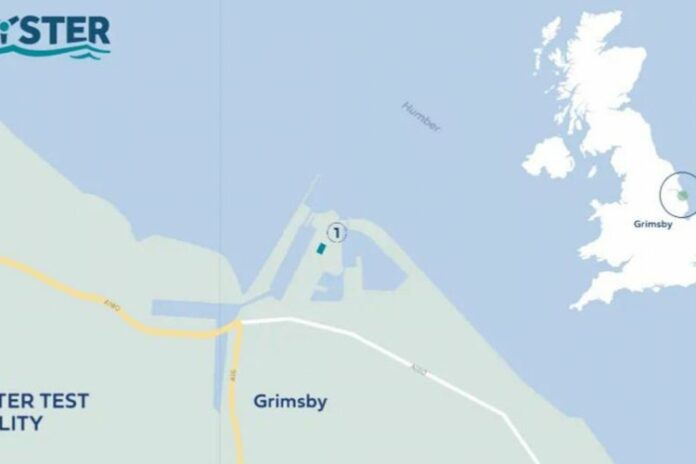
Reaching the EU Hydrogen Strategy target of 40GW of electrolysers by 2030 is expected to require both onshore and offshore electrolysers. The OYSTER project – being undertaken by a consortium of ITM Power, Ørsted, Siemens Gamesa Renewable Energy, and Element Energy – will develop and test a megawatt-scale, fully marinised electrolyser in a shoreside pilot trial, which will be located in Grimsby. The project will also explore the feasibility and potential of combining an offshore wind turbine directly with an electrolyser and transporting renewable hydrogen to shore. The project is 100% funded by the FCH JU, a public private partnership of the European Commission, who awarded the project EUR 5 million in January 2021

The OYSTER consortium selected Grimsby because of the region’s strong connection to renewable energy, in particular offshore wind. Grimsby is home to the O&M hub for Ørsted’s UK East Coast operations, including Hornsea One and Hornsea Two, which will be the world’s largest offshore wind farm when completed in 2022. Both offshore wind farms use Siemens Gamesa turbines and are fitted with blades manufactured in Hull. The Humber is also home to Gigastack which is developing a blueprint for the deployment of industrial-scale renewable hydrogen from offshore wind. The Gigastack project is led by a separate consortium, consisting of ITM Power, Ørsted, Element Energy and Phillips 66 Limited.

Due to the high density of energy intensive industries such as refineries, power stations, steel works and glassworks that flank the banks of the Humber, the region is the UK’s largest industrial cluster by carbon dioxide emissions; 12.4MtCo2/yr. Decarbonisation of the Humber is vital for the UK’s legally binding net-zero 2050 target as well as the future economy of the Humber, and renewable hydrogen coupled with offshore wind could play a central role in achieving this ambition.

To realise the potential of offshore hydrogen production, there is a need for compact electrolysis systems that can withstand harsh offshore environments and have minimal maintenance requirements while still meeting cost and performance targets that will allow production of low-cost hydrogen. The OYSTER project will provide a major advance towards this aim.

The OYSTER electrolyser system will be designed to be compact, to allow it to be integrated with a single offshore wind turbine, and to follow the turbine’s production profile. Furthermore, the electrolyser system will integrate desalination and water treatment processes, making it possible to use seawater as a feedstock for the electrolysis process.

ITM Power is responsible for the development of the electrolyser system and the electrolyser trials, while Ørsted will lead the offshore deployment analysis, the feasibility study of future physical offshore electrolyser deployments, and support ITM Power in the design of the electrolyser system for marinisation and testing. Siemens Gamesa Renewable Energy and Element Energy are providing technical and project management expertise.

Dr Graham Cooley, CEO of ITM Power, said:

“Renewable hydrogen is the cleanest fuel available to us today. Utilising offshore wind energy, and generating renewable hydrogen using water in the process of electrolysis, offers a route to be able to decarbonise the entire energy system. ITM Power is delighted to be supporting this move towards a greener, cleaner future.”

Duncan Clark, Head of UK Region for Ørsted, said:

“The combination of offshore wind and renewable hydrogen production holds game-changing potential to decarbonise otherwise hard to abate sectors, and as the largest offshore wind company in the world, we are exploring offshore hydrogen production as a future, supplemental way of getting large amounts of renewable energy, generated from plentiful offshore wind, to where it is needed. Just as with scaling-up offshore wind, early lessons from projects like this can then be deployed across the region and around the world.”

Michael Dolman, Partner at Element Energy, said:

“Since supporting the formation of the OYSTER project, we’ve seen a growing number of projects planning offshore hydrogen production and increasing interest in this area from a wide range of stakeholders. With the selection of a location for the demonstrator, OYSTER is progressing well and will play a valuable role in advancing electrolysis technology for offshore applications.”

Bart Biebuyck, Executive Director, Fuel Cells and Hydrogen Joint Undertaking (FCH JU), said:

“In order to meet the challenging EU Hydrogen Strategy target of 40GW renewables-fed electrolysers by 2030, off-shore wind parks will play an essential role. Depending on local conditions it may be optimal to move the electrolysers offshore and transport hydrogen rather than electricity to shore. The FCH JU is proud to support the OYSTER project as a stepping stone for off-shore electrolysers through the development of a fully “marinised” MW-scale electrolyser to be tested right next to the sea front and therefore contribute continuously to developing technologies for a climate-neutral future.”

Groundbreaking Maersk methanol vessels to be built to ABS Class

0

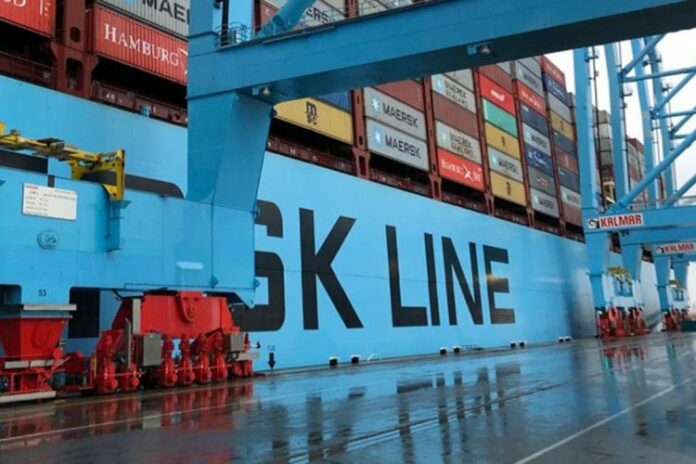
A groundbreaking series of eight large container vessels capable of being operated on carbon-neutral methanol ordered by Maersk, along with an option for a further four vessels, are to be built to ABS Class.

The announcement underlines ABS’ leadership in sustainably fueled vessels, building on a series of recent alternative fuel newbuild orders, including Maersk’s feeder vessel with dual engine technology enabling it to sail on either methanol or traditional very low sulphur fuel, which is now under construction to ABS Class.

Christopher J. Wiernicki, ABS Chairman, President, and CEO, said:

“Sustainable global trade is an urgent priority not just for our industry, but the entire world and this landmark project starts to make this dream a reality. As a leader in the application of sustainable fuels in shipping, ABS is proud to be able to use our experience to support it.”

Palle Laursen, Senior Vice President, Chief Technical Officer, A.P. Moller – Maersk, said:

“More than anything, decarbonizing shipping requires collaboration and innovation across the ecosystem, so I am pleased to have ABS and its leading expertise with us on this journey. Our methanol-fueled vessels will play a significant role in reaching our commitment of 60 percent CO₂ fleet reduction by 2030 compared to 2008 levels. They will also be a proving ground where we learn how to bunker and operate carbon neutral vessels safely, efficiently and reliably, so we can continue building momentum towards carbon neutrality in 2050.”

The vessels will be built by Hyundai Heavy Industries and have a nominal capacity of approximately 16,000 containers. The series will replace older vessels, generating annual CO2 emissions savings of around 1 million tons and offer customers carbon-neutral transportation at scale.

Capable of operating on carbon-neutral e-methanol or sustainable bio-methanol, the vessels come with a dual fuel engine setup, which also enables operation on conventional low sulphur fuel.

ABS has published guidance on Methanol as Marine Fuel, evaluating the challenges in the design and operation of methanol-fueled vessels. Download a copy of Sustainability Whitepaper: Methanol as Marine Fuel here.