-3.6 C
New York
Home Blog Page 508

FuelTrust data shows energy density difference between batches of fuel

0

Research from FuelTrust, the technology company dedicated to creating a trusted and sustainable fuel ecosystem for the marine industry, shows how different batches of the same grade of marine fuel (such as VLSFO or HFO) can have radically different degrees of energy intensity, offering knowledgeable fuel buyers an opportunity to pick up 3% BTU of extra energy by bunkering with a different batch of fuel and saving ship owners thousands of dollars in fuel costs.

This analysis of different fuel batches was carried out using FuelTrust’s AI-powered Digital Chemist, which simulates combustion on a molecular level to identify differences in fuel properties such as fuel quality, energy, and emissions profiles. Digital Chemist combines the known characteristics of a fuel batch, with class data on the vessel engine, and data from the day logs to accurately establish what happens when fuel is burned.

Based on analysis of 14m barrels of VLSFO fuel across 28 batches, FuelTrust found that different batches of fuels could essentially provide higher energy, without the supplier or buyer realising – for a fully laden Panamax container ship, this would equate to a 50MT saving of fuel on a voyage from Vancouver, Canada to Portsmouth, UK, or the equivalent of up to 469 nautical miles of additional sailing distance on a typical bunker.

Jonathan Arneault, CEO of FuelTrust, explained:

“This isn’t like saying there’s a difference between gas stations – it’s more like there being a huge difference in the fuel you could buy at different pumps.”

This energy intensity delta could be operationally challenging as regulations on fuels tighten, and particularly if, as expected, zero carbon fuels such as methanol become widely used. Because zero-carbon fuels are less energy-dense than currently used fuels, vessels will need to carry more fuel to continue to operate in the same way.

Arneault continued:

“Energy intensity matters. We’re about to see fuels come through with much a lower energy density than we’re used to.”

Dr. Ram Vis, founder and director at the Viswa Group and advisor to FuelTrust, emphasised how energy density will become a major concern for fuel purchasers:

“If, as expected, you need twice the amount of methanol to do the same work as a tonne of HFO, buyers are going to have to pay a lot more attention to the BTUs that they are buying, as they’ll have to squeeze every drop of energy out of their fuel. If we see the same batch-to-batch variation in zero carbon fuels as we do today with conventional fuels, that will be a real issue. Fuel buyers will need to start thinking more in terms of energy, and less in terms of volume”.

FuelTrust’s research indicates that differences in energy intensity will be matched by differences in emissions. With the proposed introduction of carbon taxes and emissions trading schemes, this could add up to thousands of dollars in taxes saved or lost, purely based on which batch of a fuel ends up in a vessel.

Launched in September this year, FuelTrust’s Bunker Insights platform uses a combination of artificial intelligence and blockchain technologies to establish an unalterable record of fuel transactions and to analyse and identify chemical risks and changes in fuel. In doing so, Bunker Insights makes it simple for ship owners and charterers to monitor and manage fuel risk, allowing the industry to adopt more sustainable practices backed by meaningful insights into the fuel lifecycle.

 

ABS and Sofar Ocean to drive decarbonization through voyage optimization

0

Voyage planning insights to drive decarbonization goals through dynamic route optimization will soon be available for charterers and ship managers through ABS My Digital FleetTM. 

Sofar Ocean, which recently announced a $39M Series B round, became the latest innovative technology startup to join the ABS My Digital Fleet Alliance Program. 

The Alliance Program is designed to nurture an ecosystem of industry-trusted data, technology, and intelligence service providers, enabling integrated insights on one digital platform.

ABS My Digital Fleet is the only customizable risk management platform that seamlessly integrates data to provide real-time insights for driving sustainable operations and reducing operational risks.  Sofar Ocean operates an “ocean intelligence platform” informed by the largest open ocean sensor network of coastal and open ocean drifting IoT sensors, known as Spotter buoys, covering all five of the world’s oceans. It provides dynamic route guidance, evaluating over 100 million routing options daily based on the latest weather forecast data, charter party requirements, and decarbonization goals. The Sofar Ocean platform will integrate with ABS My Digital Fleet to deliver voyage planning insights tailored for each vessel and journey, supporting shipmasters and fleet operations staff to take action when needed to support desired outcomes.

Smarty Mathew John, ABS Vice President, Digital Solutions, said:

“With the addition of Sofar Ocean’s capabilities to ABS My Digital Fleet, we are bringing voyage insights that enable the flexibility to optimize for what is most important for each voyage, delivering the optimal route that supports charterers and ship managers in their daily operational decision-making towards meeting decarbonization goals. The actionable insights available include the optimal sea route, the optimal speed and heading, and estimated arrival time for each vessel considering weather, vessel performance, bunkers, and other charter terms to maximize the time charter earnings for each voyage.”

Sofar CEO, Tim Janssen, said:

“At Sofar we aim to deliver large-scale ocean data to accelerate climate insights. Ocean intelligence, powered by our global sensor network, is essential to reduce weather and climate uncertainty. This is especially valuable to the shipping industry, which is currently facing a perfect storm of carbon, climate, and Covid. We’re very excited to join ABS’s Alliance Program and ensure shipping operators have access to a robust risk management solution.”

Equinor and Korean EWP agree to cooperate on 3 GW of offshore wind projects

0

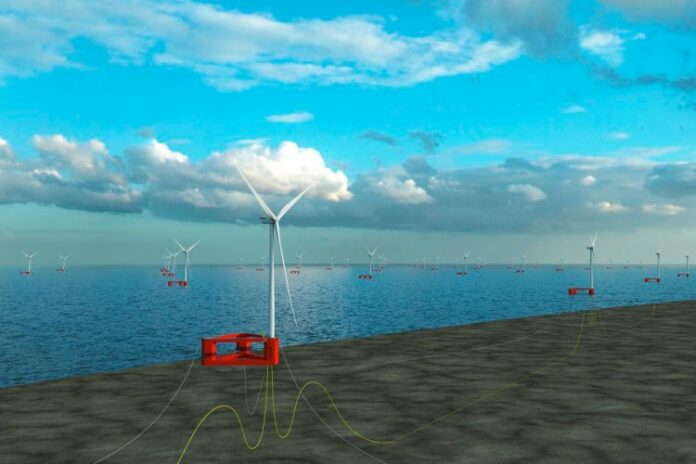
Equinor has signed a Memorandum of Understanding (MoU) with Korean East-West Power (EWP) to cooperate on 3 GW of offshore wind projects in South Korea. Together the partners will contribute significantly to the country’s ongoing energy transition and development of an offshore wind industry in Korea.

The Korean Government has set out an ambition to grow renewables by ~60 GW to 2034, of which 12GW is targeted for offshore wind by 2030.

Equinor’s partnership with EWP, one of Korea’s state-owned power generation companies (‘Gencos’), provides a strong basis for the offshore wind major to take a leading role in developing a pipeline of offshore wind projects needed.

Pål Eitrheim, executive vice president in Renewables in Equinor, says:

“South Korea aims to become one of the leading global markets for offshore wind in the next decade. Together with EWP, we are ready to contribute to the country’s plans, in the short and the long-term. We want to develop the first commercial floating offshore wind farm in South Korea. We have worked with the Korean supply chain for many years and know its qualities and capabilities. We see a big potential to leverage our experience in building a new industry together with Korea’s world-class supply chain.”

The MoU between Equinor and EWP confirms Equinor’s strategy of accelerating profitable growth in renewables by creating value from early access at scale in attractive markets, in collaboration with partners that share its vision and goals. Given the Korean coastal water depths, floating solutions are required to realise the South Korean Government’s renewables ambitions. Equinor will bring its decades of floating wind experience and offshore technology to the partnership, including O&M expertise.

Equinor has been in South Korea since 2014. The offshore energy company has long experience with Korean shipyards, having worked with local suppliers to support the construction of vast platforms and vessels. With offshore experience and project management expertise from the North Sea and around the world, the offshore energy company is uniquely qualified to lead the way and further develop floating offshore wind in South Korea in a safe and efficient way.

Equinor is operator of the world’s first floating wind farm, Hywind Scotland (30MW) and currently constructing the world’s largest floating offshore wind farm under development, Hywind Tampen (88 MW), both in the North Sea. While both these wind farms apply the Hywind technology, Equinor will use the Wind Semi for its projects in South Korea as this technology has been developed specifically for Korean waters and local conditions.

Maersk Drilling secures two-well Dutch contract for Maersk Resolute

0

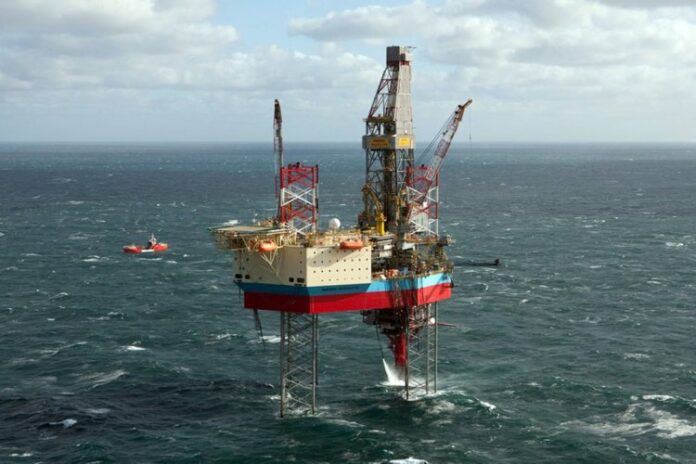
Maersk Drilling has been awarded a contract with ONE-Dyas B.V. which will employ the harsh environment jack-up rig Maersk Resolute to drill the IJssel and Clover exploration wells in the Dutch sector of the North Sea. 

The contract is expected to commence in December 2021, with a firm duration of 84 days. The contract value is approximately USD 6.9m, excluding an agreed fee for the potential use of the rig’s SCR system. The contract includes two additional one-well options.

Maersk Resolute is equipped with a high-efficiency Selective Catalyst Reduction (SCR) system that uses ammonia injection to convert NOx into harmless water and oxygen, thereby reducing NOx emissions by up to 98%.

Peter Nieuwenhuijze, COO, ONE-Dyas, says:

“As part of the global transition to net zero, the E&P sector has an important role and significant contributions to make. At ONE-Dyas, we have great ambitions in terms of reducing emissions and our impact on the environment. We look to work with likeminded partners and are therefore pleased to have awarded the contract for the upcoming drilling campaign to Maersk Drilling, who are also committed to reducing their environmental footprint and working in a more sustainable manner.”

Morten Kelstrup, COO, Maersk Drilling, says:

“We’re excited to join our first-ever collaboration with ONE-Dyas and look forward to establishing a strong relationship. Maersk Resolute and its capable crew is the perfect choice for this campaign with the rig’s recent experience from Dutch waters and its increased capability for providing environmental protection during operations, which is a high priority in the Netherlands. We fully support this as part of our overall ambition of delivering responsible drilling.”

Maersk Resolute is a 350ft, Gusto-engineered MSC CJ50 high-efficiency jack-up rig that was delivered in 2008. It is currently operating offshore the Netherlands.

MacGregor to deliver hatch covers for twelve JMU`s containerships

0

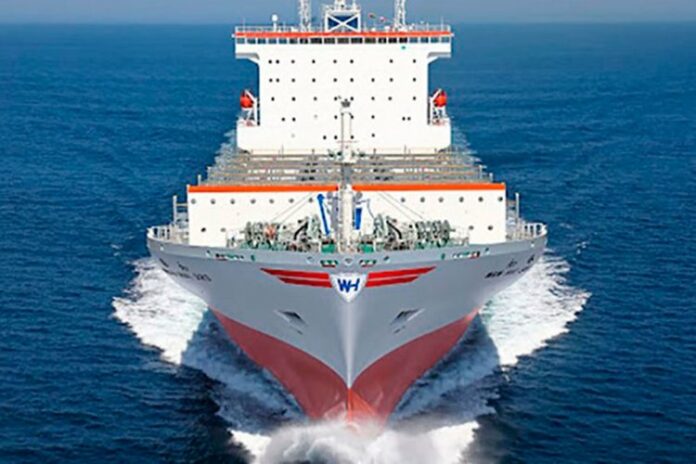
MacGregor, part of Cargotec, has secured a significant hatch cover order for twelve 3,055 TEU containerships. The ships will be built by Japan Marine United (JMU) for the Taiwanese shipping company, Wan Hai Lines. Scope of supply includes design & key components, fabrication and delivery of hatch covers to JMU. 

The order is booked into Cargotec’s fourth quarter 2021 order intake, with deliveries planned to commence during the fourth quarter of 2022 and completed during the first quarter of 2024. 

The new containerships are part of Wan Hai Lines’ wider fleet renewal plan to meet growing market demand and increase efficiency. At present, Wan Hai Lines is the world’s 10th largest container liner company with a total fleet capacity of 424,000 TEU. 

Magnus Sjöberg, Senior Vice President, Merchant Solutions Division, MacGregor, says:

”We have been collaborating with JMU for many years on bulk and container segments and we are very pleased to deliver hatch covers to the new containerships that will be built by JMU, and continue to support Wan Hai Lines in this long series which now comprises 32 vessels in total.”

Inmarsat extends its Fleet Xpress service agreement with Maersk Supply Service

0

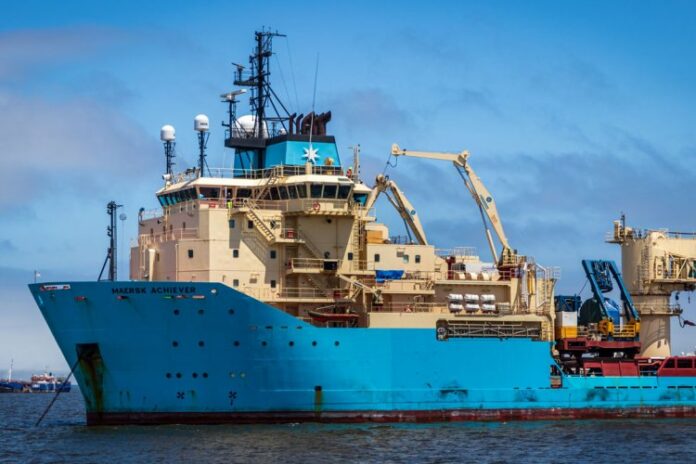
Inmarsat has extended its Fleet Xpress service agreement with Maersk Supply Service to include fleet wide IoT-based ship management connectivity on separate, dedicated bandwidths. The extension has also enabled Maersk Supply Service to evaluate new vessel performance tools for selection, available through Inmarsat’s Certified Application Provider (CAP) programme.

Operating off Europe, the Americas, West Africa, Southeast Asia and Australia, the 30-vessel Maersk offshore fleet includes some of the most modern anchor handlers and subsea support vessels in the industry. Under a long-term Fleet Xpress agreement, connectivity will now include dedicated Inmarsat Fleet Connect for key digital applications and a commitment to the Fleet Data IoT platform for data acquisition and uploading.

Kasper Thiesen, Head of IT, Maersk Supply Service (MSS), said:

“Maersk Supply Service is pursuing digitalisation to support optimised fleet management and to improve vessel energy efficiency. Software-based digital solutions have a significant advantage over hardware-based counterparts as they can be deployed fleet-wide at the push of a button. By having the underlying Fleet Data, Fleet Connect infrastructure and sensor data collectors installed on our vessels, we have unlocked a portfolio of digital services which we can deploy to our fleet and bring to market in little-to-no time. As the digital eco-system develops, more solutions will become available, increasing our ability to remain agile and support our journey to decarbonise, and entry into renewable industries”.

Fleet Data enables digitalisation across the full scope of vessel operations, using cloud-based analytics, which is agnostic of OEM-specific applications or sensor technologies. Owner-operators are free to choose which areas will benefit most from predictive analytics and decision-making.

The new agreement will accommodate rapid scaling up of new IoT-based vessel performance applications fleet wide. Fleet Data and Fleet Connect offer a single IoT-based architecture capable of working with every OEM-supplied or standalone analytics and management software in the market.

Maersk Supply Service used Fleet Xpress in combination with Fleet Data to evaluate a number of fuel emissions and ship performance solutions provided through the Inmarsat CAP programme. The trials have resulted in a commercial commitment to SKF One Global Cloud platform that provides condition monitoring and remote diagnostics from SKF Marine and a proof of concept agreement with Yxney Maritime covering the Maress data analytics software for reducing fuel consumption and emissions.

Marco Cristoforo Camporeale, Head of Maritime Digital, Inmarsat Maritime, said:

“Maersk Supply Service has been quick to realise that dedicated Fleet Data and Fleet Connect bandwidths satisfy their digital offshore support vessel needs. Hundreds of data points are monitored on each ship, with Fleet Data covering data acquisition and uploading to the cloud, and Fleet Connect bringing the bi-directional communication to stream data to and from the ship.”

Fleet Connect offers digital solutions providers – including OEMs – the opportunity to take advantage of always-available, dedicated bandwidth for specific vessel management applications.

Sindre Bornstein, CCO, Yxney Maritime, said:

“Maress is a system that unlocks a complete birds-eye view and strategic perspective on fleet and vessel decarbonisation efforts and results. Building on a successful Maress trial, Maersk Supply Service will be able to use its data in a smart way to maintain a leading role in the ongoing industry transition; in short, providing transparency, accountability and strategic decision support around emissions.”

Camporeale said:

“Introducing owners to solutions providers and trialling IoT-based management tools on board without commitment strongly benefited digital strategy development. Inmarsat’s CAP digital ecosystem includes over 50 partners, with new applications added regularly. Together, Fleet Data and Fleet Connect create a flexible solution which takes care of data acquisition and transmission across multiple applications, leaving customers to manage their data as they see fit to enhance ship performance. This removes any integration burden and means owners and managers do not need to expend the time, energy and cost committing to single applications only to find out they are suboptimal; instead, they can assess solutions within an existing set-up.”

Inmarsat recently unveiled ORCHESTRA – the first of its kind multi-dimensional, dynamic mesh network that will redefine connectivity at scale with the highest capacity for mobility worldwide. ORCHESTRA will integrate Inmarsat’s ELERA (L-band) and Global Xpress (Ka-band) networks with terrestrial 5G, targeted low earth orbit (LEO) capacity. Dynamic mesh technologies will meet accelerating bandwidth requirements, deliver high performance connectivity everywhere and eliminate congestion challenges at high demand hot spots, including busy ports and sea canals.

Wärtsilä to launch 2-stroke future fuels conversion solution

0

The technology group Wärtsilä will commercially launch its Two-Stroke Future Fuels Conversion platform during the first quarter of 2022. 

This innovative and patented engine combustion technology platform will enable the fast and cost-effective conversion of two-stroke main engines to operate on clean-burning future fuels. This is seen as a major step in the maritime industry’s efforts to achieve decarbonised shipping operations, while the easy retrofitting will avoid owners having to face long off-hire charter time.  

The retrofit conversion will initially enable operation with currently available LNG fuel, most importantly with negligible methane slip from the engine. The modular design of this concept provides a platform that will be further developed in order to allow for the adoption of alternative green fuels or fuel blends when they become commercially available.

The development programme has recently been concluded with successful initial engine tests in the Wärtsilä two-stroke engine laboratory in Trieste. MSC Shipmanagement has collaborated with Wärtsilä throughout the development as a key partner in the piloting and advancement of the platform towards future fuel applications. Representatives from MSC were in attendance during some of the testing procedures.

Roger Holm, President Marine Power & EVP Wärtsilä Corporation, says:

“Wärtsilä has taken a leading position in the development and delivery of smart technology solutions that will accelerate the realisation of our industry’s decarbonisation ambitions. This pioneering conversion solution is one more prime example of our capabilities and commitment. Its flexibility means that the first step towards adopting the use of future fuels can be taken now knowing that the investment will not become obsolete. The benefits, both economic and environmental, are significant.”

Prabhat Jha, CEO & Group Managing Director MSC Shipmanagement, says:

“We have been following the development of this innovative conversion solution with high interest and we regard it as a supporting element in MSC’s journey towards net zero decarbonisation by 2050. Together with Wärtsilä we have high expectations for the next steps of this initiative, which starts with technology demonstration on one of our larger container vessels with a Wärtsilä RT-flex96C-B main engine, and which will continue to make our existing fleet ready to meet future emissions needs.”

A world-first feature of the concept is the cryogenic fuel supply system, which together with a revolutionary injection system, provides flexible and optimised operational performance under all conditions. Among the other notable benefits delivered by this future-proofing solution are the capability to comply with upcoming environmental regulations and therefore providing assets with an extended operational life.

The conversion solution is aimed at vessels operating with two-stroke, electronically controlled engines. The concept can be complemented with Wärtsilä’s market-leading Fuel Gas Supply System to provide a complete turnkey solution. This will expand the company’s offering of fuel-flexible options to help meet its customers’ decarbonisation strategies.

The first commercial conversion project will be completed by mid-2023. The conversion concept is applicable to both large- and smaller bore engine types.

Study reveals first-time data on protection of China’s marine habitats

0

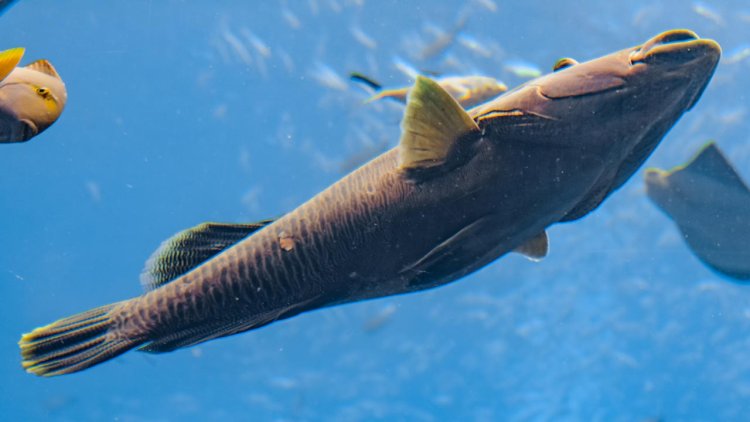
A new study by an international team of scientists led by Ellen Pikitch, Ph.D., of Stony Brook University’s School of Marine and Atmospheric Sciences (SoMAS), provides the first comprehensive and publicly available database of area-based marine conservation in China’s waters. 

Published in Science Advances, the study provides insight into the country’s progress toward meeting global commitments to protect marine waters. Because of China’s global economic and political influence and its status as the world’s top producer and consumer of seafood, the findings could serve to inform broader international dialog around management of marine biodiversity.

The United Nations through its Convention on Biodiversity (CBD) set a goal for countries to protect 10 percent of marine and coastal waters within their jurisdiction by way of marine protected areas (MPAs) and other effective area-based conservation measures (OECMs) by 2020. Recently, an international collaboration of scientists, including Pikitch, published a framework for protecting 30 percent of the ocean by 2030.

According to this paper, China has a six-decade history of protecting marine resources within its own borders, but up to this point few details have been available. The researchers developed a comprehensive dataset that includes 326 marine and coastal sites around China, and have made this publicly available.

They found that:

  • Nearly 13 percent of China’s seas are protected by a network of MPAs and potential OECMs that address 142 conservation objectives including a variety of species and ecosystems.
  • Twenty-two percent of shallow habitats (less than 10 meters) were considered fully or highly protected and 20 percent of waters 10 to 50 meters deep were conserved, at least to some measure.
  • Less than 5 percent of China’s deep waters (greater than 50 meters deep), are protected. These deep waters are considered important to protect because they likely contain unique marine life and important fishery resources. Habitats such as underwater canyons and seamounts beyond the continental shelf had no area-based protection.

Pikitch, corresponding author, Endowed Professor of Ocean Conservation Science and Director, Institute for Ocean Conservation Science at SoMAS, says:

“Our study may surprise experts and non-experts that despite its large consumption of marine life and other uses of the seas, China has made some substantial progress toward protecting its ocean waters. Yet there is much more work to be done. With the help of international experts in ocean conservation, China can take additional steps to ensure that the full suite of marine life and health of the oceans bordering the country is safeguarded.”

Pikitch notes that China’s progress is impressive because of both the substantial area of ocean that is protected and legal strength of that protection, as many of their designated MPAs are fully protected. She also adds that providing a large dataset on the ocean habitats China has safeguarded is valuable to international efforts to secure more MPAs globally, and that the methods the team of researchers used to evaluate China’s MPA network is applicable to other nations and regions.

Charlotte Hudson, Project Director for the Lenfest Ocean Program, which funded the study, says:

“The information presented in this paper sheds new light on China’s history of implementing MPAs, a crucial component to furthering efforts to reach global conservation targets. We hope that other scientists, resource managers, and marine and coastal stakeholders can use this assessment to inform future protected area planning.”

The authors say that the study’s findings and corresponding dataset may help to provide China with future directions for ocean conservation.

China is also the host country for the CBD’s 15th conference of parties which will conclude in Spring 2022. Targets for biodiversity conservation of the oceans for the next decade are currently being negotiated by hundreds of countries attending the meeting, and over one hundred (not including China) have already endorsed expanding targets to protect 30% of the ocean.

In light of current and potential future goals, the authors suggest China may strengthen its nationwide marine conservation network by expanding protection in habitats and ecosystems that have been underrepresented to date (e.g., in deeper tropical waters), strengthening the level of protection in areas with less restrictive MPAs, and continuing to fortify protection in especially important ecosystems like mangrove forests and seagrass beds. The country may also benefit from developing long-term monitoring programs to understand management impact of MPAs beyond just numerical goals.

BMT and MST to supply two high speed patrol craft for the Royal Navy

0

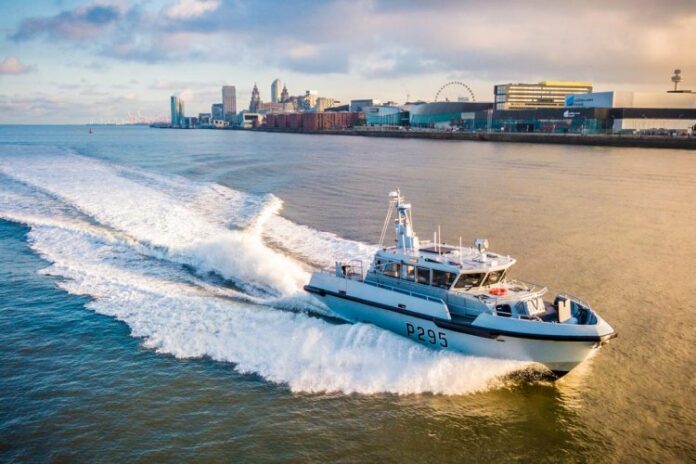
BMT and Marine Specialised Technology Group (“MST Group”) announce that HMS CUTLASS, the first of two vessels being built for the Royal Navy Gibraltar Squadron, has undergone initial trials and has performed beyond expectations.

Over recent weeks, the new HPB-1900 has been subjected to rigorous trials to test all systems and performance against a demanding set of requirements specified by the Royal Navy. The latest speed trials showed that HMS CUTLASS is not only meeting the speed requirements but is surpassing them. The vessel is powered by three Volvo D13 engines, each producing 1000 HP and driving triple MJP 350X Waterjets and features unparalleled levels of innovation and technology.

The design of the hull form offers great seakeeping characteristics and combined with Humphree stabilisation fins for the most extreme sea states is designed for performance even in the most demanding conditions. Operational efficiency is provided by the integrated CGI OpenSea360 bridge system and enhanced situational awareness equipment.

HMS CUTLASS, and the forthcoming HMS DAGGER which is expected to be delivered in Q4 2022/Q1 2023, will be essential assets for the maritime defence and security of Gibraltar and its surrounding waters. Both vessels are a major step forward in capability for the Royal Navy Gibraltar Squadron.

Alongside the RNPL Project, the MST Group is also working in conjunction with BMT on the HPB-1500 Police Patrol Craft being built for the UK Ministry of Defence Police (MDP) and Gibraltar Defence Police (GDP). These vessels will join MST’s growing range of well-proven High Speed Patrol Craft which now range from 10.5m up to 23.0m in length.

Philip Hilbert, Sales Director for Marine Specialised Technology Group, said:

“Putting technological advancement at the fore, MST and BMT’s dedicated teams have produced a vessel that is a true flagship of British innovation. The partnership has seen us work in conjunction to produce one of the most comprehensive ships of this size and type and further affirms our position together in the industry as great leaders respectively. We look forward to further expanding our portfolio globally with BMT and anticipate more successes on this journey.”

Martin Bissuel, Business Sector Lead at BMT Specialised Ship Design commented:

“We are absolutely delighted with the performance of the vessel and the latest speed trails showed the quality and reliability of the engineering behind the design. The craft is also a testament to the close cooperation between the teams in BMT and MST, supported by a supply chain that has managed to deliver a highly innovative design and build whilst dealing with the challenges of lockdowns and uncertainties brought by the COVID pandemic. Our portfolio of patrol boat designs in service around the world is extensive, ranging from 15m all the way to large offshore patrol vessels. We are very proud that the Royal Navy will be operating this latest design.”
 

Maersk intends to form joint venture with Grindrod in South Africa

0

Through this proposed joint venture, the logistics activities of Grindrod Intermodal business and the ocean activities of Ocean Africa Container Lines (OACL) will complement Maersk’s current Ocean capabilities and Logistics & Services, enabling customers seamless access to a wider range of end-to-end supply chain solutions.

Maersk will have a 51% share in this proposed joint venture which will increase access to landside infrastructure and capabilities which are critical to delivering reliable logistics solutions.

With over 100 years of experience The Grindrod Group is a well-known and trusted partner in South Africa. It is the ambition of Maersk to build on the foundation of Grindrod to expand its offerings to customers.

Jonathan Horn, Maersk Southern Africa and Islands Area Managing Director, said:

“We are looking forward to partnering with Grindrod in this proposed joint venture, so that we can offer our customers even better value and true end-to-end integrated logistics solutions in South Africa. We will have a far greater ability to seamlessly integrate solutions between ocean and the landside whilst weaving into our organisation an increased capability and experience through colleagues from Grindrod, who has long held a strong reputation in the landside logistics space.”

Bringing together logistics operations skills and capabilities under this new proposed joint venture will create a base for growth and enable Maersk to excel in the Logistics & Services products execution through better serving customers via intermodal solutions in trucking, rail, depots, warehousing, and ocean feedering.

Xolani Mbambo, CEO GRINDROD Freight Services, said:

“Grindrod has been working with Maersk for many years in an area that both organisations are passionate about, understanding our customers’ requirements and finding cost effective and efficient routes to market. Our combined service offering will provide further flexibility and will ultimately contribute to making a positive difference in South Africa’s trade with the world.”

Customers looking for end-to-end solutions in South Africa will continue to work with Maersk, however after closing most of the landside execution will be done by the proposed new joint venture.

The transaction is subject to obtaining regulatory approvals, including required competition law approvals. The new organization will be formed and go live within a few weeks of approval being granted by relevant regulators. Until then both companies remain separate and will continue to conduct their businesses independently.