-7.6 C
New York
Home Blog Page 374

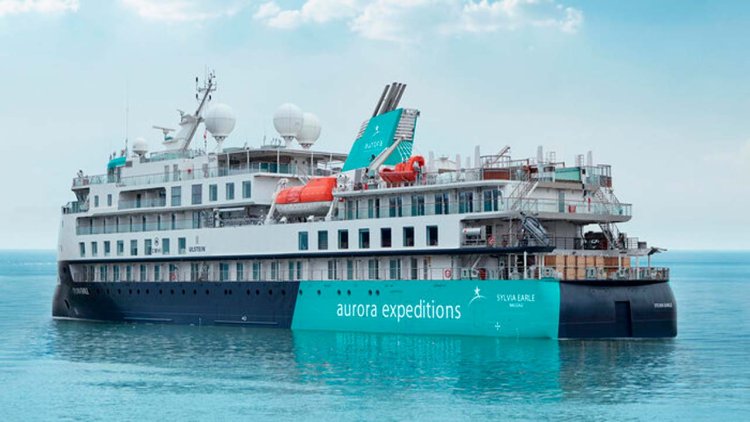
Aurora Expeditions launches its new expedition cruise vessel Sylvia Earle

0

Both are based on the ULSTEIN CX103 design and this series of vessels are the first expedition cruise vessels to implement the X-BOW feature for increased comfort.

The expedition travel company Aurora Expeditions has launched its second purpose-built small ship, Sylvia Earle, which will embark on her inaugural voyage from Ushuaia, Argentina to Antarctica on December 10, 2022.

Aurora’s Chief Executive Officer, Michael Heath, says:

“We are beyond thrilled to announce our newest ship, Sylvia Earle, is in the water and on her way to Antarctica. We cannot wait to introduce her to our loyal trade and consumer partners worldwide and, of course, a new generation of global expeditioners in search of adventure, discovery and extraordinary life-changing experiences.”

With its strong focus on education and conservation, the new Sylvia Earle is designed to accommodate an average of 132 passengers per voyage in a relaxed, fun and informal onboard setting.

This state-of-the-art expedition ship will be a floating ambassador for the conservation of the planet. A sister ship to the Greg Mortimer, launched in 2019, the Sylvia Earle is named after the renowned marine biologist, oceanographer, explorer and conservationist Dr. Sylvia Earle. She is a National Geographic explorer-in-residence since 1998 and was named by Time magazine as its first ‘Hero of the Planet’. In February 2023, Dr Earle, in partnership with Ocean Geographic will lead a world-first ‘Antarctic Climate Expedition’ on the new ship to raise public and government awareness of the environmental importance of the Antarctic. This special voyage aims to deliver resolutions to inspire transformative changes for global net-zero emissions by 2035 from an ocean perspective.

Peacock-Gower says:

“Female scientists are leading the way in global conservation initiatives, and we want to honour these extraordinary women who work tirelessly to make the world a better place.”

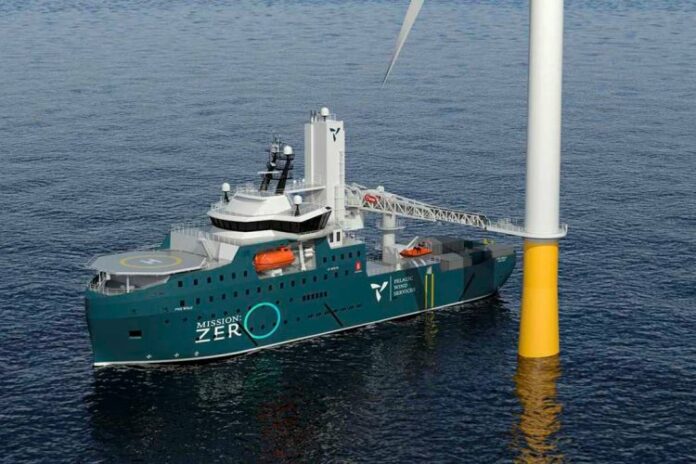
Kongsberg wins contract for new CSOVs for Pelagic Wind Services

0

The CSOVs will be built to Kongsberg Maritime’s UT 5519 HL design, which has been upgraded to provide the highest level of operability and safety, while lowering fuel consumption and maintaining excellent seakeeping properties. 

The new vessels will be able to operate safely and efficiently in any situation with the lowest possible environmental footprint. They are also designed with an emphasis on safety, comfort and wellbeing for crew and technician’s, with superb accommodation conditions.

Andre Groeneveld, CEO of Pelagic Wind Services, says:

“We’re delighted to work with Kongsberg Maritime to develop this next-generation vessel, which is firmly focused on sustainable operation, safety and efficiency.”

The comprehensive equipment package includes a complete hybrid propulsion system driving highly efficient, permanent magnet azimuth thrusters. This is combined with next-generation ship automation, deck machinery, power electrical systems, instruments, bridge consoles and ship monitoring systems.

These innovations will deliver significant environmental and operational benefits, including the possibility of conducting port operations without the need for diesel engines.

Sreejith KN, Director (Operations) of Cochin Shipyard, says:

“We are both proud and humbled to have this opportunity to collaborate with Kongsberg Maritime once again. This shows great courage and willingness from the Customer to invest in a unique and exciting segment, where the choice of both the vessel design and equipment outfitting is “future-orientated.”

Per Ståle Nykrem, Sales Director for Ship Design in the renewable energy segment in Kongsberg Maritime, says:
“This contract marks Kongsberg Maritime’s strong position in the Offshore Wind market, and joins the series of contracts already awarded in this segment.”

Our new UT 5519 HL design, and the comprehensive equipment package we have devised for these vessels, demonstrates how much thought and effort we devote to facilitating and encouraging sustainable marine operations”.

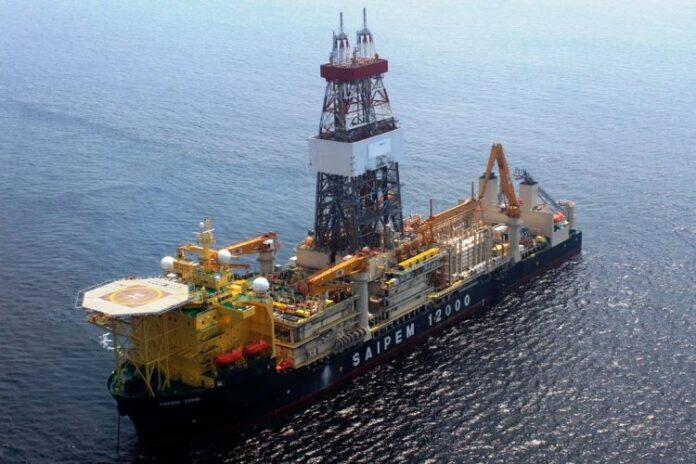
Saipem: new offshore drilling contracts in the Middle East and West Africa

0

This value is considered net of the leasing costs of the vessels used for the works

In the Middle East two new contracts have been awarded for two high-specification Jack-Up drilling units, the Perro Negro 12 and Perro Negro 13, chartered by third parties for drilling and workover activities on the specific projects. 

The duration of the operations will be five years plus two optional years for the first unit and three years plus one optional year for the second unit. Both the projects are scheduled to start between the third and the fourth quarter 2023. The third contract encompasses the five-year extension for an existing contract for the high-specification Jack-Up unit Sea Lion 7, highly versatile self-elevating drilling unit able to operate up to 375 feet water depth.

In West Africa, Saipem has been awarded two contracts in the Ultra Deep-Water segment for drilling operations with the sixth-generation Drillship Saipem 12000.

The first contract has been awarded by Eni Cote d’Ivoire for drilling operations offshore Ivory Coast, which are expected to start in the fourth quarter 2022 and extending the current activities of the rig in the area of about six months.

The second contract has been awarded by Azule Energy for drilling, completion and testing of development and exploration wells offshore Angola in Block 15/06 operated by Eni Angola S.p.A. The contract will have the duration necessary to drill and complete 12 firm wells (estimated lasting 26 months) and include the possibility of extension for an optional term. The project is scheduled to start in 2023 in continuity with the previous works of the rig in West Africa.

These long-term awards in the Middle East confirm Saipem strategy towards this key area for its business and the awards in West Africa secure the continuity of operations in line with Saipem strategy for the ultra-deepwater market in this area. 

With the contracts announced today, since the beginning of 2022 Saipem has been awarded new contracts in the offshore drilling segment for a total amount of about 1,6 billion EUR equivalent.

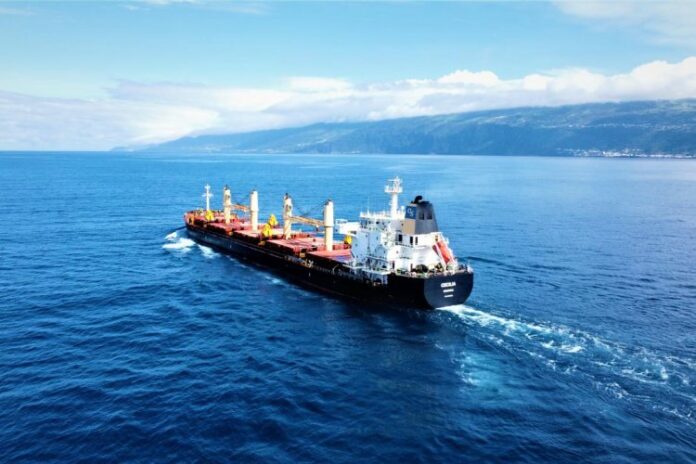
Carisbrooke Shipping significantly reduces CO2 emissions

0

Since implementing FOS across 31 vessels in 2019, Carisbrooke Shipping has been using the platform to gather insights that have supported the UK-based dry bulk and general cargo ship operator in its objectives around reducing carbon emissions and ensuring fleet performance, which is core to the company’s current strategy.

Carisbrooke’s Fleet Operations Centre is responsible for monitoring vessel position, passage plans and routes, advising on maximising cargo intake, and monitoring vessel safety and performance. Around 25 vessels are reviewed daily and an average of 20 voyages are optimised per month. Having insight into the efficiency of a vessel at any given time enables the company to take action to optimise fuel consumption across its vessels. Already, Carisbrooke Shipping has reported fuel savings of 5-7% since the roll-out of FOS, meaning it can continue to reduce its carbon footprint as part of its wider decarbonisation goals.

Jason Banfield, Area Sales Manager, UK & Benelux at Wärtsilä Voyage, said:

“As ambitions to decarbonise international shipping continue to grow, maritime stakeholders are under increasing pressure to prove they are taking significant steps to optimise their operations and cut emissions from ocean-going transport. Data-driven decision making is critical here, ensuring that organisations like Carisbrooke Shipping can make fast, well-informed decisions on how to improve efficiency and reduce emissions.” 

“It is exactly for this reason that it is very positive to see that, with our FOS platform, Carisbrooke Shipping has been able to make better informed data-driven decisions about its fleet. We look forward to collaborating with them more in the future for greener, safer and more efficient operations.” 

With FOS, Carisbrooke’s Fleet Operations Centre staff have a deeper understanding of how the company’s globally-sailing fleet is performing. The solution also allows them to compare performance metrics between sister vessels and monitor the impact of new hull coatings and new clean technologies, all of which have an effect on fuel consumption and CO2 emissions.

Natalia Walker, Fleet Operation Centre analyst at Carisbrooke Shipping, said:

“With Wärtsilä we are better positioned to balance and prioritise measures with vessel safety, voyage optimisation and fuel use. Together with the high-frequency data received from the onboard sensors and expert advice from our Marine and Operations team, Wärtsilä’s fleet optimisation platform provides the visibility we need to reach our emission-reduction goals. It brings into focus all the data we need to do that in detail.”

With the highly anticipated Carbon Intensity Indicator (CII) regulation coming into effect within the next few months, ensuring compliance will be another key driver for maritime organisations like Carisbrooke Shipping to harness technology for greener shipping. Owners and operators will need ways to make informed decisions on how to improve their CII ratings quickly and cost-effectively in the short term, whilst also keeping a long-term view in mind ahead of the 2025 revision to the scale.

Natalia continued:

“In the future, we plan to build and grow on our success by more closely monitoring CII metrics and taking operational decisions that further minimise our carbon impact.” 

FOS is a holistic platform comprising a range of solutions that support users’ digitalisation goals and enable their decarbonisation trajectories, creating optimisations today that can underpin future efficiency decisions. It does this by enabling greater transparency and accountability to counterparties by providing standardised and clear reporting that ensure data discussions are consistent across the scope of a ship’s operations, both at sea and on shore. By doing this, the shipping industry’s considerable wealth of data can be used effectively, maximising efficiency, underpinning safety, ensuring compliance and enabling decarbonisation.

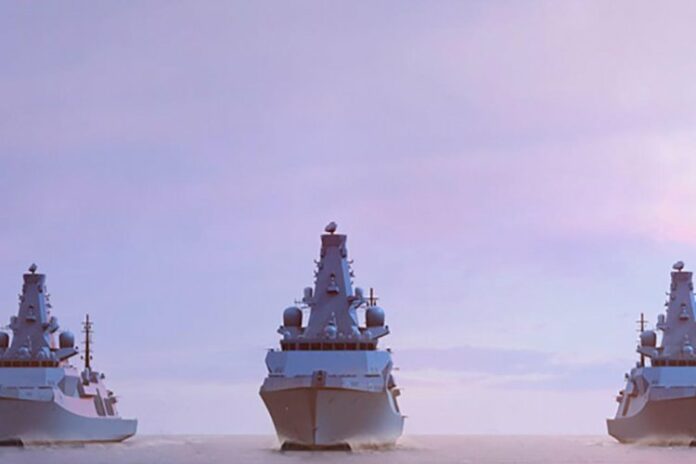
BAE Systems awarded £4.2bn contract to build five more Type 26 frigates

0

The contract sustains more than 4,000 jobs across BAE Systems and the wider UK maritime supply chain. It also secures shipbuilding at BAE Systems’ facilities in Scotland into the 2030s. Up to £1.8bn of the new order will be spent in the supply chain, including £1.2bn with UK suppliers.

The Type 26 is one of the world’s most advanced warships. It is designed for anti-submarine warfare and high-intensity air defence, but can adapt its role quickly to transport high volumes of humanitarian aid and house medical facilities.

Three Type 26 ships are already in build in Glasgow, with the first of class, HMS Glasgow, on track to enter the water later this year and be delivered to the Royal Navy in the mid-2020s. The construction of HMS Cardiff and HMS Belfast is also underway.

Ben Wallace, Secretary of State for Defence, said:

“We are investing in our fleet to ensure our Royal Navy maintains its world-leading capability to protect and defend our nation at sea. This design has already been successfully exported to Australia and Canada, proving itself as a world-class maritime capability, securing thousands of UK jobs and strengthening alliances with our allies. Supporting thousands of high-skilled jobs in Scotland, and more across the wider UK supply chain, this contract will continue to boost our British shipbuilding industry, galvanising the very best of British engineering, manufacturing and design.”

Charles Woodburn, Chief Executive, BAE Systems, said:

“This contract secures a critical UK industry and allows us to build on our long history of shipbuilding on the Clyde as we continue to deliver cutting-edge equipment to the Royal Navy into the next decade. It underpins the ongoing investments we’re making in the skills, infrastructure and technologies needed to stay at the forefront of the maritime sector and to support the UK Government’s National Shipbuilding Strategy.”

The Type 26 programme is a UK-wide endeavour, with more than 120 UK suppliers having already secured contracts linked to the new batch of frigates, including for steering gears in Dunfermline, gas turbines in Filton and maritime LED lighting in Cumbria.

This year, 180 new apprentices joined the 400 already working at BAE Systems on the Type 26 programme. BAE Systems’ Naval Ships business employs 4,500 people across the UK and is recruiting a further 400 trades people as the programme continues to ramp up.

The Company is investing approximately £15m in a new Applied Shipbuilding Academy in Glasgow to support the development of the entire workforce, from apprentices through to senior leaders. In addition, BAE Systems has applied for planning consent to start construction on a new shipbuilding hall worth more than £100m to greatly enhance productivity on the Clyde to support the delivery of these eight ships and future orders.

The Commonwealths of Australia and Canada have selected the Type 26 design, which, together with the UK, provide an anticipated 32 ship programme across the three nations. Sharing build and transition into service lessons across all three programmes will benefit all parties in this multinational effort.

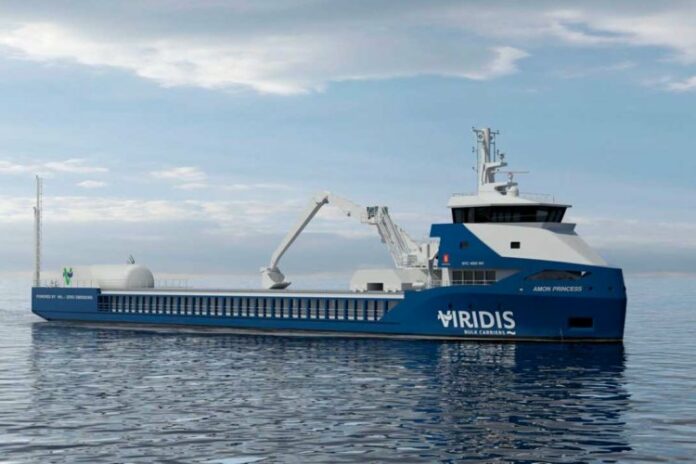
Viridis Bulk Carriers signs another charterer

0

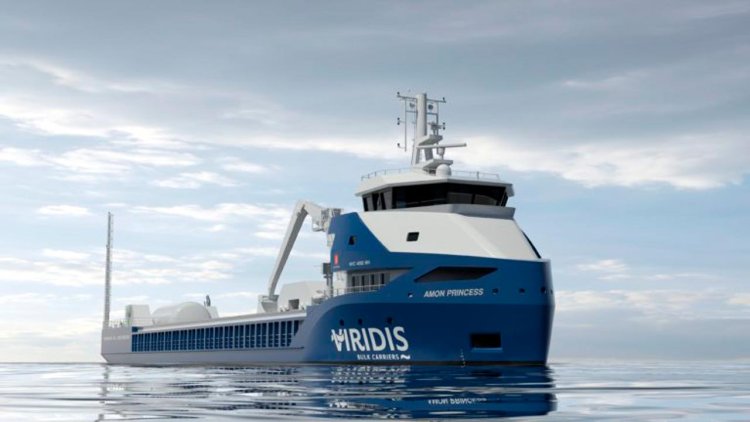
Ammonia-powered Viridis Bulk Carriers have signed another MoU with a large client, Stema Shipping, to join the Flexbulk – NH3 power consortium project. 

Stema is joining the other 7 cargo owners Elkem, Vestkorn, Yara, BioMar, Franzefoss Minerals, Viken AT Market and Saltimport in the Flexbulk – NH3 power project.

Jens Madsen, Head of Chartering at Stema Shipping, says:

“Stema Shipping A/S is happy to announce that we decided to join the FlexBulk project – NH3 Power. With this opportunity we get a chance together with the project partners to be part of a very ambitious project to launch a fleet of zero emission short sea bulk carriers. The FlexBulk project is very interesting as it takes the full value chain into consideration from bunkering stations, full logistic setup and a fleet built for the future. The program shows to be a great fit for Mibau Stema Group due to the trading area and our logistic terminal setup within same. Furthermore the project aim to reduce CO2 emissions in logistics, would be an important step towards Mibau Stema Group’s sustainability targets.“
The 8 charterers represent a significant cargo volume in the North European short sea bulk market. The underlying cargo volume from these 8 charterers provides excellent opportunity to optimize and increase productivity in the logistics chain. The project has as a clear goal to reduce the cost impact of utilizing carbon free ammonia fuel, which may initially be more expensive than fuels used today. Realization of the project will have a significant impact on local pollutants and global CO2 emissions from shipping, in addition to reducing value chain emissions for food-, fish feed-, metals-, fertilizer-, construction-, and other industries which transport large bulk and special project cargo volumes.

Espen Nordstrøm at Viridis Bulk Carriers says:

“Replacing the aging short sea tonnage, and decarbonisation of the supply chain will be decisive factors for the industry in the years to come, and Viridis Bulk Carriers will provide both.”

Since the start of the project in 2020 considerable technical development, design iterations and optimizing of the vessel design have been achieved. This means that the Viridis vessels will support charterers cargo capacity needs, have similar sailing range as the current fleet of short sea bulk vessels > 3,000 nm, and maintain crew and societal safety at the level of conventional vessels. 

As the maritime industry is moving towards zero emissions it’s essential that green vessels will be able to support the operational needs and flexibility the charterers require. This means that the green vessels of tomorrow must have similar operational capacities, like cargo intake and sailing range, for this to have a large uptake. The Viridis vessels will be able to trade the full North European region without needing a full-scale development of bunker infrastructure from day one. Ammonia has by far the best energy density of the zero carbon alternatives to support this. This is the only way that the decarbonization of the maritime industry will be able to move at speed, says Karl Arthur Bræin, at Viridis Bulk Carriers.
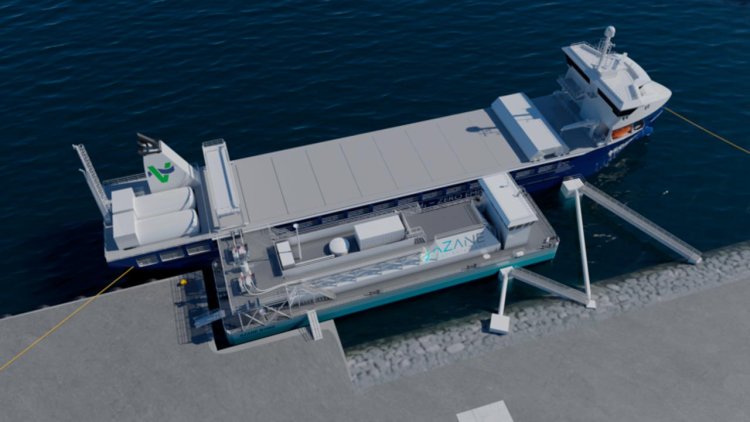
As EU and IMO is increasing their emission reduction targets for the maritime industry, Viridis will meet new regulation and provide the charterers with superior GHG reduction, while still offering flexibility due to sailing range in excess of 3,000 nm. Viridis Bulk Carriers is also a consortium member of “Ammonia Fuel Bunkering Network”, which will build a bunkering network in Scandinavia in collaboration with Yara. The first terminal will be delivered in 2024 as part of the Green Platform backed project. Yara have pre-ordered an additional 15 bunkering terminals for the Scandinavian market. This ensures delivery security for ammonia fuel to the Viridis Bulk Carriers fleet.

André Risholm at Viridis Bulk Carriers says:

“We are extremely pleased to see that the Flexbulk – NH3 power project have grown to 8 ambitious charterers and Viridis Bulk Carriers will provide a carbon free solution for their logistical requirements. Together, we invite all environmentally ambitious cargo owners to collaborate with us. Zero emission shipping will be enabled through economies of scale, and our door is open for everyone who finds this interesting.”

bp begins shipping liquefied natural gas from Mozambique’s first LNG project

0

bp has successfully loaded the first LNG cargo from Mozambique’s offshore Coral Sul FLNG facility, the country’s first LNG project and first floating LNG facility ever deployed in the deep waters of the African continent. 

Under its long-term contract, bp will purchase 100% of LNG output from Coral Sul FLNG which has the capacity to produce up to of 3.4 million tonnes of LNG per year.

bp continues to look for opportunities across the gas value chain, as it sees LNG as an essential part of the energy transition and its own pivot to becoming an integrated energy company. As bp aims for an LNG portfolio of 30 million tonnes by 2030, the new Mozambique supply source expands bp’s flexible, high-quality LNG portfolio and further enhances the company’s capability to deliver LNG to markets globally.

The start of production at the facility comes at an important moment, as LNG plays a key role supporting energy security. As the demand for LNG is expected to continue growing globally, bp continues to diversify its portfolio of LNG sources and develop innovative solutions for customers.

In October 2016, bp signed a long-term offtake contract for the purchase of LNG for over 20 years with the Coral sellers comprising of Mozambique Rovuma Venture S.p.A. (a joint venture owned by Eni, ExxonMobil and CNPC), GALP, KOGAS and ENH (Mozambique state entity). 

Carol Howle, EVP trading and shipping at bp, said:

“The start of production from the Coral Sul FLNG facility represents a major milestone for Mozambique, the project partners, and bp as the LNG buyer. As the world seeks secure, affordable and lower carbon energy, global demand for LNG is expected to continue to grow. This new supply source further enhances bp’s capability to deliver LNG to markets across the world and we look forward to continuing our close collaboration with all those involved in the project.”

Consortium wins funding to research drones and AI applications for port

0

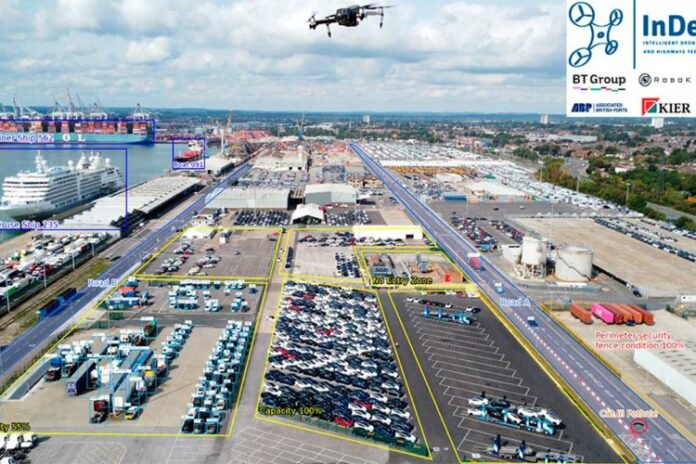
The ‘Intelligent Drones for Port and Highways Technology’ (InDePTH) project, which is part of the ‘Future Flight Challenge Phase 3’ programme, has received government backing, thanks to major new funding available via research agency UK Research and Innovation (UKRI) to help achieve an ambitious vision for the UK’s future drone economy.

As part of the project, Associated British Ports (ABP), Kier Highways, Connected Places Catapult, RoboK, Herotech8 and BT are all working together to build and test the use of drones to carry out automatic ‘beyond visual line of sight’ (BVLOS) missions to monitor and control critical national infrastructure such as highways and ports. Specifically, the project will demonstrate value in three use case areas for ports and highways, including landside port operations and management, marine operations and highway safety and defect inspections.

The ambition for the project is to create efficient, low-carbon, cost-effective solutions for infrastructure management with Unmanned Aerial Systems (UAS) and practically showcase opportunities for ports and highways to use ‘drones as a service’. Using AI and data analytics, the project will develop the InDePTH platform offering seamless integration from UAS imagery, through operational systems, to actionable insights.

A key aim of the project is to enable near real-time data transfer from capture to insight generation. By doing this, the data gathered by UAS becomes a greater asset to a wider number of end users. Close collaboration between the two end users ABP and Kier will engage different industries with very similar requirements, sharing best practices and physical demonstrations.

Harm van Weezel, ABP Chief Information Officer, commented:

“As the leading ports group in the UK with a vast network of 21 ports, we are committed to driving technological innovation within the maritime sector.

“We are delighted to be taking part in this exciting project to help map out the future for intelligent drone technology and the benefits it can bring to port customers.”

Digital twins of ports and highways will be built and used with real-time data from drones to give a rich picture of current operations, incidents, and asset condition. AI will be applied to analyse drone imagery in several use cases, including maritime infrastructure inspection, reactive ad-hoc flights to quickly identify hazards both on land and over water and inspection and auto-classification of safety critical highway defects such as potholes.

Connor Lyons, Innovation Business Partner, ABP, added:

“If we want to achieve leaps in Digital Transformation for Industry, we must embrace and develop the convergence of emerging innovative technologies, getting them working together seamlessly to deliver for end-users.

“This project directly tackles that convergence where drones carry out regular automated BVLOS flights, modern high bandwidth networking infrastructure streams live data and bespoke Computer Vision AI models process and compute data quickly at the edge.

“All of this working via automated systems to meet and improve the operational needs of the workers is critical to the UK economy and making big steps towards reducing carbon emissions.” 

Funds for Ukraine’s first sea drone Kherson raised in less than an hour

0

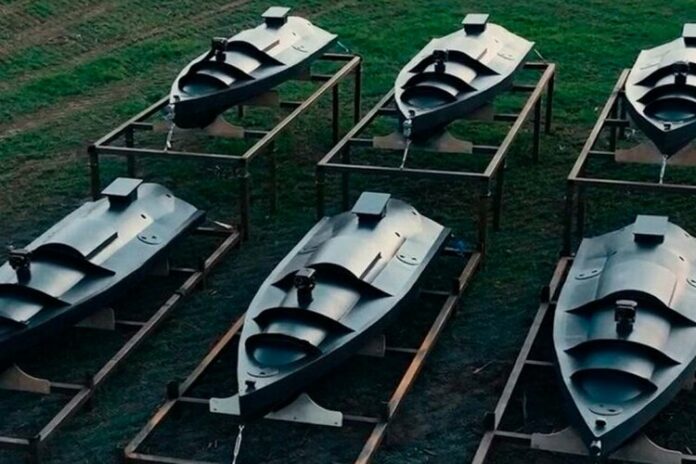
Money intended to help the Ukrainian forces produce a first unmanned sea vehicle, symbolically entitled “Kherson,” was raised in less than 60 minutes.

That’s according to President Volodymyr Zelensky, who broke the news in a video address to the nation, Ukrinform reports.

“On our platform United24, funds are being raised to create a fleet of naval drones. I announced what it would be like. So, now everyone – and not only in Ukraine, but also in other countries – can participate in setting up the world’s first fleet of sea drones, something that can provide security to our marine water area. The first sea drone, for which funds were raised in less than an hour, was named ‘Kherson.’ It is quite logical,” the president emphasized.

As reported earlier, on November 11, fundraising for the world’s first Ukrainian fleet of sea drones began on the United24 platform.

The unmanned sea vehicle in question is a unique Ukrainian project, the work on which has been classified. One such device costs UAH 10 million. The cost covers a drone equipped with an autopilot system, video subsystems, including night vision, special communication with e-warfare protection, backup communication modules, and a combat unit, as well as an autonomous ground control station, transportation and storage systems, and a data center.

First power from Hywind Tampen floating wind farm

0

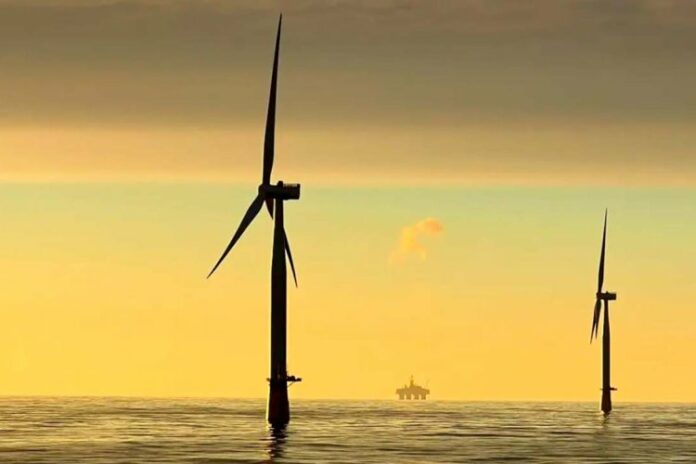
The power was delivered to the Gullfaks A platform in the North Sea.

Geir Tungesvik, Equinor’s executive vice president for Projects, Drilling and Procurement, says:

“I am proud that we have now started production at Hywind Tampen, Norway’s first and the world’s largest floating wind farm. This is a unique project, the first wind farm in the world powering producing oil and gas installations.” 

Owned by the Gullfaks and Snorre partners, the Hywind Tampen wind farm is expected to meet about 35 percent of the electricity demand of the two fields. This will cut CO2 emissions from the fields by about 200,000 tonnes per year.

Tungesvik says:

“The Norwegian content of the project is about 60 percent. This shows that we, together with our partners and suppliers, are building a new industry on the shoulders of the oil and gas business utilizing the competencies we together have acquired over many decades.” 

Seven of eleven turbines are scheduled to come on stream during the year. The last four turbines have been assembled this autumn and will be installed on the field during a weather window next year. Even with just seven turbines on stream Hywind Tampen will be the world’s largest floating wind farm with a capacity of 60 MW.

With its world-class wind resources, the North Sea will continue to play a key role also in the energy transition and for the energy security of Europe and Norway. Hywind Tampen represents a first step towards developing a new industry within offshore wind in Norway, contributing to reliable, affordable, and sustainable energy supplies.

Kjetil Hove, Equinor’s executive vice president for Exploration and Production Norway, says:

“Hywind Tampen cuts emissions from the oil and gas industry and increases the gas export to Europe. This is an important contribution towards transforming the Norwegian continental shelf from an oil and gas province to a broad energy province. Just a few years ago, no one would have believed that offshore platforms could be powered by electricity from floating wind turbines. Well, now we have started.”