-1.8 C
New York
Home Blog Page 308

Van Oord selected as preferred supplier for Nordseecluster wind project

0

Van Oord has been appointed as preferred supplier for the transport and installation of foundations for the 1.6 GW Nordseecluster wind project in Germany, a joint venture between RWE and Northland Power. 

The agreement was signed at Van Oord’s stand at the WindEurope exhibition in Copenhagen. 

The cluster consists of four offshore wind farms in the German North Sea, 35 kilometres North of the island of Juist and 55 kilometres off the German Coast. The close proximity of the offshore sites offered the opportunity to develop one of the largest offshore wind farms in Germany. The Nordseecluster will be constructed in two phases. Van Oord will install a total of 104 extended monopiles with a weight up to 1,750 tonnes, of which 44 foundations will be installed in 2025 and 60 more in 2027.
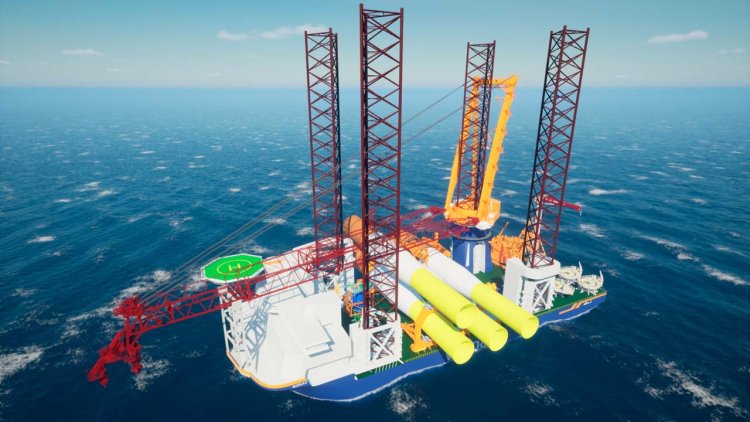
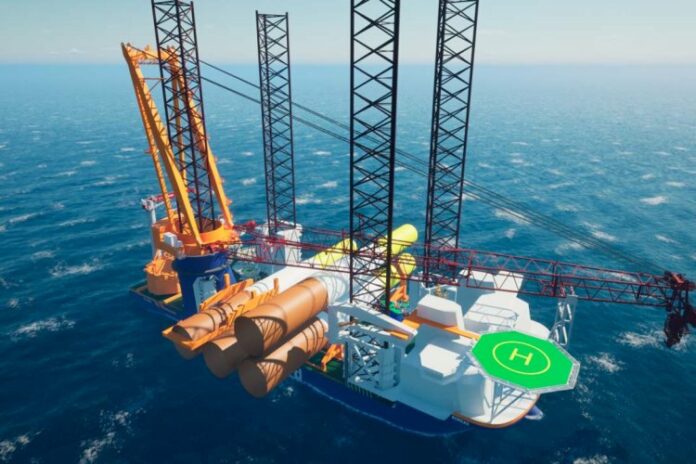
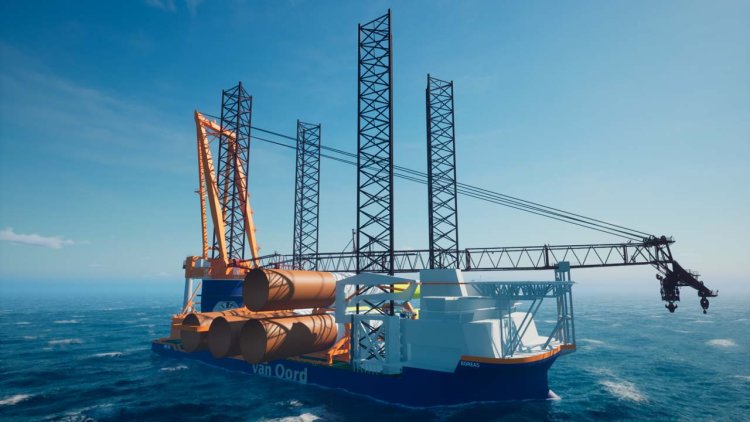
Van Oord will deploy its brand new offshore installation vessel Boreas. It is the first project for this new vessel, which is currently being built and will be the largest of its kind once operational. The new 175-metre Boreas is purpose-built for the transport and installation of the next generation of foundations and turbines at offshore wind farms. It has an advanced jacking system and can lift more than 3,000 tonnes. Four giant legs, each measuring 126 metres, allow the vessel to be jacked up and work in waters up to 70 metres deep. With this new vessel, Van Oord is preparing itself for the increase in scale in the offshore wind industry. In addition, the Boreas fits in with Van Oord’s sustainability ambitions and aim of making its fleet more economical and energy efficient. The vessel will be able to run on the future fuel methanol, reducing the ship’s footprint by more than 78%.

Benjamin Miethling, Northland Power’s Managing Director of the Nordseecluster:

‘The preferred supplier agreement (PSA) recently signed with Van Oord, which encompasses all four projects, reflects the efficiency created when bundling procurement activities. We are happy to have this experienced contractor on board and expect to achieve further substantial economies of scale and leverage synergies during the development, construction and subsequent operation of the four wind farm sites.’
Sven Schulemann, RWE’s Managing Director of the Nordseecluster:

‘1,600,000 German households every year – this is the equivalent we will be able to supply once our 1.6-gigawatt cluster is completed. Having now secured the foundation installation contract is another great achievement and a further big step forward for our Nordseecluster.’

Arnoud Kuis, Managing Director Offshore Wind at Van Oord:

‘We look forward to deploying our brand new offshore installation vessel Boreas on a large scale project like this, which is exactly what the vessel is built for. We are proud to be part of this prestigious project and look forward to another successful cooperation with both RWE and Northland Power. By contributing to the realisation of Nordseecluster, Van Oord is again part of a major contribution to the energy transition towards renewable energy.’
TenneT and National Grid collaborate on proposed Anglo-Dutch electricity link

0

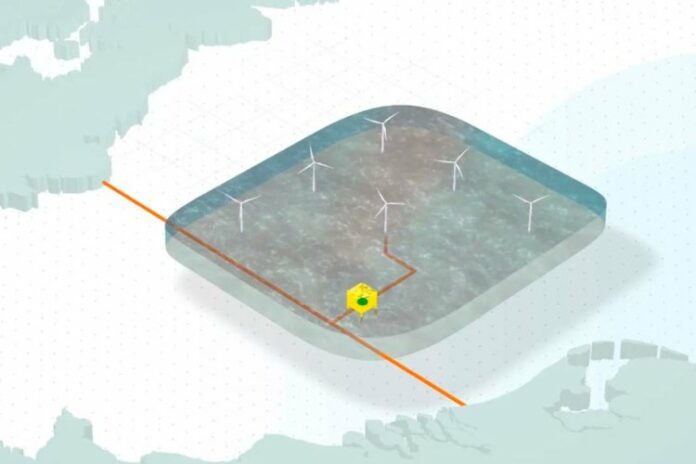
TenneT and National Grid have announced plans for a first-of-its-kind electricity link that will connect offshore wind between the Netherlands and the UK.  

LionLink, which was included as a key project in today’s North Sea Energy Declaration, could connect Dutch wind farms to the electricity grids of both countries via a subsea high voltage electricity cable, called a multi-purpose or hybrid interconnector. The development would be the first of its kind for the UK and the Netherlands, and the first step towards an integrated electricity grid in the North Sea.

Welcoming the announcement at the North Sea Summit in Ostend (Belgium), Dutch Energy Minister, Rob Jetten and UK Secretary of State for Energy Security and Net Zero, Grant Shapps expressed their support for the LionLink project, recognising it as an important step milestone in realising the full potential of the North Sea as Europe’s green energy powerhouse. The UK and EU have a combined target for 110GW of installed offshore wind capacity by 2030, which will make a vital a major contribution to both energy security and climate targets across the region.

LionLink will benefit from the strong and established long-term partnership between the Netherlands and the UK and supports the broader objective of North Sea countries to secure sustainable long term energy security for Europe and the UK by connecting renewables via interconnection. 

The Dutch and British energy markets were first connected in 2011 via the BritNed point-to-point interconnector, which has played an important role in supporting energy security this winter.

Manon van Beek, CEO TenneT, said:

“It is our conviction that offshore hubs configured in a meshed DC grid must form the backbone of the North Sea powerhouse. This is a view that is increasingly shared, and for us, it is more than a vision of the future. In fact, we are already doing it by kicking off this ground-breaking LionLink project right now. It is a first step and a great opportunity to learn as the offshore grid takes shape. “

Ben Wilson, President National Grid Ventures, said:

“Connecting wind farms to multiple markets simultaneously is a game changer for energy infrastructure and brings us one step closer to realising the enormous green energy potential of the North Sea. Not only can we deploy every spare electron where it is needed most, we can help to reduce the impact of infrastructure on coastal communities. We now need the right political, legal and regulatory framework to make it happen and establish a mutually beneficial North Sea grid to deliver a cleaner, fairer, more secure and more affordable energy future for British and European consumers.” 

Minister Rob Jetten, Climate & Energy said:

“With the North Sea becoming the largest supplier of green electricity for the Netherlands and large parts of Europe, we are ready to expand the interconnection between the two countries. LionLink provides close to 2 gigawatts of electricity to both countries, enough to power 2 million households. This new connection further boosts energy security and energy independence in Europe. Close collaboration on offshore wind energy and interconnection amongst the North Sea countries is imperative. So in case there is a surplus of wind generated electricity, it can be shared instantly to locations with a shortage of power, and vice versa.”

Wintershall Dea makes shallow water discovery offshore Mexico

0

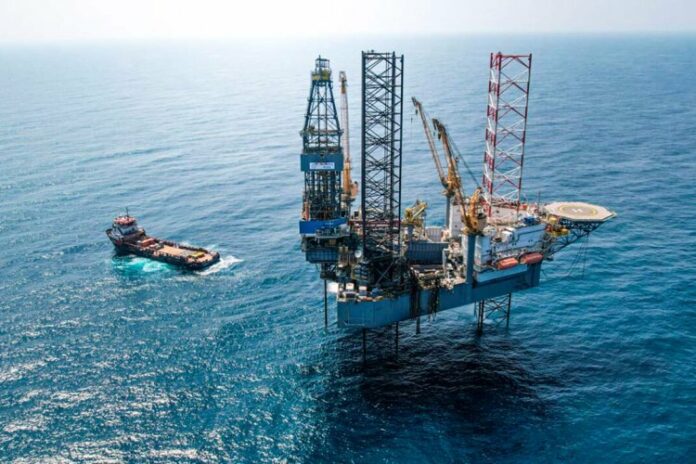
Operator Wintershall Dea and its partners Harbour Energy and Sapura OMV have made a significant oil discovery on the Kan exploration prospect in Block 30, located in shallow waters of the Cuenca Salina in the Sureste Basin, offshore Mexico. Based on preliminary estimates the discovery may contain 200 to 300 million barrels oil equivalent in place.

“This important discovery at Wintershall Dea’s first own-operated exploration well offshore Mexico is a great success”, says Hugo Dijkgraaf, Wintershall Dea’s Chief Technology Officer and Executive Board member responsible for global exploration. “It was one of the most contested blocks of Mexico’s bid round 3.1 back in 2018. The successful Kan discovery confirms the attractiveness of Block 30, complementing Wintershall Dea’s outstanding Mexican license portfolio. It is a significant step to extending our footprint in Mexico contributing to the development of a potential new hub in the shallow waters of the Sureste Basin”.

Kan is the first of two commitment wells of Block 30. The Kan prospect is located about 25 kilometers off the Tabasco coast in water depth of around 50 meters, and within a zone of several Miocene discoveries including the world class Zama discovery and the Polok and Chinwol discoveries, where Wintershall Dea holds significant working interests. The Kan well, drilled by the Borr Ran rig, reached a total depth of 3,317 meters and found more than 170 meters net pay sands of Upper Miocene with good petrophysical properties and high-quality oil. An updip sidetrack down to 3,087 meters was carried out, and additionally approximately 250 meters cores across the main reservoir sands were recovered.

Martin Jungbluth, Managing Director of Wintershall Dea in Mexico, points out:

“After the recent submission of the Unit Development Plan for the Zama field and the acquisition of a material share in the producing Hokchi field, the discovery in Block 30 is the next important milestone for Wintershall Dea in Mexico. From our strong market position, with our value accretive projects in the exploration and development phase as well as our current production projects, we look forward to contributing to the further development of the Mexican energy sector.”

The Block 30 consortium will evaluate the extensive subsurface data collection in order to prepare the Kan discovery appraisal plan, to be submitted to Mexico’s Hydrocarbon Agency CNH (Comisión Nacional de Hidrocarburos) before end of July 2023.

After the Kan-1EXP well and the sidetrack were completed, the Borr Ran rig was moved to a second prospect to be drilled at Wintershall Dea’s Block 30, namely Ix, located approximately 20 kilometers northeast of the Kan discovery.

Operator Wintershall Dea holds 40% in Block 30, with Harbour Energy and Sapura OMV holding each 30%.

Roberts Bank Terminal 2 receives approval from the Government of Canada

0

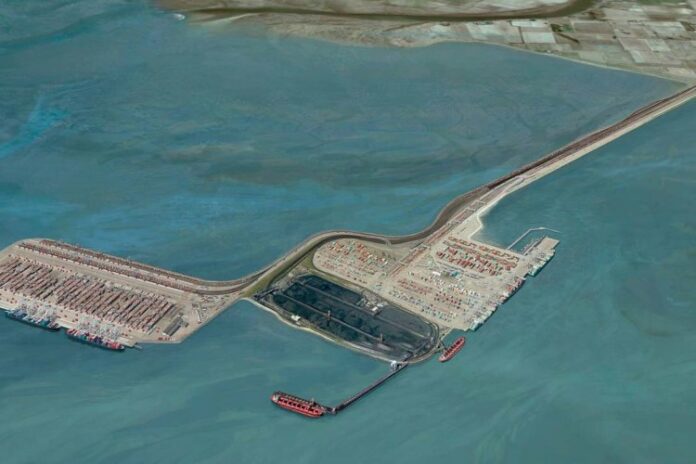
The Canadian government has approved the Roberts Bank Terminal 2 Project at Vancouver Fraser Port Authority following a decade-long environmental assessment process for a three-berth container terminal.

The decision comes as Canada’s container trade remains on a long-term growth trajectory, with west coast marine container terminals forecast to hit capacity by the mid- to late-2020s. 

“With this approval, we can advance one of Canada’s most important trade infrastructure projects to date, bolster our national supply-chain resilience, and deliver generational economic benefits for Canadians and Canadian businesses,” said Robin Silvester, president and CEO of the Vancouver Fraser Port Authority, the federal agency mandated to enable Canada’s trade through the Port of Vancouver. “I’d like to thank Indigenous and local communities, scientists, industry, chambers of commerce, and all tiers of government, who have played such an important role in shaping the project to date.” 

The Roberts Bank Terminal 2 Project includes building new land and a new three-berth marine container terminal near existing port terminals at Roberts Bank in Delta, B.C. The project will incrementally deliver an additional 2.4 million twenty-foot equivalent units (TEUs) of capacity, ultimately increasing Canada’s west coast container capacity by approximately one-third.  

Besides enabling Canada’s growing trade, additional container terminal capacity at the Port of Vancouver will strengthen national supply-chain resilience, by creating additional “buffer” to handle cargo surges, such as those experienced through the pandemic, and support recovery from weather-related disruptions, such as the severe flooding that B.C. experienced in late 2021 that contributed to port cargo backlogs well into 2022. 

The project will deliver substantial economic benefits, including more than 18,000 jobs during construction; more than 17,300 ongoing jobs; an estimated $3 billion in GDP annually once built; and $631 million in tax revenue to support services for Canadians. 

The port authority is leading the project under its public-interest mandate as a federal agency, leveraging its long history of building high-quality sustainable infrastructure across the Lower Mainland, including— in partnership with container terminal operator DP World—the Centerm Expansion Project, which recently won a platinum Envision Award from the Institute for Sustainable Infrastructure.  

“Roberts Bank Terminal 2 has been designed in a way that ensures it aligns with our work toward our vision to make the Port of Vancouver the world’s most sustainable port, including protecting and enhancing the natural environment and reflecting Indigenous priorities,” said Judy Rogers, port authority board chair. “The port authority has collaborated with Indigenous groups on the project for more than a decade and now we look forward to working together to deliver economic, cultural and environmental opportunities and initiatives.”    

The port authority will continue to work closely with Indigenous groups on environmental mitigation and training, employment, contracting opportunities, as well as providing benefits through the Indigenous Legacy Benefit Fund and signed agreements with 26 Indigenous groups, as it continues its commitment to respectful, long-term relationship building.   

The new marine terminal will be located in subtidal waters to minimize environmental effects. It will be funded by the port authority and private investment.  

In line with the port authority’s commitment to support local communities, the Roberts Bank Terminal 2 community investment program will provide $6 million to Delta organizations and students as part of the project.  

Singapore, Long Beach, L.A. Ports to Establish Green, Digital Shipping Corridor

0

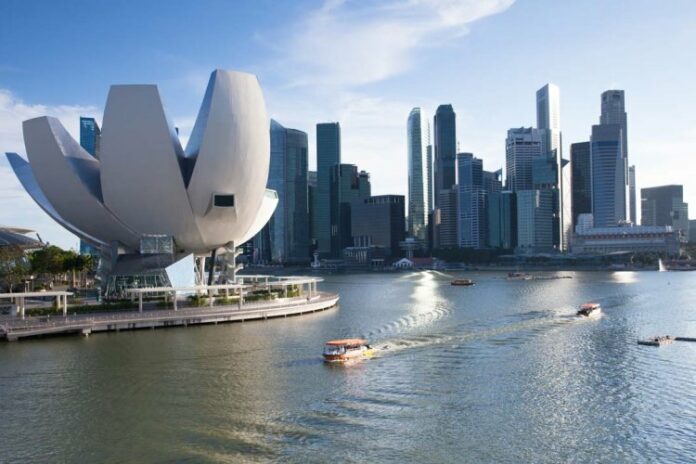
The Maritime and Port Authority of Singapore (MPA), Port of Long Beach and Port of Los Angeles, with the support of C40 Cities, have signed a memorandum of understanding to establish a green and digital shipping corridor between Singapore and the San Pedro Bay ports complex to support the decarbonization of the maritime industry and improve efficiencies through digitalization.

The Port of Long Beach’s Cordero said:

“Curbing greenhouse gases from international shipping is essential to fight global warming. Creating this green corridor with our partner ports and C40 Cities is part of our strategy to coalesce all of our efforts here and beyond to help advance our goals for cleaner marine fuels for oceangoing vessels, improve efficiencies for the global movement of goods, and to achieve a carbon-neutral future.”

The Port of Los Angeles’ Seroka said:

“No single port or organization can tackle the challenge of decarbonizing the supply chain alone, no matter how innovative their technology or robust their efforts. The establishment of this green shipping corridor between the San Pedro Bay Port Complex and Singapore will prove to be a living, breathing testament to the power of global collaboration.”

C40 is the facilitator of the green and digital shipping corridor, providing support to the cities, ports, and their corridor partners by coordinating, convening, facilitating, and providing communications support in furtherance of the corridor’s goals.

As leading hub ports, Singapore, Long Beach and Los Angeles are vital nodes on the trans-Pacific shipping lane and key stakeholders in the maritime sector’s green transition. Ahead of the revision of the International Maritime Organization’s (IMO) Initial Strategy for the Reduction of Greenhouse Gas Emissions from Ships in July 2023, the three ports will come together with the C40 Cities network and other stakeholders in the maritime and energy value chains, to jointly accelerate the decarbonization of the maritime industry in line with the goals of IMO, and Singapore’s and the United States’ respective Nationally Determined Contributions. 

John Kerry, U.S. Presidential Climate Envoy, said:

“Shipping is responsible for approximately a gigaton of greenhouse gas emissions each year. But the good news is that many shipping companies, ports and countries are stepping up. Today’s MOU is one of those pieces of good news.”

The green and digital shipping corridor aims to support the transition to low- and zero-emission fuels by ships calling at Singapore and the San Pedro Bay ports complex. The parties will work to facilitate the supply and adoption of these fuels and explore the necessary infrastructure and regulations for bunkering. In addition to identifying and collaborating on pilot and demonstration projects, the memorandum aims to identify digital shipping solutions and develop standards and best practices for green ports and the bunkering of alternative marine fuels, including sharing experiences at international platforms such as IMO.

The memorandum follows from an earlier announcement in November 2022, that Singapore, Long Beach and Los Angeles ports, and C40 Cities had begun discussions to establish a green and digital shipping corridor between Singapore and the San Pedro Bay ports complex. This announcement supported the Green Shipping Challenge launched during the World Leaders’ Summit at the 27th United Nations Climate Change Conference to encourage governments, ports, maritime carriers, cargo owners and other stakeholders across the maritime value chain to commit to concrete steps to galvanize global action to decarbonize the shipping industry.

“The signing of this MOU signals our collective will to pool our resources, technical insights, industry and research networks to deliver scalable green as well as digital corridor solutions to help the maritime industry attain the 2050 emission reduction targets expected of the International Maritime Organization and help spur the development of green growth opportunities,” said Teo Eng Dih, Chief Executive of MPA.

RWE will install CO2-reduced towers at Thor offshore wind farm

0

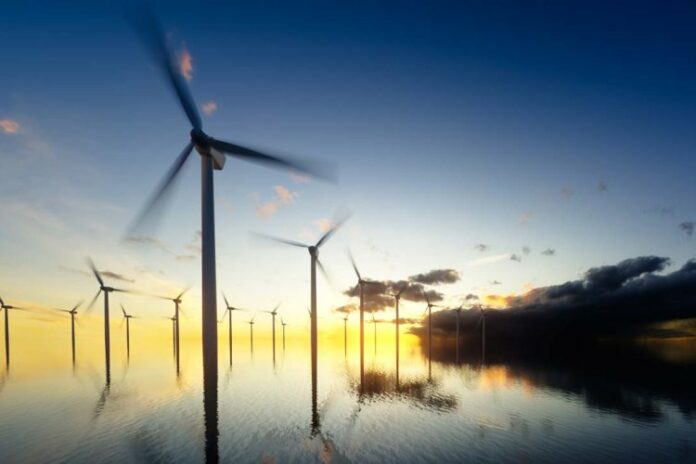
RWE is taking another step in driving forward sustainability in wind power by being the first developer in the world to utilise Siemens Gamesa’s GreenerTower at its Danish offshore wind farm Thor.

The tower steel plates are made of greener steel that produces at least 63 percent less CO2 emissions compared to conventional steel. 36 of the 72 wind turbines will be equipped with the lower-carbon steel towers. Installation offshore is expected in 2026.

Sven Utermöhlen, CEO RWE Offshore Wind:

“Offshore Wind already has one of the lowest life-cycle carbon footprints of power generation technologies. However, tower production accounts for around one third of all wind turbine-related CO2 emissions. So using greener steel is a significant step towards producing even more sustainable wind power. At RWE we are fully committed to working towards circularity and net-zero emissions. We are already testing the world’s first recyclable wind turbine blades by Siemens Gamesa under real-life conditions. By piloting the GreenerTower at our Thor offshore wind farm, RWE is now once again taking the lead by helping to significantly reduce the carbon footprint of wind turbines.”

Third-party certification will verify that a maximum of just 0.7 tons of CO2-equivalent emissions are produced per tonne of steel in the new, GreenerTower, while the same steel properties and quality are maintained. As one of the measures to decarbonise steel production, the electric furnaces will be fed with green electricity produced by renewable energy sources. Other means include the use of scrap steel in the production process, substituting iron ore and reducing the energy intensity of the overall process.

Maximilian Schnippering, Head of Sustainability at Siemens Gamesa:

“Wind power is one of the cornerstones of the green energy transition. With more than 600 gigawatts of new capacity to be installed worldwide in the next five years, it is important for the wind industry to reduce its carbon footprint. Our project to address emissions with greener steel is one such solution. With the launch of GreenerTower and the agreement for RWE’s Thor wind farm, Siemens Gamesa leads the efforts to further push wind circularity and net-zero emissions.”

RWE will build the Thor wind farm in the Danish North Sea, approximately 22 kilometres from Thorsminde on the west coast of Jutland. With a planned capacity of more than 1,000 MW, Thor is Denmark’s largest offshore wind farm to date. Once fully operational, which is planned no later than the end of 2027, the wind farm will be capable of producing enough green electricity to supply the equivalent of more than one million Danish households. Since 2010, RWE has already completed and now operates the Danish Rødsand 2 offshore wind farm, which is located south of the Danish island of Lolland.

Fugro helps locate World War II ship 80 years after tragic sinking

0

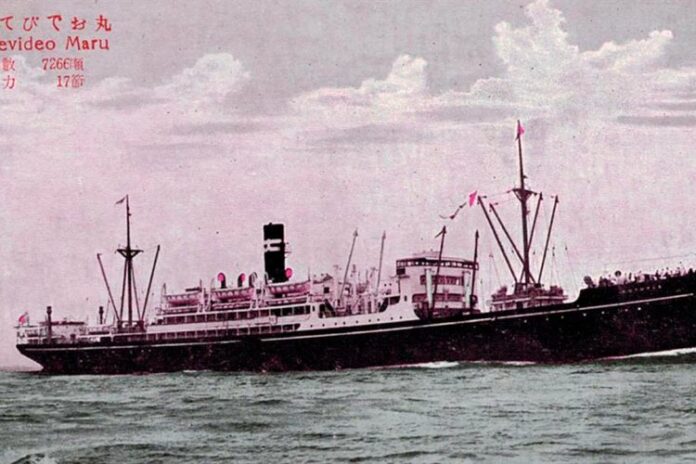
In close partnership with the Silentworld Foundation and the Rabaul and Montevideo Maru Society, and support from Australia’s Department of Defence, Fugro used their deepwater hydrographic and oceanographic expertise to successfully identify the wreckage of the Japanese transport ship at a depth of more than 4000 m off the coast of the Philippines.

The Montevideo Maru was carrying approximately 1060 prisoners of war and civilians when it was sunk by an American submarine in 1942 during World War II. The tragedy resulted in fatalities from at least 14 countries, including Australia, Denmark, England, Estonia, Finland, the Netherlands, Japan, Ireland, New Zealand, Norway, Scotland, Solomon Islands, Sweden and the US.

On 6 April 2023, 110 km north-west of Luzon in the Philippines, the Fugro team started the search onboard the Fugro Equator, one of the world’s most advanced and well-equipped hydrographic survey vessels. Deploying an autonomous underwater vehicle (AUV) with an in-built sonar, a positive sighting was recorded after just 12 days. Verification of the wreck came a few days later using expert analysis from the project team, which comprised maritime archaeologists, conservators, operations and research specialists, and ex-naval officers.

“The discovery of the Montevideo Maru closes a terrible chapter in international military and maritime history,” said John Mullen, Director of the Silentworld Foundation. “Today, by finding the vessel, we hope to bring closure to the many families devastated by this terrible disaster. I would like to express my gratitude to all of the dedicated Silentworld team involved in this expedition, to the outstanding Fugro crew and technical team onboard the Fugro Equator, and to the Australian Department of Defence for their unwavering support.”

Mark Heine, CEO of Fugro, said:

“This maritime tragedy involved many countries and families, and all paid a terrible price. I’m proud that our skills and technology can help find resolutions to historical projects such as this and, in this way, make a real difference to people’s lives. At Fugro, we’re using our hydrographic and oceanographic solutions to contribute to relief efforts and live up to our purpose of creating a safe and liveable world.“

AIDA Cruises expands the use of shore power

0

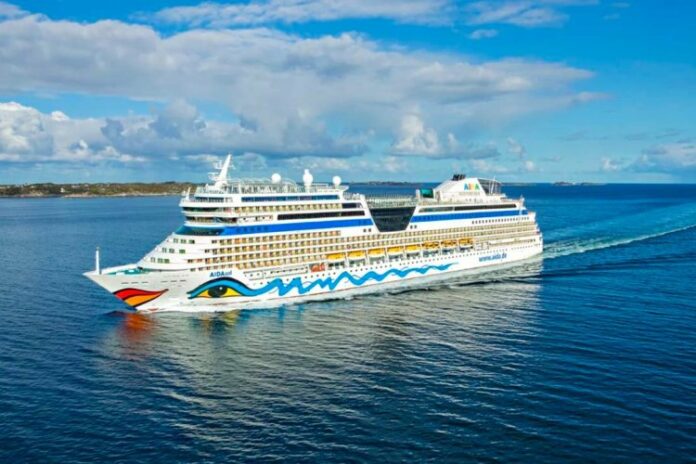
With AIDAsol, the first cruise ship in the AIDA fleet could already be connected to shore-side facilities in four out of five ports during its voyage from April 16 to 21, 2023, in Rostock-Warnemünde, Aarhus (Denmark), Kristiansand (Norway) and Hamburg.

“AIDA shows what can already be possible today. Our goal is to be able to use shore power in all ports in the future where port infrastructure is available. With our investments in this clean technology, we are actively supporting the goals of the EU’s “Fit for 55″ program to build a corresponding infrastructure in all major EU ports by 2030, because we can only achieve the energy transition together,” says AIDA President Felix Eichhorn.

AIDAsol’s voyage started with a premiere in Rostock-Warnemünde last Sunday, April 16, 2023. During a double call, AIDAmar and AIDAsol were the first two cruise ships to be supplied simultaneously with green energy on the same day in a German port.

Another premiere followed just one day later: In Aarhus, Denmark, AIDAsol was the first cruise ship to conduct shore-side and shipboard integration tests on the newly built facility. The official opening of Denmark’s first shore power plant for cruise ships is scheduled for later this year.

Also during the voyage, AIDAsol was successfully supplied with energy from shore during its stop in Kristiansand, Norway, as it was already in 2022.

This Friday morning, AIDAsol arrived in Hamburg, her home port for this year’s summer season. Shortly after docking at the Cruise Center Altona, the ship was connected to Europe’s first shore power plant for cruise ships and switched off its main engines.

AIDA Cruises has been considering the use of this environmentally friendly technology in the planning and construction of its ships since 2004. More than ten years have passed since the company have been able to start the usage of shore power in regular operation with an AIDA ship in Hamburg Altona in 2017. As an expression of its commitment, the cruise company signed a memorandum of understanding in April 2022 with Cruise Baltic, a network of 31 ports and destinations, to use shore power in the ports of the Baltic Sea region.

Sensing360 and Damen join forces on sensors for shipping

0

Sensing360 specialises in sensor technology based on photonics — the interaction between light and electronics. Up to 20 of these optical sensors can be incorporated into fibre-optic cables no thicker than a human hair. The great advantage of this is that data can also be collected in places that are difficult to reach or dangerous.

“The collaboration with Damen means we can now also deploy this technology — which we already use extensively in wind turbines — onboard ships. For example, we are looking at deploying them in winches and other rotating parts,” explains Georgo Angelis, Sensing360’s CEO. “This is a step forward we are taking together to make the maritime sector safer, more efficient and sustainable.”

Sensing360 will also support the development of algorithm solutions that can analyse and interpret data from the sensors to optimise the operational performance of the Damen vessels.

Jasper Schuringa, Head of Corporate Venturing:

“The data and thus the insights gathered by photonic sensors are of crucial value to our customers. They also offer opportunities for new business models and support technological developments, such as remote control and automated operations. Through Triton, our ‘connected vessel platform’, information from many thousands of data points and sensors is collected to provide an overall view of the ship’s performance indicators. So thanks to this collaboration, we can start adding quite a few more parameters to that. It is a great example of the growing trend of cooperation between startups and established companies to create synergies and generate value together.”

Sif orders PEMA plate joining lines for XXXL monopile manufacturing

0

The delivery includes PEMA plate joining lines for XXXL monopile foundation manufacturing and extensive service agreements. Based on innovative and sophisticated production technology, for Sif the lines ensure automized plate joining with improved quality, safety, and production efficiency.

“Sif selected Pemamek to deliver a significant part of the new factory at Maasvlakte, for their proven track record in heavy steel industries,” said Frank Kevenaar, COO of Sif Netherlands B.V. “We are extremely happy how Pemamek has supported Sif as from the very early start of the project. Their contribution to the investment will enable Sif to maintain and further reinforce its leading position in the market.”

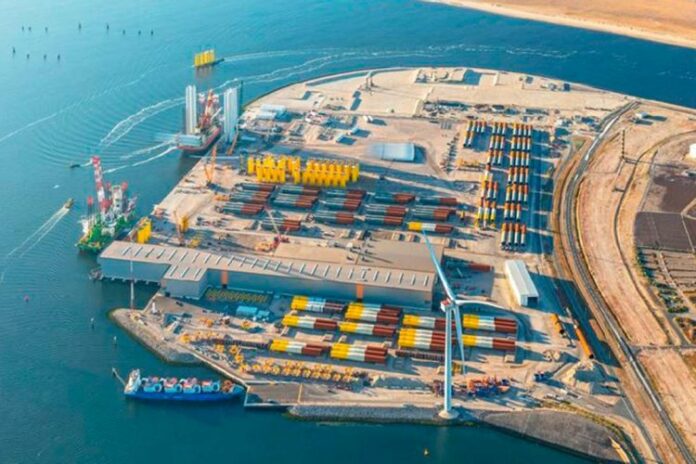
The investment in intelligent PEMA production automation is a part of Sif’s recent announcement on constructing the world’s largest monopile foundation manufacturing plant in Maasvlakte, the Netherlands. The upgraded manufacturing plant will significantly upgrade Sif’s capabilities to manufacture the XXXL monopile foundations and reinforce its position as the leading foundation supplier for the energy transition.

As the need for more powerful offshore wind turbines grows, the demand for stronger foundations increases with it. The bottom diameter for the XXXL monopiles that Sif can manufacture is 11,5 meters. With the new PEMA plate joining lines, Sif secures the capability to meet future market demands.

The project is expected to be delivered during the 3rd quarter of 2024 and ready for full-capacity production by the end of 2024.