-9.8 C
New York
Home Blog Page 252

Auramarine launches fuel economiser solution to reduce fuel consumption

0

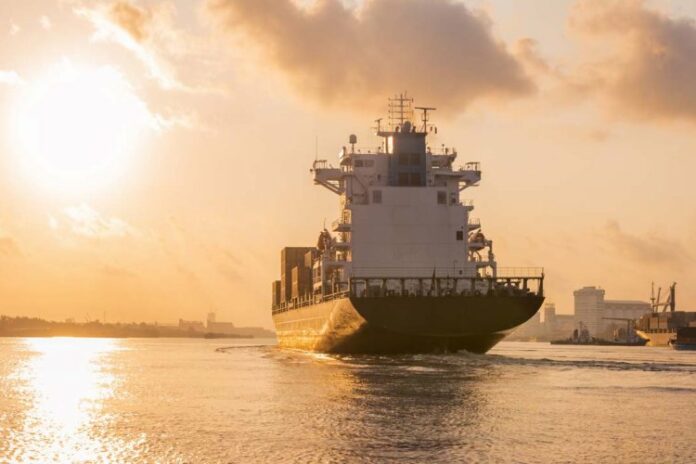
Auramarine Ltd, the leading fuel supply systems pioneer for the marine, process and power industries has launched its new Auramarine Fuel Economiser (AFE) solution. The AFE enables ship owners and operators to proactively analyse and identify where fuel consumption and emissions can be reduced, delivering savings of between 5 per cent and 20 per cent.

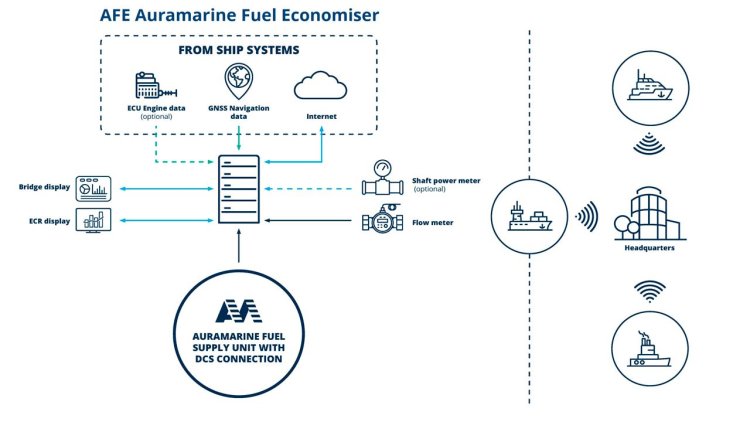
Auramarine’s AFE monitors and measures the entire fuel consumption of vessels across a whole fleet, collecting data from fuel and power-related systems on board, from main and auxiliary engines to gas turbines, boilers, and inert gas generator regardless of whether a vessel is in operation or not. Data is collected on myriad of areas including the type of fuel oil used, consumption, volume, mass information, viscosity and temperature behaviour, as well as shaft power meter and engine data.

The AFE reduces complexities and makes data collection easy for accurate reporting purposes in line with environmental regulations such as the International Maritime Organisation’s (IMO) Carbon Intensity Indicator (CII), as well as improving fuel economy and onboard processes. This includes highlighting opportunities to reduce fuel consumption; optimising operations by analysing fuel profiles and fleet utilisation; identifying areas for enhancing safety as well as professional development; preventing unnecessary wear; and analysing Auramarine’s onboard equipment data for planned and preventative maintenance.

John Bergman, CEO at Auramarine said:

“We understand that it is incredibly challenging for ship owners and operators to manage the process of compliance in relation to new regulations, such as CII and EEXI, while also looking at immediate and long-term mitigation strategies to reduce their carbon footprint, as well as focusing on their day-to-day operations.  This is in conjunction with managing the differing requirements of carbon emissions monitoring, reporting and verification regulations driven by EU MRV and IMO DCS, which creates additional complexities and challenges for personnel tasked with reporting responsibilities.

“However, while ensuring compliance can be a challenge, it also presents the opportunity to implement technical and operational solutions to maximise vessel performance.  And in doing this reducing fuel consumption, and associated costs and emissions, as well as harnessing data in a consistent, and reliable way that provides actionable insights that are required for reporting but also enable the very best decision-making that improves operational efficiencies.”
Strides have been made towards delivering shipping’s decarbonisation, with renewed and more ambitious targets set at the IMO’s recent Marine Environmental Protection Committee meeting (MEPC80).  And in line with CII regulations, from March 2024, vessels above 5,000 GT will receive ratings from A to E, with the latter representing the least efficient ships. Thresholds will become increasingly stringent through to 2030, including from other regulatory bodies such as the European Union.

John Bergman continued:

“While ship designs have improved markedly and clean technology has seen more widespread uptake in the past few years, this route often requires significant capital injection.  Of course, it is critical that every aspect to improve performance must be considered, however, operational factors, such as onboard power management, do not require expensive investment but can take ship owners and operators far in their fuel and emissions saving ambitions. Auramarine’s AFE is an example of this type of solution, which is a critical part of the battle for emissions reduction and in meeting decarbonisation targets.”

The AFE is an independent system and can be applied to any vessel regardless of the engine or fuel supply system that it is using. It can be integrated into most onboard systems and can be retrofitted in as little as two days.
Silverstream Technologies and MAN Energy Solutions sign collaboration agreement

0

Silverstream Technologies and MAN Energy Solutions have signed a collaboration agreement to support the decarbonisation of the global shipping industry.

The agreement will explore solutions for improving vessel efficiency spanning both newbuild installations and retrofits. With approximately half of the world’s commercial ships powered by MAN Energy Solutions, the collaboration will help further accelerate the adoption of Silverstream’s proven air lubrication technology, the Silverstream® System, across the global fleet.

Silverstream’s technology releases a uniform carpet of air to reduce the frictional resistance between the hull and the water, cutting average net fuel consumption and GHG emissions by 5-10%. While the air lubrication system is applicable to all shipping segments and is effective in all sea states, it is especially effective on large oceangoing vessels due to the size and shape of their hull. MAN two-stroke engines are the preferred choice of propulsion for these commercial vessels. 

Bjarne Foldager, Head of Two-Stroke Business, MAN Energy Solutions, said:

“There are many different ways to approach net-zero and MAN Energy Solutions is happy to work with like-minded industry partners in this pursuit. Decarbonising the marine segment is a giant task but Silverstream, with its innovative technology, displays great potential in this regard. I’m certain that this agreement will deliver interesting insights and, crucially, concrete proposals to further our mutual aims.”

Noah Silberschmidt, Founder & CEO, Silverstream Technologies, commented:

“It was a pleasure to meet up with our new partners at MAN Energy Solutions this month at the Global Maritime Forum in Athens to sign this important agreement. Shipping must rise to the challenges of decarbonisation, new regulations and increasingly complex fuel economics. In collaboration with MAN ES, we are leading the way to the cleaner, greener vessels needed to achieve the IMO’s carbon reduction targets; pursuing the mantra that the greenest fuel is the fuel that you do not use.”

As of October 2023, there are 180 vessels contracted to have the Silverstream® System installed across all of shipping’s major segments, with 50 installed on ships in-service today. Silverstream’s customers include MSC, Maersk, Grimaldi, Shell, Vale, Carnival and ADNOC L&S, amongst other major industry names. Many of these customers are signing fleet-wide deals for the technology.

Damen Maaskant sets the stage for electrification of future razor shell fishery

0

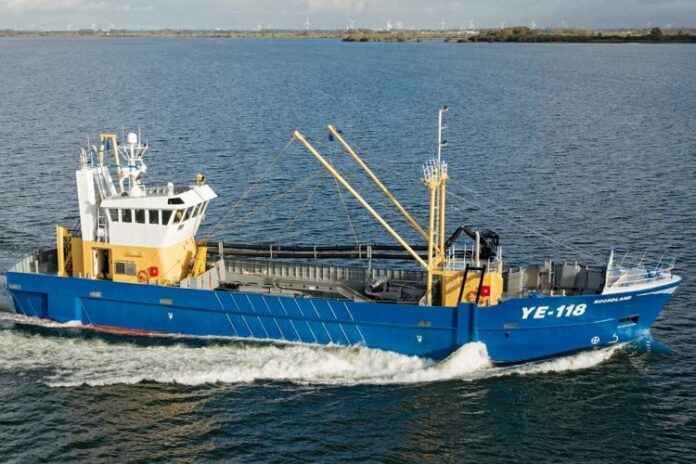
From now on, the 43-metre YE118 owned by Yerseke 118 Noordland B.V., will fish for razor shells with an electric propulsion motor; a second step towards the full electrification of this vessel.

Due to the long-standing cooperation and successful technical modifications offered in 2015 with a view to safety and catch quality, Damen Maaskant and Yerseke 118 Noordland B.V. started working together again two years ago to discuss the next challenge: reducing nitrogen oxide (NOx) emissions.

“In view of the new Wnb licence for the period 2024-2029, lowering nitrogen oxide emissions in Natura 2000 areas is necessary to receive enough fishing hours and continue fishing profitably. Together with Damen Maaskant, we started early so that we can be ready with this before the end of 2023,” says skipper Robbert Mol.

According to Jeroen van den Berg, Commercial Manager at Damen Maaskant, the shellfish and aquaculture sector is now ready for the transition to sustainability and energy efficiency, referring to the recently completed refit of the razor shell fishing vessel YE118.

“Exhaust gas after-treatment, electrification and the application of batteries are currently the best solutions available for this sector. In the future, this will include the application of e-fuels, which will require the same kind of drives and batteries. The YE118 is now on the road to zero emissions thanks to this investment.”

The YE118 had two propulsion engines and two generators. At the Damen Maaskant shipyard in Stellendam, the conventional diesel propulsion engine on the port side was removed and replaced with a new 400kW electric motor in cooperation with Wetec. The result was a reduction of almost 500kW of total installed power and a reduction in emissions and maintenance costs.

Yerseke Engine Services (YES) replaced the existing C18 generator set with a Greenpower GPC18 generator set with ultra-low NOx mode in early 2023. An exhaust gas aftertreatment system with ultra-low NOx mode has now also been added to the existing starboard Caterpillar C18 main engine. A special interface module that includes the location of all Natura 2000 areas has been added to this ultra-low NOx mode. This interface is linked to the on-board GPS. As soon as the vessel’s position falls within a Natura 2000 area, the system switches to ultra-low NOx mode and reduces emissions by more than 99%.

After successful sea trials on Saturday 21 October 2023, the vessel has already set course for its fishing grounds.

Damen Maaskant and Damen’s research department (RD&I) have long been committed to the development and production of sustainable ships and are closely involved in solutions to create a future with minimal emissions and reductions in overall energy use on board ships. In 2022, the shipyard won the sustainability award at the Shellfish Conference for developing ship engines with reduced CO2 and nitrogen emissions.

Van den Berg: “Thanks to the support of our network and local suppliers, we were able to achieve the refit of the YE118 with the successful result of reducing nitrogen oxide emissions in a very short lead time of 10 days. The involvement and cooperation of the Dutch Human Environment and Transport Inspectorate also contributed positively to this.”

Proman Stena Bulk holds naming ceremony for methanol tanker Stena Pro Marine

0

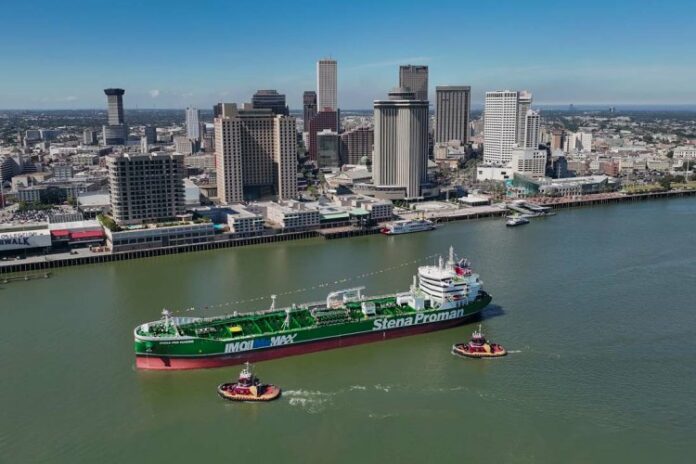
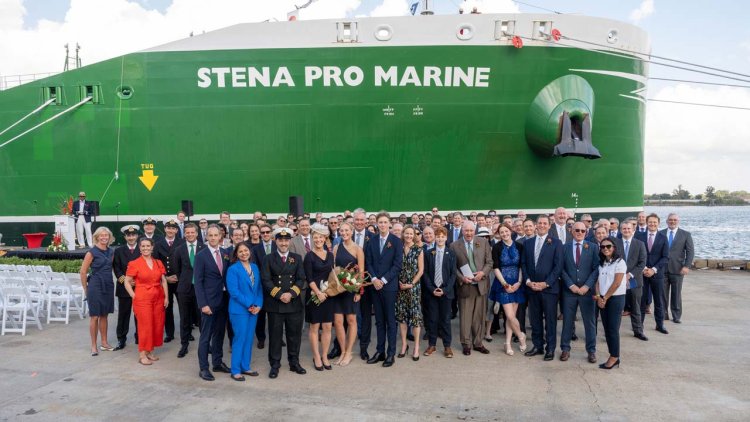
The ceremony took place at the Port of New Orleans, and marked another significant milestone for the methanol-fuelled joint venture fleet.

Dignitaries and guests from both Proman and Stena Bulk, alongside notable figures from the US Gulf Coast’s maritime industries, assembled to celebrate the methanol tanker at the port on the 24th of October. The naming ceremony was the first for a methanol-fuelled tanker in the Port of New Orleans, and in the wider US Gulf Coast region.

The city was chosen for the naming ceremony because of its strategic position on the US Gulf Coast, as well as its increasingly important role in the trade and supply of alternative forms of energy. New Orleans was the natural choice for the ceremony, reflecting the importance of the port city to the JV partners. 

Stena Bulk has a long-standing presence in the US and in Houston. Proman has significant methanol storage and transport operations along the Mississippi River, as well as production facilities in development in Lake Charles, Louisiana, and methanol plants in Pampa and Beaumont, Texas. 

Delivered in mid-2022, Stena Pro Marine is a 49,990 DWT dual-fuel mid-range (MR) tanker. The vessel was constructed at Guangzhou Shipyard International Co Ltd (GSI) in China. The ship has been in full-time operation since its delivery and consumes 12,500 tonnes of methanol annually. 

Burning methanol onboard eliminates local pollutants like SOx and Particulate Matter (PM), reduces NOx emissions by 80%, and lowers CO2 emissions by up to 15% on a tank to wake basis compared to conventional marine fuels. Given the Port of New Orleans’ standing as a leading US cruise port, and close proximity to the city, the ceremony also offered an opportunity to highlight the potential to substantially mitigate local air pollution, offering a technology-proven and sustainable solution for the high volume of cruise and cargo traffic.

These reductions mean that the Proman Stena Bulk vessels are able to meet both long-term decarbonisation ambitions with near-term local pollutant reduction, directly benefitting communities such as those living and working around the Port of New Orleans. 

The large volume of methanol storage and production facilities in the Houston and Louisiana region also offer access to storage, and substantial volumes of methanol; underscoring the opportunity for the region to become a major methanol as a marine fuel hub. 

David Cassidy, Chief Executive of Proman, said:

“Stena Pro Marine has already proven to be a significant addition to our fleet since its delivery in the middle of last year. Given the region’s importance to global energy supplies, we are thrilled to name this vessel in New Orleans, and this event provides us with a wonderful opportunity to gather with partners, friends, and industry leaders and reaffirm our commitment to supporting and enabling a sustainable shipping industry.”

Erik Hånell, President and CEO of Stena Bulk, added:

“The naming ceremony for Stena Pro Marine comes as yet another marker on our shared journey with Proman to prove the viability of methanol as a marine fuel. By gathering in New Orleans, a key hub on the US Gulf Coast, we show to US and global shipping that methanol is technically feasible as a marine fuel today. We look forward to furthering our collective vision for methanol within the maritime industry.”
 

Goliat one step closer to a gas export solution

0

The license partners are further maturing the project towards a final investment decision (FID), expected second half 2024.   

The gas from Goliat has since the start-up in 2016 been re-injected into the reservoir. To ensure optimal oil production in the future a solution for evacuation of gas from the reservoir is needed. This will contribute to extending the field lifetime.   

Vår Energi COO, Torger Rød. COO in Vår Energi, Torger Rød explains:  

“The Barents Sea is one of the key hub areas and value creators for Vår Energi.  The region represents a major part of our future growth strategy. We are operator for Goliat and have ownership in more than half of all the active licenses, a 30% share in Johan Castberg and a 12% share in Snøhvit to be included in the portfolio following the integration of Neptune Energy Norge. With this decision we are one step closer to increasing the recovery from Goliat.”

The Goliat gas project is also an important step in finding a wider area solution for increased gas export capacity from the Barents Sea, currently being evaluated by Gassco. Additional gas infrastructure with capacity to develop and create value from existing and future discoveries is a key enabler for further development of the Barents Sea. 

Vår Energi supports Gassco in the maturation of an area solution for gas export, while in collaboration with other operators continue to explore for further resources needed to substantiate increased overall gas export capacity. The project will also contribute to positioning Goliat as an area hub for oil and gas resources from discoveries and prospects nearby.  

Rød adds:

“The Goliat gas export project is an important step to fulfil the Goliat PDO requirements set by the Parliament. It will contribute to making Goliat more attractive as a regional oil and gas hub for both Vår Energi and our partner operated licences and to contribute to long term local ripple effects, and secure employment and activity.”

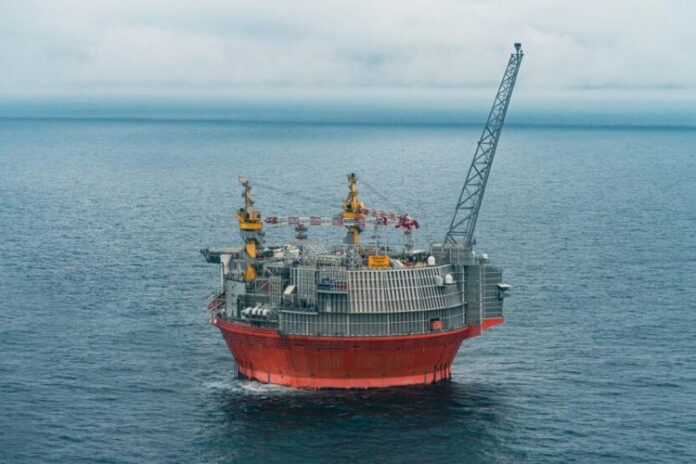
The Goliat, operated by Vår Energi (65%) with Equinor as partner (35%), is an oil and gas field in the Barents Sea, located ca 80 km north west of Hammerfest.

VARD signs contract for two hybrid Commissioning Service Operation Vessels

0

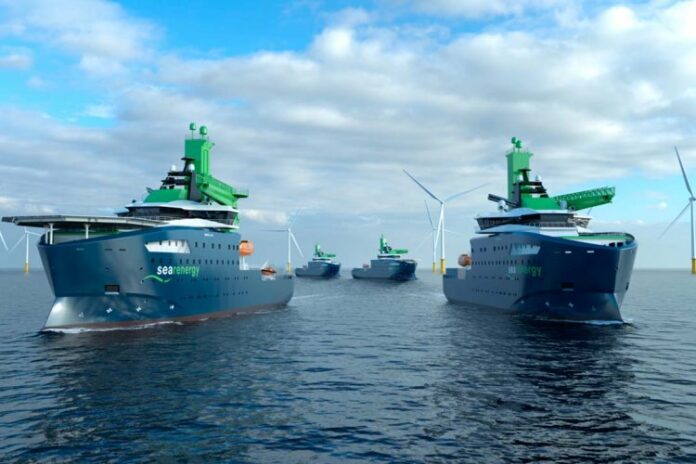
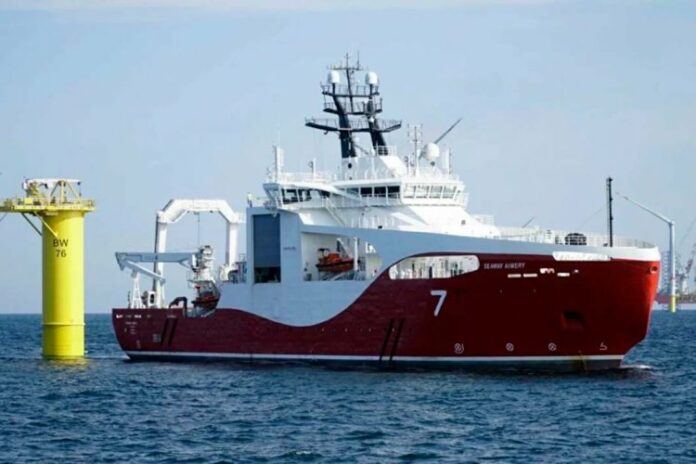
VARD and Windward Offshore, a consortium, currently under establishment and led by ASSC´s offshore arm SeaRenergy Group in Germany have signed a contract for the design and construction for two hybrid Commissioning Service Operation Vessels (CSOV). The parties have also agreed on an option for two additional vessels.

The partners driving Windward Offshore’s innovative venture are industry leaders: SeaRenergy Offshore Holding GmbH, Blue Star Group GmbH & Cie. KG, Diana Shipping Inc., and SeraVerse GmbH. Together, they are united by a shared vision of pioneering excellence in the offshore wind sector.

The partnership between VARD and SeaRenergy dates back to 2015 when they began exploring SOV projects. 

Dr. Benjamin Vordemfelde, CEO of SeaRenergy Group, said:

“The work both companies have invested, now gives result when we enter a partnership on renewable tonnage, combining VARD’s ship building excellence and SeaRenergy’s firsthand working experience with CSOV on numerous offshore wind projects.”

“While the changes in the political framework have fostered the entry of new developers into the offshore wind market, the investment activities in the Offshore Wind infrastructure are still by far too low. ASSC has now decided to -again- be a first mover in this field to ensure availability of attractive vessel capacity in 2025 and beyond, when the wind farm projects currently under planning and permitting will be installed and commissioned”

Mrs. Semiramis Paliou, Director and CEO of Diana Shipping Inc. stated:

“We are excited to announce our entry into a new sector of the shipping industry through a strategic partnership involving the acquisition of two CSOV vessels. We view this investment as another attestation to our commitment for a greener and more sustainable future. Together with our esteemed partners, we embark on an exciting journey that should contribute to a cleaner and more eco-friendly world.”

The VARD 4 19 design is a highly all-round platform for sustainable offshore windfarm support operations, focusing on onboard logistics, security, comfort, and superior operability.

The 87.5-meter vessels have a beam of 19.5 meters and will be equipped with a height-adjustable motion-compensated gangway with elevator system, and a height-adjustable boat landing system. To achieve energy-efficient and smart operations at sea, with the goal of reducing fuel consumption, the vessels will be outfitted with a comprehensive SeaQ package from Vard Electro that includes systems and solutions for Power, Control, Bridge, and Communication. The vessels are also prepared for operation on green methanol. The CSOVs will have an accommodation for 120 persons on board.

ONE accelerates digitalisation by carrying out e-BDN adoption trial

0

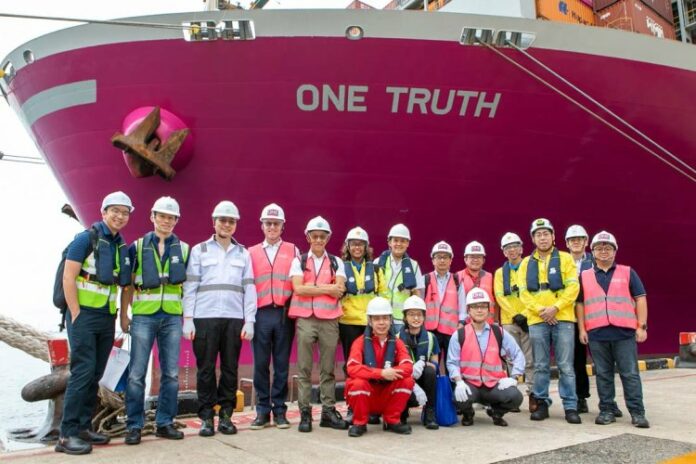
Ocean Network Express (ONE) is accelerating its digitalisation efforts with the latest successful trial with Shell, with support from the Maritime and Port Authority of Singapore (MPA), for the adoption of the electronic Bunker Delivery Note (e-BDN). 

The e-BDN trial, using the digital bunkering solution developed by Angsana Technology, was conducted on 9 September 2023 at the Port of Singapore. As part of the trial, the cargo officer, chief engineer, and bunker surveyor logged in to the platform via their unique link and one-time password, to complete the electronic bunkering documentations for pre-delivery and post-delivery. Upon completion, the bunkering documents were transmitted to all parties before the vessels departed.

The adoption of e-BDN has always been a focal point for the digitalisation of international shipping. ONE has previously conducted several rounds of e-BDN trials with partners. At the MEPC80 session in July 2023, the International Maritime Organization (IMO) approved the acceptance of bunker delivery notes (BDNs) in both hard copy and digital formats, provided they meet the relevant requirements of MARPOL Annex VI.

The e-BDN trial by ONE and Shell also comes ahead of MPA’s launch of its digital bunkering initiative to implement electronic bunkering processes and documentations from 1 November 2023, which is expected to save about 39,000 man-days per year for the bunker industry.

Mr. Teo Eng Dih, Chief Executive, MPA, commented:

“MPA is encouraged by the successful completion of the digital bunkering trial and we look forward to implementing electronic bunkering processes and documentations in the Port of Singapore progressively from November 2023 onwards. Apart from ensuring more secured and transparent operations when used with Mass Flow Meters, e-BDN will help build higher levels of trust amongst bunker buyers, suppliers, and financial institutions, and enable a more efficient and resilient ecosystem. The adoption of digital documentations at scale will help reduce business costs at the port ecosystem level and bring greater value to stakeholders across the entire bunkering value chain.”

“We are excited to play a role in advancing e-BDN practices,” Mr. Jeremy Nixon, ONE CEO said. “By adopting e-BDN, we will have greater visibility and reliability of our bunkering operations and a more sustainable footprint.”

Operational Efficiency via the Vessel Digitalisation Program has been one of ONE’s five decarbonisation key initiatives to achieve net zero emissions by 2050. Together with industry partners, ONE is committed to further accelerating shipping digitalisation and reducing emissions.

Seaway7 awarded contract offshore Poland

0

Subsea7 has announced the award to Seaway7, part of the Subsea7 Group, of a substantial contract by Equinor and partner Polenergia for the inter-array cables of the MFW Bałtyk II and MFW Bałtyk III bottom-fixed offshore wind projects, in the Polish part of the Baltic Sea.

Seaway7’s scope of work covers the engineering, procurement, construction and installation (EPCI) of 100 66kV inter-array cables, measuring approximately 200 kilometres in length.  The two projects will be delivered in continuous campaigns with offshore works expected to commence in 2026.

MFW Bałtyk II and MFW Bałtyk III, a 50:50 joint venture between Equinor and Polenergia, are two of the largest and most advanced offshore wind farms being developed in Poland, with a total installed capacity of 1.44 GW.

The wind farms, developed in the Polish exclusive economic zone of the Baltic Sea, will be located between 22 and 37 kilometres from the coast with water depths ranging from around 25 to 40 meters.

Stuart Fitzgerald, CEO Seaway7, said:

“We are very pleased to have been selected to supply the full inter-array cables scope for these significant wind farms in the Baltic region. This is Seaway7’s first contract in Poland, a new and emerging market for offshore wind. We look forward to continuing our long-standing relationship with Equinor and supporting them on their energy transition journey with this project, our sixth offshore wind project together”.

Intellian and Inmarsat developing next-gen maritime safety terminal

0

The new safety terminals will become the standard Inmarsat Maritime product for the next generation Fleet Safety service and will fulfil the requirements and performance standards of the International Maritime Organization (IMO), as part of a range of maritime SOLAS approved ship borne equipment including Global Maritime Distress and Safety System (GMDSS), Long-Range Identification and Tracking (LRIT) system and Ship Security Alert System (SSAS).

Intellian’s GMDSS terminal will help to significantly enhance the safety of lives for the 1.9 million seafarers at sea around the world, and will be one the most technological advancements in safety services since the introduction of Inmarsat-C in 1991. The new safety terminal will allow a digital era of safety services to improve both preventative and reactive communications.

In addition to offering reliable access to Fleet Safety services, which includes an innovative Maritime Safety Information interface, the terminal features a Distress Chat function among its enhanced capabilities. This function automatically alerts the nearest Maritime Rescue Coordination Centre (MRCC) in case of an emergency on board, ensuring swift and coordinated response efforts. It also notifies nearby vessels, creating a network of support during critical situations.

Eric Sung, CEO of Intellian Technologies Inc., said:

“We’re particularly proud of the development of this new GMDSS terminal and to have been entrusted by Inmarsat to develop this major innovation to their maritime safety portfolio. It’s a testament to our great partnership with Inmarsat, developing solutions that are innovative and reliable for customers all over the world. Our next-generation terminal that will vastly improve the safety of lives at sea for the 1.9 million seafarers and over 20 million passengers annually protected by the International Maritime Organization’s policies. For our customers from shipyards to those going through a system upgrade, they’ll be able to have a complete Intellian solution on board.”

Peter Broadhurst, Senior Vice President Safety & Regulatory at Inmarsat Maritime, said:

“Intellian has been a trusted partner of Inmarsat in advancing maritime communications, and we are excited to collaborate with them on the new Inmarsat Fleet Safety GMDSS terminal. This development represents a significant milestone in enhancing the safety of seafarers & passengers worldwide, and it underscores Inmarsat’s commitment to providing innovative and reliable solutions for the maritime industry and protecting lives at sea.”

Successfully completed installation works in Scotland for the NnG offshore windfarm

0

This landmark achievement underlines Saipem’s expertise in offshore wind and its role in supporting the path towards decarbonisation, providing cutting-edge solutions for the production of clean energy.

Located 15 km off the east coast of Scotland, the NnG offshore wind farm will play a key role in sustainable energy generation in the North Sea. Once operational, it will be able to generate around 450 megawatts of low-carbon electricity and supply enough energy to the National Grid to power around 375,000 homes.

In 2019, Saipem was awarded a contract by Neart na Gaoithe (NnG) Offshore Wind Limited, a Company owned by EDF Renewables UK and ESB, signifying Saipem’s first turnkey project in the offshore wind farm sector. The scope of work included the engineering, procurement, construction and installation (EPCI) of 54 steel foundation jackets for an equivalent number of wind turbine generators, two steel foundation jackets for the offshore substations, as well as the transportation and installation of the associated topsides. The jackets were all designed by Saipem’s engineering centres in the UK and Italy and manufactured at Saipem-owned yards located in Karimun, Indonesia and Arbatax, Italy. 

NnG Offshore Wind Limited’s Matthias Haag, Project Director, said:

“This has been a landmark project for everyone involved and we’re grateful to Saipem for the important role they have played in getting NnG to a point where we are now installing turbines and expect to generate first power shortly and see the project complete early next year”.

The installation of the foundation piles was completed in late summer 2023 by Saipem 3000 whilst Saipem 7000 completed drilling and jackets offshore installation activities, further consolidating Saipem’s track record of offshore wind operations in the North Sea.

What set Saipem apart in this project was the in-house execution of all works and Saipem being the sole player in the offshore wind industry with the expertise and assets to deliver a complete EPCI solution for foundations.

While this is the culmination of the offshore installation works, Saipem remains fully engaged to supporting the NnG project to its successful completion, maintaining the highest standards of quality and safety.