-5.8 C
New York
Home Blog Page 180

RWE and Port of Karlshamn team up to explore the potential for Baltic Sea offshore wind hubs

0

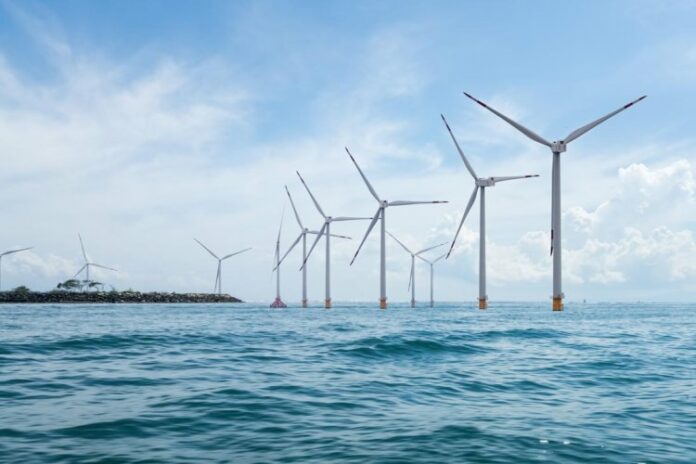
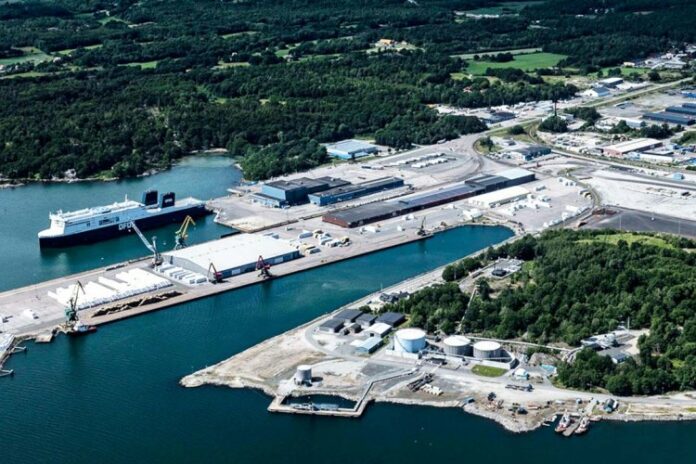
Global offshore player RWE and the Swedish Port of Karlshamn have signed a Memorandum of Understanding. The aim of this collaboration is to explore whether Port of Karlshamn could be a suitable harbour for the logistics, installation, operations and maintenance activities relating to RWE’s planned offshore wind projects in the Baltic Sea.

In a first step, the partners will map the requirements and necessary build outs and investments to facilitate the scaling-up of the ports capacity. An early implementation of port capacity will ensure that Sweden is well placed to maximise the potential of the offshore wind industry. This collaboration demonstrates a clear commitment to share knowledge and expertise, in support of broader industrial growth in Sweden.

Matilda Machacek, Vice President of Offshore Development Nordics at RWE Offshore Wind: “Port capacity and a sustainable supply chain industry are key to the deployment of offshore wind projects. And a new offshore wind farm has the potential to transform a nearby harbour into a dynamic hub that catalyses significantly growth, infrastructure, jobs and economic benefits for the region. That is why we are looking forward to collaborating with Port of Karlshamn to evaluate their potential as future offshore wind hub.”

Anton Andersson, Project Lead at RWE Renewables Sweden:

“Our Karehamn offshore wind farm is a great example also for harbour development. It has been reliably generating green electricity for thousands of Swedish homes for more than a decade. Thanks to the wind farm the old fishing harbour has been revitalised. Based on this success RWE plans to build more offshore wind farms in the Baltic Sea.”

Caroline Säfström, CEO at Port of Karlshamn:

“Port of Karlshamn is proud that RWE, one of the world’s leading offshore wind companies, is supporting us in our plans to become a hub for offshore wind. With its natural deep harbour and large shipyard, Port of Karlshamn is well positioned to meet the future needs of the offshore wind industry in the Baltic Sea. We recognise the demand for port capacity related to offshore wind energy, including after-sales services such as maintenance and operations centres. Expanding the port’s product portfolio in this direction is a natural step given our previous experience with wind energy projects and logistics. By establishing itself as a hub for offshore wind energy, Port of Karlshamn is also creating employment opportunities for the region and promoting business opportunities for local companies and suppliers, thus contributing to the economic development of the area and strengthening the local economy.”

GCMD and NYK Line team up to address concerns of continuous biofuels use

0

The Global Centre for Maritime Decarbonisation (GCMD) has teamed up with NYK Line to launch Project LOTUS (long-term impact of continuous use of biofuels on vessel operations). 

This six-month project will trial the continuous use of a biofuels blend comprising of 24% Fatty Acid Methyl Esters (FAME) and very low sulphur fuel oil (VLSFO) onboard a short-sea vehicle carrier that will call at multiple ports. The use of a vessel plying short-sea routes will allow regular access to fuels stored onboard for sampling and testing during frequent port calls.

FAME, a readily available biofuel derived from second-generation feedstocks, like used cooking oil and palm oil mill effluent, presents a promising fuel alternative for immediate GHG emissions reduction in the shipping industry. While its compatibility with existing engines and bunkering infrastructure makes it an attractive “drop-in” green fuel, concerns about the impact of its extended use on vessel operations remain.

Unlike conventional marine fuels, one of the challenges with FAME is that it can be more susceptible to chemical degradation and microbial growth, the by-products of which can corrode shipboard engine systems and/ or clog fuel delivery systems.

As a preventative measure, engine Original Equipment Manufacturers (OEMs) and classification societies have thus recommended increasing the frequency of maintenance when using biofuels and its blends compared to using conventional marine fuels.

Despite a promising surge in biofuel bunkering volumes at key hubs, like Singapore and Rotterdam, with sales rising from negligible levels in 2020 to 1 million MT in 2023, their use still only represents 1.7% of total bunker sales at these hubs. With stricter regulations in force, the use of biofuels in shipping is likely to rise significantly in the coming years. To fully understand the opportunity FAME presents to the shipping sector, a thorough investigation of the impact on its long-term use and an evaluation of the total cost of adoption is critical.

The past decade has seen trials of various biofuels onboard vessels; these have primarily focused on their combustion characteristics and the extent of emissions abatement. Data on the impact of long-term and continuous use of biofuels on engine performance and fuel delivery system operations remain limited.

Project LOTUS aims to address this knowledge gap by establishing industry guidelines for monitoring engine and equipment performance when using biofuels. This pilot will also evaluate the total cost of ownership of using biofuels, covering the cost of fuel and additional maintenance costs associated with its use. Additionally, it will identify potential challenges, e.g., corrosion of engine systems and valve failures, related to continuous biofuels use, and recommend mitigation strategies.

The quantitative findings from Project LOTUS offer an opportunity to contribute complementary real-world data to the upcoming revision of ISO 8217:2024, which includes specification of standards for a wider range of FAME-based blends up to B100.

Further, these learnings will be crucial for shipowners and operators who are considering biofuels use to meet vessel compliance with regulations, like Carbon Intensity Indicator (CII) and the FuelEU Maritime Standards.

Scope of the pilot and industry participation

Project LOTUS will be conducted with the appointed vessel under commercial operations to capture real-world challenges and ensure that the learnings are extensible to the industry. The pilot will involve comprehensive tracking of fuel quality and lubricant efficacy, as well as monitoring engine and fuel delivery system performance over the course of the trial.

Leveraging its experience from three successful supply chain trials with four vessels for its drop-in green fuel assurance framework, GCMD will lead Project LOTUS in collaboration with industry partners. NYK Line, a co-sponsor, will contribute the vessel and manage fuel procurement. VPS will handle fuel and lube oil analyses and Gard will support GCMD as an insurance and risk assessment consultant on the project.

Professor Lynn Loo, CEO of GCMD, said,

“Project LOTUS will provide valuable insights into how extended biofuels use affect engine performance and shipboard operations. This knowledge will empower stakeholders across the ecosystem, from shipowners and charterers to biofuels producers and regulators – to make more informed business and policy decisions. Ultimately, this pilot will lead to greater confidence for biofuels use at scale, accelerating progress towards decarbonising the maritime industry.”

Nobuhiro Kashima, Senior Managing Executive Office of NYK Line, said,

“We released the “NYK Group Decarbonization Story” in November 2023, declaring a new target to reduce the NYK Group’s GHG emissions by 45% from the fiscal 2021 level by fiscal 2030. To achieve this goal, from fiscal 2024 we started conducting full-scale trials of the long-term use of biofuels in navigating existing heavy oil-powered vessels. We are delighted to launch Project LOTUS together with reliable partners, like GCMD. We believe the knowledge gained through this project will help us achieve our GHG reduction targets and eventually contribute to the decarbonisation of the maritime industry.”

Svitzer completes tug series delivery in Brazil

0

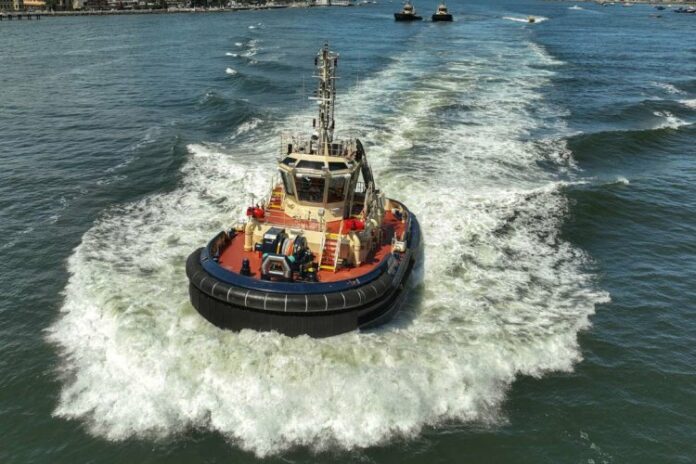
The delivery strengthens its fleet serving Brazil’s dynamic maritime industry. The completion of this milestone project underscores Svitzer’s commitment to delivering safe and sustainable towage services along Brazil’s coastline.

Named after Babitonga Bay in Sao Francisco, where Svitzer commenced its Brazilian operations in 2015, Svitzer Babitonga carries a special significance for the company. Built by Brazilian shipyard Rio Maguari, Svitzer Babitonga is an Azimuth Stern Drive (ASD) tugabot from the 2300 Rampart Series. These sister vessels boast a top speed of 13 knots, an overall length of 23.2 meters, and a bollard pull of 70 tonnes. Svitzer Babitonga is also equipped with Fifi-1 firefighting capabilities.

“This tug series is purpose-built to support vital local operations, where it will play a crucial role in assisting with harbour towage along the Brazilian coast and in supporting LNG operations,” said Arjen Van Dijk, Managing Director for Svitzer Americas. “I want to thank Rio Maguari for delivering a series of high quality and reliable vessels, and all our colleagues, onshore and onboard the vessels for delivering a reliable service to our customers every day and for contributing to jointly growing our portfolio in Brazil.”

The tugs’ Fifi-1 capabilities ensure they are well-equipped for supporting Floating Storage and Regasification Unit (FSRU) operatoins, reinforcing Svitzer’s role in safeguarding the Brazilian coast as the country’s energy landscape evolves.

“The delivery of the Svitzer Babitonga marks an important milestone in concluding the program of six newbuilds as a way to support our continuous growth journey in Brazil,” said Daniel Reedtz Cohen, Managing Director Svitzer Brazil. “With the delivery of these tugs, Svitzer concludes a comprehensive tugboat program aimed at supporting port infrastructure and towage in the region.”

Svitzer currently operates 22 tugs, including these two vessels added to the fleet in 2024, from eight ports across Brazil – Salvador, Suape, Pecem, Santos, Vitoria, Rio Grande, Sao Francisco do Sul, and Paranagua.


EnBW signs LNG procurement agreement with ADNOC

0

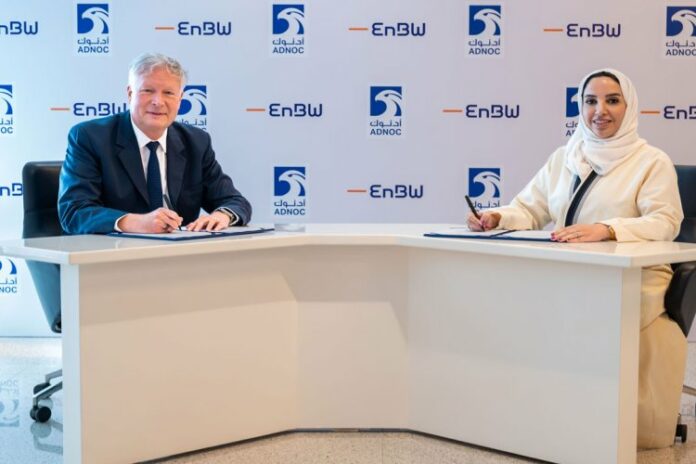
The company from the United Arab Emirates will supply EnBW with 0.6 million metric tons per annum (mmtpa) once the Ruwais LNG project has been commissioned as planned in 2028. EnBW is thus continuing to pursue its strategy of further expanding its LNG activities and diversifying its sources of gas.

Peter Heydecker, EnBW’s Board Member for Sustainable Generation Infrastructure, underlined:

“We are delighted that EnBW has signed its first LNG contract in the Middle East with our experienced partner ADNOC. In doing so, we are taking the next step in terms of diversifying our procurement portfolio and establishing our own LNG value chain. We can also use the experience gained here for our medium-term goal of establishing an import structure for green gases, since the two business fields are very similar.”

Once commissioned, the Ruwais project will have a total capacity of 9.6 mmtpa and be the first LNG liquefaction plant in the Middle East to cover its electricity needs from low-carbon sources. The electrically powered liquefaction plant will optimize the carbon footprint for LNG production, while the use of state-of-the-art AI technologies will also guarantee a high level of energy efficiency in the overall process.

Fatema Al Nuaimi, ADNOC Executive Vice President, Downstream Business Management, said:

“The Ruwais LNG project continues to gain momentum, reinforcing ADNOC’s position as a reliable global natural gas provider. This new agreement builds on the UAE-Germany Energy Security and Industry Accelerator and will support Germany as it strives to diversify its energy sources and enhance its energy security.”

Future-proof Wärtsilä 25 engine to power three new fishing vessels

0

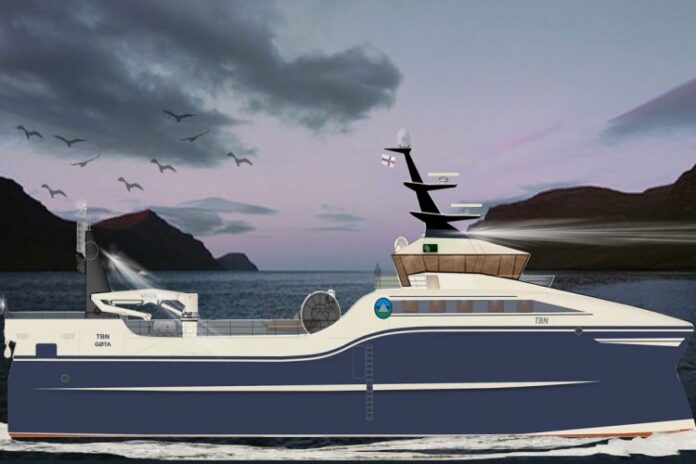
Technology group Wärtsilä will supply its latest addition to the company’s engine portfolio, the Wärtsilä 25, for a new 44-metre long stern trawler. 

The vessel is being built for Faroe Islands operator Vardin and is the first of three new vessels to be built for the Faroe Islands. The following two fishing vessels are jointly owned by Vardin and fellow Faroe Island operator, Framherji, and will also feature the Wärtsilä 25 engine. The order was booked by Wärtsilä in February 2024. 

With increasing pressure for the marine industry to decarbonise, fishing operators are focused more than ever on reducing fuel consumption and increasing overall vessel efficiency. The modular, upgradeable design of the Wärtsilä 25 engine will allow Vardin to reduce vessel fuel consumption and emissions from the first mile, while providing the readiness to run on alternative fuels whenever viable – all without compromising performance. All engines will also be fitted with Wärtsilä’s Selective Catalytic Reduction system to support emissions abatement by significantly reducing the level of nitrogen oxides in the exhaust gas. 

“The selection of a Wärtsilä 25 engine reflects our pursuit of a perfect balance between reliability, efficiency, lifecycle operating costs, and sustainability. After careful consideration and thorough comparison with alternative engines, the Wärtsilä 25 emerges as the optimal solution for our vessel. Its advanced technology and reliable performance, combined with environmentally friendly features and fuel efficiency, as well as its readiness to operate with alternative fuels in the future, have made it the preferred choice for our future operations,” says Sámal Joensen, CTO at Vardin. 

The Wärtsilä 25 is a medium-speed 4-stroke marine engine that is designed to be future-proof, having a modular system that enables an easy upgrade for operating with future low or zero carbon fuels, as they become available. Available in cylinder configurations from 6L to 9L and with a power output ranging from 1.7–3.4 MW, the Wärtsilä 25 provides reliable performance as either a robust main propulsion engine or a cost-efficient and flexible auxiliary engine. The engine is available in diesel and dual-fuel versions and the Wärtsilä 25 will also be the first 4-stroke ammonia-fuelled marine engine. 

“In the competitive fishing industry, costs, reliability, and efficiency are central to everything, and the choice of the Wärtsilä 25 engine caters to these demanding needs. We are excited to extend our long-time relationship with Vardin and to support them in preparing for their transition to alternative fuels in the future,” comments Stefan Nysjö, Vice President of Power Supply, Wärtsilä Marine. 

The Wärtsilä equipment is scheduled for delivery during the first quarter of 2025.  

Damen and Siemens Financial Services announce vessel financing facility

0

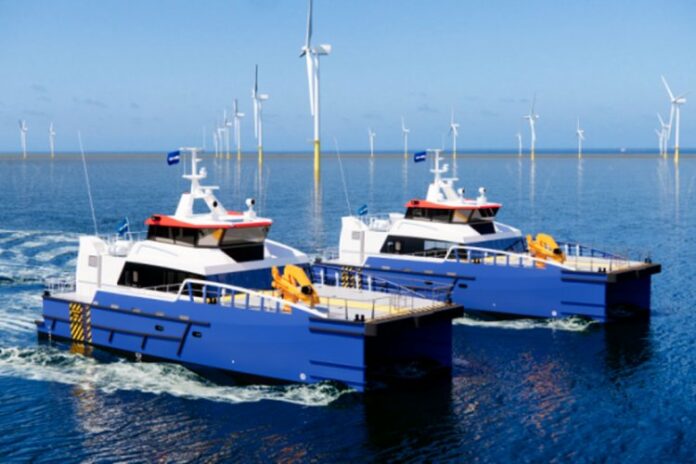
The DSL facility is now one of the funds of Damen Ship Lease Cooperation which is managed by DFS. It is designed to provide current and prospective ship owners with the ability to expand their fleets by enabling them to acquire state-of-the-art vessels using flexible financing options.  

This strategic alliance combines Damen’s extensive expertise in maritime solutions with Siemens Financial Services’ experience in financing the maritime industry. The two organisations also share a commitment to advancing the maritime sector through sustainable and client-focused services. The lease options offered allow operators in the highly competitive maritime industry to acquire vessels with the latest technology on board, enabling them to renew their fleets to become more sustainable and efficient. Financing is specifically available for workboats such as tugs, fast crew suppliers, Multi Cats, tenders, small ferries and waterbuses.  

Director Damen Ship Lease Thijs Verwoerd says:

“We are proud to be expanding our business through this partnership with Siemens Financial Services and glad that we can offer even more clients the option to acquire new Damen vessels. We are particularly happy that this facility will provide vessel operators with broader access to the latest maritime innovations – notably those that will support them in achieving increased sustainability.”

Julian Hobbs, CEO, Siemens Financial Services, adds:

“We are pleased to be collaborating with the world leading Damen Group to drive their business forward. We already finance a number of Damen-built vessels for other shipowners, making this partnership a natural progression. Our expertise in the leasing and marine markets, combined with our commitment to customer service, enabled us to structure this finance arrangement. Our Marine Finance offering has come a long way in a short time and having partners like Damen points to a bright future.”

Ukraine uses naval drones with anti-aircraft missiles

0

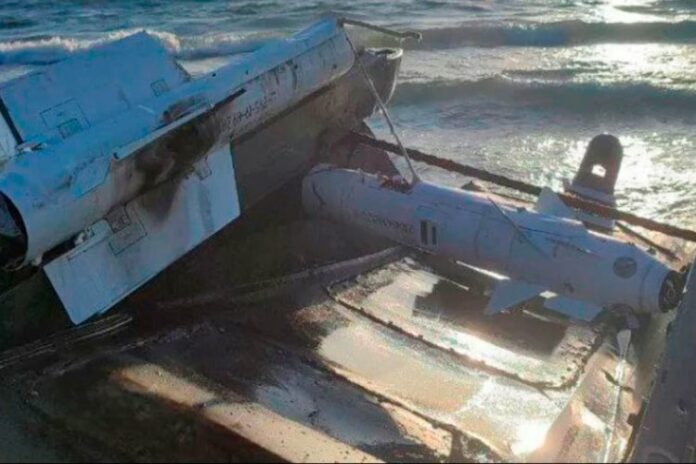
The invaders showed footage of the interception of a Ukrainian naval drone with R-73 missiles that attacked their forces in the Black Sea. The video was released by the Russian media.

The video shows a Ukrainian naval drone performing maneuvers to avoid a fire from a Russian Ka-29 helicopter flying to intercept it.

An important case in this event is the appearance of a superstructure on board the drone that resembles the Soviet R-73 air-to-air missile.

The R-73 is a short-range missile and can indeed be launched from ground-based systems. The missile does not require radar or other systems for guidance, as it is equipped with their own infrared seeker.

This missile on board the drone can be distinguished from a similar but earlier R-60 by the specific shape of its tail fin.

The video does not show the type of drone that was carrying the anti-aircraft missiles, but it was most likely a Magura V5 drone modernized for such tasks. These are the drones used in today’s attack on Russian vessels in the Black Sea.

Group 13 unit of the Defence Intelligence of Ukraine destroyed a Russian speedboat in the Vuzka Bay near Chornomorske in the west of the Crimean peninsula using this type of drone.

It is worth noting that the Russian military managed to inflict critical damage to the drone in the video, resulting in a powerful explosion. Given this, it can be concluded that the ‘anti-aircraft naval drones’ continue to carry a warhead and can hit enemy ships.

The SeaBaby naval drones used by the SSU special unit are also equipped with launchers for RPV-16 flamethrowers.

Source: Militarnyi

WinGD expands X-DF-A segment reach with AET’s first ammonia Aframax order

0

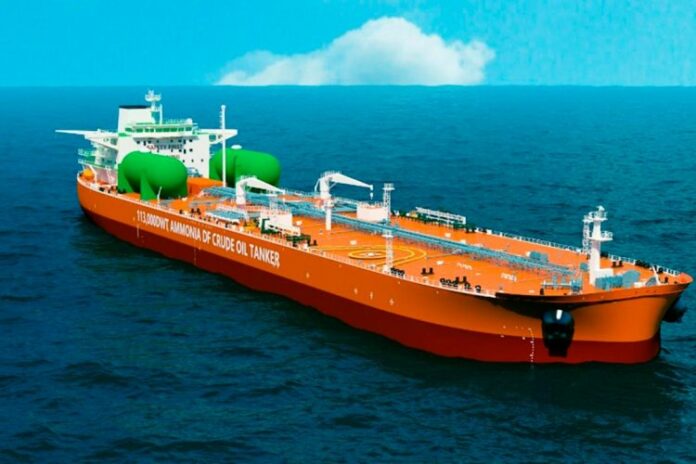
Two vessels ordered by Singapore based ship owner and operator AET, will be built at Dalian Shipbuilding Industry Co., Ltd (DSIC) with six-cylinder X62DF-A engines, the newest addition to WinGD’s clean-fuel engine portfolio.

In July 2023 the companies signed an agreement to collaborate on technology development and training for crew in partnership with ALAM (operated and managed by MISC’s Malaysian Maritime Academy Sdn. Bjd) to prepare for ammonia-fuelled vessels entering service. Separately WinGD has continued to develop the safety credentials for ammonia-engines, securing approvals in principle (AiPs) from four classification societies: Lloyd’s Register, Bureau Veritas, China Classification Society and ClassNK.

WinGD Director Sales Volkmar Galke said:

“First adopters of ammonia fuel are signalling confidence in the viability of both the fuel and the technology to use it. We have been working closely with AET since last year to bring this order to reality. This order, backed by our string of AiPs for our safety concepts and fuel supply system design shows that WinGD is leading the way in bringing carbon-free ammonia power to the deep-sea fleet.”

WinGD has already secured orders for X52DF‑A engines for ammonia carriers as well as X72DF-A engines for bulk carriers. The 52 and 72-bore variants will be delivered in 2025 followed by the 62 bore and other engine sizes from 2026 according to market needs, accommodating a wide range of vessel types from small tankers and car carriers to very large tankers. The engines operate according to the Diesel principle in both diesel and ammonia modes, with the same cylinder configurations and rating fields as WinGD’s well-established diesel-fuelled X-Engine range.

Australia I: 2.5 GW offshore wind development licence awarded

0

Mainstream Renewable Power has announced that Gippsland Skies Offshore Wind (“Gippsland Skies”), a consortium of Australian and international companies, comprising Mainstream Renewable Power, Reventus Power, AGL Energy and DIRECT Infrastructure, has been granted a feasibility licence by the Federal Minister for Climate Change and Energy, for a fixed bottom 2.5 GW offshore wind project off the Gippsland region of Victoria.

The feasibility licence was awarded following a highly competitive merit-based selection process, and it is expected to be one of Australia’s first offshore wind projects to reach commercial operation.

With a feasibility licence secured, a series of detailed studies and multi-year offshore and onshore environmental surveys will commence, subject to approval processes, alongside consultation with First Nations peoples and community stakeholders.

The first phase of the project is expected to be operational in 2032, contributing significantly to the Victorian Government’s offshore wind targets of at least 2 GW by 2032 and 4 GW by 2035. When fully operational, this project could power up to 1.4 million Victorian homes which is equivalent to supplying approximately 17 percent of the State’s 2023 electricity demand.

Gippsland Skies could contribute $A3.7 billion to the economy and could provide 4,700 direct jobs in Australia over the estimated 40-year project life, with approximately 2,000 of those jobs in the Gippsland region.

Mary Quaney, Group CEO for Mainstream Renewable Power, said:

“Mainstream is a pioneer in the global offshore wind industry and our track record includes developing the world’s largest offshore wind project in operation today; Hornsea 2 in the UK. We have been present in Australia since 2019, developing a 1.5 GW portfolio of greenfield projects onshore and we’re now excited to add offshore wind to our pipeline in this very promising market for renewable energy development.”

Mark Hanafin, Chair of Reventus Power, said:

“Gippsland Skies represents a cornerstone of our ambitions in the Australian offshore wind sector. Our consortium is determined to play a leading role in industry development and facilitate the delivery of cleaner energy, jobs, and benefits for the citizens of Victoria. Development undertaken by Gippsland Skies will include a significant investment package that will help deliver local benefits through workforce and supply chain development and enable a smooth transition of the Australian energy industry to a renewables-based future.”

Markus Brokhof, Chief Operating Officer at AGL, said:

“Gippsland Skies will be an important part of AGL’s ambition to add 12 GW of additional renewable and firming capacity by the end of 2035. The development of this significant offshore wind project could also be an ideal complement to the transition of AGL’s Loy Yang Power Station into the Latrobe Valley Energy Hub following its targeted closure by the end of FY35. The build out of new infrastructure, new skills and local supply chains will be critical for both. As we progress the development of this offshore wind project, we hope to create a new era of innovation and new careers for the Gippsland region.”

Peter Coleman, Chair of DIRECT Infrastructure, said:

“Gippsland Skies brings together a significant track record of global offshore wind development with deep Australian industry and energy expertise. This project plans to invest in regional and national supply chains, whilst leveraging our global reach and knowledge of best industry practice. Work is already underway to explore opportunities with local TAFE colleges and universities on workforce education, skills development, and training, and to prioritise the use of local businesses.”

All engagement undertaken by the project will be underpinned by the company’s core values of safety, respect, integrity, innovation, and sustainability.

Gippsland Skies is jointly owned by a consortium of Australian and international companies, comprising Mainstream Renewable Power (35%), Reventus Power (35%), AGL (20%) and DIRECT Infrastructure (10%).

EMSA begins remotely piloted aircraft system service in the North Sea

0

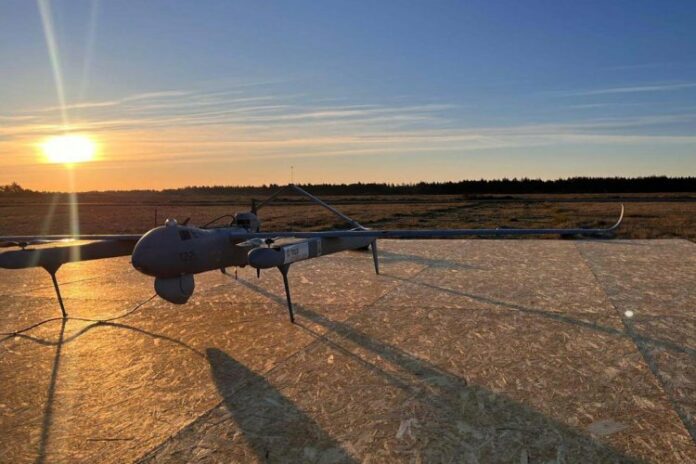
EMSA has begun a four-month remotely piloted aircraft system (RPAS) service in the North Sea, supporting the Royal Danish Navy and Danish Customs. The service uses a new Hybrid Quadcopter with fixed wing and vertical take-off and landing capabilities; the first time this model has been deployed in an EMSA RPAS operation.

The RPAS service is delivered by EMSA through the contractor Nordic Unmanned AS, operating an Aerosonde Hybrid Quadcopter that has both fixed wing, enabling it to cover long distances, and four propellers, providing it with Vertical Take-off and Landing (VTOL) capabilities. During its deployment, the RPAS will carry out maritime surveillance tasks in the busy waters around the north coast of Denmark.

Environmental monitoring is a key aspect of this service. The RPAS can provide information on potential oil spills and discharges at sea, complementing the CleanSeaNet satellite-based oil spill and vessel detection service provided by EMSA.

This RPAS model can take off and land vertically, like a helicopter, but has the same range as the fixed wing version. With more than seven hours of endurance and a radio range of 140km along the coastline, based on a ground relay station, it can carry out extensive maritime surveillance to support the Royal Danish Navy. The RPAS has infrared and optical cameras and is also equipped with an embedded automatic maritime scanning sensor.