-12 C
New York
Home Blog Page 146

World’s 1st installation of Rotor Sail on a Сapesize bulk carrier for VALE

0

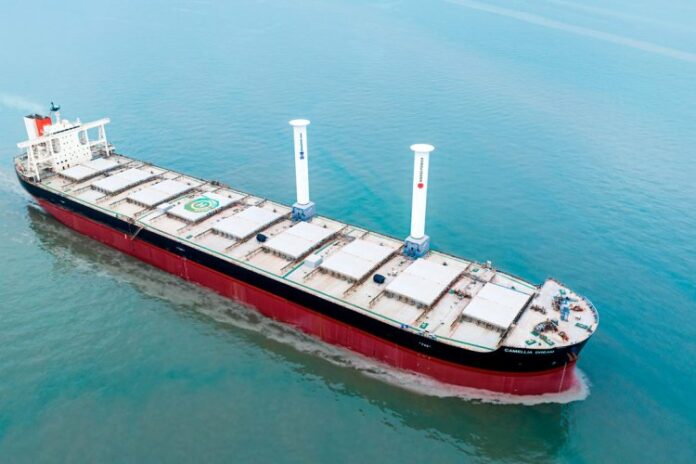
Mitsui O.S.K. Lines and Vale International SA announced that a 200,000-ton class bulk carrier, currently employed under a mid–term contract for transportation of iron ore for Vale, has been successfully retrofitted with two 35m x 5m Norsepower Rotor Sails™ and marked its first call at Ponta da Madeira, Brazil.

This is the world’s first case of rotor sails on a capesize bulk carrier. The vessel is expected to achieve about 6-10% fuel and GHG emissions reductions on the Brazil to Far East routes, combined with voyage optimization technology.

MOL has established the “MOL Group Environmental Vision 2.2” and has set the target of achieving net zero greenhouse gas (GHG) emissions by 2050. One of the key actions to achieve this target is the “introduction of clean energy, further energy-saving technologies,” which includes installing wind propulsion systems. 

MOL Group will contribute not only to the reduction of GHG emissions from its own group, but also to the reduction and decarbonization of society as a whole through the safe management and efficient operation of its environmentally friendly fleet that combines wind propulsion technology.

Vale is committed to supporting the maritime industry in achieving the International Maritime Organization’s (IMO) decarbonization targets. Aligned with the ambition of the Paris Agreement, Vale also has a target of a 15% reduction in scope 3 emissions by 2035, related to the value chain, of which shipping emissions are a part, since the ships are not owned by the company. 

Focused on adopting and leveraging technologies and fleet modernization to reduce GHG emissions, Vale created the Ecoshipping program, an R&D initiative based on strong partnerships with shipowners. Since 2018, the company has been operating second-generation Valemaxes (capacity of 400,000 tons) and, since 2019, Guaibamaxes (capacity of 325,000 tons) – these vessels are among the most efficient in the world. As part of the Ecoshipping program, Vale developed innovative energy-efficient projects, such as the rotor sails project, and a pioneering project to incorporate multi-fuel tanks on iron ore carriers.
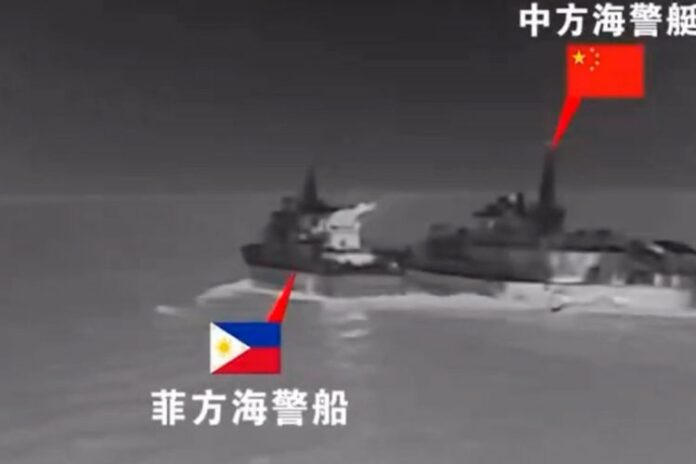
Chinese coast guard ship rammed into Philippine coast guard ship

0

The incident happened on August 19 during a Philippine resupply mission to a tiny garrison on Second Thomas Shoal in the Spratly Islands.

Near the Sabina Shoal at about 3:23 am, the Chinese Coast Guard ship 21551 collided with the Philippine patrol ship BRP Bagacay. Both were damaged.

“The Philippine ship “ignored” multiple strong warnings from the Chinese and “deliberately collided with” a Chinese vessel in “an unprofessional, dangerous manner,” Beijing said, while releasing two videos showing the encounter.

Meanwhile, the Philippines said it had encountered “unlawful and aggressive maneuvers from Chinese coast guard vessels.” This resulted in “collision causing structural damage” to both Philippine coast guard vessels, National Security Council Assistant Director General said.

A Philippine national security official said that two ships had been damaged in the collision. However, the damage to the Chinese vessel is not known for certain.

The Philippine Coast Guard has released a photo of the patrol ship BRP Bagacay. The vessel suffered a hole in the starboard side above the waterline, about 45 centimeters long.

The incident site is located within the Philippines’ 200-mile exclusive maritime zone. However, China also claims them, expressing claims to control more than 80% of the entire South China Sea.

In particular, Beijing considers the Sabina Shoal, which belongs to the Spratly Islands (Nánshā in Chinese), to be its territory. The islands are also claimed by Taiwan and Vietnam.

The islands and the Sabina Shoal are located more than 1,100 kilometers from China and 860 kilometers from the disputed Paracel Islands controlled by China.

The other day, the People’s Republic of China publicly called on the Philippine government to remove its coast guard ship from the disputed shoal.

In December last year, Chinese Coast Guard ships used water cannons against Philippine civilian vessels of the Bureau of Fisheries and Water Resources (BFAR).

Source: Militarnyi

d’Amico uses option to buy MR tanker way below market value

0

d’Amico International Shipping S.A., an international marine transportation company operating in the product tanker market, announces that its operating subsidiary d’Amico Tankers D.A.C., exercised its purchase option on the MT Crimson Pearl, a 50,000 dwt medium-range product tanker vessel built in August 2017 by Minaminippon Shipbuilding Co., Ltd., Japan, for a consideration of approximately US$ 31.0 million with delivery expected between September and October 2024.

As of today, DIS’ fleet comprises 33 double-hulled product tankers (MR, Handysize and LR1, of which 25 owned, 5 chartered-in and 3 bareboat chartered-in) with an average age of about 8.8 years for its owned and bareboat chartered-in vessels.

Carlos di Mottola, Chief Executive Officer of d’Amico International Shipping, stated:

“Following the acquisition of MT Crimson Jade at the end of June, I am now glad to announce the exercise of DIS’ purchase option on its sister ship, the MT Crimson Pearl, an Eco MR vessel built in 2017 by the same top-quality Japanese yard and time-chartered-in by d’Amico Tankers ever since. Through this transaction, we acquire a young and high-quality vessel at an attractive purchase price, around 30% lower than its current market value.” 

ClassNK gives nod to machine room safety on ammonia-fuelled carrier

0

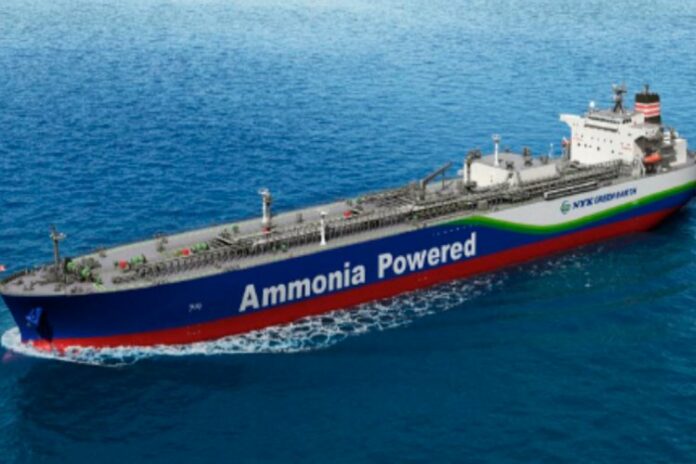
The world’s first accreditation for “Machinery Room Safety for Ammonia” (MRS) will be granted by ClassNK for the ammonia-fueled medium gas carrier (AFMGC) currently being developed by a consortium that includes Nippon Yusen Kabushiki Kaisha (NYK) and Nihon Shipyard Co., Ltd. (NSY). 

MRS is Class notation demonstrating a ship is equipped with excellent ammonia safety measures for the machinery room. MRS also confirms the vessel meets the highest safety measures under the guidelines for ammonia-fueled ships.

The consortium to which NYK and NSY belong is aiming for AFMGC delivery by the end of November 2026. The vessel development is under the Green Innovation Fund Project by Japan’s New Energy and Industrial Technology Development Organization (NEDO). 

One of the biggest challenges in the ship’s development is to overcome toxicity in the machinery room. It is essential to have measures to keep the crew safe, such as a design to avoid ammonia leakage from piping and tanks. To overcome toxicity, the consortium has conducted a risk assessment reviewed by ClassNK, risk assessments and safety measures from a user’s point of view led by NYK’s engineers, and a study of the ship’s specifications to realize the world’s highest level of safety.

The minimum design requirements for using ammonia safely on board are regulated in the ammonia-fueled ship guidelines issued by ClassNK. To receive an MRS notation, it is necessary to satisfy the optional functional requirement to minimize personal exposure to leaking ammonia in the machinery room. This notation shall be granted only to ships that meet the functional requirement and secure the highest level of safety.

The consortium continues vessel development, the creation of operation manuals for actual operations, etc., aiming for delivery by November 2026. 

Scarborough primary approval challenge to be dismissed

0

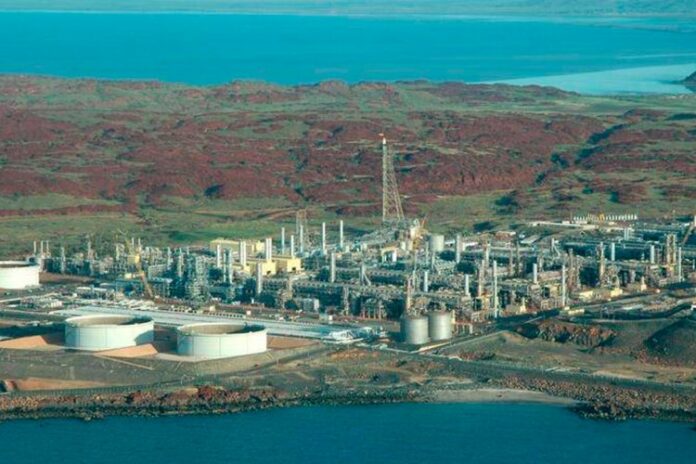
The Scarborough Energy Project has all primary environmental approvals in place and offshore work is progressing well. The Federal Court proceedings sought an injunction to stop offshore activities for the Scarborough Energy Project. The parties have agreed to seek orders from the Court to dismiss the proceedings.

Woodside CEO Meg O’Neill welcomed the agreement to dismiss the case.

“Litigation against energy projects like Scarborough is an ineffective way to pursue solutions to global climate and energy challenges. Such approaches create needless uncertainty for businesses, communities and the people who depend on the energy these projects produce.

“The Scarborough reservoir contains less than 0.1% carbon dioxide and combined with processing design efficiencies will be one of the lowest carbon intensity sources of LNG delivered into north Asian markets.

“The Scarborough Energy Project will make an important contribution to energy security in Western Australia while providing energy to Asian economies as they decarbonise.

“The project is supported by and aligns with the energy policies of both the Australian and Western Australian Governments.”

The Scarborough Energy Project has been the subject of rigorous environmental assessments by regulators including the National Offshore Petroleum Safety and Environmental Management Authority; the Commonwealth Department of Climate Change, Energy, the Environment and Water; the Western Australian Department of Energy, Mines, Industry Regulation and Safety; the Western Australian Department of Water and Environmental Regulation and the Western Australian Environmental Protection Authority.

The ACF, represented by the Environmental Defenders Office, commenced the Federal Court of Australia proceedings in relation to the offshore environmental assessment of the Scarborough Energy Project in June 2022.

Meyer Werft to build four new ships joining the Disney Cruise Line fleet

0

MEYER WERFT and Disney Cruise Line will continue their long and successful part-nership.

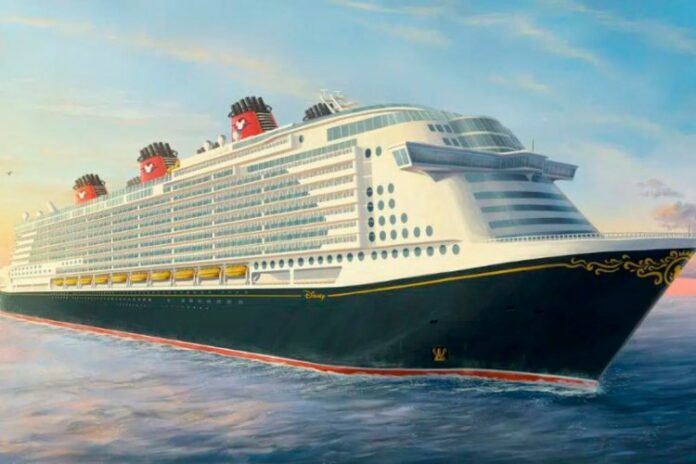
The German shipyard will build four additional ships that will join Disney Cruise Line’s fleet between 2027 and 2031, giving families more opportunities to experience the world-class dining, exceptional entertainment, and signature hospitality that Disney Cruise Line is kown for. 

The ship names, designs, and itineraries are still in develop-ment.

“We are very happy to continue our partnership with Disney Cruise Line and build four additional outstanding ships over the next seven years. We now have eight ships for Disney Cruise Line in our order book which reflects the trust in our capabilities and hard work of our team”, says Bernard Meyer.

“Our Disney cruise ships are the true ambassadors for our brands and beloved by fami-lies the world over,” said Thomas Mazloum, president, New Experiences Portfolio and Disney Signature Experiences. “As we embark on this ambitious and unprecedented expansion for Disney Cruise Line, we are delighted to work with Meyer Werft once again.”

MEYER WERFT and Disney Cruise Line have a longstanding relationship, that started with Disney Dream and Disney Fantasy, which were delivered in 2010 and 2012. In 2022, the first Wish-Class cruise ship Disney Wish was handed over to Disney Cruise Line. The two sister ships Disney Treasure and Disney Destiny are currently under con-struction in Papenburg and will be delivered in 2024 and 2025.

LR and CORE POWER to conduct next-generation nuclear container ship regulatory study

0

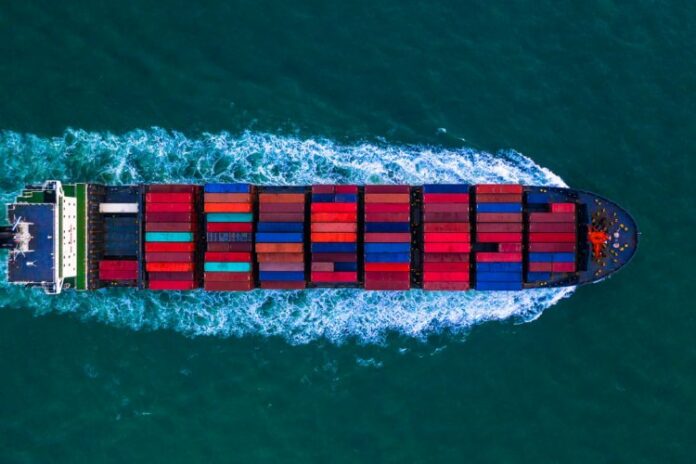
Lloyd’s Register (LR) and CORE POWER have launched a joint regulatory assessment study to conduct research on the regulatory feasibility and frameworks that would need to be established for a nuclear container ship using a fourth-generation reactor noted for its high inherent safety to undertake cargo operations at a port in Europe.

Following initial planning, the industry leaders, who are joined by A.P. Moller – Maersk (Maersk), have formalised their collaboration through the signing of a joint development project agreement to undertake the study. 

The joint study will investigate the requirements for updated safety rules along with the improved operational and regulatory understanding that is needed for the application of nuclear power in container shipping. In addition, this study will provide insight for members of the maritime value chain who are exploring the business case for nuclear power to help shape their fleet strategy towards achieving net zero greenhouse gas emissions. 

The study will bring together the expertise of LR as a trusted adviser to the maritime industry, CORE POWER’s experience of developing advanced nuclear energy technology for maritime applications, a leading Port Authority and Maersk’s extensive experience in shipping and logistics. 

Nick Brown, CEO, Lloyd’s Register, said:

“The initiation of this joint study marks the beginning of an exciting journey towards unlocking the potential of nuclear power in the maritime industry, paving the way for emissions-free operations, more agile service networks and greater efficiency through the supply chain. A multi-fuel pathway to decarbonising the maritime industry is crucial to ensuring we as an industry meet the IMO’s emission reduction targets and nuclear propulsion shows signs of playing a key role in this energy transition.”

Mikal Bøe, CEO, CORE POWER, said:

“There’s no net-zero without nuclear. A critical key to unlocking the vast potential for nuclear energy to transform how the maritime sector is powered, is the standards framework for commercial insurability of floating nuclear power plants and nuclear-powered ships that would operate in nearshore environments, ports, and waterways. We’re immensely pleased to be working with some of Europe’s most respected industry participants to set out the conditions for how this can be achieved.” 

Ole Graa Jakobsen, Head of Fleet Technology, A.P. Moller – Maersk, said:

“Since Maersk launched its energy transition strategy in 2018, we have continuously explored diverse low emission energy options for our assets. Nuclear power holds a number of challenges related to for example safety, waste management, and regulatory acceptance across regions, and so far, the downsides have clearly outweighed the benefits of the technology. If these challenges can be addressed by development of the new so-called fourth-generation reactor designs, nuclear power could potentially mature into another possible decarbonization pathway for the logistics industry 10 to 15 years in the future. Therefore, we continue to monitor and assess this technology, along with all other low emission solutions.”

Shell invests in water injection at Gulf of Mexico field

0

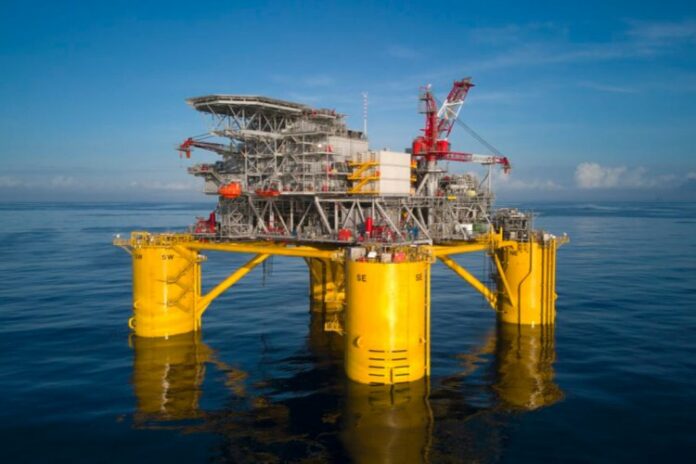
Shell Offshore Inc. (Shell), a subsidiary of Shell plc, has taken a Final Investment Decision (FID) on a ‘waterflood’ project at its Vito asset in the US Gulf of Mexico. 

The process is due to begin in 2027 and is expected to significantly enhance volume capacity at the Vito field.

“Over time, we’ve seen the benefits of waterflood as we look to fill our hubs in the Gulf of Mexico,” said Zoë Yujnovich, Shell Integrated Gas and Upstream Director. “This investment will deliver additional high-margin, lower-carbon barrels from our advantaged Upstream business while maximizing our potential from Vito.”

Waterflood is a method of secondary recovery where the injected water physically sweeps the displaced oil to adjacent production wells, while re-pressurizing the reservoir. The three water injection wells were all drilled as pre-producers.

BW LPG acquires 12 very large gas carriers from Avance Gas

0

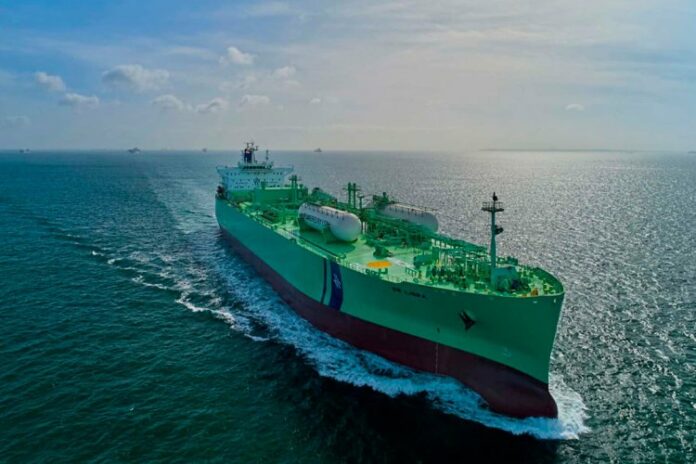
The acquisition fleet comprises four 91K CBM dual fuel VLGCs, of which two are 2022-built and two are 2023-built, and eight 2015-built 83K CBM VLGCs of which six are scrubber-fitted.

The Transaction is funded through the issuance of 19.282 million new BW LPG shares to Avance Gas, a cash consideration of US$ 585.4 million, of which US$ 368 million is to fund the repayment of the existing bank debt of 10 vessels. Remaining debt in the amount of US$ 132 million pertaining to two sale-leaseback vessels is to be novated. US$ 235.4 million of the cash consideration will be paid from BW LPG’s available cash resources and US$ 350 million will be financed by a shareholder loan from BW Group, BW LPG’s largest shareholder.

Following the issuance of the total share consideration, Avance Gas will become a 12.77% shareholder in BW LPG. Avance Gas will have a 40 calendar day lock-up period in respect of the consideration shares received following delivery of each vessel.

BW LPG is expected to increase its net leverage ratio from 7% in Q1 2024 to a range of 30-35%, maintaining a robust balance sheet to support continued shareholder distributions.

The Transaction will add significant scale to BW LPG’s fleet. It increases the number of owned and operated VLGCs from 41 to 53, of which 22 are LPG dual fuel. This further solidifies BW LPG’s position as the world’s leading owner and operator of VLGCs, with the largest number of LPG dual-fuel powered VLGCs. This fleet expansion comes at an opportune time with VLGC newbuild deliveries abating and continued growth in global LPG export volumes.

Consent from the lessor of two sale-leaseback facilities, and the charterers of three time-charter parties, is to be obtained prior to delivery of five of the vessels. Closing of the Transaction will take place on a vessel-by-vessel basis targeted to be completed by 31 December 2024.

Mr. Andreas Sohmen-Pao, Chairman of the Board of BW LPG, commented,

“This strategic transaction supports BW LPG’s ambition to serve our customers with enhanced shipping and product delivery options in the fast-growing LPG space. The addition of these 12 vessels will result in an expanded fleet, greater flexibility, and are expected to be accretive to earnings based on our market view. They will also support our product trading and terminal activities”.

Mr. Kristian Sørensen, CEO of BW LPG, commented,

“Today’s transaction marks a major milestone in BW LPG’s history and reflects our ability to execute large fleet acquisitions by maintaining a robust balance sheet and using the BW LPG share as an attractive currency. The acquired vessels will further enhance our commercial scale and increase our operational leverage in a market we expect to be strong in the coming years and as such solidify earnings and dividend potential”.

Equinor wins offshore wind lease in U.S. Central Atlantic auction

0

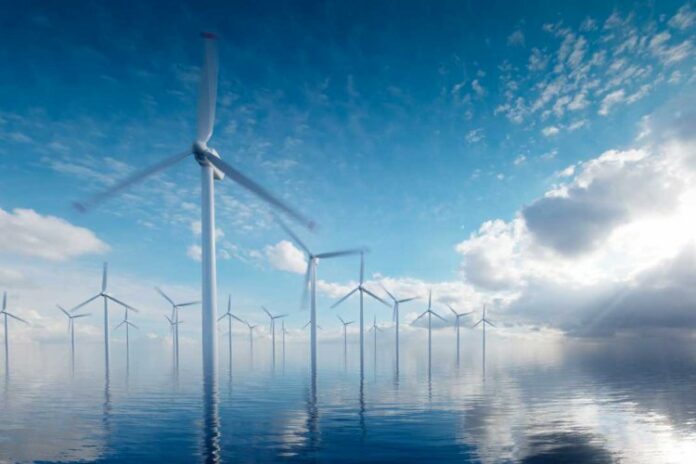
Equinor has been announced as a provisional winner in the Bureau of Ocean Energy Management’s (BOEM) offshore wind energy lease auction in the U.S. Central Atlantic region. 

With a bid of $75,001,001 for 101,443 acres in the Atlantic Ocean, Equinor secured one of two fixed-bottom lease areas in the BOEM auction located 26 nautical miles from the mouth of the Delaware Bay.

Equinor will now work with BOEM to certify the lease, and after regulatory approvals, the Central Atlantic site would be added to Equinor’s existing U.S. offshore wind portfolio.

“Equinor is pleased to have been selected as the provisional winner of the Central Atlantic offshore wind lease auction. Equinor’s interest in this auction is consistent with our approach to pursue attractive offshore wind opportunities in the United States. The Central Atlantic region has a rapidly growing demand for electricity with widespread support for adding renewable sources of energy into the power mix,” said Molly Morris, President of Equinor Renewables Americas.

“Today’s announcement underscores Equinor’s commitment to delivering value through renewable projects. This is a long-term option with first power post 2035. Developing this lease area will draw upon Equinor’s proven capabilities in offshore wind. We will take a disciplined approach to minimize risk and mature a robust project in our portfolio,” said Pål Eitrheim, executive vice president of Equinor Renewables.