9.8 C
New York
Home Blog Page 13

Shell grows interest in Atapu and Mero units offshore Brazil

0

Shell Brasil Petróleo Ltda. (Shell Brasil), a subsidiary of Shell plc, has secured additional equity in Brazil’s pre-salt oil projects following an auction led by Pré-Sal Petróleo.

Together with Petrobras, Shell Brasil deepened its stake in Atapu and Mero units, acquiring 26.76% of Atapu Open Acreage (0.95% of the unit) and 20% of Mero Open Acreage (3.5% of the unit). With this acquisition, Shell Brasil increased its participating interest in the units from 16.663% to 16.917% in Atapu and from 19.3% to 20% in Mero. Both projects are located in the offshore Santos Basin.

This investment strengthens Shell’s position in areas where we have existing assets and supports the company’s aim to sustain material liquids production of 1.4 million barrels per day through 2030.

“This winning bid reinforces our disciplined approach to grow Shell’s high margin portfolio in Brazil,” said Peter Costello, Shell’s Upstream President. “Our assets in Brazil are among the most competitive in our global portfolio, combining strong performance with a low carbon footprint.”

The increased working interest is expected to take effect from 2027.

Ardmore Shipping deploys SteelCorr AI solution to enhance vessel corrosion monitoring

0

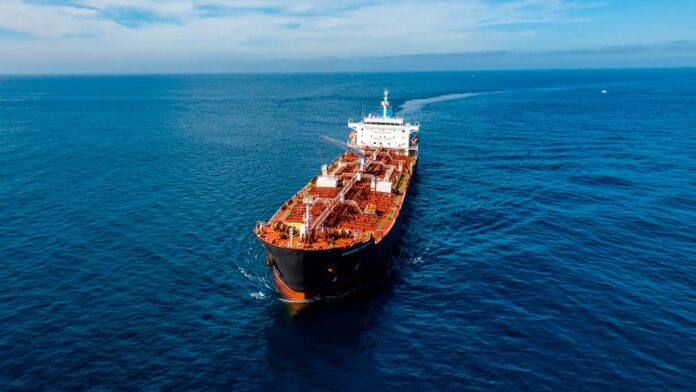
Ardmore Shipping Corporation has rolled out a fleetwide deployment of SteelCorr, an AI-powered application designed to enhance corrosion monitoring and paint maintenance across its fleet.

The SteelCorr Digital Paint Report (DPR)© app is now in use across Ardmore vessels, enabling crew to track corrosion and manage paint condition through a unified, data-driven platform. Using artificial intelligence, the tool analyses images uploaded by crew members to automatically generate corrosion reports, identify trends, and optimize maintenance planning and inventory control.

The app improves consistency and accuracy in fleet condition monitoring, whilst also significantly reducing manual reporting time and enabling more efficient workflows. This frees up crew time to focus on higher-value operational priorities.

The introduction of SteelCorr’s DPR technology will also help preserve the integrity of Ardmore’s high-quality fleet, extending their operational life, supporting safer performance, and reducing the risk of unscheduled repair costs.

“The adoption of the SteelCorr app reflects our commitment to integrating smart, data-led solutions into the core of our ship management operations,” said Suraj Batra, Ardmore Shipping’s Senior Manager, Fleet Operations. “It enables faster, more informed decision-making, strengthens collaboration between ship and shore, and ensures we stay proactive in safeguarding the condition of our fleet. Most importantly, it’s a tool that enhances how our seafarers work, reducing manual workload while supporting real-time operational excellence.”

New LNG Bunker Vessel will operate with fully integrated Wärtsilä systems

0

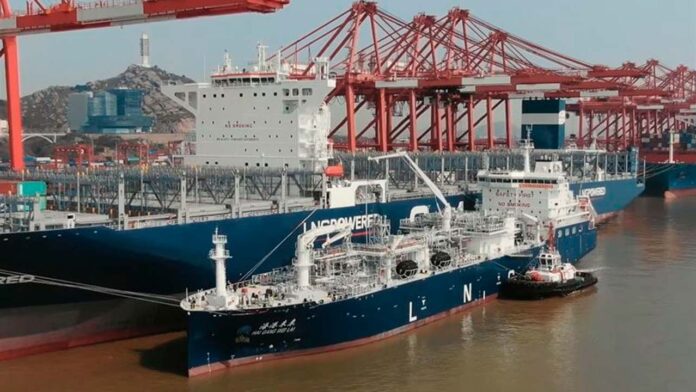
Wärtsilä Gas Solutions, part of technology group Wärtsilä, will supply a range of solutions for a new LNG Bunkering Vessel built at the Jiangnan Shipyard in China for Shanghai International Port Group (SIPG) Energy Shanghai Co.

The scope includes the cargo handling system, the fuel gas supply system, and a boil-off gas reliquefaction system (Compact Reliq – CRS). The systems are fully integrated to ensure optimal efficiency. The order was booked by Wärtsilä in Q3 2025.

“During the recent three and a half years after we took over Hai Gang Wei Lai, we have finished more than 200+ bunkering of 1 million+ m3 LNG for various ships calling Shanghai port. We are satisfied with the performance of Wärtsilä systems and this is the reason we are working with them again in this new project,” comments He Bin, Vice General Manager of Shanghai SIPG Energy Service Co. Ltd.

“The demand for LNG as a marine fuel continues to increase, and we are a leader in supplying modern and reliable systems that optimize overall cargo handling efficiency for LNG bunkering vessels. SIPG has rich operation experience in LNG bunkering vessels and provides valuable input for the vessel’s optimization. We are working closely with the owner and shipyard to implement improvements, which will elevate the system to a new level of performance,” comments Barry Yang, General Manager Sales, China, Wärtsilä Gas Solutions.

The Wärtsilä equipment is scheduled for delivery to the yard during 2026, and the ship is expected to be commissioned in summer 2027.

Van Oord successfully completes monopile installation at Windanker offshore wind farm

0

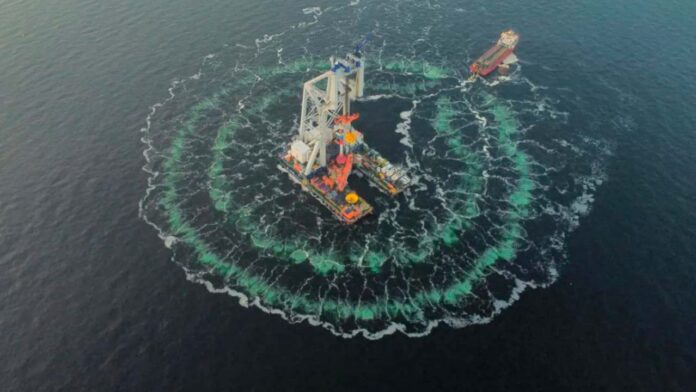
Van Oord has completed the transport and installation of all 21 monopiles at Iberdrola’s Windanker offshore wind farm, a key milestone in the construction of the project.

This achievement involved the largest monopiles Van Oord has ever installed, made possible by earlier upgrades to its heavy lift installation vessel Svanen, which is now equipped to manage next-generation offshore wind monopile foundations.

Van Oord’s scope of work included loading the monopiles at the fabrication site in Spain and transporting them to the Port of Rønne, Denmark. Manufactured by a joint venture between Navantia and Windar, the monopiles rank among the largest ever installed by Van Oord, with a diameter of 10 metres, lengths of 70.6 to 86.6 metres, and weights of up to 2,145 tonnes. From the port, they were lifted using MTC cranes and towed by two tugs to the installation vessel Svanen.

Van Oord used specialised techniques to protect marine life from harmful noise levels during monopile installation. Bubble screens created a curtain of air bubbles around the work area to absorb and reduce sound waves, while a Hydro Sound Damper net provided extra noise reduction.

In line with Van Oord’s ambition to achieve net-zero emissions, renewable fuel was used to power the compressors for the bubble screens, cutting greenhouse gas emissions for this activity by up to 86%. This sustainability initiative was made possible through a joint effort with Iberdrola, Van Oord and Hydrotechnik Offshore (HTO), who shared the costs of using renewable fuel.

Building on this effort, in partnership with Skyports Drone Services, long-range drone technology was deployed as part of an innovative pilot project. The goal was to transport items from the shore to the offshore installation site, reducing reliance on supply vessels and the project’s environmental footprint. Van Oord is now the first marine contractor to perform Beyond Visual Line of Sight (BVLOS) drone flights to vessels in a wind farm under construction.

Joost van Wiechen, Project Manager at Van Oord, said:

‘Completing the transport and installation of all monopiles at the Windanker offshore wind farm marks an important milestone for the project. This achievement reflects the dedication and expertise of our teams, the excellent collaboration with our client Iberdrola, and the outstanding performance of the Svanen. We are proud to have installed our largest and heaviest monopile to date, which demonstrates our commitment to enhancing the energy transition and delivering sustainable solutions for the future.’

Located in the German Baltic Sea, around 45 kilometres northeast of the island of Rügen, Windanker will add 315 megawatts of capacity to Iberdrola’s Baltic Hub, supplying enough renewable energy to power approximately 315,000 households.

Van Oord’s remaining scope will be delivered in two phases. The first involves transporting and installing 21 transition pieces, scheduled for completion by December 2025. This will be followed in the first quarter of 2026 by the installation of the inter-array cables, part of Van Oord’s EPCI scope, which involves interconnecting the turbines and offshore substation and supporting energy transmission throughout the wind farm.

Rapid development extends the lifetime of Norne

0

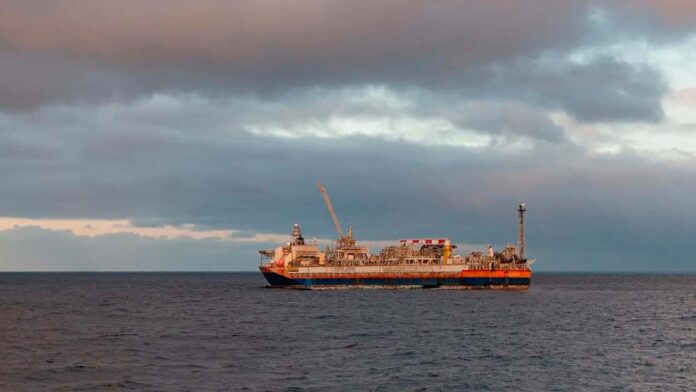
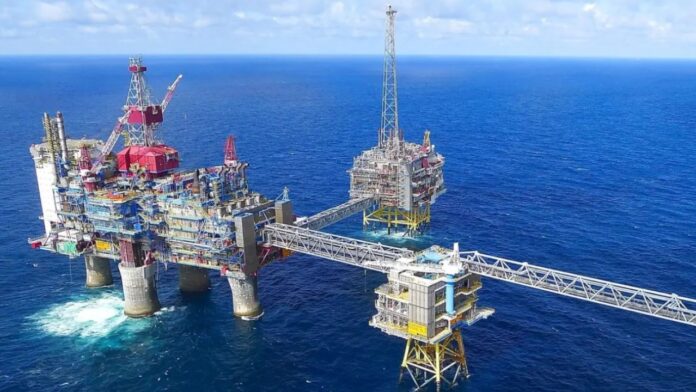
With reserves of 36 million barrels of oil, Verdande helps extend Norne’s production beyond 2030.

“I am proud that, in close collaboration with our licence partners and suppliers, we have delivered the Verdande project on schedule, less than three years after the partnership made the investment decision. Fast and cost-efficient field developments like this – where smaller discoveries are realised through smart use of existing infrastructure – are key to further developing the Norwegian continental shelf,” says Trond Bokn, senior vice president for project development at Equinor.

Investments in Verdande amount to just over NOK 6 billion, and the project has generated significant ripple effects for the Norwegian supplier industry.

The Norwegian continental shelf is changing, and many of the fields being developed are smaller subsea fields tied back to existing infrastructure. This approach reduces both costs and environmental footprint.

“So far, we have tied six subsea fields back to the Norne FPSO, including Andvare, which started up in September, and now Verdande. Verdande helps extend the lifetime, value creation and ripple effects from Norne operations. More than 900 full-time equivalents are linked to Norne operations. By developing smaller discoveries around established fields, we maximise resource recovery and extend the lifetime of existing infrastructure. This is good resource management and good socioeconomics,” says Grete B. Haaland, senior vice president for Exploration and Production North at Equinor.

Verdande is primarily an oil field with some associated gas. It comprises the Cape Vulture and Alve Nord East discoveries, proven in 2017 and 2020 respectively. The field has been developed with three wells in a template tied back to the Norne field via a pipeline.

World Fuel Services supplies a Norwegian Cruise Line Holdings vessel with waste-based biofuels

0

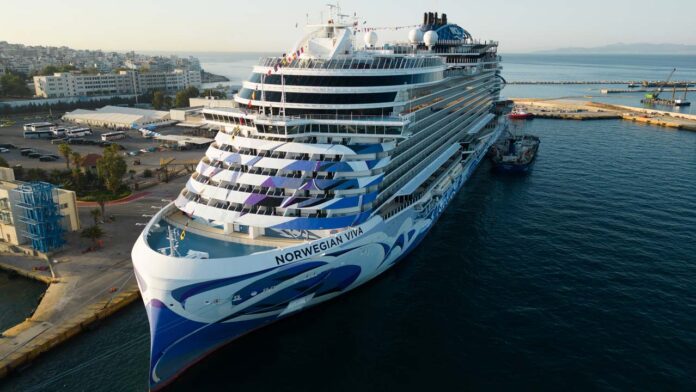
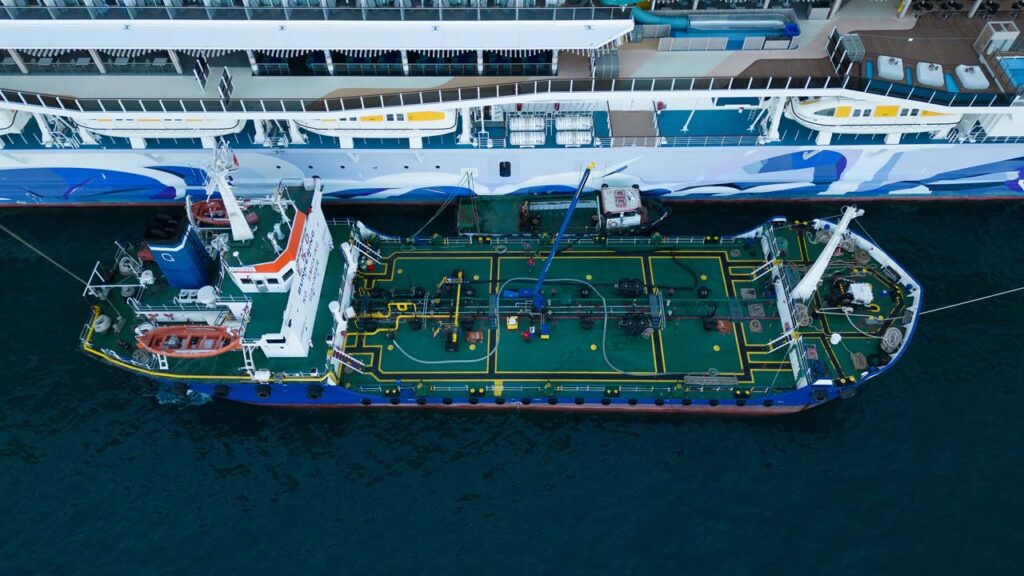
World Fuel Services, a World Kinect company announces that Norwegian Cruise Line Holdings has carried out one of the first commercial biofuel bunkerings for a cruise vessel in Greece, with Norwegian Viva receiving a waste-based marine fuel blend in Piraeus.

Coordinated by World Fuel, in collaboration with Greek supplier EKO, the delivery highlights how international cooperation is enabling the cruise sector to reduce emissions today.

The delivery builds on Norwegian Cruise Line Holdings’ previous biofuel operations in Europe, including successful trials in Gibraltar, Copenhagen, and the Amsterdam-Rotterdam-Antwerp (ARA) region, as well as a biofuel delivery in Piraeus on 20th July. Together, these operations highlight the cruise line’s commitment to integrating sustainable fuel solutions across its fleet and World Fuel’s pivotal role in enabling these projects.

Kimberly Westmoreland, Senior Director Cruise and Energy Transition, World Fuel, said: “This collaboration demonstrates how the cruise industry can access certified alternative fuels right now – not someday. By uniting our global supply network with strong local execution, we’re able to support forward-looking operators like Norwegian Cruise Line Holdings turn low carbon fuels access into meaningful progress on decarbonization.”

“This biofuel operation in Piraeus reflects the kind of pragmatic progress we’re making under our Sail & Sustain program,” said Lory Urdaneta, Senior Director Energy Strategy at Norwegian Cruise Line Holdings. “It’s one more way we’re scaling lower-carbon solutions across our fleet while maintaining the guest experience we’re known for. Collaborating with partners like World Fuel and EKO enables us to accelerate our decarbonization efforts and extend our sustainability impact across new geographies.”

Chrisanthopoulos Konstantinos, Manager, Marine Fuels & Services Division, EKO said: “EKO is proud to contribute to this important milestone in Greece. By supplying waste-based biofuels locally, we are demonstrating the readiness of the market and the potential for wider adoption across the Mediterranean.”

Equinor makes new discoveries in the North Sea

0

Equinor has made two new discoveries of gas and condensate in the Sleipner area of the North Sea. These are Equinor’s largest discoveries so far this year and can be developed for the European market through existing infrastructure.

The two wells, Lofn and Langemann in production license 1140, are located between the Gudrun and Eirin fields. Preliminary estimates indicate that the reservoirs may contain between 5 and 18 million standard cubic meters of recoverable oil equivalents, corresponding to 30 to 110 million barrels.

“This demonstrates the importance of maintaining exploration activity on the Norwegian continental shelf. There are still significant energy resources on the shelf, and Europe needs stable oil and gas deliveries. Discoveries near existing fields can be developed quickly through subsea facilities, with limited environmental impact, very low CO2 emissions from production, and strong profitability. Equinor plans to accelerate such developments on the Norwegian continental shelf,” says Kjetil Hove, executive vice president for Exploration & Production Norway at Equinor.

The production license was awarded to Equinor in 2022 through the APA (Awards in Predefined Areas). The drilling targets were identified using Ocean Bottom Node (OBN) seismic technology, where sensors are placed on the seabed to provide more precise geological data than traditional surface seismic.

“The Sleipner area is an important hub for Norwegian gas exports to Europe. These discoveries strengthen our optimism for further exploration in the area. Together with our partners, we are committed to drill five additional exploration wells going forward. Adding new volumes is essential to maintain export capacity and value creation from the area,” Hove concludes.

The wells were drilled by the Deepsea Atlantic rig, which will move to the next exploration well in the area.

License holders are Equinor Energy AS (60%) and Aker BP ASA (40%).

Auramarine delivers methanol fuel supply systems for three Finnlines RoPax vessels

0

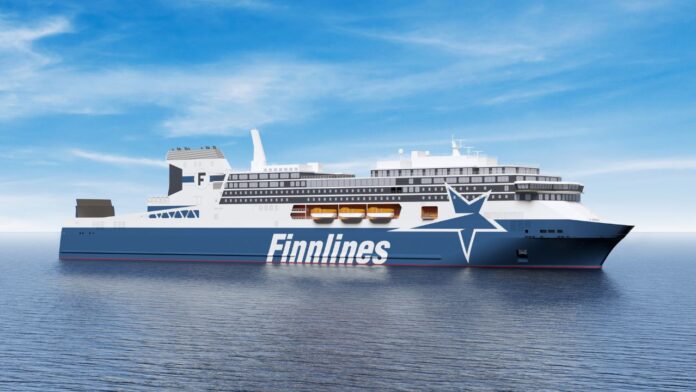
Auramarine has been selected to deliver advanced fuel supply systems for three new RoPax vessels ordered by Finnlines, further strengthening the companies’ commitment to cleaner shipping and innovation. Auramarine delivers methanol, biofuels and HFO fuel systems to Finnlines RoPax vessels.

Finnlines has announced the addition of three new ‘Hansa Superstar’ class vessels, set for delivery in 2028 and 2029, to operate on the Finland–Germany route. Designed by Deltamarin, these 240-metre vessels represent a significant step in sustainable maritime transport, each offering 5,100 lane meters for cargo, accommodation for up to 1,100 passengers, and a garage for some 60 cars. The ships will be built at China Merchants Weihai Shipyard.

Central to the design is a strong focus on environmental performance. The new vessels will feature multi-fuel engines capable of running on methanol—a clean and versatile fuel that supports Finnlines’ environmental targets. In addition to methanol capability, the ships will leverage a suite of green technologies including modern hull and high efficiency propeller design, shore power connectivity, and waste heat recovery systems—collectively reducing CO₂ emissions compared to current vessels on the route.

Auramarine’s fuel supply systems will play a crucial role in enabling the safe use of fuels on these vessels. This delivery not only reflects the growing confidence in methanol’s potential as a practical solution for reducing maritime emissions but also marks an important milestone in the adoption of alternative fuels such as methanol and biofuels for the shipping industry. Auramarine will design and deliver these fuel supply systems to all three vessels including control and ESD automations. Auramarine’s fuel supply systems will be delivered China Merchants Weihai Shipyard during autumn 2026 and winter 2027.

“We are proud to collaborate with Finnlines in this forward-looking project, supporting the transition to new sustainable fuels and helping move the industry towards greener, more efficient operations in the Baltic Sea and in Europe overall. Even though the IMO’s decision on the Net Zero Framework has been postponed, Auramarine remains steadfast in supporting the maritime industry’s green transition. We are fully committed to helping our customers advance their decarbonization journey by providing reliable alternative fuel solutions and partnering in the development of more sustainable shipping—regardless of regulatory delays,” says John Bergman, CEO of Auramarine.

“We are pleased to collaborate with Auramarine in equipping our next-generation vessels with advanced methanol fuel supply systems. This partnership reflects our commitment to innovation and sustainability as we work towards greener shipping operations. Auramarine’s expertise and reliable solutions play a key role in supporting our efforts to reduce emissions and lead the way in adopting alternative fuels across our fleet,” says Juha Ahia, Manager Newbuilding & Projects, Finnlines.

Damen and Windcat introduce Innovation Series

0

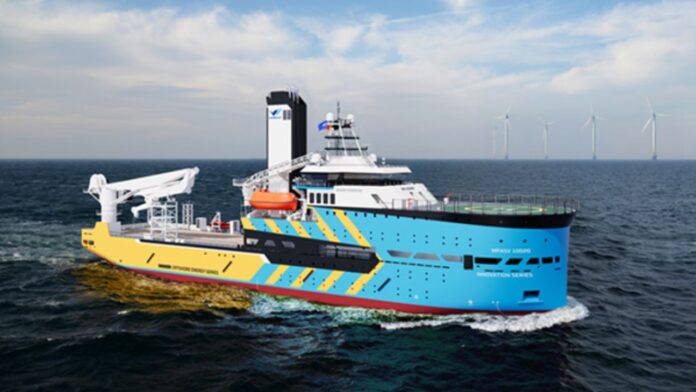
Windcat has signed a contract with Damen Shipyards Group for a new Multi-Purpose Accommodation Support Vessel (MP-ASV), with the option of five additional vessels of this type.

To be known as the Innovation Series, the vessels will combine a large open deck with a subsea crane with fuel efficient operations and comfortable, high-quality accommodation for personnel working in the offshore energy sector for extended periods.

The order follows the collaboration between Damen and Windcat during the development of the Elevation Series Commissioning Services Operations Vessels (CSOVs). The MP-ASVs are a completely new vessel type, built on the success of the previous designs, with increased capabilities and efficiency.

While based on the proven design of the CSOVs, and in many cases calling on the support of the same suppliers, the MP-ASVs are larger at 102m x 20m. As such, they offer increased deck space of 750m2, subsea crane capacity of 150 tonnes and the ability to launch and recover ROVs.

The vessels feature a large 3981kWh battery pack on a DC grid for low emissions performance. This will enable peak shaving, allowing the variable-speed main engines to operate at their most efficient working point, for example during DP operations, thereby reducing fuel consumption.

Like the Windcat CSOVs, a key feature of the Innovation Series vessels is the integration of low-carbon fuels. A dual fuel hydrogen engine makes it possible to run the auxiliary genset on hydrogen.

The vessels will be equipped to accommodate up to 190 persons on board for at least 28 days’ endurance. During offshore stays, personnel will safely and comfortably access offshore infrastructure via a motion compensated gangway, which can also maintain a fixed connection with other structures.

To ensure the well-being of crew and offshore personnel, Damen and Windcat have placed a lot of emphasis on high-standard accommodation. This focus includes a well-thought configuration with easy way-finding, appealing aesthetics, and use of high-quality materials, with the aim of keeping seasickness and homesickness to a minimum.

The vessels will be equipped with a dynamic positioning system billed as DP2+. In addition to the azimuth thrusters, a tunnel thruster fore and aft will be installed, so that the vessels can continue to operate on DP2 in the event of a thruster failure. This highly innovative feature is extra important when the vessel operates in remote offshore locations.

Damen Sales Manager Joost van der Weiden says: “Our collaboration with Windcat is a good example of the way that Damen works. Together with clients who share our values and ambitions, we seek to innovate next generation solutions, setting new standards in safety, efficiency and sustainability. This has proven very successful with the first six vessels of the Elevation Series. We are delighted to have received this latest order which represents a further step forward. I am looking forward to our continuing cooperation with Windcat as we develop the Innovation Series in the years ahead.”

Willem van der Wel, Managing Director at Windcat says: “Today we introduce a new vessel type, not only to our fleet, but also to the market. We take the best of two worlds: we combine the benefits of a large deck and crane of an MPSV with the comfortable offshore accommodation of an ASV. Through collaboration with customers and suppliers and constant evolution, we have remained at the forefront of the offshore energy industry, always putting our customers’ needs first. By building this new type of vessel, with an emphasis on comfort, performance and decarbonisation, we are ensuring that we can continue to safely and effectively support tomorrow’s offshore projects around the world.”

Damen is planning to commence construction of the first MP-ASV in February 2026, with delivery expected in 2028. Like the Windcat CSOVs, the MP-ASVs will be built at the Ha Long Shipyard in Vietnam.

Ukraine’s Foreign Ministry denies involvement in attack on Russian tanker Midvolga-2

0
The tanker reported an attack about 80 miles off the Turkish coast while en route to Georgia

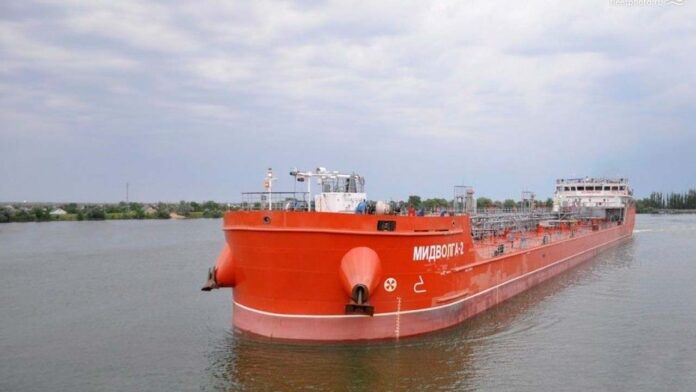
Ukraine has denied any responsibility for the attack on the tanker Midvolga-2, which was reportedly carrying sunflower oil from Russia to Georgia.

Heorhiy Tykhyi, a spokesman for the Ukrainian Ministry of Foreign Affairs, stated this on X (@SpoxUkraineMFA).

The Foreign Ministry stated that the Russian accusations are unfounded and fabricated.

“Ukraine has no connection to this incident, and we officially reject any such claims from Russian propaganda. In addition, the alleged route from Russia to Georgia via Turkey makes no logistical sense, suggesting the incident could have been staged by Russia,” the Ministry pointed out.

According to Russian sources, the tanker reported an attack about 80 miles off the Turkish coast while en route to Georgia.

The vessel had 13 crew members on board. There were no reports of injuries, and the tanker did not request assistance.

The Turkish Ministry of Transport said the Midvolga-2 continued its journey to the port of Sinop, with engines operating normally.

According to the VesselFinder database, the 140-meter tanker was built in 2014 and sails under the Russian flag.

The incident comes amid earlier attacks on two Russian shadow fleet tankers by Ukrainian naval drones.

Two Russian oil tankers reportedly caught fire in the Black Sea earlier this week under unclear circumstances.

Despite these incidents, the Bosphorus Strait remains open to shipping.

Turkey continues to monitor the situation and coordinate potential rescue and investigative operations in the area.

Source: militarnyi