-1.3 C
New York
Home Blog Page 110

Robotic sea turtle could soon be swimming in an ocean near you

0

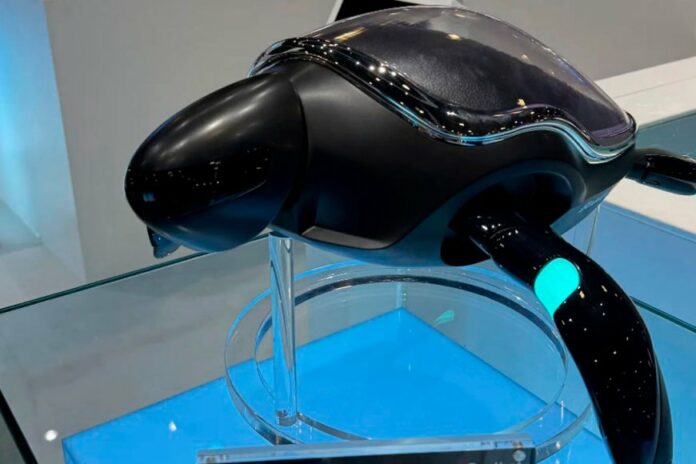
If you’re setting out to build an underwater robot that’s speedy, maneuverable and versatile, why not just copy what already works in the natural world? That’s exactly what China’s Beatbot has done, with its bio-inspired Amphibious RoboTurtle.

Unveiled in prototype form last week at CES, the autonomous robot is designed for applications including ecological research, environmental monitoring, and disaster response.

As such, it can be equipped with hardware such as a water sampling unit, GPS module, ultrasonic sensors, and AI-enabled cameras. The latter reportedly allow it to perceive and react to changes in its environment, and to autonomously track/follow marine animals.

Because the RoboTurtle swims by quietly flapping its multi-jointed bionic legs, its designers claim that it should be less disruptive to wildlife than unnatural-looking robots with whining propellers. It additionally features a buoyancy control system that lets it rise and fall within the water column, and to float at the surface.

When floating, the robot can recharge its battery via solar panels on its back, plus it can transmit recorded data and receive updated mission instructions via satellite. The RoboTurtle’s powered legs do allow it to come out of the water and drag itself along beaches, although it probably won’t break any speed records when doing so.

Source: NewAtlas

Vattenfall signs contract for wind farm service vessels

0

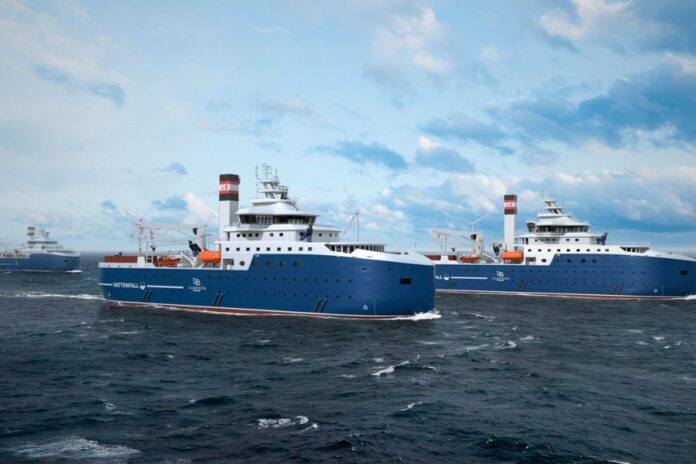
Vattenfall has signed a contract with French ship owner Louis Dreyfus Armateurs for up to three large Service Operation Vessels to be used at existing and planned offshore wind farms in the North Sea. 

Today, Vattenfall mainly uses so called Crew Transfer Vessels (CTV) at its offshore sites. These are smaller and used for daily transport of technicians to and from the turbines if the sailing times are short. For more far offshore windfarms, the much larger Service Operation Vessels (SOV) are better suited as they are built to stay on the site for several days. 

These vessels also feature spacious and comfortable hotel standard living quarters with a focus on rest and relaxation during standby periods. Each vessel can carry 60 people excluding the vessel crew.

The vessels will be built, owned, and operated by French GroupLouis Dreyfus Armateursand will be registered under the French flag. The ships have been specifically designed to reduce fuel consumption and emissions during both operations and transit while meeting the harsh conditions of the North Sea.

Special care has been taken to enhance the safety and efficiency of the workflows and ensuring that technicians have optimal working conditions. For example, the vessels will have an adjustable-height stern boat landing to optimise technicians’ safe transfer between the ship and the turbines.

“After a thorough tender process we are really happy to have concluded these 10-year contracts and starting a long-term cooperation with Louis Dreyfus Armateurs,” says Pavlo Malyshenko, Head of Offshore Generation at Vattenfall Wind. “The vessels will support our mission of safe, reliable, and sustainable operation and delivery on cost efficiency ambitions in Sandbank and DanTysk, as well as the coming Nordlicht 1 and 2 wind farms. This will strengthen competitiveness of our far offshore wind assets and our position as one of the leading wind developers and operators in Northern Europe.”

The first vessel will be put into service in mid-2027 on the existing DanTysk and Sandbank offshore wind farms, each with a 288 MW capacity. The second vessel will be used for the coming Nordlicht 1 and 2 wind farms, co-owned by BASF, with a combined total capacity of 1,6 GW. The Nordlicht cluster is subject to final investment decision. A third, optional Service Operation Vessel is intended use in future Vattenfall projects.

Sanctioned tankers carrying Russia oil now idling off China

0

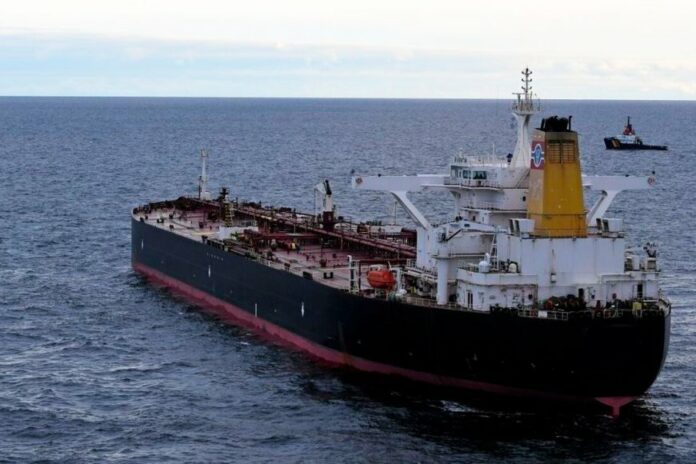
Three tankers carrying more than 2 million barrels of Russian oil are floating in waters off eastern China after they were sanctioned by the US on Friday, according to ship-tracking data.

The Huihai Pacific was due to arrive at Dongjiakou in Shandong province on Jan. 15, after loading nearly 770,000 barrels of ESPO crude from the Russian Pacific port of Kozmino earlier in the month, according to data intelligence firm Kpler. However, it changed course over the weekend and is now parked offshore and laden with oil.

The ship, alongside many others, was swept up in the most aggressive package of measures targeting Russian oil exports since the invasion of Ukraine in early 2022. Several tankers and at least one trader active in the trade of ESPO, a grade that’s favored by China’s independent refiners, or teapots, were sanctioned.

The Mermar left Kozmino on Jan. 5 with more than 755,000 barrels of ESPO and was scheduled to call at Yantai port this week, but is now waiting off the coast, the Kpler data show. The Olia departed the Russian port on Jan. 7 with nearly 709,000 barrels of the grade, and was also bound for Yantai, but is now sitting in the Yellow Sea.

Washington’s move comes just days after the Shandong Port Group Co., which runs several ports in the province, urged terminals to stop allowing sanctioned oil tankers to dock or offload cargo.

Source: Bloomberg

Elomatic’s Elogrid technology will be installed on RoRo vessels

0

The Elogrid tunnel thruster grid is an energy saving device, designed to maximize side thrust for better maneuverability, whilst unlocking new levels of performance, efficiency, and sustainability.

Designed for installation on both newbuild and retrofit projects, Elogrid supports a wide variety of vessel types, by helping to reduce additional resistance and lower fuel consumption, whilst minimizing noise and vibrations throughout the vessel. This provides a smoother, more comfortable journey, extends the lifespan of onboard equipment, and reduces the environmental impact of maritime operations.

Developed between 2020 and 2021, Elogrid has evolved to achieve even greater levels of performance. This innovative solution has been found to reduce fuel consumption by 1-2% per thruster tunnel, depending on speed, by reducing flow entry into the bow thruster tunnels at cruising speeds, as well as providing further reductions in associated vibrations. The installation to CLdN’s RoRo vessels are scheduled for Q1 and Q2 of 2025, with Elomatic supervising the installation of the system to ensure quality and precision.

Jukka Suvanto, Senior Sales Manager at Elomatic commented on the announcement: “Elogrid offers a significant advantage in meeting carbon reduction standards and enhancing fuel economy. These benefits align with Elomatic’s broader strategic goals, which include supporting the shipping industry’s transition toward greener operations.”

David Vermeulen, CTO at CLdN said: “CLdN is committed to finding new ways to further enhance the performance of its fleet and reduce its environmental footprint. The Elogrid tunnel thruster grid is an innovative solution that fits well with CLdN’s  efforts in remaining the RoRo operator in Northwest Europe with the lowest CO2 footprint and we look forward to deploying our latest 8.000 lane meter G9e new-build RoRo vessels with this technology.”

Exail announces first sale of DriX O-16 transoceanic USV

0

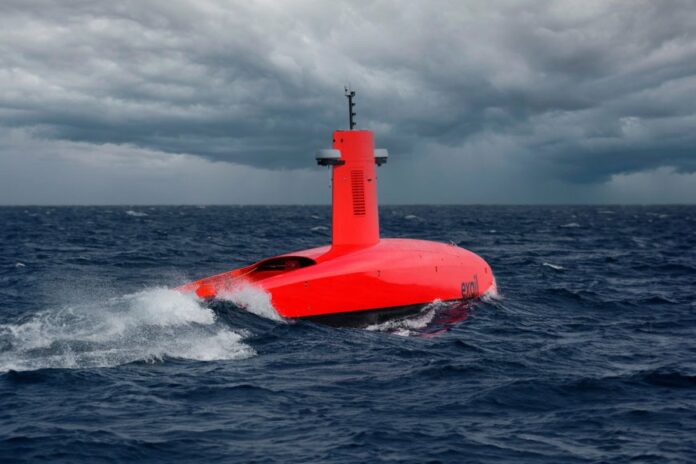
Exail has announced the first sale of its DriX O-16, a transoceanic Uncrewed Surface Vessel (USV). 

Equipped with advanced sensors, including a full-depth Multibeam Echosounder, the DriX O-16 enables operators to collect precise data for hydrographic, geophysical, and environmental missions. Its ability to deploy AUVs and ROVs enhances operational versatility and productivity as well as broadens the scope of its missions.

“The sale of our first DriX O-16 so close to its debut is a testament to the trust our clients place in Exail’s forward-thinking approach to maritime autonomy,” said Olivier Cervantes, Exail’s VP Maritime Autonomy Solutions. The vessel quickly set new benchmarks in efficiency, endurance, and flexibility, securing the customer’s confidence just three months after its christening. With its unparalleled combination of speed, endurance, and payload capacity, the DriX O-16 represents a groundbreaking step forward in Uncrewed Surface Vessel technology. It marks an exciting new chapter in the evolution of USVs and their vital role in shaping the future of modern hydrographic, survey and inspection operations.”

As the maritime industry is undergoing a strategic shift toward adopting autonomous technologies and low-carbon impact solutions, the DriX O-16 supports this transition, offering operators a sustainable alternative to traditional crewed vessels. Its hybrid propulsion and naval architecture minimize fuel consumption, while its optimized and innovative system architecture significantly reduces operational and maintenance costs, contributing to a lower environmental footprint.

With enhanced autonomy, the DriX O-16 enables extended port-to-port operations with reduced human exposure at sea and resources, aligning with the industry’s push for efficient and sustainable solutions.

Van Oord celebrates delivery of offshore installation vessel Boreas

0

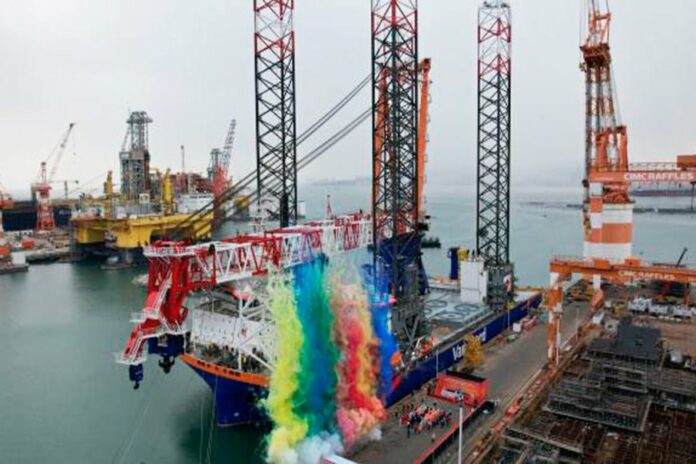
After an intensive construction period, colleagues, partners and suppliers came together to celebrate this special milestone. 

The Boreas, named after the Greek god of the Northern winds, is purpose-built for the transport and installation of the next generation of foundations and turbines at offshore wind farms. The vessel will be the largest of its kind once operational. It measures 175 metres in length and has a 155-metre-high boom, which can lift more than 3,000 tonnes. Four giant legs, each measuring 126 metres, allow the vessel to be jacked up and work in waters up to 70 metres deep. Therefore, it will be able to install up to 20 MW offshore wind turbines at sea. The vessel is the first of its kind with the ability to operate on the future fuel methanol, reducing the ship’s footprint by more than 78% .

Harold Linssen, Director Ship Management Department at Van Oord: ‘The delivery of the Boreas marks a major milestone for Van Oord. I am pleased to celebrate this together with all those who contributed to the construction of the vessel in China. We are looking forward to welcoming this beautiful vessel to our fleet!’ 

Mr. Zhao Hui, Vice President of CIMC Raffles Group: ‘We’re happy to work together with Van Oord and deliver the state-of-the-art vessel Boreas. Undoubtedly Boreas is a benchmark for the whole offshore wind industry for many years to come and will play a significant role for the transportation and installation of the next generation of foundations and up to 20MW offshore wind turbines at sea. I’m grateful to Van Oord and all the parties and people who worked on this project. Together, we have achieved this great milestone.’ 

The Boreas will now be prepared to sail to the Netherlands, where the final outfitting works will take place. This includes the installation of equipment for storing and handling the foundations of wind turbines. The vessel will also be christened there. The Boreas is expected to be commercially available in the third quarter of 2025. 

Damen signs contract with Port Otago and partner Napier Port for delivery of TSHD 1000

0

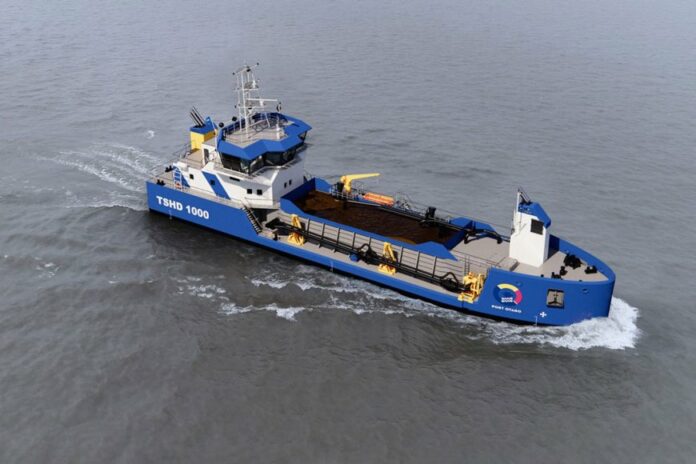
Damen Shipyards Group and Port Otago with partner Napier Port have signed a contract for the delivery of a Trailing Suction Hopper Dredger (TSHD) 1000. At nearly 60 metres in length, this standard Damen design has a maximum hopper volume of 1000m3 with twin azimuth thrusters and bow thruster to ensure excellent manoeuvrability in the long entrance to Port Chalmers and Dunedin. 

Damen and the two ports have both established processes aimed at improving sustainability. Working together with the mariners from the ports, Damen has heavily focused the vessel design on sustainable performance through ballast water free operation. The TSHD will arrive in NZ with a Green Passport under the IMO rules. 

“Partnering with Damen provides us with access to leading dredge technology, said Port Otago CEO Kevin Winders. “We aim to enhance our dredging operations, going beyond compliance in environmental standards and modernising our fleet through this collaboration. The safety and efficiency of our operations in the ports are crucial in enabling the maritime sector in our region and the new dredge will ensure the channel remains safe for the next generation. Our investment in the TSHD 1000 reflects our wider commitment to more efficient operations and demonstrating leadership on the path to integrated sustainability for the wider region.”

Pim Schuurman, Regional Sales Director at Damen, said, “Damen is pleased to have another dredger in this part of the world to partner the Tommy Norton, along with Damen tugs in the region. Another vessel provides scale, enabling us to invest in additional spare parts and service across Australasia.”

Damen will build the TSHD 1000 at Shipyard 189 in Haiphong, Vietnam. Shipyard 189 was established in 1989 and has built more than 150 vessels for military and commercial customers for both Vietnam and foreign countries. In more recent times Yard 189 has built complex ships and special purpose barges using the design, technology and accessories supplied by Damen. Customers have included the Royal Australian Navy and the NZ fishing company, Sanford. 

Damen’s new TSHD 1000 will provide an important addition to the Port’s fleet, replacing the long-serving vessel New Era, when she arrives in early 2027. With exceptional manoeuvrability and dredge capacity for its size, the TSHD 1000 will be a familiar sight in Otago and Napier Port for many years to come.

HHLA Project Logistics coordinates first transhipment in the Port of Hamburg

0

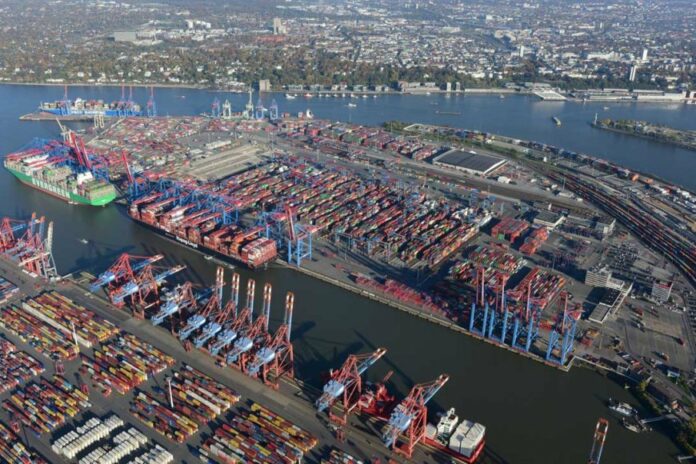
The subsidiary of Hamburger Hafen und Logistik AG (HHLA), which normally specialises in project cargoes in Asia, was able to draw on the expertise and network within the HHLA Group for its first order in Germany. It worked closely with the HHLA company UNIKAI Lagerei- und Speditionsgesellschaft.

The oversized cargo consisted of six passenger railway carriages, each between 17 and 22 metres long and weighing between 20 and 47 tonnes, as well as the associated bogies. Manufactured in China, the wagons were transported by ocean-going vessel to Hamburg. The Wallmann & Co terminal loaded the wagons onto inland waterway craft that took them to O’Swaldkai, HHLA’s universal cargo terminal.

The HHLA subsidiary UNIKAI took over the handling at O’Swaldkai. After customs formalities had been completed, the wagons were placed on the terminal’s own rail track, where they were assembled for onward transport by rail to the Czech Republic.

“With the support of our partners within the HHLA Group and other reliable specialists, we were able to complete this job quickly and smoothly,” emphasised Korneli Korchilava, Managing Director of HHLA Project Logistics. He also highlighted the importance of rail for the environment: “I am particularly pleased that with this project we have been able to promote the transfer of traffic to rail and thus contribute to our company’s climate protection goals. It is opportunities like this that make the Port of Hamburg such a special location.”

Höegh & Svitzer set new standart for sustainable sea shipping in Australia

0

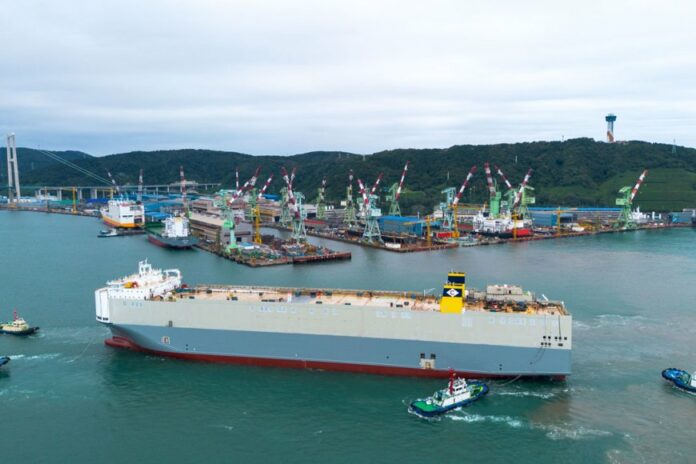
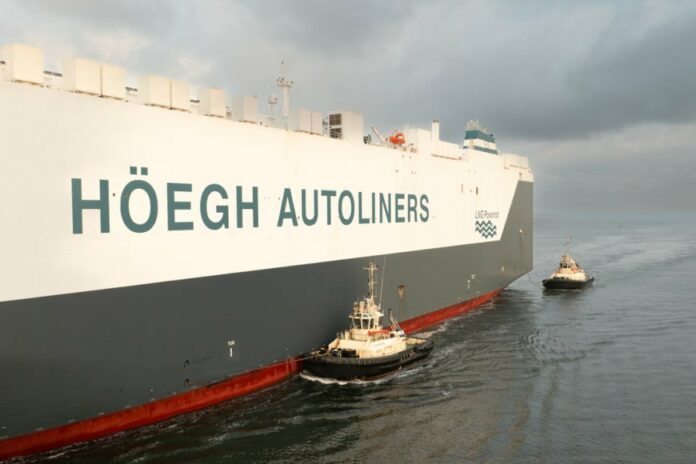
Svitzer and Höegh Autoliners have partnered to deliver Svitzer’s first ever EcoTow solution in Australia, servicing the largest and most environmentally friendly car-carrier vessel class in the world on its call to four ports ‘Down Under’.

EcoTow is Svitzer’s proprietary carbon insetting solution, and it has provided a near 100% reduction in CO2 emissions relating to the towage operations of Höegh Aurora’s port calls during her maiden voyage to Australia. 

With the EcoTow solution, the carbon emissions from towage jobs are mass balanced by carbon credits generated by Svitzer’s use of biofuel across its international towage operations. The neutralisation effect is established by an external auditor and documented through certification and assurance reporting.

Towage is one of the largest carbon emitters in port operations in Australia, and Svitzer has a comprehensive decarbonisation strategy targeting its reduction, including via biofuel and battery powered tugs.

The Höegh Aurora is a multi-fuel capable vessel – cutting carbon emissions per car transported by 58 per cent compared to the current industry standard. 

The uptake of EcoTow by Höegh Autoliners in Australia highlights the significant progress in maritime decarbonisation and potential net zero operations possible in the future. 

In September, Svitzer also contracted the build of the world’s first battery electric-methanol hybrid TRAnsverse tug – which will offer carbon neutral towage for the majority of the tug’s operations. The tug design offers port authorities and shipping line companies a towage solution able to support sustainable ‘Green Port’ and ‘Green Shipping Corridor’ ambitions.

Sebjørn Dahl, Chief Operations Officer at Höegh Autoliners, said: “Höegh Autoliners is whole-heartedly set on achieving our 2040 net-zero emissions goal, and the EcoTow agreement with Svitzer on the Höegh Aurora’s visit to Australia illustrates our ongoing commitment in meeting these goals.

“We are proud to have secured the first ever low-carbon towage service in Australia and it is only appropriate that our innovative, world-leading Aurora Class vessel delivers this first, providing the opportunity to further reduce the carbon footprint of our customers’ value chains.”

Svitzer’s Managing Director for Australia, Videlina Georgieva, said: “This is an exciting step forward for decarbonising shipping in Australia – and a demonstration of the significant contribution maritime can make toward a Net Zero future. 

“We commend Höegh Autoliners for the industry leadership they have shown and their commitment to driving a cleaner, more sustainable future. We are thankful for the opportunity to work closely with our customers to reduce emissions while also providing sustainable, safe and reliable marine services.

“Svitzer has ambitious decarbonisation goals to have fully carbon neutral operations by 2040 and to reduce the carbon intensity of its tugboat fleet by 50 per cent by 2030. We hope this initiative provides some further impetus to the policy landscape in Australia where there is a major, but largely unmet, opportunity to accelerate bioenergy and electrification solutions in maritime decarbonisation.”

The Höegh Aurora’s maiden voyage to Australia occurred in late December 2024, departing 30 December after completing a four-port visit to Australia where it has transported cars to the Australian retail automotive market via ports at Fremantle, Melbourne, Port Kembla and Brisbane.

Partners complete first delivery of renewable diesel to the marine sector in Singapore

0

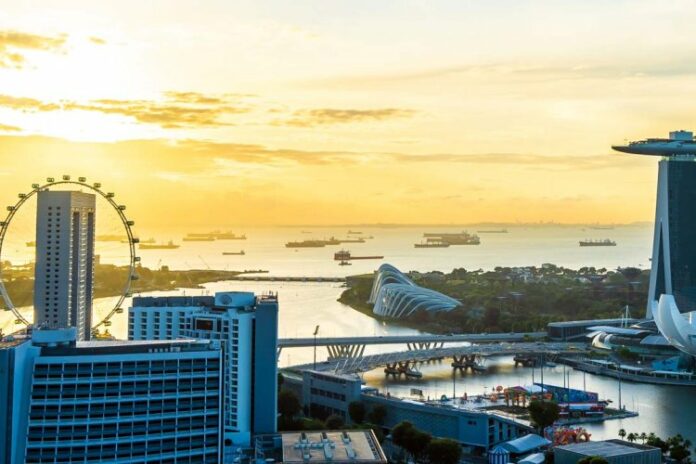
KPI OceanConnect and Neste have announced the first successful delivery of renewable diesel (also known as HVO100) for the cruise industry in Singapore. The delivery of Neste MY Renewable Diesel™ took place in November 2024 and marks a significant milestone for the Asia-Pacific marine sector.

Neste MY Renewable Diesel™ is made from 100% renewable raw materials and is a direct replacement for fossil diesel, helping the industry meet its sustainability goals. The use of this renewable diesel can result in up to 90% greenhouse gas (GHG) emissions reduction over its lifecycle compared to fossil diesel. The fuel is a drop-in solution and is suitable for all diesel-powered engines without the need for additional investment or modification to engines or fuel infrastructure.

The delivery of renewable diesel from Neste was made at the Singapore Cruise Terminal, with the fuel sourced from Vopak Penjuru Terminal and transported to the cruise ship via the barge Maple (IMO Type II Bunker Tanker), operated by Global Energy. 

KPI OceanConnect facilitated the successful delivery of the renewable diesel, working closely with the vessel’s technical team to ensure engine compliance. KPI OceanConnect collaborated with Neste to source the fuel and with Global Energy for operational agreements in Singapore waters. This joint effort underscores the vital role of Neste, KPI OceanConnect and Global Energy in advancing alternative fuels and meeting the maritime industry’s growing demand for renewable energy solutions amidst increasing pressure to achieve sustainability targets.

Commenting on the announcement, Ee Pin Lee, Head of Commercial APAC, Renewable Products at Neste, said: “This first supply of Neste MY Renewable Diesel to the marine sector in Asia-Pacific is a significant milestone and demonstrates the versatility of the product across a wide range of applications where it can replace fossil diesel. It is an effective solution for enabling the marine sector to be more sustainable.”

Chow Munee, Group Business Manager, Global Energy, added: “Partnering with Neste and KPI OceanConnect to supply renewable diesel to the marine sector in Singapore is an important step in helping our clients reduce their environmental impact. By providing seamless and reliable delivery of HVO, we are supporting the industry’s transition without compromising operational efficiency. We’re proud to play a role in driving these crucial efforts within the maritime sector.”

Jesper Sørensen, Head of Alternative Fuels and Carbon Markets at KPI OceanConnect, said: “We are proud to be industry first movers in sourcing and delivering HVO for our clients, helping them reduce their carbon footprint and achieve their environmental goals. By working closely with Neste and Global Energy, we were able to offer high-quality biofuel to our client, laying the groundwork for further fuel uptake and decarbonisation progress. This successful delivery is a testament to how partnerships can help advance the industry’s green transition.”