-6.2 C
New York
Home Blog Page 98

Elomatic and thyssenkrupp Marine Systems sign ship design contract

0

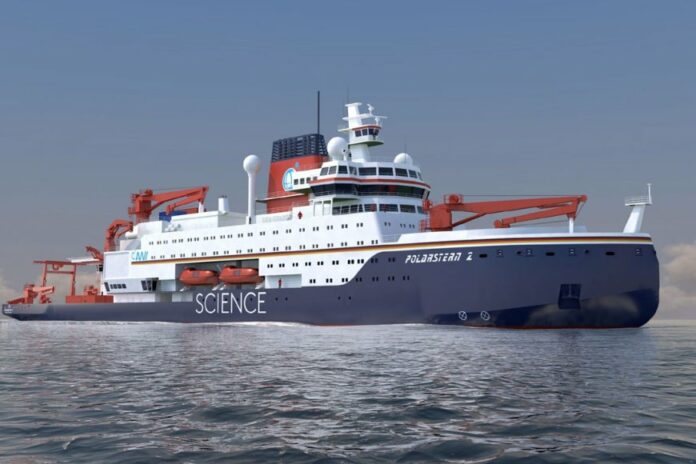
Elomatic Maritime Technologies GmbH and thyssenkrupp Marine Systems AG (tkMS), one of the world’s leading naval companies, have signed a substantial design and engineering contract to support the development of the innovative new Polarstern. 

The ship will be built at the large and modern shipyard of tkMS in Wismar. The shipyard has a remarkable track record in developing complex icebreaking ships, with more than 120 ships built for polar regions. Its latest multi-mission icebreakers were delivered in 2015 and won the highly recognized “HANSA ship of the year” award.

Elomatic, an international consulting and engineering company, will provide basic and detail engineering work, as well as providing yard consultancy, during the ship construction phase. 

In 2022, members of the senior management from MV Werften decided to join Elomatic and establish a company in Wismar. One of the goals was to preserve key ship design expertise in their hometown of Wismar. The new Polarstern project aligns seamlessly with the company’s expertise in designing and constructing groundbreaking Arctic research vessels.

In December 2024, tkMS was awarded the public tender for the construction of the new Polarstern by the Alfred Wegener Institute for Polar and Marine Research in Bremerhaven, Germany. The contract represents the culmination of a two-year partnership between tkMS and Elomatic to develop the proposal for the new Polarstern project. This vessel is set to become the world’s largest and most advanced icebreaking research and polar logistics ship. It is equipped with a wide portfolio of advanced scientific and logistic equipment, on-board laboratories, and a propulsion system which uses green fuels in combination with a large battery system. Additionally, the ship can break through 1.8-metre-thick ice. The new vessel is scheduled to replace the existing Polarstern in 2030.

Elomatic brings extensive expertise in icebreaking ship design and engineering. Since 2022, Elomatic has served as the primary design and engineering partner for Canada’s new national polar icebreaker, currently in its detail engineering phase at Vancouver Shipyard (VSY). 

Guido Schulte, Managing Director at Elomatic Maritime Technologies GmbH, commented on the announcement: “The new Polarstern project represents a significant moment for Elomatic, as the largest single ship design contract in the company’s 55-year history. We are extremely excited to continue our collaboration with our partners at tkMS and look forward to further contributing to the creation of this groundbreaking polar research vessel, to be built in our hometown.” 

Oliver Burkhard, CEO of tkMS, said: “With the new Polarstern contract, we apply our maritime expertise also to the civilian sector, and prove that we can offer technological excellence at internationally competitive terms. thyssenkrupp Marine Systems is not only setting shipbuilding standards but is also making an active contribution to international research in the fight against climate change – and we are proud to support this mission with technology and innovation. We look forward to continuing this journey together.”
DNV launches joint industry project on ground investigations for offshore wind turbines

0

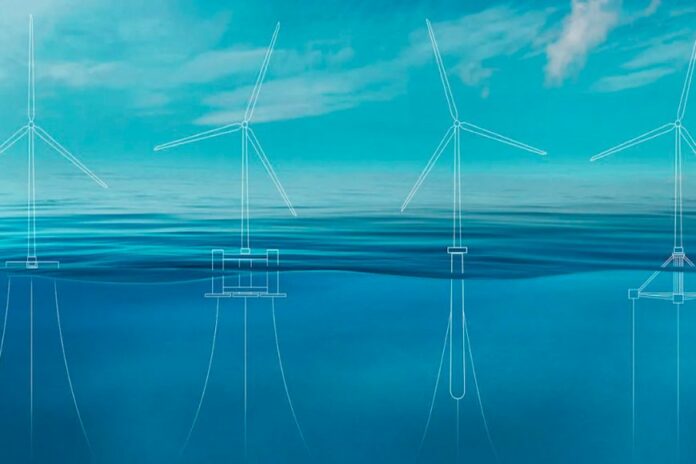
This initiative will be part of the ambitious join industry project (JIP) Ground Investigation for Floating Wind (GIFT).

DNV has identified a need for additional guidance on the number and extent of ground investigations required to produce reliable, certifiable, and installable anchoring designs using environmental classes for floating wind turbines, fixed-bottom foundations, and seabed cable developments. 

The GIFT JIP brings together more than 15 industry partners who will work towards developing an industry practice on ground investigation that enables the safe derivation of design soil profiles for installation and in-place performance. The JIP will also collaborate with academic institutions, such as the University of Massachusetts Amherst, Southampton, Texas A&M and regulatory authorities including The Crown Estate, BOEM and HEREMA. 

“It is of great importance to join the know-how as the industry begins to tackle new challenges in developing large-scale offshore floating wind farms. There is a need to optimize site soil characterization within project timelines to facilitate reliable designs, standardization, and installation of station-keeping systems. For this, clear guidelines, recommended practices, and minimum requirements are key to providing confidence for decision-makers and investors,” said Alejandro Borobia, JIP project sponsor at DNV.

The new practice aims to move away from position-specific (anchor/foundation) in-situ testing by utilizing a more practical environmental class approach. This work will be conducted through a pragmatic approach for geophysical and geotechnical SI and state-of-the-art ground modeling, aligned with project timelines and ensuring adequate knowledge of the ground conditions to facilitate reliable anchor design, accommodate design flexibility, and de-risk installation.

“The potential of correlating geotechnical and geophysical data is often overlooked. I very much look forward to steering the collaboration between geophysical and geotechnical engineers. Their insights will be key for optimizing ground models for anchor design and installation,” commented Amy Beeston, JIP technical lead at DNV.

The proposed approach for site investigations may also apply to fixed-bottom foundations or seabed cable developments. The JIP aims to establish an approach for defining a design soil profile without the need for position-specific data, thus creating a framework where the site investigation can be de-associated from the final wind farm layout. This has the potential to remove the site investigation from the critical path of project development for both floating and bottom-fixed WTG or cable corridors, allowing for late layout and/or design changes.

“The JIP aims at establishing a procedure for site conditions assessment that enables developers to tailor ground investigation to their project’s needs and schedule. We believe that the significant knowledge, experience and expertise brought together by the JIP’s partners ensure a high-quality and clear guidance for the industry.” added Yiorgos Perikleous, JIP project manager and technical lead at DNV.

The JIP initiative was launched with an initial workshop in February 2024 and is planned to take place over a period of 1.5-2 years, starting in Q1 2025. 

However, the call for additional interested partners remains open, and DNV welcomes companies spanning various interests (operators, designers, contractors, regulators) to join.

Partners in the JIP will participate in technical workshops, receive early access to the knowledge gained, and get insights into the resulting recommended practice.

AAL Shipping selects ABB Marine Advisory System to optimize Super B-Class fleet

0

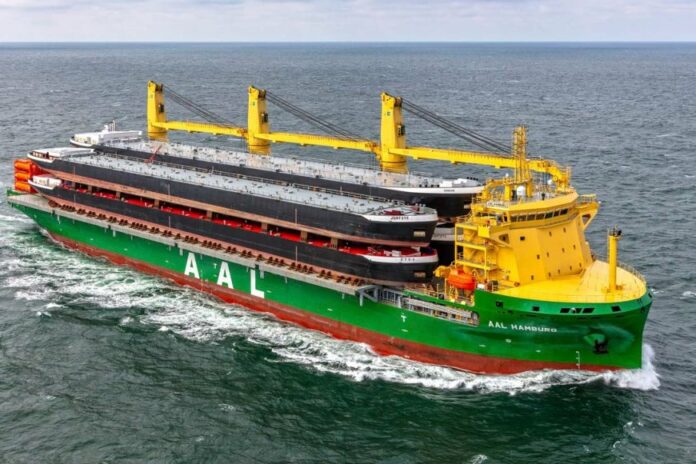
AAL Shipping (AAL) has chosen ABB Ability™ OCTOPUS – Marine Advisory System to optimize operations of their advanced fleet of Super B-Class heavy lift vessels. ABB’s technology will help enhance the safety and efficiency of its cargo-carrying operations.

AAL has currently four 32,000 deadweight tonnage ships in operation and four due for delivery by 2026. The third-generation Super B-Class vessels have been designed for maximum flexibility to transport bulky, heavy and high-value loads. Deployed across varying and often challenging conditions worldwide, the heavy-lift vessels require special attention to ensure that operations are continuously optimized for safety and efficiency.

OCTOPUS is the market leader in motion monitoring and forecasting solutions within the global semi-submersible fleet. Now the demand for the monitoring and operational planning software from the project cargo and offshore wind markets is on the rise.

ABB’s OCTOPUS package for AAL includes response forecasting and motion monitoring, which ensures vessel operations remain within allowable motion limitations. This helps to minimize the risk of damage to the ship and its cargo while also supporting route planning optimization. By maximizing fuel consumption efficiency, the feature also contributes to reduced carbon emissions per transported cargo unit.

“As a provider of a total multipurpose shipping solution, we have earned a reputation amongst our global client base for providing best-in-class shipping operations built on reliability and efficiency,” said Nicola Pacifico, Head of Transport Engineering at AAL Shipping. “ABB’s OCTOPUS system provides us with unparalleled decision-making support. A key area of benefit is when we are sailing with the ‘AAL Eco-Deck’ in place along the starboard side of the vessel. When either using or planning to use the Eco-Deck, ABB’s OCTOPUS technology can aid us in monitoring and forecasting the potential reaction of our vessel to various modelled wave and weather conditions – crucial to planning safe and efficient sailings.”

“Our OCTOPUS technology enables a wide range of shipping companies to operate leaner and cleaner,” said Jaap-Jan Stoker, Global Solutions Manager, ABB Marine & Ports. “When it comes to monitoring and forecasting vessel motions, we have been the industry standard in segments such as container shipping and semi-submersibles for many years. Now other segments such as project cargo and offshore wind transportation also seek to gain enhanced insight into vessel motions to enable safer passage in varying weather conditions.”

According to Data Horizon Research the multi-purpose vessel market has been experiencing steady growth in recent years, driven by increasing global trade activities and the versatility of these vessels. The market has seen a shift towards larger and more technologically advanced vessels, capable of handling diverse cargo types while maintaining fuel efficiency and reducing environmental impact.

New report: Green Shipping Corridors will need additional support under a global fuel standard

0

Under current and prospective policies from the IMO, EU, and US, the business case for green shipping corridors could improve markedly – but not sufficiently – according to a new report published by UMAS, UCL and the Global Maritime Forum (GMF). 

Titled ‘Building a Business Case for Green Shipping Corridors’, the report looks at the significant commercial challenges associated with green shipping corridors, how these could change under future regulation, and what additional support may be needed to ensure the viability of such projects.

Green shipping corridor projects – which focus on initiating the maritime value chain for scalable and sustainable fuels such as hydrogen-derived e-ammonia and e-methanol – have thus far faced an insurmountable cost gap. Against the backdrop of an evolving global and regional policy landscape, the business case for such first mover initiatives will begin to improve, but targeted support will be needed to ensure uptake of e-fuels.

The report emphasises the important role of regulation in enabling shipping’s energy transition and the wider implications for the industry operating under a future compliance regime where fleet and bunkering strategies will need to become more sophisticated. Policies such as the IMO’s new global fuel standard, the EU’s Emissions Trading System (ETS), and the US Inflation Reduction Act (IRA) will play a critical role in reducing costs for green shipping corridors but fall short of fully bridging the gap between the cost of e-fuels and the cheapest solution to meet compliance.

The report explores the potential opportunities and options that could be available for green shipping corridors in three different shipping sectors—gas carriers, container ships and bulk carriers—to highlight how public and private efforts could accelerate early adoption of e-fuels. The scenarios explored reveal that while biofuels and blue ammonia are lowest cost options over the near term, scalable e-fuels such as e-ammonia are expected to become increasingly competitive as production costs fall and compliance requirements tighten, indicating that targeted support would only be required over the short term.

With 62 green shipping corridors initiatives already announced, support for these early mover projects could enable significant strides to be made in the development of sustainable fuel production and in investment in the storage, bunkering, and port infrastructure required to decarbonise the wider shipping industry later in the transition.

Deniz Aymer, Senior Consultant at UMAS, commented, “Upcoming regulation will shift the business case for green shipping corridors – as well as shaping how the wider shipping industry approaches compliance. To fully bridge the cost gap, however, targeted support for e-fuels is needed. But this short-term support will pay future dividends by ensuring that scalable and sustainable fuels are available to the wider industry when needed.”

Dr Nishatabbas Rehmatulla, Principal Research Fellow at the UCL Energy Institute, stated, “The findings of this study make it very clear that without clear demand signals and additional public support over the near term, closing the cost gap on e-fuels will be challenging. Without this support and guardrails on fuels, some of the announced green shipping corridors are at risk of failing to fulfil their crucial role as first movers, and stalling before implementation or gravitating towards least-cost compliance options.”

Jesse Fahnestock, Director of Decarbonisation at the Global Maritime Forum, commented, “The most important role Green Corridors can play is to coordinate and kick-start the value chain for tomorrow’s shipping fuels. Participants in corridors will need to be creative in how they leverage a range of regulations, but it’s clear from this work that the scale of their impact will depend on policymakers delivering targeted support for e-fuels.” 

To accelerate progress, the report outlines actionable solutions for industry and policymakers. It highlights how business models will need to adapt under incoming regulation and how long-term commitments from cargo owners and ship owners and operators can help de-risk investment and drive e-fuel adoption. Strategic partnerships across the value chain will be essential for sharing risks and rewards, ensuring a more equitable cost distribution while advancing green shipping corridor projects.

Despite this, the business case for green shipping corridors will remain challenging without targeted measures to support the uptake of e-fuels. Mechanisms such as Contracts for Difference (CFDs), e-fuel auctions, and/or multipliers for overcompliance with e-fuels will be crucial to the short-term viability of these initiatives. Economic support could be underwritten by the IMO through revenues raised by a levy on shipping industry emissions. In the absence of a global levy, however, national governments may need to step in to directly support corridor projects.

Baseblue introduces bunker fuel supply service at Point Lisas Port

0

Baseblue has launched a new bunker fuel supply service at Point Lisas Port, Trinidad. 

Point Lisas Port, one of the major maritime hubs in Trinidad, comprises four key terminals:

  • Point Lisas Industrial Port Development Corporation (PLIPDECO);
  • Savonetta;
  • Yara Trinidad;
  • and Phoenix Gas. 

Baseblue’s new supply service will primarily focus on PLIPDECO and Savonetta terminals, where the local supplier’s storage tanks (VLSFO 20,000bbls & LSMGO 10,000bbls) are based. This strategic location ensures seamless fuel delivery through truck-to-ship and pipe-to-ship methods, enhancing convenience and reliability. 

The bunker fuel supplied by Baseblue is sourced from leading refineries in the US Gulf, ensuring high-quality and reliable fuel that meets industry standards. Vessels can now access fuel and low-sulfur marine gas oil (MGO) directly at the terminal, mitigating delays caused by weather conditions and logistical bottlenecks commonly experienced in anchorage areas.

Ignacio Gaviña Alvarado, Marine Fuel Supply, Baseblue, said: “This new service represents a significant step forward in providing vessels calling at Point Lisas Port with a dependable fuel supply. By delivering fuel directly at the terminal, we are improving operational efficiency, reducing waiting times, and minimising environmental impact.”

The introduction of this service marks a departure from the traditional reliance on barge deliveries, offering a more efficient and environmentally friendly solution. By minimising delays and optimising fuel supply logistics, Baseblue’s service contributes to reducing greenhouse gas emissions and supporting the maritime industry’s sustainability goals, an even more significant advantage with the recent activation of FuelEU Maritime in January, where vessels are mandated to reduce fuel emissions.

Partners to launch world’s largest floating offshore wind project

0

This agreement follows LS Cable & System’s recent MoU with Norway’s Equinor for cooperation on the 750 MW Bandibuli/Firefly floating offshore wind project in South Korea.

LS Cable & System has developed dynamic cables designed to operate stably in harsh offshore environments, a first in Korea.

Through this MoU, the Korea-based companies aim to collaborate with Balmoral Comtec to establish a secure and optimised operational system for floating offshore wind cables. Additionally, LS Marine Solution will enhance installation efficiency and ensure stable maintenance, supporting the successful execution of the project.

South Korea’s Ministry of Trade, Industry, and Energy (MOTIE) has included floating offshore wind power for the first time in its 2024 Fixed Price Contract Competitive Bidding for Wind and Solar Power Facilities. As a result, Equinor’s Bandibuli Project was selected, and LS Cable & System has partnered with Equinor to gain an early market advantage.

An LS C&S official stated, “Although floating offshore wind currently accounts for only about 1% of the market, it is expected to grow rapidly. Through the Bandibuli Project, we aim to secure core technologies and continue leading the market through ongoing technological advancements and global cooperation.”

Bill Main, Managing Director of Balmoral Comtec comments: “This Memorandum of Understanding (MoU) highlights our ongoing commitment to the floating wind sector. We are delighted to collaborate with LS Cable & Systems and LS Marine Solution on the Bandibuli project. Balmoral Comtec is uniquely positioned to support the offshore wind industry, drawing on our decades of experience. By leveraging our innovative products and expertise, we aim to help accelerate the industry’s growth and meet its ambitious targets.

Floating offshore wind power generates electricity using floating structures at sea, allowing installations in deeper waters compared to fixed-bottom wind farms. According to the Global Wind Energy Council (GWEC), the floating offshore wind market is expected to grow rapidly from 35GW in 2020 to 270GW by 2030.

Econowind receives investment to harness the wind for deep-sea shipping

0

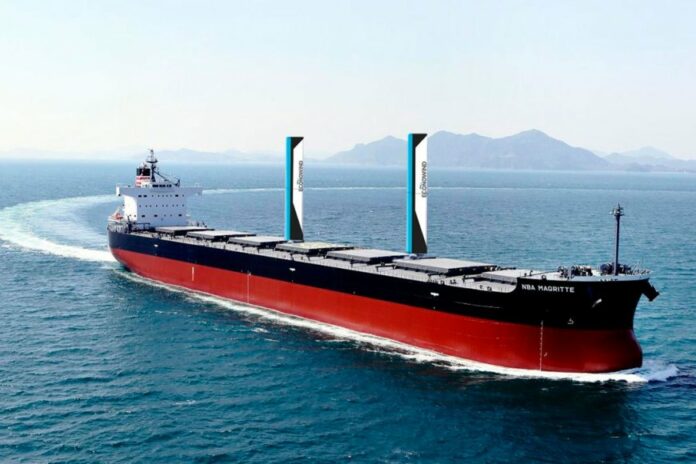
Similar to airplane wings, these innovative sails are designed for large vessels, harnessing wind power to reduce fuel consumption and cut CO2 emissions by up to 15%.

Econowind has been producing smaller VentoFoils for coastal shipping for several years. With the introduction of the XL model, the company aims to expand into the deep-sea shipping market, strengthening its position as a global leader in sustainable maritime technology. The first of two XL prototypes is expected to be fully developed and tested within the next two years. In addition to development capital, Invest International has also provided export financing to support Econowind’s growth.

Econowind has already manufactured 10- and 16-meter VentoFoils for coastal vessels. Now, the larger 24-30 meter XL sails will enter the market, targeting deep-sea shipping, which includes 50,000 vessels worldwide. These ships spend extended periods at sea, consuming significant amounts of fuel. The larger sails will deliver greater fuel savings and further reduce environmental impact. Designed and manufactured in Zeewolde, the VentoFoil XL will soon be deployed on ships around the world, contributing to greener maritime transport.

To meet growing demand, Econowind is scaling up production at its facility in Zeewolde. The expanded space and optimized processes allow for higher output and shorter lead times, ensuring more shipowners can benefit from VentoFoil technology. This strategic move positions Econowind to ramp up manufacturing as the industry accelerates its shift toward low-carbon shipping solutions.

Michiel Slootweg, Director of Private Sector at Invest International, emphasized the importance of investing in sustainable maritime technology: “Econowind is a perfect fit for our portfolio as an innovative Dutch scale-up driving the sustainability of shipping. With key partners like Damen Shipyards and customers among the world’s top ten shipping companies, Econowind is well-positioned for a global rollout. These international opportunities are a key reason for our investment. Development capital is often unavailable through traditional financing, but we can provide the necessary support to help bring this product to market.”

Econowind CEO & Founder, Frank Nieuwenhuis, highlighted the company’s expansion into the deep-sea sector: “With this investment, we can accelerate our focus on the deep-sea market. Having already delivered over 100 sails for smaller seagoing vessels, it is now time for the VentoFoil XL. This technology will improve fuel efficiency and cut CO2 emissions in deep-sea shipping. The market demand is high, and the potential is enormous. Wind propulsion is bringing shipping back to its roots.”

For this financial transaction, Invest International collaborated with Regional Development Companies (ROMs), specifically the Development Company for Northern Netherlands (NOM) and Horizon Flevoland, which provided an additional €2 million in equity to Econowind.

Kongsberg secures contract to equip Bibby Marine’s groundbreaking eCSOV

0

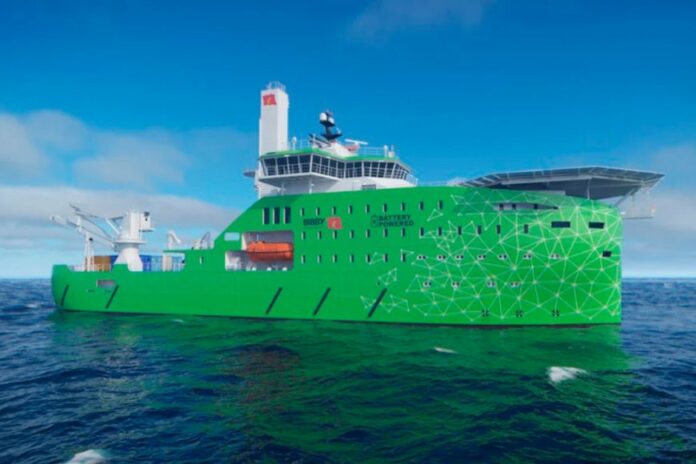
Kongsberg Maritime’s comprehensive package will be at the core of this advanced vessel’s systems. The company will provide full-electric rim-drive propulsion with azimuth and tunnel thrusters. The scope of supply also includes the automation system, full electrical control system, Dynamic Positioning, and thruster control.

The new eCSOV will feature the largest ever battery installation on an offshore vessel, with a capacity of 25MWh. Kongsberg Maritime’s equipment will seamlessly integrate with the battery system and optimise the use of energy on board.

UK-based Bibby Marine has commissioned this pioneering service operation vessel from Spain’s Armon shipyard. The hybrid vessel will be capable of operating entirely on electricity for a full day, thanks to the 25MWh Blue Whale Battery Energy Storage System from Norway’s Corvus Energy. This lithium iron phosphate system, the largest maritime battery installation to date, will enable the vessel to operate on electricity for 24 hours.

Bibby Marine New Build Project Director, Gavin Forward said: “We are thrilled to embark on this pioneering journey with Kongsberg Maritime as one of our partners. This groundbreaking vessel, equipped with Kongsberg’s fully integrated package, including Rim Drive thruster units, will ensure our optimal efficiency and operational excellence.

“The eCSOV marks a significant milestone not only for Bibby Marine and its partners, but also for the entire maritime industry and will certainly push the boundaries of innovation in the offshore energy sector.”

Birger Teien Evensen, Sales Director – Offshore, at Kongsberg Maritime, said, “We are delighted to be part of this groundbreaking project with Bibby Marine, as they take hybrid operations in the offshore market, to the next level. Our integrated package of advanced maritime technologies will ensure the new eCSOV operates with unparalleled efficiency and sustainability, setting a new standard for the industry.”

The eCSOV will have engines running solely for charging, optimizing efficiency, extending battery life, and reducing emissions. A DC grid setup will minimize energy losses, and offshore charging systems will allow simultaneous battery charging and dynamic positioning.

ONE and Yusen Logistics advance sustainable shipping solutions with ONE LEAF+

0

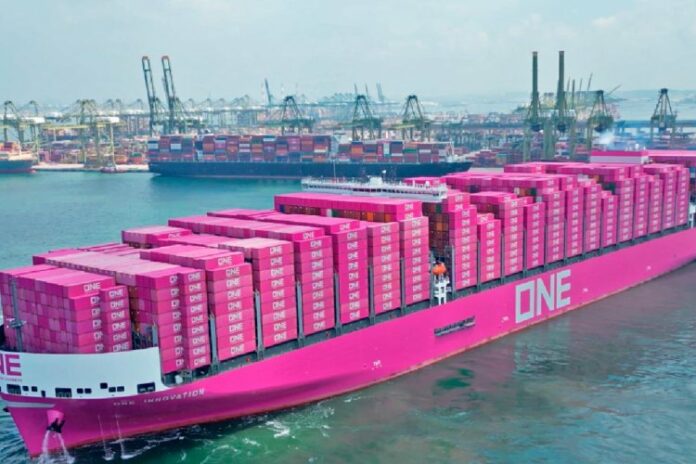
This collaboration demonstrates how the industry can advance sustainable supply chain practices and marine transportation to deliver environmental benefits.

Under this agreement, ONE will use sustainable biofuels for propulsion, achieving up to 84% reduction in well-to-wake CO2 emissions compared to Very Low Sulphur Fuel Oil (VLSFO). As a freight forwarder, Yusen Logistics will offer this green shipping option to customers, enabling them to simultaneously reduce their Scope 3 greenhouse gas (GHG) emissions. 

Says Gilberto Santos, Senior Vice President, Global Commercial and Service Management, ONE, “This collaboration with Yusen Logistics represents an important step in expanding the availability of green shipping solutions in Asia. Through ONE LEAF+, we are offering customers the flexibility  to reduce their supply chain emissions while maintaining the reliability they expect from ONE. Together, we are advancing our shared commitment to sustainable shipping and supporting the industry’s decarbonization goals.”

Says Kohei Omura, Head of Ocean Freight Forwarding Group, Yusen Logistics, “We are very pleased to sign an agreement with ONE as the first logistics company in Asia and aim to build a more sustainable future through the provision of eco-friendly shipping solutions together. By utilizing ONE LEAF+, we are proud to offer our customers more sustainable choices and contribute to the reduction of GHG emissions.”

ONE LEAF+ (Low Emission-Able Freight) offers customers the opportunity to proactively manage their own emissions and minimise environmental impact across the value chain. The service currently uses UCOME (Used Cooking Oil Methyl Ester), a non-toxic and biodegradable biofuel derived from food production. Customers can choose flexible CO2e savings from approximately 10-80% and receive independently verified emissions reduction certificates to track their environmental impact. 

Ørsted starts offshore construction of 920 MW offshore wind farms in Taiwan

0

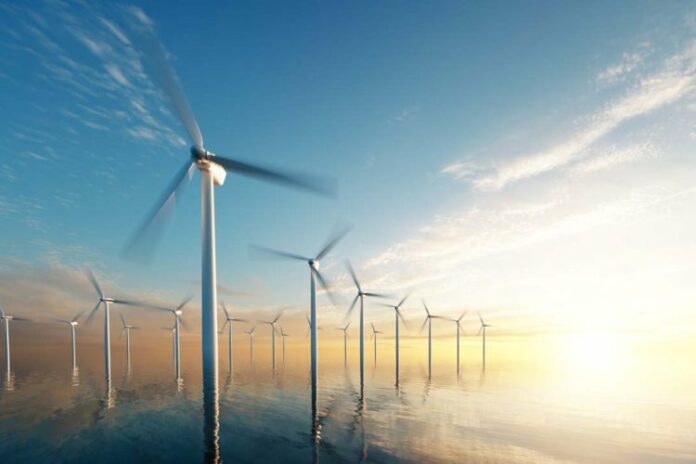
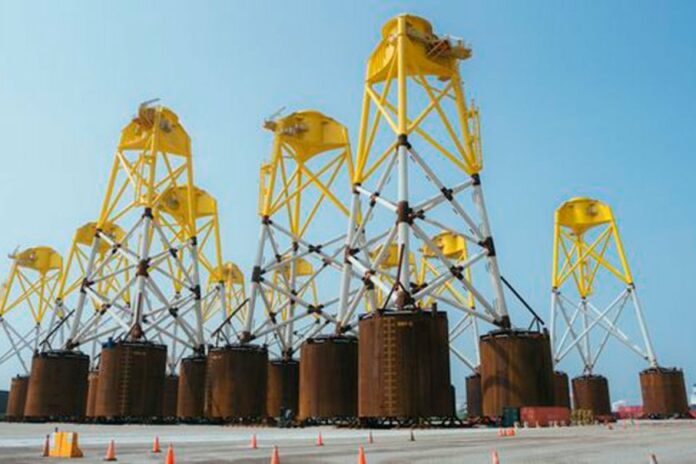
Ørsted now commences the offshore construction for the Greater Changhua 2b and 4 offshore wind farms in Taiwan. 

Ørsted was awarded the 920 MW Greater Changhua 2b and 4 offshore wind farms in June 2018. In July 2020, Ørsted signed a 20-year fixed-price corporate power purchase agreement (CPPA) for a corporate customer to offtake the full production of the wind farms.

Per Mejnert Kristensen, President of Region APAC at Ørsted, says:

“The commencement of offshore construction for the Greater Changhua 2b and 4 demonstrates Ørsted’s unwavering commitment to developing, constructing, and operating large-scale offshore wind farms in Taiwan.”

“As the first offshore wind farms in Taiwan backed by a CPPA, they not only demonstrate the confidence our customer and the market have in Ørsted’s industry-leading technical expertise and extensive experience but also set a significant benchmark for long-term partnerships between businesses and the industry for renewable energy as well as the vital role of offshore wind in building a low-carbon economy.”

Since its final investment decision in March 2023, Ørsted has begun the manufacturing of the key components, completed civil work of the onshore substation, and started mobilising vessels to prepare the offshore construction.

The Greater Changhua 2b and 4 offshore wind farms are expected to complete offshore installation by the end of 2025 and be fully connected to the grid in 2026. Once completed, Ørsted will reach a combined operational offshore wind capacity in Taiwan of nearly 2 GW, producing clean energy enough to power two million Taiwanese households.

Ørsted currently has 9,9 GW of operational offshore wind capacity installed across three continents, with an additional 8,4 GW of offshore wind under construction.

Facts about Greater Changhua 2b and 4

  • Capacity: 920 MW.
  • Location: 35-60 km off the coast of Changhua County, Taiwan.
  • Water depth: 23.8-44.1 m.
  • Size of the wind farms: 185 km2.
  • Wind turbine capacity: 14 MW (66 Siemens Gamesa 14-236 DD).

Key milestones

  • Project awarded: June 2018.
  • Final investment decision: March 2023.
  • Onshore substation construction kick-off: April 2023.
  • Offshore construction begins: February 2025.
  • First power: Expected in Q3 2025.
  • Offshore installation: Expected to be completed by the end of 2025.
  • Full grid connection in 2026.