2.1 C
New York
Home Blog Page 1220

Industry collaboration key to unlocking full advantages of technology in maritime

0

As with many other industries, key players in maritime are increasingly spurred on to accelerate innovation and adopt new technologies in a bid to stay ahead of the curve.

Although the uptake of technologies and innovation has been relatively slow in the maritime industry due to the complex nature of traditional maritime operations, the industry has now evolved and is beginning to overhaul legacy systems to embrace modern approaches to shipping and port operations.

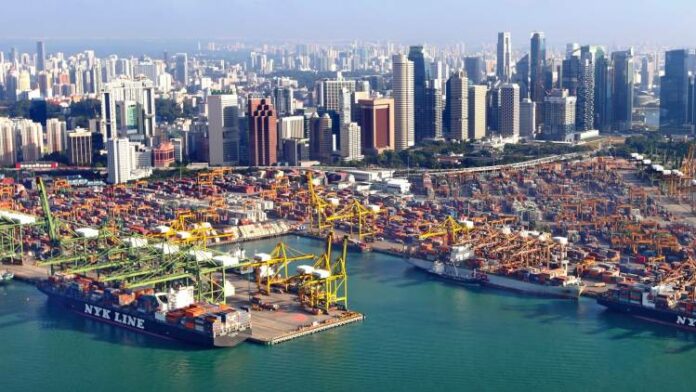
The maritime industry in Singapore, in particular, has already seen rapid changes. Maritime leaders today are taking the lead in embracing innovation in various areas including automation, connectivity, simulation and analytics to not only increase efficiency and productivity, but also solve potential issues.

For example, PSA Singapore, together with Maritime and Port Authority of Singapore, National Additive Manufacturing Innovation Cluster (NAMIC) and 3D MetalForge Pte Ltd, recently launched the world’s first commercial 3D printing facility, which utilises additive manufacturing technologies and is supported by blockchain technology, to enable the fabrication of spare parts for port equipment.

The Sea Transport Industry Transformation Map was also launched earlier this year by the Maritime and Port Authority of Singapore (MPA) in partnership with the industry, unions and other government agencies. Aimed at developing Singapore into a next-generation port, the plan also seeks to catalyse innovation, drive productivity improvements, as well as enhance the skills of the maritime workforce.

Leading the maritime evolution

For PSA Singapore, the complex orchestration of activities within the port area is the bread and butter of our operations. Few key technological areas, namely Big Data and other collaborative platforms are crucial in helping the ports of Singapore stay prepared and competent while continuing to provide high-quality service levels to customers.

Through data analytics, Big Data can help with understanding areas that need to be optimised as well as develop key capabilities. For instance, analysed data can be used to predict the arrival of vessels to anticipate the manpower required to support various operations, and the transportation required to deliver container movement. Engineers can also use the data to predict time-to-failure of system parts. This helps in either scheduling in advance the proper inspections needed to diagnose potential system failures or restoring certain equipment to its optimal state in the shortest time possible.

Digital transformation for our next generation port was mapped out in our Container Port 4.0™ initiative. We are bringing on board emerging technologies for this vision of the intelligent port of the future. IoT devices are connected for sense-making and enable the application of AI and Machine Learning for higher productivity in our operations.

Smart engineering involving predictive and prescriptive maintenance on automated container handling machines will also be applied to optimise component replacement intervals, just-in-time maintenance and more. With such technology-enabled processes, engineering staff carrying out maintenance and diagnostic tests will become more efficient and we can witness a rise in quality. This will help give a level of consistency and efficiency at ports that humans have been unable to achieve in the past.

While we acknowledge limitations such as the inability to provide an acceptable level of productivity for overly complex and dynamic tasks, we also recognise that technology-enabled engineering allows for fleet-level orchestration, increased efficiencies in deploying resources, energy savings, as well as reducing fatigue and risk exposure for rank-and-file staff.

In addition, PSA Singapore is already actively working on implementing automation into the workflow. Earlier this year, we launched a trial of a new Automated Quay Crane system at the Pasir Panjang Terminal that can boost productivity substantially, as well as introduce benefits of automation to bolster Singapore’s status as a port hub.

Overcoming adoption hurdles

While automation, or any other technological innovations, can benefit the industry by easing strenuous tasks and streamlining workflow, the industry faces adoption challenges when it comes to full-scale implementation. Challenges such as costs, safety, complexity, skills-matching and the lack of standardisation are some of the hurdles to an industry-wide adoption.

To successfully utilise new technologies to transform the industry, it is imperative to have industry-wide collaboration for standardisation, proper human resource implementation, and public-private partnership.

The importance of standardisation cannot be overlooked as using similar technologies and procedure can help with reducing the cost of adoption and increase success of implementation. Spare parts can be easily obtainable, keeping the equipment versatile and maintenance costs low. Similarly, professional proficiencies of operators and engineers can be developed easily, as skills are transferable to maintain and upgrade the systems with little variation.

Upskilling the current workforce can also contribute to the success of implementation as well. By having a strategic skills competency roadmap based on the demands of emerging technologies in jobs, human resource teams can identify skill gaps within the organisation and plan for training and possible job redesigns, as well as a restructure if necessary, to facilitate the adoption of technologies within the current workflow.

For example, PSA Singapore utilises remote guidance systems in the form of smart glasses which allow subject matter experts to guide staff remotely during complex troubleshooting scenarios. The use of such technology not only reduces time costs in training and onboarding current or new staff, but increases the efficiency rates of actual port operation performance.

Engaging strategic partners such as the right technology solution and research and development (R&D) providers to find the right hardware for the job is also important. In addition, the continuous interaction with government agencies, as well as local institutes of higher learning, can help groom the next generation of professionals qualified to operate and continue the development of the implemented technologies.

Gearing up for the next phase of maritime

There is no doubt that technology, when used in the right manner, can strengthen the maritime industry. In gearing up for future challenges, it is imperative that maritime leaders come together to create standardisation in policies, protocols and collaborate on greater education and training initiatives. Efforts to do so can help reduce operational complexities and alleviate technology adoption pain points, which will enable the community-at-large to reap the full benefits of technology at the workplace.

Source:seatrade-maritime
Why Seacor went electric

0

Shipowners have little choice but to evaluate the use of alternative fuels and zero-emissions technologies if they wish to remain competitive in the market writes DNV GL Technology and LNG business development director Anthony Tse Yen Teo

The international shipping industry is under immense pressure to move in the direction of alternative fuels and the drivers behind this push are interlinked. High fuel prices, more stringent environmental regulations, and increased stakeholder pressure to manage environmental and climate risks have spurred the development of new energy sources, and many of those sources are now mature.

Shipowners have little choice but to evaluate the use of alternative fuels and zero-emissions technologies if they wish to remain competitive in the market. But what approach is best?

That decision requires thoughtful consideration of the ship type, operating profile, and fuel availability. For vessels with various power demand operations, a battery hybrid solution is a strong contender, and offshore support vessels owners are eyeing the option.  

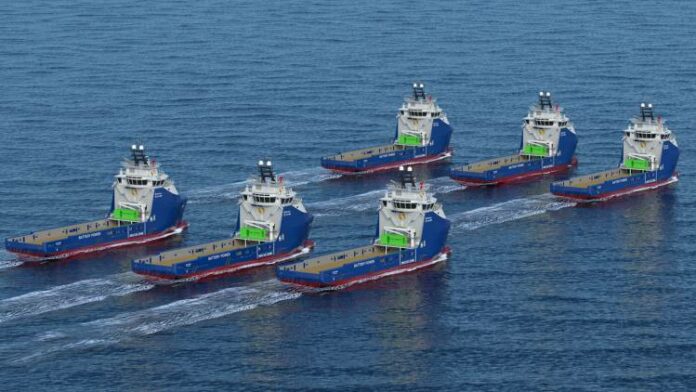
To position the company for the future, Seacor Marine Holdings Inc (Seacor) has taken a bold step and embraced this new propulsion technology. The Louisiana-based operator signed contracts in 2017 to convert two series of platform supply vessels (PSVs) to battery hybrid power. Through Seacor’s joint ventures in Mexico and China, the company will operate 12 battery hybrid-powered vessels, which includes four PSVs contracted to operate in the Gulf of Mexico and eight PSVs for worldwide operations.

Hybrid power reduces emissions

Reflecting on Seacor’s journey, manager of engineering, Tim Clerc emphasised that the decision for batteries was one the company carefully thought through. Seacor had been evaluating the benefits of battery hybrid propulsion and how to apply it for several years.

This evaluation led the company to take an active role in the 2015 DNV GL-managed joint industry project (JIP) “Opportunities and Barriers in Maritime for Hybrid Electric Power for Backup and Propulsion”, which aimed to solidify the next steps toward widespread utilisation of battery hybrid power in the offshore oil and gas sector.

Through its participation, Seacor validated the conclusions of the study on a cost-benefit basis for their operations. “We believed that we could significantly reduce fuel consumption using battery hybrid technology, and our basis for that was not only our work but the work we did jointly with DNV GL on the JIP, which used one of our vessels as a source of data. That vessel is now in service, and the savings we’ve seen so far are in line with the findings of the JIP,” said Mr Clerc.

The JIP concluded that savings in fuel and emissions are highly duty-cycle dependent; indicators for a good value proposition of a hybrid vessel are extended periods of low loads or transient duty cycles that swing from very low loads to very high loads, similar to those of a PSV operating profile — especially during dynamic positioning operations. Over the engine maintenance cycle of 50,000 hours that was looked at in this study, the fuel savings result in significant reduction of CO2 emissions (19,600 tonnes for a PSV). Similarly, the total combined amount of NOx, SOx and CH4 emissions avoided is also significant at 1,970 kilograms.

Increasing competitiveness

Subject to shareholder pressure, Exxon, Shell, and BP have all announced initiatives to reduce emissions and have publicly adopted plans to report the risks, climate change poses to their core businesses. These activities meanwhile, have translated to an oversupply of OSVs and ship operators are seeing historically low charter rates and utilisation.

The price per barrel of oil has forced the oil industry to make dramatic changes in the name of efficiency, and now oil companies are feeling the heat of climate change as well. Seacor felt the fuel savings they could achieve through battery hybrid propulsion would give the company the boost it needed to stand out in the market.

We are in the business of chartering ships. Lots of owners today have similar-sized, modern PSVs. So how do we differentiate ourselves? Fuel efficiency was the way we believed we could offer better value to our customers – hence the DNV GL notation for batteries,” stated Mr Clerc, as he shared insight on Seacor’s thought process. “If we take our eight DNV GL-classed COSCO vessels, for instance, they were quite optimised already in terms of hull form, propulsion and power generation, which limits how much we might improve there.”

We needed to utilise technologies that can reduce fuel consumption. When we look at emissions, there are after treatment systems on the market and Tier-4 in-engine systems available, but the easiest way to reduce emissions is to simply burn less fuel.

The Rolls-Royce Marine battery containers for the Seacor project have been surveyed and tested as complete units to the extent possible prior to shipment to the vessels. In a pilot project, DNV GL has issued product certificates for the complete containers, which includes the structure with fire insulation, certified components like batteries, chargers and transformers, electrical installations in the container and testing of the complete container as a component. This will reduce onboard testing and allow for a shorter commissioning time.

Though fuel efficiency may have been a primary driver for Seacor’s decision, the company does expect to earn other rewards; the full list of which is better understood now. “We look at it as our ability to offer a more efficient vessel foremost, but one with dynamic performance and with greater redundancy of systems,” stated Mr Clerc as he highlighted some of the safety benefits of batteries.

During DP simulations, we see that we have an extended period during which we can safely disconnect from the rig. We have a far more robust system when it comes to blackout prevention and recovery in the event of a blackout.” Seacor also values this increased reliability because it appeals to charterers.

These elements combine to not only save fuel but also reduce running hours on equipment. “On paper, we see the savings in maintenance being considerable. Of course, that has yet to be realised, and we are only going to see that over time,” said Mr Clerc, adding that Seacor is making major investments to have crews trained on the new energy management systems, supplied to the two series of vessels by Kongsberg and Rolls-Royce respectively.

“Like any innovative technology on board, just how much savings we will see from it will depend a lot on the crew. They are excited about it though, and it is refreshing to see their enthusiasm about being on board and part of something that is cutting edge. As our crews gain more experience with the operation of these systems and, importantly, as they learn to trust in their reliability, I think we will see greater savings come out of it. For example, generators won’t be running needlessly.”

Though there is a learning curve with operating these systems, the crew on board will benefit from their use right from the beginning. “Electric power minimises noise and vibration because the generators are loaded more evenly,” said Mr Clerc. “We already build our vessels to Comfort Class, but the crew will have an even more comfortable working environment with this. We want to do what we can to improve life on board, and we want our people to be well rested before they go on watch so that they can stay alert while they’re carrying out their duties.”

While Seacor’s current retrofit projects will bring 12 energy-efficient and cleaner vessels to the market, Mr Clerc said the company is just getting started. “We’re not going to stop innovating, we will do more.”

Seacor’s decision to invest big and early in hybrid technology, Mr Clerc believes, is an advantage and makes a statement about Seacor’s outlook to the future. “We see greater interest from charterers, with some specifically asking for hybrid power now, particularly those in the North Sea. You can never stop moving forward, and Seacor is not a company that rests on its laurels,” he said.

By the end of 2019, Seacor Marine Holdings aims to have the largest fleet of hybrid vessels anywhere in the world. In this market, that is how much we believe in this system.

Source:osjonline

Port of Amsterdam trials monitoring system to explore drones

0

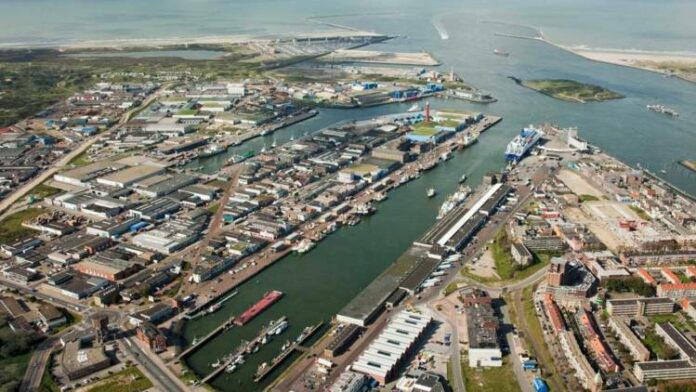
The Port of Amsterdam is set to conduct a four-week drone detection system trial, aimed to build understanding of how, where and why drones are flying over the Port of Amsterdam, as well as to monitor the potential of drones for numerous use applications across its, and its customers’ operations.

The data collected from this pilot is expected to have far reaching influence on the future use of UAVs (unmanned aerial vehicles) across the 650ha Port area.

In particular, the M.A.D.S (Marine Anti Drone Systems) will support the Port by monitoring legal and illegal flying across its land, by detecting and identifying drones within a 5km range, providing GPS positioning of both drone and pilot together with the drone’s speed and heading. Configurable and escalating stage alarms in real time allow the drones intentions to be assessed in good time to decide on appropriate defence actions.

"This trial is an important part of our innovation strategy. The M.A.D.S system gives us a first opportunity to get a feeling for the technology that will help us understand drone usage and make a first assessment on unwanted drone flights in a part of our port…. As the Port Authority we do want ensure drone flights in our port are carried out safely and responsibly, within the laws and regulations,"…said Joost Zuidema, Project Manager Innovation, who is overseeing the trial for the Port Authority.
A recent report by IDC (international Data Corporation) stated that it expected worldwide investment in drones to be USD12.3 billion in 2019, with drone purchase growing nearly twice as fast as the investment in robotics over the same period.
"The growing trend for the use of UAVs (unmanned aerial vehicles) being used on Ports, Commercial shipping and Super yachts is, as yet, not fully recognised by authorities. We are delighted to be working with Ports of Amsterdam, who are on the cutting edge of developing technology to understand the opportunities for drone use and the potential threats and benefits they can provide for key national infrastructure,"…added Erik Van Wilsum Head of CUAS.

Source:safety4sea

Asia’s first gas-to-power project with FSRU to be developed

0

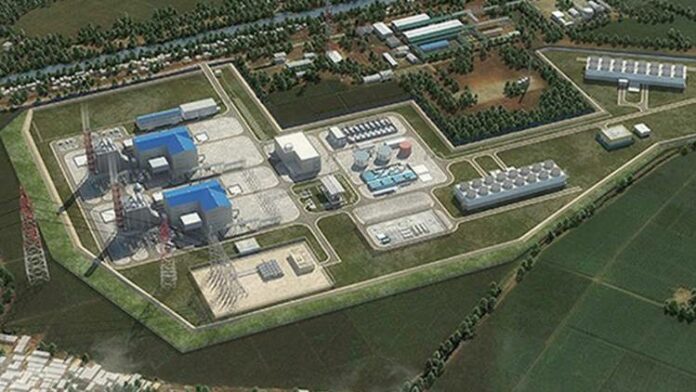
MOL signed deals for the construction of a floating storage and regasification unit (FSRU), FSRU services, and financing for the Jawa 1 Gas-Fired Project. This is considered Asia’s first gas-to-power project that will use an FSRU. Except MOL, Pertamina, Marubeni and Sojitz will also participate in the project.

This is Asia’s first gas-to-power project using FSRU, electric generation and gas related facilities which will be developed in an integrated manner.

In this project, PT Jawa Satu Power(JSP), a joint venture by Pertamina, Marubeni, and Sojitz, will construct, own, and operate the gas-fired power plant with a generating capacity of 1,760MW in Indonesia's West Java province while Jawa Satu Regas (JSR) will build, own, and operate a FSRU at sea to storage and regasify LNG to supply fuel to the power plant. The power plant and the FSRU will be maintained and operated. The Indonesian state-owned electricity utility PT PLN (Persero) will buy the electric power, produced by these facilities, for over 25 years.

The project expected to start operation in December 2021, the statement reads.

The FSRU will be placed 14km offshore in the Cilamaya Sea, east of Jakarta. The power plant will be newly constructed on shore near the FSRU site, and connected to the FSRU via a pipeline about 21km long.

The FSRU with a regasification capacity of 300 million cubic feet per day will be built by the South Korean shipbuilder Samsung Heavy Industries.

According to MOL’s announcement, this project is co-financed by the Japan Bank for International Cooperation, Asia Development Bank, Mizuho Bank, Ltd., MUFG Bank, Ltd., Oversea Chinese Banking Corporation, Crédit Agricole Corporate and Investment Bank, and Societe Generale Bank & Trust. Financing of private financial institutions is insured by Nippon Export and Investment Insurance.

NYK concludes long-term charter agreement for two LNG carriers with Total

0

On December 6, NYK signed a long-term contract with Total Gas & Power Chartering Limited (TGPCL), a subsidiary of Total, a leading oil and energy company headquartered in France. The contract calls for TGPCL to charter from NYK two newly built liquefied natural gas (LNG) carriers that will be built by Samsung Heavy Industries Co. Ltd. in Korea and scheduled for delivery in 2021.

The two LNG carriers will be equipped with a WinGD-made dual-fuel slow-speed diesel engine (i.e., X-DF diesel engine) that has superior fuel-consumption efficiency and can operate on marine gas oil or boil off gas stored in the cargo tank. The carriers will also feature a re-liquefaction system that can use surplus boil-off gas effectively. The cargo tank will be a 174,000 cubic meter capacity membrane-type tank that will make use of advanced insulating materials to suppress the boil-off rate (percentage of gas volume that vaporizes during navigation) in the cargo tank and realize superior efficiency and economical LNG transportation.

NYK had concluded a time-charter contract with Total on September 28, 2018, for another LNG vessel. Also NYK currently offers ship-management services through Gazocean, a French joint venture between NYK and Total, and will continue to deepen collaboration with Total in both LNG transportation and ship management.

In accordance with its new medium-term management plan “Staying Ahead 2022 with Digitalization and Green,” the NYK Group seeks to secure stable freight rates through long-term contracts, provide flexible and optimal LNG transport options that meet customers’ diversifying needs, and continue its efforts to contribute to a stable supply of LNG.

– Outline of Vessel
Cargo tank capacity: about 174,000 cubic meters
Length overall: about 293 meters
Breadth: about 45.8 meters
Main engine: X-DF diesel engine
Speed: 19.5 knots
Shipbuilder: Samsung Heavy Industries Co. Ltd.
Delivery year: 2021

Source:portnews

Using New Technology to Manage Safe Return to Port

0

A serious accident involving a large passenger vessel is undeniably one of the highest risks to the safety of life at sea due to the sheer number of passengers and crew onboard. We don’t have to think far into the past to recollect vivid images of what events like this can mean. 

Against this backdrop, efforts are continuously made to minimize this risk both through design and during operation by increased regulation and improved technology to aid the handling of emergency situations. 

Safe Return to Port (SRtP) is the latest set of regulatory improvements, now nearing 10 years since its original inception. The core concept is that the ship is its own best lifeboat. Design and operational focus should be aimed at saving the stricken vessel and ensuring it can support life on board and, if safe to move, it is able to sail to the nearest port with its passengers and crew safely on board. This is ultimately achieved through a minimum prescribed level of system redundancy on a specific set of ship systems, those core to a safe return to port.

In the case of an actual emergency, the first and utmost priority is to contain the incident and assess the state of the vessels. Whether fire, flooding or a grounding scenario (a casualty scenario), the first responders will be dealing with the fire or flood itself to ensure the effect is as limited as possible. At the same time, the crew needs to support the passengers in assembling to the muster stations. 

These activities are continuously drilled by the crew to ensure the most effective response possible. Once the initial damage is as contained as possible, the damage to the vessel and the ongoing emergency can be assessed and support from the ground can be sought. Understanding the extent of the damage can be a difficult process on its own, even with technology such as flooding sensors, the crew will wish to visually inspect and report to the emergency response team. 

It is at this time that the decision to save or abandon the vessel is made. The key risk here is the decision must be made with all the information gathered, including the potential human and technological limitations or, indeed, errors. Integral to this decision making is the ability for staff on the ground to quickly support utilizing computer software to assess the static stability of the vessel and, if able, to look into the dynamic flooding of the vessel to provide sound engineering advice. However, this may not always be an available option.
 
Once the ship is stable and the damage contained, systems on board the ship can be assessed and restorative actions put in place. This is the core operational requirement derived from the SRtP regulations, but it is limited, currently, to a specific set of casualty scenarios. The crew will have access to SRtP documentation on the vessel; all critical systems should be identified, and any manual restorative actions documented and achievable within an hour. 

This logistical task should not be underestimated: in some large passenger vessels the number of actions to restore critical system functionality can be over a hundred for a single casualty scenario. Each single action will require specific information to be available about which valve, for example, is required to be operated and where the valve is in the vessel. There is also an additional logistical difficulty of managing the response teams effectively, dispatching them with the right information and understanding the overall progress. 

A number of methodologies can be implemented by the operator to ensure the activity is performed as efficiently as possible:

Validating the quality of the SRtP information delivered with the vessel is of utmost importance. Despite best efforts, significant errors can be found in the documentation delivered with the vessel. 

Having a clear procedure defined and communicated to manage this eventuality. This process will need to deal with ease of access of information and the management of the restorative actions. Paper based solutions are available but carry significant human resource overhead and carry many risks, considering the sheer volume of information required. Software technology does currently exist to support this activity and is considered the most effective methodology to ensure a successful completion of the SRtP restorative actions within the stated time limit for any SRtP casualty. 

Regular drills need to be scheduled, managed and assessed to ensure the crew is knowledgeable, trained and as prepared as possible. 

SRtP regulations have added a further layer of safety to passenger vessels, but currently its main limitation is these restorative actions are only applicable to specific casualty scenarios. In the case the damage is not one of the prescribed scenarios, SRtP regulations do not apply and hence the information to restore systems simply does not exist onboard. This limitation was, mostly likely, a compromise between the IMO and the various lobbies to ensure the regulations would not be too onerous. 

In fact, the design requirement and operational requirements are linked: a specific set of systems need to attain a specific redundancy level for those prescribed casualty scenarios. If these casualty scenarios had been defined more widely, the redundancy requirements may even be unattainable. The way forward would be to treat the design requirement separately from the operational requirements. In this manner, system redundancy information availability can be increased on board a vessel and prepare it to deal with most casualty scenarios rather than a select few. Shipyards should not be concerned about this, as software technology already exists to create this information effectively.

Source:maritime-executive

Carnival Names its Next Cruise Ship After its First

0

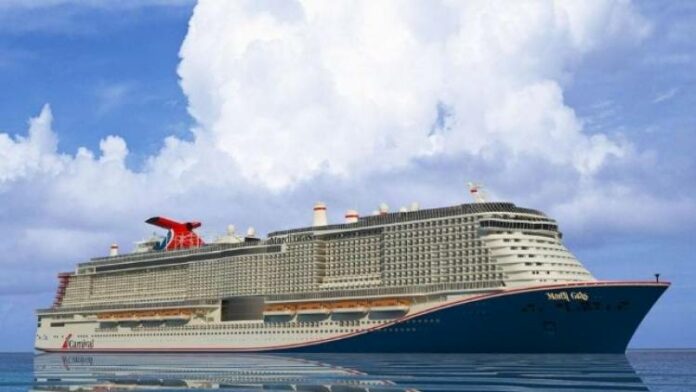
Carnival Cruise Line has decided to name its next ship after its first, the Mardi Gras, which helped usher in a new era of mass-market cruising in the 1970s. 

The 1961-built Mardi Gras began life as the RMS Empress of Canada, a 27,000-ton, steam-powered liner built by Vickers-Armstrong for Canadian Pacific Line. She sailed a regular route between England and eastern Canada during the last years of the transatlantic liner trade. In 1972, Carnival founder Ted Arison purchased her and rebranded her the "fun shipMardi Gras. Arison envisioned a cruise ship with a less formal atmosphere and more accessible pricing than the industry norms of the time, and the formula was a success. Mardi Gras served in Carnival's fleet for 21 years.

"The new Mardi Gras will follow the trailblazing lead of her predecessor, introducing features and technological innovations that have never been seen before on a cruise ship," said Carnival Cruise Line president Christine Duffy.

At 180,000 tonnes and 5,200 berths, the new Mardi Gras will be Carnival's largest ship ever, and six times larger than her namesake. She will be the first North American cruise ship fueled with LNG, which will enable compliance with ECA and IMO 2020 emissions requirements. 

The new ship is already under construction at Meyer Turku in Finland. When completed in 2020, she will be based in at a newly built state-of-the-art terminal in Port Canaveral, which will be the largest single development project in the port's history. On Wednesday, Canaveral's port authority commission approved up to $117 million in bonds to fund the terminal, and Carnival will contribute up to $50 million more. 

Carnival intends to announce the sailing schedule for Mardi Gras' inaugural season in January, and the details of her amenities will be published later in the year. A second XL-class ship will begin construction in 2020 and will be delivered in 2022, just in time for the 50th anniversary of Carnival Cruise Line's founding.

Source:maritime-executive

Miami to Host First Ever Cruise Ship Interiors Expo

0

Next year, Miami will host the world’s first and only event to focus exclusively on the interior design, architecture, and outfitting for the cruise industry. The inaugural Cruise Ship Interiors Expo (CSIE) is scheduled for June 18-20, 2019 at the Miami Beach Convention Center.

For vendors, CSIE offers access to qualified buyers for the cruise industry; for visitors, it gives a chance to see the latest interior design materials and trends. "Cruise Ship Interiors Expo is an exciting and needed addition," says Petu Kummala, director of interior design and architecture for Carnival Cruise Line. "[It] will provide a source for designers and suppliers to connect, exchange ideas and see the latest products that can be used on future projects."

The event's organizers say that it has had an overwhelming response from all of the major cruise lines, shipyards, and outfitters, and its exhibitor spaces are now fully booked. Leading participants at the show will include MJM Group, Trimline, YSA Design, Tillberg Design, Fincantieri Marine Interiors, Disney Cruise Line, Virgin Voyages, The Ritz-Carlton Yacht Collection, Carnival Cruise Line and the Grand Bahama Shipyard.

In addition, co-located with CSIE, the Marine Catering Expo will host the industry’s leading suppliers to the galley in an exhibition and catering forum. Industry leaders including MKN, Loipart, and Rational are scheduled to attend.

Visitor registration for June 18-20, 2019 is free and may be completed online at www.cruiseshipinteriors-expo.com.

In the meantime, the event's organizers have published a complete guide to cruise ship interior trends for 2019, and it is available online at info.cruiseshipinteriors-expo.com/the-2019-guide-to-cruise-interiors-trends.

Source:maritime-executive

Four New Cruise Terminals Underway in the U.S.

0

The Cruise Lines International Association anticipates positive year-over-year growth for the industry globally in 2018, with a passenger forecast of 28 million. The U.S. and Canada saw impressive growth in 2017 with a five percent increase over the previous year, and North America represented the largest ocean passenger volume in 2017 (49 percent) with a total of more than 13 million ocean cruise passengers.

As the cruise industry continues to expand globally, plans for four new terminals in the U.S. have been advanced over the last two weeks. 

Port of Galveston

The Board of Trustees of the Galveston Wharves has entered into a MOU with Royal Caribbean Cruises for the development and operation of a new cruise terminal. The long-term lease negotiations could lead to a 60-year transaction: a 20-year initial term and four 10-year options.

While specific designs and costs have not yet been announced, some details have been revealed. The new terminal will cover approximately 200,000 square feet on 10 acres of land in the southeast section of the Port known as Pier 10. Improvements to the pier bulkhead and apron will be made to safely accommodate the cruise line’s largest vessels. In addition, a staging and loading area, bus and taxi staging areas and substantial parking will be constructed. The new facility is anticipated to open in 2021.

Over the last 15 years, Royal Caribbean has brought over 2.4 million guests to Galveston driving an economic impact of $65 million each year. The development of a new terminal is crucial to our continued growth and expansion of the brand in the region,” said Michael Bayley, President and CEO, Royal Caribbean International. Royal Caribbean currently has two ships that sail out of Galveston, Liberty of the Seas, the largest cruise ship to sail from Texas, and Vision of the Seas. The Port expects the new cruise terminal to generate an additional 1.0 million passengers halfway through the term of the contract.

Icy Strait Point
 
Norwegian Cruise Line has entered a partnership with Alaska Native-owned Huna Totem Corporation to develop a second cruise pier in Icy Strait Point, Hoonah, Alaska.

The pier is scheduled to be completed for the summer 2020 Alaska cruise season and will be built to accommodate Norwegian Cruise Line’s Breakaway Plus-class ships. The partnership will provide Norwegian Cruise Line Holdings’ brands with preferential berthing rights. Currently Oceania Cruises’ Regatta, Seven Seas Mariner, Norwegian Jewel and Norwegian Joy are scheduled to call on Icy Strait Point in the 2019 season. 

In addition, the new pier will provide more cruise passengers with access to Icy Strait’s newly upgraded retail, restaurant and shore excursion amenities, including the world’s largest ZipRider zip line. 

Canaveral Port 

The Canaveral Port Authority (CPA) Board of Commissioners have approved a resolution for the issuance of a series of bonds up to $117 million to provide the financing for Port Canaveral’s Cruise Terminal 3 project. The new terminal will be the homeport for Carnival Cruise Line’s newest and largest cruise ship.

The Canaveral Port Authority and Carnival Cruise Line will invest in building and equipping a new two-story 185,000-square foot terminal to accommodate the as-yet-unnamed 180,000-ton Carnival Cruise Line ship that will have maximum capacity of approximately 6,500 guests.

The new cruise passenger terminal, plus an adjacent elevated parking facility to accommodate nearly 1,800 vehicles, and related wharf, road and access improvements will total $150 million – estimated to be the largest single project in the history of the Port. Carnival will contribute up to $50 million towards the cruise terminal construction project. The new terminal is slated for completion by mid-2020. 

The new Carnival operating agreement, which began September 1, 2018 provides a 25-year primary term with four additional five-year renewal options and includes annual guarantees throughout. The arrival of the new Carnival ship in 2020 will mark 30 years that Carnival Cruise Line has been sailing from Port Canaveral, the longest of any of the Port’s cruise partners.

PortMiami

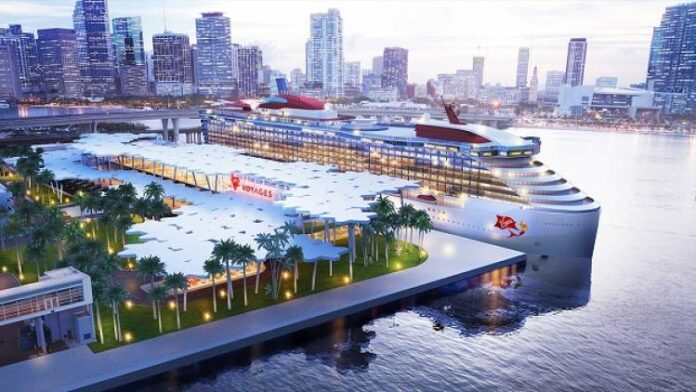
Sir Richard Branson's new cruise venture, Virgin Voyages, unveiled its plans for a new terminal at PortMiami last week. 

The passenger terminal's design is inspired by the form of the royal palm tree, and it was created by Miami-based architecture firm Arquitectonica. The two-story terminal’s rooftop is designed to resemble a palm tree grove, with pockets that allow natural light to flow into the building by day. It will have spotlight beams to light up the Virgin Voyages logo and the Miami sky at night. Arquitectonica's co-founder, Bernardo Fort Brescia, told the Miami Herald that “it’s more like a stage set than a cruise terminal," designed for a serene vacation experience from the moment of arrival. 

Source:maritime-executive

Holland America Line Takes Delivery of Nieuw Statendam

0

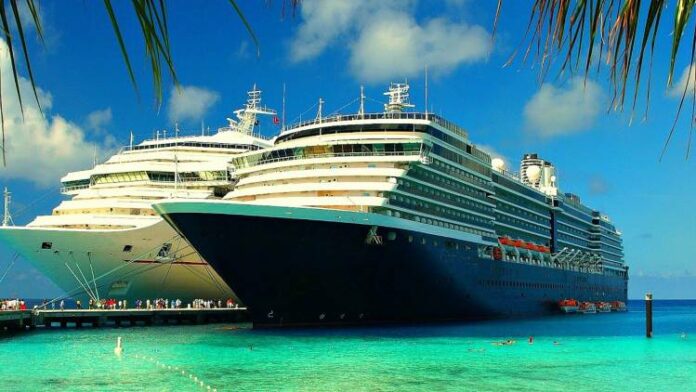
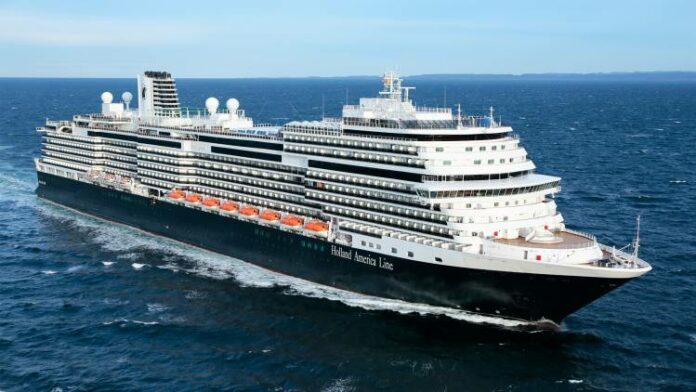
Holland America Line took delivery of Nieuw Statendam on November 29, officially making it the 15th ship in the fleet. A hand-over ceremony took place at Fincantieri's shipyard in Marghera, Italy.

Following a transatlantic crossing from Civitavecchia, Italy, Nieuw Statendam will spend a full season in the Caribbean sailing roundtrip from Fort Lauderdale. Nieuw Statendam's official naming ceremony will take place in Fort Lauderdale, Florida, on February 2. Oprah Winfrey has been named Godmother of the vessel.

The ship will head to its summer homeport of Amsterdam, the Netherlands, in May and sail a series of northern Europe, Baltic and Iceland cruises before making her way to the Mediterranean in September for cruises out of Civitavecchia.

The 99,902-ton vessel accommodates 2,666 guests. While much of her design will be similar to Koningsdam, the first Pinnacle Class ship, Nieuw Statendam will have exclusive public spaces and her own style created by leading hospitality designer Adam D. Tihany and designer and architect Bjørn Storbraaten. The ship will feature interiors inspired by the fluid curves of musical instruments.

The ship's senior staff officers will bring a combined 80 years of company loyalty and experience: Captain Sybe de Boer, Staff Captain Kevin Beirnaert, Hotel Director Don Habets, Chief Engineer Eric van Loenen, and Environmental Officer Dolf Kramer.

Holland America Line is currently $300 million spending program on brand enhancements, and a third Pinnacle-class ship is due for delivery in 2021.

Source:maritime-executive