4 C
New York
Home Blog Page 1203

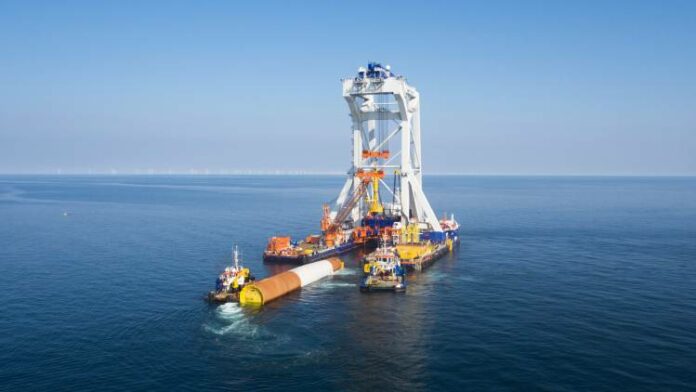
Van Oord heavy lift installation vessel Svanen takes on another Baltic project

0

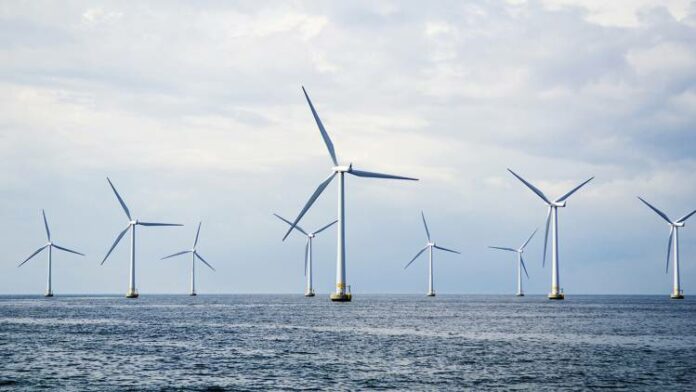
Rotterdam 20 December 2018 – Van Oord has signed a contract with the Swedish energy company Vattenfall for the transport and installation of the foundations for Kriegers Flak wind farm. Van Oord will install the project’s 72 monopiles and transition pieces.

With a production capacity of just over 600 MW Kriegers Flak will be Denmark’s largest offshore wind farm and is scheduled to be fully operational by the end of 2021. The Danish Kriegers Flak offshore wind farm is constructed in the Baltic Sea across a range of 15 to 40 kilometres from the Danish coast. The monopiles will be transported floating from Rostock, Germany and the transition pieces will be transported on barges from Aalborg, Denmark to the project location.

Svanen in the Baltic Sea

Van Oord has been involved in building offshore wind farms since 2002. For the installation of the foundations Van Oord deploys its 8,000-tonne heavy lift installation vessel Svanen. So far the vessel has installed almost 650 foundations throughout Europe. The Svanen has installed the vast majority of monopiles in the Baltic Sea including the Anholt, Baltic 2 and Arkona projects. The contract for the installation work at Kriegers Flak is another sign of the competitiveness of Van Oord’s heavy lift installation vessel.

BP boosts Clair stake after closing ConocoPhillips deal

0

Oil major ConocoPhillips has completed its previously announced sale to BP of a ConocoPhillips subsidiary that holds a 16.5 percent interest in the BP-operated Clair field for an undisclosed price.

The two oil majors agreed in July 2018 for BP to acquire from ConocoPhillips a 16.5% interest in the Clair field. BP, the operator, previously held a 28.6% interest in the field.

As a result of the deal, BP now holds a 45.1% interest and ConocoPhillips retains a 7.5% interest in the giant Clair project located in the West of Shetland region offshore UK.

Other partners in the Clair field are Chevron with a 19.4% stake and Shell with a 28% stake.

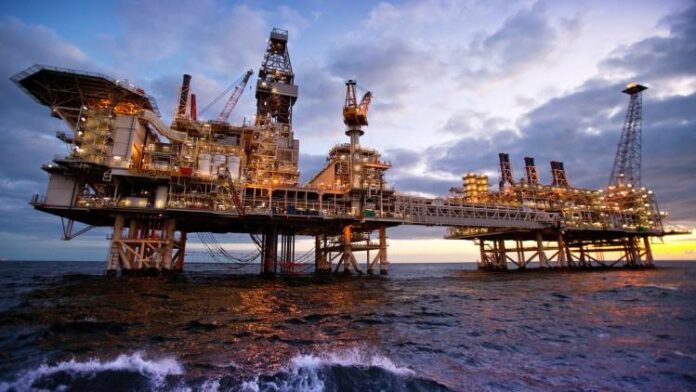
The Clair field is being developed in phases. Phase One was brought on stream in 2005, targeting approximately 300 million barrels of recoverable reserves. Clair Ridge, the second phase development of the giant Clair field, started up in November 2018.

Two new, bridge-linked platforms and oil and gas export pipelines have been constructed as part of the Clair Ridge project. According to BP, the partners invested more than £4.5 billion in the new offshore facilities, designed for 40 years of production.

The Clair Ridge development is expected to recover an estimated 640 million barrels of oil with production expected to ramp up to a peak at plateau level of 120,000 barrels of oil per day.

ConocoPhillips also completed a simultaneous acquisition of BP’s 39.2 percent interest in the Greater Kuparuk Area in Alaska and 38 percent interest in the Kuparuk Transportation Company for an undisclosed price.

In the first nine months of 2018, production associated with the acquired 39.2 percent interest in Kuparuk was 39 thousand barrels of oil equivalent per day (MBOED), and production from the divested 16.5 percent interest in Clair Field was 4 MBOED.

SINN Power explores Caribbean wave energy potential

0

SINN Power was recently invited to a business trip by the DNHK (German-Dutch Foreign Trade Chamber) as part of the Energy Export Initiative of the BMWi. As part of this, CEO Dr. Philipp Sinn and Head of Sales Johannes Stuck visited the Caribbean islands of Aruba and Curacao.

The aim of this business trip was to connect selected German companies from the field of "Renewable Energy & Energy Efficiency" with potential partners on the ABC Islands in order to market products and services of German companies.

SINN Power was able to present its innovative products and services to more than 100 participants during the 1st German-Caribbean Energy Conference and to hold talks with potential partners and customers in individual business meetings.

High-profile politicians, energy providers, project developers and local companies showed great interest in SINN Power and their technology.

Currently, the power supply on the islands is very costly and subject to large fluctuations. The energy demand is mainly covered by fossil fuels. This is very harmful to the environment and also extremely expensive.  Both in Aruba and Curacao efforts are therefore strong to steadily increase energy demand through the implementation of renewable energy.

Alexandra Sierra, Head of Sales Advisory at the German-Dutch Chamber of Commerce said “So far, the energy needs of the ABC islands have been met mainly by fossil fuels, which had to be imported almost 100%. This dependency on the world market and the oil price has immensely increased the costs of providing energy on the islands. For many islanders this means spending a quarter of their salary on energy costs in everyday life.”

The solution: renewable energy from ocean waves. Because the energy density from ocean waves is up to 100 times greater than that of sun and wind. Furthermore, waves are much more continuous over the year compared to other renewable energy resources.  

Wave power plants are noticeably closer to a base load capability and can do without large storage or redundant systems.

For the strongly tourist-dominated islands, taking care of the visual and acoustic harassment of renewable energy technologies such as wind turbines or PV systems, is of great importance.

On the contrary, SINN Power’s technology floats on the sea surface several kilometers away from the coast. In distance, from the beach, it may only appear like a boat.   

In addition, the east and west coasts of both islands differ greatly: While the west coast offers Caribbean holiday flair with white beaches, calm seas and a wide range of hotels, the untamed forces of nature are raging on the eastern coasts.

The strong swell and rough conditions do not attract any beach tourists, but is an ideal condition for your wave power plants” said Dr. Philipp Sinn, founder and CEO of SINN Power.

To achieve these ambitious goals, policymakers and utilities need to work closely together. The recently adopted energy master plan also includes the implementation of sustainable energy systems.  

The German company SINN Power is the developer of an innovative wave power plant. The technology generates electricity from ocean waves and is applicable on coasts worldwide.

The startup, which is funded by the Federal Ministry for Economic Affairs and Energy (BMWi), only succeeded in summer 2018 as one of the first companies in the world to feed electricity from ocean waves into the grid. With initial reference projects in Africa and Greece, the renewable energy startup is currently conquering the energy innovation sector.

Source:sinnpower

Abu Dhabi Terminals and COSCO Increase Cooperation

0

Abu Dhabi Terminals and COSCO Shipping Ports (CSP) – Abu Dhabi officially inaugurated the CSP Terminal at Khalifa Port in Abu Dhabi this month and have now signed a Memorandum of Understanding to further strengthen their collaboration.

The CSP Abu Dhabi Terminal is the first international green-field subsidiary of COSCO Shipping Ports. The water depth of the semi-automatic terminal is 16.5 meters which should allow it to accommodate container ships in excess of 20,000 TEU. With an annual design capacity of 2.5 million TEUs, the terminal will begin trial operations in April 2019 with 1.5 million TEU handling capacity and will gradually ramp up the volume over the year.

CSP invested $300 million in the terminal which includes the largest container freight station in the Middle East covering 275,000 square meters. The facility is the first of its kind in the region to be semi-automated and has facilities for full and partial bonded container shipments, a full range of container packing services, short-term warehousing for de-consolidated cargo as well as easy connectivity with the container terminals in Khalifa Port. 

The new MOU between Abu Dhabi Terminals and CSP notes Khalifa Port’s growing importance in local, regional and global trade and its inclusion as the main regional hub of the Chinese Belt and Road initiative. The companies will continue to cooperate and increase capacity at Abu Dhabi Khalifa Port to make it a container gateway port.

Captain Xu Lirong, Chairman of COSCO Shipping, said: “We will support the development of the terminal to the fullest extent of our capability by developing shipping routes and transshipment network to drive the volume growth of CSP Abu Dhabi Terminal. The terminal is set to be a pivot for us to develop a global maritime hub for international transshipment and logistics.” 

China is the UAE's largest non-oil trade partner. In 2017, bilateral trade between the two countries increased by 15 percent to more than $53 billion, representing 14.7 percent of the UAE's total foreign trade. During the same period the UAE accounted for nearly 30 percent of total Chinese exports to Arab countries and about 22 percent of total Arab-China trade. Bilateral trade is expected to increase to $70 billion a year by 2020.

CSP anticipates that in addition to attracting investors from Eastern Asia, it will increase Khalifa Port’s competitiveness and act as a catalyst for investment by foreign companies to set up in the free zone of Khalifa Industrial Zone Abu Dhabi (KIZAD), the region's largest industrial, manufacturing and logistics hub and free zone. KIZAD, which comprises 410 square kilometers, has to date attracted more than 200 tenants and $17.7 billion in investment. So far, 19 Chinese companies have signed lease agreements for land in the demonstration zone established in August 2017 by the Chinese Jiangsu Provincial Overseas Cooperation and Investment Company.

CSP Abu Dhabi Terminal is part of Abu Dhabi Ports’ five-year growth strategy to increase Khalifa Port, with its two container terminals, to a combined total capacity of 9.1 million TEUs. The addition of CSP Abu Dhabi Terminal has already moved Khalifa Port up from being the 89th largest container port in world rankings to within the top 25.

Source:maritime-executive

PSA and ONE to Launch Container Terminal in Singapore

0

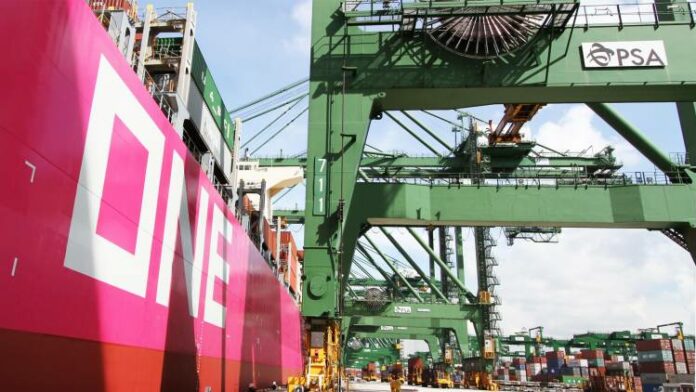
PSA Singapore and Ocean Network Express (ONE) are forming a joint venture company based at Pasir Panjang Terminal in Singapore.

The terminal is scheduled to commence operations in the first half of 2019 and operate four mega container berths with a combined annual handling capacity of four million TEUs.

PSA Singapore operates the world’s largest container transhipment hub in Singapore, linking shippers to a network of major shipping lines with connections to 600 ports globally. 

ONE, an alliance between Japanese shipping lines NYK, MOL and K Line, is the latest major joint venture for PSA Singapore. In November, PSA and COSCO Shipping Ports signed an MOU for the addition of two new berths at the COSCO-PSA Terminal in Singapore. With the launch of the two new berths, CPT will be equipped with five mega-vessel berths, increasing its annual handling capacity from three million TEUs of the current three berths to about five million TEUs. Established in 2003, the joint venture terminal by COSCO Shipping Ports and PSA has served as a major hub for container shipping in the region. The new berths, like the current three berths, will be supported by automated yard technology at Pasir Panjang Terminals.

Source:maritime-executive

U.S. Department of Energy Streamlines LNG Export Requirements

0

The U.S. Department of Energy (DOE) will now only require U.S. LNG exporters to report the country or countries of LNG deliveries, not country of end-use, to satisfy the DOE’s destination reporting requirement. 

The policy change will address the reporting of LNG delivery destinations and the types of supply and sales agreements LNG exporters must file with the DOE. Currently, the DOE requires some LNG export authorization holders to report the final country of end-use for LNG exports, which can differ from the country receiving the initial physical delivery of LNG. This can be challenging given the complexity of some LNG export transactions, and the challenges associated with tracking LNG exports all the way to their point of end-use. LNG exporters are still required to continue the current ban on LNG exports to sanctioned countries.

The U.S. is growing its position as a global leader in LNG exports and is projected to be the third largest in the world behind Australia and Qatar by the end of 2019. 
 
With the United States now being the world’s top producer of oil and natural gas, it is imperative that U.S. LNG companies have all the tools they need to get their American product into the international market,” said U.S. Secretary of Energy Rick Perry. “By streamlining the destination reporting requirements, the Department of Energy is taking an important deregulatory step forward in order to better provide reliable U.S. LNG to our friends and allies abroad.

Since exports of U.S. LNG began from the lower 48-states in 2016, over 1.7 trillion cubic feet of U.S. natural gas has been exported. To date, the DOE has approved 23.05 Bcf/d of long-term exports of natural gas. There are currently three large-scale LNG export projects in operation, Sabine Pass, Dominion Cove Point and Corpus Christi, which have a combined operating export capacity of approximately four Bcf/d.  

Three additional large-scale export are under construction. There are also a dozen large-scale export projects under review that would provide over 20 billion cubic feet per day of additional export capacity, if approved and constructed.  

Source:maritime-executive

Cool Tech

0

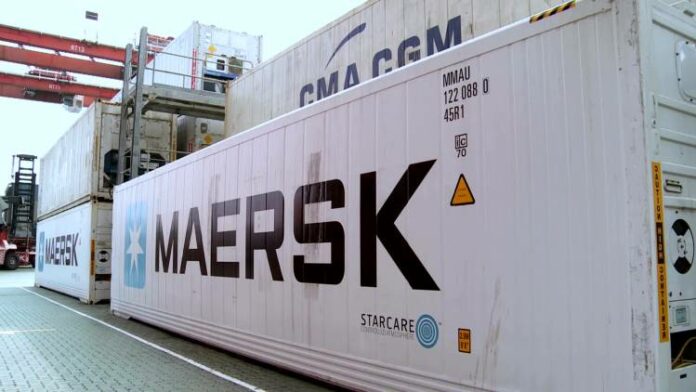
French container line CMA CGM, the globe’s second largest mover of temperature-controlled cargo, seems to get it when it comes to developing new technology to transport perishable goods. That’s not to say it moves these products any faster, but its various initiatives in developing technology for this segment exemplify its focus on moving high-value products while maintaining product quality en route.

The line’s latest reefer technology is called CLIMACTIVE. CMA CGM says it was “created for highly sensitive commodities that require special attention due to their biological specificities and maturation time. It specifically targets high-added-value products, long-transit-time products and organic products.”

CLIMACTIVE follows the launch in the past few years of other CMA CGM reefer technologies such as REEFLEX, a system to transport temperature-controlled liquids, and AQUAVIVA, a temperature controlled container designed to move live lobster.

A Bigger Pie

CMA CGM’s focus on temperature-controlled cargo shows how carriers and ports are developing physical infrastructure and creating software programs to capture real-time data in an effort to grab a piece of this lucrative pie. And it’s a pie that is getting bigger.

London-based Drewry shipping consultancy stated that global seaborne reefer trade grew over five percent in 2017 to 124 million tons with containerized reefer traffic growing by eight percent. It based the containerized growth on the shift from specialized reefer ships to containers.

Maersk Line, the largest container line in the world, is also into innovation and technology with advances in digitization that are very adaptable to the cold supply chain. Maersk has teamed with IBM to create a blockchain-based global trade solution known as TradeLens. 

The goal is to develop a highly secure digital ledger system that promotes the sharing of information across the global shipping industry and thereby reduces costs, improves productivity, increases the speed of delivery and provides transparency. The blockchain structure will ensure the safety and security of the system.

The new collaboration will integrate global shipping and trade partners including terminals, shippers, freight forwarders and ports to provide a single shared and trusted view of supply chain transactions. The technology will reduce the need for multiple records and documents produced at each point in the supply chain. 

TradeLens is about more seamless and secure sharing of information,” says Maersk spokesman Mikkel Elbek Linnet. “It will benefit temperature-controlled cargo and the cold chain more generally because actionable information is captured on the platform.”

More Capacity

While carriers and cargo owners invest in technologies that improve the transport efficiencies of “cool” cargo, ports continue to pump money into their infrastructure, both above and below the waterline.

The Port of Virginia is focused on diversifying its cargo mix and expanding the amount of refrigerated cargo we handle, both imports and exports,” says port spokesman Joe Harris. In FY 2018, Virginia processed 71,561 TEUs (twenty-foot-equivalent units) of refrigerated cargo. There are more reefer imports than exports with northern Europe being its busiest trade lane. 

The majority of the reefer cargo we handle is imported foods and beverages,” Harris explains. “The port is also playing a bigger role in processing refrigerated produce from South America as it is now part of the U.S. Department of Agriculture’s Southeast In-Transit Cold Treatment Pilot program.

Virginia is in the midst of a $700 million expansion of its two primary container terminals, Virginia International Gateway (VIG) and Norfolk International Terminals (NIT). “As part of the expansion, we are making a significant investment in infrastructure for reefer unit,” says Harris. “The major portion of the expansion centers on redevelopment of the existing container stack yard at NIT and expanding the stack yard at VIG. As part of this, we are adding reefer racks to the new stacks to provide better access to reefer units. The investment shows potential customers that we are serious about boosting our capabilities to handle this cargo.”

To further support its reefer business, Virginia recently put into service a portable, 40-plug central power unit that can be mounted on the Richmond Express barge, which moves containers between Norfolk and Richmond. The service will also employ a specialized, heavy-lift forklift to load and unload the cargo at the Richmond Marine Terminal.

Virginia’s “Wider, Deeper, Safer” project to deepen and widen Norfolk’s commercial shipping channels recently secured full federal authorization. The project will make Virginia the deepest and safest port on the U.S. East Coast, enhancing its attractiveness to bigger ships. The dredge work will take the inner harbor’s commercial channels to 55 feet and the channel in Chesapeake Bay to 56 feet. Moreover, the channels will be widened to as much as 1,400 feet in selected areas to allow for two-way traffic of ultra-large container vessels. The  target completion date is 2025. 

Drivers Wanted

Frank Camp, Director of Cargo Sales at the Port of Jacksonville (JAXPORT), says reefer cargo continues to grow with both imports and exports. Citrus and poultry have been a large part of the export market while seafood is a major import. The growth is being supported by investments in reefer warehousing by private companies like Aqua Gulf, Caribbean Shipping and Crowley Logistics. 

While JAXPORT employs new technology to monitor container temperatures to ensure products are properly stored through transit, one matter that is becoming a major issue is the availability of truck drivers and chasses. A driver shortage has been a supply chain problem for quite some time and has shippers concerned because “We’ve got to make sure we have truckers in place to move product off the port, and with perishable products it’s even more important,” says Camp.

JAXPORT’s Nancy Rubin adds that some higher educational institutions in Jacksonville have developed a strategy to attract younger drivers to replace retiring drivers to help fill the gap. Part of that strategy is to inculcate a work life balance to make the profession more attractive.

JAXPORT is also a major depot for products moving to Puerto Rico. The country’s electrical grid that powers reefer warehousing is still largely unstable because of last year’s hurricanes, so more product is being stored in Jacksonville and shipped more frequently to the island.

Cold Storage Solutions

On the West Coast, the Port of San Diego is looking at a redevelopment plan for its 10th Avenue Marine Terminal for three modes of cargo. The first phase, expected to be completed in 2019, is reefer cold storage to support its on-dock partner, San Diego Refrigerated Services (SDRS), which handles the Dole account.

Dole is the anchor account for the refrigerated piece,” says Greg Borassay, the port’s Principal for Maritime Business Development, “primarily bananas from Central and South America – about 750 reefer containers a week.” The redevelopment includes making additional land available for Dole as well as more electrical plugs at the terminal to support new business.

In Freeport, Texas where reefer cargo makes up about 45 percent of the port’s container business, logistical issues can sometimes lead to schedule-juggling.

Origin ports seem to have berthing congestion with several ocean carriers calling on the same days,” says Jason Miura, the port’s Director of Business & Economic Development. “This results in a narrow window for cargo to arrive and make the appropriate connection. Congestion at origin ports can lead to missed windows at destination ports, further disrupting vessel schedules.” 

He adds that reefer container movements can be a problem that’s accentuated by the driver shortage: “It’s beneficial if a nonoperating reefer can be used for dry cargo. Essentially, empty reefer containers need to be returned to the terminal as soon as possible, but third-party logistics providers cannot always meet deadlines due to driver availability. Cargo weight limits also decrease with reefers, which can be a concern for shippers who move dry cargo in nonoperating reefers.” 

Port Everglades is the site of a new project that includes temperature-controlled cargo and will make investment history at the port. Florida International Terminal (FIT) is opening a new, 32-acre containerized cargo terminal at the port with double the number of entry gates as well as new scales, heavy equipment, technology and stacking capacity. Improvements include, among other things, an appointment system with a VIP lane for refrigerated cargo and up to 350 new power plugs for reefer containers.

In FY 2018, FIT experienced 17 percent growth with approximately 226,000 TEUs. Perishable cargo accounted for about 15 percent of the total. – MarEx  

Source:maritime-executive

The Rotterdam Effect

0

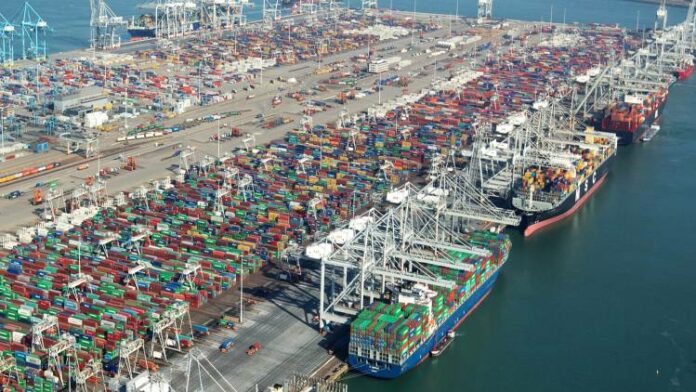
The economic significance of the Port of Rotterdam is twice as high as previously calculated.

€45.6 billion ($52 billion) or 6.2 percent of the added value of the Netherlands is due to the port, according to The Rotterdam effect – Impact of Mainport Rotterdam on the Dutch economy study conducted by Erasmus University Rotterdam, commissioned by the Port Authority. The figures indicate that the Port of Rotterdam contributes twice as much to the gross domestic product than previously calculated. 

Traditionally, when determining the economic significance of the port, only direct employment and added value were measured, including the so-called backwards indirect effects. These backwards effects are the added value that is a consequence of port companies purchasing elsewhere in the Dutch economy.

However, the new study also included the forwards indirect effects of the Port of Rotterdam – economic activities that are made possible in the Netherlands due to the presence of the Port of Rotterdam, such as re-export via logistics and distribution.

The report finds that the future earning capacity of the port is healthy, certainly in the context of digitization and energy transition, with strong growth possibilities for the maritime manufacturing industry and maritime business services in Rotterdam.

In the 2018 Global Competitiveness Report presented by the World Economic Forum, the Netherlands was ranked best in Europe regarding its transport network and water and energy supply. Its efficient sea and airports achieved particularly high scores, but the quality of the road network and access to electricity supply were also ranked highly.

Source:maritime-executive

Engie, EDPR, Sumitomo Pact to Build French Offshore Wind Farms

0

French utility Engie and Spanish partner EDP Renovaveis (EDPR) announced their alliance with the Japanese group Sumitomo Corporation to build the French offshore wind farms of Dieppe-Le Tréport and Yeu-Noirmoutier.

As part of the alliance, Sumitomo Corporation acquires a 29.5% equity stake in the French offshore projects (Dieppe Le Tréport and Yeu Noirmoutier) and will bring to the consortium its proven and complementary offshore wind expertise in terms of development, construction and operation.

ENGIE remains the reference shareholder with a 31% stake and the leading industrial player of both parks (496 MW each), in partnership with EDPR (29,5%) and La Banque des Territoires (part of Groupe Caisse des Dépôts, 10%).

Sumitomo Corporation is a leading Japanese industrial group already strongly positioned in the wind energy sector in Japan, Europe, United-States, South-Africa and China. The company is also part of some major offshore wind projects in Belgium and in the United Kingdom, totaling an installed capacity of over 1.5 GW1.1

Sumitomo Corp is also one of ENGIE’s long-time trusted partners and co-investors in desalination and geothermal projects in the Middle-East and Indonesia.

Socio-industrial commitments remain confirmed. This new alliance underlines the attractiveness of the French offshore wind market and the implementation of a French Marine energy sector.

Source:marinelink

Port of Hull scores Maersk Line feeder call

0

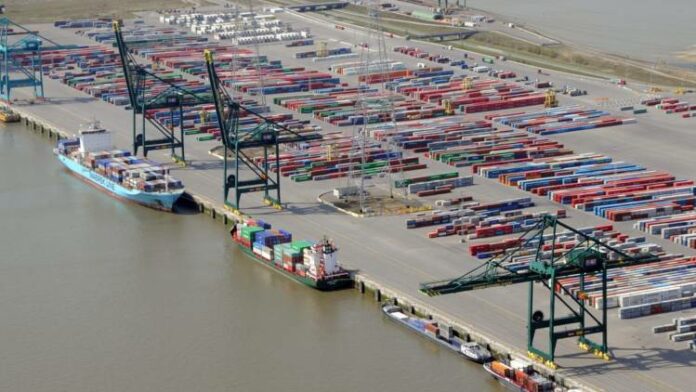
The port of Hull has got its first connection to the deepsea mainline container trades via a feeder service from Maersk Line.

A weekly feeder service from Maersk will see ABP Humber's Hull Container Terminal handle 240 boxes per week.

Unlocking this new trade gateway to the rest of the world is not only significant for the local economy, but also for the national and international economy,” said Simon Bird, ABP Humber Director.

“We’re proud to welcome the world’s largest container shipping line, Maersk, on board to the Hull Container Terminal, and we look forward to strengthening our partnership and building further trade links.”

The new service will add around 12,000 containers year to the terminal which can handle 240,000 teu a year.

Asbjorn Kops, Maersk’s product manager for UK & Ireland, said: “At Maersk, we continuously work on improving our local product offering, ensuring that our portfolio meets the expectations of our customers and helps them grow their business. Our short-sea connections complement our ocean services and connect our customers with markets around the world.

Source:seatrade-maritime